
Europe
A 1652 south-east London day school with rare green space
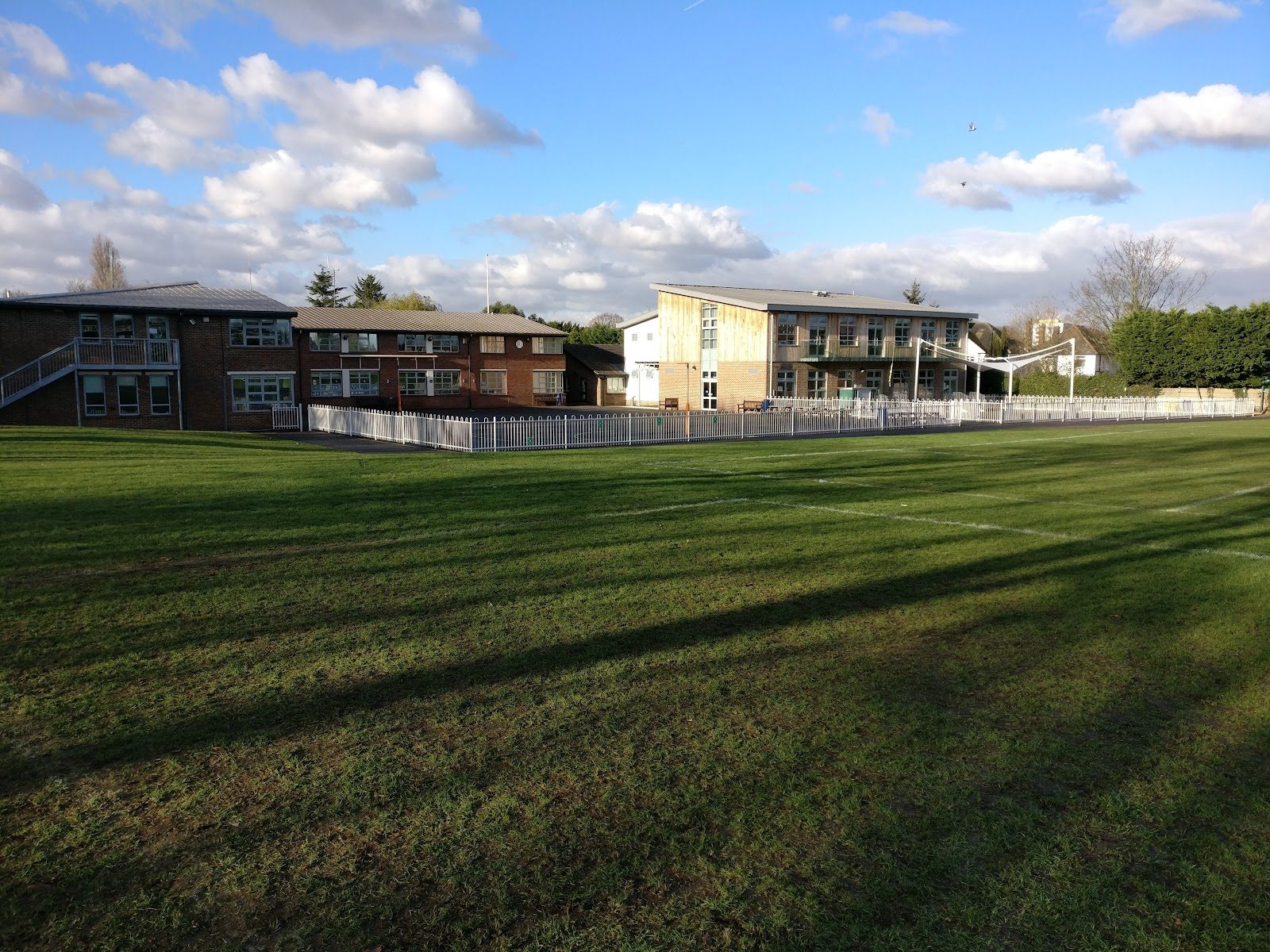
Photo © Deenar Toraskar via Google Maps
Type
Day
Ages
3–18
Curriculum
British
Ratio
—
The Verdict
Editor's commitment
Right for
South-east London families wanting a 3–18 co-educational day school with 1,300 pupils, strong A-level and GCSE results, and real green space.
Wrong for
Parents chasing boarding, a religious ethos or a specialist niche school: Colfe’s is non-denominational, day-only, British and rooted in SE London.
Watch out for
The average annual day fee is £19,687; value rests on facilities, pastoral care and results, not on London-brand cachet alone.
Ranking breakdown
Colfe's School · #645 of 1591
Composite score 67.0. 8 weighted criteria.
By criterion
Academic Outcomes
Weight 20%
#855
of 1529 scored
University Placement
Weight 16%
#736
of 1529 scored
Prestige & Heritage
Weight 12%
#1095
of 1571 scored
Alumni Network
Weight 12%
#726
of 1530 scored
Facilities
Weight 12%
#395
of 1534 scored
Transparency & Communications
Weight 8%
#3
of 1532 scored
Peer & Industry Review
Weight 10%
#1108
of 1548 scored
Admissions Selectivity & Demand
Weight 8%
#760
of 1529 scored
Peer & Industry Review
How Colfe's School is regarded in the sector
Insufficient peer signal
We couldn't find enough independent third-party evidence to score this school's peer & industry standing with confidence. It doesn't mean the school isn't well regarded — only that public reputation sources we trust don't yet cover it. This axis is left blank for now and the composite score is median-imputed from the other six categories.
Editors' overview
Colfe’s occupies a distinctive niche in the London market: an old independent day school, founded in 1652, with a genuine local base in south-east London and a campus footprint that most city day schools cannot match. The school itself puts heavy emphasis on green space, and that matters. For families comparing polished urban independents with tighter sites, Colfe’s offers room to breathe, a full-size pool, a performing arts centre, extensive sports grounds and a dedicated forest school for younger pupils. That combination gives it a character many London schools claim and few deliver: grounded rather than grand, busy without feeling over-compressed, and tied to its area rather than floating above it.
The market position is clear. This is a co-educational 3–18 day school for parents who want strong academics without the social tone or physical constraints that define parts of the central London sector. Colfe’s states that pupils achieve GCSE and A-level results above the national average and that over 90% of leavers secure their first-choice university. It also has scale — around 1,300 pupils — which brings breadth in subjects, sport and activities without tipping into anonymity. The average annual fee across the full age range is £19,687, which places it in expensive territory, but still below the stratospheric pricing of some better-known London rivals. That matters for families who want substance, facilities and academic traction without paying for a postcode badge.
What is special here is not novelty. It is the school’s combination of age, acreage and social mix. Colfe’s talks about itself as a real-world school rooted in its community, and the strongest evidence for that lies in the offer: co-education throughout, a long-established local identity, and the Leatherseller Scholarship Programme with fully funded, means-tested sixth form places. That gives the school a measure of seriousness beyond the usual scholarship rhetoric. There is also a practical confidence in the way Colfe’s frames education — happy children work well, pastoral care matters, and school life extends beyond exam preparation. Parents who want a relentlessly polished, hyper-competitive London brand may prefer elsewhere. Parents who want academic ambition without affectation should look closely.
The pupils who thrive here will value both achievement and range. This suits children who want sport, music, drama and outdoor space built into daily life, not bolted on. It suits families who want a school with standards and structure, but not one trapped in metropolitan theatre. A self-starting, well-rounded child will do well here; so will a student who wants a serious sixth form with clear guidance on A-levels, universities and next steps. Colfe’s belongs on a shortlist for parents seeking *a less manic version of London independence*: academically strong, physically generous, locally anchored and old enough to know exactly what it is.
Academic Performance
Colfe’s makes a clear academic claim: pupils secure GCSE and A-level results above the national average, and the school says over 90% of leavers win places at their first-choice university. That places it in the strong-performing bracket of London independents, but not in the tiny group of schools that publish a barrage of elite headline statistics to prove a place at the very top of the market. The distinction matters. Colfe’s signals academic seriousness and strong onward progression; it does not trade on a public identity built around results absolutism. For many families, that is a virtue. For parents who benchmark schools by top-grade concentration alone, the picture is less complete than at rivals that disclose granular outcomes year by year.
Against its direct peer set, Colfe’s reads as a substantial, credible academic school with enough scale to sustain breadth and enough confidence not to dress every success in superlatives. The school’s own language puts equal weight on pastoral care and achievement, which fits a school aiming for well-rounded attainment rather than narrow exam theatre. That does not make outcomes secondary; it puts them in context. Still, public data here lacks the forensic detail some hard-driving families will want. We have not seen aggregate top-grade breakdowns, subject-by-subject performance, or university destination lists beyond the first-choice claim. The verdict: academically secure and ambitious, with results that carry weight, but with less public transparency than the most data-forward London competitors.
Facilities
Facilities are a real strength here, and not in the token London sense of a decent hall and a clipped patch of astro. Colfe’s has a performing arts centre, a sports centre with a full-size swimming pool, two additional sports grounds and a dedicated forest school for younger children. For a capital day school, that is a serious operational advantage. It changes the rhythm of the week: sport does not need to be squeezed into hired space, drama has a proper home, and younger pupils get something more substantial than cosmetic outdoor learning. The school also cites around 1,300 pupils across junior and senior sections, so these facilities matter not as brochure dressing but as infrastructure for a large through-school.
Against London peers, the key differentiator is green space. Many independent day schools trade on prestige while asking families to accept constrained sites, split facilities or routine travel for games. Colfe’s offers a more physically generous setup than that, with the rare luxury of room on site and more beyond it. That does not make it architecturally grander than the biggest west and north London names, nor more lavish in specialist provision across every discipline. But for families who care about sport, movement, outdoor time and a school day that feels less boxed in, Colfe’s holds a clear edge over a large part of the day-school market.
For parents who benchmark schools by top-grade concentration alone, the picture is less complete than at rivals that disclose granular outcomes year by year
Prestige
Colfe’s carries solid London prestige, but not the feverish brand heat of the capital’s most socially performative independents. Its standing rests on substance: long institutional memory, membership of HMC, a durable local reputation and a pupil body large enough to give the school presence without turning it into a machine. In the independent sector, that combination counts. So does the university outcome the school publishes: over 90% of leavers gaining their first-choice destination gives families a concrete signal that the education has weight beyond the school gate. This is not a niche newcomer or a lightly regarded provincial outpost with a London postcode attached. It is an established school with real market credibility.
The limit to its prestige is also clear. Colfe’s does not occupy the ultra-elite tier where name recognition alone opens every door, nor does it flood the public domain with the sort of microscopic outcome data that fuels top-table status among status-conscious parents. Its reputation is stronger in south-east London than in the international imagination, and that matters for families buying social cachet as much as education. Still, prestige built on facilities, academic competence, community roots and a serious scholarship programme ages better than prestige built on noise. Colfe’s offers earned standing, not spectacle: respected, established and credible, rather than glamorous.
We have not seen aggregate top-grade breakdowns, subject-by-subject performance, or university destination lists beyond the first-choice claim
Communications
Colfe’s communicates in the way a mature school should: with a clear navigational structure, distinct channels for different constituencies and little appetite for gimmickry. The public site gives parents direct routes to the head’s newsletters, teaching and learning, exam results, inspection reports, staff list, term dates, mobile phone usage and open events. That matters. Schools that communicate well do not bury operational detail under mood photography; they publish the practical architecture of school life in plain sight. Colfe’s also separates junior, senior and sixth form journeys cleanly, which helps families understand the school as their children move through it. For a through-school of around 1,300 pupils, that kind of organisation is not cosmetic; it is operationally necessary.
Effectiveness is strong, with one caveat. The school gives parents a serious, workmanlike sense of how it runs, and the inclusion of inspection reports, governance and community information points to institutional confidence rather than defensive curation. The tone is warmer than corporate, but not slick. That suits the school. Parents get enough to understand priorities, routines and points of contact without being drowned in branding language. The weak spot is data depth. We have not seen the kind of granular academic reporting that the most transparent London independents now publish as a matter of course. So the communications verdict is trustworthy and adult, stronger on structure and clarity than on forensic disclosure.
Uniqueness
What sets Colfe’s apart is not a gimmick or a fashionable educational theory. It is the combination of an old London independent school’s institutional confidence with a campus life that does not feel cramped, over-engineered or socially theatrical. The school talks about itself as a “real-world school” rooted in its community, and that rings true because the offer backs it up: co-education throughout, a longstanding local intake, and a scholarship programme with real social purpose rather than ceremonial gloss. The Leatherseller Scholarship Programme matters here. Fully funded, means-tested sixth form places for pupils chosen on academic potential and economic need give Colfe’s a more serious civic instinct than many competitors that use bursary language generously and actual access sparingly.
For students, that mix brings a school experience with more breadth and less posturing. The setting allows ordinary daily life to include outdoor space, sport and movement without the logistical grind common in city day schools, while the school’s scale — around 1,300 pupils — supports range without reducing children to a number. The result is a pupil culture that has room for different strengths: academic ambition, performance, sport, and the quieter confidence that grows in a school not fixated on spectacle. Colfe’s will not suit families chasing a status badge first and education second. It does suit children who benefit from a grounded, grown-up environment where opportunity feels built into the structure of the school rather than added on for display.
The school itself puts heavy emphasis on green space, and that matters
Student Profile
The pupils who fit best at Colfe’s are children who want a full school life, not a narrow exam factory. This suits the student who is academically purposeful but not consumed by status theatre; busy, but not brittle; willing to join in across sport, music, drama and the wider churn of school life. The school’s own language centres happiness, curiosity and ambition, and that points to a culture that rewards steady confidence over peacocking. In a through-school of around 1,300 pupils, children need enough independence to navigate a sizeable community and enough social ease to find their place within it. This is not the right setting for a child who wants anonymity, nor for a family seeking a hothouse atmosphere built around relentless public ranking.
The best match is a student who benefits from structure, pastoral attention and room to move, both socially and physically. Younger children with energy to burn will gain from the outdoor provision; older pupils who want a serious sixth form without the abrasive edge found in some London competitors will also fit well. The presence of fully funded, means-tested sixth form awards adds a layer of social range that matters: the school is not built only for one type of affluent, polished child. Pupils who thrive here will bring breadth, resilience and appetite — children happy to work hard, use the facilities properly and belong to a school with a grounded local character rather than a glossy metropolitan pose.
Colfe’s states that pupils achieve GCSE and A-level results above the national average and that over 90% of leavers secure their first-choice university
Co-curricular strengths
We haven't scored this school on the arts & sport axis yet. Our editorial team is working through the fleet — the school's public evidence will earn its own score, not a guess.
Gallery
Photo © Deenar Toraskar via Google Maps
Photo © Marc Potter via Google Maps
Photo © Marc Potter via Google Maps
Photo © Nish “Nish” Vy via Google Maps
Parent reviews
Have you sent your child here?
Voice reviews carry the strongest trust badge — we transcribe them for you to tidy up before they go live. Prefer to type? A written review is fine too.
Add your voice
In 60 seconds, tell other parents: what's the best thing about Colfe's School, and what surprised you when your child joined?
We ask for a Google sign-in so every review has a real face behind it — no anonymous drive-by attacks on schools, and no faked positive reviews. Your email is never shown publicly.
Send this profile to a friend
International parents rely on word-of-mouth. Share this review with someone weighing the same decision.
Schools with places
Similar schools to Colfe's School with places available now.
University College School
London · United Kingdom
- 2026-27
- CLOSEDStandard route
- 2027-28
- PLACES OPEN11+ (9 Nov); 16+ (28 Sept)
Emanuel School
London · United Kingdom
- 2026-27
- CLOSEDStandard route closed
- 2027-28
- PLACES OPEN11+ / 16+ active
City of London School
London · United Kingdom
- 2026-27
- CLOSEDStandard route
- 2027-28
- PLACES OPEN11+/16+ Active
Latymer Upper School
London · United Kingdom
- 2026-27
- CLOSEDStandard route
- 2027-28
- PLACES OPENCloses Nov
Availability first, then country, area, curriculum, price, co-curricular
Consider also
Also worth looking at alongside Colfe's School.
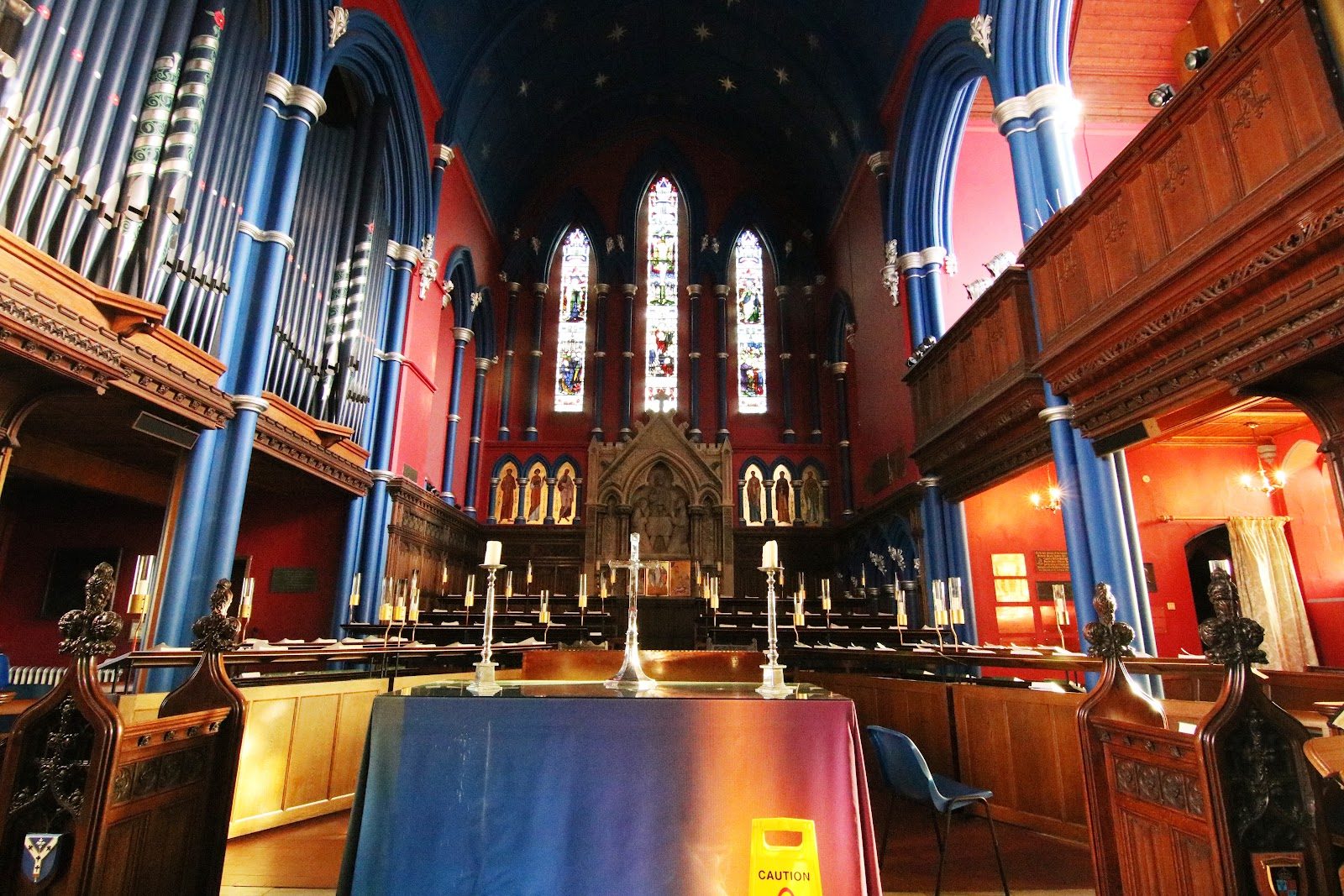
Shrewsbury School
Shrewsbury · United Kingdom
Curled inside a loop of the River Severn, twelve boarding houses keep alive a rowing tradition dating to 1866.
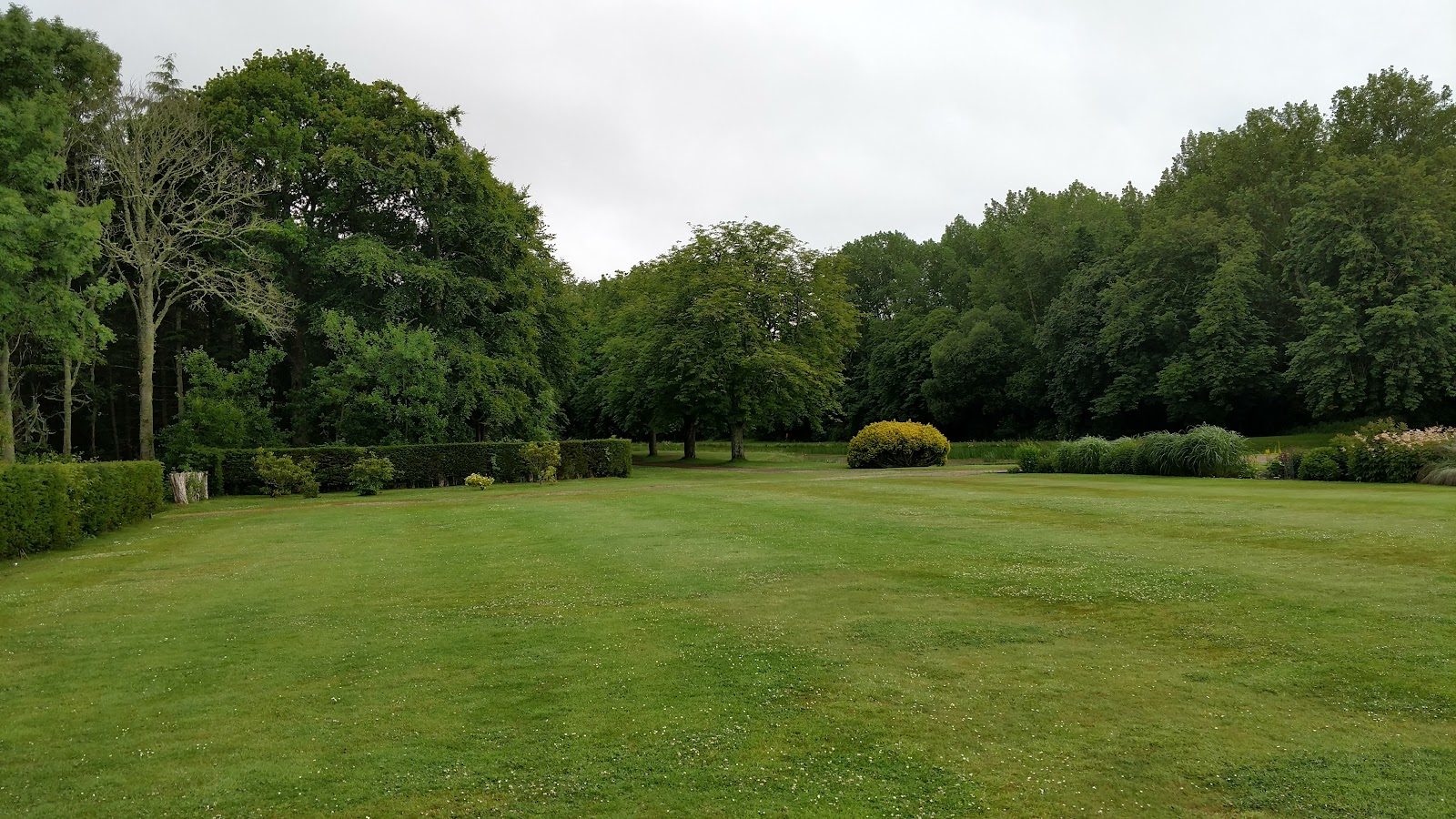
Gordonstoun
Elgin · United Kingdom
On Scotland's Moray coast, birthplace of Outward Bound, where sail training aboard the school's own ocean-going yacht counts as curriculum.
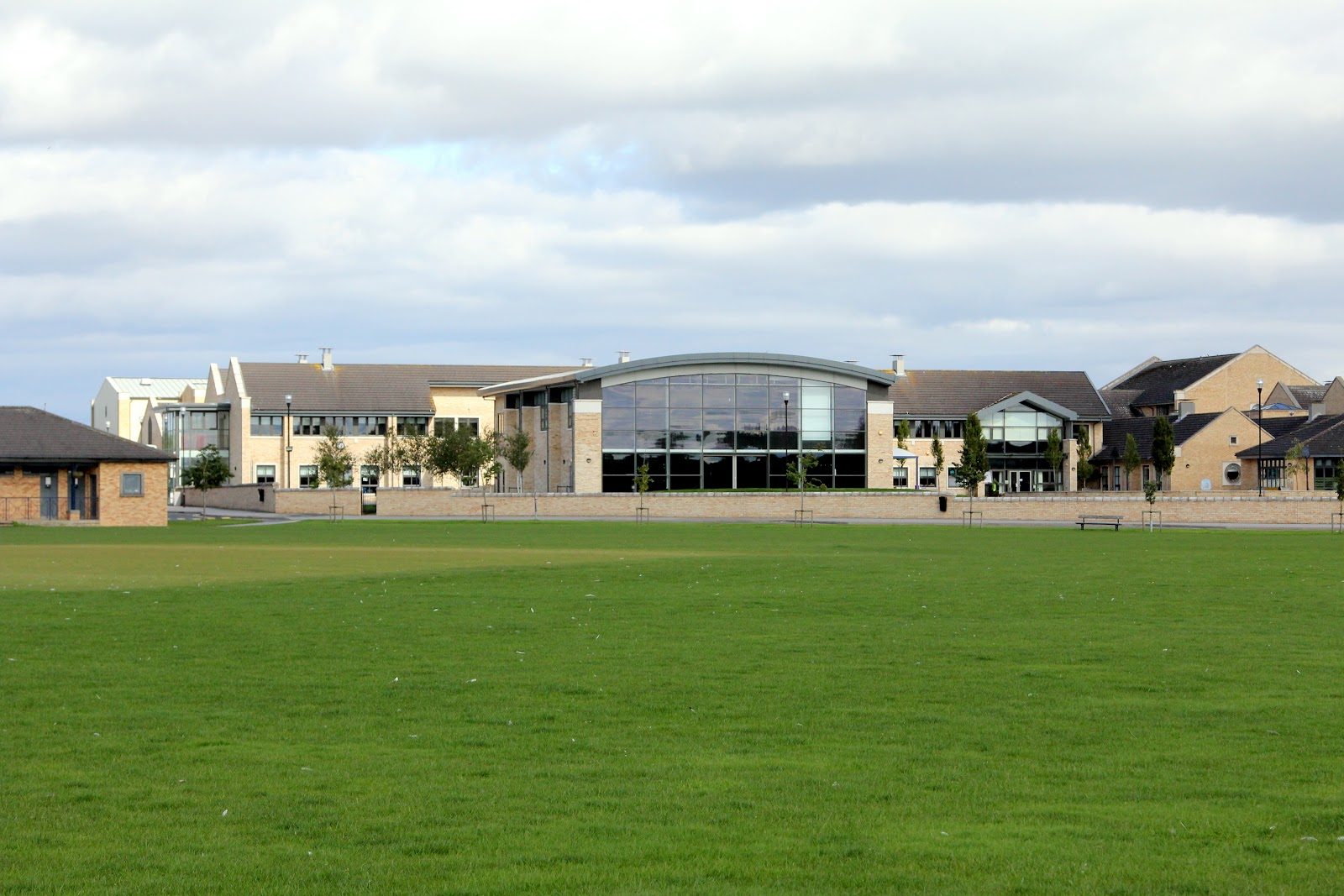
The Grammar School at Leeds
Leeds · United Kingdom
Where a 1552 boys' grammar school and an 1876 girls' high school fused into one diamond-model campus across 140 Yorkshire acres
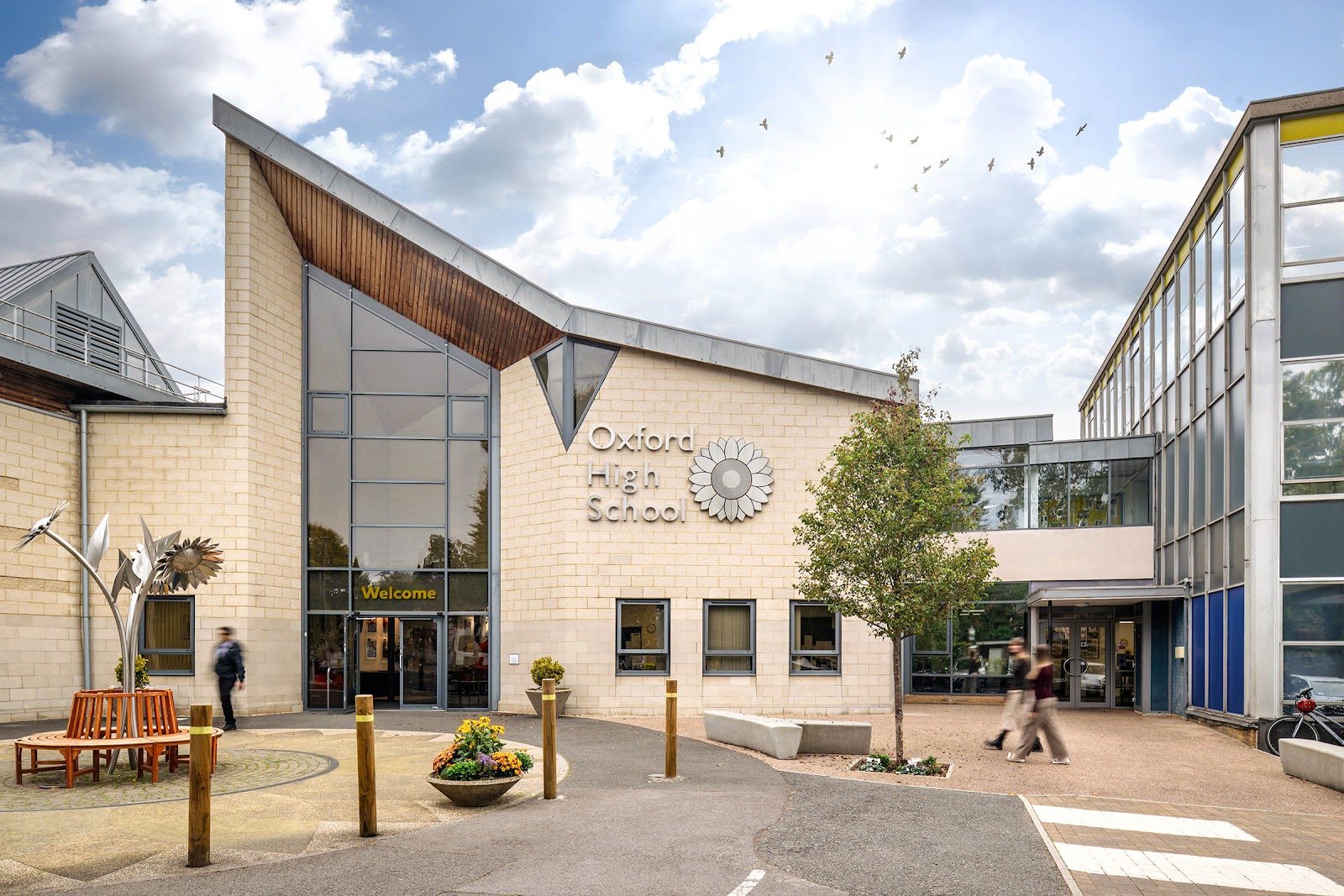
Oxford High School
Oxford · United Kingdom
One of England's earliest girls' day schools, founded in 1875, pairs Oxford scholarship with a culture of fearless inquiry.
Same country and curriculum — closest matches within ±10 points either way