
West Midlands
A royal charter from 1552 anchors this Edgbaston day school, where a third of new boys receive means-tested fee support.
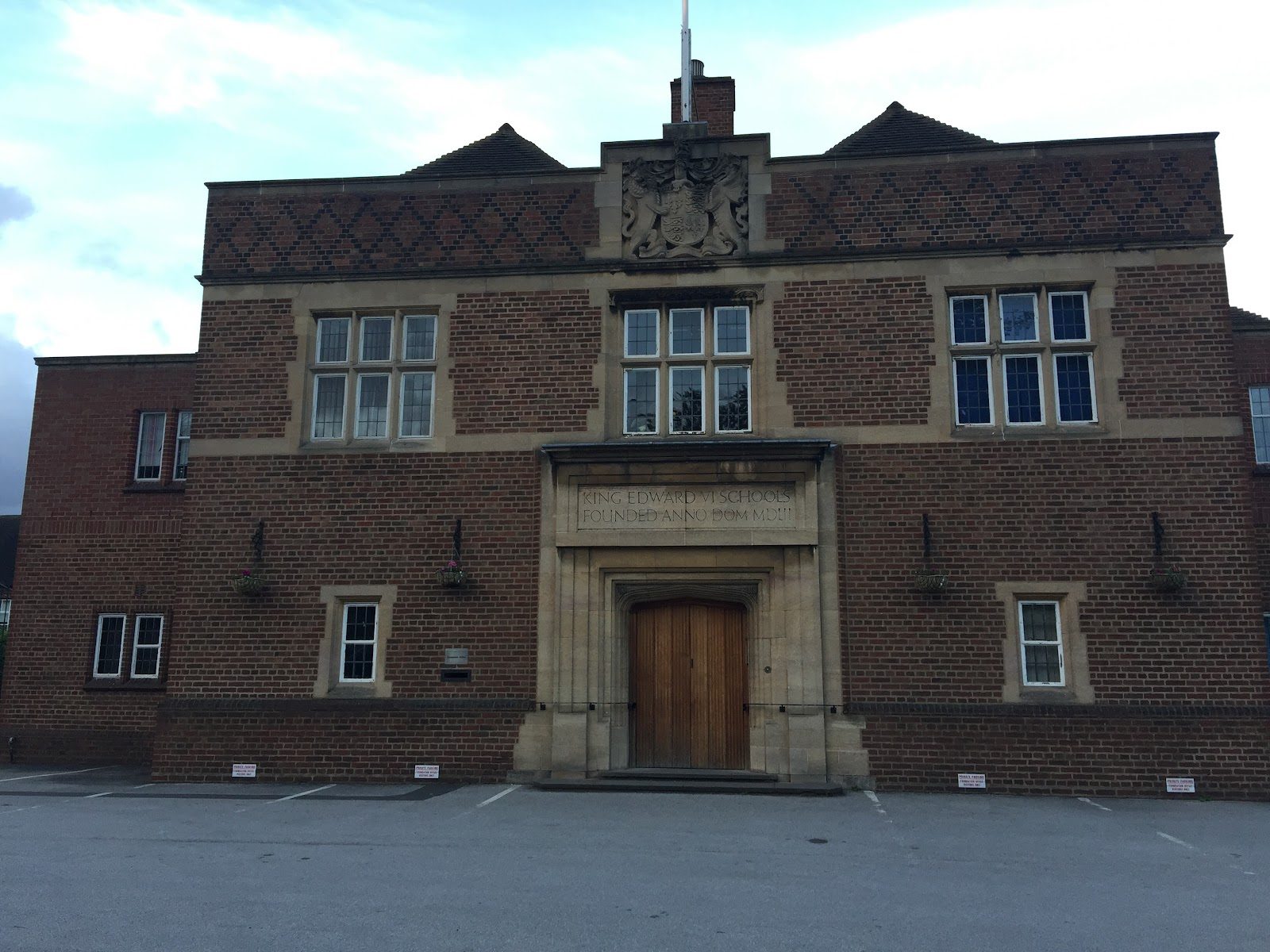
Photo © Ahmed Nahrawy via Google Maps
Type
Day
Ages
11–18
Curriculum
British
Qualifications
A-Level
Ratio
—
The Verdict
Editor's commitment
Right for
Academic boys who want a serious British education at an HMC day school founded in 1552, with 26 Oxbridge offers in 2024.
Wrong for
Families wanting co-education, boarding or a broad intake; this Anglican boys' school has 900 pupils and selects for bright boys.
Watch out for
The average annual fee is £23,085, though a third of new boys receive means-tested support; 88% of 135 leavers reached top-100 universities.
Ranking breakdown
King Edward's School, Birmingham · # of 1591
Composite score 78.4. 8 weighted criteria.
By criterion
Academic Outcomes
Weight 20%
#119
of 1533 scored
University Placement
Weight 16%
#136
of 1529 scored
Prestige & Heritage
Weight 12%
#90
of 1580 scored
Alumni Network
Weight 12%
#211
of 1530 scored
Facilities
Weight 12%
#262
of 1541 scored
Transparency & Communications
Weight 8%
#206
of 1549 scored
Peer & Industry Review
Weight 10%
#137
of 1565 scored
Admissions Selectivity & Demand
Weight 8%
#153
of 1529 scored
Score history
King Edward's School, Birmingham · 2026
Movement across 2024–2026. Peer average overlaid.
Overall — 2024–2026
78.4/ 100
▲ +17.4 vs 2025
year on year
Peer & Industry Review
How King Edward's School, Birmingham is regarded in the sector
84
Strong · high confidence
King Edward's School, Birmingham sits among the most consistently benchmarked boys' day schools outside London, with the Good Schools Guide calling it "a seriously brainy school where like-minded boys spark off each other and achieve extraordinary things" and praising its meritocratic, socially inclusive ethos. WhichSchoolAdvisor notes it as one of the highest-performing IB schools in the country, having been the first UK school to switch wholesale from A Levels to the IB Diploma. Sector press reinforces this standing: the school ranks 41st nationally and third in the West Midlands on the region's independent school league tables, alongside recent Tatler Schools Guide and Sunday Times Parent Power recognition. Its 500-year history, HMC membership and alumni roster including Nobel laureates and J.R.R. Tolkien give it a durable reputation that peer schools and specialist reviewers routinely reference as a regional (and increasingly national) academic benchmark.
Editors' overview
The royal charter matters less than what the school does with it now: King Edward’s remains a serious academic machine for bright boys, run on selective entry, intellectual pace and a clear belief that scholarship still matters. This is a boys’ day school in Edgbaston for ages 11 to 18, with around 900 pupils on a shared 50-acre site with King Edward VI High School for Girls. That gives it a scale and range of facilities that few urban day schools match, without the sprawl or isolation of boarding. The strongest distinguishing feature is access. A third of new boys receive means-tested fee support, backed by foundation money and a fundraising effort that has raised over £12m in recent years. In a sector crowded with schools that talk about widening access, King Edward’s has hard numbers.
Parents shortlist King Edward’s for academic ambition with proof behind it. The Class of 2024 sent 88% of 135 leavers to top-100 universities; 26 Oxbridge places and 51 Russell Group destinations put the school firmly in the top tier of academically selective British day schools. Cambridge took 14, Oxford 12 and Birmingham 18. That profile tells you two things. First, this is a school that still delivers at the sharp end of UK university admissions. Second, it does not educate to a narrow London-only script; Birmingham remains a major destination, which says something useful about realism as well as ambition. The average annual fee across the 11–18 ladder is £23,085, which is expensive by ordinary standards but competitive for this level of independent education, and materially softened for families who qualify for support.
The type of boy who thrives here is bright, teachable and unshowy: a pupil who enjoys being stretched, can handle competition without needing constant applause, and wants a full day school life rather than a boutique pastoral bubble. The school promises substantial co-curricular provision and extensive opportunities in sport and the performing arts, but the centre of gravity is academic. This is not the right choice for a child who needs a loose structure, a gentle pace or heavy hand-holding. It is right for a boy who wants intellectual pressure, strong university outcomes, and the social confidence that comes from being in a school with deep civic roots and a large, documented alumni base. With 206 notable alumni catalogued in Wikidata alone, including scientists, writers, politicians and athletes, King Edward’s offers a network and tradition with real weight, not just polished branding.
Academic Performance
King Edward’s sits in the high-pressure academic tier of English independent schools: selective intake, fast classroom pace and sixth-form outcomes that carry weight with families who judge schools by external results rather than pastoral rhetoric. The school’s published university destinations confirm that exam performance is strong enough to feed a heavy concentration of students into demanding UK courses and institutions. 88% of leavers progressing to top-100 universities, with 26 to Oxbridge, places King Edward’s well above the national norm and firmly in the company of academically serious day schools rather than broad-church independents. This is results culture with receipts.
What remains opaque is the underlying exam data. The school has a “Results” section, but no aggregate GCSE or A-level score profile is cited in the public information here, so parents do not get the clean league-table shorthand that some rival schools publish. That does not weaken the outcomes record; it does limit direct comparison on grades alone. Relative to peers, King Edward’s reads as elite without theatrics: not a hothouse that trades on constant headline statistics, but a school whose selectivity and destination profile mark it as decisively top-end among boys’ day schools. If you want exhaustive published grade breakdowns, the disclosure is thin. If you want proof that pupils convert academic promise into university offers at the sharp end, the evidence is already there.
Facilities
The decisive facilities advantage here is land. On a shared 50-acre site, King Edward’s has room to operate like a much larger school without feeling dispersed or corporate. For parents comparing urban academic day schools, that matters. Many strong city schools deliver excellent teaching in constrained footprints; King Edward’s has the space for proper games provision, performing arts activity and a broad club culture without forcing everything into timetabling compromises and hired-offsite arrangements. The presence of dedicated areas for sport, drama, music, design and technology, a library, sixth-form spaces and Combined Cadet Force activity points to a campus built for a full working school day, not just lessons plus token extras. Against peers in the selective boys’ day-school bracket, that puts King Edward’s in the well-resourced upper tier.
The other important point is that the facilities serve a school with an academic centre of gravity, not a luxury-sales model. You do not get the resort-style gloss some international families associate with newer independent schools, and that is no loss. What you get is breadth, scale and the capacity to sustain serious co-curricular participation alongside demanding classroom work. Sharing the site with the girls’ school also expands the practical range of spaces available in a way few standalone day schools can match. In peer terms, this is a substantial competitive asset: more extensive than most urban day schools, less theatrical than top-fee campuses, and entirely fit for a school that expects boys to use the place hard.
This is a boys’ day school in Edgbaston for ages 11 to 18, with around 900 pupils on a shared 50-acre site with King Edward VI High School for Girls
Prestige
King Edward’s carries old-line academic prestige of the kind that still counts in Britain: not glossy, not global-franchise, but rooted, selective and institutionally serious. Its standing rests on three things. First, it belongs to a small band of schools whose name carries immediate recognition among universities, employers and educated local families. Second, it sits inside a historic foundation with a strong civic identity, which gives the school more weight than a standard fee-paying campus built around lifestyle marketing. Third, the alumni record is genuinely deep: 206 notable former pupils catalogued on Wikidata, with real spread across public life, scholarship, writing, business and sport. That breadth matters. It signals a school that has produced influence over time, not a place dining out on one or two famous names.
The prestige is strongest in academic and professional circles, and less theatrical than at the most socially coded London names. That is a strength. King Edward’s has earned-status credibility: serious families know what it is, selective universities know what it is, and the school does not need to over-perform prestige in its presentation. The access model sharpens that reputation rather than diluting it. A school that directs substantial support towards able boys from varied financial backgrounds gains moral weight as well as cachet. The result is prestige with substance: high, durable and deserved, even if it lacks the finishing-school glamour some parents still chase.
That gives it a scale and range of facilities that few urban day schools match, without the sprawl or isolation of boarding
Communications
King Edward’s communicates in the manner of an old, academically driven school that expects parents to meet it on serious terms: structured website, clear navigation, named sections for pastoral support, safeguarding, university destinations, results, policies, calendars and parent logistics. That matters more than glossy tone. Families can find the practical machinery of school life without wading through branding copy, and the admissions side is laid out with the essentials parents actually need — fees, assisted places, scholarships, entrance exams, open days and FAQs. The site also gives proper weight to operational detail such as food, transport, uniform, trips and absence reporting. For a school with around 900 pupils and a crowded day-school timetable, that level of organisation is not optional; it is basic institutional competence, and King Edward’s delivers it.
Where the communication is less strong is in academic disclosure. The school foregrounds destination outcomes and the breadth of school life, but it does not publish the kind of clean, consolidated examination data that allows parents to benchmark it quickly against rival selective schools. That leaves a gap. A school with this kind of academic reputation does not need hype, but it does need hard-edged transparency on results if it wants to make comparison easy. Still, the wider communications picture is disciplined, adult and refreshingly free of sentimental overreach. This is not a school selling warmth first and substance later. It communicates like a place that values order, seriousness and parental self-sufficiency — brisk, confident, and effective.
Uniqueness
What marks King Edward’s out is not heritage on its own, nor raw results on their own, but the combination of selective academic seriousness with a financing model that changes who gets through the door. Plenty of old independent schools talk about merit. Few put a substantial share of new entrants on means-tested support and back that claim with real institutional money and donor fundraising. That gives the school a different social texture from many of its fee-paying peers: still competitive, still ambitious, but less captive to a single wealthy parent demographic. For students, that matters. It widens the range of backgrounds in the classroom, checks complacency and reinforces a culture in which intellectual ability carries more weight than polish or spending power. The result is earned confidence rather than inherited ease.
The other distinctive feature is scale with purpose. This is a boys’ school large enough to sustain serious departments, sport, music, drama, societies and leadership programmes, but still tight enough to preserve a strong institutional identity. Shared proximity with the girls’ school adds breadth without dissolving the character of a focused boys’ education. Students get a school life that is deep rather than decorative: demanding lessons, busy afternoons, and clear expectations that they will contribute, not just attend. Add the documented alumni footprint — at least 206 notable former pupils — and the school offers boys entry into a long, living tradition with genuine civic and professional reach, not a brand assembled for prospectuses.
A third of new boys receive means-tested fee support, backed by foundation money and a fundraising effort that has raised over £12m in recent years
Student Profile
The boy who fits here is academically ambitious, resilient and happy in a culture where ability is noticed early and tested hard. This is a school for pupils who enjoy intellectual competition rather than merely tolerate it, and who can keep their footing without constant reassurance. Boys who thrive tend to be self-motivated, organised and willing to contribute beyond lessons, whether in music, drama, sport, societies or service. The school’s access model matters to the student mix: with a third of new entrants on means-tested support, the intake is not confined to one affluent social type. That gives the place a broader range of backgrounds than many fee-paying rivals and strengthens a tone that is merit-led rather than socially performative.
Socially, the best fit is a boy with quiet confidence rather than swagger. He does not need boutique pastoral handling or a school built around affirmation; he needs structure, pace and adults who respect seriousness. The atmosphere suits students who are teachable, curious and durable — boys prepared to work, accept comparison with able peers, and make use of a big school’s opportunities rather than hide from them. It does not suit children who need a loose framework, low stakes or heavy emotional cushioning. For the right pupil, that is the appeal: a demanding, grown-up environment with real stretch, clear expectations and pathways that already deliver at the top end, as the 26 Oxbridge places and 88% top-university progression make plain.
In a sector crowded with schools that talk about widening access, King Edward’s has hard numbers
Co-curricular strengths
Arts & sport, on a separate axis
Overall 8.74/10
Scored 0-10 from the school's own published evidence. This axis is editorial-only — it does not feed the main WTS ranking.
Sports
9/10
Powerful independent day athletic pipeline, fielding dominant varsity teams in rugby, hockey, and cricket across expansive grounds.
Drama
9.2/10
Active classical drama societies and Shakespeare showcases focused on building rigorous public speaking and confidence traits.
Dance
7/10
Maintained strictly as a minor auxiliary component for theatrical physical movement blocks or house arts festivals.
Music
9.7/10
Highly elite music wing backed by the custom Recital Hall, supporting top-tier youth orchestras and symphonies in Birmingham.
Visual Arts
8.8/10
Highly structured fine art layout leaning heavily toward technical drawing, fine oils, and advanced portfolio mastery.
Editor-verified · 8/6/2026
Outcomes & destinations
Where students go next
Editorial estimateClass of 2024
135 graduates
A-Level distribution
97% covered
- A*42%
- A31%
- B19%
- C5%
Top destinations
77 placements
- Cambridge· 14
- Oxford· 12
- Birmingham· 18
- Warwick· 12
- Nottingham· 8
- UCL· 7
- Imperial College London· 6
Grammar school with strong Oxbridge tradition and Midlands Russell Group pipeline.
Editor-approximated from the school's own leavers report. Awaiting school-attested figures.
Notable alumni · Wikidata
206notable alumni
127 historic (born pre-1930) · 19 modern (born post-1970)wikidata:2026-07-28 How we source this
The story in one line
46% achieved ≥ AAB in 2+ facilitating subjects·ISI Routine Inspection 2026
AAB with 2 facilitating subjects is the Department for Education's published predictor of admission to a top-third UK university: the pupil has scored high grades in at least two of the classic Russell-Group subjects (maths, sciences, English, history, geography, or a modern language). Independent schools don't appear in the state-only HE-destinations dataset, so this is the strongest DfE-verified sixth-form signal available. Source: DfE 16-18 school and college performance data · 2023/24.
DfE-verified statistics
Official GCSE data · 2024/2025
Progress 8
—
Value-added score. State-schools only; 0 = expected progress, +1 = one grade above.
Attainment 8
23
Average grade across 8 GCSEs (score out of 90). National ≈ 46.
EBacc average score
0.74
Avg grade across the 5 EBacc pillars (English, Maths, Sciences, Language, Humanity).
EBacc slots filled
1.7
How many of the 5 EBacc pillars pupils typically enter (max 5).
A-Level attainment
Cohort · 2023/24
Avg A-Level grade
A-
APS per entry: 46.29
Best 3 grade
A-
Best-3 APS: 46.12
≥ AAB + 2 fac.
45.7%
Russell-Group predictor.
Progress (value-added)
+0.04
Average
Read with care. Independent schools frequently sit IGCSEs or Pre-U qualifications instead of standard GCSEs — DfE data only counts standard GCSEs, so these numbers may reflect a partial cohort. For a fuller picture, cross-check with the school's own annually-published results.
URN 109374Verified · DfE 2024/2025
Official inspection
ISI report · 2026
Inspectorate
Independent Schools Inspectorate
The Government-approved inspectorate for English independent schools.
Latest report
13 January 2026
Routine Inspection
Report history
Verified · Independent Schools InspectorateSource-of-truth
WTS 300 badge
2026/27 editionKing Edward's School, Birmingham is one of the World's Top 300 Schools for 2026/27. Claim your listing to add it to your site →
Strengths
- +Consistently strong A-level results, with 42 per cent of grades at A* and 73 per cent at A*-A in 2024.
- +Strong university progression, with 88 per cent of 2024 leavers heading to top-100 universities and 26 Oxbridge places (14 Cambridge, 12 Oxford).
- +Substantial bursary provision, with means-tested Assisted Places available at 11+ that widen access to less affluent families.
- +Long academic tradition, with notable alumni including author J.R.R. Tolkien.
- +Shares a 50-acre Edgbaston campus with sister school King Edward VI High School for Girls, allowing joint music, drama and some societies despite separate teaching.
Considerations
- −Single-sex boys' school, so families seeking co-education for their son, or a place for a daughter, will need to look elsewhere.
- −The school does not accept applications from international students, a significant structural limitation for relocating expat families.
- −Entry is highly selective, via the school's own maths and English entrance exam plus interview, with the large majority of places filled at 11+ and only a handful of spaces at other entry points.
- −As a day school, some pupils commute considerable distances from across the West Midlands, implying a demanding daily journey for families settling outside central Birmingham.
Availability
Primary entry gate & tests
11+ Entrance Exam (Boys)
Gallery
Photo © Soma Sekhar Yerraguntla via Google Maps
Photo © Soma Sekhar Yerraguntla via Google Maps
Photo © Soma Sekhar Yerraguntla via Google Maps
Photo © Soma Sekhar Yerraguntla via Google Maps
Photo © Soma Sekhar Yerraguntla via Google Maps
Photo © Soma Sekhar Yerraguntla via Google Maps
Photo © Soma Sekhar Yerraguntla via Google Maps
Photo © E via Google Maps
Photo © E via Google Maps
Recommended reading
Independent write-ups of this school from editorial outlets we trust.
- King Edward's School, BirminghamGood Schools Guide
Parent reviews
Have you sent your child here?
Voice reviews carry the strongest trust badge — we transcribe them for you to tidy up before they go live. Prefer to type? A written review is fine too.
Add your voice
In 60 seconds, tell other parents: what's the best thing about King Edward's School, Birmingham, and what surprised you when your child joined?
We ask for a Google sign-in so every review has a real face behind it — no anonymous drive-by attacks on schools, and no faked positive reviews. Your email is never shown publicly.
Send this profile to a friend
International parents rely on word-of-mouth. Share this review with someone weighing the same decision.
Schools with places
Similar schools to King Edward's School, Birmingham with places available now.
Alleyn's School
London · United Kingdom
- 2026-27
- CLOSEDStandard route
- 2027-28
- OPENS SOONOpens Sept '26 (11+ on 1 Sept)
Highgate School
London · United Kingdom
- 2026-27
- CLOSEDStandard route
- 2027-28
- PLACES OPEN11+ (Closes 4 Nov); 16+ (16 Oct)
Charterhouse
Godalming · United Kingdom
- 2026-27
- CLOSEDStandard route
- 2027-28
- PLACES OPEN16+ Active (Closes 23 Sept); 13+ Late
Tiffin School
Kingston upon Thames · United Kingdom
- 2026-27
- CLOSEDStandard route
- 2027-28
- PLACES OPENCloses 1 Sept '26, 12pm
Availability first, then country, area, curriculum, price, co-curricular
Consider also
Also worth looking at alongside King Edward's School, Birmingham.
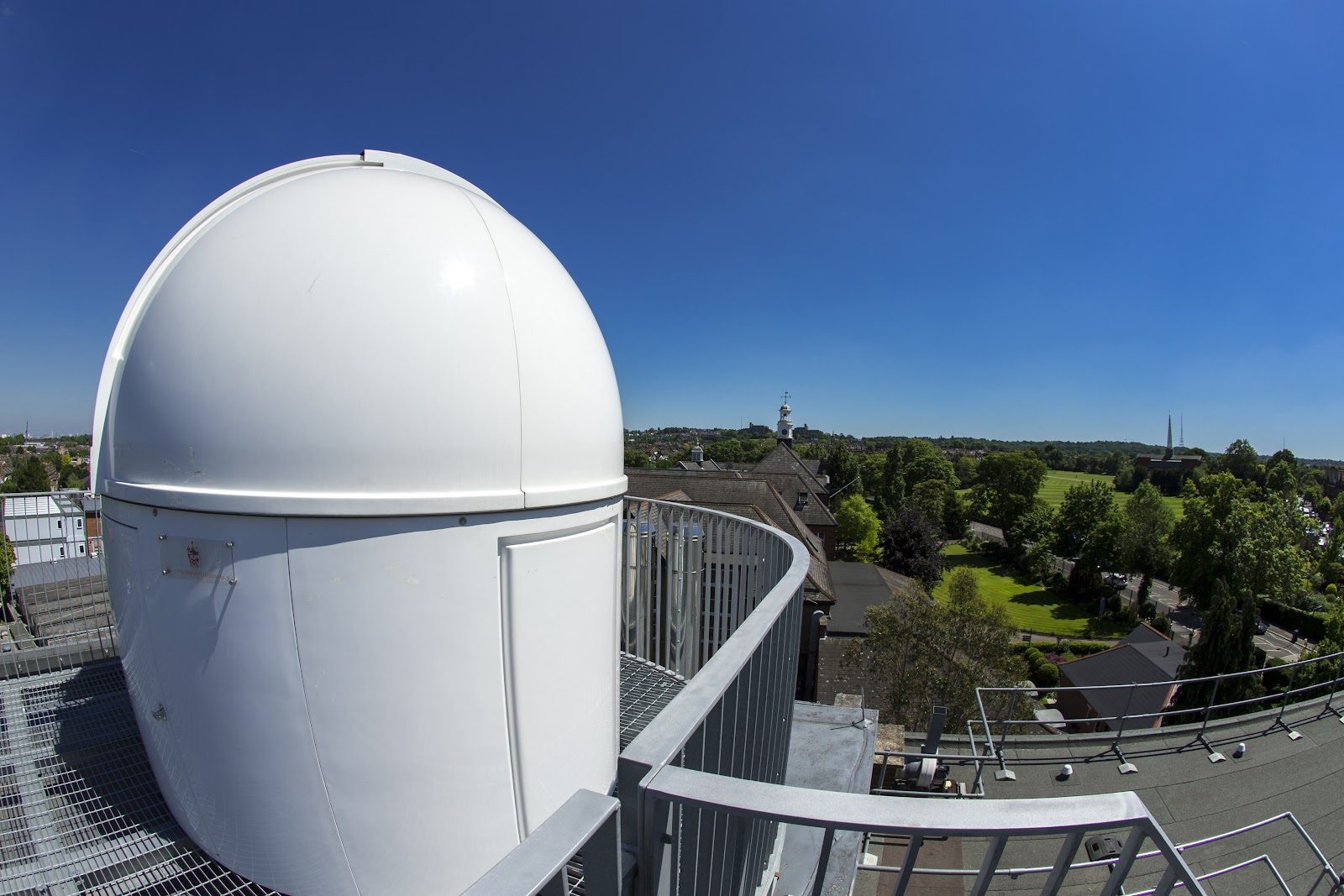
Alleyn's School
London · United Kingdom
A 1619 theatre fortune built this Dulwich day school, whose junior houses still bear the names of Edward Alleyn's playhouses.
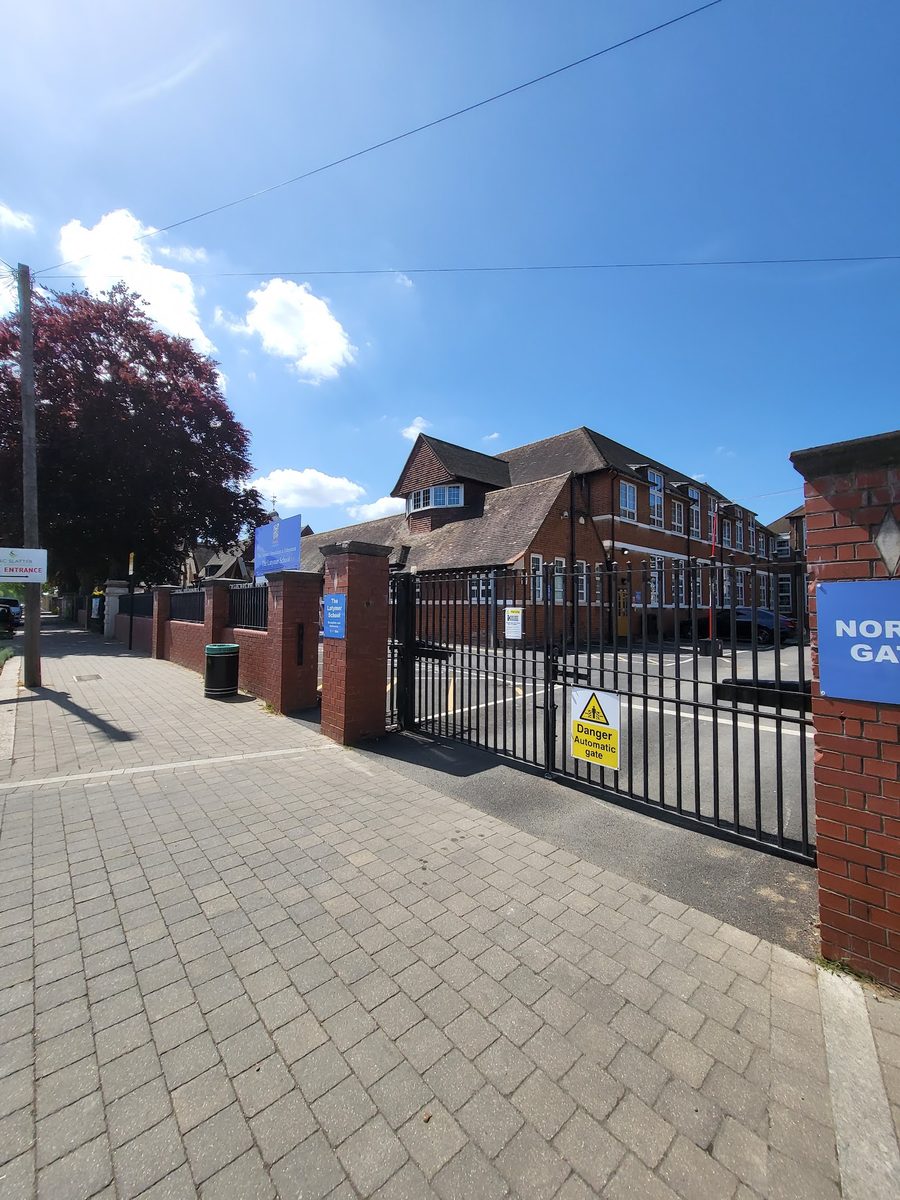
The Latymer School
London · United Kingdom
A 400-year-old state grammar in Edmonton where over 1,000 applicants compete yearly for just 192 places, with Cambridge college endowments still funding leavers.
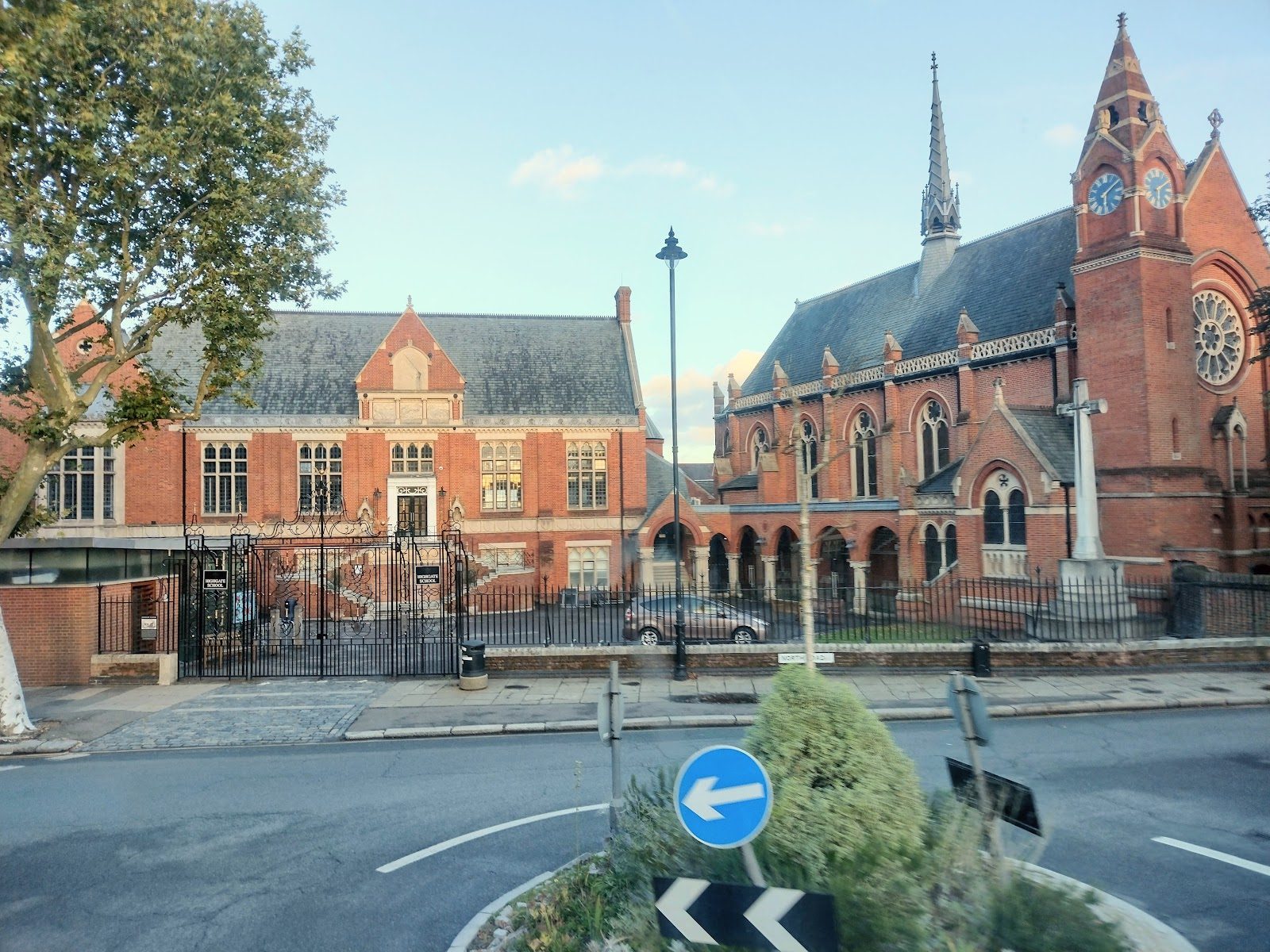
Highgate School
London · United Kingdom
Chartered by Elizabeth I in 1565, this Highgate grammar school now founds access academies alongside its Oxbridge-bound sixth form.
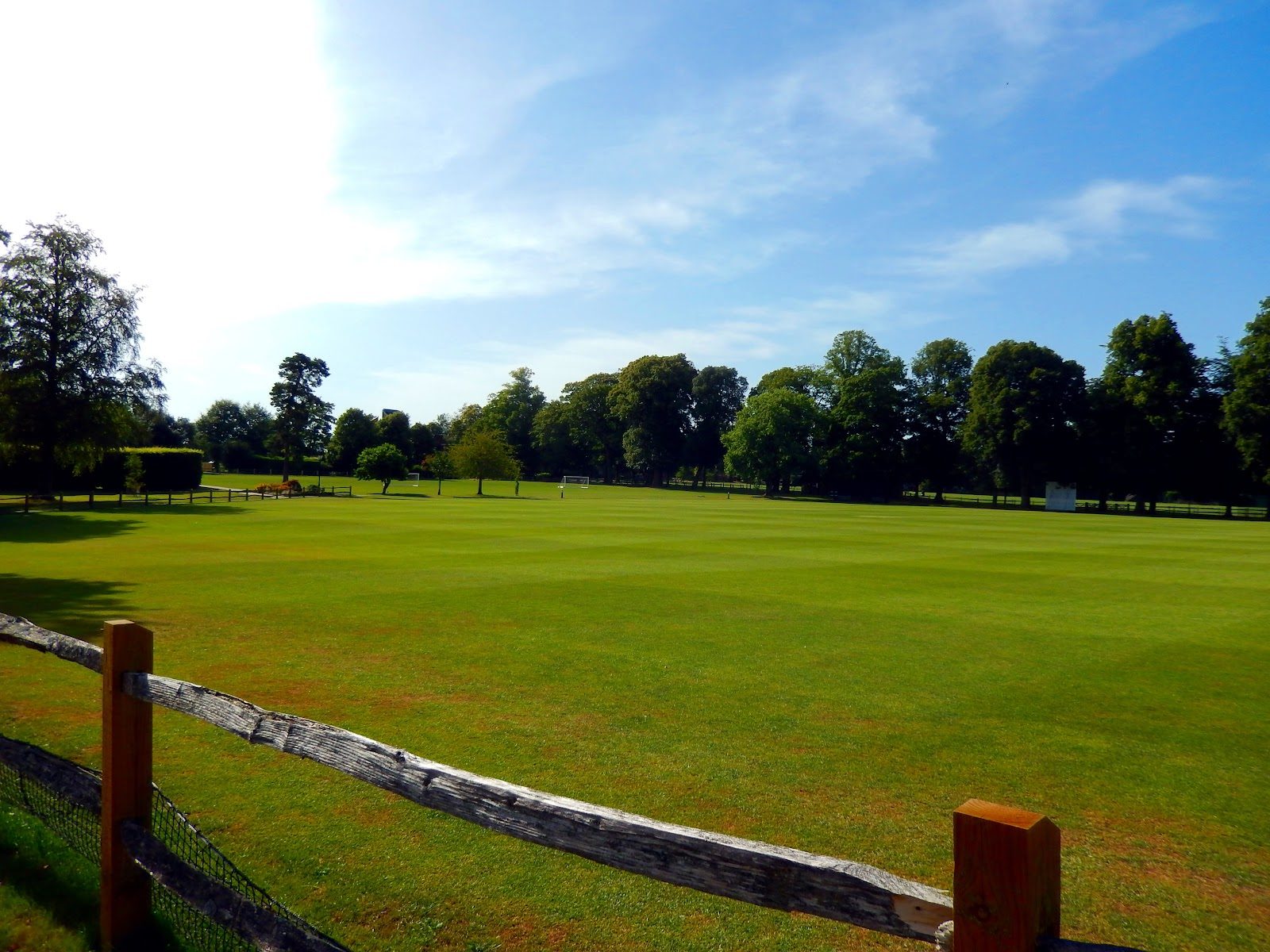
Charterhouse
Godalming · United Kingdom
One of England's Nine Great Public Schools, now fully coeducational, set on a 250-acre Surrey campus with IB scores averaging 37 points.
Same country and curriculum — closest matches within ±10 points either way