
Shinjuku-ku
A former naval officers' academy in Shinjuku, now a boys' school whose deliberately non-streamed classrooms feed a steady stream into Tokyo University.
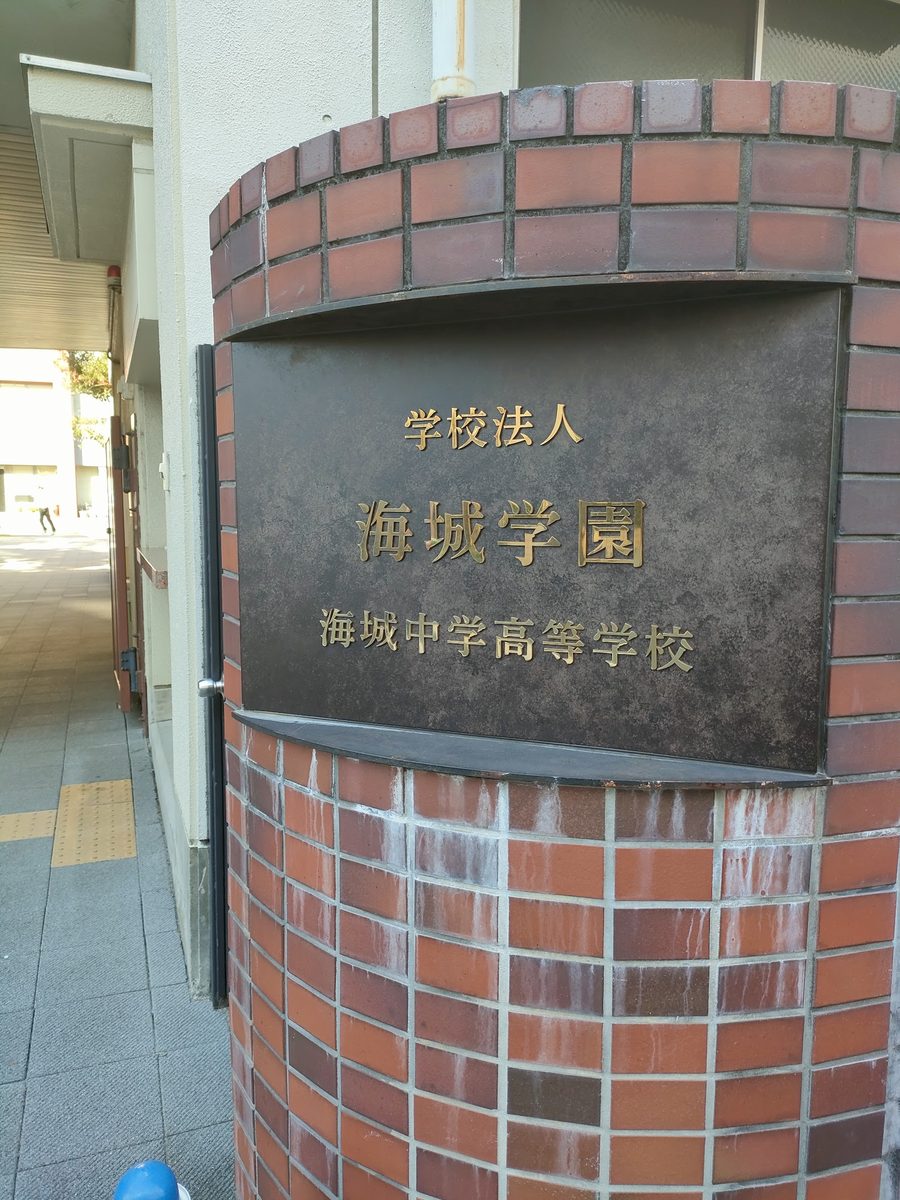
Photo © Valeth Lezard via Google Maps
Type
Day
Ages
12–18
Curriculum
Japanese National
Ratio
—
The Verdict
Editor's commitment
Right for
Boys 12–18 who can handle a boys’ day school in Tokyo with Japanese instruction and 40-pupil classes, plus serious independent inquiry.
Wrong for
Families wanting co-education, boarding, English-medium teaching or an international curriculum: Kaijo is non-religious, day-only and follows the Japanese National curriculum.
Watch out for
Founded in 1891 as a naval preparatory school, Kaijo still runs large 40-student classes; the school does not publish destination or aggregate exam data.
Ranking breakdown
Kaijo Junior and Senior High School · #71 of 1591
Composite score 79.1. 8 weighted criteria.
By criterion
Academic Outcomes
Weight 20%
#20
of 1529 scored
University Placement
Weight 16%
#24
of 1529 scored
Prestige & Heritage
Weight 12%
#144
of 1529 scored
Alumni Network
Weight 12%
#144
of 1529 scored
Facilities
Weight 12%
#582
of 1529 scored
Transparency & Communications
Weight 8%
#255
of 1529 scored
Peer & Industry Review
Weight 10%
#255
of 1529 scored
Admissions Selectivity & Demand
Weight 8%
#72
of 1529 scored
Peer & Industry Review
How Kaijo Junior and Senior High School is regarded in the sector
76
Strong · medium confidence
Kaijo is a well-known Japanese boys' school recognized domestically for strong University of Tokyo entrance results, but it is a domestic Japanese institution not covered by the international/expat-focused outlets specified (Tatler, Good Schools Guide, Sunday Times) and I could not locate at least two independent third-party English-language sources assessing its reputation to the standard required.
Editors' overview
Kaijo is a long-established Tokyo boys’ day school with an unusual origin story: founded in 1891 by Koga Kisaburo as a naval preparatory school, then rebuilt into a modern secondary school in Shinjuku. The institutional idea still has bite. Kaijo talks about producing a “new gentleman”, but the phrase does real work here: freedom is tied to fairness, and individual choice is backed by adult support rather than theatrical pastoral rhetoric. For parents, the point is simple. This is a serious Japanese National curriculum school in Japanese, for boys aged 12–18, with a strong academic centre of gravity and a clear moral vocabulary that is neither religious nor vague. In Tokyo’s crowded independent market, that gives it a distinctive intellectual identity.
What marks Kaijo out is the way it pushes against the narrowest version of Japanese exam schooling without abandoning academic ambition. Its programme gives real space to communication, collaboration and enquiry: project adventure in the lower years, drama-based education for communication and perspective-taking, substantial social studies research, and a middle school graduation thesis running to 30–50 manuscript pages. Science teaching also leans hard into practical work, with frequent experiments and field observation. This matters because many schools claim to educate the whole child while running a conventional cram-track underneath. Kaijo does more than that. It has built structured experiences that force boys to speak, investigate, cooperate and defend ideas. The trade-off is obvious: with average class sizes of 40, this is not an intimate school, and families looking for small-group hand-holding will find the scale blunt. Still, the intellectual method has real substance.
Its market position is strong and specific: an academically ambitious boys’ school for families who want elite outcomes without a purely mechanistic or hyper-streamed culture. The editorial line about a steady flow into Tokyo University fits the school’s reputation, but the more important point is the kind of route Kaijo offers: disciplined, analytical, and less socially brittle than many exam-dominant institutions. It belongs on a shortlist for parents who want *high standards without deadening conformity, a school with old Tokyo seriousness* and a credible attempt to teach boys how to think in company with others.
The right student for Kaijo is bright, resilient and happy in a competitive academic environment, but not limited to rote performance. He will do well if he enjoys argument, research, practical science and collaborative work, and if he can handle a big-class setting without constant adult prompting. Boys who want endless coddling or a broad English-medium international experience should look elsewhere. Boys who want structure with independence, academic rigour with purpose, and a school culture that expects them to grow up rather than merely collect marks will find Kaijo a compelling fit.
Academic Performance
Kaijo’s academic standing rests less on glossy score-publishing than on where its pupils land next. The school has a long-running reputation for sending boys into Japan’s most selective universities, with Tokyo University as the headline destination, and that places it in the serious upper tier of metropolitan boys’ schools. The internal design helps explain why: this is not a narrow drill factory. Research-heavy social studies, substantial writing, practical science and classroom discussion build habits that suit demanding university entrance papers. For parents comparing elite Japanese independents, Kaijo sits in the group that combines hard academic throughput with a more expansive intellectual method than the bluntest exam hothouses.
There is, however, a transparency gap. The school does not publish aggregate external examination data in the sources we have seen here: no university placement tables, no subject-by-subject pass rates, no cohort-wide score breakdowns. That limits precise comparison with peers that disclose admissions figures in detail. Even so, the school’s standing is not hard to place. It belongs among the high-performing private boys’ schools that feed top national universities, but it is not sold as a brand-name finishing school or an internationalised results machine. The proposition is *demanding, orthodox and intellectually sturdier* than many parents expect from an exam-focused school, even if the public data remain too opaque.
Facilities
Kaijo’s published strengths in facilities sit less in grand architecture than in what the school equips boys to do. The science side matters most. The school points to regular laboratory work and observation across physics, chemistry, biology and earth science, including practical tasks from speaker-building to animal dissection and field study. That is a serious practical commitment, not a token lab period bolted onto a lecture-heavy timetable. In the lower years, the school says around half of first-year science involves hands-on experiment or observation, which puts Kaijo ahead of many academically selective Japanese peers where facilities exist but teaching still defaults to board work and note-taking. For a school with large classes, that operational demand is impressive.
The other important “facilities” are really programme spaces: the ropes-and-timber environment used for project adventure, and the flexible teaching rooms required for drama education, presentations and collaborative research. Kaijo has built these into school life with more conviction than the average elite boys’ school, which still prizes individual written performance above group work. There is a limit. We have not seen a public showcase of specialist arts centres, major sports infrastructure, design studios or the kind of campus theatre some fee-charging competitors use to signal breadth. Parents looking for showpiece amenities will find less to grab onto here. Parents who care more about laboratories, working learning spaces and facilities tied directly to teaching will find a more disciplined proposition.
In Tokyo’s crowded independent market, that gives it a distinctive intellectual identity
Prestige
Kaijo carries real metropolitan prestige, but it is a specific kind of prestige. This is not the lacquered social cachet of a finishing-school brand, nor the international prestige that travels neatly across borders. Its standing sits in Japan’s domestic meritocratic hierarchy: selective intake, a long institutional memory, and a proven route into the country’s hardest universities. For families inside Tokyo’s educated professional class, that combination has weight. The school’s old naval lineage still contributes to the aura, but the stronger source of status now is intellectual seriousness. Kaijo has kept the authority of an established boys’ school while avoiding the crude exam-factory image that drags on some peers.
We rate its prestige highly because the school couples status with substance. Its public educational model is unusually explicit: fairness before libertarian freedom, dialogue and collaboration taught directly, and demanding independent research embedded early, including a graduation thesis of 30–50 manuscript pages. That gives Kaijo more than badge value. It signals a school that expects boys to think, write, test ideas and defend them under pressure. The result is high-trust prestige: the kind that impresses universities, academics and serious parents more than it flatters casual observers. The limit is clear. Kaijo’s name carries strongest inside Japan, and its public outcomes data remain too opaque for the very top rank of globally legible prestige. Even so, within its home market, this is a formidable address in boys’ education.
Kaijo’s name carries strongest inside Japan, and its public outcomes data remain too opaque for the very top rank of globally legible prestige
Communications
Kaijo’s parent communications reflect the school’s culture: formal, idea-led and institution-first. The strongest evidence sits in what the school chooses to explain publicly. It sets out its educational philosophy in unusual depth, defines terms carefully, and gives concrete examples of how that philosophy turns into teaching, from experiential work in the lower years to the middle school thesis of 30–50 manuscript pages. That matters. Schools that can explain their methods this clearly to the public usually communicate the serious business of school life competently to families as well. Parents who value intellectual clarity over warm-toned hand-holding will read this as a strength. Parents who want constant reassurance, pastoral storytelling or a chatty home-school tone will not.
Effectiveness, then, looks strong but narrow. Kaijo communicates purpose well; it communicates atmosphere less well. We have not seen public evidence of rich parent-facing disclosure on outcomes, comparative data or day-to-day family engagement, and that weakens trust at the margins. The school’s average class size of 40 also points to a model where communication has to be disciplined and systematised, not personal in the way a smaller school can manage. The result is a serious, competent, slightly austere style: good at telling parents what the school believes and what boys will do, less good at opening a wide window onto how the institution performs in aggregate. For the right families, that is reassuringly adult. For others, it will feel too closed.
Uniqueness
Kaijo’s distinctiveness lies in the tension it sustains, and resolves well: it is a traditional boys’ school with a moral vocabulary that is neither militaristic nor sentimental. The school’s idea of the “new gentleman” is not polish, deference or social varnish. It is freedom bounded by fairness, with staff cast as supporters of a boy’s judgement rather than wardens of his obedience. That produces a culture with clear ethical scaffolding but more intellectual air than many old-line boys’ schools allow. The school also refuses the standard hierarchy of early academic sorting. It states plainly that it does not divide pupils into ability streams, which matters in a system often drawn to ranking boys against one another from the outset. For students, that means less premature labelling, broader peer contact and a stronger expectation that they develop range rather than settle into a slot.
What students gain is a form of training that is more demanding than it first sounds. Communication and collaboration are not left to chance or folded into a pastoral slogan; they are taught through project adventure, drama-based work and extended social research, culminating in a middle school dissertation of 30–50 manuscript pages. That combination is rarely this deliberate in academically selective schools for boys. It gives students practice in handling disagreement, shaping arguments, testing ideas in public and working through uncertainty without instant rescue. The downside is plain enough: boys who need constant individual attention or who thrive on narrow score-chasing will find Kaijo unsparing. Boys with stamina, curiosity and social maturity get a richer education than the exam treadmill offers.
What marks Kaijo out is the way it pushes against the narrowest version of Japanese exam schooling without abandoning academic ambition
Student Profile
The boy who fits Kaijo is bright, self-directed and sturdy under pressure. He does not need constant praise to keep moving. He can hold his own in a room of peers, speak up when asked, and tolerate disagreement without folding or posturing. The school’s use of drama-based communication work, team challenge programmes and extended social research tells you a great deal about the expected student. This is not a refuge for passive high scorers who want to sit silently and optimise test technique. It suits boys who can investigate, discuss, write at length and stay with a problem after the easy answer has gone. In classrooms of around 40, a student also needs the confidence to avoid disappearing into the back row. The tone is demanding, adult and not for the timid.
Socially, Kaijo will work for boys who can live with an all-boys environment without lapsing into arrested adolescence. The school’s language of fairness matters here: pupils are given room, but they are expected to use that room responsibly. A good fit is a boy with intellectual appetite and decent self-command, not a polished extrovert or a natural conformist. The non-streamed structure also favours students who do not need status labels to stay motivated. Boys who want heavy hand-holding, soft pastoral cushioning or a performative international-school social scene will find Kaijo austere and unsentimental. Boys who want serious company, hard thinking and a peer group shaped by effort rather than display will fit well.
Science teaching also leans hard into practical work, with frequent experiments and field observation
Co-curricular strengths
Arts & sport, on a separate axis
Overall 6.9/10
Scored 0-10 from the school's own published evidence. This axis is editorial-only — it does not feed the main WTS ranking.
Sports
8.5/10
Drama
7/10
Dance
4.5/10
Music
8/10
Visual Arts
6.5/10
Editor first-pass · editor-reviewable · 7/30/2026
WTS 300 badge
Kaijo Junior and Senior High School is one of the World's Top 300 Schools. Claim your listing to add it to your site →
Strengths
- +Kaijo is a private boys' junior and senior high school located in the heart of Tokyo, with roughly 1,900 students split evenly between the junior and senior divisions.
- +The school sends a substantial share of graduates to Japan's most selective universities: 2025 University of Tokyo Admissions: 49 students (2023: 43 students, 2024: 49 students), out of a graduating class of roughly 320.
- +The 2025 curriculum favours discussion-based, student-led learning over rote instruction, with active use of ICT, according to independent tutoring-service reviews of the school's teaching style.
- +Founded in 1891 as a preparatory academy tied to naval training, giving it over 130 years of institutional history in central Tokyo.
- +A dedicated returnee-student (kikokushijo) admissions route exists, so children who have spent years abroad have a defined path into the school rather than relying solely on the standard exam.
Considerations
- −Kaijo is single-sex: Kaijo is a private boys' junior and senior high school, so it is not an option for families wanting coeducation.
- −The school stopped recruiting at the high-school level in 2011 and became a fully integrated six-year (chugaku-kara) school, meaning there is effectively no entry point for teenagers arriving in Japan after roughly age 12-13 outside the specific returnee-exam track.
- −Entrance is highly competitive, with reported entrance-exam deviation scores of 62 to 66, placing it firmly among Tokyo's harder-to-enter boys' schools, though it sits a notch below the very top-tier feeder schools.
- −All teaching is delivered in Japanese under the national curriculum, so non-Japanese-speaking families or those wanting an English-medium track will find no accommodation here.
Availability
Primary entry gate & tests
High-Stakes Winter Exam (Boys)
Gallery
Photo © Datadisk via Google Maps
Photo © Datadisk via Google Maps
Photo © Datadisk via Google Maps
Photo © Datadisk via Google Maps
Photo © 市川勝也 via Google Maps
Parent reviews
Have you sent your child here?
Voice reviews carry the strongest trust badge — we transcribe them for you to tidy up before they go live. Prefer to type? A written review is fine too.
Add your voice
In 60 seconds, tell other parents: what's the best thing about Kaijo Junior and Senior High School, and what surprised you when your child joined?
We ask for a Google sign-in so every review has a real face behind it — no anonymous drive-by attacks on schools, and no faked positive reviews. Your email is never shown publicly.
Send this profile to a friend
International parents rely on word-of-mouth. Share this review with someone weighing the same decision.
Schools with places
Similar schools to Kaijo Junior and Senior High School with places available now.
The American School in Japan
Tokyo · Japan
- 2026-27
- WAITPOOLSpace-dependent
- 2027-28
- PLACES OPENRolling
K. International School Tokyo
Tokyo · Japan
- 2026-27
- WAITPOOLSpace-dependent
- 2027-28
- PLACES OPENRolling
International School of the Sacred Heart
Tokyo · Japan
- 2026-27
- WAITPOOLSpace-dependent
- 2027-28
- PLACES OPENRolling
The British School in Tokyo
Tokyo · Japan
- 2026-27
- WAITPOOLSpace-dependent
- 2027-28
- PLACES OPENRolling
Availability first, then country, area, curriculum, price, co-curricular
Consider also
Also worth looking at alongside Kaijo Junior and Senior High School.
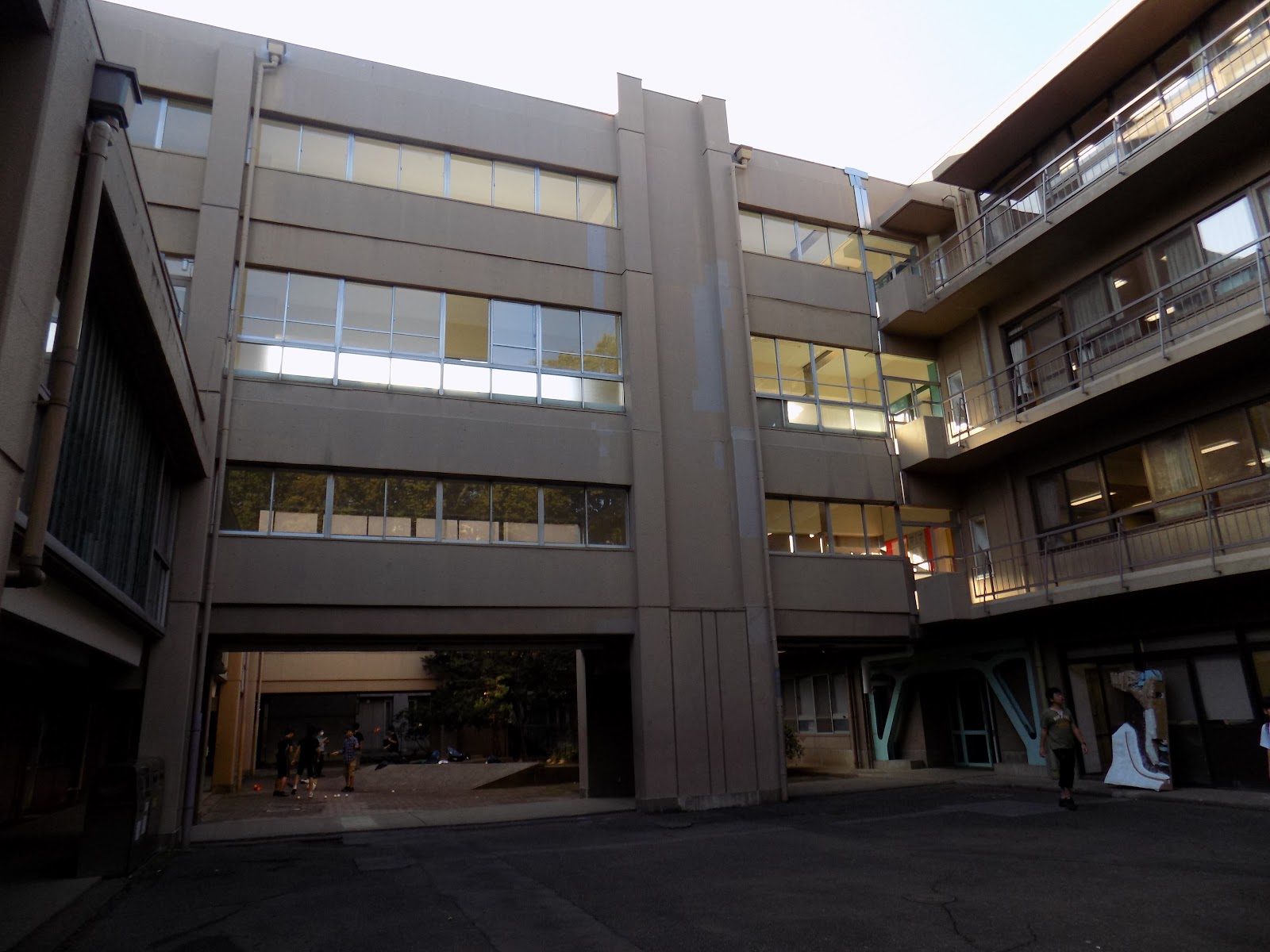
Musashi High School
Tokyo · Japan
No uniform, no hairstyle rules, no dress code -- just a century-old Nerima campus where boys pursue funded independent research projects
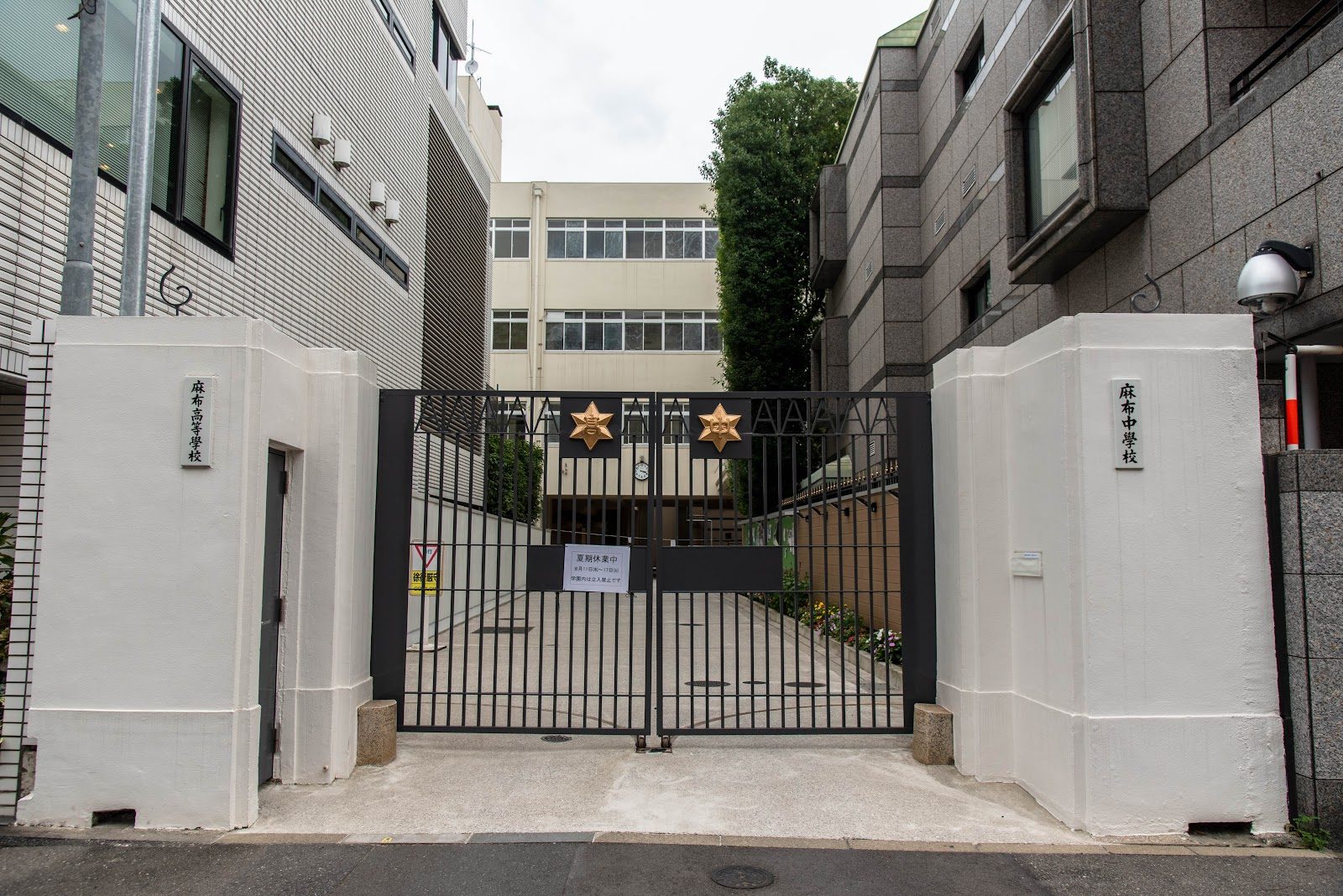
Azabu Junior and Senior High School
Tokyo · Japan
No uniforms, no rulebook, just self-directed rigor on a Minato hilltop that sends a third of graduates to Tokyo University.
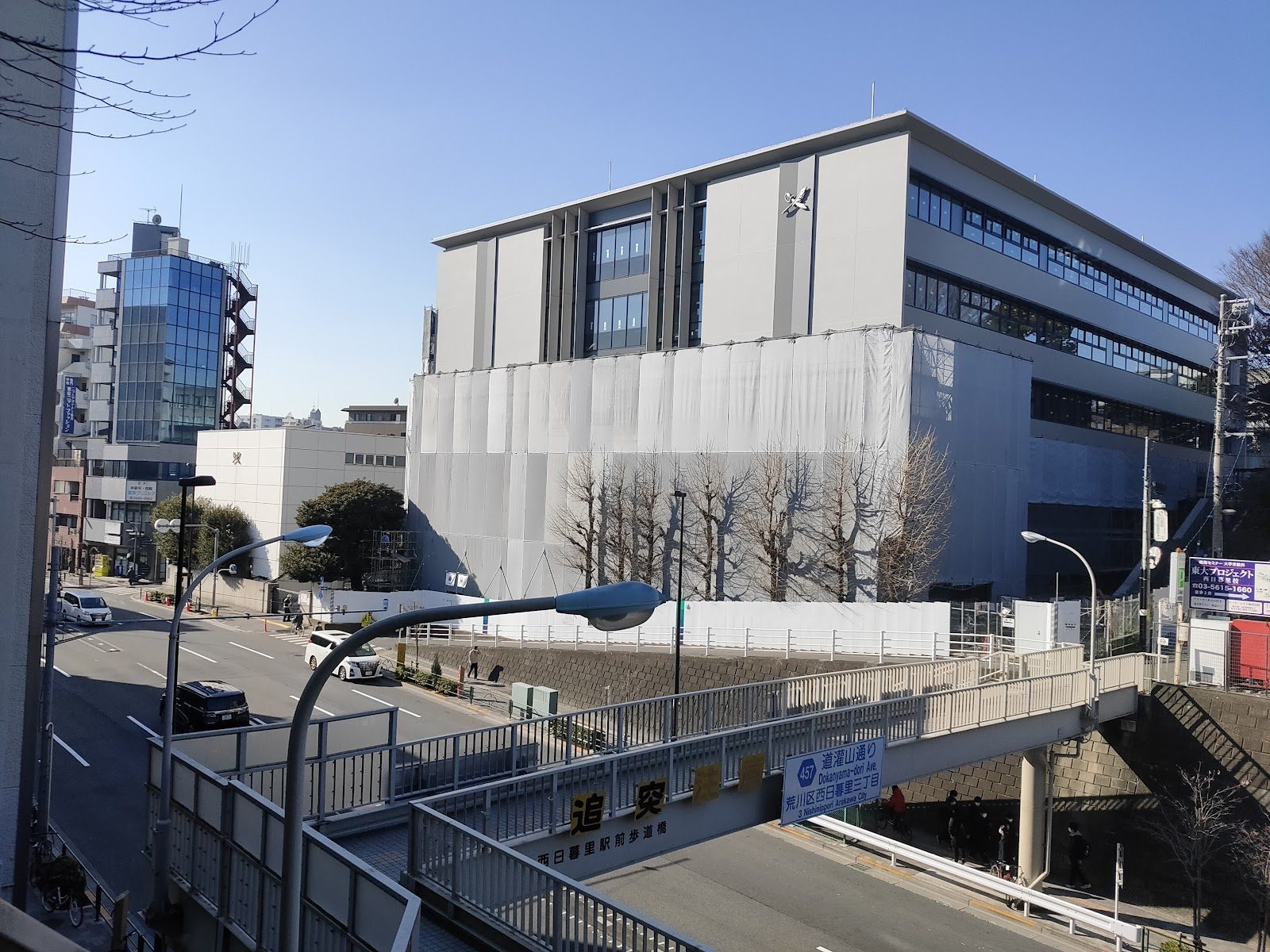
Kaisei Academy
Tokyo · Japan
An 1871 all-boys day school in one of Tokyo's densest wards, a perennial University of Tokyo feeder now adding IB and AP tracks abroad.
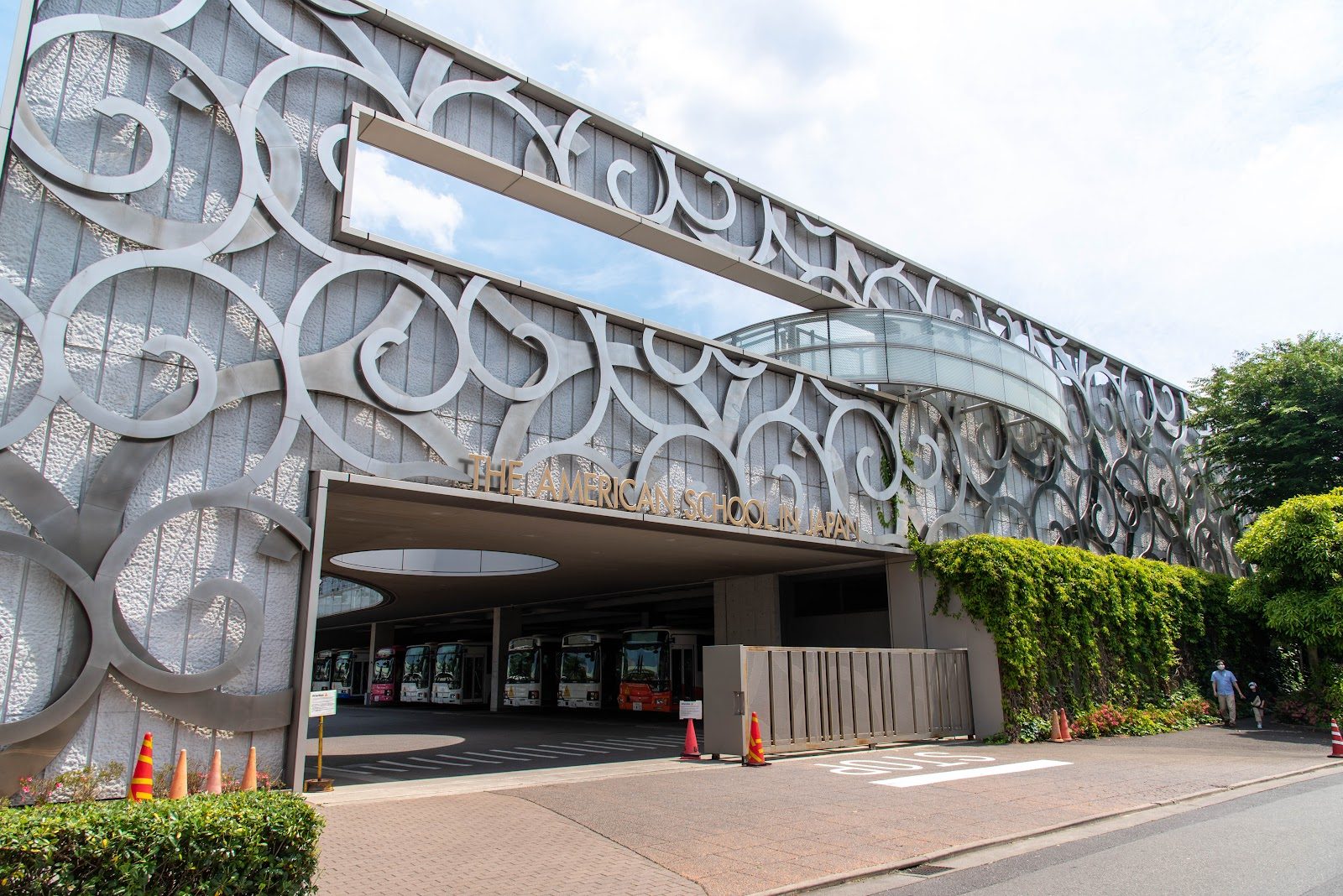
The American School in Japan
Tokyo · Japan
Rooted in Chofu since 1902, its early campus plans once drew sketches from Frank Lloyd Wright himself.
Same country and curriculum — closest matches within ±10 points either way