
Vermont
Killington Mountain School
America's longest-running winter-term ski academy, pairing a 5:1 classroom ratio with daily training on Killington's slopes
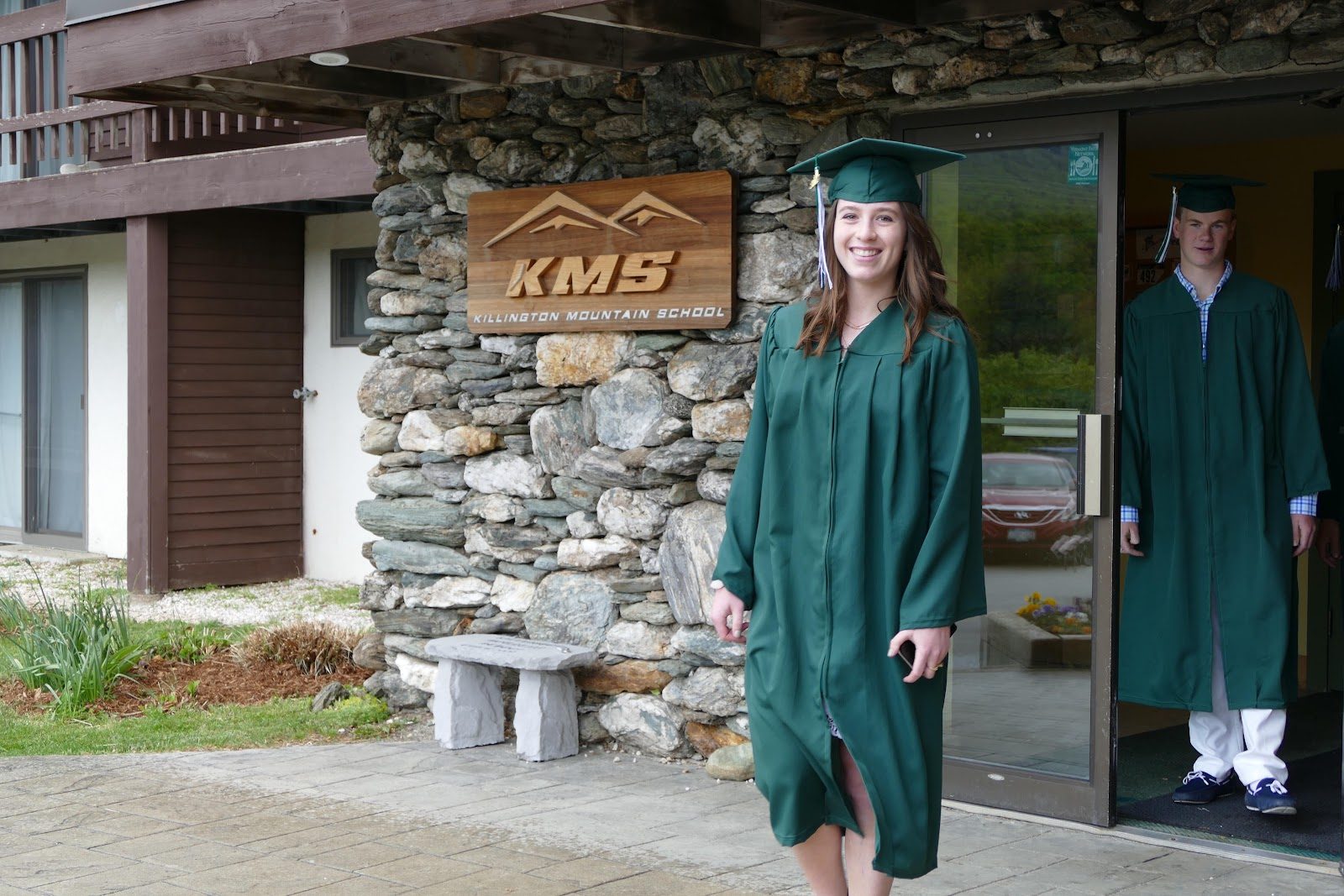
Photo © Killington Mountain School via Google Maps
Type
Boarding + Day
Ages
11–18
Curriculum
US High School Diploma
Ratio
1:8
The Verdict
Editor's commitment
Right for
Competitive ski or snowboard athletes aged 11–18 who want a US High School Diploma, daily mountain access and a 1:8 student-teacher ratio.
Wrong for
Families wanting a broad all-round school first: KMS is boarding and day, built around winter sport, with average annual boarding fees of $60,909.
Watch out for
This is an expensive specialist school: average annual day fees are $46,500, and the school publishes no hard academic outcomes data.
Ranking breakdown
Killington Mountain School · #1401 of 1591
Composite score 51.6. 8 weighted criteria.
By criterion
Academic Outcomes
Weight 20%
#1510
of 1529 scored
University Placement
Weight 16%
#1462
of 1529 scored
Prestige & Heritage
Weight 12%
#1320
of 1529 scored
Alumni Network
Weight 12%
#1320
of 1529 scored
Facilities
Weight 12%
#741
of 1529 scored
Transparency & Communications
Weight 8%
#1383
of 1529 scored
Peer & Industry Review
Weight 10%
#306
of 1529 scored
Admissions Selectivity & Demand
Weight 8%
#1419
of 1529 scored
Peer & Industry Review
How Killington Mountain School is regarded in the sector
75
Strong · medium confidence
Killington Mountain School is regarded chiefly through the lens of elite alpine ski racing rather than traditional academic league tables, and its standing among peer schools reflects that niche. It sits alongside Burke Mountain Academy, Green Mountain Valley School, and Stratton Mountain School in Vermont's cluster of USSA/U.S. Ski & Snowboard-affiliated academies, and is regularly cited in ski-industry press (Ski Racing Media, U.S. Ski & Snowboard release lists) for producing national team and NCAA-bound skiers and riders. Coaches and admissions officers at these rival Vermont academies treat KMS as a direct competitor for top junior racing talent, with cross-school rivalries visible at U16/U19 championships. On the college side, KMS alumni placements are tracked mainly through NCAA Division I ski program rosters (e.g., University of Vermont, Dartmouth, Middlebury), where coaches recruit directly from these mountain academies. Independent education press coverage is thin compared to mainstream boarding schools; it appears in specialized guides to ski academies rather than in Good Schools Guide or WhichSchoolAdvisor's core rankings, reflecting its identity as a sport-first, academically supportive institution rather than a broad academic powerhouse.
Award

Elite Sport 80
World's Top School · The Global Ranking
Killington Mountain School is featured on our Global Top 80 ranking at #43. This seal is available for the school's marketing team to use on their website, prospectus and social channels.
- A.J. Kitt — Alpine ski racer, Olympic athlete
- Chip Knight — Alpine ski racer, Olympic athlete
- Kristina Koznick — Alpine ski racer, World Cup athlete
Editors' overview
Killington Mountain School occupies a narrow but serious niche: a winter-sports academy for young athletes who want a conventional US high school education without stepping away from daily training. The headline fact is its longevity in that niche and the degree to which the school organises itself around skiing and mountain sport rather than treating sport as an add-on. For the right child, that matters. KMS is not a generalist boarding school with a ski team; it is a sport-led school in Killington built around the rhythm of the mountain. The attraction is obvious: access to Killington’s slopes, a small student body, and an operational model that puts coaches, teachers and parents in close contact. The school advertises a 1:8 student-teacher ratio, and its tagline points to a 5:1 classroom ratio. That level of adult attention suits families who want frequent communication and tight academic monitoring alongside training.
What is special here is the integration of place, programme and purpose. KMS ties its identity directly to Killington and to a mountain-centred life that runs through school, training and community. The school’s own language leans heavily on commitment, team and whole-community involvement; stripped of the rhetoric, the practical point is strong: this is a compact environment where staff know the students well and where sport drives the daily structure. That has value for disciplined student-athletes who thrive on routine, coaching and close adult oversight. It also makes KMS a specialised choice. Families looking for a broad co-curricular boarding school with extensive arts provision, large-scale facilities across every discipline, or a conventional American high school social scene will find a narrower proposition here.
KMS belongs on a shortlist for one type of family in particular: those with an ambitious skier or mountain athlete aged 11–18 who wants serious training without abandoning academic continuity. The boarding-plus-day model adds flexibility for local families and for those relocating around a competition schedule. The school will suit students who are self-motivated, physically robust and happy in a small, high-contact community where everyone knows one another’s business. It will also suit parents who value structure over polish and want daily purpose more than campus spectacle. Children who need anonymity, a huge peer group, or a menu of identities beyond sport will find the fit tighter.
The market position is clear. KMS sells sport-first schooling in one of the strongest mountain settings in the eastern United States, with academics built to support that mission rather than compete with it. That is both its strength and its limit. For a committed young athlete, the focus is hard to replicate. For everyone else, it is too specialised.
An Elite Sport 80 school
Killington Mountain School in Vermont sits at rank forty-three on the Elite Sport 80 because it is one of the densest per-capita ski-racing schools in the world. From a small enrolment of fewer than 80 pupils, Killington has consistently supplied US Ski Team members and NCAA D1 collegiate skiing squads for four decades, with a training environment based directly at Killington Resort — one of the largest ski areas in the eastern United States.
The specialism is alpine ski racing, delivered with a full-time performance coaching staff, FIS-approved on-mountain courses, integrated sports-science support and a US high-school diploma programme. Freestyle skiing is a growing secondary specialism, and the school has added mountain-biking as a summer athletic focus. Snowboard training is available on a case-by-case basis.
Notable alumni across generations include multiple US Ski Team members, NCAA D1 champions in slalom and giant slalom, and a rolling roster of Olympic and World Cup athletes. The school's alumni have consistently featured on the US Ski Team's development squads for several decades.
International openness is genuine, though the natural fit is a serious ski-racing background. Killington is a co-ed boarding school with a modest international cohort — Canadians, Swiss, Norwegians and Argentinians all appear on recent enrolment lists. F-1 visas are handled in-house and ESL support is provided as needed. Admissions is by application plus a sport-specific evaluation: FIS points where held, coach reference and a training-week visit. Tuition and boarding sit around US$70,000-75,000, positioning it slightly below GMVS and Burke Mountain Academy while producing a broadly comparable US Ski Team pipeline. For a family committed to a full US Ski Team or NCAA D1 ski-racing pathway from mid-teens onward, Killington is one of the four or five most obvious destinations in the world. Boarding accommodation and the F-1 visa process should be started 12-18 months in advance for overseas families targeting the school as their US high-school landing point.
Academic Performance
Killington Mountain School does not publish the core data a parent needs to judge academic performance against peers. We have not seen aggregate SAT or ACT results, AP outcomes, matriculation tables, grade distributions, or university destinations. That makes external academic comparison bluntly difficult. In a niche sports school, that omission matters more, not less: families need proof that training volume does not erode academic standards. KMS instead stresses individual programming, constant contact and close coordination between teachers, coaches and parents. That speaks to process, not outcomes. The school’s low staffing ratio and its claim of a 5:1 classroom ratio point to intensive supervision, but supervision is not the same thing as published attainment.
Relative to mainstream US college-preparatory schools, KMS sits in an opaque position academically because the usual public benchmarks are absent. Relative to specialist ski academies, that opacity is still a weakness; schools in this category need hard evidence that athletes leave with credible grades, solid testing and viable next steps beyond sport. KMS may deliver that at the individual level, but the school does not disclose it in aggregate. The academic proposition therefore rests on trust in a high-contact, highly managed model rather than on visible examination performance. For families comfortable with that trade, the fit can work. For families who want clean, comparable proof, KMS does not provide it.
Facilities
The key facility here is not a theatre, science centre or manicured quad. It is the mountain. KMS ties its operation directly to Killington’s on-hill training venues and to a campus setup built to serve student-athletes rather than broaden them. The school also points to athletic facilities both on the hill and on campus, but it does not publish the kind of granular inventory that stronger peer schools provide: no detailed breakdown of strength and conditioning space, no technical centre list, no performance lab detail, no serious visual tour of specialist academic rooms. That leaves parents with a clear priority and a blurred supporting cast. If your child’s life revolves around snow sport, that priority is exactly the point. If you want a campus with institutional heft across arts, design, laboratories and social spaces, KMS reads as functional rather than expansive.
Against peer ski academies, that makes the facilities offer credible but narrowly drawn. Access to a major mountain in the East is a real competitive asset, and the school’s high-contact structure supports intensive use of that environment. Against larger US boarding schools with ski programmes, KMS loses on breadth and wins on relevance: fewer all-purpose amenities, more direct alignment with training. The school’s own tagline leans on a 5:1 classroom ratio, which reinforces the sense that KMS invests in tight operational support more than campus spectacle. That is the right trade if mountain sport sits at the centre of the decision. It is a poor trade if you want a full-spectrum independent school estate.
Killington Mountain School does not publish the core data a parent needs to judge academic performance against peers
Prestige
Killington Mountain School carries niche prestige, not broad national prestige. Its standing rests on one thing: credibility in youth winter sport. In that lane, the school has real weight because it is built around daily training on a major mountain and runs a tightly managed athlete-school-parent model rather than a conventional college-prep experience with sport bolted on. That gives it currency with families who care about skiing development first and school structure second. The school’s own emphasis on constant contact, individual programming and team culture reinforces that identity. The published staffing profile — 1:8 across the school, with a 5:1 classroom ratio flagged in its tagline — also signals an intensive, hands-on environment that many specialist sports families value.
Outside that specialist market, the prestige drops fast. KMS does not carry the social cachet of an old New England boarding school, the academic prestige of a selective day school, or the cultural breadth of a large independent campus. It is a serious specialist, not a status school. That distinction matters. Parents buying KMS for name recognition or elite academic signalling will not get much return. Parents buying it for sport-specific credibility, disciplined routine and close adult oversight will. The school’s prestige, then, is earned rather than ornamental: strong within a narrow field, limited beyond it, and entirely dependent on whether your child’s ambitions align with the mountain.
Killington Mountain School carries niche prestige, not broad national prestige
Communications
Parent communication is not a side issue at Killington Mountain School; it sits near the centre of the operating model. The school states that individual programming requires “constant contact and communication” between student-athlete, teacher, coach and parent, and that claim fits the logic of a specialist sports school where training, travel, fatigue and academic deadlines need tight coordination. The tone is high-contact, hands-on and deliberately intimate. Families who want regular updates, quick intervention and adults who know what is happening across school and sport will value that. Parents who prefer distance, looser oversight or a more conventional boundary between school and home will find the model intrusive.
How effective is it? At a practical level, the approach is convincing because the school repeats the same message across its public description of community, team and shared responsibility. Nothing in the published language points to polished institutional messaging or a heavily segmented communications operation; this is a small-scale, relationship-driven school, not a communications machine. That cuts both ways. The strength is directness: fewer layers, faster contact, clearer ownership. The weakness is that KMS does not publish much hard academic outcome data, so communication carries extra weight because parents must rely more heavily on what staff tell them. In other words, the system works best for families who trust close human contact over dashboards, reports and public performance metrics.
Uniqueness
What sets Killington Mountain School apart is not a slogan about balance; it is the fact that the school is built around the demands of competitive mountain sport from the ground up. At many schools, skiing sits at the edge of campus life. Here, the mountain dictates the rhythm. KMS makes a virtue of constant contact between coaches, teachers, parents and students, and that level of coordination is rare outside specialist sport settings. The school’s own emphasis on “team”, individual programming and whole-community involvement points to an intensely managed environment where adults intervene early, monitor closely and keep training and schoolwork moving in the same direction. For families who want a child known well, pushed hard and kept on a tight operational leash, that is a real distinction.
What this brings to students is clarity. Young athletes get a daily structure in which academic work, coaching and physical development are not competing priorities but part of one system. The published staffing model — including a headline 1:8 ratio across the school — strengthens that promise of close surveillance and rapid feedback. The setting matters too: Killington is not decorative backdrop but working infrastructure, and the school treats it as such. The gain is obvious for disciplined skiers and mountain athletes who thrive with routine, accountability and a sport-first identity. The cost is obvious too. This is a narrow world, with less room for reinvention, anonymity or a broad adolescent menu beyond the mountain.
Parent communication is not a side issue at Killington Mountain School; it sits near the centre of the operating model
Student Profile
The student who fits KMS is not a casual skier or a child who wants sport as one option among many. This school suits a young athlete whose week already revolves around training, coaching feedback and physical routine, and who does not resent adults keeping close track of work, recovery and conduct. The school’s own language about team, shared responsibility and constant contact points to a high-surveillance culture with little room for drift. Students who thrive here tend to be goal-led, resilient, comfortable with correction and happy to be known well by staff and peers. The attraction is plain: a sport-first environment with enough adult attention to keep academics from sliding while training stays central, reinforced by the school’s published 1:8 staffing ratio and headline 5:1 classroom ratio.
The less suitable student is easy to identify too. Children who want a broad adolescent experience, a large social field, or space to explore identities beyond mountain sport will find the fit tight. This is a narrow tribe, and it asks for buy-in. Independent-minded teenagers who dislike scrutiny, push back against structure, or need anonymity to find their feet will chafe. So will students whose main strengths sit in areas the school does not foreground. KMS works best for families who want a child in a disciplined bubble: physically committed, routine-tolerant and serious about improvement, with parents willing to stay closely involved.
Killington Mountain School occupies a narrow but serious niche: a winter-sports academy for young athletes who want a conventional US high school education without stepping away from daily training
Co-curricular strengths
Arts & sport, on a separate axis
Overall 5.9/10
Scored 0-10 from the school's own published evidence. This axis is editorial-only — it does not feed the main WTS ranking.
Strengths
- +Located directly on Killington Resort, giving alpine skiers and snowboarders exceptional on-snow training access without a daily commute.
- +Small student body allows a highly individualized, flexible academic schedule built around training and competition calendars.
- +Long-established program (founded in the 1970s) with decades of experience integrating US ski/snowboard racing development and academics.
- +Boarding and day options give flexibility for local Vermont families as well as relocating international ski families.
- +Graduates regularly progress into US collegiate (NCAA) skiing and snowboarding programs, reflecting a strong athletic feeder pipeline.
Considerations
- −Extremely narrow athletic focus on alpine skiing and snowboarding limits appeal for families seeking broader arts, humanities or team-sport options.
- −Very small enrollment means limited elective breadth, class size diversity and peer group scale compared to larger boarding schools.
- −Rural Vermont location is remote, with limited surrounding infrastructure, restaurants, or urban amenities for non-skiing family life.
- −Winter-centric calendar and weather dependency can affect training consistency and daily scheduling predictability.
Gallery
Photo © Killington Mountain School via Google Maps
Photo © Killington Mountain School via Google Maps
Photo © Christopher Bishop via Google Maps
Photo © Christopher Bishop via Google Maps
Photo © Christopher Bishop via Google Maps
Photo © Christopher Bishop via Google Maps
Parent reviews
Have you sent your child here?
Voice reviews carry the strongest trust badge — we transcribe them for you to tidy up before they go live. Prefer to type? A written review is fine too.
Add your voice
In 60 seconds, tell other parents: what's the best thing about Killington Mountain School, and what surprised you when your child joined?
We ask for a Google sign-in so every review has a real face behind it — no anonymous drive-by attacks on schools, and no faked positive reviews. Your email is never shown publicly.
Send this profile to a friend
International parents rely on word-of-mouth. Share this review with someone weighing the same decision.
Schools with places
Similar schools to Killington Mountain School with places available now.
BASIS Tucson North
Tucson · United States
- 2026-27
- PLACES OPENFall 2026 apps / open enrollment active
- 2027-28
- FUTURE CYCLEDates TBC
Friends Seminary
New York City · United States
- 2026-27
- WAITPOOLLate/held pending openings
- 2027-28
- OPENS SOONExpected Sept '26
Saint Ann's School
Brooklyn · United States
- 2026-27
- WAITPOOLLate / attrition-dependent
- 2027-28
- OPENS SOONOpens 8 Sept '26
Ethical Culture Fieldston School
New York City · United States
- 2026-27
- WAITPOOLLimited late availability
- 2027-28
- OPENS SOONOpens post-Labor Day '26
Availability first, then country, area, curriculum, price, co-curricular
Consider also
Also worth looking at alongside Killington Mountain School.
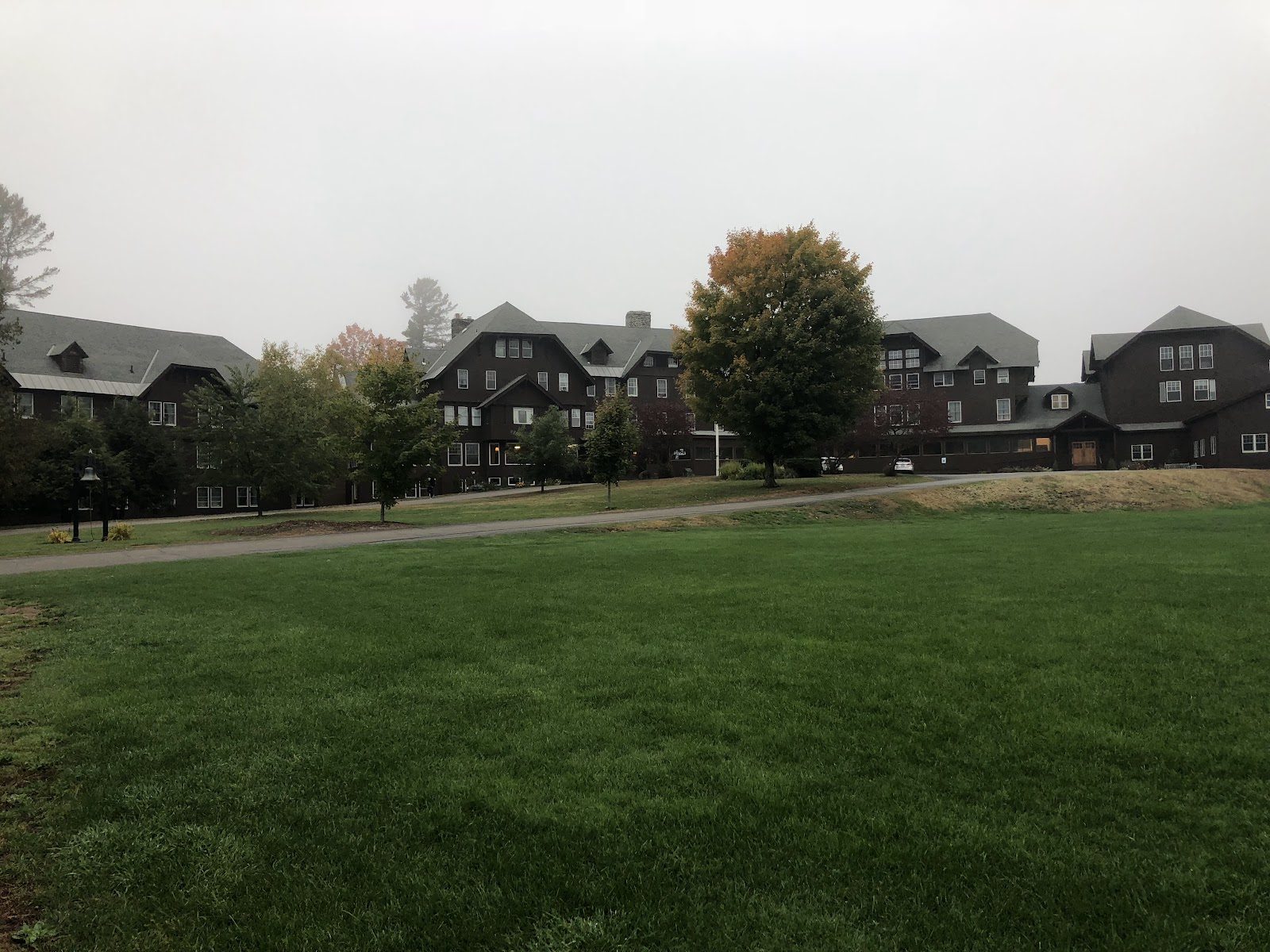
Northwood School
Lake Placid, NY · United States
In Lake Placid's Olympic village, a college-prep campus that has sent an alumnus to every Winter Games since 1964.
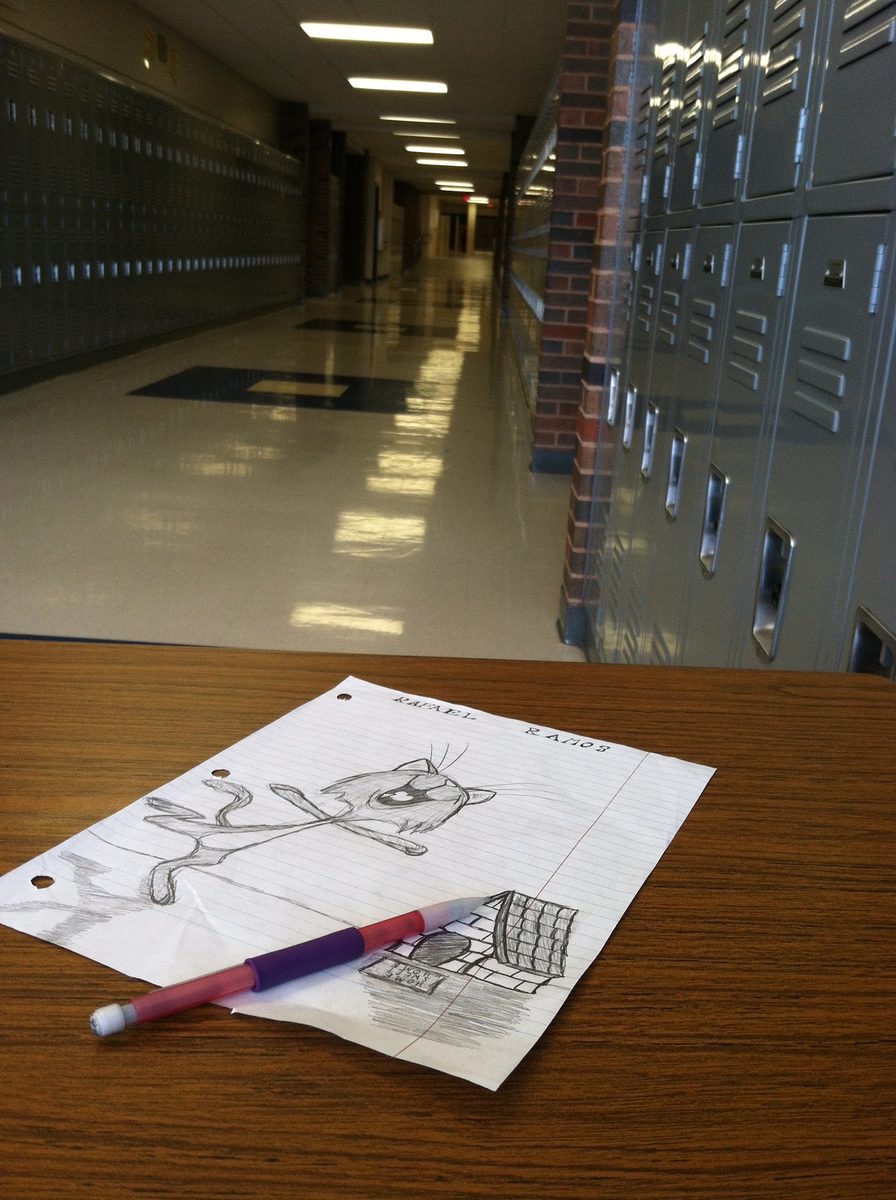
Duncanville High School
Duncanville, TX · United States
In this Dallas-suburb powerhouse, a four-decade band dynasty holds dual Sudler honors alongside a Grammy Signature choir.
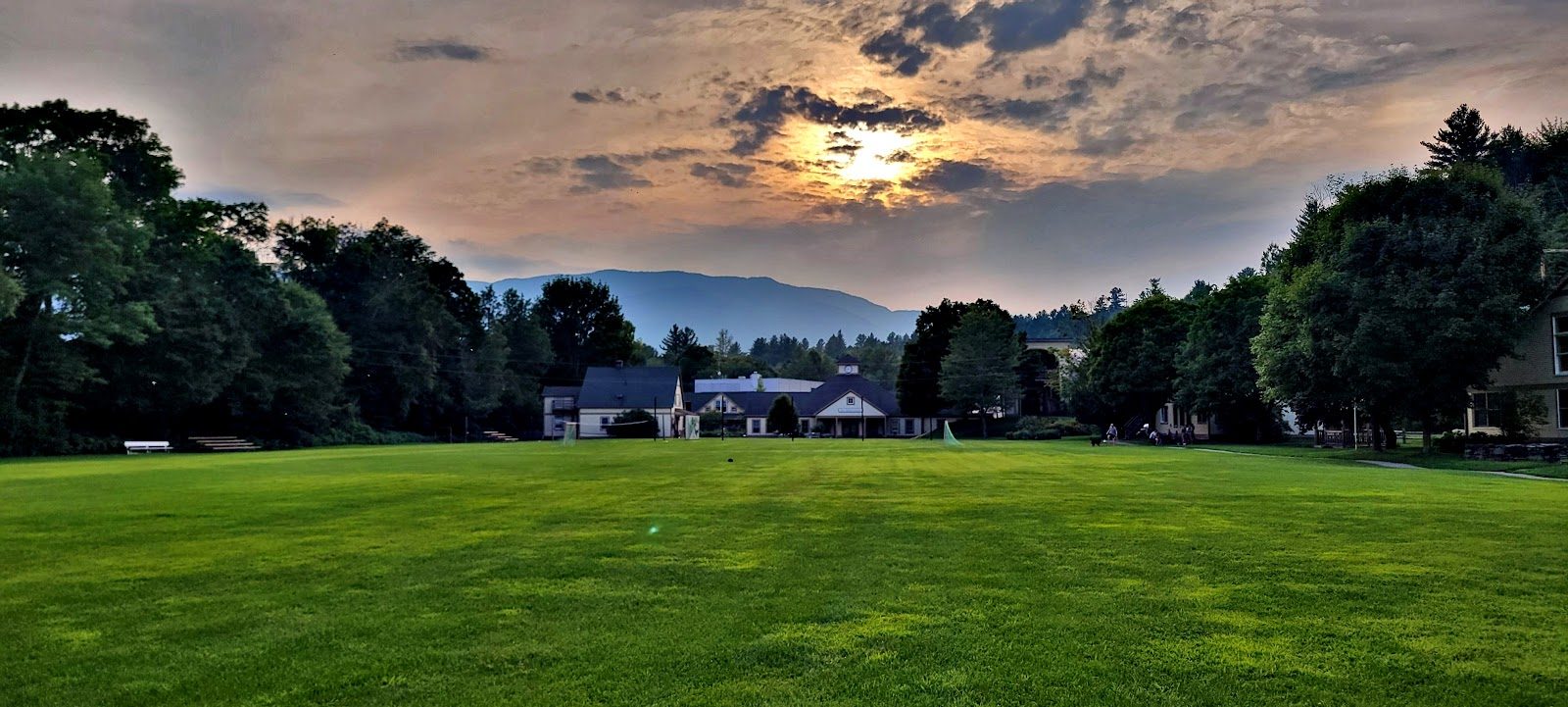
Green Mountain Valley School
Waitsfield, VT · United States
Alpine and Nordic race training at Sugarbush Resort pairs with a college-prep curriculum in Vermont's Mad River Valley

Long Beach Poly High School
Long Beach, CA · United States
An urban Long Beach public school where the century-old motto 'Scholars and Champions' still fits a campus with more NFL alumni than any other in America.
Same specialism, country and curriculum — closest matches within ±10 points either way