
Somerset
Kingswood School
low confidence· 1/6 cats · 2.67 avg sourcesFounded by John Wesley in 1748, this Methodist foundation crowns 120 acres above Bath with boarding houses and broad academic rigor.
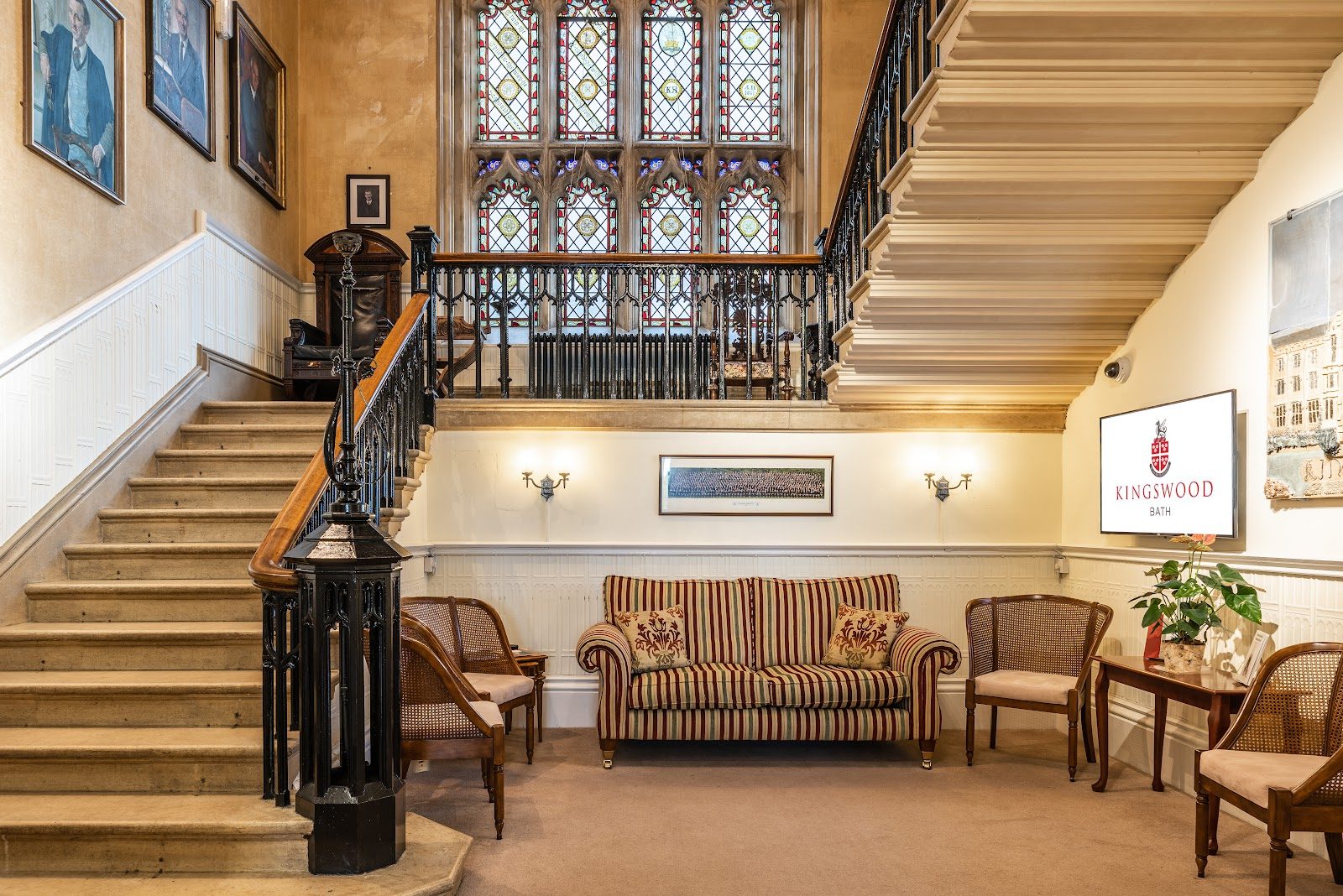
Type
Both
Ages
3–18
Curriculum
British
Qualifications
A-Level · GCSE
Ratio
—
The Verdict
Editor's commitment
Right for
Families wanting a British 3–18 day-and-boarding school in Bath, founded in 1748, with a clear Methodist foundation and HMC membership.
Wrong for
Parents after a secular school, a non-British curriculum, or a small intimate campus: Kingswood spans 200 acres and educates over 1,000 pupils.
Watch out for
The school trades on breadth, boarding and setting; it does not publish headline exam data here, so test academic claims hard.
Ranking breakdown
Kingswood School · #1084 of 1591
Composite score 58.9. 8 weighted criteria.
By criterion
Academic Outcomes
Weight 20%
#857
of 1533 scored
University Placement
Weight 16%
#848
of 1529 scored
Prestige & Heritage
Weight 12%
#728
of 1580 scored
Alumni Network
Weight 12%
#1373
of 1530 scored
Facilities
Weight 12%
#717
of 1540 scored
Transparency & Communications
Weight 8%
#798
of 1547 scored
Peer & Industry Review
Weight 10%
#892
of 1564 scored
Admissions Selectivity & Demand
Weight 8%
#759
of 1529 scored
Peer & Industry Review
How Kingswood School is regarded in the sector
66
Respected · medium confidence
Within Bath's independent sector, Kingswood was generally regarded by peer schools as the more inclusive, less selective alternative to King Edward's School Bath and the Royal High School Bath (GDST), both of which sit higher in national GCSE and A-level league tables. Independent education commentary, including the Good Schools Guide, characterised Kingswood as a warm, values-driven school strong on pastoral care and co-curricular breadth rather than an academic hot-house. Its closure, announced in October 2022 and reported by the BBC, TES and Schools Week, was widely discussed in the sector press as emblematic of pressures facing mid-sized boarding schools outside London and the South East: falling rolls, sharply increased Teachers' Pension Scheme contributions, and competition for a shrinking pool of fee-paying families. The case was subsequently referenced in sector commentary and by bodies such as the Independent Schools Council as a cautionary example of financial fragility rather than a model of best practice.
- E. P. Thompson — Historian, Academia
- Donald Soper — Methodist Minister and Social Reformer, Religion/Politics
- Frank Thompson — British Army Officer and SOE Agent, Military
Editors' overview
Kingswood School occupies a strong niche in the UK independent market: an established co-educational day and boarding school with real historical weight, a clear Methodist inheritance, and a campus setting that gives it scale without tipping into grandiosity. Founded in 1748 by John Wesley, it trades on more than age. This is the world’s oldest Methodist educational institution, and that heritage still matters because it frames the school’s moral language: service, character, community and seriousness of purpose. Parents who want a school with a Christian foundation but without the harsher edges of traditional evangelical branding will find Kingswood’s tone attractive. The Bath setting adds another advantage. A school above one of Britain’s most cultured small cities can offer both a sense of perspective and access to a richer life beyond the timetable.
What marks Kingswood out is breadth. It does not pitch itself as a hothouse or a narrowly selective academic factory. It sells a British education with boarding, day provision and a wide co-curricular brief across a substantial site — the school cites 200 acres — and that matters for family life as much as for school marketing. Children here get room: room for sport, room for music and drama, room for outdoor life, room to grow up without feeling boxed in. That breadth is backed by institutional substance: ages 3–18, both day and boarding, English-language teaching, and membership of the HMC orbit with ISI accreditation. The strongest attraction is balanced ambition. Kingswood prizes academic excellence, but it does not define childhood by exam technique alone. For many families, that is the whole point.
This school belongs on a shortlist for parents who want a civilised boarding culture, strong adult-pupil relationships, and a more grounded alternative to the sharper, status-driven end of the independent sector. It suits students who are capable, busy and open to a full school life rather than those who want to live inside a narrow academic lane. Children who thrive in communities built around teamwork, routine and quiet confidence will fit well. Boarders who need a school to feel humane rather than institutional will also see the appeal. The pupils most drawn to Kingswood are those who want academic rigor with space to breathe, and families who value moral seriousness without piety or cant.
Academic Performance
Kingswood talks confidently about academic excellence, but public performance data are thin. We have not seen aggregate GCSE or A-level outcomes, no subject-by-subject breakdowns, and no published value-added measures. That leaves a gap. In a crowded independent market, schools with serious academic firepower publish results clearly and repeatedly. Kingswood does not. Parents can still infer part of the picture from its institutional profile: this is not a results factory built around hyper-selective intake and relentless exam drilling. The academic proposition sits inside a wider school life, and that has consequences. The school’s strongest selling point is breadth, not a barrage of top-grade statistics.
Relative to peers, that places Kingswood in the substantial middle tier of academically credible British independents: strong enough to attract families who want ambition without hothouse pressure, but not transparent enough to claim a place among the sector’s hard-edged academic leaders. For some parents, that balance will be the attraction. For others, the opacity will grate. If exam outcomes are central to the decision, families need the school to produce recent headline results, university destinations and evidence of stretch for its highest attainers. Until it does, Kingswood reads as a school with sound academic intentions and an evidently broad offer, rather than one making a public case through top-line exam numbers.
Facilities
The estate is the headline facility here. Kingswood has the land to run as a proper all-through independent school rather than a cramped urban campus making do with shared space. The school cites 200 acres, and even allowing for the usual marketing instinct to foreground scenery, that scale matters. It gives pupils full-sized playing provision, room for boarding houses without a claustrophobic feel, and the physical separation needed for nursery, prep and senior life to coexist without tripping over each other. The school also points to upper and middle playing fields and to a spread of additional buildings, which reinforces the picture of a campus built for breadth rather than show. Against peers in and around Bath and the South West, that landholding is a serious advantage. Many competitors can match teaching quality; fewer can match space, autonomy and range on one site.
What we do not get is a crisp public inventory of specialist facilities. The school talks expansively about co-curricular life, culture and sport, but does not publish the kind of detailed, room-by-room facilities case that top fee-charging rivals now use to reassure parents about science labs, theatres, design spaces or high-performance sports kit. That absence does not mean weakness; it does mean *less transparency than the best-run peers*. The broad picture is clear: this is a campus with real operational depth, strong outdoor assets and the infrastructure to support a busy day-and-boarding school. Parents choosing between Kingswood and sharper self-promoters will need a visit to test whether the indoor provision matches the impressive scale of the grounds.
The school’s strongest selling point is breadth, not a barrage of top-grade statistics
Prestige
Kingswood carries real but measured prestige. Its name has weight in British independent education because it sits inside a long-established Methodist tradition and because it has the scale, continuity and institutional confidence of a school that has been doing this for generations. It is not an aspirational newcomer trading on architecture and branding. It is an old, settled school with more than 1,000 pupils and a broad enough footprint to sustain serious sport, arts and boarding life without feeling like a boutique operation. That matters. Prestige in this part of the market does not rest only on exam headlines; it also rests on durability, reputation among informed families, and the strength of the school community over time.
That said, Kingswood is not in the top ceremonial tier occupied by the most socially dominant English public schools, nor does it project the bruising academic prestige of the strongest exam-led independents. Its status is solid, civilised and credible rather than glittering. The school’s own emphasis on relationships, character and breadth reinforces that impression: this is a place for families who want substance, not theatre. We rate its prestige as strong regional and national mid-to-upper tier prestige, built on heritage, scale and institutional seriousness rather than on exclusivity or raw academic clout. For many parents, that is a better kind of status: respected, established and free of the more exhausting status games that infect parts of the sector.
Parents who want a school with a Christian foundation but without the harsher edges of traditional evangelical branding will find Kingswood’s tone attractive
Communications
Kingswood’s parent-facing communication has a clear tone: warm, values-led and confident about community. The public voice leans hard on relationships, character and the wider life of the school, with repeated emphasis on trust, openness and adult guidance. That gives parents a good read on culture. You can tell what kind of school it is trying to run, and for many families that matters as much as policy detail. The site also does the practical basics a school of this scale must do: contact points are easy to find, visits and admissions are given prominence, and term dates and news are surfaced without fuss. For a school serving children from nursery to sixth form and educating over 1,000 pupils, that institutional steadiness counts.
The weakness is precision. Kingswood communicates ethos better than it communicates evidence. The language is polished and reassuringly civil, but it slides into broad aspiration where sharper schools publish hard information: exam outcomes, destination data, pastoral systems, boarding routines, or a more exact account of specialist provision. Parents get a strong sense of atmosphere and a well-managed narrative of school life; they get less by way of verifiable performance detail. That does not make the communication poor. It makes it selective. Families who prioritise fit, tone and community will find it effective. Families who want dashboards, metrics and documentary clarity will find it too soft at the edges and will need to press questions in person.
Uniqueness
Kingswood’s distinctiveness starts with origin and intent. This is not just an old independent school with chapel on the edge of campus life; it is the world’s oldest Methodist educational institution, founded to educate the sons of colliers and Methodist ministers. That inheritance gives the school a different moral centre from the Anglican mainstream that dominates British boarding culture. The tone is less aristocratic, less ritualised, and more purpose-driven. The school talks about confidence, compassion and service in language that connects directly to its foundation rather than to a generic pastoral script. For students, that brings a culture with moral seriousness but without the grand social performance that can define older public schools.
The other point of difference is the combination of that heritage with scale and setting. Kingswood sits above a city with strong cultural life while also giving children access to countryside, coastline and a campus large enough to sustain a busy all-through school. The pupil body is over 1,000, and the school itself stresses friendships “from all over the world”, so the community has breadth as well as continuity. For students, the gain is practical: a school life that is full without being manic, rooted without being insular, and expansive enough for academic work, sport, outdoor activity and boarding to coexist in one coherent routine. That mix is hard to replicate.
A school above one of Britain’s most cultured small cities can offer both a sense of perspective and access to a richer life beyond the timetable
Student Profile
Kingswood suits students who want a full school life rather than a single-track existence. The best fit is a child who is academically capable, busy by instinct, and willing to join in across sport, music, drama, outdoor activity and house life without treating any one domain as the whole story. This is not the right environment for the monomaniac exam tactician or the teenager who wants a school organised around constant ranking and narrow academic combat. It fits pupils who value routine, respond well to adult guidance, and can handle a community where character and conduct are taken seriously. The Methodist foundation still gives the place a clear moral frame. Families who want that, without heavy-handed religiosity, will find a good match.
The social fit is also plain. Kingswood works for children who are comfortable in a settled, structured independent-school culture and who gain from constructive adult relationships rather than friction or anonymity. Boarders and day pupils both need a degree of sociability and resilience: this is a busy institution, not a refuge for students who want to disappear into the background. The school itself stresses friendships with pupils “from all over the world”, so overseas families will not be walking into a purely local enclave. At over 1,000 pupils and stretching from 9 months to 18, the community has breadth, but the dominant type still reads as the grounded all-rounder: capable, cooperative, and ready to make proper use of a large school rather than be overwhelmed by it.
It does not pitch itself as a hothouse or a narrowly selective academic factory
Co-curricular strengths
Arts & sport, on a separate axis
Overall 8.52/10
Scored 0-10 from the school's own published evidence. This axis is editorial-only — it does not feed the main WTS ranking.
Sports
9/10
Absolute athletic powerhouse with massive acreage; fields historic, fiercely competitive hockey, rugby, and cricket programs.
Drama
8.8/10
The school's theater complexes operate at an exceptionally high standard, cultivating creative and performance tech tracks.
Dance
7.5/10
Highly popular synchronization and ensemble choreography featured prominently in major annual school cultural showcases.
Music
8.8/10
High-end orchestral setups supporting advanced symphonies and traditional choral tracking that perform in major civic halls.
Visual Arts
8.5/10
Technical fine arts focus housed within custom studio environments, prioritizing portfolio development, ceramics, and fine oils.
Strengths
- +Founded 1748 with an established Methodist heritage and clear ethos.
- +Strong, transparent outcomes: 79% of 2026 A Level grades at A*-B and seven Oxbridge offers secured.
- +Genuine full-boarding community of around 180 pupils with no exeat weekends.
- +World-class sport with visible strength in hockey, rugby and cricket.
- +Elite drama and music provision alongside a broad co-curricular offer.
- +Generous 120-acre all-through campus above Bath, from nursery to sixth form.
Considerations
- −Methodist foundation and values-led culture may not suit every family.
- −English-medium British curriculum only, with no alternative international pathway.
- −The no-exeat, full-boarding model may not suit families wanting weekly boarding.
- −A large all-through nursery-to-18 institution may feel less intimate than a single-phase school.
Availability
Primary entry gate & tests
Written Exams + Interview
Gallery
Parent reviews
Have you sent your child here?
Voice reviews carry the strongest trust badge — we transcribe them for you to tidy up before they go live. Prefer to type? A written review is fine too.
Add your voice
In 60 seconds, tell other parents: what's the best thing about Kingswood School, and what surprised you when your child joined?
We ask for a Google sign-in so every review has a real face behind it — no anonymous drive-by attacks on schools, and no faked positive reviews. Your email is never shown publicly.
Send this profile to a friend
International parents rely on word-of-mouth. Share this review with someone weighing the same decision.
Schools with places
Similar schools to Kingswood School with places available now.
Availability first, then country, area, curriculum, price, co-curricular
Consider also
Also worth looking at alongside Kingswood School.
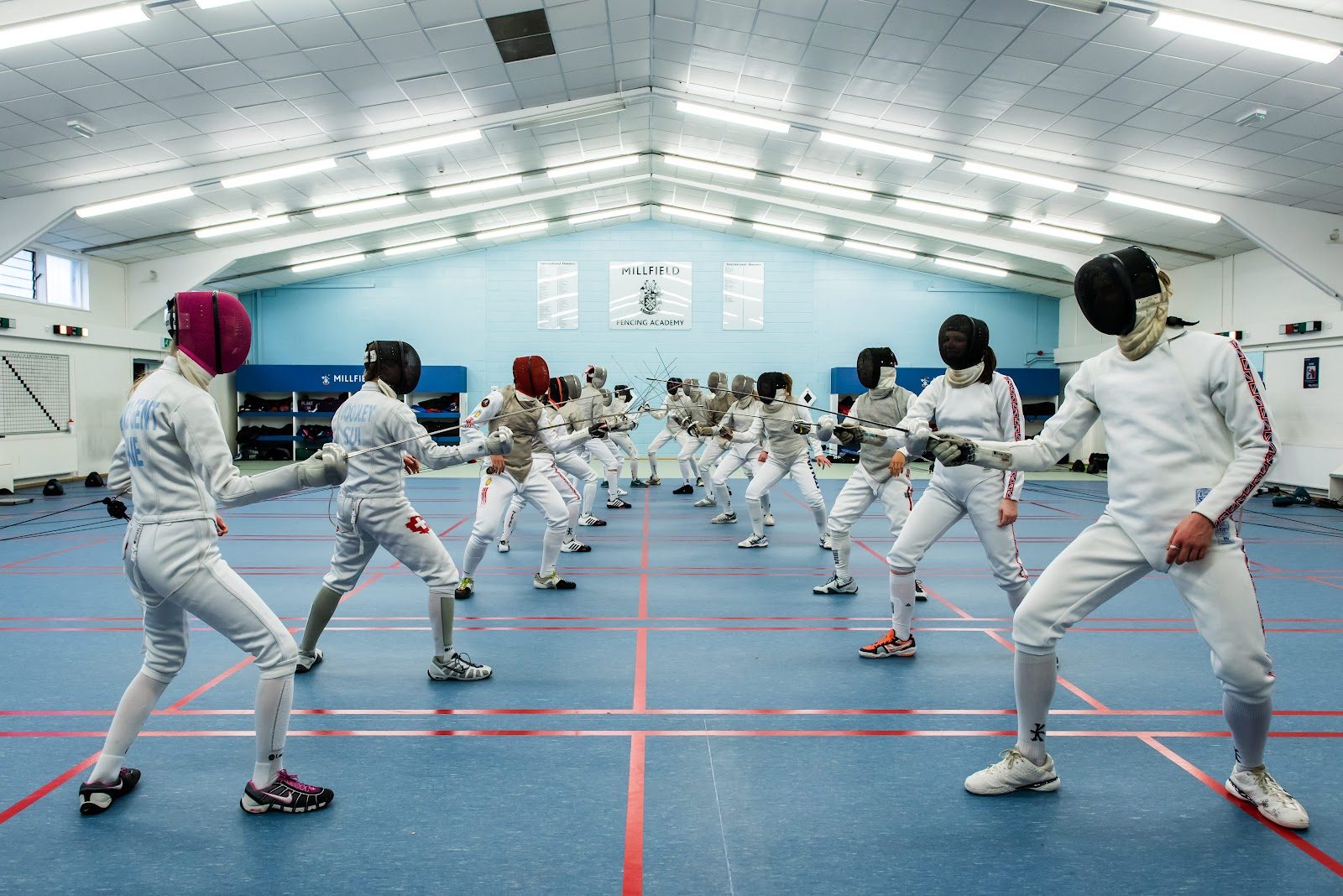
Millfield School
Street · United Kingdom
Sixty-plus sports and an Olympic-length pool anchor a 240-acre Somerset campus built for athletes and scholars alike.
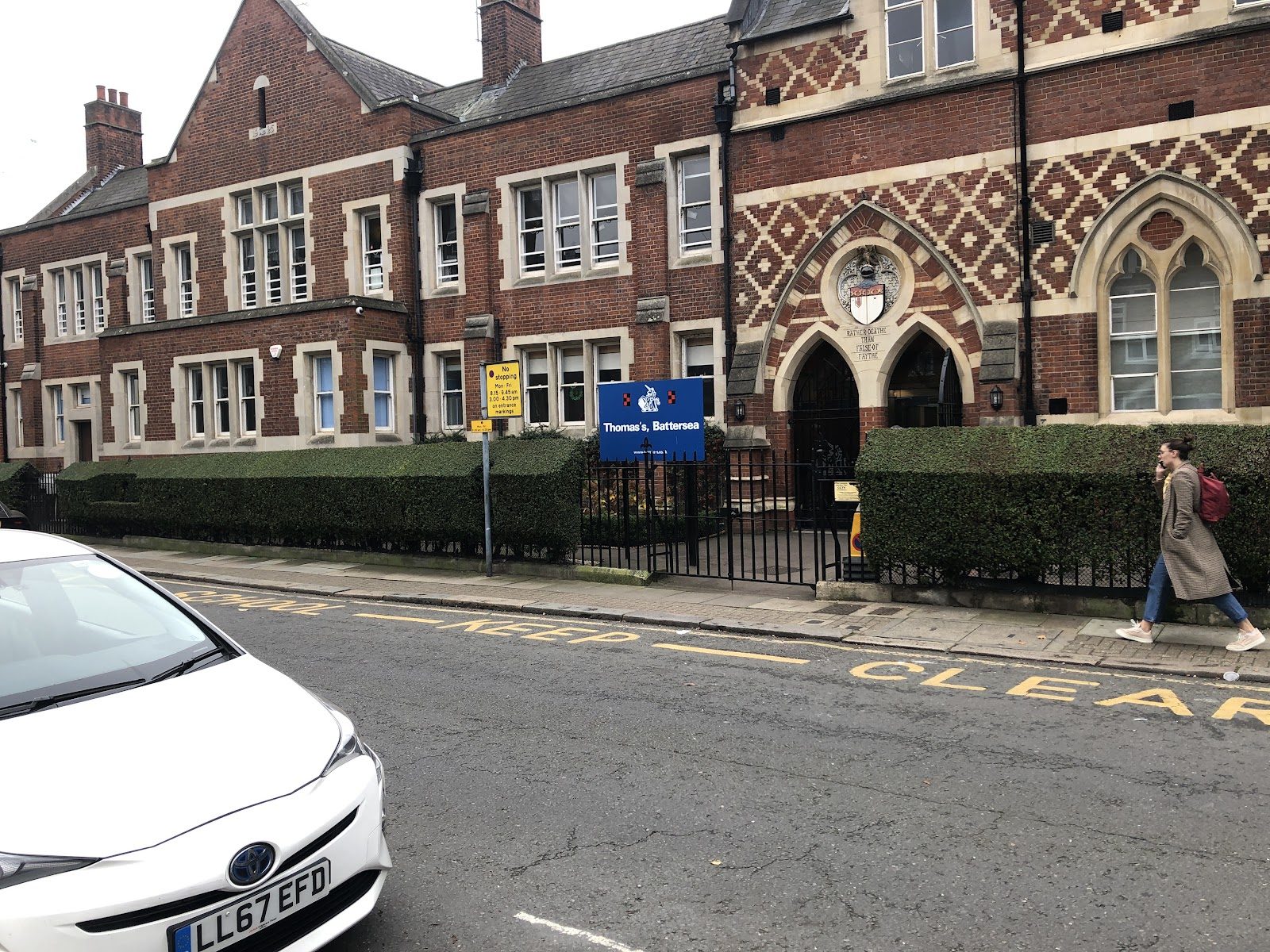
Thomas's Battersea
London · United Kingdom
In a former Victorian art school, an 'enquiry mindset' and a 'Be Kind' ethos feed London's top senior schools.
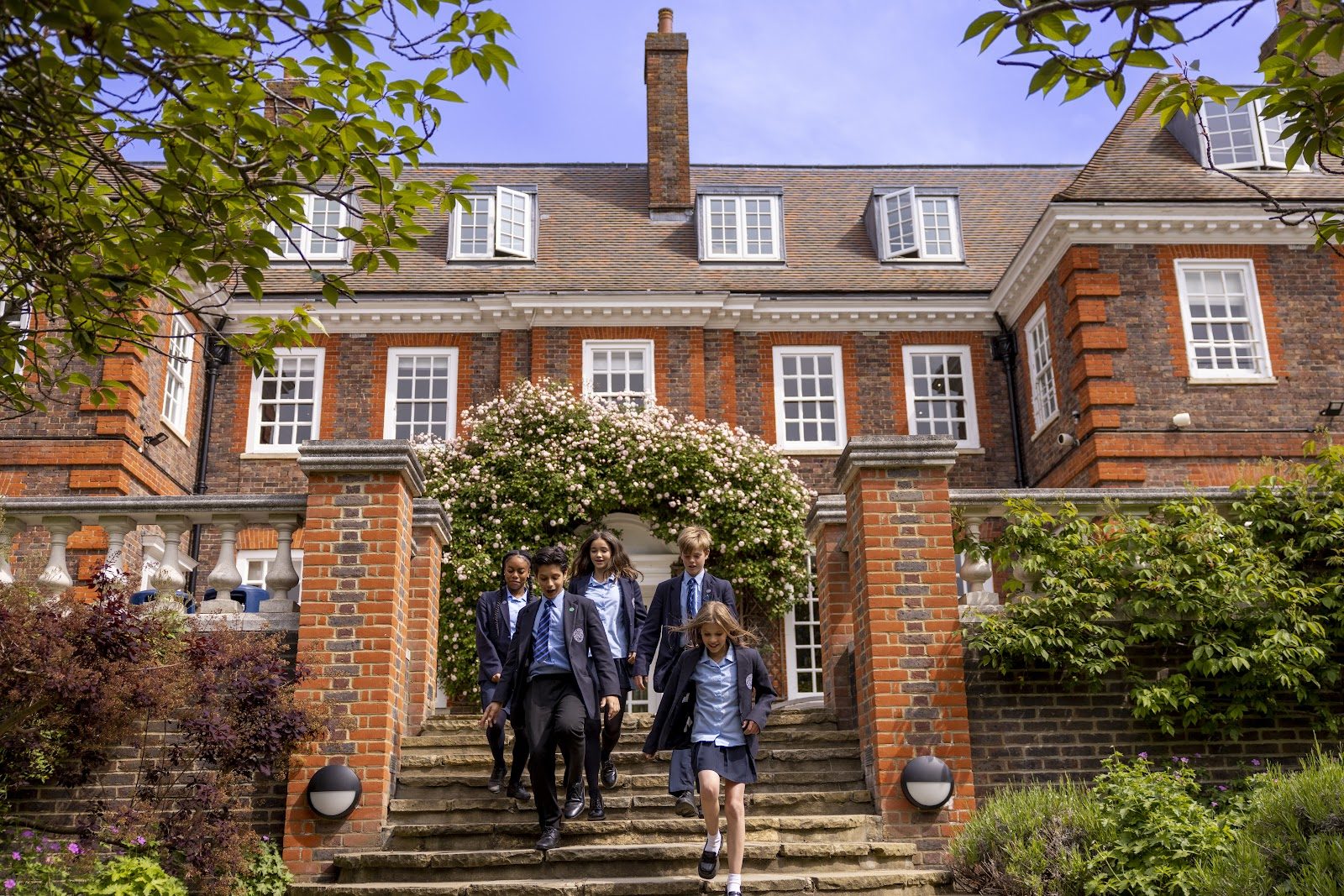
Ibstock Place School
London · United Kingdom
On the fringe of Richmond Park, a Froebel-founded day school has championed co-education since 1894.
Downe House School
Cold Ash · United Kingdom
Rooted in Charles Darwin's former home, now a 110-acre Berkshire estate where science thrives and Oxbridge ambition runs deep.
Same country and curriculum — closest matches within ±10 points either way