
Queensland
St Joseph’s College, Gregory Terrace
low confidence· 2/6 cats · 3 avg sourcesFounded in 1875 by three Irish Christian Brothers, this Spring Hill day school remains a founding pillar of Queensland's GPS competition.
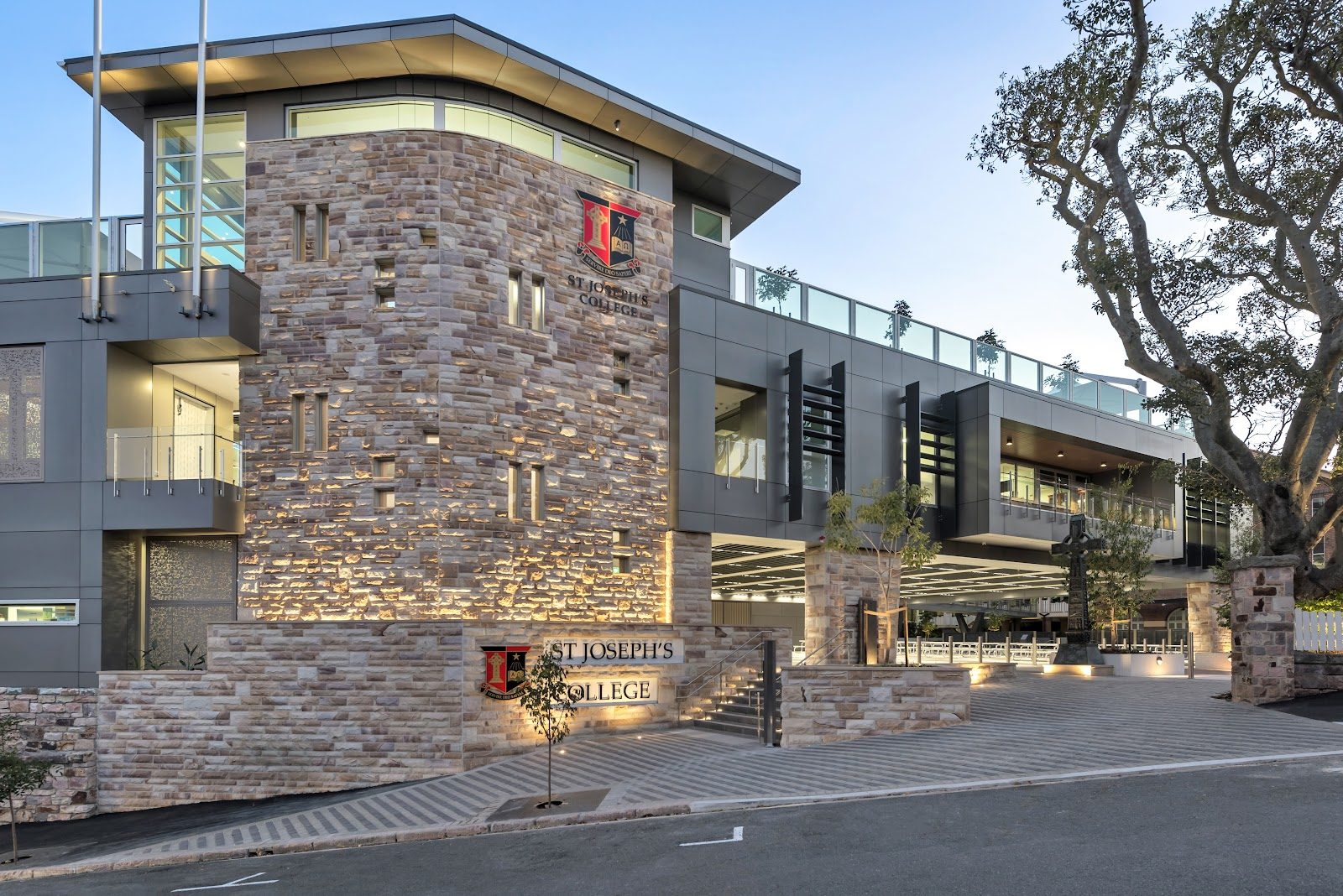
Type
Day
Ages
10–18
Curriculum
Australian
Qualifications
QCE
Ratio
—
The Verdict
Editor's commitment
Right for
Boys aged 10–18 who want a Catholic day school in Spring Hill with GPS sport and a 150-year Christian Brothers legacy.
Wrong for
Families wanting co-education, boarding, or a secular culture; Terrace is a boys' Catholic day school, founded in 1875, with Edmund Rice values.
Watch out for
The average annual fee is AUD 23,949; add the fact that GPS culture and faith formation are central, not decorative.
Ranking breakdown
St Joseph’s College, Gregory Terrace · #713 of 1591
Composite score 58.9. 8 weighted criteria.
By criterion
Academic Outcomes
Weight 20%
#902
of 1529 scored
University Placement
Weight 16%
#848
of 1529 scored
Prestige & Heritage
Weight 12%
#608
of 1571 scored
Alumni Network
Weight 12%
#1432
of 1530 scored
Facilities
Weight 12%
#732
of 1533 scored
Transparency & Communications
Weight 8%
#779
of 1532 scored
Peer & Industry Review
Weight 10%
#893
of 1548 scored
Admissions Selectivity & Demand
Weight 8%
#837
of 1529 scored
Peer & Industry Review
How St Joseph’s College, Gregory Terrace is regarded in the sector
66
Respected · medium confidence
Among Brisbane's GPS fraternity, Terrace is regarded as a durable, tradition-bound competitor - respected for its rugby and rowing programs more than for setting academic pace against Brisbane Grammar or Brisbane State High in ATAR terms. Heads of rival Catholic and independent schools generally frame it, within the Edmund Rice network, as a values-led alternative to the corporate-independent model, and it maintains a visible presence at EREA and diocesan education conferences. University admissions contacts at the University of Queensland and QUT describe a steady, unremarkable pipeline of Terrace graduates into commerce, engineering and health sciences rather than a concentration in elite research places. Independent Australian education commentary and league-table coverage in outlets such as the Courier-Mail typically places Terrace in the solid-performing tier of GPS Catholic schools - reliable and community-minded, but not among the state's academic outliers. Its standing among peers rests more on longevity and sporting prestige than on data-driven differentiation.
- Wally Lewis — Rugby league player/commentator, Sport
- James Duhig — Archbishop of Brisbane, Religion
- Denis Wagner — Co-founder of Wagners, Business
Editors' overview
St Joseph’s College, Gregory Terrace sits in a very specific corner of the Brisbane market: an inner-city Catholic boys’ day school with deep institutional weight, founded in 1875 and still a member of Queensland’s GPS competition. That matters. GPS schools carry a strong pull in Brisbane, not just in sport but in identity, networks and expectations. Terrace’s Christian Brothers origins and Edmund Rice tradition still shape the school’s language and culture, with the school anchoring its mission in service, justice and gospel spirituality rather than a generic values script. For families who want a boys’ school with tradition, ritual and a clear moral framework, this is a serious contender. The average annual day fee is AUD 23,949, which places it in an expensive but not stratospheric bracket for an established metropolitan independent school.
What distinguishes Terrace is not novelty but permanence. This is a school for young men aged 10 to 18, taught in English, operating as a day school in Spring Hill rather than a boarding institution insulated from city life. Parents looking for glossy innovation theatre will find less of that here than at newer entrants. In its place sits something more durable: a long-set culture, a defined Catholic identity, and the pull of a 150-year institutional story. AHISA accreditation adds a recognised layer of governance credibility, and the school’s published Reconciliation Action Plan, endorsed by Reconciliation Australia, gives substance to its claims about Indigenous engagement and cultural awareness. That combination of old-school structure and serious civic intent is a real strength.
The right student for Terrace is a boy who will thrive in a high-identity, tradition-conscious environment where belonging matters and the school’s language of faith and service is not background decoration. He does not need to be devout, but he does need to tolerate, and ideally value, a Catholic framework that is woven through the place. He will also want the collective energy of a well-established boys’ school: competition, house spirit, visible community and the expectations that attach to a GPS name. Boys who want a co-educational atmosphere, a looser culture or a more progressive institutional tone will find Terrace too bounded. Boys who like structure, tradition and the sense of joining something bigger than themselves will put it on a shortlist very quickly.
Academic Performance
Terrace does not publish the kind of hard outcome data that allows a clean academic ranking against Brisbane’s strongest independent peers. We have not seen aggregate ATAR distributions, median ATAR, subject-scaled results, IB data, NAPLAN trend analysis, or a year-by-year record of top achievers presented in a form that invites scrutiny. That matters. In a market where serious schools use external results to prove academic depth, this level of opacity leaves parents leaning on reputation, selectivity and institutional confidence rather than forensic evidence. The school’s age range and enrolment profile — about 1,900 boys in Years 5–12 — point to a large senior cohort, which gives any strong results real weight; but without published aggregates, the academic picture remains less transparent than it should be.
Relative to peers, Terrace sits in the bracket of long-established Brisbane boys’ schools where expectations are high and competition is intense, both internally and across the GPS orbit. That setting tends to support disciplined teaching, broad subject provision and a culture where underperformance is conspicuous. Still, parents choosing on academics alone should note the distinction between institutional prestige and published proof. Terrace has the former in abundance. The latter is surprisingly thin in the public domain. For families already sold on its Catholic formation and all-round culture, that gap may not be decisive. For families who want measurable academic reassurance before paying substantial fees, it is a real weakness.
Facilities
The school’s physical advantage is its inner-city footprint paired with the scale of a major boys’ institution. Publicly, Terrace flags “Campuses & Facilities” as a core part of its identity, and the size of the student body means the estate has to function at volume, not just photograph well. For parents, that translates into the essentials being under pressure every day: traffic flow, break-time space, sports access, specialist rooms and the logistics of moving 1,900 boys through a compact urban setting. That is both a strength and a constraint. Terrace has the institutional heft to sustain serious sport, music and co-curricular life, but it does not offer the sprawling acreage fantasy of larger peri-urban campuses. Against Brisbane peers in the GPS and independent boys’ bracket, that places it in the camp of schools whose facilities matter most for organisation and intensity rather than scenic expanse.
What stands out more than any single marquee building is the way facilities sit inside a high-usage, competition-driven culture. GPS schools live and die by whether grounds, training spaces and performance venues can support constant participation; Terrace’s reputation in that field rests on function, not architectural theatre. The trade-off is clear. Families wanting a polished all-through campus with room to breathe may find the setting compressed. Families who value access to a large, energetic school community in a central location will read the same set-up as hard-working and fit for purpose. We have not seen a published facilities inventory detailed enough to rank it building-by-building against the city’s best-resourced rivals, and that limits fine-grained comparison.
Terrace’s distinctiveness lies in the way institutional identity still governs the place
Prestige
Terrace carries real old-guard prestige in Brisbane because its status rests on institutions that still matter to local families: the GPS association, a large and visible boys’ community, and a name that has circulated through professional, sporting and Catholic networks for generations. That is not the same thing as universal academic supremacy. The school’s cachet is social, cultural and civic as much as scholastic. In practical terms, a Terrace education opens doors through recognition and affiliation: people know the name, know what sort of formation it implies, and attach it to discipline, competitive sport, public presence and a certain model of male schooling. An enrolment of about 1,900 reinforces that clout. Big schools generate broad alumni webs, deep fixture lists and a stronger public footprint than smaller independents can match.
The limits to that prestige also need stating. Terrace has high local standing, not a rarefied global aura, and its public academic evidence does not justify placing it at the absolute summit on results alone. Its reputation runs strongest with families who value Catholic identity, established ritual and the tribal pull of a major boys’ school. Outside that constituency, some of the shine fades. For parents who want a school with serious Brisbane name-recognition, entrenched community loyalty and a culture that still carries weight in the city’s establishment, Terrace ranks strongly. For parents chasing a more modern, more internationally legible brand, it ranks lower.
GPS schools carry a strong pull in Brisbane, not just in sport but in identity, networks and expectations
Communications
Terrace communicates with parents through the channels a large, ordered school needs: a main website with clear top-level navigation, direct contact details, an app, current-family pathways and formal policy documents in public view. That matters because schools with a strong internal culture can lapse into assuming families already know the code. Terrace does better than that at the front door. The site makes the school’s priorities plain, keeps key practical routes visible and gives parents a straightforward line back to the college. The publication of an annual report and a current Reconciliation Action Plan adds institutional seriousness: this is not communication as glossy mood-setting, but communication tied to governance, values and accountability. For a community of about 1,900 students, that degree of structure is not optional; it is basic operational competence.
The limits sit elsewhere. Terrace communicates its identity forcefully and with high message discipline, but not all information is equally usable for a parent trying to assess performance in hard terms. The school is much stronger on ethos, mission and community signalling than on publishing the granular academic evidence many fee-paying families want. That weakens trust at the edges. Good communications do not just affirm culture; they also answer difficult questions before parents ask them. Terrace’s public-facing communication is confident and well organised, but it remains *selective in what it chooses to illuminate*. Families already aligned with the school’s worldview will find the tone reassuring. More analytical parents will want more data and less varnish.
Uniqueness
Terrace’s distinctiveness lies in the way institutional identity still governs the place. Many old schools trade on heritage while softening its edges for modern consumption; Terrace keeps the edges. The Christian Brothers inheritance and Edmund Rice framework are not decorative references tucked into a mission page. They give the school a defined moral vocabulary — service, justice, solidarity, spirituality — and that gives boys a more coherent formation than the values-lite language common elsewhere. Add the GPS dimension and the result is a school where community is built through shared codes, competition and ritual rather than through loose personalisation. For the right student, that produces strong internal ballast: he knows what the school expects, what it honours and what it wants him to become.
That clarity brings real benefits. In a large boys’ school of about 1,900, identity can easily fragment into cliques, performance tribes and year-level silos. Terrace has a stronger antidote than most because its culture has real adhesive force. Boys gain belonging, continuity and a sense that school life points beyond individual achievement. The emphasis on forming “Gentlemen of Terrace” will appeal to some families and repel others; that phrase carries old-fashioned confidence and a clear behavioural ideal. At its best, it gives students a durable civic and ethical frame, not just a timetable and a transcript. At its worst, it risks feeling too enclosed for boys who resist collective identity or dislike schools that ask for visible buy-in.
For families who want a boys’ school with tradition, ritual and a clear moral framework, this is a serious contender
Student Profile
The boy who fits Terrace is comfortable inside a high-identity institution and does not treat school as a neutral service. He can handle visible expectations, collective rituals and the social scrutiny that comes with a large boys’ community of about 1,900. He will gain energy from house loyalties, competitive fixtures and the sense that school life carries codes worth following. This is not the right setting for a boy who wants anonymity, a light-touch culture or endless room to negotiate the rules around him. Terrace asks for buy-in. Students who resist that, or who bristle at explicit moral language, will feel boxed in fast.
The best fit is a boy with solid social confidence, enough resilience to absorb pressure, and some appetite for belonging to something bigger than his own niche. He does not need to be a swaggering extrovert, but he does need to cope in a male-heavy, tradition-conscious environment where status, participation and presence matter. Boys who enjoy organised activity, team structures and clear behavioural lines will do well. So will those who respond to a school that talks openly about service and character rather than keeping those aims vague. More independent-minded, countercultural or low-compliance students will find the culture too bounded. Terrace suits boys who want structure, loyalty and a strong collective identity, not those looking for looseness or reinvention.
The average annual day fee is AUD 23,949, which places it in an expensive but not stratospheric bracket for an established metropolitan independent school
Co-curricular strengths
Arts & sport, on a separate axis
Overall 8/10
Scored 0-10 from the school's own published evidence. This axis is editorial-only — it does not feed the main WTS ranking.
Sports
9.6/10
Elite Brisbane GPS association athletic titan; fields historically dominant varsity rugby, cricket, and rowing crews.
Drama
9/10
Active theatrical tracking inside the custom on-campus theatre, emphasizing technical stagecraft and contemporary acting styles.
Dance
4.5/10
Maintained strictly as a minor auxiliary component for stage movement in musical theater rather than an independent discipline.
Music
9.4/10
Deeply institutionalized music school supporting massive symphonic bands, chapel choirs, and regular community concert showcases.
Visual Arts
7.5/10
The state-of-the-art visual arts center runs advanced technical design and sculpture portfolios built for the rigorous QCE syllabus.
Strengths
- +Founded 1875; long-established Brisbane boys’ college.
- +GPS membership supports serious rugby, cricket and rowing.
- +Catholic Edmund Rice tradition gives clear moral framework.
- +Inner-city Spring Hill location suits central Brisbane access.
Considerations
- −Boys-only from ages 12–18; no coeducational option.
- −Catholic ethos may not suit secular families.
- −Day and boarding details are not clearly published here.
Availability
Primary entry gate & tests
Academic Record + Interview
Gallery
Parent reviews
Have you sent your child here?
Voice reviews carry the strongest trust badge — we transcribe them for you to tidy up before they go live. Prefer to type? A written review is fine too.
Add your voice
In 60 seconds, tell other parents: what's the best thing about St Joseph’s College, Gregory Terrace, and what surprised you when your child joined?
We ask for a Google sign-in so every review has a real face behind it — no anonymous drive-by attacks on schools, and no faked positive reviews. Your email is never shown publicly.
Send this profile to a friend
International parents rely on word-of-mouth. Share this review with someone weighing the same decision.
Schools with places
Similar schools to St Joseph’s College, Gregory Terrace with places available now.
Pymble Ladies' College
Sydney · Australia
- 2026-27
- WAITPOOLVacancy-dependent
- 2027-28
- PLACES OPEN
Ivanhoe Grammar School
Melbourne · Australia
- 2026-27
- WAITPOOLVacancy-dependent
- 2027-28
- PLACES OPEN
Ascham School
Sydney · Australia
- 2026-27
- WAITPOOLVacancy-dependent
- 2027-28
- PLACES OPEN
Wesley College
Melbourne · Australia
- 2026-27
- WAITPOOLVacancy-dependent
- 2027-28
- PLACES OPEN
Availability first, then country, area, curriculum, price, co-curricular
Consider also
Also worth looking at alongside St Joseph’s College, Gregory Terrace.
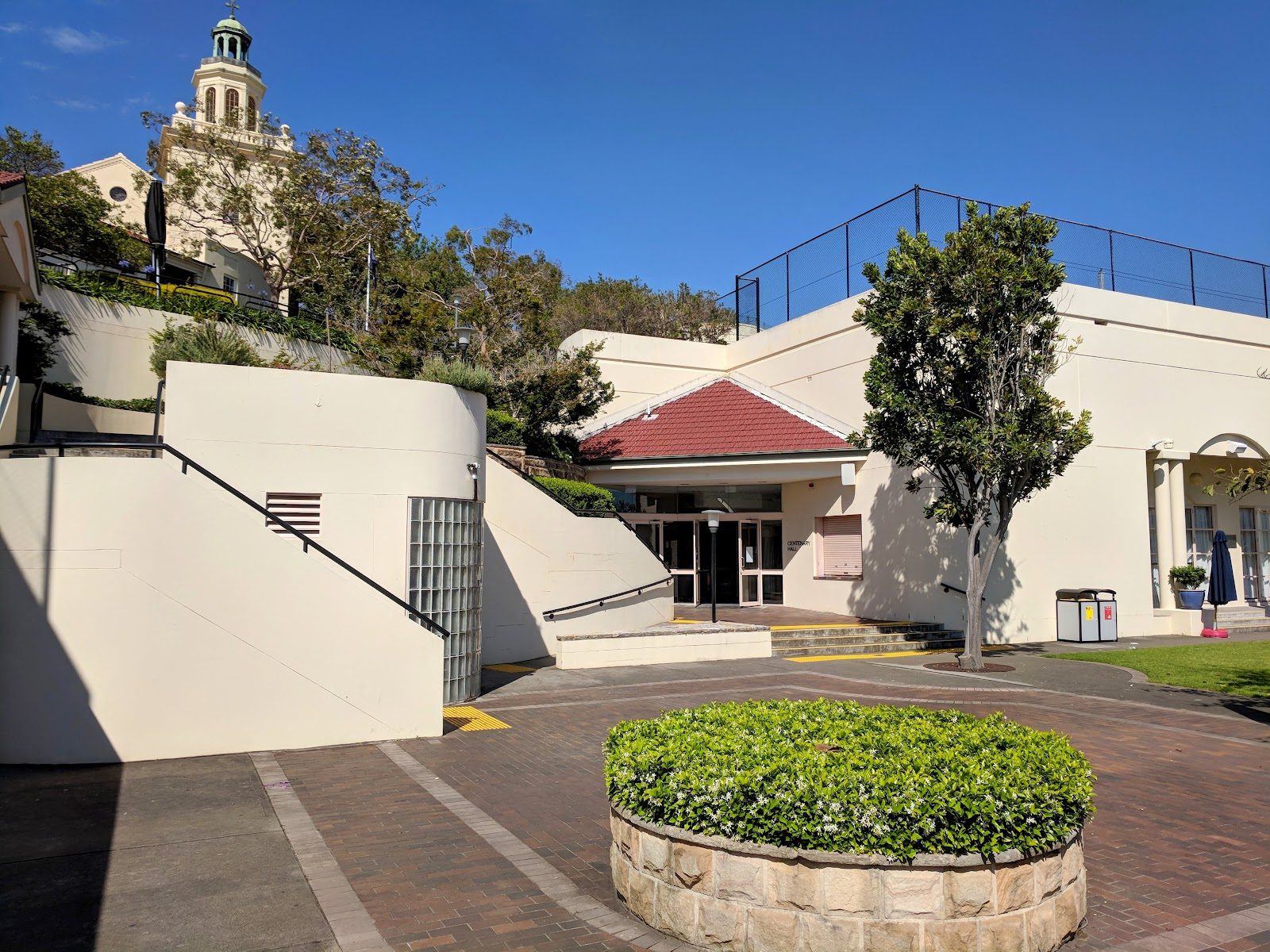
Loreto Kirribilli
Kirribilli · Australia
On Sydney Harbour since 1908, its chapel tower once guided sailors--now it anchors a top-performing Catholic girls' school.
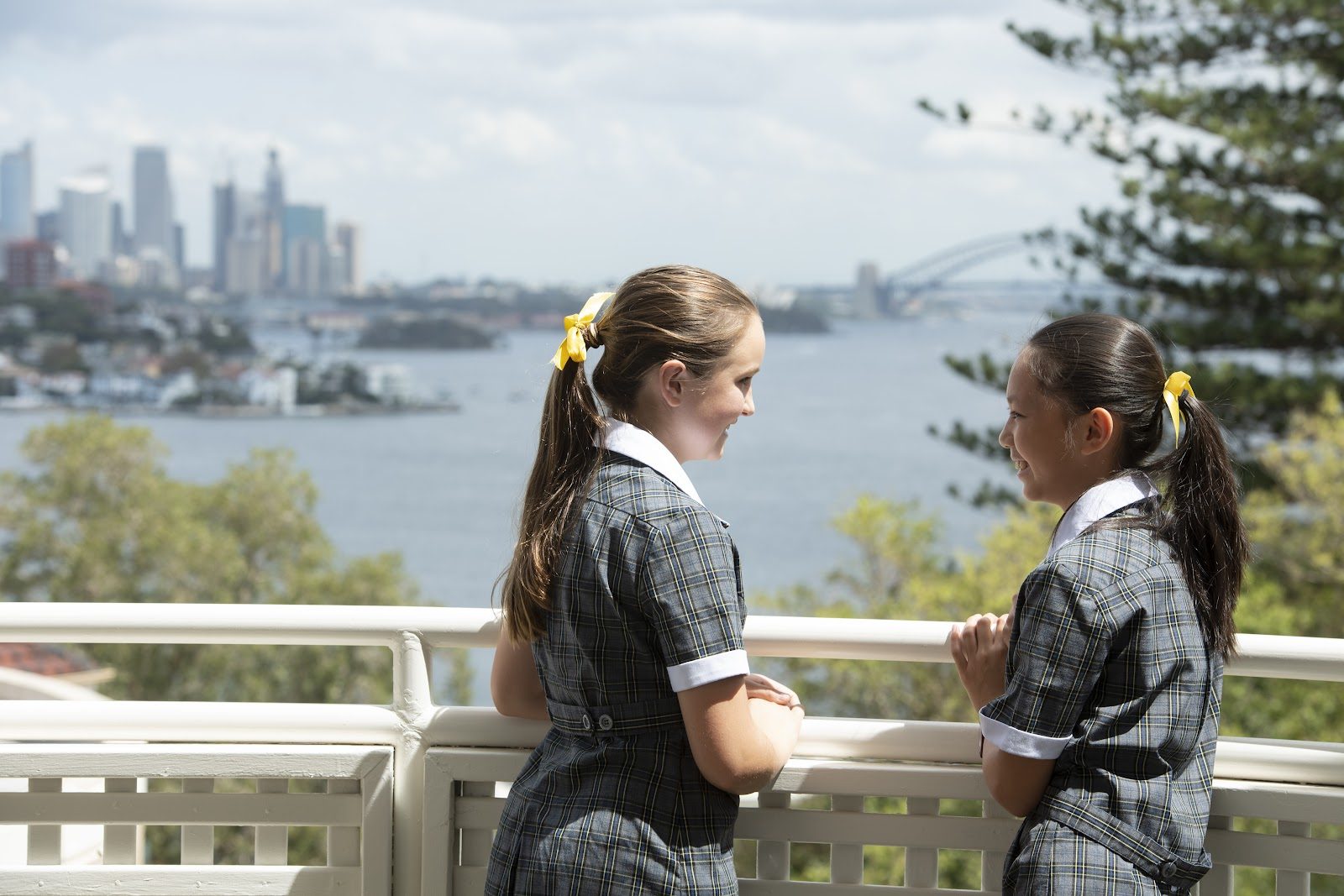
Kambala
Rose Bay · Australia
On the Tivoli headland above Sydney Harbour, a non-selective girls' school topped the state for pairing IB and HSC results in 2024.
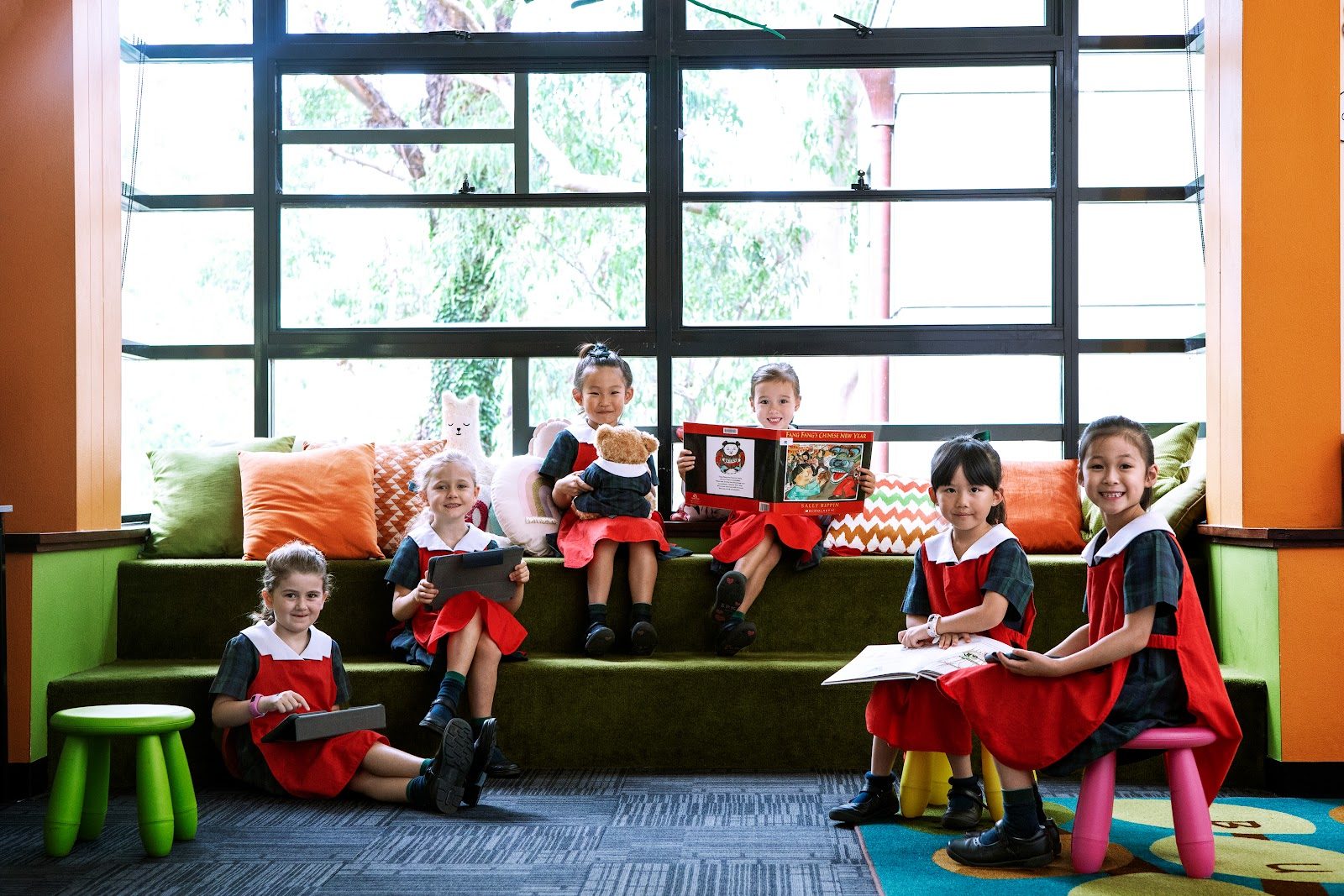
Pymble Ladies' College
Sydney · Australia
On Sydney's Upper North Shore, a non-selective campus of five schools lets girls choose between the IB and HSC pathways.
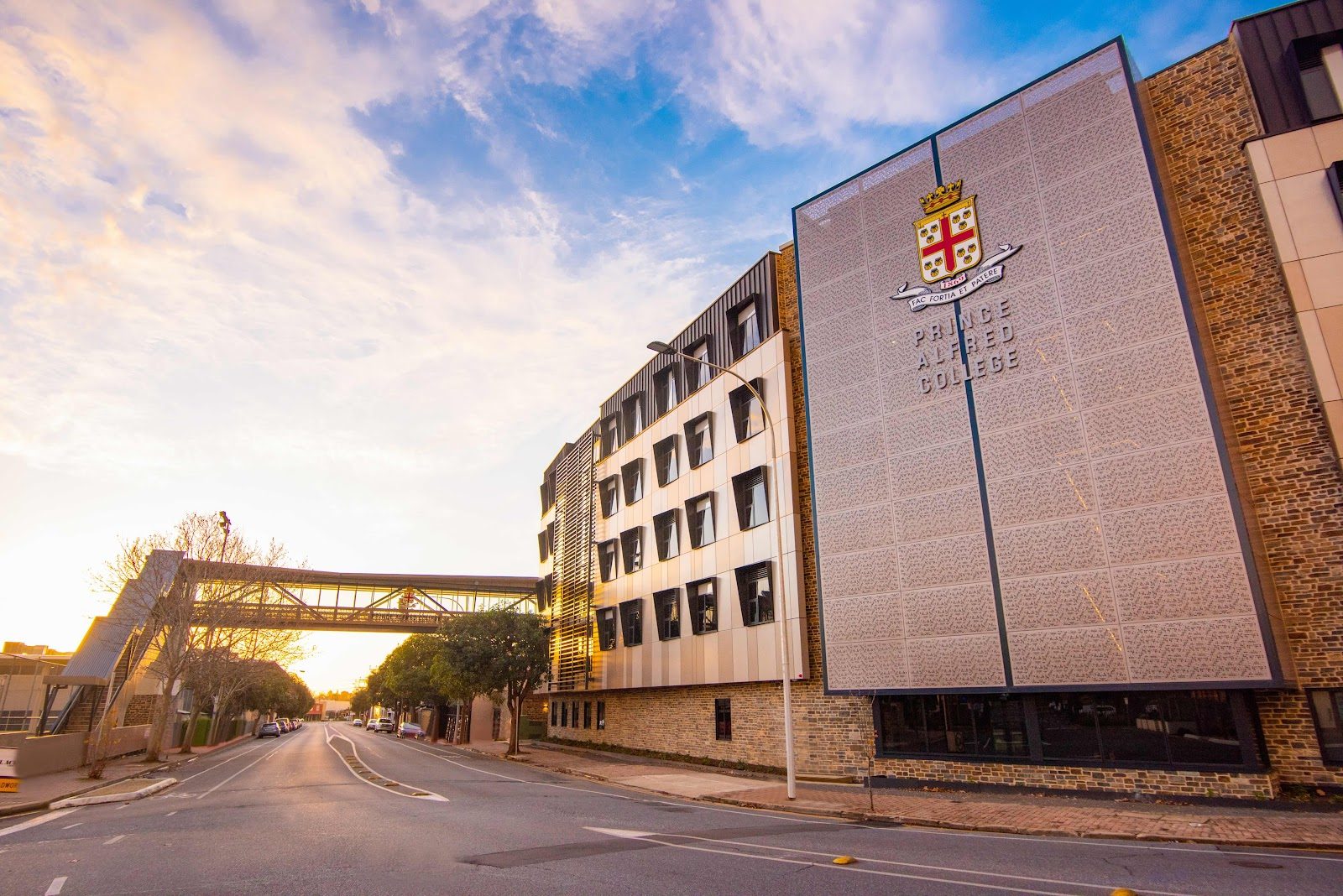
Prince Alfred College
Adelaide · Australia
A Duke laid its 1867 foundation stone; today this Adelaide college ships Year 9 boys to riverside and peninsula campuses for a term outdoors.
Same country and curriculum — closest matches within ±10 points either way