
Oxfordshire
On the banks of the Thames just south of Oxford, a nine-century foundation whose boathouse has long fed Oxbridge rowing crews.
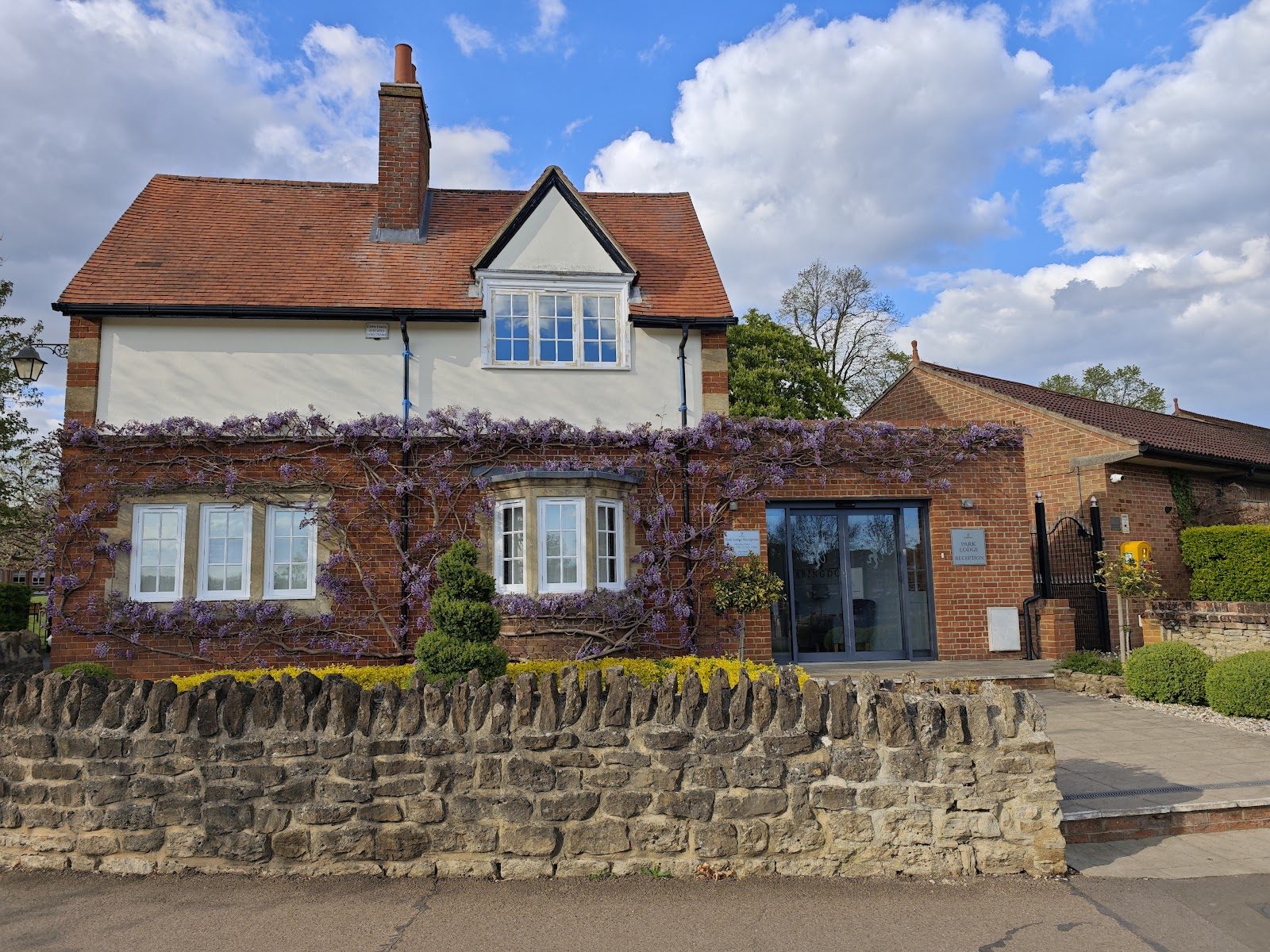
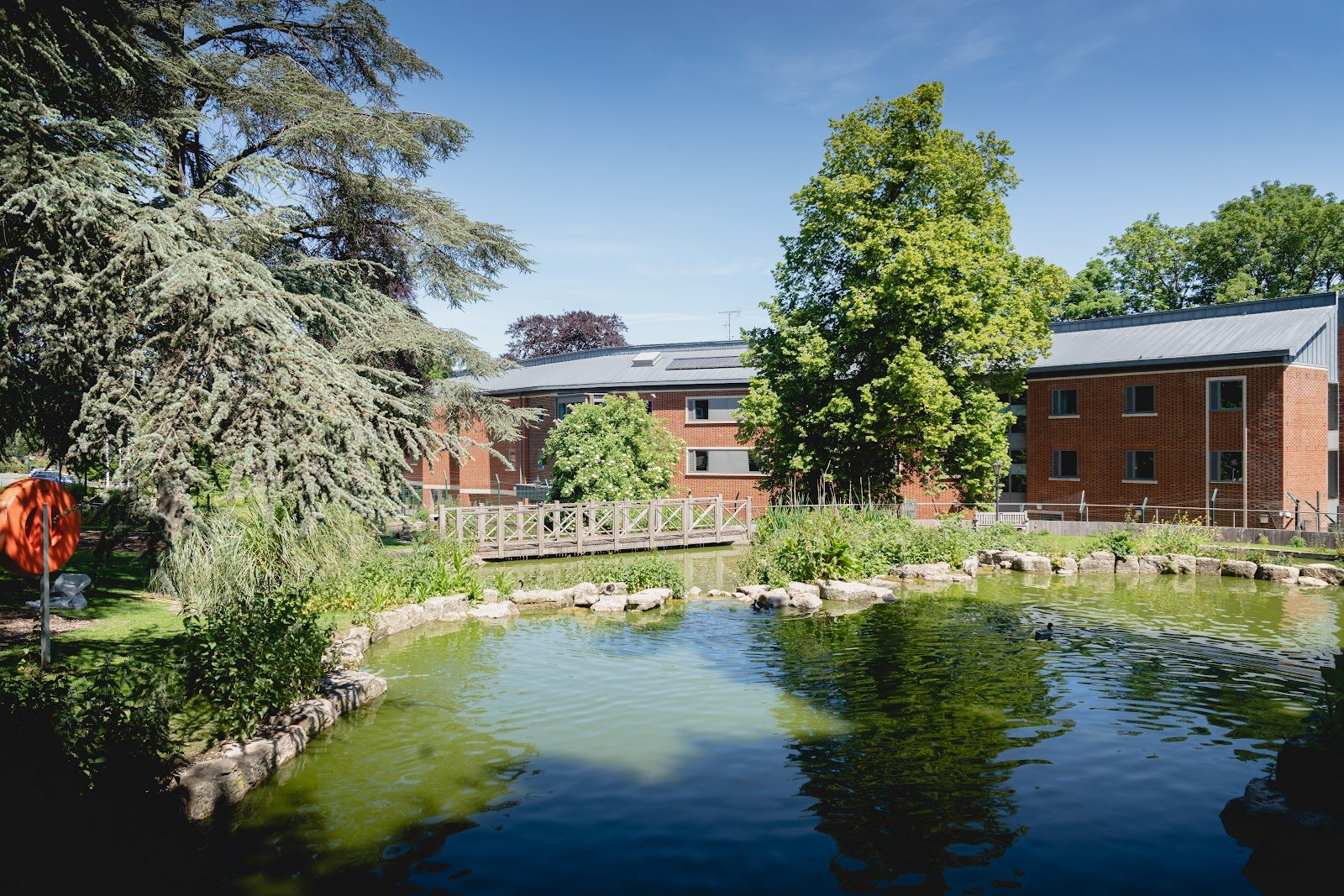
Photo © Patrick Fan-Chiang via Google Maps
Type
Boarding
Ages
11–18
Curriculum
British
Qualifications
A-Level
Ratio
—
The Verdict
Editor's commitment
Right for
Families wanting a British 11–18 boarding school with 20 Oxbridge places in 2024 and 150+ co-curricular options beyond the timetable.
Wrong for
Parents wanting cheap boarding or a niche sixth form: average fees hit £55,000 boarding, and 84% of 155 leavers went top-100 universities.
Watch out for
Abingdon is now co-educational, but the transition is recent; test how that change lands in houses, boarding and the sixth form.
Ranking breakdown
Abingdon School · #123 of 1591
Composite score 77.0. 8 weighted criteria.
By criterion
Academic Outcomes
Weight 20%
#183
of 1529 scored
University Placement
Weight 16%
#187
of 1529 scored
Prestige & Heritage
Weight 12%
#139
of 1571 scored
Alumni Network
Weight 12%
#104
of 1530 scored
Facilities
Weight 12%
#254
of 1533 scored
Transparency & Communications
Weight 8%
#254
of 1532 scored
Peer & Industry Review
Weight 10%
#250
of 1548 scored
Admissions Selectivity & Demand
Weight 8%
#198
of 1529 scored
Score history
Abingdon School · 2026
Movement across 2024–2026. Peer average overlaid.
Overall — 2024–2026
77.0/ 100
▲ +19.3 vs 2025
year on year
Peer & Industry Review
How Abingdon School is regarded in the sector
80
Strong · high confidence
Abingdon School sits comfortably among England's most respected traditional boys' schools, with WhichSchoolAdvisor's review calling it "academically outstanding" and praising an education "brilliantly balanced with an extensive extra-curricular programme." The Good Schools Guide is equally admiring, describing pupils as "brilliant without being big-headed" and the school as "still going places", while The Times has separately labelled it "an elite boys' boarding school." Its inspection record (Independent Schools Inspectorate "Excellent" across all categories), a 5,500-strong Old Abingdonian network, and a notable alumni roll spanning Radiohead's founding members, Tom Hollander and Ben Macintyre reinforce a durable reputation beyond marketing. The school's headline-grabbing move to full co-education by 2026, tracked closely by independent-school trend-watchers, adds current relevance without denting its established standing as a strong, if not globally singular, sector performer.
Editors' overview
On the banks of the Thames just south of Oxford, Abingdon trades on two things that still matter in the English independent market: age and output. Founded in 1256, it has the weight of an old public school but now runs as a co-educational day and boarding school for 11–18 rather than a museum piece. The academic case is straightforward. In the 2024 leavers’ cohort of 155, 84% went to top-100 universities, with 20 Oxbridge places and 38 Russell Group offers; the school also states that 89% of students secured their firm-choice university. That is a strong set of destinations by any measure. Add ISI and HMC, Anglican roots, and a site with genuine rowing pedigree, and the school lands as a serious, high-expectation Oxfordshire option with more institutional heft than many newer co-ed competitors.
What makes Abingdon distinctive is the combination of old-school infrastructure and a modern broadening of the offer. The school pushes hard on life beyond the timetable, and here the numbers are concrete enough to count: 150+ co-curricular activities and 200 career-guidance volunteers. That matters because schools of this type can drift into narrow academic production lines; Abingdon is working against that. The move to co-education is the biggest structural shift in the foundation this century, and parents should read that for what it is: a school in transition, not a finished article. For some families that is a strength — energy, change, a wider social mix. For others, it raises practical questions about culture, identity and how quickly traditions adapt. Those are fair questions to ask on a visit.
Fees place it in the expensive but not ultra-prime bracket: an average annual day fee of £28,500 across the full 11–18 ladder, and an average annual boarding fee of £54,560. That buys a school with strong university delivery, a substantial co-curricular menu and a notable alumni base that runs to 210 catalogued figures in Wikidata across politics, science, the arts and sport. The pupil who will want Abingdon is bright, busy and comfortable in a structured, competitive environment. Rowers, musicians, ambitious all-rounders and academically driven pupils with Oxbridge or Russell Group aspirations fit naturally here. Children who need a very soft, small-scale, hand-holding school will find stronger matches elsewhere. Abingdon suits families who want tradition without full social stiffness, boarding without remoteness, and a school that still takes outcomes seriously.
Academic Performance
Abingdon sits in the serious academic bracket of English independent schools, but it does not help parents judge that claim because it does not publish headline A-level and GCSE aggregates in the public domain on its main school pages. There are result announcements, and the university destinations data is strong, yet the absence of accessible top-line exam measures leaves a gap. At this level of the market, parents should expect clear disclosure of grade profiles, not just destination outcomes and broad language about excellence. That does not erase the school’s academic strength; it does mean families must ask harder questions on a visit about subject-by-subject performance, value added, resit policy, and how results compare with selective day-school rivals in Oxfordshire and the wider south-east.
Relative to peers, Abingdon reads as a high-expectation, unambiguously ambitious school with strong sixth-form guidance and a university pipeline that places it above the national picture and in contention with established upper-tier independents. The key distinction is transparency. Some direct competitors publish the hard exam numbers and let parents inspect the engine room; Abingdon asks parents to infer quality from destinations, scale of provision and institutional reputation. For many families, that will not be enough. In league-table terms, this is not a school that trades on flashy score-posting. It trades on selective intake, depth of provision and a record of sending pupils to demanding universities. That is a credible model, but it is a less open one than the best-run peers.
Facilities
The headline facility is not a theatre or a shiny STEM block; it is the river. Abingdon’s Thames-side setting gives it a genuine competitive edge in rowing because the sport sits in the fabric of the school rather than as an add-on squeezed into hired water time. Among English independents, that still carries weight. A school with an established boathouse culture can build depth, routine and ambition in a way inland rivals struggle to match. Beyond that, the public picture points to breadth rather than a single flagship complex: the school advertises more than 150 co-curricular options, which signals a campus set up to sustain music, sport, clubs and societies at scale. For parents, the practical read is clear: this is a busy, full-service senior school with the infrastructure to keep ambitious pupils occupied well beyond lessons.
Against peers, Abingdon’s facilities profile reads as strong but not exhibitionist. The school does not flood the public domain with the kind of glossy capital-project language that some competitors use to sell every studio, lab and pitch as transformational. That restraint is welcome, but it also leaves gaps. Parents can infer solid sports provision, a serious boarding environment and enough specialist space to support a large activity programme; they cannot inspect the estate in much detail before a visit. In this market, that puts Abingdon behind the most transparent, sharply presented rivals on facilities disclosure, even if the underlying provision is plainly substantial. The school has the bones of an old-guard, high-functioning campus; it just does not document them as clearly as it should.
What makes Abingdon distinctive is the combination of old-school infrastructure and a modern broadening of the offer
Prestige
Abingdon carries real prestige in the English independent sector, but it is a specific kind of prestige. This is not a London social-brand school that trades on postcode glamour or a finishing-school aura. Its status rests on old institutional weight, a durable academic reputation, and a sporting tradition that still has cultural currency, with the Thames setting and rowing heritage giving it a profile beyond Oxfordshire. The alumni record strengthens that case. A verified floor of 210 notable former pupils is a serious tally, with reach across politics, science, journalism, the arts and elite sport. That breadth matters. It points to a school that has fed multiple British establishment pipelines over time, not just one narrow professional track.
I rate it as high-prestige, not untouchably elite. The distinction matters. Abingdon has name recognition, social credibility and strong university outcomes, and its membership of the traditional upper tier is reinforced by the calibre of families it attracts and the circles it feeds. But the public-facing academic transparency is weaker than the best operators in this bracket, and the current shift in identity as it moves to co-education puts the school in a live period of reinvention rather than settled dominance. That does not diminish the standing of an Abingdon education. It does define it more precisely: *established, ambitious, and still powerful* — but not above scrutiny, and not insulated from comparison with sharper, more openly data-led rivals.
There are result announcements, and the university destinations data is strong, yet the absence of accessible top-line exam measures leaves a gap
Communications
Abingdon communicates like a school that expects parents to do some work. The main website is clean, easy to navigate and built around the big parent questions: visits, admissions, boarding life, wellbeing, university admissions and day-to-day pupil experience. Key selling points are surfaced fast, and the school gives concrete hooks rather than vague uplift language, including 150+ co-curricular options and 200 career-guidance volunteers. That makes the outward message clear, orderly and institutionally confident. The tone stays controlled rather than chatty. Parents looking for constant emotional reassurance will not get it here; parents who prefer a school to speak in a measured, professional register will.
The weakness is depth. Abingdon’s communications are strong on structure and broad proposition, weaker on the hard detail that serious fee-paying families need before they commit. The school talks fluently about individuality, future readiness and the “other half” of education, but it gives less public visibility than the best peers into the operational realities: academic data, the finer grain of pastoral systems, and the practical consequences of its move to co-education. That does not make the communication poor. It makes it selective. The school tells parents what it wants them to know, in a polished and coherent way, while leaving several important questions for the visit or admissions conversation. In editorial terms, that is effective marketing communication, but only a partly transparent parent-information model.
Uniqueness
Abingdon’s distinctive quality is the tension between old-guard English school culture and a foundation now changing its social shape in full view. Many long-established schools talk about broadening access and modernising their culture; Abingdon is doing it through a live shift to co-education while trying to preserve the institutional confidence that made it attractive in the first place. That gives pupils something unusual: a school with deep habits, strong expectations and established rituals, but without the dead weight of a place content to repeat itself. The Thames matters here too, not as postcard scenery but as a structuring force in school life. Rowing has long been part of the school’s identity, and that creates a rhythm of discipline, teamwork and physical commitment that reaches beyond the boathouse. Add 150+ co-curricular options and 200 career-guidance volunteers, and the picture is of a school built for motion rather than drift.
What this brings to students is breadth with pressure attached. Abingdon suits children who want a full, competitive, high-output education in which lessons are only one strand of the week. The benefit is obvious: pupils get strong academic direction, serious extracurricular range, and a social environment that rewards commitment. The trade-off is just as clear. This is not a gentle or low-intensity school, and pupils who dislike structure or institutional momentum can get flattened by it. For the right child, though, Abingdon offers something rare: a historic school in active transition, still rooted in tradition but no longer trapped by it.
Abingdon’s distinctive quality is the tension between old-guard English school culture and a foundation now changing its social shape in full view
Student Profile
The pupils who fit Abingdon best are the ones who want a week packed from morning registration to late afternoon and beyond. This is a school for busy, organised, high-drive children who gain energy from having multiple plates spinning at once: lessons, sport, music, clubs, trips, university planning and a social life that rewards participation rather than passivity. The school’s own emphasis on the “other half” of education is not decorative. With 150+ co-curricular options and 200 career-guidance volunteers in the orbit, pupils are expected to engage, choose and commit. That suits self-starting, competitive students who like institutions with momentum. It suits rowers, strong all-rounders and academically ambitious sixth formers especially well. It does not suit children who want anonymity, sparse timetables or a school that leaves them alone unless problems arise.
Socially, Abingdon fits pupils who are comfortable in a tradition-conscious environment now shifting into something more mixed and modern. The current move to co-education matters here: families need a child who can handle a school with a strong inherited culture but changing norms. The best fit is a student who is confident without being showy, resilient without requiring constant adult buffering, and willing to test themselves in a demanding, high-expectation peer group. Pupils who need a very soft landing, heavy emotional scaffolding or a deliberately low-pressure atmosphere will find this a harder-edged place than some competitors. For the right child, that edge is the attraction.
On the banks of the Thames just south of Oxford, Abingdon trades on two things that still matter in the English independent market: age and output
Co-curricular strengths
Arts & sport, on a separate axis
Overall 8.56/10
Scored 0-10 from the school's own published evidence. This axis is editorial-only — it does not feed the main WTS ranking.
Sports
9/10
Massive Oxfordshire estate hosting historic UK sports traditions; universally famous for its premier varsity rugby, cricket, and rowing pipelines on the Thames.
Drama
9/10
The Amey Theatre operates as a professional-grade creative hub for staging multi-genre classical and contemporary productions.
Dance
7/10
Kept primarily as an ensemble component to support physical performance blocks inside their large-scale theater tracks.
Music
9.3/10
Staggering musical breadth; supports a world-famous chapel choir, multiple symphony orchestras, and extensive musical scholarships.
Visual Arts
8.5/10
Outstanding studio infrastructure running high-end fine painting, printmaking, and architectural layout modules.
Editor-verified · 8/6/2026
Outcomes & destinations
Where students go next
Editorial estimateClass of 2024
155 graduates
A-Level distribution
99% covered
- A*36%
- A32%
- B26%
- C5%
Top destinations
58 placements
- Oxford· 12
- Cambridge· 8
- UCL· 10
- Imperial College London· 8
- Durham· 6
- Warwick· 5
- Bristol· 5
- Nottingham· 4
Oxfordshire boys' day + boarding with heavy Oxford flow.
Editor-approximated from the school's own leavers report. Awaiting school-attested figures.
Notable alumni · Wikidata
210notable alumni
108 historic (born pre-1930) · 45 modern (born post-1970)wikidata:2026-07-28 How we source this
The story in one line
60% achieved ≥ AAB in 2+ facilitating subjects·ISI Routine Inspection 2026
AAB with 2 facilitating subjects is the Department for Education's published predictor of admission to a top-third UK university: the pupil has scored high grades in at least two of the classic Russell-Group subjects (maths, sciences, English, history, geography, or a modern language). Independent schools don't appear in the state-only HE-destinations dataset, so this is the strongest DfE-verified sixth-form signal available. Source: DfE 16-18 school and college performance data · 2023/24. Value-added +0.57
DfE-verified statistics
Official GCSE data · 2024/2025
Progress 8
—
Value-added score. State-schools only; 0 = expected progress, +1 = one grade above.
Attainment 8
16.4
Average grade across 8 GCSEs (score out of 90). National ≈ 46.
EBacc average score
0.64
Avg grade across the 5 EBacc pillars (English, Maths, Sciences, Language, Humanity).
EBacc slots filled
0.7
How many of the 5 EBacc pillars pupils typically enter (max 5).
A-Level attainment
Cohort · 2023/24
Avg A-Level grade
A
APS per entry: 48.68
Best 3 grade
A
Best-3 APS: 48.77
≥ AAB + 2 fac.
60.3%
Russell-Group predictor.
Progress (value-added)
+0.57
Well above average
Read with care. Independent schools frequently sit IGCSEs or Pre-U qualifications instead of standard GCSEs — DfE data only counts standard GCSEs, so these numbers may reflect a partial cohort. For a fuller picture, cross-check with the school's own annually-published results.
URN 123312Verified · DfE 2024/2025
Official inspection
ISI report · 2026
Inspectorate
Independent Schools Inspectorate
The Government-approved inspectorate for English independent schools.
Latest report
28 April 2026
Routine Inspection
Report history
Verified · Independent Schools InspectorateSource-of-truth
WTS 300 badge
2025/26 editionAbingdon School is one of the World's Top 300 Schools for 2025/26. Claim your listing to add it to your site →
Strengths
- +Rated Excellent by the Independent Schools Inspectorate
- +Strong 2024 A-Level outcomes, with 36% of grades at A* and 68% at A*-A
- +Strong university destinations: 84% of 2024 leavers went to top-ranked universities, with 20 to Oxford or Cambridge
- +One of England's oldest schools, with a founding date verified to 1256
- +Set on a 35-acre campus in the centre of Abingdon, just south of Oxford, with strong arts, science and sport facilities
- +Full and weekly boarding available from age 13 within a settled house system
Considerations
- −Currently a boys' school; co-education is being phased in only from September 2026 (Year 7 and Sixth Form) and September 2028 (Year 9), so a full mixed intake is not yet in place
- −Boarding is a minority experience, so the school culture is predominantly day-based rather than a full boarding environment
- −Boarding fees are substantial at £55,000 per year, a significant recurring cost for relocating families
- −Entry is selective: external candidates sit an entrance examination, and Sixth Form applicants typically need strong GCSE grades in their chosen subjects
Availability
Primary entry gate & tests
Co-ed Transition (Girls 1st/6th Form)
Gallery
Photo © Jenny Downing via Google Maps
Photo © Jenny Downing via Google Maps
Photo © Jenny Downing via Google Maps
Photo © Chris Meacey via Google Maps
Photo © Roy Vethanayagam via Google Maps
Photo © Jenny Downing via Google Maps
Photo © Bressons Puddle via Google Maps
Photo © Bressons Puddle via Google Maps
Photo © Bressons Puddle via Google Maps
Recommended reading
Independent write-ups of this school from editorial outlets we trust.
- Abingdon School ReviewGood Schools Guide
Parent reviews
Have you sent your child here?
Voice reviews carry the strongest trust badge — we transcribe them for you to tidy up before they go live. Prefer to type? A written review is fine too.
Add your voice
In 60 seconds, tell other parents: what's the best thing about Abingdon School, and what surprised you when your child joined?
We ask for a Google sign-in so every review has a real face behind it — no anonymous drive-by attacks on schools, and no faked positive reviews. Your email is never shown publicly.
Send this profile to a friend
International parents rely on word-of-mouth. Share this review with someone weighing the same decision.
Schools with places
Similar schools to Abingdon School with places available now.
Magdalen College School
Oxford · United Kingdom
- 2026-27
- CLOSEDStandard route
- 2027-28
- PLACES OPENCloses Oct
Oxford High School
Oxford · United Kingdom
- 2026-27
- CLOSEDStandard route
- 2027-28
- PLACES OPENCloses Oct/Nov
Availability first, then country, area, curriculum, price, co-curricular
Consider also
Also worth looking at alongside Abingdon School.
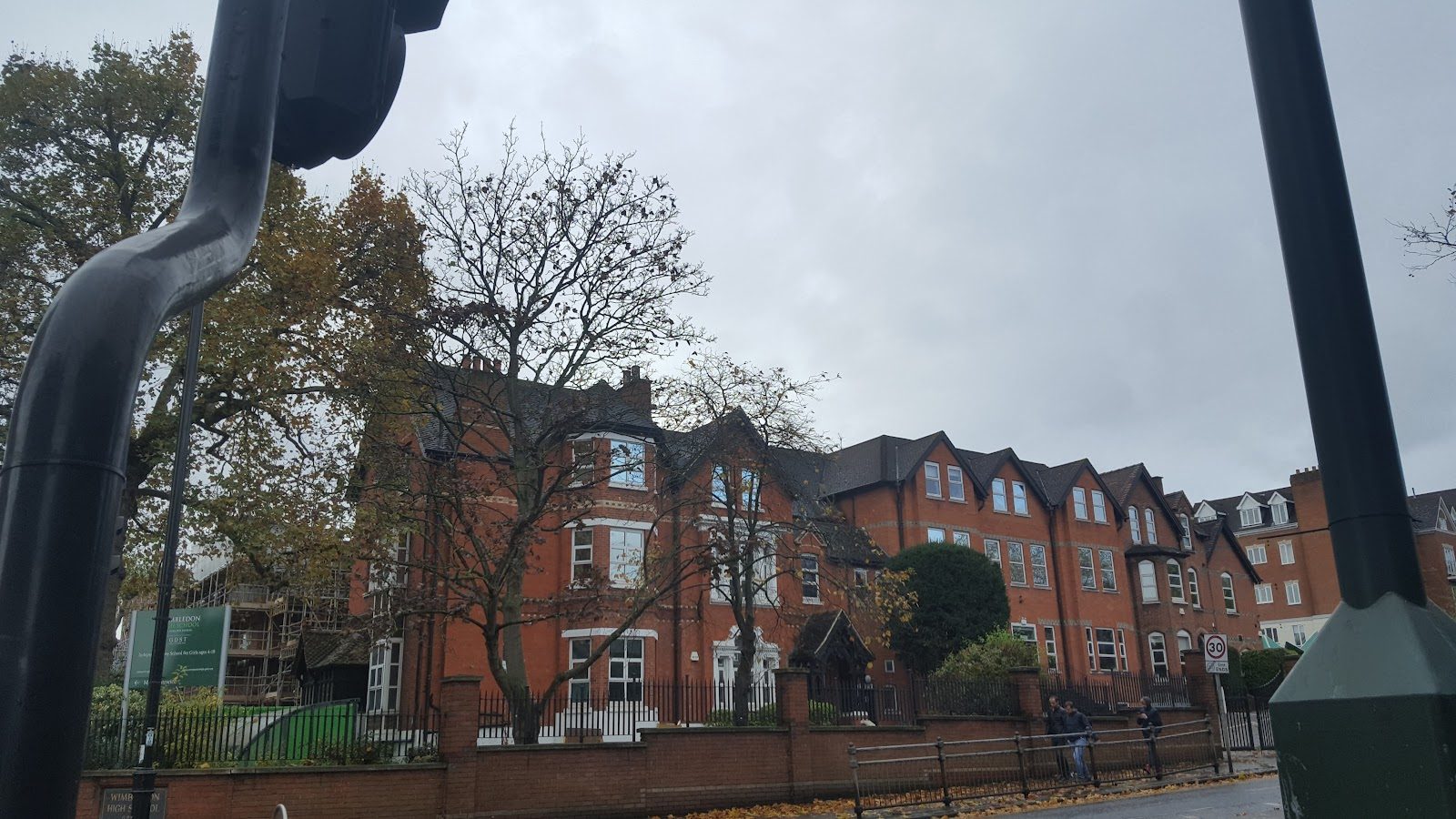
Wimbledon High School
London · United Kingdom
In central SW19, girls debate weekly in Civil Discourse class, embracing a distinctive ethos of 'Playful Scholarship'.
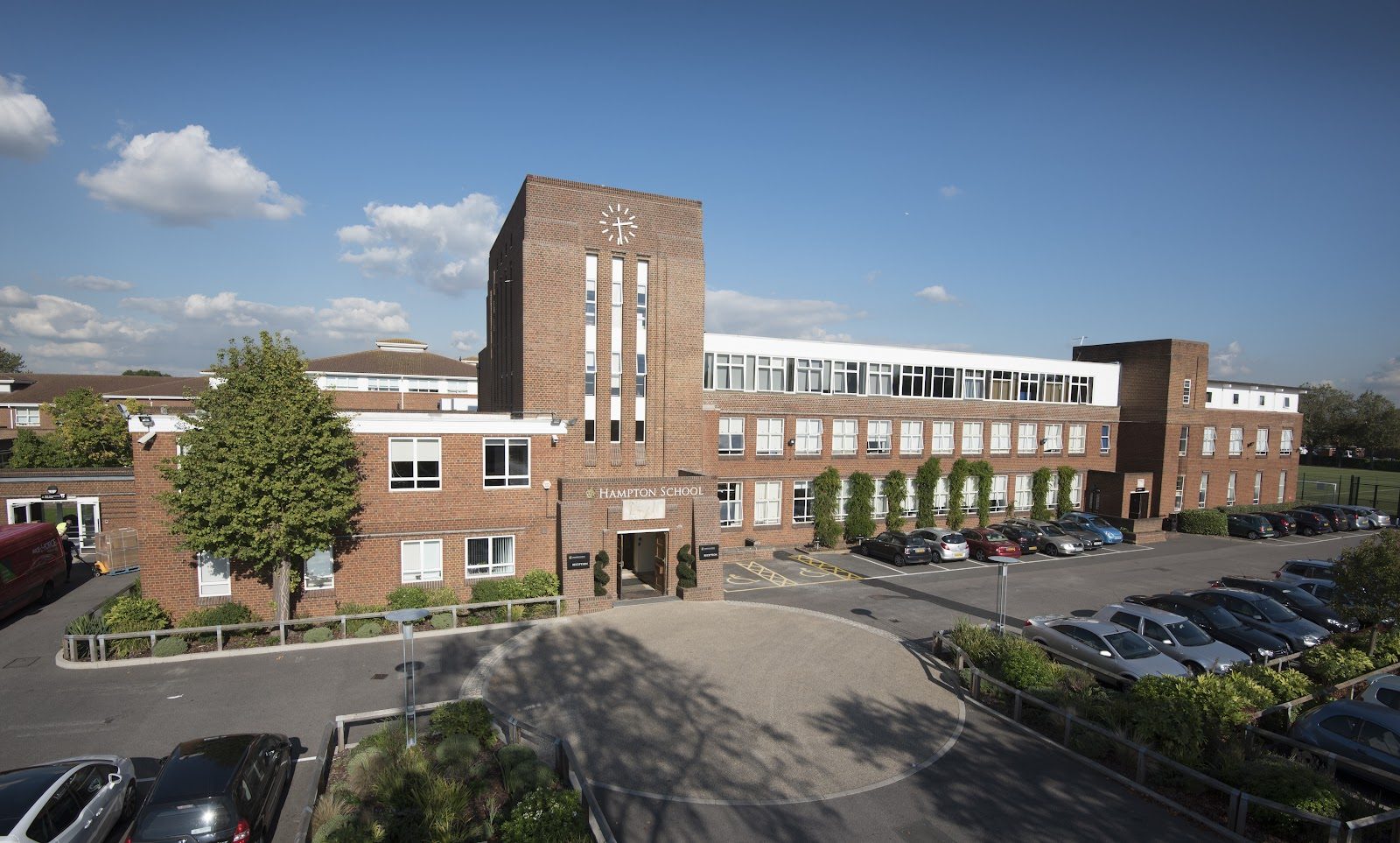
Hampton School
Hampton · United Kingdom
A 1557 grammar-school foundation on the Thames, where Molesey boathouse silverware rivals A-level success rates.
Whitgift School
Croydon · United Kingdom
A 1596 archbishop's foundation set on a 45-acre Croydon park where peacocks roam and bursaries can cover the full cost of fees.
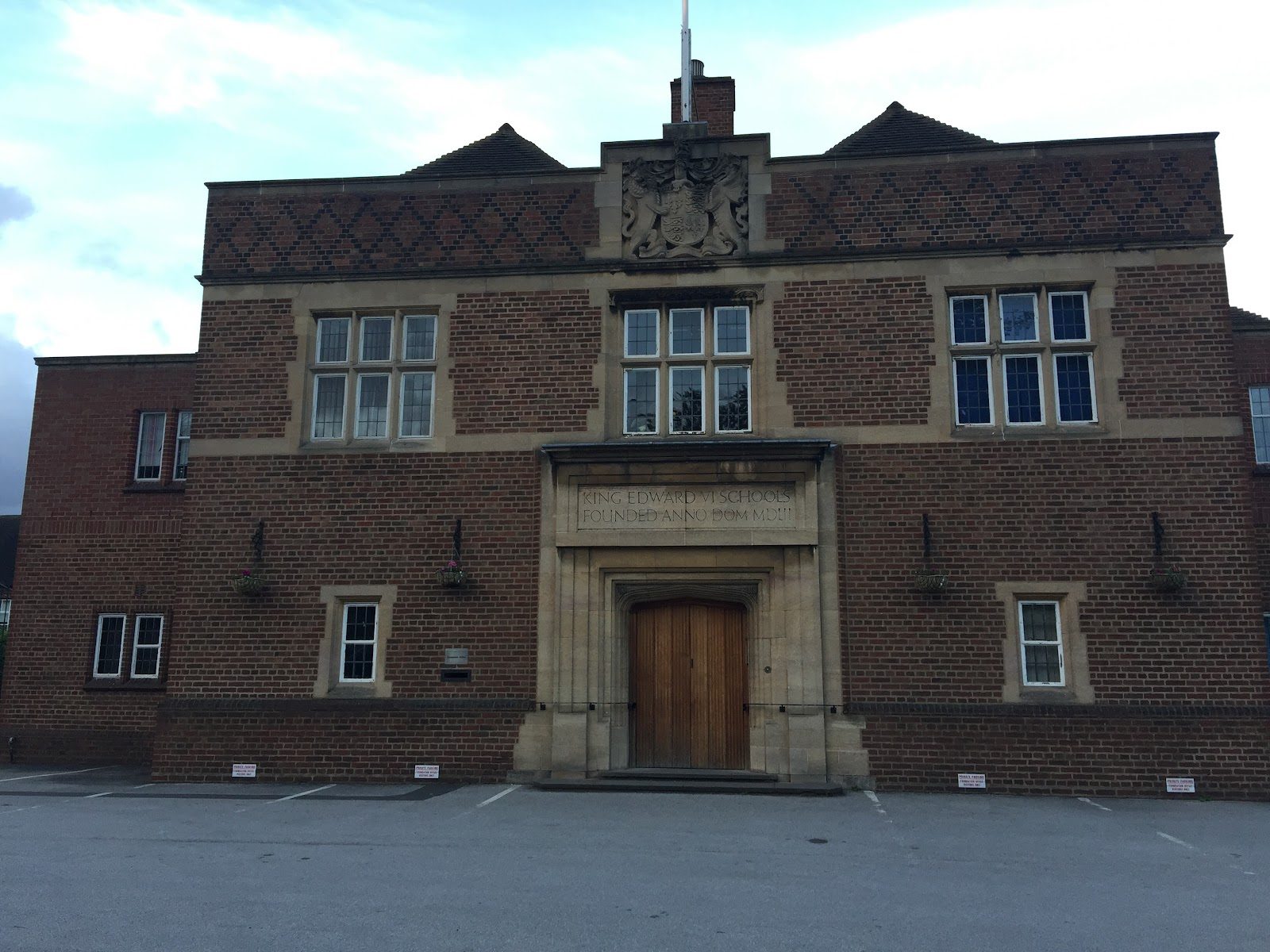
King Edward's School, Birmingham
Birmingham · United Kingdom
A royal charter from 1552 anchors this Edgbaston day school, where a third of new boys receive means-tested fee support.
Same country and curriculum — closest matches within ±10 points either way