
Oxfordshire
St Helen and St Katharine
low confidence· 2/6 cats · 2.5 avg sourcesSix miles south of Oxford, a convent-founded girls' day school now topping Abingdon's league table for five years running.

Type
Day
Ages
7–18
Curriculum
British
Qualifications
A-Level · GCSE
Ratio
—
The Verdict
Editor's commitment
Right for
Girls 7–18 wanting a British day school in Abingdon with Anglican roots, a clear sixth form, and GSA membership.
Wrong for
Families wanting boarding, co-education or an all-through junior route now: Years 3–4 only open in September 2027.
Watch out for
The school publishes routes into Oxbridge, medicine and careers, but no public aggregate results sit in the facts given here.
Ranking breakdown
St Helen and St Katharine · # of 1591
Composite score 61.7. 8 weighted criteria.
By criterion
Academic Outcomes
Weight 20%
#585
of 1529 scored
University Placement
Weight 16%
#649
of 1529 scored
Prestige & Heritage
Weight 12%
#678
of 1571 scored
Alumni Network
Weight 12%
#1301
of 1530 scored
Facilities
Weight 12%
#799
of 1534 scored
Transparency & Communications
Weight 8%
#650
of 1532 scored
Peer & Industry Review
Weight 10%
#640
of 1548 scored
Admissions Selectivity & Demand
Weight 8%
#607
of 1529 scored
Peer & Industry Review
How St Helen and St Katharine is regarded in the sector
68
Respected · medium confidence
Among Oxfordshire's independent schools, SHSK is regarded as a credible but secondary alternative to Oxford High School, its chief GDST rival, with heads in the region acknowledging its steady rise without treating it as a peer to the county's boarding names. University admissions tutors report a modest but consistent Oxbridge and Russell Group intake, smaller in volume than the super-selective day schools of London and the Home Counties. The Good Schools Guide has praised its pastoral ethos and community feel, a recurring theme in independent education press coverage, while WhichSchoolAdvisor and Sunday Times Parent Power listings place it comfortably mid-table rather than among the national elite. It holds HMC membership, giving it standing at sector conferences, and ISI inspections have been consistently positive on wellbeing and teaching quality. Overall perception: a well-regarded, improving day school with strong local standing but limited national profile.
- Kate Bingham — Venture Capitalist and Chair of UK Vaccine Taskforce, Business
- Frances Cairncross — Economist and Academic, Academia
- Elizabeth Buchan — Novelist, Literature
Editors' overview
St Helen and St Katharine is a serious academic girls’ day school with a clear local position: a high-performing Oxfordshire option for families who want strong results without boarding and without the noise of a London brand. Founded in 1903 and six miles south of Oxford, it combines an Anglican foundation with a modern, unapologetically girls-first pitch. The headline figures are hard to ignore: 92.1% of GCSE grades at 9–7 in 2025, 87.5% of A level grades at A*, A or B, and more than 100+ clubs and societies. The school is also public about its status as “Top school in Abingdon” in The Times Parent Power 2026. That makes it more than a pleasant provincial independent; it is a school competing on outcomes.
What sets it apart is focus. The school’s message is disciplined and coherent: girls’ education, academic ambition, and a sixth form with visible investment, including a new sixth form centre, bursaries, scholarships and a defined higher education and careers strand. There is enough structure here to reassure exacting parents: form tutoring, a health centre, counsellors, peer mentoring, DofE, student leadership, Oxbridge and medicine guidance, and a named academic enrichment track in the Helena Academic Programme. This is clear-eyed, purposeful schooling rather than a vague promise of “all-round development”. The impending expansion of the junior end into a Prep for Years 3–6 from September 2027 also matters. It signals a school tightening its pipeline and giving families a longer runway.
Parents should still keep a critical eye on one point: the school markets warmth and confidence very effectively, but the public case rests more on selected headline outcomes and ethos than on deep data. We have the top-line exam results; we do not have broader public detail here on cohort-wide destination patterns, subject-by-subject performance, or value-added measures. That does not negate the school’s strengths, but it does place it in the category of academically strong schools that still require a sharp admissions visit and direct questioning. Even so, the broad shape is attractive: intellectual seriousness, pastoral steadiness, and confident female ambition without the self-congratulation that afflicts many competitors.
The pupil who will thrive here is bright, organised and willing to engage. This suits girls who want academic stretch, strong extracurricular range and a community where female achievement is the norm rather than the exception. It will appeal to students who like quiet authority more than flashy showmanship, and to sixth formers who want a grown-up environment with concrete futures support. It is not the obvious choice for families seeking a relaxed, low-pressure school or a highly experimental educational model. It is for girls who want to do well, do a lot, and do it in a school that treats that ambition as standard.
Academic Performance
St Helen and St Katharine has the exam profile of a genuinely high-performing academic day school. The published headline outcomes place it firmly in the top tier of local independents: 92.1% of GCSE grades at 9–7 and 87.5% of A level grades at A*, A or B in the latest results set out publicly by the school. Those are not vanity metrics dressed up to flatter middling performance; they indicate a school where strong attainment is the norm and where sixth form teaching is doing real work. The school also leans into academic identity beyond raw grades, with a named academic enrichment strand and dedicated routes for Oxbridge, medicine and careers guidance. That matters because strong results without intellectual structure can produce a narrow, exam-drilled culture. Here, the public picture points to something more deliberate and serious-minded.
Relative to peers, this sits above the level of the average provincial independent and in competition with the stronger girls’ schools in the wider Oxford orbit. The local claim to be top of its immediate patch fits the grades published. What remains missing is the deeper data that would let parents judge real academic texture: no aggregate subject-by-subject breakdowns here, no public value-added data, and no full destinations analysis beyond the school’s own futures messaging. That opacity does not erase the results; it does limit precision. The verdict is still clear: this is a results-led, academically confident school with external outcomes strong enough to command attention well beyond Abingdon.
Facilities
The public-facing facilities picture centres on sixth form and student support rather than trophy architecture. The clearest capital investment is the new sixth form centre, paired with a distinct sixth form section of the school’s life rather than an afterthought bolted onto the senior years. That matters: strong girls’ schools in this bracket need spaces that let older pupils work with more independence, and St Helen’s has put that front and centre. Beyond that, the school points to a Jean Duffield Library, a Health Centre, counsellors, chapel, dedicated art and design, drama and music provision, sport, and bus routes that widen its catchment. The breadth of clubs and societies — 100+ — also indicates facilities with enough capacity to sustain activity beyond lessons. This reads as a well-equipped, thought-through day-school campus built for busy use, not a heritage site trading on charm.
What the school does not do is publish a granular showcase of specialist buildings, elite sports infrastructure or standout performing arts spaces on the level seen at the most aggressively resourced independent competitors around Oxford and further into the South East. Parents comparing at the top of the market should ask direct questions about sciences, indoor sports, studio space and timetabled access. That is not a red flag; it is a gap in public detail. Against peers, the offer looks solid, practical and student-centred, with its strongest edge in sixth form environment and pastoral provision rather than in flashy, arms-race facilities.
St Helen and St Katharine has the exam profile of a genuinely high-performing academic day school
Prestige
St Helen and St Katharine carries solid regional prestige rather than national glamour. In Oxfordshire and the wider ring around Oxford, it has real standing: strong published results, a girls-only identity that is not diluted by co-ed compromise, and a school culture built around academic purpose rather than social display. The school’s own public emphasis on being top of its immediate local market matters because prestige in this segment is not created by myth; it is created by outcomes, consistency and the confidence of local families who have alternatives. More than 100 clubs and societies adds breadth to that picture, and the new sixth form centre signals investment rather than complacency. This is a serious local name, not a finishing-school relic and not a thin aspirational brand.
The ceiling on prestige is clear. This is not one of the old national powerhouses whose name alone carries instant recognition across the country or internationally. Its cachet is earned, not inherited; stronger in informed day-school circles than in status-conscious drawing-room conversation. That is not a weakness unless a family is shopping for badge value above all else. For parents who care about substance, the school has credible academic authority and enough institutional confidence to compete without noise. For parents chasing the shiniest label, there are louder names elsewhere. St Helen and St Katharine’s prestige rests on performance, seriousness and local trust, and that is a sturdier foundation than borrowed aura.
St Helen and St Katharine carries solid regional prestige rather than national glamour
Communications
St Helen and St Katharine communicates with parents through a well-organised, highly segmented website and a steady stream of school-owned channels: calendar, news, publications, e-newsletter, contact pages, sports fixtures and results, plus dedicated sections for policies, reports, term dates, bus routes and fees. That matters because schools that communicate well do not bury operational information behind glossy rhetoric. Here, the structure does practical work. Parents can find the essentials, and they can also see how the school wants to frame itself: academic life, wellbeing, futures, sixth form, community. The range is broad without feeling chaotic. The inclusion of sports results, holiday camps, events and regular thought pieces gives the communications mix some texture beyond admissions selling. The announced expansion of the junior end into a prep from a named future date also shows the school is willing to communicate institutional change plainly rather than smuggle it into small print.
Effectiveness is strong on logistics and brand discipline, less strong on depth. The school is excellent at message control: girls first, academic purpose, pastoral support, breadth beyond lessons. It repeats that case across every channel with sharp consistency. What it does not publish in equally robust detail is the richer evidence base exacting parents want once the headline pitch has landed. There is a lot to read, but not enough hard comparative data. So the verdict is clear: communications are confident, clean and parent-friendly in day-to-day terms, but still selective where scrutiny bites.
Uniqueness
What marks St Helen and St Katharine out is not novelty for its own sake but discipline of purpose. Many independent schools claim to know exactly whom they serve; this one actually does. The public message is stripped back to girls, academic ambition and the confidence to pursue both without apology. That clarity shapes the whole offer: a named academic enrichment programme, explicit routes for medicine and Oxbridge, a distinct futures structure, and a sixth form given its own centre rather than a token common room. Add more than 100 clubs and societies and the picture is of a school that treats intellectual life, leadership and extracurricular breadth as part of one system, not separate departments competing for attention. The planned expansion of the junior end into a prep also gives it a longer educational runway than it has had until now.
For students, that brings something useful and concrete: an environment where female achievement is normal, not performative, and where bright girls do not have to fight for airtime. The school’s strongest distinguishing feature is this combination of serious academic expectation with steady pastoral scaffolding — form tutoring, peer mentoring, counsellors, chapel and health provision all in view, not buried in fine print. The result is a school that pushes without turning itself into theatre. Girls who want noise, swagger or institutional myth-making will find stronger doses elsewhere. Girls who want quiet authority, academic stretch and a culture built around their ambitions will find St Helen’s unusually coherent.
St Helen and St Katharine’s prestige rests on performance, seriousness and local trust, and that is a sturdier foundation than borrowed aura
Student Profile
The St Helen’s girl is bright, purposeful and comfortable in a school where academic effort is treated as normal. She does not need swagger, but she does need drive. This is a good fit for girls who like structure, respond to clear expectations and want their ambitions taken seriously. The all-girls environment suits pupils who will benefit from having their voices at the centre of the room rather than competing with a louder mixed setting. With 100+ clubs and societies, the school also suits the student who wants a full week: lessons, activities, leadership, trips, sport, music, drama, and the kind of timetable that rewards energy and organisation. The sixth form offer, with its own centre and explicit higher education, medicine and Oxbridge tracks, will appeal to older students who want a grown-up, forward-facing launch pad rather than a sheltered final two years.
The less suitable pupil is easy to identify. Girls who want a loose, low-demand atmosphere, or who resist a culture of attainment, will find this a hard-edged match. So will families looking for social theatre, status display or a school built around spectacle. St Helen’s has warmth and pastoral systems in place, but its centre of gravity is still achievement. The student who thrives here is self-motivated, curious and willing to join in; the one who drifts, opts out or needs constant cajoling will not get the best from it. This is a school for girls who want to do plenty, do it well, and do it in a setting that treats female ambition as entirely standard.
What marks St Helen and St Katharine out is not novelty for its own sake but discipline of purpose
Co-curricular strengths
Arts & sport, on a separate axis
Overall 8.58/10
Scored 0-10 from the school's own published evidence. This axis is editorial-only — it does not feed the main WTS ranking.
Sports
8.8/10
Highly competitive in netball, lacrosse, and rowing, utilizing modern indoor physical pavilions and field layouts.
Drama
9/10
Exceptional theatrical training centered around world-class campus theaters, running a pre-professional training model for acting and tech.
Dance
7.8/10
Highly dedicated formal dance curriculum running classical ballet, jazz, and modern composition inside custom studios.
Music
8.8/10
Outstanding musical depth; supports multiple jazz big bands, massive symphonies, and elite choirs with deep cathedral pipelines.
Visual Arts
8.5/10
Breathtaking visual studios producing top-tier design portfolios, digital multimedia creations, and fine art pieces.
Strengths
- +Girls-only day school for ages 9–18, with a clear single-sex mission
- +British curriculum taught in English with dedicated GCSE and A-level pathways
- +World-class drama and elite music, sport and visual arts provision
- +Publishes results and leavers' destinations on its own website
- +ISI accreditation and Girls' Schools Association membership provide external oversight
- +Bursaries and scholarships available, including at sixth form
Considerations
- −Single-sex setting will not suit every child
- −Junior provision currently starts at age 9, though the Prep expands to Years 3–6 from September 2027
- −Primarily a day school, so unlikely to suit families specifically seeking boarding
- −Published examination figures were not available in the material we reviewed
Availability
Primary entry gate & tests
11+ Written Exams / 16+ Exams
Gallery
Photo © St Helen and St Katharine via Google Maps
Parent reviews
Have you sent your child here?
Voice reviews carry the strongest trust badge — we transcribe them for you to tidy up before they go live. Prefer to type? A written review is fine too.
Add your voice
In 60 seconds, tell other parents: what's the best thing about St Helen and St Katharine, and what surprised you when your child joined?
We ask for a Google sign-in so every review has a real face behind it — no anonymous drive-by attacks on schools, and no faked positive reviews. Your email is never shown publicly.
Send this profile to a friend
International parents rely on word-of-mouth. Share this review with someone weighing the same decision.
Schools with places
Similar schools to St Helen and St Katharine with places available now.
Oxford High School
Oxford · United Kingdom
- 2026-27
- CLOSEDStandard route
- 2027-28
- PLACES OPENCloses Oct/Nov
Abingdon School
Abingdon · United Kingdom
- 2026-27
- CLOSEDStandard route
- 2027-28
- PLACES OPEN11+/16+ Active (Closes 30 Oct); 13+ Closed
Magdalen College School
Oxford · United Kingdom
- 2026-27
- CLOSEDStandard route
- 2027-28
- PLACES OPENCloses Oct
Availability first, then country, area, curriculum, price, co-curricular
Consider also
Also worth looking at alongside St Helen and St Katharine.
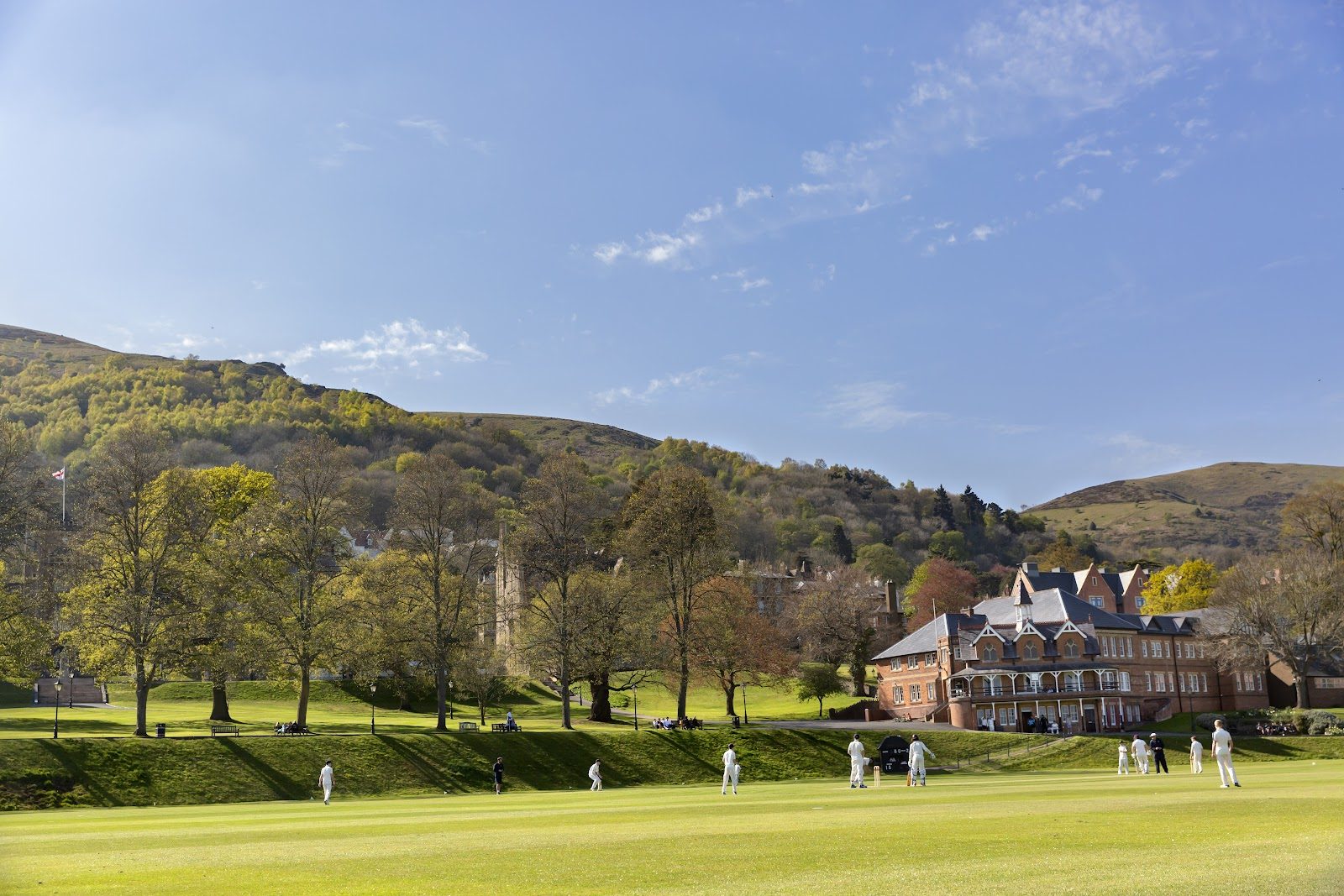
Malvern College
Malvern · United Kingdom
Beneath the Malvern Hills, a campus that once housed wartime radar research has produced four Nobel Prize winners.
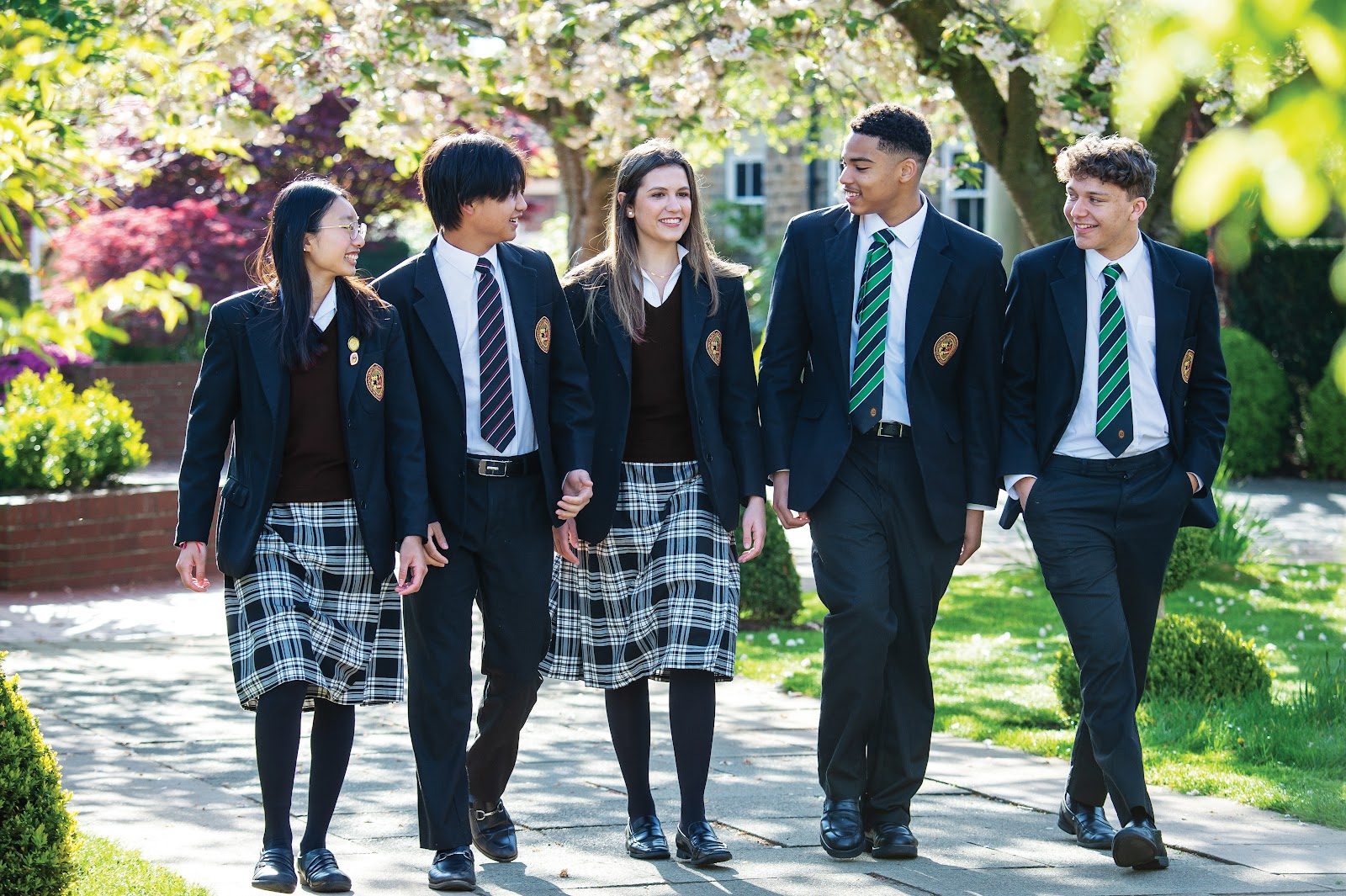
Oakham School
Oakham · United Kingdom
Where a 1584 market-town foundation meets Rutland Water sailing, early co-education, and a long-standing IB Diploma alongside A-levels.
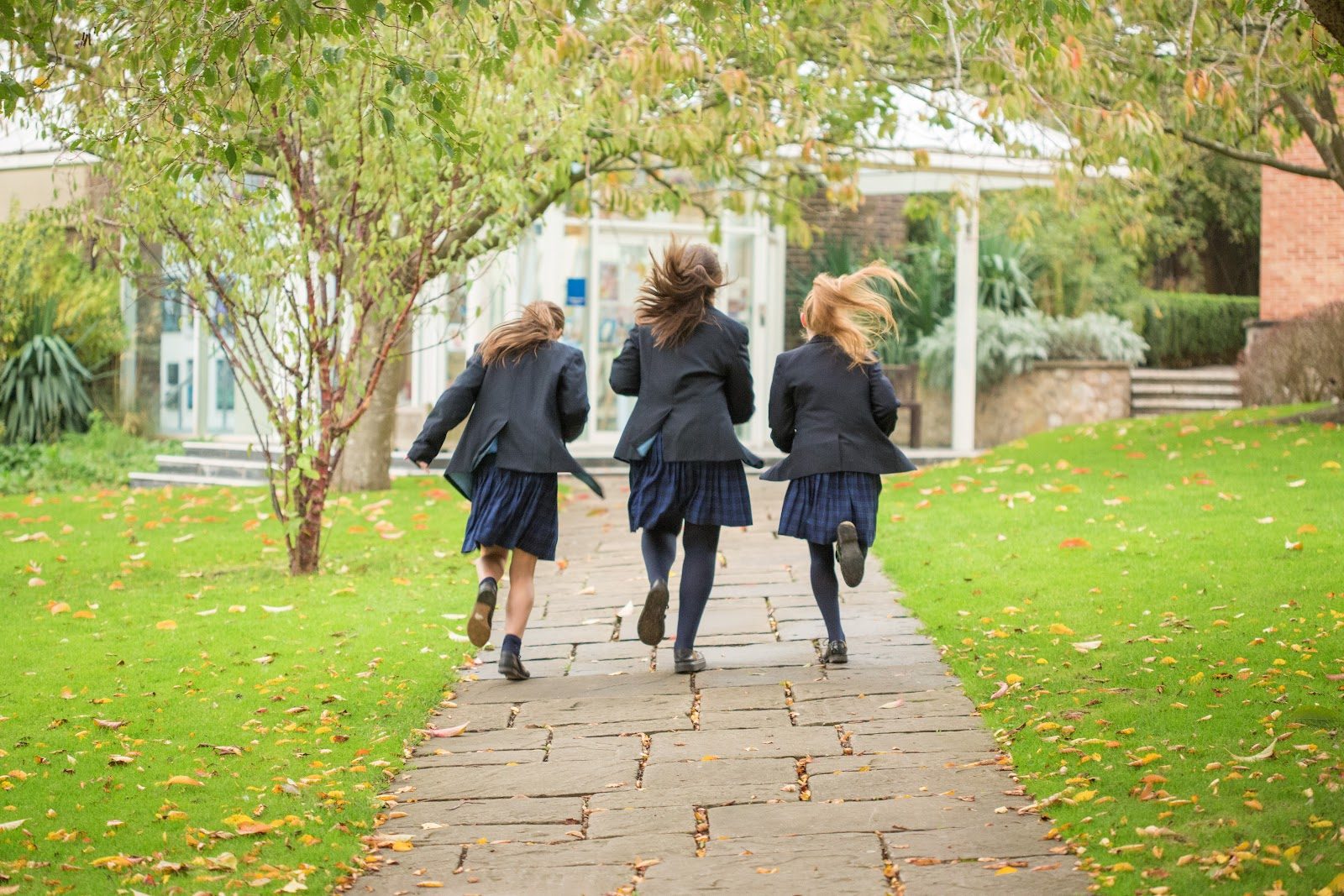
Badminton School
Bristol · United Kingdom
On a Bristol campus where girls have played cricket since 1858, science labs for women followed decades ahead of the curve
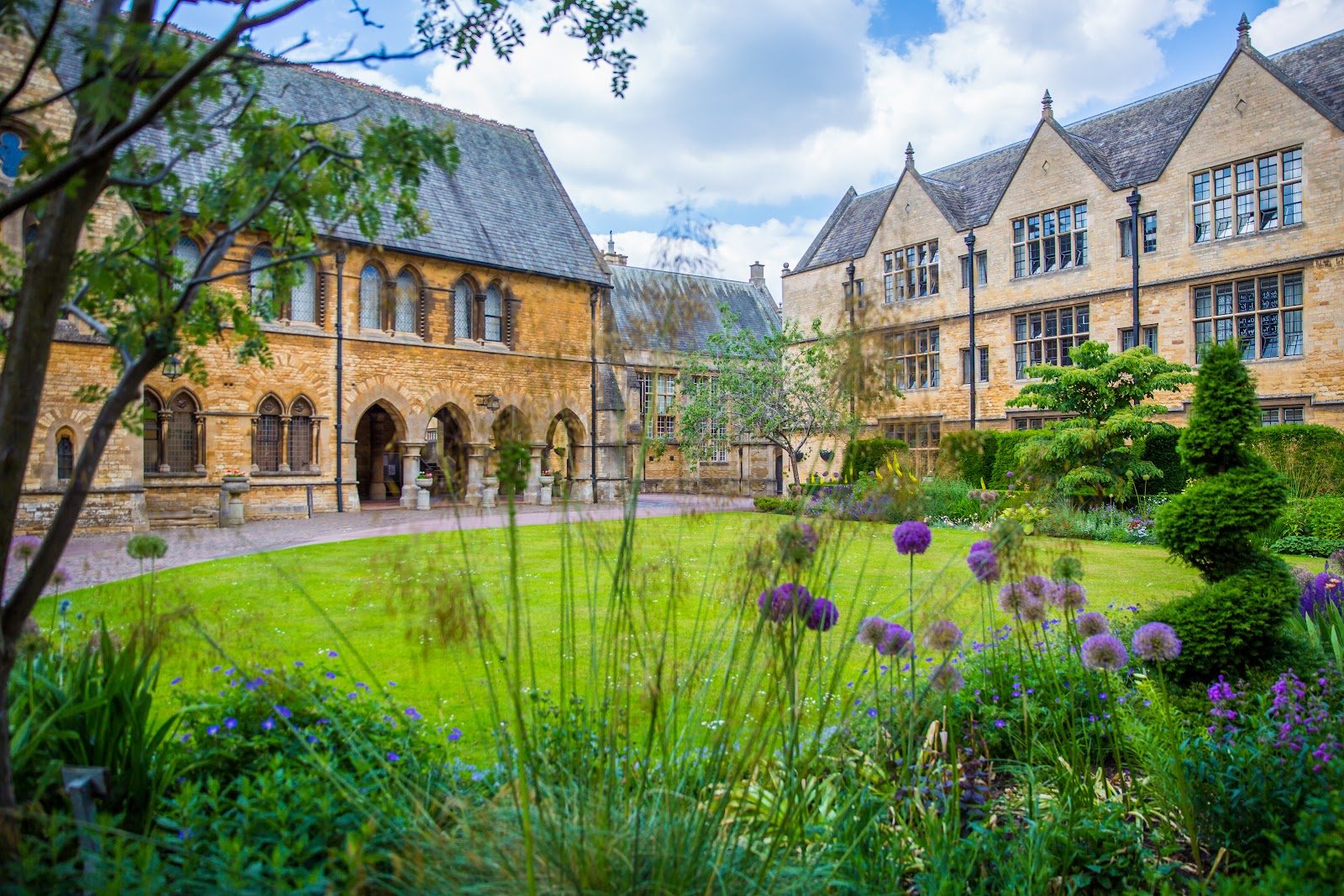
Uppingham School
Uppingham · United Kingdom
A Rutland boarding school where Thring's music-first Victorian philosophy still shapes seven-day house life today
Same country and curriculum — closest matches within ±10 points either way