
Victoria
Presbyterian Ladies' College
low confidence· 2/6 cats · 3 avg sourcesSince 1875, one of Australia's earliest girls' schools, now running VCE alongside an IB Diploma pathway from its Burwood campus.
Type
Both
Ages
3–18
Curriculum
Australian
Qualifications
VCE · IB Diploma
Ratio
—
The Verdict
Editor's commitment
Right for
Girls aged 3–18 who want a Presbyterian school in Burwood with both VCE and IB Diploma on one campus.
Wrong for
Families who want co-education, a secular ethos, or a school outside Melbourne; Presbyterian Ladies' College is girls-only and Christian.
Watch out for
Founded in 1875 and accredited by AHISA, PLC trades on heritage; the school does not publish hard outcome data here.
Ranking breakdown
Presbyterian Ladies' College · #661 of 1591
Composite score 66.5. 8 weighted criteria.
By criterion
Academic Outcomes
Weight 20%
#147
of 1529 scored
University Placement
Weight 16%
#219
of 1529 scored
Prestige & Heritage
Weight 12%
#207
of 1571 scored
Alumni Network
Weight 12%
#1343
of 1530 scored
Facilities
Weight 12%
#396
of 1534 scored
Transparency & Communications
Weight 8%
#288
of 1532 scored
Peer & Industry Review
Weight 10%
#324
of 1548 scored
Admissions Selectivity & Demand
Weight 8%
#960
of 1529 scored
Peer & Industry Review
How Presbyterian Ladies' College is regarded in the sector
74
Respected · medium confidence
Within Melbourne's independent girls' sector, PLC is consistently grouped with MLC, Korowa, Ruyton and Melbourne Girls Grammar as an established, mid-to-upper tier option; heads of rival schools and education press (The Age, Herald Sun VCE coverage) typically cite it among the city's reliably strong, non-selective VCE performers rather than a top-three outlier. Its music program draws specific recognition from conservatorium-linked commentators and is the attribute most cited in independent reviews such as the Good Schools Guide. University admissions patterns show a steady flow into University of Melbourne and Monash, unremarkable in prestige terms but consistent. The school maintains visible presence at Alliance of Girls' Schools Australasia conferences, reflecting active engagement in single-sex education advocacy rather than headline research output. Overall regard is respectful but not superlative: peers view it as a dependable, tradition-anchored institution rather than a pace-setter.
- Dame Nellie Melba — Opera singer, arts
- Vida Goldstein — Suffragist and activist
- Joan Kirner — Politician, former Premier of Victoria
Editors' overview
Presbyterian Ladies' College sits in the top tier of Melbourne girls’ schools by heritage, breadth and institutional confidence. Founded in 1875, it has the weight of one of Australia’s earliest girls’ schools, and it uses that history to reinforce a clear proposition: a Christian education for girls from age 3–18, delivered in English, with Australian schooling through to Year 12 and an IB Diploma pathway alongside VCE. The point of difference is not novelty. It is scale, continuity and a settled sense of purpose. Parents who want a school with deep roots, serious intent and a clear educational line from early years to senior secondary will find PLC compelling.
What puts it on a shortlist is the combination of girls-only education, long-established culture and dual senior pathways. The school pushes hard on confidence, leadership and freedom from gender stereotyping; that message is standard in this market, but here it fits the structure of the school. A standalone girls’ environment from the early years onwards gives PLC a coherent identity, not a bolt-on “girls can do anything” slogan. The addition of the IB Diploma matters in practical terms: it widens the academic offer beyond the default state credential and strengthens the school’s international pitch. For families weighing Melbourne independents, PLC offers a disciplined academic culture with enough co-curricular and institutional depth to feel like a complete school rather than a narrow exam factory.
The school will suit girls who want strong expectations, visible tradition and a campus culture shaped by Christian values rather than a loose secular ethos. It will also suit families who value structure, polished pastoral framing and a school that talks openly about character as well as attainment. Students who thrive here will be comfortable in an environment that prizes effort, participation and leadership, and where the school’s identity is pronounced rather than neutral. Girls who want a high-expectation environment, an all-girls setting and the choice between VCE and IB in the sixth form years are the natural fit.
There are limits to the proposition, and parents should weigh them plainly. This is not a low-key school, and it is not built for families who want a progressive, informal culture with religion pushed to the margins. Its public language leans heavily on aspiration and values, which means parents need to test the lived reality in person: teaching quality, student voice, pastoral grip and how much room the school gives girls who do not fit the polished PLC mould. Even with that caveat, PLC remains a formidable established option in Melbourne: a school with heritage, a strong market identity and enough academic range to justify serious consideration.
Academic Performance
PLC’s public case for academic strength is confident; its published exam transparency is not. The school advertises a culture of achievement, expert teaching and senior pathways, but we have not seen aggregate VCE outcomes, median study scores, the share of top ATARs, or IB Diploma averages in the public domain. That matters. In Melbourne’s results-conscious independent market, schools that expect parents to pay for a high-pressure academic environment need to show the external proof plainly. Without those figures, it is impossible to place PLC with precision against the city’s most overtly data-driven girls’ schools, and parents should ask for the last 3 years of VCE and IB results in a form that allows direct comparison.
That does not reduce PLC to an academic unknown. The school has the structural ingredients of a serious senior programme: a long-established academic culture, a full-through age range, and dual exit routes that widen fit for different students. Those features usually correlate with strong attainment at the top end, but correlation is not evidence, and PLC does not get a pass on disclosure because of heritage or market standing. Relative to peers, it sits in the bracket of well-established, high-expectation Melbourne independents whose reputation for academic solidity is strong; relative to the best-reporting schools in that group, its published outcomes are too opaque.
Facilities
The school flags outstanding facilities and singles out its aquatic provision, which tells you something about scale and priorities. A school does not surface an aquatic centre in its top-level navigation unless swimming and physical education carry institutional weight. That places PLC above girls’ schools that cover sport adequately but lack a distinctive flagship asset. The rest of the physical offer is described in broad terms rather than itemised in public, so parents do not get the level of room-by-room clarity that the most transparent Melbourne independents now provide. We have not seen a published master list of specialist spaces, performance venues, design and technology provision, or science infrastructure. For a school charging at the top end of the market, that omission is needlessly opaque.
Against close peers, the facilities picture reads as well-resourced but under-explained. The age range from early learning to sixth form requires breadth: junior spaces that do not feel like an afterthought, serious senior teaching rooms, sport infrastructure that can absorb large participation, and arts provision that supports more than token enrichment. PLC’s public case points to that kind of whole-school capacity, and the aquatic cue strengthens it, but the school does not publish enough hard detail to claim a best-in-class campus on trust alone. In this bracket, the strongest schools show parents exactly what exists and how it is used. PLC looks substantial and polished; it does not document its estate with the same precision.
Presbyterian Ladies' College sits in the top tier of Melbourne girls’ schools by heritage, breadth and institutional confidence
Prestige
PLC carries real social and educational prestige in Melbourne because it sits in the narrow band of girls’ schools with long institutional memory, a recognisable public identity and the confidence to run a full age-range offer without diluting the brand. Prestige here does not rest on glossy rhetoric. It rests on endurance, market recognition and the fact that families know what the school stands for before they even visit: girls’ education, Christian formation, strong expectations and a polished co-curricular life. That clarity matters. Schools with settled status do not need to reinvent themselves every admissions cycle. PLC also benefits from the cachet of being one of the established “PLC” names in Australia, a label that carries weight in independent-school circles beyond its own gates.
I rate its prestige highly because the school combines heritage with present-day breadth in a way that keeps it relevant rather than merely old. The dual senior pathways strengthen that standing, as does the age span from 3–18, which builds loyalty across a family’s entire school journey. The campus offer, including aquatic provision flagged by the school itself, reinforces the sense of a fully resourced institution rather than a narrow academic shopfront. The limit is this: prestige is not the same as proof. PLC’s reputation is formidable; its public disclosure of outcomes is weaker than the strongest schools in its bracket. That gap does not erase status, but it does stop prestige from converting automatically into unquestioned academic authority.
That places PLC above girls’ schools that cover sport adequately but lack a distinctive flagship asset
Communications
PLC communicates with parents in the style of an established independent school that expects regular, structured contact rather than ad hoc informality. The public-facing website is polished, easy to navigate and clear on the school’s core message: Christian culture, girls’ education, broad opportunity and senior pathway choice. Practical basics are visible without friction — tours, applications, term dates, policies, publications, uniform shop and direct contact details all sit in plain view — which is a mark of competent institutional housekeeping. The school also runs its own login area, a sign that day-to-day communication sits behind a parent portal rather than on open pages. That is standard for a school of this scale, but it matters: good communication depends less on slogans than on whether notices, calendars, forms and routine updates are delivered in one place.
The weakness is depth. PLC’s public communication is slicker than it is informative once parents move beyond admissions essentials. The tone is polished and values-heavy, but concrete disclosure thins out fast. We have not seen the kind of detailed public communication that helps parents test substance: hard academic reporting, fuller explanation of facilities, or a granular sense of how the school handles the lived details of student life across 3–18. That does not make communication poor; it makes it controlled, brand-conscious and less transparent than the best schools in this bracket. Parents who like high-structure communication and a well-managed institutional voice will be comfortable. Parents who want candid, data-rich, low-varnish reporting will need to ask more questions.
Uniqueness
What marks PLC out is not novelty but concentration: a girls’ school with a fully formed institutional identity, a declared Christian frame and a through-school structure that runs from the earliest years to the end of secondary education. Plenty of schools offer one or two of those elements. Fewer hold all of them together with this level of continuity. That gives students a more coherent experience than the pieced-together model common elsewhere. The message about girls learning free from gender stereotyping is not an overlay added for admissions copy; it sits at the centre of the school’s design. For the right student, that brings *clarity, security and pressure in equal measure*: clarity about expectations, security in belonging to a settled culture, and pressure to participate fully in a community with a strong sense of itself.
The other distinctive feature is the combination of that traditional girls’ school culture with more than one senior academic route. In practical terms, that gives older students room to choose the pathway that fits their strengths without leaving a school whose ethos and pastoral systems they already know. Add the 3–18 age span and PLC can shape confidence, habits and ambition over a very long arc. The gain for students is obvious: continuity matters, especially for girls who flourish with stable expectations and sustained mentoring. The trade-off is obvious too. This is a school with a pronounced house style. Students who want anonymity, looseness or a lightly worn values framework will find the culture restrictive rather than liberating.
A school does not surface an aquatic centre in its top-level navigation unless swimming and physical education carry institutional weight
Student Profile
The girls who fit PLC best are the ones who like structure, respond to clear expectations and do not need a school to disguise ambition under a casual surface. This is a place for students who will use a broad school day rather than resist it: girls who want to join in, compete, perform, lead and be known by staff within a community that takes participation seriously. The all-girls setting will suit students who benefit from a space built around female confidence and visibility rather than co-ed social theatre. The Christian frame also matters. Families need to want that moral and cultural tone, not merely tolerate it. Girls who prefer a more anonymous, sceptical or anti-institutional environment will find PLC too shaped, too polished and at points too demanding.
The strongest fit is a student who can handle continuity across a long school journey from 3–18 without feeling boxed in by it. She does not need to be loud, but she does need a degree of self-command: willingness to meet standards, accept correction and work within a community with a strong house style. There is room here for the academic high-achiever, the committed all-rounder and the conscientious student who grows steadily over time. The weaker fit is the girl who wants low adult oversight, a deliberately edgy culture or lots of latitude to drift. PLC suits families who want a school that is deliberate, high-expectation and not for the faint-hearted.
For a school charging at the top end of the market, that omission is needlessly opaque
Co-curricular strengths
Arts & sport, on a separate axis
Overall 9.18/10
Scored 0-10 from the school's own published evidence. This axis is editorial-only — it does not feed the main WTS ranking.
Sports
9.2/10
Highly active in GSV and independent leagues, utilizing top-tier indoor swimming pavilions and expansive physical fields.
Drama
9/10
The magnificent performing arts centers anchor an ambitious dramatic tracking program, mounting complex classical and modern plays.
Dance
9/10
Formal intensive dance track offering technical contemporary, jazz, and classical ballet choreography modules.
Music
9.5/10
Staggering musical breadth; supports a world-famous music department, multiple symphony orchestras, and extensive musical ensembles.
Visual Arts
9.2/10
Features custom exhibition galleries alongside massive digital imaging labs, industrial ceramics, and fine art studios.
Editor-verified · 8/7/2026
Strengths
- +Of the 155 girls who completed VCE in 2025, 68 per cent achieved an ATAR of 90 or above, and the school's median ATAR was 93.8, placing PLC among Victoria's stronger academic performers.
- +Students can pursue either the VCE or the IB Diploma, with 155 completing VCE and 46 completing the IB in the same 2025 cohort, giving families a genuine choice of senior pathway.
- +Established opposite the Fitzroy Gardens, East Melbourne in 1875, the college is one of the oldest schools for girls still in existence in Australia, giving it a long institutional track record.
- +Eminent Old Collegians and former staff include Vida Goldstein, Henry Handel Richardson, Dame Nellie Melba, Violet Teague and Walter Withers, an alumnae network spanning the arts, politics and public life.
- +The school runs a full boarding programme alongside day schooling, with 85 boarders housed on the Burwood campus for families relocating from regional or overseas locations.
Considerations
- −PLC features a co-educational Early Learning Centre, and a girls-only environment from Prep to Year 12, so it is not an option for families wanting mixed-gender schooling beyond the pre-school years.
- −Fees are substantial: tuition runs from Year 7: $38,308 to Year 12: $41,156, with boarding an additional $34,872 per annum, before scholarship discounts.
- −The college is a large institution -- approximately 1,550 students from the Early Learning Centre to Year 12, including 100 boarders in past reporting -- which may suit families less well than a smaller, more intimate school community.
- −PLC is a Presbyterian, day and boarding school for girls, and its explicit Christian denominational ethos and chapel-based routines will not suit every secular or differently-faith family.
Availability
Primary entry gate & tests
Academic Record + Interview (Girls)
Gallery
Parent reviews
Have you sent your child here?
Voice reviews carry the strongest trust badge — we transcribe them for you to tidy up before they go live. Prefer to type? A written review is fine too.
Add your voice
In 60 seconds, tell other parents: what's the best thing about Presbyterian Ladies' College, and what surprised you when your child joined?
We ask for a Google sign-in so every review has a real face behind it — no anonymous drive-by attacks on schools, and no faked positive reviews. Your email is never shown publicly.
Send this profile to a friend
International parents rely on word-of-mouth. Share this review with someone weighing the same decision.
Schools with places
Similar schools to Presbyterian Ladies' College with places available now.
Ivanhoe Grammar School
Melbourne · Australia
- 2026-27
- WAITPOOLVacancy-dependent
- 2027-28
- PLACES OPEN
Wesley College
Melbourne · Australia
- 2026-27
- WAITPOOLVacancy-dependent
- 2027-28
- PLACES OPEN
Methodist Ladies' College
Melbourne · Australia
- 2026-27
- WAITPOOLVacancy-dependent
- 2027-28
- PLACES OPEN
Melbourne Grammar School
Melbourne · Australia
- 2026-27
- WAITPOOLVacancy-dependent
- 2027-28
- PLACES OPENBoarding open; Day waitpool
Availability first, then country, area, curriculum, price, co-curricular
Consider also
Also worth looking at alongside Presbyterian Ladies' College.

Pymble Ladies' College
Sydney · Australia
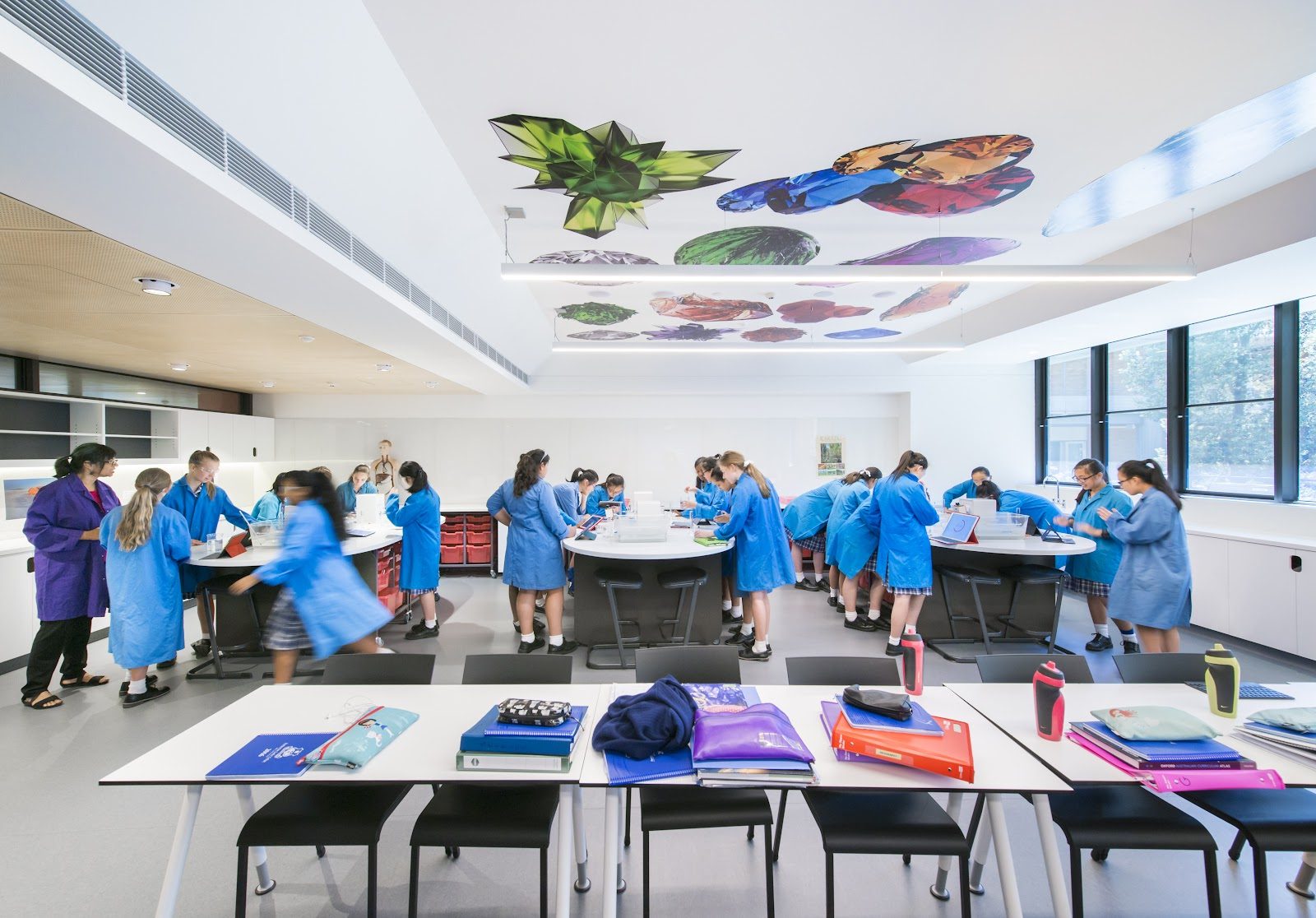
On Sydney's Upper North Shore, a non-selective campus of five schools lets girls choose between the IB and HSC pathways.
Ivanhoe Grammar School
Melbourne · Australia
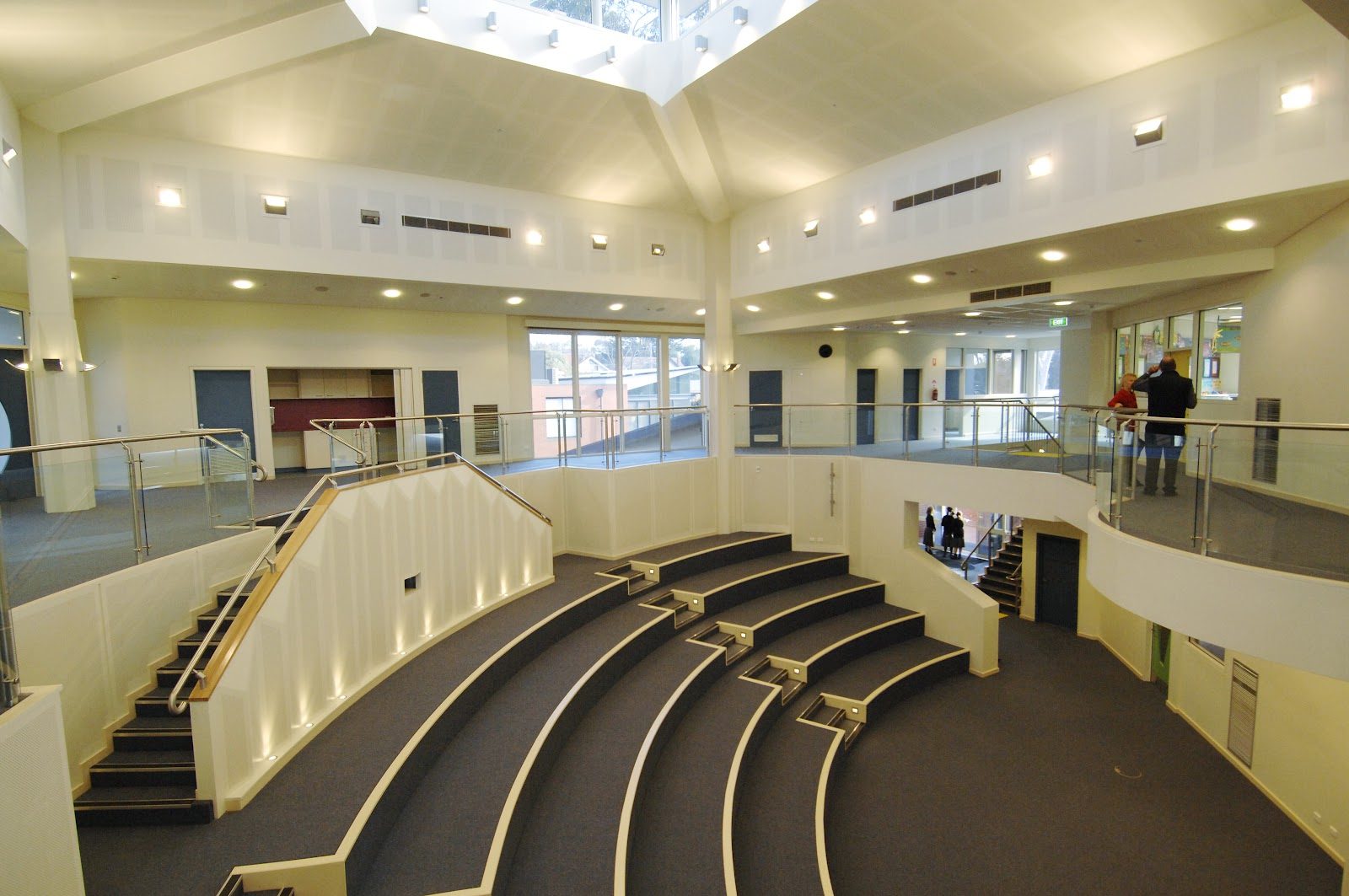
A Year 9 campus embedded at La Trobe University anchors a Round Square network across Melbourne's north, offering both VCE and IB pathways.
Ascham School
Sydney · Australia
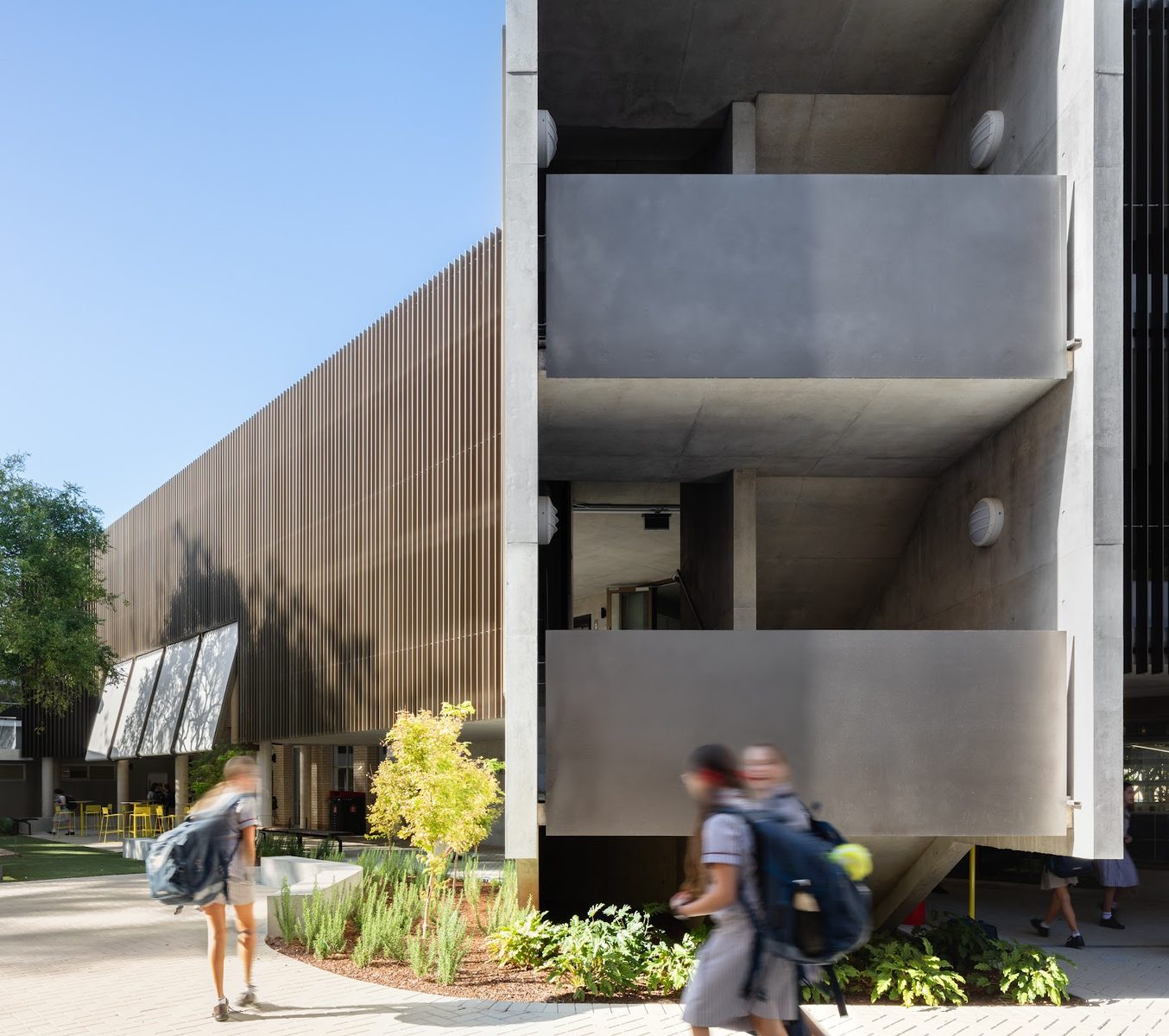
Sydney's storied girls' boarding school, pairing the Dalton Plan with a rigorous HSC pathway.
Cranbrook School
Sydney · Australia
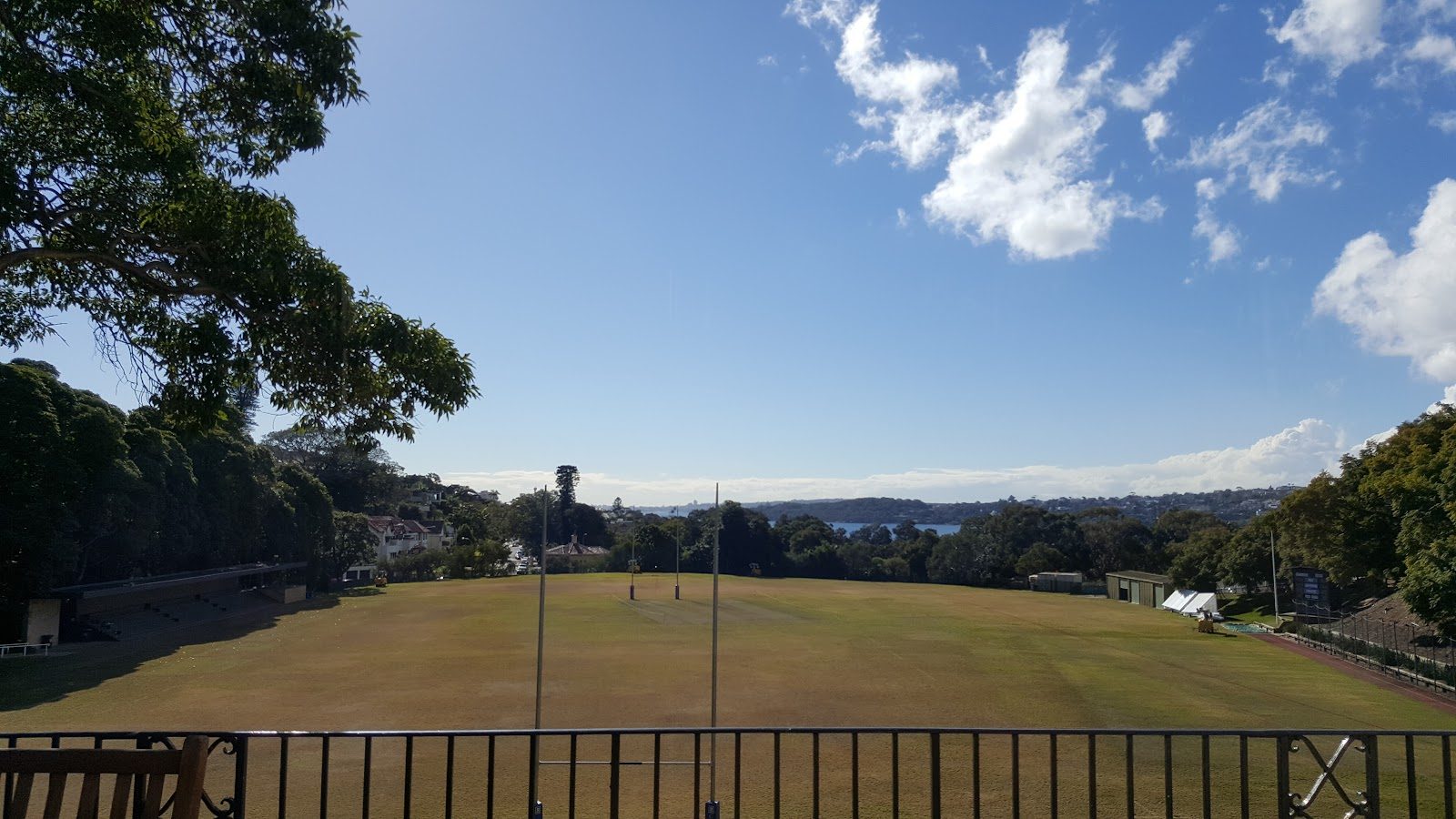
Sydney's first IB Continuum School, pairing Bellevue Hill harbour views with a Blue Mountains bush campus for experiential learning.
Same country and curriculum — closest matches within ±10 points either way