
Nerima-ku
No uniform, no hairstyle rules, no dress code -- just a century-old Nerima campus where boys pursue funded independent research projects
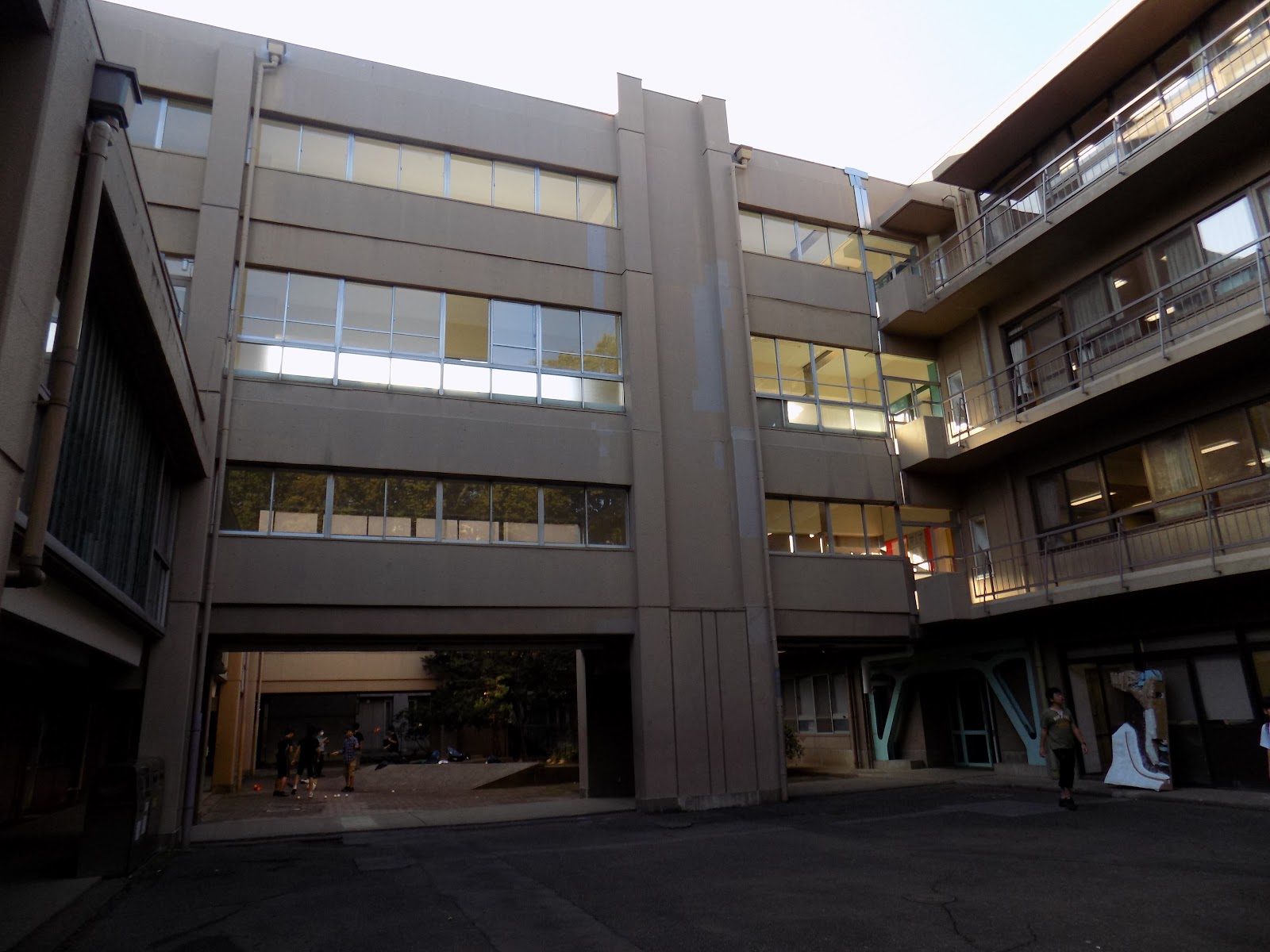
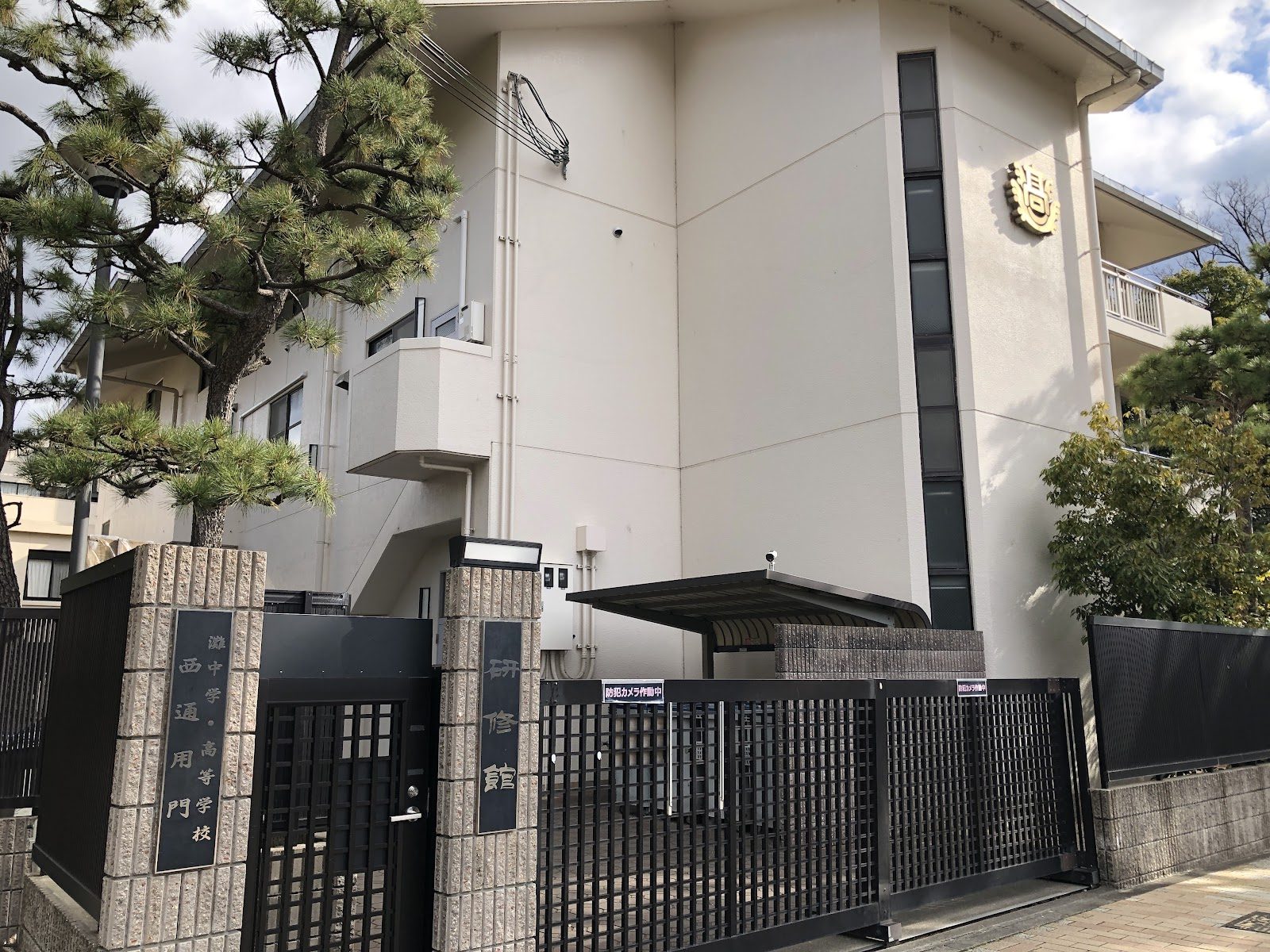
Photo © Pierre Moine via Google Maps
Type
Day
Ages
12–18
Curriculum
Japanese National
Ratio
—
The Verdict
Editor's commitment
Right for
Boys aged 12–18 who want a private Japanese-national school in Nerima with no uniform, no hairstyle rules and funded independent research.
Wrong for
Girls, boarders, and families needing English-medium teaching: Musashi is boys-only, day-only, and teaches in Japanese on a Tokyo campus.
Watch out for
The average annual day fee is JPY 922,600, and Musashi does not publish headline academic outcomes in the sources here.
Ranking breakdown
Musashi High School · #61 of 1591
Composite score 79.1. 8 weighted criteria.
By criterion
Academic Outcomes
Weight 20%
#43
of 1529 scored
University Placement
Weight 16%
#59
of 1529 scored
Prestige & Heritage
Weight 12%
#139
of 1571 scored
Alumni Network
Weight 12%
#62
of 1530 scored
Facilities
Weight 12%
#406
of 1533 scored
Transparency & Communications
Weight 8%
#123
of 1532 scored
Peer & Industry Review
Weight 10%
#300
of 1548 scored
Admissions Selectivity & Demand
Weight 8%
#81
of 1529 scored
Peer & Industry Review
How Musashi High School is regarded in the sector
90
Top-tier · medium confidence
Musashi is consistently grouped with Nada and Kaisei as one of Japan's 'big three' elite boys' schools, a classification repeated for decades in Japanese specialist education press (e.g., Weekly Diamond and Toyo Keizai's annual University of Tokyo entrance rankings by high school) and referenced in peer discussions of elite Japanese secondary education. Its alumni network includes prominent academics, bureaucrats and business leaders, and it is a perennial benchmark school in Tokyo's competitive prep-school ecosystem, though it receives less international/expat press coverage than schools marketed to foreign families.
Evidence sources
Editors' overview
No uniform, no hairstyle rules and no dress code: Musashi makes its case in the plainest possible way. This is a private boys’ day school in Nerima for ages 12 to 18, founded in 1922, teaching the Japanese national curriculum in Japanese on a distinctive century-old campus with streams and heavy greenery. It is also affiliated with Musashi University, which matters less as a brand flourish than as a clue to the school’s intellectual temperament: this is a place that prizes scholarship, independence and adult conversation over polish and supervision.
The defining idea is in the school’s own educational statement: students investigate for themselves and think for themselves. That sounds routine until you set it against the norms of many academically selective schools, where independence is praised and timetables still rule everything. Musashi pushes harder. Its public identity rests on developing original, flexible leaders and on a style of learning built around dialogue, self-direction and funded independent research projects. For the right boy, that is genuinely rare. For the wrong one, it is unforgiving. A child who needs constant prompting, tight behavioural guardrails or a highly managed pastoral culture will find the freedom excessive. A boy with intellectual stamina, private curiosity and a taste for doing serious work under his own steam will find room here that more standardised schools do not give.
In market terms, Musashi sits in a niche of its own: an academically serious Japanese boys’ school with a non-religious identity, a long-established Tokyo campus and a deliberate rejection of performative discipline codes. The average annual day fee is 922,600 JPY, which places it in the fee-paying bracket without pushing into imported-international-school territory. Parents should shortlist it if they want a school that treats adolescence as preparation for independent thought rather than compliance, and if they are comfortable with an environment that is self-selecting, intellectually exacting and unapologetically traditional in structure while being strikingly liberal in daily life. This is not a school for families chasing glossy facilities, Anglophone branding or a soft landing. It is for boys who want freedom, seriousness and the expectation that they will use both well.
Academic Performance
Musashi does not publish the kind of headline exam data that would let parents benchmark it cleanly against Tokyo’s better-known result-driven private schools. No aggregate university admissions figures, no subject-by-subject outcomes, no cohort-wide attainment profile and no external examination summary sit in public view. That opacity matters. In a market where academically selective schools often trade on hard destination data, Musashi asks families to buy into an educational method rather than a public results table. That is a serious blind spot for parents who want proof before trust, and a deliberate break from schools that package achievement as a scoreboard.
That said, the school’s academic identity is not hard to read. The emphasis on students investigating and thinking for themselves, plus the prominence given to further study, off-campus learning and funded research, places Musashi closer to an intellectual workshop than an exam factory. Relative to peers, it sits at the self-directed, high-autonomy end of the private boys’ sector. That can produce strong thinkers and confident university entrants; it also leaves less room for students who need constant structure or visible performance tracking. Parents comparing Musashi with more openly results-led competitors need to accept a plain fact: the school offers an education-first proposition, but it does not publish the headline metrics that would prove how that proposition converts into external outcomes.
Facilities
The campus itself is the headline facility. Musashi gives unusual prominence to its grounds, framing them not as landscaping but as part of the school’s intellectual culture: a stream runs through the site, and mature greenery shapes a setting built for conversation as much as movement. That matters because many urban private schools in Tokyo work from compact, vertical footprints where outdoor space is scarce and functional. Musashi offers something harder to replicate: a deeply established, scholarly environment with room to think, walk and talk without the institutional crush common elsewhere. The library also stands out by simple prominence. Schools do not foreground a library unless they expect students to use it seriously. Here, it fits the school’s bookish, self-propelled academic model.
What is missing is just as important. The public picture does not trade on theatres, sports complexes, maker spaces or glossy specialist centres, so parents should not expect an arms-race campus built to impress on tour day. Against wealthier peers, that reads as austere rather than lavish. Against more conventional exam-driven boys’ schools, it reads as more coherent: the facilities support independent study, dialogue and time on campus, not spectacle. For the right family, that is a real strength. For parents who want a visible inventory of premium amenities, it is a limitation, and the school does little to soften it.
Add funded independent research to that, and the model becomes distinctive, even by selective private-school standards
Prestige
Musashi carries real domestic prestige, but it is a precise kind of prestige. This is not the glossy, internationally legible status of a bilingual brand-name school with aggressive marketing and public results tables. Its standing rests on something narrower and harder to fake: long-established intellectual seriousness, selectivity, and a reputation for giving boys unusual freedom without lowering academic ambition. The university affiliation adds weight, but the stronger signal is cultural. A school that drops uniform and dress-code theatre, backs independent inquiry, and still retains its pull has confidence in its own authority. That reads as old-school confidence, not trend-chasing. Among families who value independent thought and a more adult academic culture, that carries serious cachet.
I rate its prestige highly, though not universally. In status terms, Musashi sits closer to a connoisseur’s choice than a mass-market trophy school. That distinction matters. Parents hunting easy social recognition, polished international branding or a constant stream of headline outcomes will find less to display here. Parents who know the Japanese private-school landscape, and who care about intellectual formation over performance packaging, will read Musashi as quietly formidable. The fees, at an average of 922,600 JPY a year, reinforce that position: this is fee-paying private education, but not luxury-school inflation. Prestige here comes from culture, history and academic self-possession, not spectacle. That makes it high-status in the right circles and less magnetic outside them.
No uniform, no hairstyle rules and no dress code: Musashi makes its case in the plainest possible way
Communications
Musashi’s parent communication reads as functional rather than performative. The navigation on its website is extensive and school-facing in the old sense: education policy, calendar, events, student life, admissions data, fees, health and counselling, alumni activity, library, campus access and contact routes all sit in plain view, with an English-language profile available for basic orientation. That gives families the essentials without much packaging. The structure also tells you something about the school’s priorities. It devotes real space to how boys learn, what they do beyond class, and how school life is organised. It devotes far less energy to selling outcomes or staging a glossy institutional story. For current parents, that is clear and serviceable. For overseas or comparison-shopping families, it is thin on proof where it matters most.
Effectiveness, then, depends on what a parent wants communication to do. If the goal is practical access to school processes and a solid map of daily life, Musashi does the job. If the goal is reassurance through published performance indicators, regular public narrative and polished transparency, the school is noticeably restrained. That restraint fits the culture: a school confident in its own methods, not one chasing attention. It also leaves parents to do more interpretive work themselves. The published fee information is straightforward, and the average annual day fee of 922,600 JPY is easy to locate. Beyond that, communication is *competent, spare and unapologetically inward-looking* — effective for informed families, less helpful for those who want the school to make the case in full.
Uniqueness
What separates Musashi is not a single programme but a governing idea carried through daily life: boys are trusted early, given real latitude, and expected to justify that freedom with serious thought. The absence of uniform and dress-code policing is not a gimmick. It signals a school that treats adolescent boys less as a discipline problem to be managed and more as young scholars whose judgement must be exercised, tested and sharpened. Add funded independent research to that, and the model becomes distinctive, even by selective private-school standards. Many schools praise curiosity; far fewer attach money, time and institutional backing to it. The result is a culture that is more adult than performative: less interested in surface conformity, more interested in whether a boy can read carefully, pursue a line of inquiry and hold his ground in discussion.
That brings clear gains for the right student. A boy who thrives here leaves with habits that matter beyond school: intellectual self-command, resilience when nobody is spoon-feeding the next step, and comfort operating in a room where dialogue matters. The university link strengthens that atmosphere, but the deeper advantage sits on campus itself, where the physical setting and academic ethos pull in the same direction. This is not a safety-first school. It gives boys space, and space exposes weakness as quickly as it develops strength. For independent-minded students, that is a rare gift. For boys who need constant checking, external pressure or a tightly scripted day, it is a hard place to hide.
The defining idea is in the school’s own educational statement: students investigate for themselves and think for themselves
Student Profile
The boy who fits Musashi is self-propelled, academically confident and comfortable without constant adult choreography. He does not need a school to manufacture motivation through prizes, policing or a visible ladder of rewards. He reads beyond the brief, tolerates ambiguity and can sustain a line of inquiry after the teacher steps back. The school’s own emphasis on students investigating and thinking for themselves is not decorative language; it defines the social and academic centre of gravity. Boys who enjoy argument, independent study and spending time in a library-rich environment will find peers who treat that seriously rather than apologetically. The absence of uniform and dress-code control also filters the intake. This is a place for families relaxed about adolescent autonomy and for boys who can handle freedom without mistaking it for licence. At an average annual fee of 922,600 JPY, it draws committed fee-paying families, but not a luxury-market crowd buying theatre.
The weaker fit is just as clear. A boy who needs heavy supervision, constant checking of homework, or a school culture built around external pressure will struggle. So will anyone seeking glossy sociability, high-energy brand culture or a hand-held pastoral experience. Musashi suits serious-minded, internally driven boys with a high tolerance for independence and enough social confidence to hold their own in a more adult atmosphere. It is not for the faint-hearted, and that is the point.
A child who needs constant prompting, tight behavioural guardrails or a highly managed pastoral culture will find the freedom excessive
Co-curricular strengths
Arts & sport, on a separate axis
Overall 5.3/10
Scored 0-10 from the school's own published evidence. This axis is editorial-only — it does not feed the main WTS ranking.
Sports
7.5/10
Drama
4.5/10
Dance
3/10
Music
7/10
Visual Arts
4.5/10
Editor first-pass · editor-reviewable · 7/30/2026

WTS 300 badge
Musashi High School is one of the World's Top 300 Schools. Claim your listing to add it to your site →
Strengths
- +Musashi is a private boys' senior high school in Nerima, Tokyo, founded in 1922 by industrialist Nezu Kaichiro, and is grouped with Kaisei and Azabu as one of Tokyo's traditional 'boys' three great schools' for academic pedigree.
- +The school is unusual in requiring no uniform and no school trip, running small, discussion-heavy classes, and having third-year junior-high students complete an independent research thesis rather than simply drilling for exams.
- +Student numbers are kept small at around 500, with small-group, student-led lessons, and the campus is one of the largest in Tokyo, with goats kept on site and a 200-year-old tree referenced in the school song.
- +In 2026 the school sent 26 graduates to the University of Tokyo and 17 to Kyoto University, with a further 9 to Hitotsubashi and 13 to Science Tokyo (formerly Tokyo Institute of Technology).
- +A second foreign language -- German, French, Chinese or Korean -- is introduced in small classes from the third year of junior high, broadening linguistic exposure beyond the standard Japanese-school norm.
Considerations
- −It is a single-sex boys' school with no co-educational option, which will rule it out for families seeking a mixed environment or with daughters.
- −Musashi is a fully integrated six-year junior-senior high school with essentially no separate high-school-level entry route, unlike some rival schools, so almost all places are filled via one highly competitive Grade 7 (age 12) exam, leaving very limited options for families arriving with older teenagers.
- −Instruction is entirely in Japanese with no international or bilingual track, so a strong existing command of Japanese is a practical prerequisite for any prospective student.
- −The school's own leadership has publicly acknowledged that its University of Tokyo placement numbers have fallen well behind rivals Kaisei and Azabu, a byproduct of its long-standing philosophy of resisting exam-focused teaching, which some families may see as a competitive trade-off.
Availability
Primary entry gate & tests
High-Stakes Winter Exam (Boys)
Gallery
Photo © Pierre Moine via Google Maps
Photo © Masahiko Motono via Google Maps
Photo © Masahiko Motono via Google Maps
Photo © Hiroshi YAGAWA via Google Maps
Photo © Oh via Google Maps
Parent reviews
Have you sent your child here?
Voice reviews carry the strongest trust badge — we transcribe them for you to tidy up before they go live. Prefer to type? A written review is fine too.
Add your voice
In 60 seconds, tell other parents: what's the best thing about Musashi High School, and what surprised you when your child joined?
We ask for a Google sign-in so every review has a real face behind it — no anonymous drive-by attacks on schools, and no faked positive reviews. Your email is never shown publicly.
Send this profile to a friend
International parents rely on word-of-mouth. Share this review with someone weighing the same decision.
Schools with places
Similar schools to Musashi High School with places available now.
The American School in Japan
Tokyo · Japan
- 2026-27
- WAITPOOLSpace-dependent
- 2027-28
- PLACES OPENRolling
Kaisei Academy
Tokyo · Japan
- 2026-27
- CLOSEDStandard route
- 2027-28
- OPENS SOONOpens Late '26
K. International School Tokyo
Tokyo · Japan
- 2026-27
- WAITPOOLSpace-dependent
- 2027-28
- PLACES OPENRolling
International School of the Sacred Heart
Tokyo · Japan
- 2026-27
- WAITPOOLSpace-dependent
- 2027-28
- PLACES OPENRolling
Availability first, then country, area, curriculum, price, co-curricular
Consider also
Also worth looking at alongside Musashi High School.
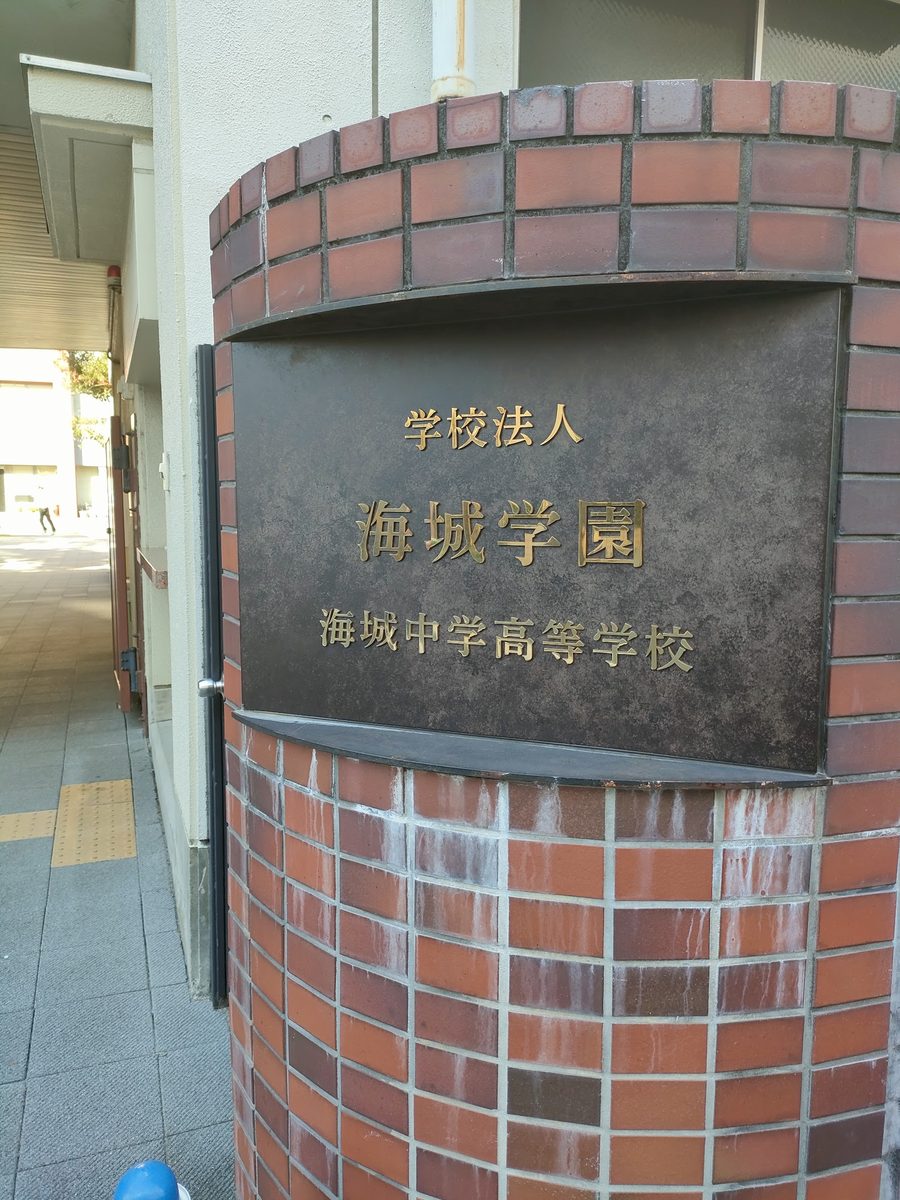
Kaijo Junior and Senior High School
Tokyo · Japan
A former naval officers' academy in Shinjuku, now a boys' school whose deliberately non-streamed classrooms feed a steady stream into Tokyo University.
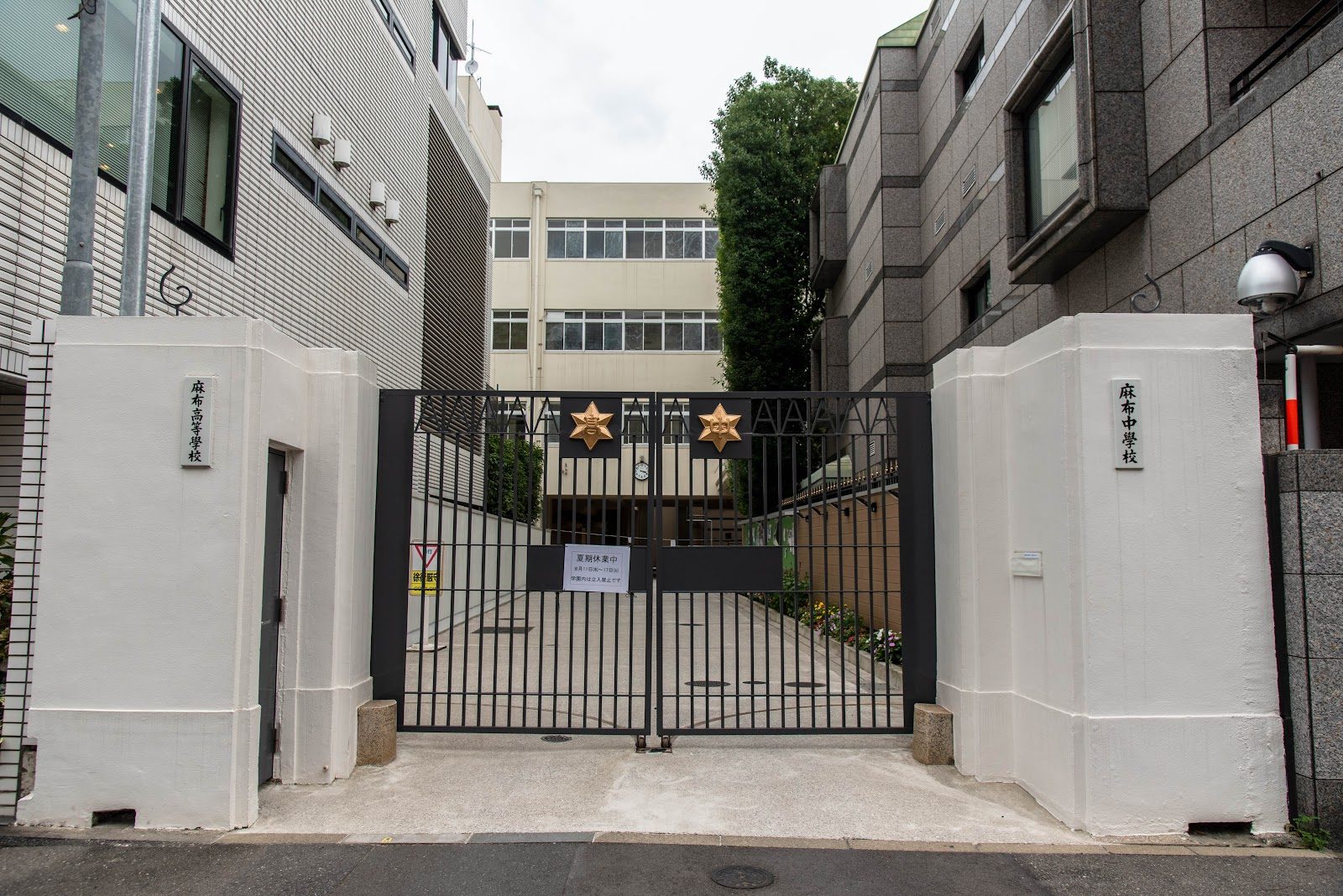
Azabu Junior and Senior High School
Tokyo · Japan
No uniforms, no rulebook, just self-directed rigor on a Minato hilltop that sends a third of graduates to Tokyo University.
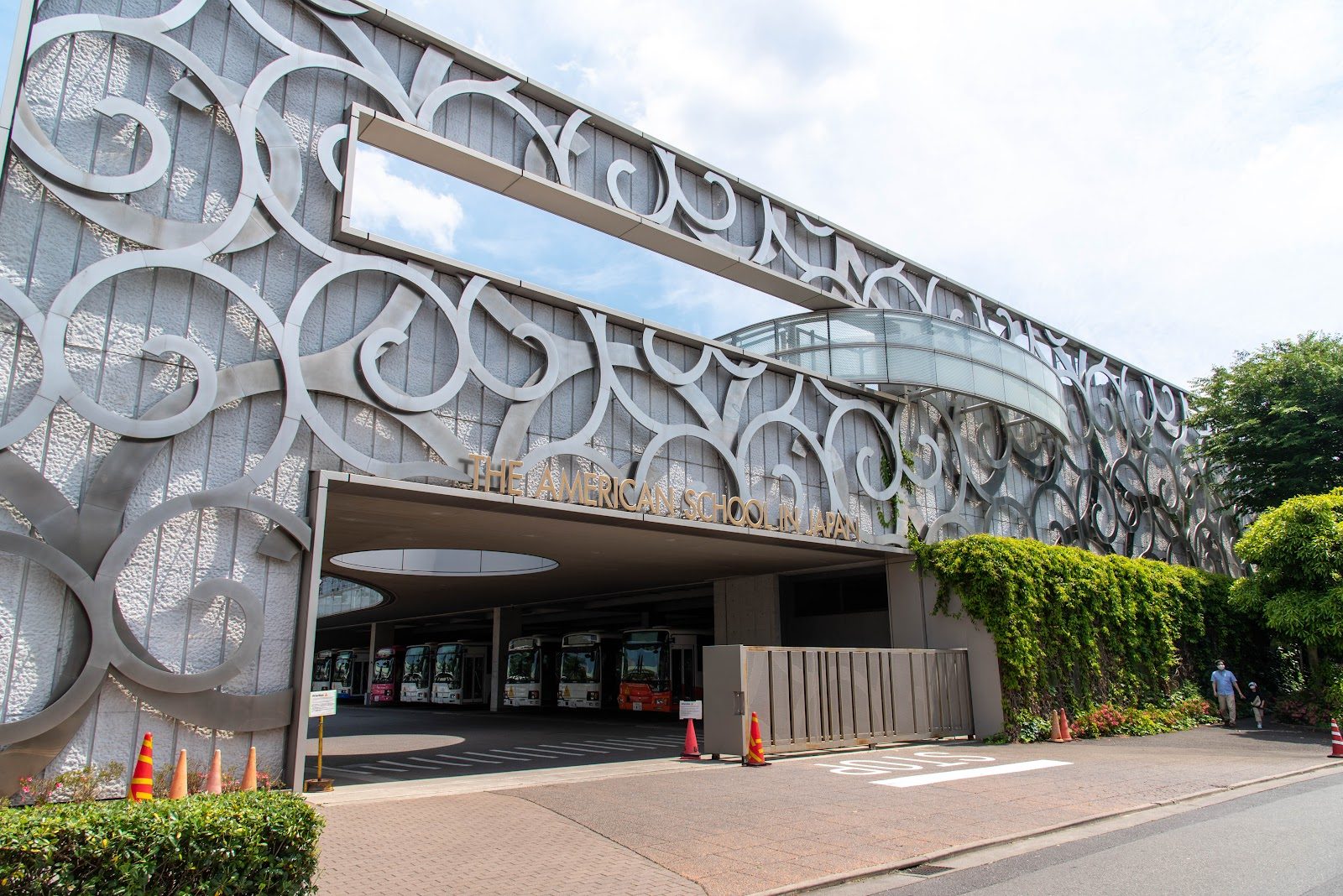
The American School in Japan
Tokyo · Japan
Rooted in Chofu since 1902, its early campus plans once drew sketches from Frank Lloyd Wright himself.
Nada High School
Kobe · Japan
Founded by Kobe sake brewers with judo's creator as an advisor, this uniform-free campus channels students straight into Tokyo and Kyoto University.
Same country and curriculum — closest matches within ±10 points either way