
Île-de-France
Grew from a NATO garrison school into the cradle of the OIB, where fourteen national sections share one French core.
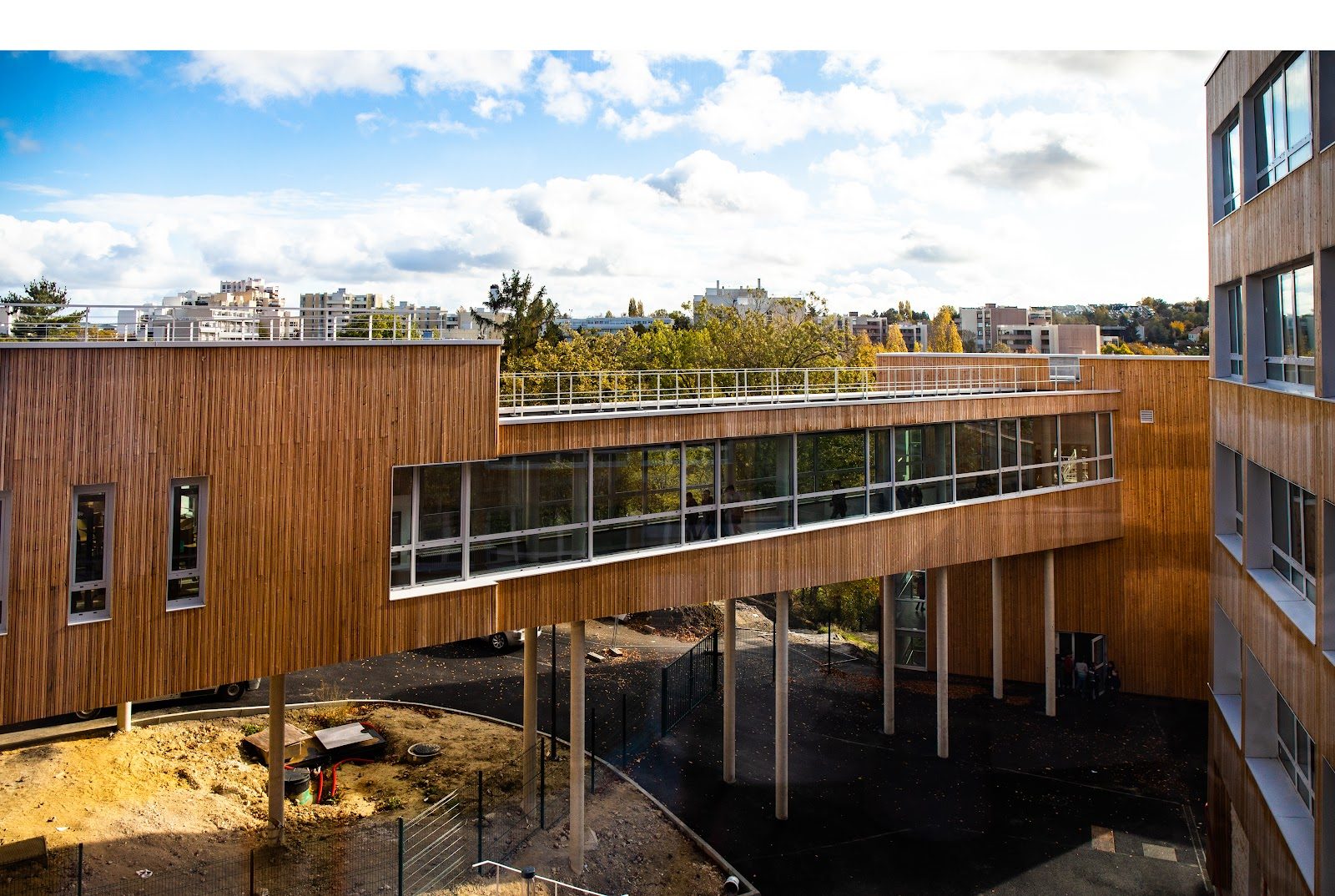
Photo © Lycée International de Saint-Germain-en-Laye via Google Maps
Type
Day
Ages
3–18
Curriculum
French Baccalauréat (OIB) · IB (Diploma)
Ratio
14:1
The Verdict
Editor's commitment
Right for
Families who want the French Baccalauréat with OIB or the IB Diploma at a day school founded in 1952.
Wrong for
Parents expecting intimate teaching: average classes run to 30, and the 14:1 student-teacher ratio confirms scale over cosiness.
Watch out for
The public website is a wreck, and for a 3–18 school selling OIB and IB Diploma, that failure matters.
Ranking breakdown
Lycée International de Saint-Germain-en-Laye · #198 of 1591
Composite score 74.4. 8 weighted criteria.
By criterion
Academic Outcomes
Weight 20%
#208
of 1529 scored
University Placement
Weight 16%
#263
of 1529 scored
Prestige & Heritage
Weight 12%
#255
of 1571 scored
Alumni Network
Weight 12%
#192
of 1530 scored
Facilities
Weight 12%
#721
of 1534 scored
Transparency & Communications
Weight 8%
#355
of 1532 scored
Peer & Industry Review
Weight 10%
#373
of 1548 scored
Admissions Selectivity & Demand
Weight 8%
#180
of 1529 scored
Peer & Industry Review
How Lycée International de Saint-Germain-en-Laye is regarded in the sector
90
Top-tier · high confidence
The Lycée International de Saint-Germain-en-Laye (now part of the AEFE/international sections network, historically the largest international section system in France) is consistently cited in French and international press as a top destination for expat and diplomatic families, with dedicated British, American, German, and other national sections predating most competitors. It is frequently referenced in expat parent forums (Message boards, Expatica, FUSAC) and specialist guides to schooling in the Paris region as the benchmark public option for bilingual/international education, and its alumni network includes notable diplomats, business leaders and public figures reported in French press profiles. Peer schools and relocation agents routinely benchmark other bilingual programs in the Paris area against its long-established OIB (Option Internationale du Baccalauréat) model, which it helped pioneer nationally.
Evidence sources
Editors' overview
Lycée International de Saint-Germain-en-Laye occupies a rare position in the French and international market: a public school with deep academic prestige, a multinational student body and a structure built around bilingual, bicultural study rather than imported international-school theatre. Founded in 1952 for families attached to NATO’s SHAPE command, it has grown into something far more consequential: the historic home of the OIB tradition and a serious route through the French Baccalauréat, with the IB Diploma also on offer. The draw is plain. This is not an expatriate bubble with a few flags in the foyer. It is a French school with an international engine at its centre, and that combination gives it real intellectual weight.
What sets it apart is the coexistence of a French core with fourteen national sections, an arrangement few schools can match for depth or legitimacy. For the right family, that matters more than glossy facilities or pastoral slogans. Students do not just study in an international environment; they work through a demanding academic framework that asks them to operate across languages, literary traditions and national expectations. The school’s scale also matters: a 14:1 student-teacher ratio is solid, while an average class size of 30 tells a more exact story. This is not intimate, hand-held schooling. It is busy, adult, rigorous and best suited to children who can cope with pace, independence and a high ceiling.
Parents should also register the caveat. The school’s public-facing website is currently a mess and does not do the institution justice. For a school of this stature, that is weak. Families who need polished communication, slick admissions guidance and the warm reassurance package sold by private international schools will find stronger operators elsewhere. Families who care first about academic substance, multilingual fluency and a serious bicultural education will keep Lycée International high on the list. It carries historic credibility in a market crowded with schools that borrow the word “international” and do little with it.
The best fit is a student aged 3 to 18 who is academically robust, linguistically confident and comfortable in a large, demanding day school. Children from multilingual homes, internationally mobile families and those who want a route into the French system without surrendering their wider identity will find a rare match here. This is a school for students who enjoy complexity, can handle high expectations and gain energy from difference rather than retreat from it. For that child, Lycée International offers an unusual seriousness of purpose and a form of international education that feels earned rather than staged.
Academic Performance
The school’s academic reputation rests on the standing of its bilingual French route, but the public picture on hard results is thinner than a school of this stature should allow. We have not seen published aggregate pass rates, grade distributions or subject-level outcomes for either the French Baccalauréat or the IB Diploma. That matters. At the top end of the international market, serious schools publish enough exam data for parents to judge selectivity, consistency and ceiling. Lycée International trades instead on long-established prestige and on the intellectual demands of its model. That prestige carries weight, but it is not a substitute for numbers. Parents comparing it with data-rich rivals will find the school opaque where it should be exact.
Relative to peers, the fit is clear even without a full set of published results. This is not a school built around headline-chasing through glossy score reports; it sits closer to the old French meritocratic tradition than to the private international-school habit of marketing every cohort. The academic bar is plainly high, and the structure of the school points to students tackling a more demanding bilingual load than at standard international schools. That gives the school serious academic credibility. It also makes direct like-for-like comparison harder when competitors publish neat averages and this school does not. In status terms, it sits with the intellectually heavyweight end of the market. In transparency on outcomes, it falls short.
Facilities
Public information on facilities is poor, and that is a problem in itself. The school does not publish a usable campus overview, specialist-room inventory or even a coherent visual sense of the site. Parents therefore get less than they should from a school with this reputation. What matters most here is not a resort-style campus but the infrastructure required to run 14 national sections inside one French public school. That implies serious classroom capacity, strong library support, dedicated spaces for section teaching and the timetable logistics to keep multiple literary and cultural programmes running in parallel. The average class size of 30 also tells you something practical: this is a school that needs high-volume teaching spaces, not boutique seminar rooms or the curated luxury common in premium private internationals.
Against peer schools, the comparison is stark. Rivals at the top of the fee-paying international market sell parents theatres, aquatics centres, glossy maker spaces and immaculate sports provision. Lycée International’s advantage lies elsewhere. Its most important “facility” is the academic structure itself: a campus built to sustain multilingual, section-based study at scale. For families who want polished amenities and exhaustive campus marketing, that is a clear weakness. For families who care more about intellectual infrastructure than architectural theatre, it is a perfectly rational trade-off. Still, the school’s silence on libraries, labs, arts spaces and sport leaves an avoidable gap in the public picture, and peers communicate those basics far better.
At the top end of the international market, serious schools publish enough exam data for parents to judge selectivity, consistency and ceiling
Prestige
Lycée International carries real prestige because its reputation rests on substance, not packaging. In France, the school holds a distinct place in the public imagination: not as a fashionable private brand, but as an institution tied to the upper tier of bilingual state education and to an international model others have spent decades trying to imitate. The decisive factor is the national-sections structure. 14 sections operating within one school create a depth of linguistic and cultural study that few competitors can match with credibility. That gives the education here institutional gravity. It attracts families who value intellectual range, academic discipline and serious bicultural formation over amenities, theatre and customer-service gloss.
That prestige is not universal in the way of a famous Swiss boarding school or a global Anglo-American brand. It is more exacting than glamorous, and stronger among families who understand the French system than among those shopping by marketing visibility. That distinction matters. Within the circles that know what this school is, its standing is formidable. Outside them, the broken website and weak public presentation blunt its profile. So the rating stays high on educational reputation and lower on polish. Put plainly: this is a school with earned status, historic weight and a name that commands respect among informed parents, universities and internationally minded French families.
Rivals at the top of the fee-paying international market sell parents theatres, aquatics centres, glossy maker spaces and immaculate sports provision
Communications
Parent communication is the school’s weakest public function. The website attached to this listing is not a functioning school website at all; it reads like a broken WordPress template or a hijacked domain, complete with irrelevant lifestyle copy, cookie prompts and technical debris. That is not a minor cosmetic lapse. For an institution serving families across 14 national sections, clear digital communication is basic infrastructure. Parents need straightforward admissions guidance, term information, section contacts, calendar detail and practical explanations of how the school works. Publicly, that framework is missing. The result is confusing, slack and well below the school’s academic stature.
That failure matters more here than at a simpler local school, because the model itself is complex. Families need precise explanations of pathways, expectations and how the international sections interact with the French core. When the central website collapses into noise, parents are pushed towards word of mouth, existing family networks and local knowledge. That suits insiders and penalises newcomers. It also narrows access for international families who do not already understand the system. None of this cancels the school’s educational strength, but it does expose a serious administrative blind spot. In communications, Lycée International is authoritative in reputation and poor in execution. Parents who need tight, reliable, legible information will find stronger operators elsewhere.
Uniqueness
What makes Lycée International distinctive is not “internationalism” as décor but internationalism built into the school’s operating logic. The French public-school core matters, but the real differentiator is the coexistence of 14 national sections inside one institution. That creates a model few schools can replicate with any seriousness. Students do not move through a generic global curriculum with occasional cultural add-ons; they work inside parallel literary, historical and linguistic traditions while sharing one common academic framework. That produces a form of education that is structurally bicultural, intellectually exacting and far less synthetic than the standard international-school formula.
For students, the gain is substantial. They learn early that fluency is not a branding exercise but a working discipline: switching registers, handling competing cultural assumptions and reading across systems rather than sitting comfortably inside one. The school’s origins in serving internationally mobile families still matter here, because the institution was built for children whose lives cross borders rather than merely admire them. That gives it a rare seriousness, and it suits students who thrive on complexity rather than simplification. The result is not a soft cosmopolitanism but a hard-edged multilingual education with real academic and cultural consequences. In a market full of schools using “international” as a sales word, this one gives the term substance.
What makes Lycée International distinctive is not “internationalism” as décor but internationalism built into the school’s operating logic
Student Profile
The best fit here is a student who likes intellectual pressure and does not need constant emotional cushioning. This is a school for children who can move between cultural codes, manage a busy peer environment and hold their own in classes that are not built around individual hand-holding. The national-sections structure brings together families with multilingual, internationally mobile backgrounds, so pupils who already live comfortably across more than one frame of reference will find their people faster. Children who enjoy literature, history, debate and languages in the broadest sense will gain most. So will students with the confidence to work alongside able classmates without needing to dominate the room. With an average class size of 30, the atmosphere is high-tempo, demanding and decidedly unsentimental.
The weaker fit is just as clear. A child who needs heavy pastoral wrapping, soft deadlines or a school culture built around affirmation will struggle. The same goes for families who want a simplified international experience with easy integration and constant explanatory support. This community rewards independence, stamina and intellectual curiosity; it does not flatten differences to make everyone comfortable. At its best, that creates a student body that is worldly without being performative, academically serious and comfortable with complexity. It is not for the faint-hearted, but for the right child it offers a rare peer group: bright, multilingual and more interested in substance than display.
This is not an expatriate bubble with a few flags in the foyer
Co-curricular strengths
Arts & sport, on a separate axis
Overall 7.4/10
Scored 0-10 from the school's own published evidence. This axis is editorial-only — it does not feed the main WTS ranking.
Sports
8/10
Drama
8/10
Dance
5.5/10
Music
7.5/10
Visual Arts
8/10

WTS 300 badge
2026/27 editionLycée International de Saint-Germain-en-Laye is one of the World's Top 300 Schools for 2026/27. Claim your listing to add it to your site →
Strengths
- +Offers 14 distinct national/international sections (including American, British, German, Chinese, Japanese, and more), an unusually broad range for a single campus.
- +Founded in 1952 to educate children of NATO/SHAPE personnel, giving it one of the longest track records of any international section school in France.
- +As a French public school, fees are markedly lower than private international schools; the British Section, for example, charges between roughly 3,233 and 7,947 euros a year.
- +Section teachers are native speakers seconded by their home country's education ministry, embedding the partner language and culture rather than treating it as an add-on.
- +All students sit the same rigorous French Baccalaureat with the International Option (OIB, now the BFI), a qualification widely recognised by universities abroad.
Considerations
- −Admission is not based on catchment area; every pupil must pass a specific language and academic test to enter a given section, making entry competitive and unpredictable.
- −The school teaches only through its international sections, so families whose child does not qualify for or wish to pursue a partner-language track have no mainstream alternative on site.
- −Fee arrangements are inconsistent across sections, since some (like German) are free while others (like Italian) require a parental contribution, creating a two-tier cost structure within one public school.
- −As a day school in a western suburb of Paris rather than the capital itself, families need to live locally or manage a daily commute, and there is no boarding option.
Availability
Primary entry gate & tests
Academic Dossier + Language Test
Gallery
Photo © krish vaidya via Google Maps
Parent reviews
Have you sent your child here?
Voice reviews carry the strongest trust badge — we transcribe them for you to tidy up before they go live. Prefer to type? A written review is fine too.
Add your voice
In 60 seconds, tell other parents: what's the best thing about Lycée International de Saint-Germain-en-Laye, and what surprised you when your child joined?
We ask for a Google sign-in so every review has a real face behind it — no anonymous drive-by attacks on schools, and no faked positive reviews. Your email is never shown publicly.
Send this profile to a friend
International parents rely on word-of-mouth. Share this review with someone weighing the same decision.
Schools with places
Similar schools to Lycée International de Saint-Germain-en-Laye with places available now.
École Jeannine Manuel
Paris · France
- 2026-27
- CLOSEDStandard route
- 2027-28
- OPENS SOONOpens Oct '26
École Saint-Louis de Gonzague
Paris · France
- 2026-27
- CLOSEDStandard route
- 2027-28
- OPENS SOONOpens Oct/Nov '26
American School of Paris
Saint-Cloud · France
- 2026-27
- WAITPOOLSpace-dependent
- 2027-28
- PLACES OPENRolling
International School of Paris
Paris · France
- 2026-27
- WAITPOOLSpace-dependent
- 2027-28
- PLACES OPENRolling
Availability first, then country, area, curriculum, price, co-curricular
Consider also
Also worth looking at alongside Lycée International de Saint-Germain-en-Laye.
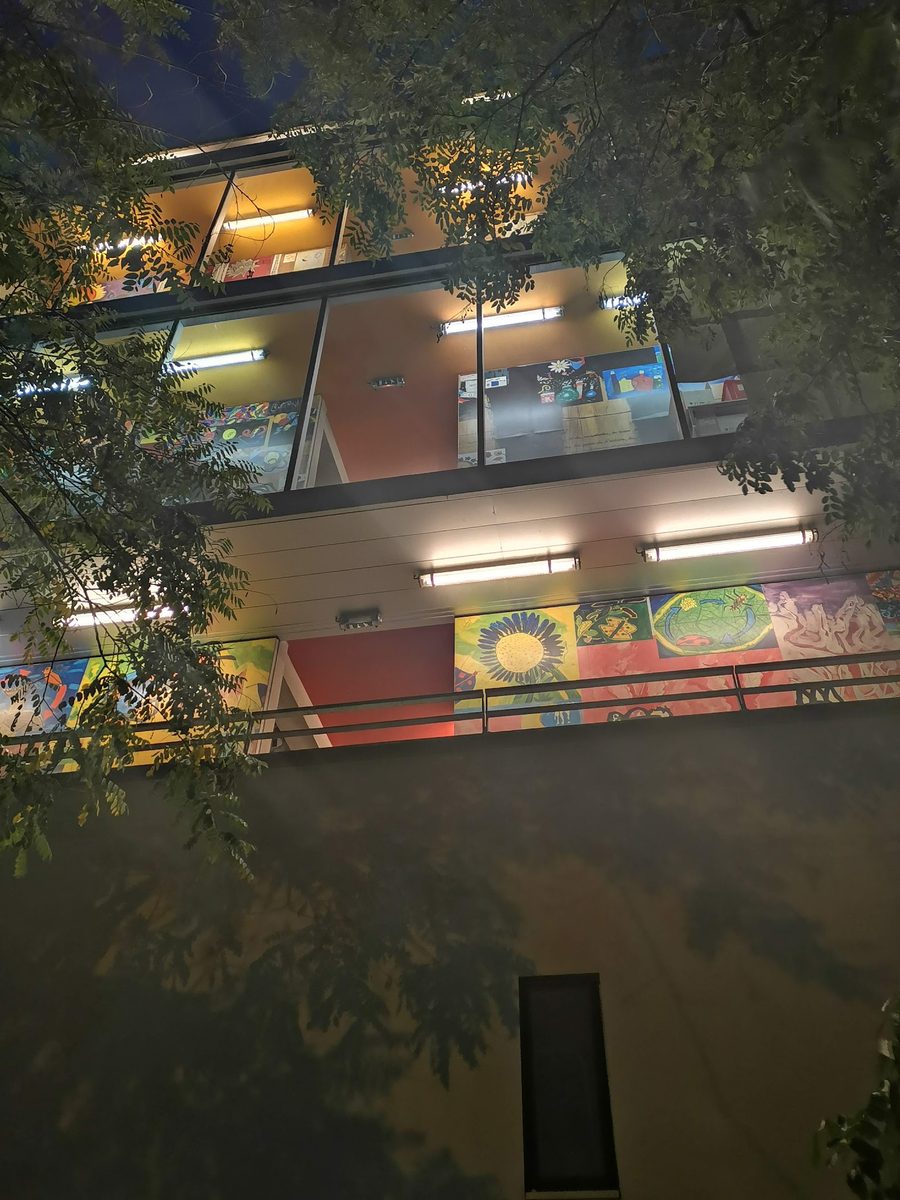
École Jeannine Manuel
Paris · France
Founded by a Resistance veteran, this Left Bank lycee teaches core subjects bilingually and has topped France's rankings for a decade.
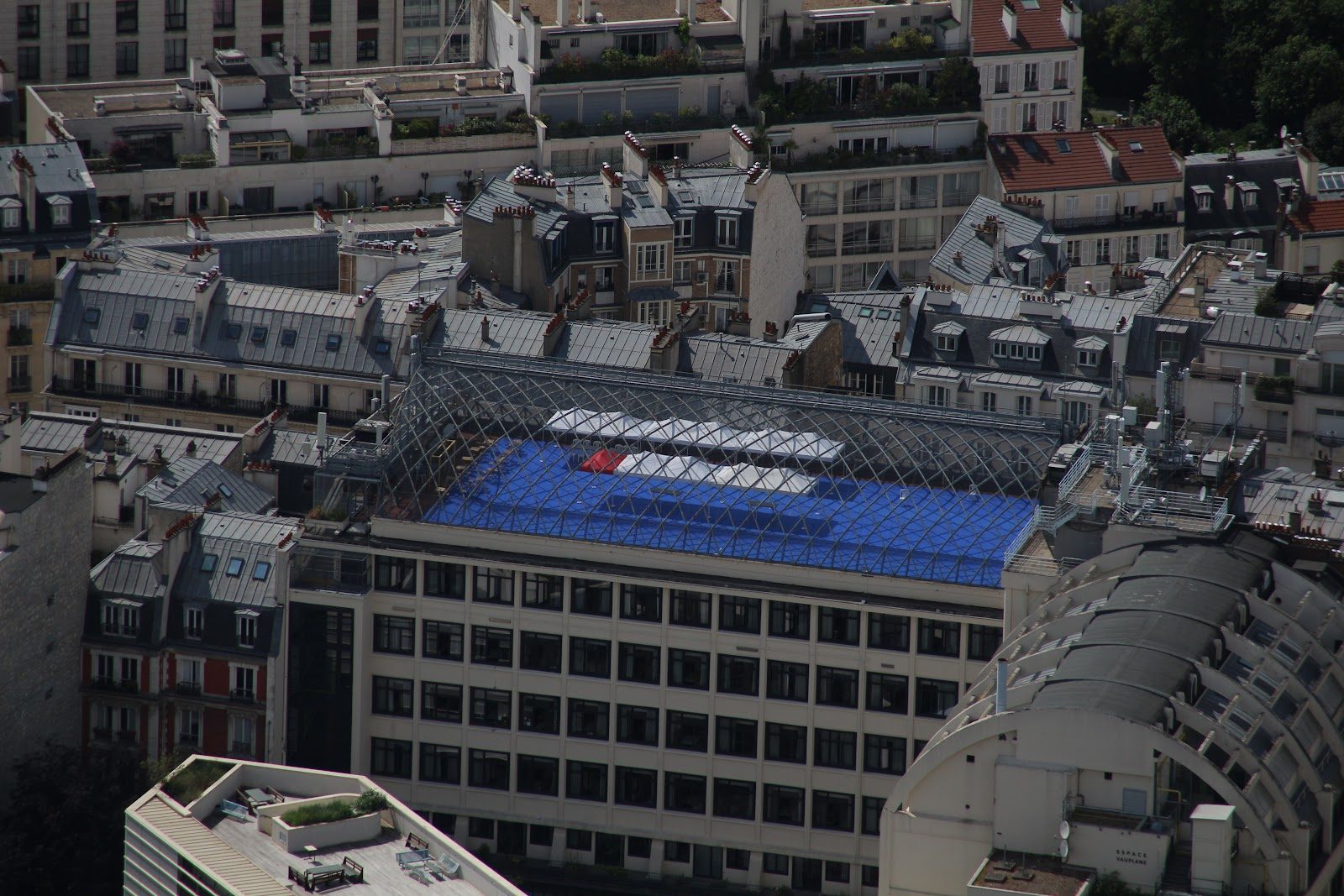
École Saint-Louis de Gonzague
Paris · France
Jesuit since 1894 on the Chaillot hill, still teaching Ignatian rigor into France's top-ranked lycee and its elite prep classes.
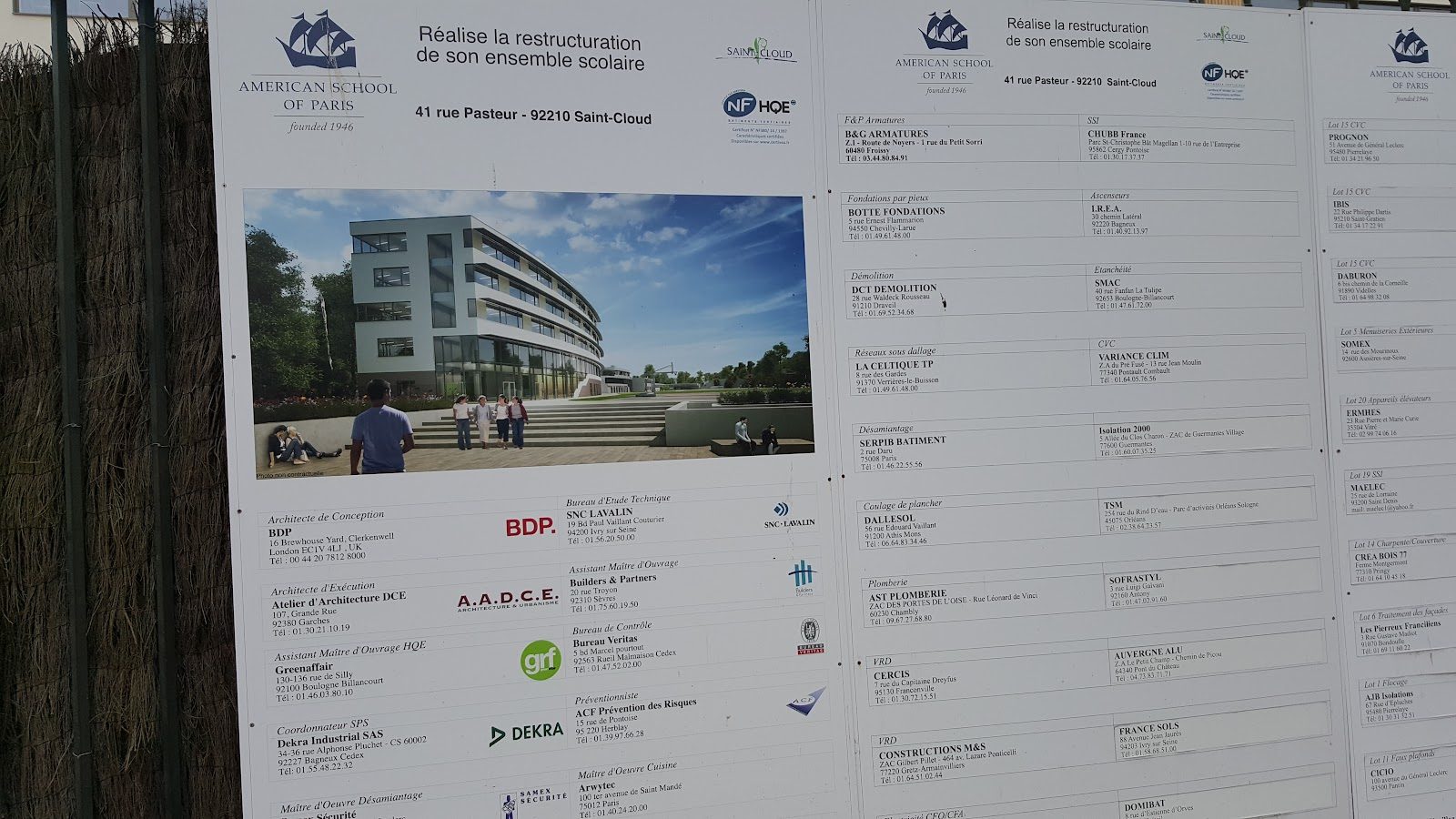
American School of Paris
Saint-Cloud · France
A founding IB school since 1946, this Saint-Cloud campus is the only Paris-area school offering a dual-track IB and AP curriculum.
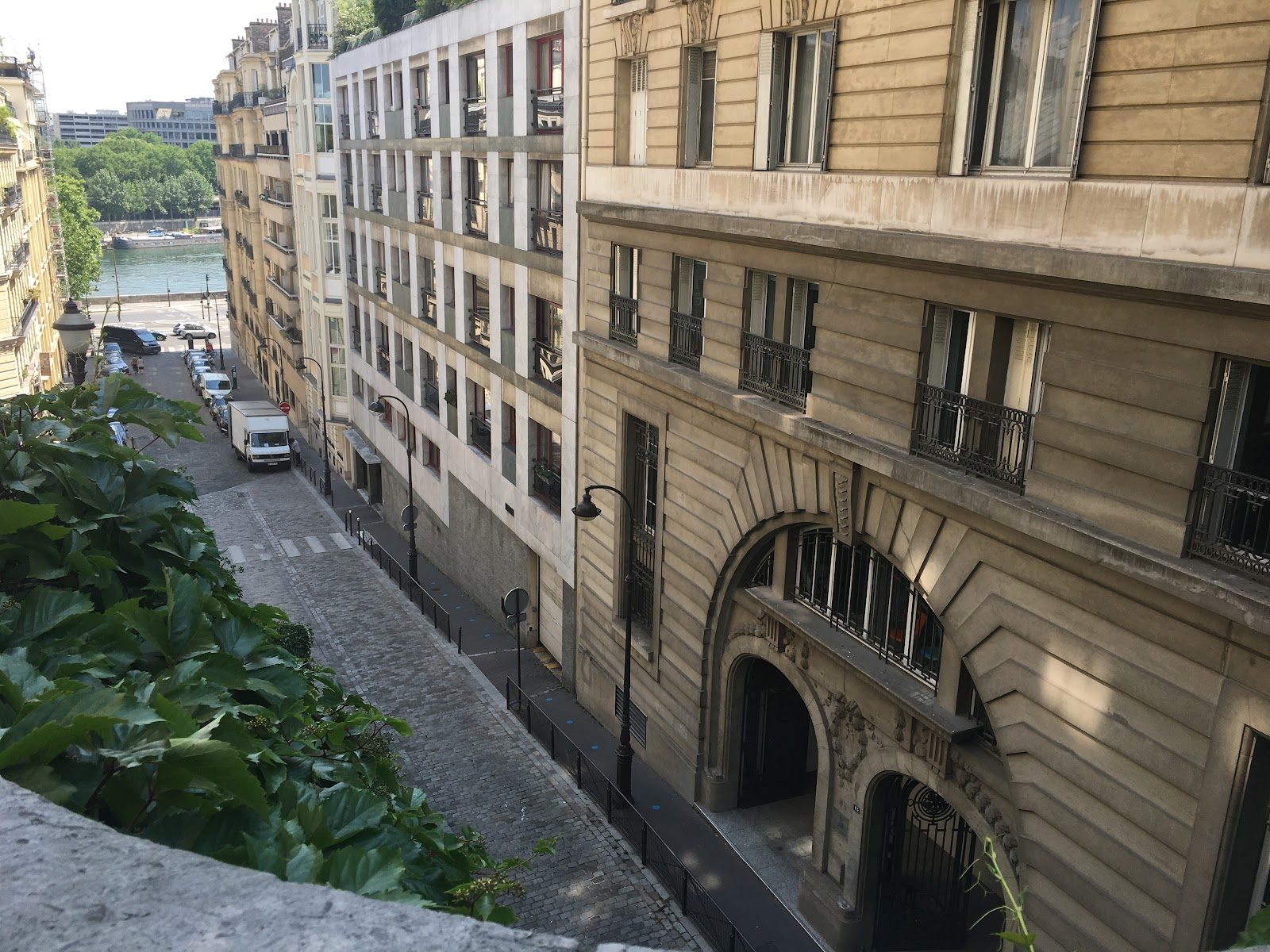
International School of Paris
Paris · France
France's only school running all three IB programmes, housed in twin converted townhouses in the 16th arrondissement.
Same country and curriculum — closest matches within ±10 points either way