
Florida
The Bolles School
On a historic river bluff in Jacksonville, a swimming dynasty that has sent swimmers to Olympic podiums for decades.
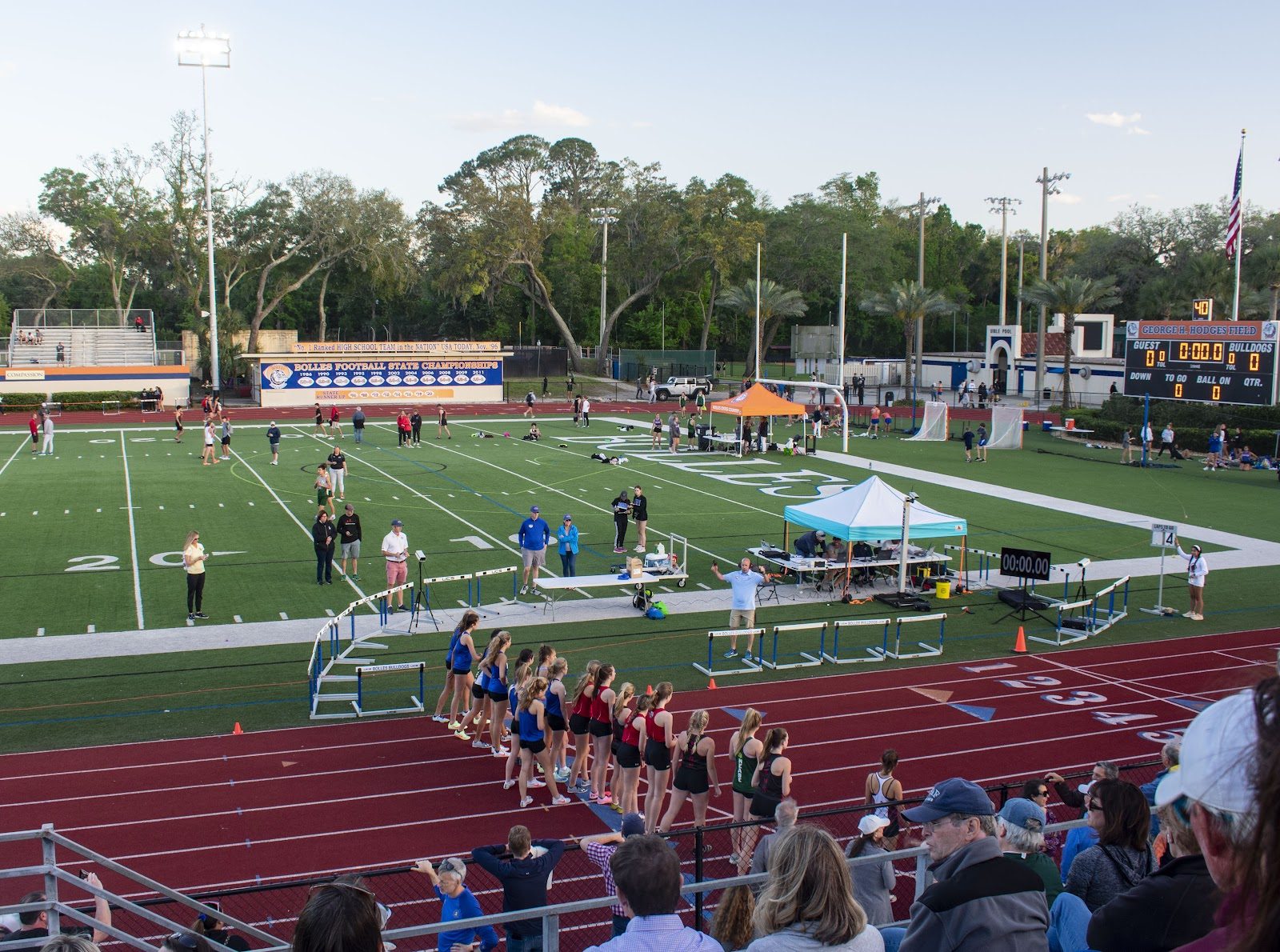
Photo © Lee Quarrier via Google Maps
Type
Day + Boarding
Ages
3–18
Curriculum
US High School Diploma · Advanced Placement
Ratio
8:1
The Verdict
Editor's commitment
Right for
Families wanting a 3–18 day-and-boarding school with AP, four Jacksonville campuses and a 1:8 ratio, plus serious swimming pedigree.
Wrong for
Parents seeking a cheap local day school: average annual fees run $27,628 for day pupils and $70,770 for boarders.
Watch out for
Bolles enrols 1,811 students across four campuses; that scale brings breadth, but less intimacy than the 15-pupil average class size implies.
Ranking breakdown
The Bolles School · #572 of 1591
Composite score 69.4. 8 weighted criteria.
By criterion
Academic Outcomes
Weight 20%
#511
of 1529 scored
University Placement
Weight 16%
#649
of 1529 scored
Prestige & Heritage
Weight 12%
#870
of 1529 scored
Alumni Network
Weight 12%
#1005
of 1529 scored
Facilities
Weight 12%
#14
of 1529 scored
Transparency & Communications
Weight 8%
#861
of 1529 scored
Peer & Industry Review
Weight 10%
#36
of 1529 scored
Admissions Selectivity & Demand
Weight 8%
#1156
of 1529 scored
Peer & Industry Review
How The Bolles School is regarded in the sector
85
Strong · medium confidence
Bolles is consistently grouped among Florida's top independent day-boarding schools alongside Ransom Everglades and Berkeley Prep, and is the state's most nationally visible school for competitive swimming, which gives it outsized recognition among peer athletic-academic institutions and NICHE/Niche.com rankings that place it in the top tier of Florida private schools. Its IB Diploma Programme and boarding program (one of the few in Florida) draw comparison from admissions consultants to established Northeast boarding schools. College counseling outcomes feed a steady pipeline to Ivy League, Stanford, Duke, and top Division I swimming programs, reinforcing university-side regard, particularly among swim coaches recruiting from its renowned Bolles Sharks program, a partnership with Bolles/Nadadores that has produced multiple Olympians. Independent education press coverage is largely local/regional (Florida Times-Union, Jacksonville Business Journal) rather than national broadsheet league tables, and it does not feature prominently in UK-style guides (Good Schools Guide, WhichSchoolAdvisor) since those focus on UK/international schools. Overall reputation is strong regionally and within elite swimming/IB circles, with more limited national editorial visibility outside Florida.
Award
Elite Sport 80
World's Top School · The Global Ranking
The Bolles School is featured on our Global Top 80 ranking at #4. This seal is available for the school's marketing team to use on their website, prospectus and social channels.
- Caeleb Dressel — Olympic swimmer, Sports
- Ryan Murphy — Olympic swimmer, Sports
- Joseph Schooling — Olympic swimmer, Sports - Singapore
Editors' overview
The Bolles School occupies a distinct place in the US boarding-day market: a large, old-established Jacksonville independent school with serious scale, a full age range, and one athletic programme that changes the conversation. This is not a boutique prep school. It enrols more than 1,800 students across four campuses, runs from Pre-K to Grade 12, and combines a US High School Diploma with Advanced Placement. The boarding cohort is small at 85 students, which matters. Families considering Bolles for boarding are buying into a predominantly day-school culture, not a traditional boarding institution built around houses and weekend life. That cuts both ways: the boarding offer has intimacy, but not the density or self-contained social world of larger American boarding schools. Fees are high, with Upper School tuition at $34,660 and boarding at $70,770. For that price, parents need clear reasons to choose Bolles over stronger-known Northeast boarding brands or cheaper Florida day schools.
One reason is obvious: swimming. Bolles has a rare sporting pedigree and a hard-edged performance culture in the pool that few schools anywhere can match. For the right athlete, that alone puts it on the shortlist. More broadly, this is a school with the infrastructure to support ambitious students: 1:8 student-teacher ratio, average class size of 15, 305 faculty and staff, and meaningful financial aid at $5.5 million. Its history also matters. Founded in 1933, first as a boys’ military academy, it has had time to build traditions, expectations and alumni loyalty, while shedding the old military model decades ago. The result is a school with institutional weight and a settled sense of purpose, not a new entrant still inventing itself.
The academic proposition is solid, but parents should read it accurately. Bolles is a college preparatory school with AP, not an International Baccalaureate school and not a specialist STEM academy. It suits students who want a conventional American independent-school route, small classes, broad co-curricular participation and strong university preparation within an English-language environment. It suits families who value structure, organisation and visible school spirit. It will appeal less to students who want an overtly progressive culture, a highly experimental curriculum, or the intensity of a larger boarding community. The school talks about global citizenship, but the defining features here are scale, longevity, and performance.
So why shortlist Bolles? Because it offers a commanding local reputation, genuine breadth, and one exceptional athletic calling card in a city where few schools can match its reach. The best fit is the student who is motivated, competitive, comfortable in a substantial school community, and ready to use what Bolles has in abundance: facilities, programmes, and expectation. The strongest fit of all is the swimmer who wants serious training without giving up a full independent-school education. For that child, Bolles is not just relevant; it is a compelling proposition.
An Elite Sport 80 school
The Bolles School is the world's most decorated swimming school. It sits at rank four on the Elite Sport 80 because the Jacksonville, Florida campus operates a swim programme so dominant that its alumni alone would routinely finish inside the top ten of a national Olympic medal table. At Paris 2024, Bolles-linked swimmers won six medals; across the past two decades the school has produced roughly forty Olympic swimmers representing more than a dozen countries.
The specialism is swimming — long-course, short-course, open water and para — supported by a 50-metre Olympic pool on campus, a dedicated performance staff and a training partnership with USA Swimming national-team programmes. Water polo, cross-country and track are strong secondary programmes, but Bolles's identity is unambiguously aquatic. About a third of its varsity roster in any given year holds a national-team ranking somewhere in the world.
Notable alumni include Ryan Murphy (multi-time Olympic backstroke gold medallist), Caeleb Dressel (nine-time Olympic gold medallist), Anthony Ervin, Ryan Lochte's early training group, Elizabeth Beisel, and swimmers who have represented Brazil, Zimbabwe, Iceland, Colombia and Israel at the Games. The Bolles-branded lane rope has probably featured in more Olympic finals than any single school pool in history.
International openness is high. Bolles is a co-ed day and boarding school with a formal international boarding programme, an F-1 visa infrastructure, and an admissions route specifically for overseas swimmers — a highlight reel, coach reference and international time standards are the practical filter. Around a fifth of the boarding roster in any given year is non-American. Tuition sits around US$45,000 day / US$68,000 boarding, and the school openly discusses NCAA D1 recruiting pathways with families. For a family relocating specifically to develop an elite swimmer through senior school and into US college, Bolles is the single most obvious global destination.
Academic Performance
Bolles does not publish the exam data that matters most to a parent making an academic comparison. We have not seen aggregate AP results, no school-wide score profile is in the public domain, and there is no published breakdown of how many students take AP subjects or how many score at the top end. That leaves a clear gap in academic transparency. In a competitive US independent-school market, stronger operators disclose at least some external benchmarking: AP score distributions, National Merit outcomes, or matriculation patterns with enough detail to test academic claims. Bolles gives parents the college-preparatory framing, but not the hard numbers that would confirm where it sits against genuinely top-tier peers.
That does not mean weak academics; it means opaque academics. The school has the scale, staffing depth and institutional resources to support solid outcomes, and its university-preparatory identity is long established. But without published external examination data, Bolles cannot claim the same evidential footing as schools that show their hand. Relative to peers, that places it in a credible but unproven bracket academically: a school with the machinery for success, yet without the public results record that marks out the most academically exacting competitors. For families who prioritise measurable academic performance over reputation, spirit or sport, that omission is not minor. It is a serious weakness.
Facilities
Facilities are spread across four campuses, which gives Bolles breadth but not the unified feel of a single compact school estate. For day families, that is manageable. For boarders, it means school life is more distributed and less self-contained than at classic boarding campuses where academics, sport and residential life sit in one walkable setting. The school’s scale still delivers real infrastructure: small classes need teaching space to match, and a staff body of that size supports specialist rooms, arts provision, athletics and student services at a level smaller local independents struggle to fund. The standout facility question, though, is not whether Bolles has enough; it is whether any part of the campus offer is truly distinctive. Outside sport, the public case is less sharply defined than at peers that foreground a major performing arts centre, design labs or research partnerships.
In sport, the picture changes. Bolles has elite-grade swimming infrastructure by school standards, and that matters because the programme is not decorative; it is central to the school’s identity. Few peer schools in the Southeast can match that depth in aquatics, and even many better-known boarding schools cannot match its competitive seriousness in the pool. Boarding numbers remain only 85, so families should not expect the all-encompassing residential and weekend facilities package found at larger boarding institutions. This is a school with serious athletic plant, broad mainstream facilities and enough resources for a substantial co-curricular life, but not a campus defined by architectural spectacle or a fully immersive boarding estate.
Bolles gives parents the college-preparatory framing, but not the hard numbers that would confirm where it sits against genuinely top-tier peers
Prestige
Bolles has real prestige, but it is regional rather than universal. In Florida and across US school sport, the name carries weight; in the wider international independent-school market, it does not command the automatic recognition of the old Northeast boarding giants. That distinction matters. Prestige here rests less on blanket academic mystique and more on institutional scale, longevity, selectivity by culture, and one exceptionally powerful area of distinction: swimming. A school that educates more than 1,800 students, operates across four campuses and maintains a substantial faculty has civic presence as well as school status. In its home market, that translates into a serious social signal: Bolles is a known quantity for affluent families who want an established private-school route with strong extracurricular ambition.
The rating stops short of the top prestige tier for two reasons. First, the boarding population is only 85, which limits the national boarding-school profile that drives elite-name recognition in this sector. Second, the school does not publish the kind of academic outcome data that turns reputation into hard prestige. Without that evidence, Bolles reads as a high-status but unevenly legible institution: formidable in athletics, prominent locally, credible in college preparation, but not a school whose name alone settles the argument. For swimmers and sport-focused families, its prestige is genuinely exceptional. For parents chasing the broadest academic cachet or the most internationally portable school brand, it sits a level below the US names that dominate that conversation.
For swimmers and sport-focused families, its prestige is genuinely exceptional
Communications
Bolles communicates like a large, established American independent school: centrally, frequently and with a strong instinct for institutional messaging. The public-facing structure is clear. Parents can find leadership, news, calendars, transport, dining, security and department-level routes without much friction, and the site makes plain who to contact. That matters in a school spread across multiple campuses and serving a wide age range. The school also pushes a steady stream of identity language — mission, honour code, school spirit, global engagement, “Bulldog” branding — which keeps the culture legible but can edge into over-managed polish. Parents who want practical information first will get it; parents who dislike heavy brand framing may find the tone too curated.
In functional terms, communication looks competent and well-drilled. A school operating at this scale, with a budget of $60 million and 305 faculty and staff, needs disciplined systems, and Bolles has the architecture for that. The weakness is not disorder; it is emphasis. The school communicates values and community confidently, but gives less public weight to the outcome data that would answer harder parental questions, especially around academics. That creates a selective transparency: strong on atmosphere, process and institutional life; less strong on comparative proof. For current parents, that still makes for an efficient day-to-day experience. For prospective parents making a high-cost decision, it leaves a meaningful gap between message and evidence.
Uniqueness
What makes Bolles unusual is not the generic “college preparatory” claim but the combination of institutional scale and one truly elite sporting specialism. Plenty of American independents offer strong athletics. Very few have a swimming programme with the kind of deep competitive inheritance that shapes the school’s public identity and parent decision-making. That gives Bolles a different internal culture from polished all-rounder prep schools where sport is one strength among many. Here, performance in the pool is part of the school’s centre of gravity. For the right student, that brings access to serious high-performance habits: disciplined training, peers who understand commitment, and a community that treats excellence as routine rather than exceptional.
The other point of difference is structural. Bolles educates more than 1,800 students across a full age range yet keeps classes at an average of 15 and boarding to only 85 students. That creates an unusual mix: a school with substantial institutional muscle but a residential element that stays personal. Students get breadth — more activities, more staff expertise, more social range — without entering the anonymous sprawl that large schools can produce. The trade-off is clear. Boarders join a day-school-majority environment, not a sealed residential world. For some families that is a drawback. For others, it is the attraction: a grounded, mainstream American school experience with exceptional swimming at its core.
Because it offers a commanding local reputation, genuine breadth, and one exceptional athletic calling card in a city where few schools can match its reach
Student Profile
The best fit at Bolles is the student who thrives in a structured, high-expectation environment and does not need a school to feel intimate or quirky. This is a large operation with a strong internal culture, visible school spirit and a clear respect for rules, conduct and participation. Children who like routine, respond well to adult oversight and are happy joining a community with established traditions will settle more easily than those who resist institutional structure or want a looser, more experimental atmosphere. The small boarding cohort — 85 students within a school of more than 1,800 — sharpens that point. Boarders need enough confidence and social initiative to find their place in a day-school-majority setting rather than waiting for residential life to do the work for them.
Athletically driven students, above all swimmers, stand out as the clearest natural constituency. Bolles suits young people who are competitive, disciplined and comfortable balancing serious training with academic demands. It also suits families who want breadth without chaos: children can find peers across a wide age range and a substantial programme, yet still work in classes that stay controlled and personal, with an average size of 15. The weaker fit is the student who wants anonymity, radical informality or a campus culture built around boarding first. Bolles rewards self-possession, follow-through and a willingness to join in. It is not a haven for drifters.
The standout facility question, though, is not whether Bolles has enough; it is whether any part of the campus offer is truly distinctive
Co-curricular strengths
Arts & sport, on a separate axis
Overall 9.54/10
Scored 0-10 from the school's own published evidence. This axis is editorial-only — it does not feed the main WTS ranking.
Strengths
- +Nationally known competitive swimming program (the Bolles Sharks) with alumni including Olympic gold medalist swimmer Caeleb Dressel.
- +Offers boarding for grades 8-12 alongside a day program from pre-kindergarten through grade 12, drawing a mix of local and international students.
- +Broad Advanced Placement course catalogue across sciences, humanities and arts supports a US college-preparatory track.
- +Long-established institution, founded in 1933, with multiple campuses (San Jose, Ponte Vedra, Bartram, Whitehurst) serving different age groups.
- +Regional accreditation and a long operating history give the school an established alumni and community network in northeast Florida.
Considerations
- −Boarding students are a minority within a much larger day-student population, so the boarding experience is less immersive than at dedicated boarding schools.
- −Day and boarding fees are substantial, in line with US independent-school norms, requiring careful financial planning for relocating families.
- −Jacksonville is a mid-sized regional city, offering fewer big-city networking or cultural resources than boarding schools near major metros.
- −The school's strong athletic (particularly swimming) identity may not suit families prioritizing a purely academic or arts-focused environment.
Gallery
Photo © Александр Костюк via Google Maps
Photo © Nick Blosser via Google Maps
Photo © Александр Костюк via Google Maps
Photo © Александр Костюк via Google Maps
Photo © Donna K via Google Maps
Photo © Nick Blosser via Google Maps
Photo © Patrick Hampton via Google Maps
Parent reviews
Have you sent your child here?
Voice reviews carry the strongest trust badge — we transcribe them for you to tidy up before they go live. Prefer to type? A written review is fine too.
Add your voice
In 60 seconds, tell other parents: what's the best thing about The Bolles School, and what surprised you when your child joined?
We ask for a Google sign-in so every review has a real face behind it — no anonymous drive-by attacks on schools, and no faked positive reviews. Your email is never shown publicly.
Send this profile to a friend
International parents rely on word-of-mouth. Share this review with someone weighing the same decision.
Schools with places
Similar schools to The Bolles School with places available now.
Pine Crest School
Fort Lauderdale · United States
- 2026-27
- CLOSEDRegular cycle closed
- 2027-28
- OPENS SOONOpens Sept '26
Ransom Everglades School
Miami · United States
- 2026-27
- CLOSEDRegular cycle closed
- 2027-28
- OPENS SOONOpens Sept '26
Availability first, then country, area, curriculum, price, co-curricular
Consider also
Also worth looking at alongside The Bolles School.
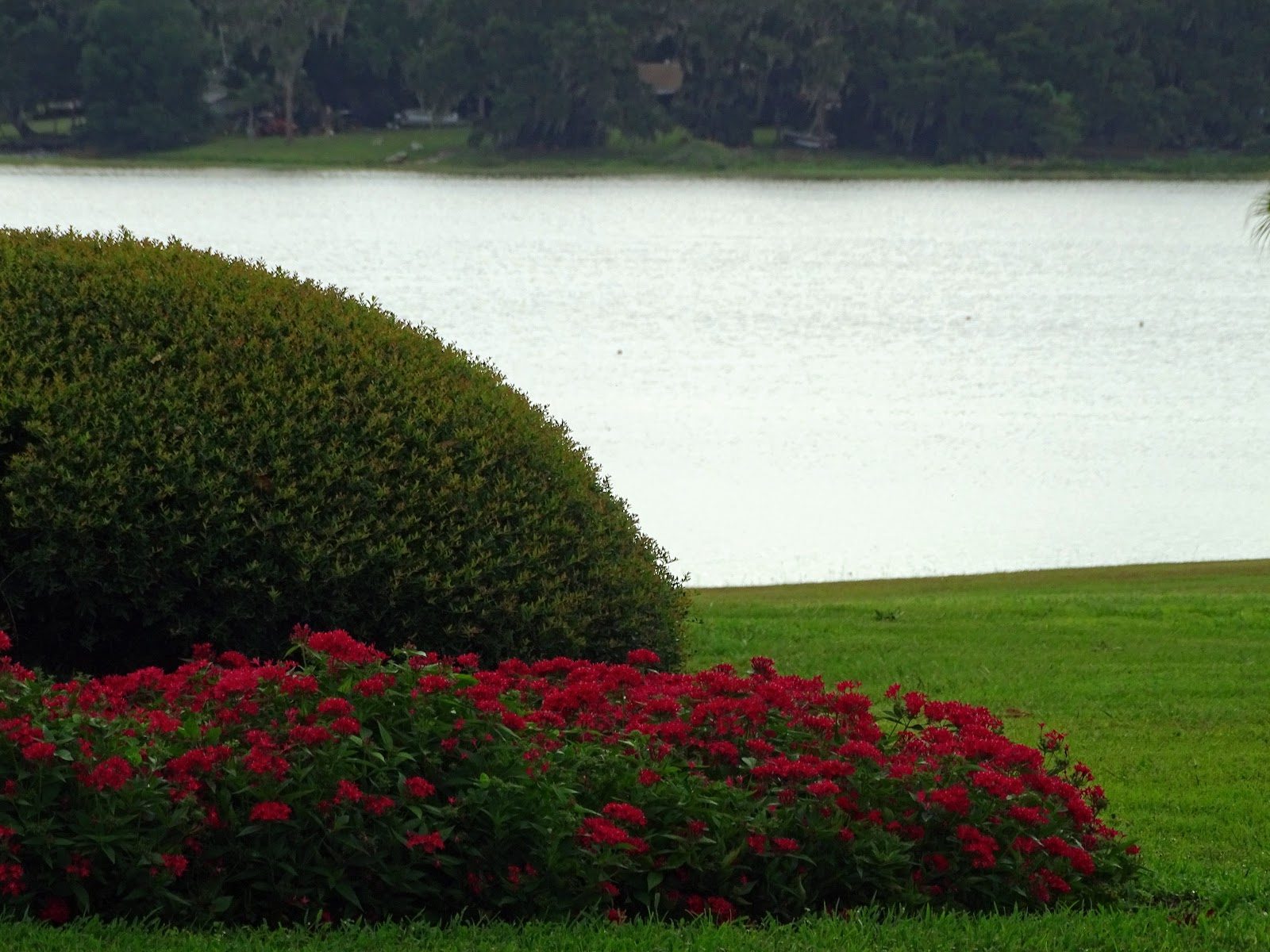
Montverde Academy
Montverde, FL · United States
On a Lake Florence campus in Central Florida, boarders from some 80 countries share dorms with a basketball program that keeps feeding the NBA draft.
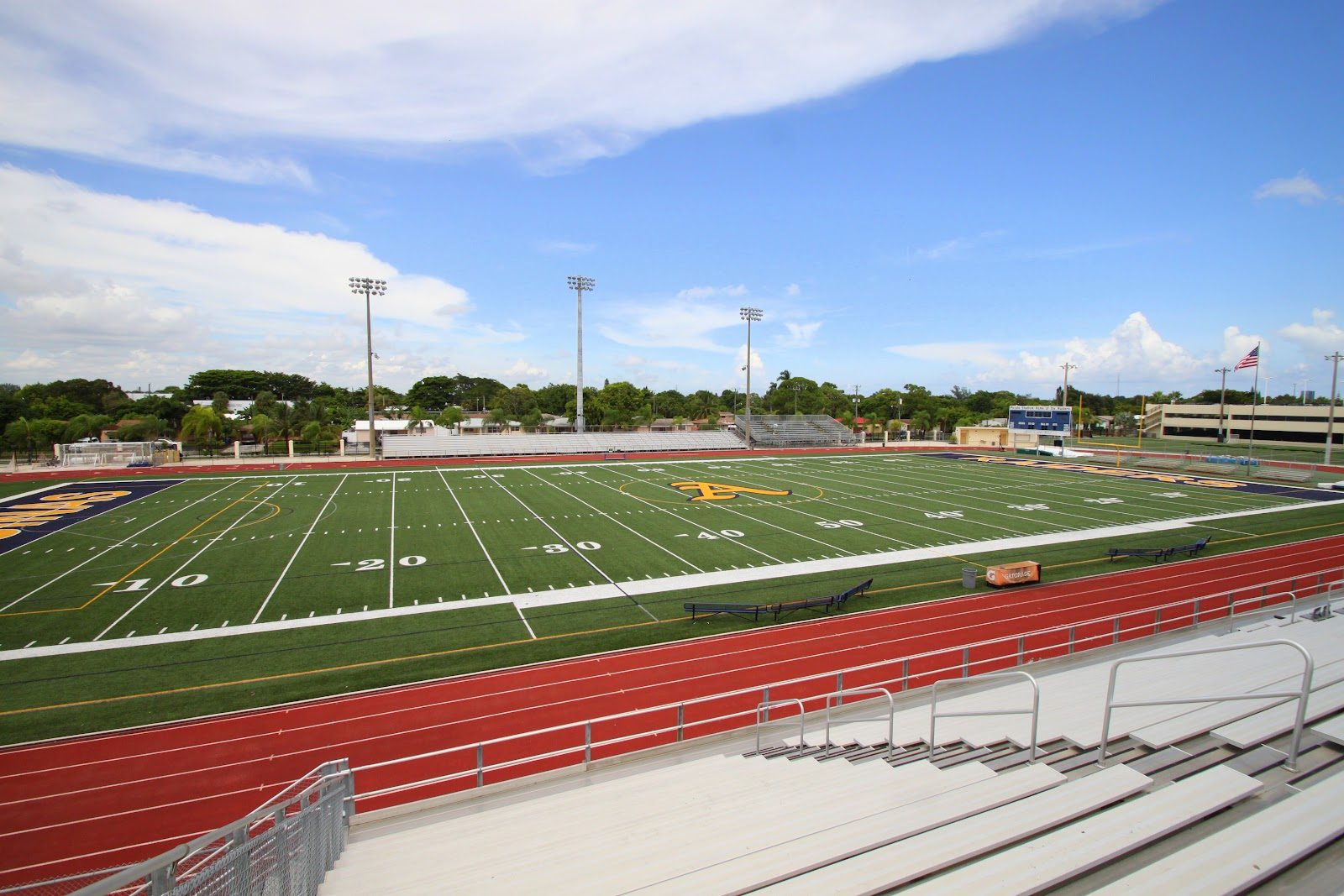
St. Thomas Aquinas High School
Fort Lauderdale, FL · United States
Fort Lauderdale Catholic prep melding AP rigor with a Cambridge International curriculum, backed by nationally ranked football.
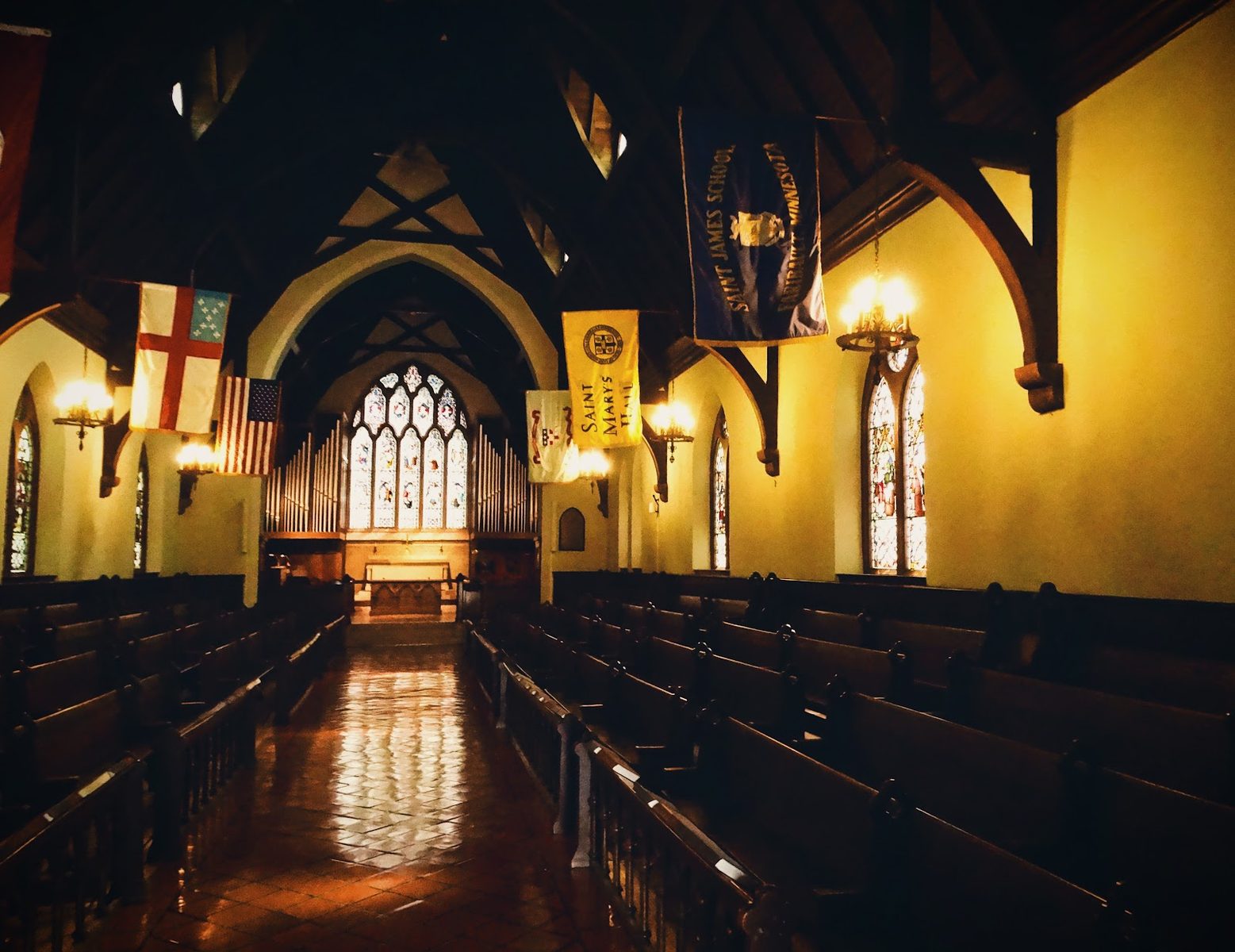
Shattuck-St. Mary's School
Faribault, MN · United States
A quiet Rice County campus since 1858, whose two NHL-sized rinks have fed the sport's pro and Olympic pipelines for decades.
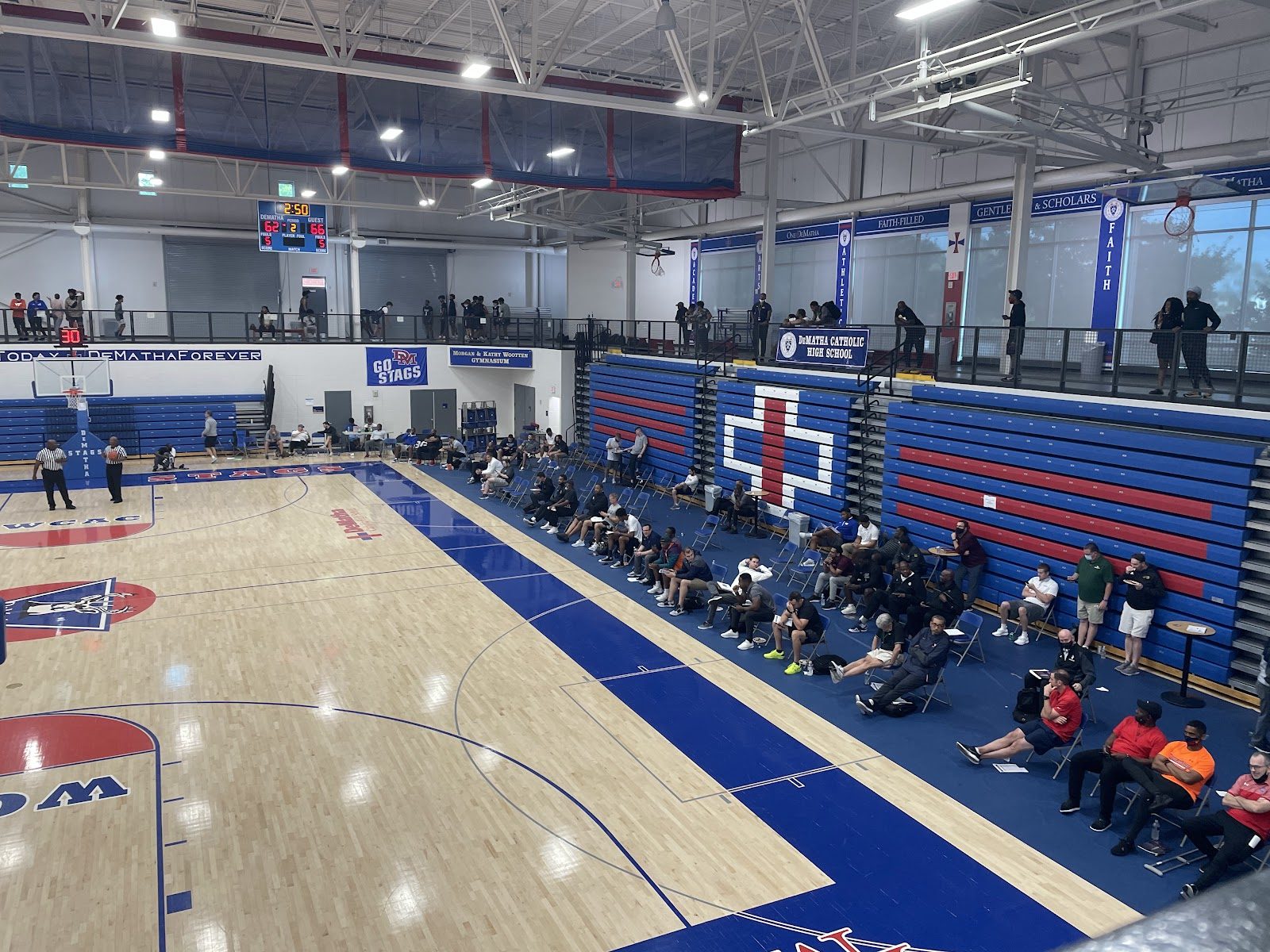
DeMatha Catholic High School
Hyattsville, MD · United States
A Hyattsville boys' Catholic prep where a 1965 upset of an unbeaten NY power built a basketball dynasty alongside rigorous AP study.
Same specialism, country and curriculum — closest matches within ±10 points either way