
Western Cape
Westerford High School
low confidence· 6/6 cats · 0 avg sourcesA public school beneath Table Mountain that outscores most private rivals, topping the province in 2025 matric results.
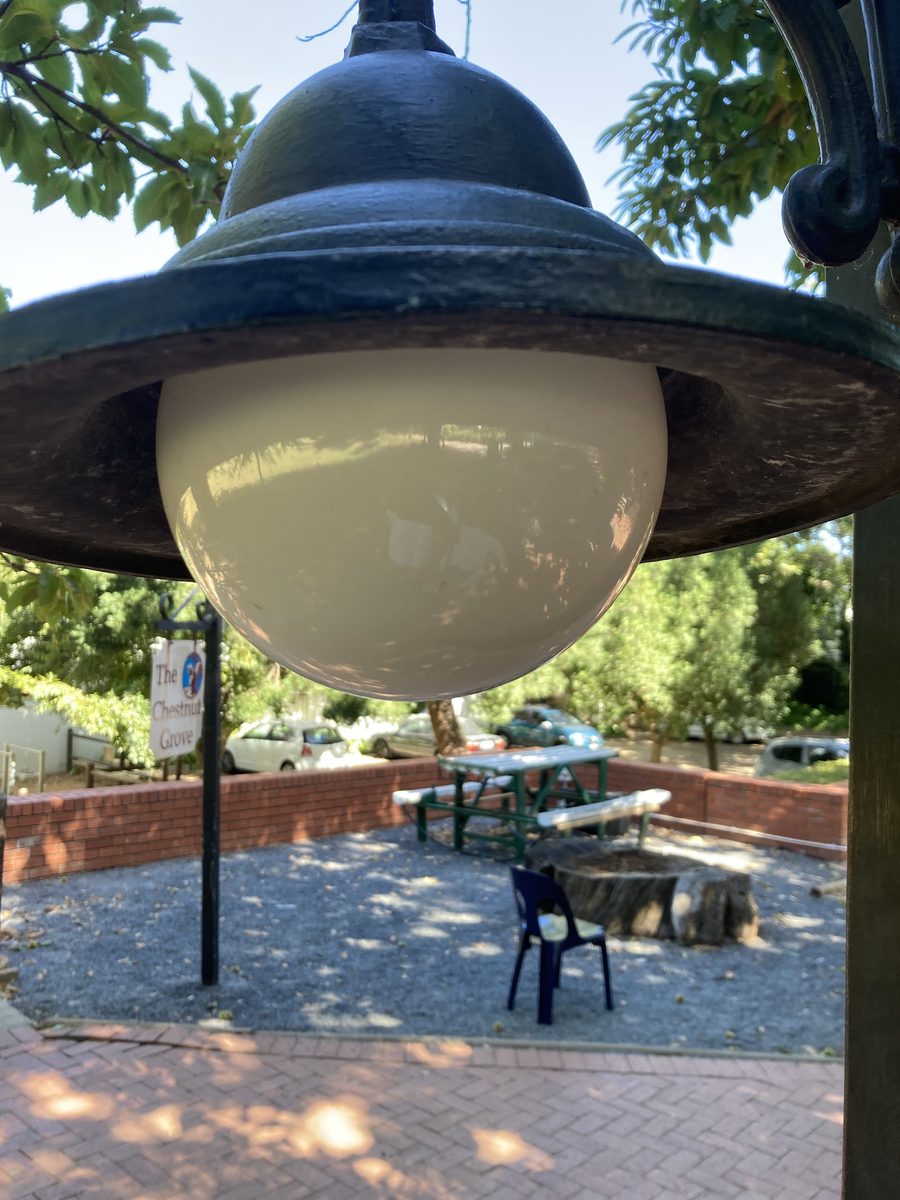
Photo © Bright via Google Maps
Type
Day
Ages
5–18
Curriculum
IEB
Ratio
14:1
The Verdict
Editor's commitment
Right for
Cape Town families wanting a secular public day school, founded in 1953, with English teaching, IEB academics and compulsory sport.
Wrong for
Children who need small-group teaching or a low-pressure timetable; average classes are 28, the ratio is 14:1, and sport is compulsory.
Watch out for
This is a high-profile public school under Table Mountain, not a boutique private campus: ages 5–18 share one ethos, and standards run high.
Ranking breakdown
Westerford High School · #871 of 1591
Composite score 62.8. 8 weighted criteria.
By criterion
Academic Outcomes
Weight 20%
#855
of 1529 scored
University Placement
Weight 16%
#911
of 1529 scored
Prestige & Heritage
Weight 12%
#996
of 1571 scored
Alumni Network
Weight 12%
#624
of 1530 scored
Facilities
Weight 12%
#1218
of 1534 scored
Transparency & Communications
Weight 8%
#1021
of 1532 scored
Peer & Industry Review
Weight 10%
#998
of 1548 scored
Admissions Selectivity & Demand
Weight 8%
#547
of 1529 scored
Peer & Industry Review
How Westerford High School is regarded in the sector
62
Respected · low confidence
Westerford High School is consistently listed among Cape Town's top-performing public ('Model C') schools in Western Cape matric results coverage and local media rankings, and has a recognisable alumni base including some notable South African figures, but it receives little attention in international specialist press (Tatler, Good Schools Guide) which focus more on private schools like Bishops or SACS. Evidence is largely local media rather than international peer-benchmarking sources.
Evidence sources
Editors' overview
Westerford occupies a rare position in Cape Town’s market: a secular public day school with the academic punch, sporting expectation and co-curricular breadth that many fee-paying schools use to justify far higher costs. Founded in 1953, it runs in English, teaches the IEB curriculum and keeps a 14:1 student–teacher ratio with average classes of 28. The school’s own account is blunt about its model: strong academics, compulsory sport and an enthusiastically embraced cultural life, all under the motto “Nothing But Our Best”. That combination gives Westerford its edge. This is not a loose, laissez-faire public school. It is a high-output institution with serious expectations and a clear performance culture.
What puts it on a shortlist is not branding but track record and structure. A public school that tops provincial matric tables in 2025 earns attention on results alone; a public school that does it while insisting on compulsory sport and more than forty clubs and societies earns a second look. Parents weighing Westerford against Cape Town’s established private schools will find the key distinction here: *private-school breadth without private-school insulation*. The setting beneath Table Mountain carries prestige, but the more important point is operational. This is a large, busy, multi-strand school where academic ambition sits alongside leadership, music, service and competitive sport. The school also states an explicit commitment to diversity, belonging and transformation, which matters in a city where many legacy schools still trade on older social codes. Westerford feels ambitious, adult and unsentimental.
The right student for Westerford is energetic, resilient and happy in a culture where participation is not optional window-dressing. A child who wants only classroom study and a quiet timetable will find the compulsory sport programme intrusive. A student who enjoys juggling lessons, fixtures, rehearsals, committees and friends will thrive. The school suits families who want earned achievement, a full school life and public-sector value rather than boutique pastoralism. It also suits academically strong children who do not need spoon-feeding. Westerford offers scale, standards and range from ages 5–18, but it asks for commitment in return. For the right pupil, that bargain is hard to ignore.
Academic Performance
Westerford’s academic reputation rests on public-exam performance, and the school’s own positioning as one of the Western Cape’s top schools is not empty chest-beating. The key fact is plain: it topped the province in the 2025 matric results. For a public school, that matters more than any slogan. In South Africa’s school market, private schools dominate the conversation around outcomes, selective intake and university preparation; Westerford has forced its way into that company on results. That puts it in the top tier of Cape Town schools full stop, not in a separate “strong for a state school” category. Parents comparing it with elite independents should read the signal correctly: this is a serious academic institution with an examination record that carries weight.
There are limits to the public data. The school does not publish a granular breakdown here of subject-level matric distinctions, aggregate averages, or multi-year trend tables, so families do not get the forensic transparency that some competitor schools provide. That is a gap. Even so, a provincial first place in matric is a hard result, not a soft claim, and it places Westerford ahead of most local peers on the only external measure that counts at scale. The academic message is clear: this school is not trading on atmosphere, heritage or co-curricular gloss. It delivers elite outcomes in a public-school setting, and that is rare enough to command attention.
Facilities
The school’s own description points to the facilities that matter most in daily life: strong provision for sport, a serious cultural programme and enough organisational infrastructure to support 40-plus clubs and societies. The standout claim is “world-class facilities” for sport. That fits the school’s compulsory games model: if every pupil must take part, the grounds, courts and changing arrangements cannot be token extras. In peer terms, that puts Westerford closer to Cape Town’s established private schools than to the average public school, many of which offer competitive teams without the same depth of infrastructure or scheduling capacity. The cultural side also carries weight. A school that publishes links to music recitals, speeches and a student magazine has the spaces and systems to sustain them, even if it does not give a clean public inventory of theatres, studios or specialist rooms. That lack of detail is a weakness. Families get the message of breadth, but not the hard list.
What parents can say with confidence is that Westerford has the facilities to run a full-throttle school day rather than a narrow academic timetable. The campus supports sport fixtures, rehearsals, societies, leadership activity and community life at scale. Against fee-paying rivals, the offer looks impressively robust for a public school, though less polished in presentation than schools that publish glossy maps, venue specs and capital-project updates. Against most state peers, it is well ahead. The substance looks strong; the transparency around the estate is thinner than it should be.
The key fact is plain: it topped the province in the 2025 matric results
Prestige
Westerford carries real prestige in Cape Town, but it is the prestige of performance, not of exclusivity. That distinction matters. In a market where social status still clings to old independent-school names, Westerford has built its standing on hard public proof: examination outcomes, visible breadth beyond the classroom, and an internal culture that expects students to do more than turn up for lessons. A school with 40-plus clubs and societies, compulsory sport and a serious cultural programme produces a recognisable type of graduate: busy, stretched, competent and used to accountability. That has currency with universities, employers and local families who know the school landscape well. Westerford’s reputation is earned rather than inherited, and that gives it more substance than many shinier brands.
The school also benefits from a rare social position. It is secular, co-educational and public, yet competes directly with institutions that charge far more and trade heavily on heritage. That gives Westerford a strong pull among ambitious middle-class families who want status without private-school insulation. Its prestige is not universal in the old-boy-network sense; it is intellectual, local and hard-edged. Outside South Africa, the name lacks the instant recognition of global fee-paying schools. Inside Cape Town, informed parents know exactly what it signals: high standards, a full timetable, and a student body expected to keep up. That is serious prestige, and more credible than cachet built on fees alone.
That puts it in the top tier of Cape Town schools full stop, not in a separate “strong for a state school” category
Communications
Westerford’s parent communication is functional rather than polished. The website does the basics: admissions, uniform, newsletter, magazine, fixtures and results, FAQs, contact details and operating times are all easy to find from the front page. That matters at a school with a heavy extracurricular load and a compulsory sport culture, where families need routine access to calendars, kit information and schedule changes. The school also points parents towards a steady flow of school life through recitals, speeches, activities and an online magazine. The breadth is clear. So is the institutional tone: busy, confident, high-expectation and low on hand-holding. Parents who want every process narrated in detail will find the public-facing communication thinner than ideal.
The weakness is not absence but precision. Parts of the site feel stale: event listings carry old dates, “Important Updates” says “Coming Soon!”, and repetition on the homepage gives the impression of loose maintenance. For a school of this calibre, that is untidy. It does not stop parents getting core information, but it does reduce confidence in the website as a live operational tool. The school offsets that with direct routes to the office and visible links to practical parent needs, including sport fixtures and second-hand uniform shop times. That points to a communications model built on routine community use rather than glossy presentation. Effective enough for current families, less convincing for first-time outsiders, and not as transparent or sharp as the school’s academic reputation.
Uniqueness
What makes Westerford unusual is the combination of public status with a private-school level of expectation. Many schools offer strong lessons, or decent sport, or a respectable cultural menu. Westerford hard-wires all three into the same daily experience and does not treat any of them as decorative extras. The compulsory sport programme is the clearest marker. It tells parents, and students, that this is not a school built for narrow academic specialists or passive timetable-fillers. Add 40-plus clubs and societies, a busy leadership culture and a secular ethos with an explicit commitment to diversity, belonging and transformation, and the result is a school that asks pupils to function in a demanding, full-spectrum environment. That blend is rare in any sector, let alone in a public school.
For students, that brings concrete benefits. They learn to manage pressure, move between very different settings in a single week, and operate among peers who are also expected to contribute. The school’s scale and breadth give a child more routes to competence than a narrowly academic institution can offer: on a field, in an ensemble, on a committee, in service, in class. That matters because adolescence is not tidy. A student who has a poor term academically can still find traction elsewhere and rebuild confidence through another arena of school life. The trade-off is clear: Westerford is not a soft landing. It suits pupils who want earned confidence, high standards and a school identity built on participation rather than protection.
It does not stop parents getting core information, but it does reduce confidence in the website as a live operational tool
Student Profile
The Westerford student is busy, self-propelled and comfortable with pressure. This school suits children who gain energy from having several plates spinning at once: lessons, training, rehearsals, committees, service and a social life that does not run on autopilot. The compulsory sport programme is the first filter. A student who resents games, ducks collective expectations or wants school to end at the last lesson will chafe here. The same goes for children who need heavy pastoral cushioning or constant adult prompting. Westerford works best for pupils with stamina, decent organisational habits and the confidence to enter a community where participation carries status. With more than 40 clubs and societies in the mix, there is room for many types of talent, but not for passivity. This is a high-output school for students who are willing to lean in.
Socially, the fit is broader than at older, more coded prestige schools. Co-educational, secular and explicit about diversity and transformation, Westerford suits families who want strong standards without a narrow social mould. The ideal pupil is not a polished extrovert so much as an engaged, resilient all-rounder who can hold their own among capable peers and recover fast from setbacks. Pure specialists exist in every strong school, but Westerford rewards range. A child who wants to disappear into one niche will find the culture demanding; a child who wants to test themselves across the timetable will find it formative, stretching and serious.
Founded in 1953, it runs in English, teaches the IEB curriculum and keeps a 14:1 student–teacher ratio with average classes of 28
Co-curricular strengths
Arts & sport, on a separate axis
Overall 7.52/10
Scored 0-10 from the school's own published evidence. This axis is editorial-only — it does not feed the main WTS ranking.
Sports
7.8/10
Drama
7.5/10
Dance
6.5/10
Music
8/10
Visual Arts
7.8/10
Strengths
- +Co-educational, secular public high school in Cape Town
- +English-medium teaching suits many international families
- +14:1 student-teacher ratio is relatively manageable
- +Compulsory sport and active cultural programme are explicit
Considerations
- −Day school only; no boarding for overseas families
- −Public school setting may feel less tailored internationally
- −Average class size is 28, not especially small
Availability
Primary entry gate & tests
Internal Assessment
Gallery
Photo © Robin J via Google Maps
Photo © Ethan Gilham via Google Maps
Photo © Ethan Gilham via Google Maps
Photo © Ethan Gilham via Google Maps
Photo © Paul Snook via Google Maps
Photo © Brent Popple via Google Maps
Photo © Brent Popple via Google Maps
Photo © Westerford High School via Google Maps
Photo © Westerford High School via Google Maps
Parent reviews
Have you sent your child here?
Voice reviews carry the strongest trust badge — we transcribe them for you to tidy up before they go live. Prefer to type? A written review is fine too.
Add your voice
In 60 seconds, tell other parents: what's the best thing about Westerford High School, and what surprised you when your child joined?
We ask for a Google sign-in so every review has a real face behind it — no anonymous drive-by attacks on schools, and no faked positive reviews. Your email is never shown publicly.
Send this profile to a friend
International parents rely on word-of-mouth. Share this review with someone weighing the same decision.
Schools with places
Similar schools to Westerford High School with places available now.
Availability first, then country, area, curriculum, price, co-curricular
Consider also
Also worth looking at alongside Westerford High School.
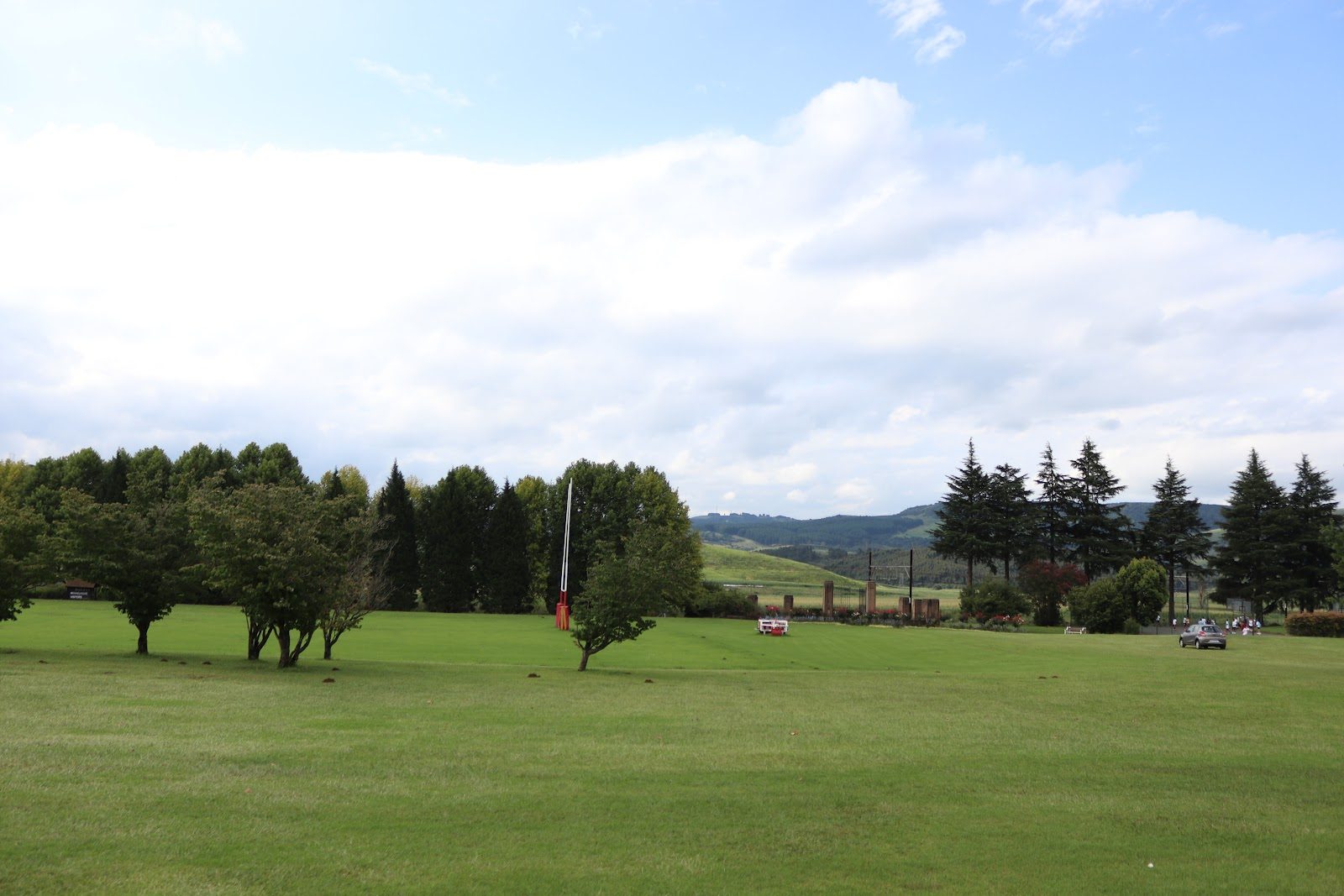
Michaelhouse
Balgowan · South Africa
In South Africa's Midlands, one of the world's few remaining all-boys, all-boarding schools borders a rare mistbelt grassland reserve.
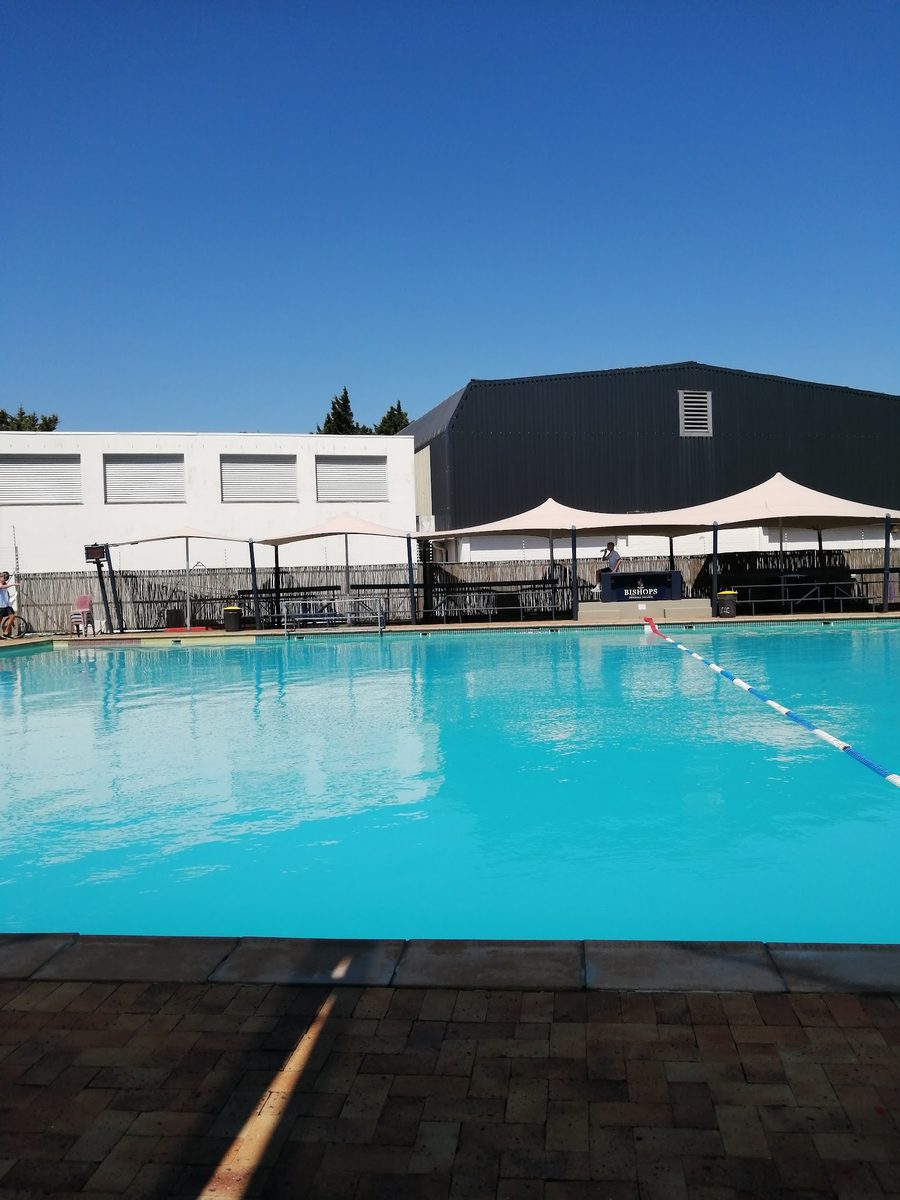
Bishops Diocesan College
Cape Town · South Africa
Founded in 1849 below Table Mountain, home to the oldest rugby field in the southern hemisphere and a storied house system.
Roedean School South Africa
Johannesburg · South Africa
Founded in 1903 by two Cambridge-educated pioneers, this all-girls boarding school still occupies its original Herbert Baker campus in Parktown.
St John's College
Johannesburg · South Africa
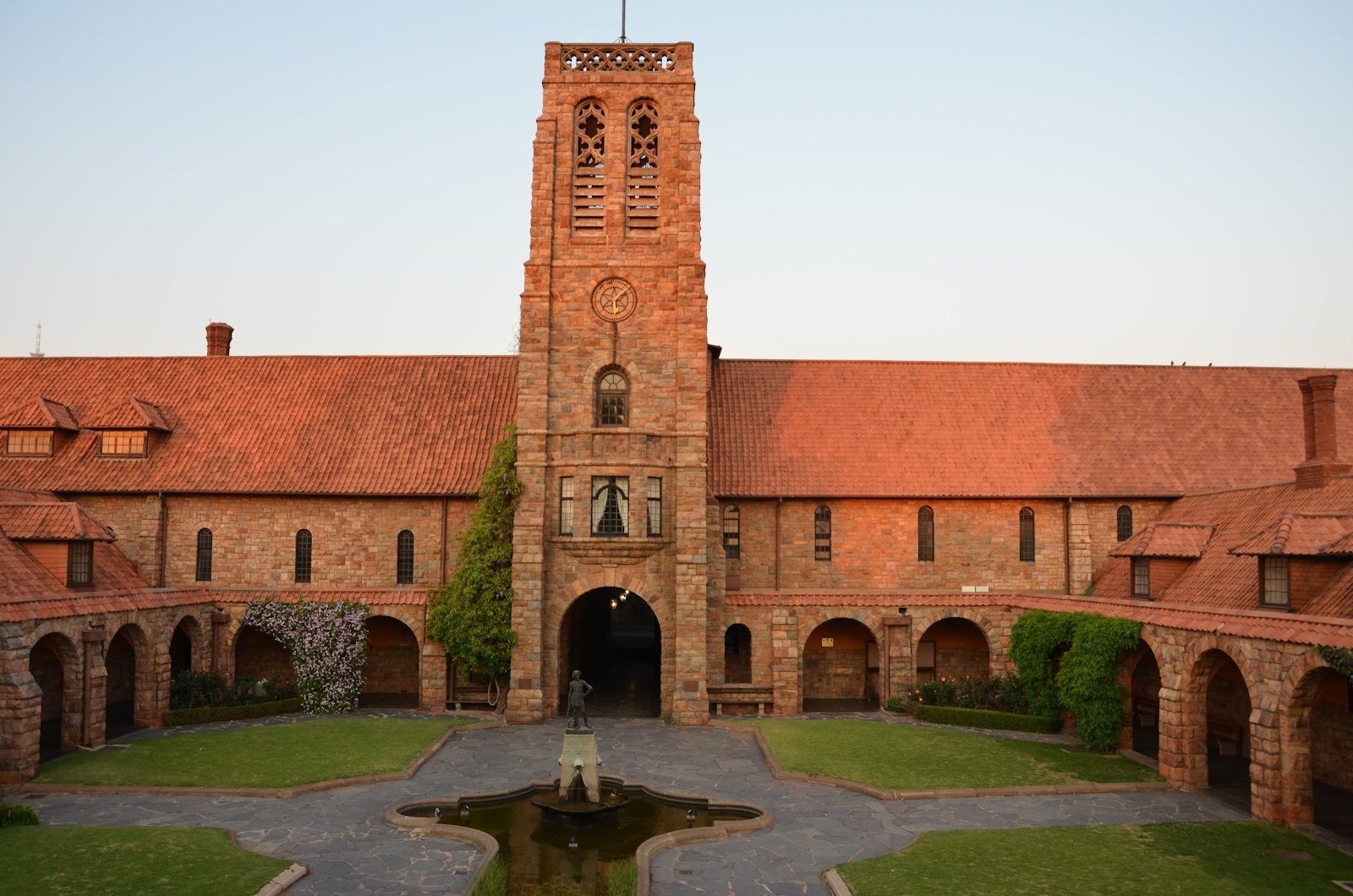
Founded twelve years after the Witwatersrand gold rush, this Anglican boarding college blends Herbert Baker quadrangles with a four-house pastoral tradition
Same country and curriculum — closest matches within ±10 points either way