
Karnataka
Bishop Cotton Boys' School
medium confidence· 4/6 cats · 1.88 avg sourcesWhere Indian scouting was born in 1909, a 14-acre St. Mark's Road campus still runs on century-old house traditions.

Photo © Map Guy via Google Maps
Type
Both
Ages
4–18
Curriculum
Indian National
Qualifications
ICSE · ISC
Ratio
—
The Verdict
Editor's commitment
Right for
Families wanting an English-medium Christian school in Bengaluru with CISCE, boys' day and boarding, and a campus operating since 1865.
Wrong for
Parents seeking co-education, a non-Indian curriculum, or a school that publishes hard outcome data beyond 7000+ students and 352 faculty.
Watch out for
The school pushes rankings and 'Eton of the East' rhetoric; what it does not publish is aggregate CISCE results, university destinations or boarding detail.
Ranking breakdown
Bishop Cotton Boys' School · #753 of 1591
Composite score 64.7. 8 weighted criteria.
By criterion
Academic Outcomes
Weight 20%
#855
of 1529 scored
University Placement
Weight 16%
#911
of 1529 scored
Prestige & Heritage
Weight 12%
#723
of 1571 scored
Alumni Network
Weight 12%
#473
of 1530 scored
Facilities
Weight 12%
#1045
of 1534 scored
Transparency & Communications
Weight 8%
#1000
of 1532 scored
Peer & Industry Review
Weight 10%
#891
of 1548 scored
Admissions Selectivity & Demand
Weight 8%
#647
of 1529 scored
Peer & Industry Review
How Bishop Cotton Boys' School is regarded in the sector
65
Respected · medium confidence
Bishop Cotton Boys' School, one of Bangalore's oldest institutions (founded 1865), consistently appears in independent 'best schools in Bangalore/India' rankings and education press round-ups (e.g. Careers360, Times of India education supplements) and is known for a strong regional alumni network including notable figures in business, sports and public life. However, it lacks the international specialist press coverage (Tatler, Good Schools Guide) typical of top-tier global reputations, placing it as a well-regarded regional heritage school rather than a nationally unanimous top-tier name.
Evidence sources
Editors' overview
Bishop Cotton Boys' School occupies a rare place in Bengaluru’s market: a historic Christian boys’ school in the city centre with day and boarding provision, a large age range from 4–18, and the CISCE pathway delivered in English. Founded in 1865, it trades on institutional longevity with justification. The St. Mark’s Road setting, old house culture and the school’s connection to Indian scouting give it a deep sense of inheritance that newer premium schools cannot copy. For parents who want an Indian school with strong ceremonial life, visible discipline and a clear moral frame, Cotton’s has immediate pull.
What distinguishes it is not curricular novelty but continuity. This is not a progressive experiment or an international-school hybrid. It is a traditional urban school with Christian roots, longstanding routines and a public identity built around tradition under pressure, structured boyhood, visible discipline and institutional memory. The school itself leans hard on scale and prestige, citing 7,000+ students and 352 faculty, alongside grand ranking claims that parents should treat with caution. Those claims are promotional, not a substitute for hard academic data. We have not seen aggregate board results or destination figures in the public domain. That matters. Cotton’s reputation is strong; its published evidence base is thinner than the rhetoric.
It belongs on a shortlist for families who value old-school confidence, breadth of activity, a central Bengaluru location and a school culture that still takes houses, sport, ceremony and character formation seriously. It will suit boys who thrive in a populous, tradition-heavy environment rather than a soft, bespoke one; boys who enjoy belonging to something larger than themselves; and families comfortable with a school that expects adaptation to its culture, not the reverse. It is less compelling for parents seeking pastoral intimacy, progressive teaching language or transparent, data-led academic reporting. In market terms, Bishop Cotton remains one of Bengaluru’s flagship legacy schools: prestige with provenance, substantial scale, and a brand built over more than 150 years.
Academic Performance
Academic transparency is the weak point. The school’s public messaging leans on prestige, longevity and ranking language, yet it does not publish the numbers that matter most in this section: aggregate CISCE outcomes, subject-level performance, top-score distributions, value-add data, or university destinations. That omission places it behind the better-run academic communicators in Bengaluru, which now treat board performance as standard public evidence rather than private folklore. A school of this scale — it cites 7,000+ students and 352 faculty — has the cohort size to present meaningful trends. It does not do so. For parents trying to judge academic consistency rather than brand strength, that is a serious gap, not a minor administrative oversight.
That does not mean weak results; it means opaque results. In the Indian legacy-school market, Bishop Cotton sits in the category where reputation is older than the data. Its standing with families remains strong, and large, established CISCE schools in this tier often produce a solid spread of high scorers simply through depth of intake and institutional habit. Still, peers with comparable social capital now publish enough hard evidence to justify academic claims. Cotton does not. Relative to rivals, it reads as a school with formidable name recognition and thin public proof on examination performance. Until the school releases consistent board-result reporting, parents must judge academics through admissions selectivity, classroom observation and current parent testimony rather than published outcomes.
Facilities
The school’s physical proposition rests on scale, centrality and tradition rather than architectural novelty. Its campus occupies 13 acres in a dense inner-city setting, which matters: few comparable schools in central Bengaluru retain that amount of contiguous space. For parents, the key advantage is breadth. A school of this size can sustain serious sport, assemblies, house activity and daily movement without feeling squeezed into a vertical urban footprint. The school also stresses “state of the art technology” across the campus, though it does not specify what that means in practice — no clear public breakdown of laboratories, specialist classrooms, digital systems or performance spaces. That leaves the facilities picture strong in outline and thin in detail. You can infer a campus built for mass participation and institutional ritual; you cannot verify, from the school’s own public account, the exact standard of its science, arts or sixth-form infrastructure.
Against peers, that places Bishop Cotton in an unusual bracket. It has more historic physical presence and more old-city gravitas than many newer premium schools, which often trade heritage for cleaner published specifications and more legible masterplanning. At the same time, it lacks the transparent facilities inventory that stronger communicators now provide as routine. Families choosing Cotton for facilities are buying into scale, continuity and atmosphere more than a tightly documented premium build. That will satisfy parents who value a lived-in, tradition-heavy campus. It will frustrate those who want precise evidence of specialist provision before they enquire.
What makes Bishop Cotton distinctive is not innovation but institutional ritual with real staying power
Prestige
Bishop Cotton carries high inherited prestige in Bengaluru and beyond. The name has social weight, and not only with old-boy families. It sits in the small group of Indian legacy schools whose reputation travels ahead of the child: a school people recognise, discuss and rank instinctively, whether or not the published evidence always keeps pace. The school itself pushes that status hard, invoking the “Eton of the East” line and prominent ranking claims. Those phrases are brand theatre, but they rest on a real foundation: long institutional memory, a Christian public identity, enduring house culture, and the confidence of a school that has occupied elite educational ground for generations. Size adds to that aura. A roll of 7,000+ and a faculty count of 352 project institutional heft on a scale few city-centre schools can match.
We rate its prestige highly because it has the markers families in this market still prize: recognisable name, social cachet, old-school ceremony, strong extracurricular tradition, and a track record of producing alumni who remain visible in public life. It also benefits from a reputation built before the age of constant data disclosure, which gives it old-regime authority but also shields it from the scrutiny newer premium schools face. That cuts both ways. Bishop Cotton is prestigious in the classic sense — admired, established, status-bearing — but less convincing when prestige is tested against transparent academic reporting. For many families, the badge still carries force. For exacting parents, the brand outruns the public proof.
Cotton’s uniqueness lies in that combination of old-regime confidence, mass scale and enduring male-school tradition
Communications
Parent communication does not meet the standard the school’s stature demands. The public website carries an on-page technical error on the About Us section, leans heavily on slogan and self-congratulation, and offers little of the operational clarity parents actually need. The school foregrounds prestige language, scale claims such as 7,000+ students and 352 faculty, and broad assertions about excellence; it does not foreground the mechanics of school life with the same discipline. We have not seen strong public evidence of a communication culture built on precision, regular disclosure or parent-facing transparency. For a large, tradition-heavy institution, that matters. Families need clean navigation, current notices, clear leadership messaging and routine publication of consequential information. The school’s public-facing communication, at least on its main pages, reads as brand-first rather than parent-first.
That does not mean parents receive poor direct communication once enrolled; it means the school does not prove strong communication in public. In schools with this level of demand and reputation, weak public communication often reflects an institutional assumption that the name carries the load. Sometimes it does. Exacting parents, though, will read the signs differently: technical untidiness, inflated ranking rhetoric and thin informational depth point to a communications function that is old-school, opaque and insufficiently rigorous. Families comfortable with institutional confidence will tolerate that. Families who want crisp, modern, low-friction communication will find it behind the curve.
Uniqueness
What makes Bishop Cotton distinctive is not innovation but *institutional ritual with real staying power*. This is a boys’ school where house identity, chapel-rooted ethos, discipline and public ceremony still shape the day rather than decorating the prospectus. Its origin story also carries unusual weight: the school traces the birth of Indian scouting to its grounds, which gives its co-curricular culture more historical substance than the standard leadership rhetoric. For students, that creates a highly codified environment in which belonging is built through collective routines, inter-house competition and inherited custom. Boys who enjoy structure, public standards and team life gain a strong sense of placement inside something older and larger than themselves. Boys who want loose edges and constant individual tailoring will find the culture demanding.
Its scale intensifies that effect. A community of 7,000+ students and 352 faculty does not operate like an intimate boutique school; it operates like a full civic institution. That brings advantages: breadth of participation, critical mass in sport and activities, and a social education that teaches boys to hold their place in a large, hierarchical setting. It also brings impersonality. Cotton’s uniqueness lies in that combination of old-regime confidence, mass scale and enduring male-school tradition. In the right student, it builds resilience, loyalty, stage presence and competitive instinct. In the wrong one, it can feel unyielding.
Founded in 1865, it trades on institutional longevity with justification
Student Profile
The boys who flourish here are comfortable inside a high-structure, tradition-heavy culture where the institution sets the tone and the student adjusts to it. This is a school for boys who can handle noise, scale and hierarchy without needing constant reassurance. House loyalties, assemblies, sport, discipline and public expectations all carry real weight. A child who enjoys competition, responds to clear rules and likes being part of a large, visible community will find plenty to work with. A boy who wants a soft-edged, highly individualised environment will not. The school’s own headline scale — 7,000+ students and 352 faculty — points to a student body that functions less like a close pastoral enclave and more like a full institutional society.
Socially, the fit is strongest for families who value heritage, Christian moral framing and the older grammar of school life: respect, routine, grooming, punctuality, team participation. This suits boys with stamina, presence and a willingness to be known as one among many before they earn distinction. It also suits boarders and day boys who want a school identity with public force rather than private delicacy. The less suitable profile is just as clear: boys who are easily lost in crowds, resistant to formal discipline, indifferent to sport or allergic to institutional ritual. Cotton rewards resilience and conformity to a strong culture. It is *not a school that bends itself around the child*.
Mark’s Road setting, old house culture and the school’s connection to Indian scouting give it a deep sense of inheritance that newer premium schools cannot copy
Co-curricular strengths
Arts & sport, on a separate axis
Overall 7.36/10
Scored 0-10 from the school's own published evidence. This axis is editorial-only — it does not feed the main WTS ranking.
Sports
8.5/10
Drama
7.5/10
Dance
5/10
Music
8/10
Visual Arts
7.8/10
Editor first-pass · editor-reviewable · 7/30/2026
Strengths
- +Founded in 1865, making it one of the oldest and most established schools in Bengaluru with a long institutional history.
- +Affiliated with the ICSE/ISC board, giving students a nationally recognised qualification pathway into Indian universities and competitive exams.
- +Long-standing reputation for sport, particularly rugby, which the school is credited with helping popularise in India.
- +Central Bengaluru location (Residency Road area) gives easy access to the city rather than a remote suburban campus.
- +As an all-boys day school on the Indian board, fees are generally lower than comparable international-curriculum schools in the same city.
Considerations
- −Single-sex institution, so families seeking co-education for their sons will need to look elsewhere.
- −Indian National (ICSE/ISC) curriculum only, with no IB or A-Level track, which can complicate transfers for expat families planning an international university route.
- −High demand for a heritage-brand school means admissions, especially at entry points beyond kindergarten, can be competitive and seat availability limited.
- −Older, centrally located campus infrastructure may feel more traditional and space-constrained compared to newer purpose-built international schools.
Availability
Primary entry gate & tests
Academic Record
Gallery
Photo © umendra R via Google Maps
Photo © umendra R via Google Maps
Photo © Map Guy via Google Maps
Photo © RASALAM V via Google Maps
Photo © RASALAM V via Google Maps
Parent reviews
Have you sent your child here?
Voice reviews carry the strongest trust badge — we transcribe them for you to tidy up before they go live. Prefer to type? A written review is fine too.
Add your voice
In 60 seconds, tell other parents: what's the best thing about Bishop Cotton Boys' School, and what surprised you when your child joined?
We ask for a Google sign-in so every review has a real face behind it — no anonymous drive-by attacks on schools, and no faked positive reviews. Your email is never shown publicly.
Send this profile to a friend
International parents rely on word-of-mouth. Share this review with someone weighing the same decision.
Schools with places
Similar schools to Bishop Cotton Boys' School with places available now.
Woodstock School
Mussoorie · India
- 2026-27
- CLOSED
- 2027-28
- OPENS SOONOpens 17 Aug '26
The Lawrence School, Sanawar
Solan · India
- 2026-27
- WAITPOOLSpace-dependent
- 2027-28
- PLACES OPENRolling
The Scindia School
Gwalior · India
- 2026-27
- WAITPOOLSpace-dependent
- 2027-28
- PLACES OPENRolling
Kodaikanal International School
Kodaikanal · India
- 2026-27
- CLOSEDStandard route closed
- 2027-28
- OPENS SOONExpected Autumn '26 Reg
Availability first, then country, area, curriculum, price, co-curricular
Consider also
Also worth looking at alongside Bishop Cotton Boys' School.
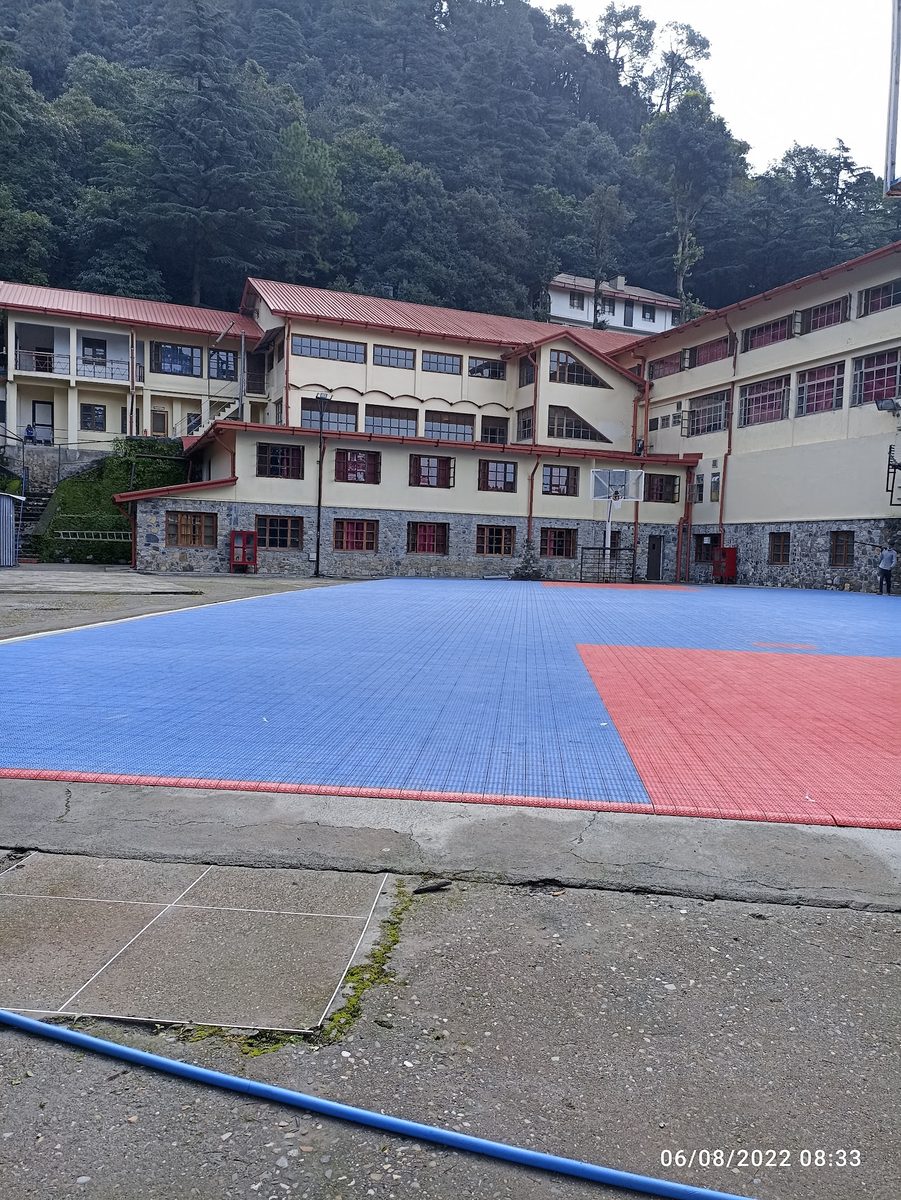
Woodstock School
Mussoorie · India
IB, American Diploma and Cambridge boarding amid the Himalayan foothills since 1854

The Lawrence School, Sanawar
Solan · India
Perched at 1,750 metres in the Shivaliks, Asia's oldest co-educational boarding school sent the first team to summit Everest in 2013.
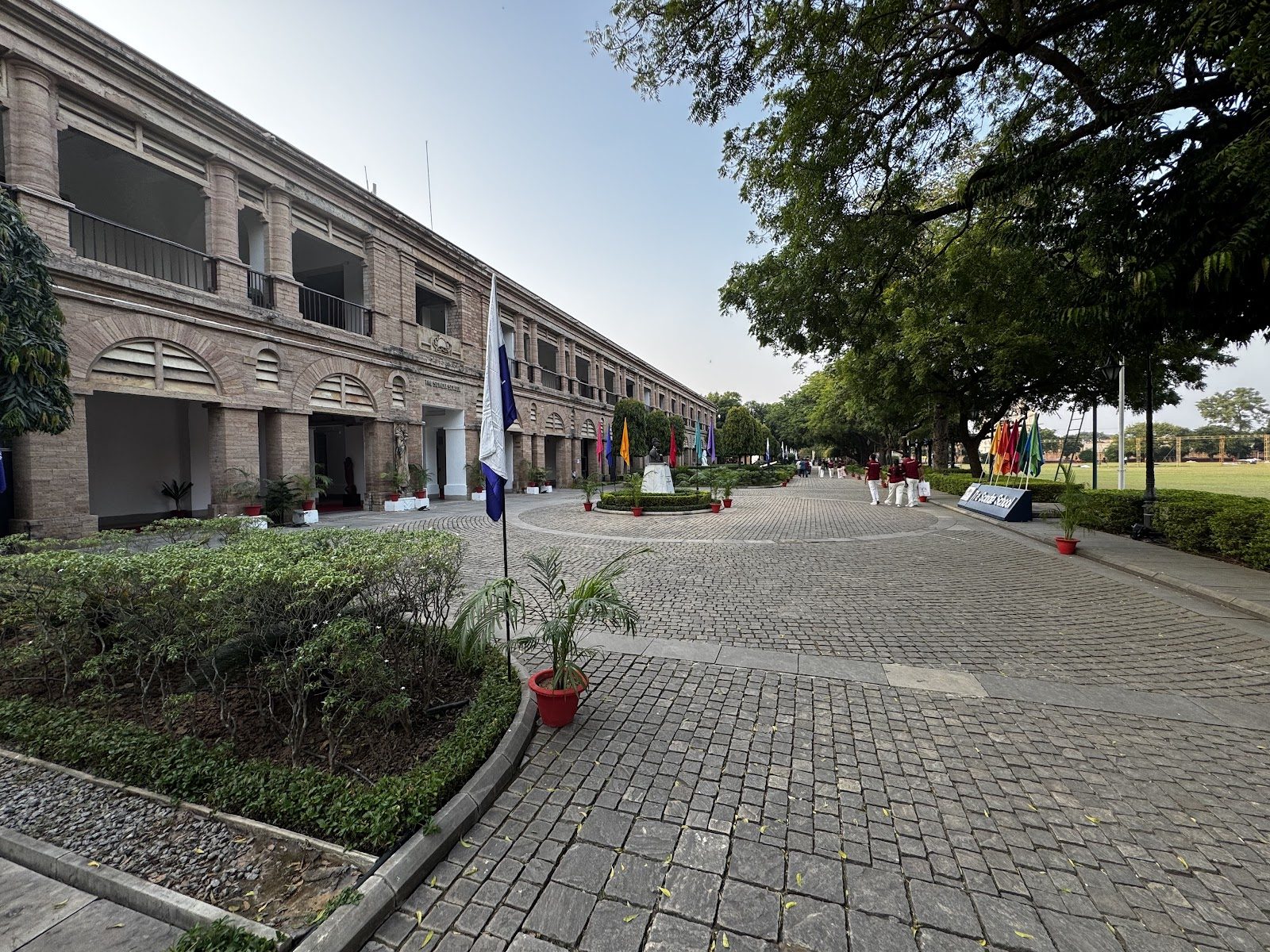
The Scindia School
Gwalior · India
Storied boys' boarding school inside Gwalior Fort, delivering a CBSE curriculum with a British public-school ethos.
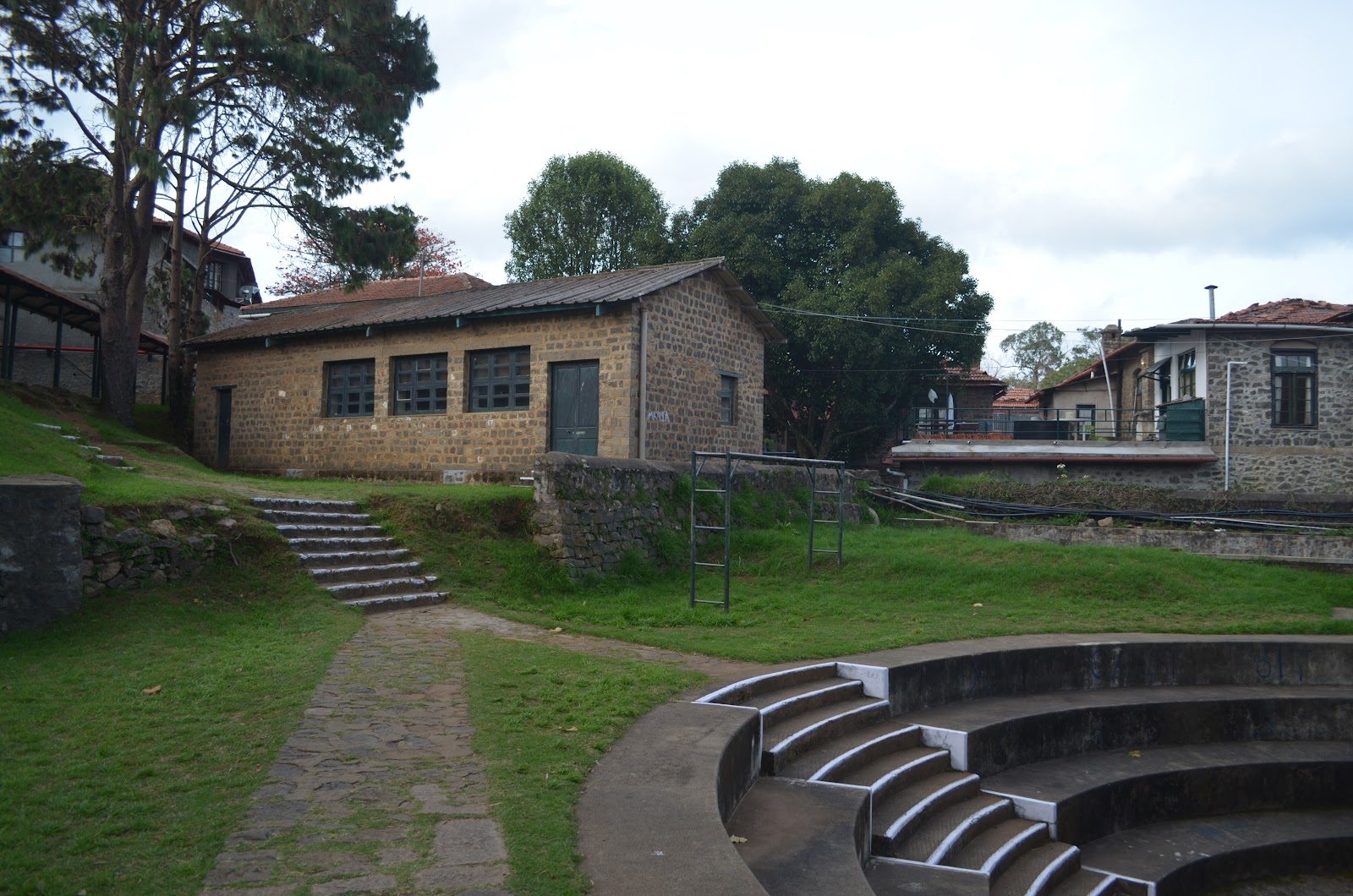
Kodaikanal International School
Kodaikanal · India
Founded in 1901 at 6,998 feet in the Palani Hills, it became India's first IB school and runs its own 135-acre wilderness campus for outdoor learning.
Same country and curriculum — closest matches within ±10 points either way