
Dubai
Star International School Mirdif
medium confidence· 4/6 cats · 3.2 avg sourcesAn Acer Showcase School in Mirdif, where AI-enhanced classrooms and STEAM+ labs anchor a British-curriculum community of eighty-plus nationalities.
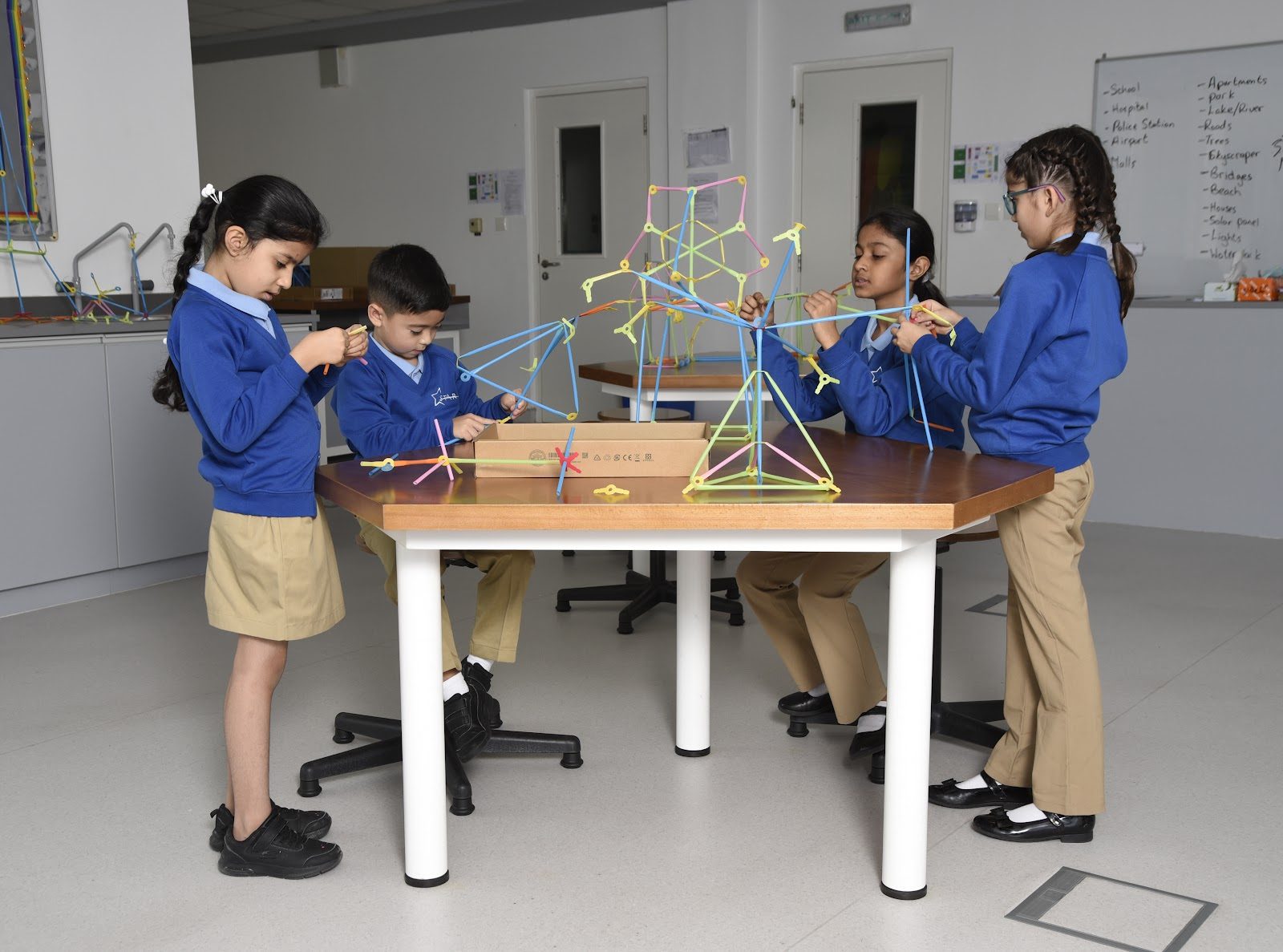
Photo © Star International School, Mirdif via Google Maps
Type
Day
Ages
3–16
Curriculum
British
Qualifications
IGCSE
Ratio
—
The Verdict
Editor's commitment
Right for
Dubai families wanting a British day school for ages 3–16, with English teaching and an AI-heavy, STEAM-led pitch.
Wrong for
Parents wanting boarding, a sixth form beyond age 16, or anything other than a British curriculum in English.
Watch out for
The average annual fee is AED 53,034; founded in 2005, it sells modernity hard, so test whether substance matches the tech gloss.
Ranking breakdown
Star International School Mirdif · #1015 of 1591
Composite score 62.0. 8 weighted criteria.
By criterion
Academic Outcomes
Weight 20%
#857
of 1529 scored
University Placement
Weight 16%
#911
of 1529 scored
Prestige & Heritage
Weight 12%
#1219
of 1571 scored
Alumni Network
Weight 12%
#995
of 1530 scored
Facilities
Weight 12%
#489
of 1533 scored
Transparency & Communications
Weight 8%
#515
of 1532 scored
Peer & Industry Review
Weight 10%
#1353
of 1548 scored
Admissions Selectivity & Demand
Weight 8%
#1419
of 1529 scored
Score history
Star International School Mirdif · 2026
Movement across 2024–2026. Peer average overlaid.
Overall — 2024–2026
62.0/ 100
▲ +35.1 vs 2025
year on year
Peer & Industry Review
How Star International School Mirdif is regarded in the sector
54
Credible · medium confidence
Star International School Mirdif is best described as a well-liked neighbourhood British curriculum school rather than a sector benchmark, with its 2022 acquisition by International Schools Partnership cited by WhichSchoolAdvisor as bringing 'stability, financial investment and access to a network of international expertise.' WhichSchoolAdvisor's own survey coverage remains thin, though what feedback exists points to a genuine 'family feel,' echoed by a KHDA inspection noting parents 'feel welcomed and valued by the school.' SchoolsCompared's earlier verdict credited the school with achieving 'Good School' status from the Dubai Inspectorate with identified Very Good features, praising its 'small school dynamics' and pastoral warmth. Peer and press visibility is real but modest, reflecting a solid, community-anchored reputation rather than the wider industry standing enjoyed by Dubai's flagship British schools.
Evidence sources
Editors' overview
What sets Star International School Mirdif apart is not heritage, selectivity or grand scale, but a clear bet on classroom technology. This is a British-curriculum day school in Dubai for ages 3 to 16, founded in 2005, and it leans hard into AI-enhanced teaching, STEAM+ spaces and Acer Showcase School credentials. That gives it a more future-facing identity than many mid-market Dubai schools that still talk in generic terms about innovation. The location matters too: Mirdif draws families who want a settled residential catchment rather than the longer cross-city commute that comes with some of the emirate’s better-known school clusters. The average annual day fee is AED 53,034, which places it in the competitive middle of the market rather than the premium tier.
The school’s appeal rests in that combination of accessible fees, a broad international intake and a technology-led pitch that is more specific than the usual brochure language. With English as the language of instruction, no religious designation and a community spanning more than eighty nationalities, it offers a conspicuously cosmopolitan setting without the social exclusivity that shadows some Dubai brands. Parents who want a British framework but do not need the old-guard prestige model will find the proposition straightforward: a practical, modern school with a visible interest in digital fluency and applied learning. The age range, 3–16, also tells its own story. This is a school for families focused on the early years through IGCSE stage, not a through-school running to sixth form.
The right pupil for Star International School Mirdif is the child who likes making, building, coding and testing ideas rather than sitting inside a narrowly academic culture. This feels strongest for families who value hands-on learning and day-to-day school experience over brand theatre. It will also suit internationally mobile households who want an English-medium British curriculum in Dubai without paying top-bracket fees. The limitation is plain: parents who want an all-through school to 18, a published sixth form pathway, or the signalling power of a long-established elite name will look elsewhere. For the right family, though, Star Mirdif earns shortlist status because it is clear about its lane: modern, tech-led, international and priced below the city’s prestige segment.
Academic Performance
Star International School Mirdif does not publish aggregate IGCSE results in the public domain. There is no school-level run of headline pass rates, top-grade percentages or subject-by-subject outcomes that would let parents place it cleanly against Dubai’s stronger British schools. That matters. In a market where many competitors advertise exam data aggressively, the absence of a consolidated results picture leaves academic performance hard to verify and less legible than it should be. For a school serving pupils through the external-exam years, that is a real weakness in public accountability.
That does not mean weak outcomes; it means opaque ones. Without published benchmarks, Star Mirdif sits outside the city’s clearly evidenced academic leaders and outside the group of schools that use results transparency as a selling point. Its position looks *middle-market rather than high-performing flagship*: a school whose case rests more on day-to-day provision, classroom experience and breadth of offer than on a results-driven reputation. Parents who prize measurable exam performance need to ask for the last 3 years of IGCSE results, grade distributions, value-added data and destination lists before treating academic claims as proven. Until the school discloses that information, its exam profile remains insufficiently evidenced beside better-documented peers.
Facilities
The strongest part of Star International School Mirdif’s physical offer is the technology and applied-learning layer. The school puts real weight behind STEAM+ rather than treating it as a token room with a few devices: the key draw is a set of specialist spaces built around making, experimentation and digital work, tied to its classroom use of AI tools and Acer-linked hardware. That gives it a clear practical edge over many mid-market British schools, where “innovation” still amounts to interactive screens and a robotics club. For families who want children to build, test, code and present work in dedicated environments, this is a serious point of difference. The international mix also matters in day-to-day school life, and a community spanning 80+ nationalities gives shared spaces a genuinely mixed social character rather than a narrow enclave feel.
Against Dubai peers, though, this is not a campus that competes on spectacle. There is no public case for vast grounds, heavyweight theatre facilities, elite-level sports provision or the kind of architectural scale that premium schools use to justify top-fee positioning. The facilities case rests on usefulness rather than grandeur: specialist learning spaces that support classroom practice, not destination-campus bragging rights. That is a sensible fit for the school’s market segment. Parents looking for expansive sports complexes and prestige infrastructure will find stronger options elsewhere; parents looking for well-targeted, modern facilities that support everyday learning will find the offer more convincing.
Star International School Mirdif’s distinctiveness lies in the way it treats technology as a working classroom tool rather than a slogan
Prestige
Star International School Mirdif sits in Dubai’s crowded middle tier, not the city’s prestige bracket. Its status rests on functional strengths rather than cachet: a broad international parent body, a practical local catchment and a technology-heavy classroom proposition that gives it a recognisable identity. The community spans more than 80 nationalities, which carries social breadth, but diversity on its own does not confer rank. Nor do mid-market fees. Prestige in this market still flows from a different mix: long-standing exam dominance, sixth-form outcomes, selective admissions, deep alumni networks and the kind of name recognition that travels across neighbourhoods and borders. Star Mirdif does not trade on that terrain. It reads as credible rather than coveted, modern rather than grand, and serviceable rather than status-laden.
That rating also reflects what the school does not offer. It stops before the final pre-university years, which cuts off one of the main engines of reputation-building in British schools: A-level results and university destinations. Public academic data are also thin, so there is no hard results narrative to elevate the brand. What parents are buying here is not social signalling; it is a workmanlike school experience with a distinct digital bent and fees that average AED 53,034 a year across the full age range. For families who care more about day-to-day fit than badge value, that is enough. For families chasing top-tier prestige, it is not.
What sets Star International School Mirdif apart is not heritage, selectivity or grand scale, but a clear bet on classroom technology
Communications
Star International School Mirdif communicates in the way many competent mid-market schools now do: frequent digital updates, clear event promotion, visible celebration of pupil work and a steady stream of classroom-facing news. The school’s public voice is active rather than polished to death. Parents get a good sense of what children are doing, especially around projects, performances, themed days and technology-rich learning. That matters because the school’s identity depends on showing practice, not just making claims. The breadth of the parent body — more than 80 nationalities — also raises the bar on clarity. A school serving that mix needs instructions, dates and expectations to be plainly organised and easy to follow. On that front, the communication style reads as functional, parent-aware and geared to everyday school life rather than brand theatre.
The limitation is depth. There is a difference between being visible and being fully transparent, and this school lands more securely in the first category than the second. Public-facing communication gives parents a usable feel for culture and activity, but not the same hard-edged clarity on outcomes, strategic priorities or whole-school performance that stronger communicators provide. That weakens trust at the more discerning end of the market. Families who want warm, regular contact and practical information will find the school reassuringly direct. Families who expect forensic disclosure on results, leadership priorities and long-term academic trajectory will find the communications model serviceable rather than exacting.
Uniqueness
Star International School Mirdif’s distinctiveness lies in the way it treats technology as a working classroom tool rather than a slogan. Plenty of schools advertise innovation; fewer build a daily model around it. Here, the AI element, the device ecosystem and the STEAM+ spaces form a joined-up proposition with a clear practical purpose: pupils do not just consume digital tools, they learn to use them to test ideas, solve problems and produce work. That gives the school a more concrete identity than competitors that lean on vague future-skills language. The Acer connection adds another layer. It places the school inside a recognisable technology framework, which gives its digital pitch more substance than the generic “tech-enabled learning” line common in the market.
What that brings to students is a school experience shaped less by old-status rituals and more by applied learning. For children who think best through projects, prototypes and visible outputs, that matters. The broad international intake — more than 80 nationalities — also sharpens that experience: collaboration happens across a genuinely mixed student body, which gives group work and classroom discussion a wider social range than in more monocultural settings. The result is a school with a clear operational character: practical, outward-looking and comfortable with contemporary tools. That will not satisfy families chasing elite-brand polish or a traditional academic aura. It does give the right student a usefully modern education built around making and doing, not just memorising and performing.
Star International School Mirdif does not publish aggregate IGCSE results in the public domain
Student Profile
The students who fit best here are curious, practical and happy in a school that asks them to participate rather than coast. This is not the right environment for a child who wants old-school formality, heavy academic status culture or a socially rarefied peer group. It suits pupils who enjoy projects, group work, performances and visible classroom activity; children who like making things, trying ideas out and speaking up tend to get more from this sort of setting than those who want a high-pressure hothouse built around exam prestige. The social mix is one of the school’s clearest strengths. With families drawn from more than 80 nationalities, pupils grow up in a genuinely international community where difference is normal, not staged for prospectus effect.
It also fits families who value access and day-to-day warmth over exclusivity. The school’s public character points to children who are sociable, adaptable and comfortable in a busy, outward-facing environment. New arrivals to Dubai, internationally mobile families and parents who want a grounded, mixed intake rather than a status-driven one will find the student body more appealing than schools built around cachet. The weaker fit is the child who needs a deeply traditional academic atmosphere, a narrow peer cohort or the social signalling that attaches to the city’s better-known premium brands. For the right student, this is a lively, unpretentious place to grow up.
The strongest part of Star International School Mirdif’s physical offer is the technology and applied-learning layer
Co-curricular strengths
Arts & sport, on a separate axis
Overall 8.62/10
Scored 0-10 from the school's own published evidence. This axis is editorial-only — it does not feed the main WTS ranking.
Sports
9/10
Football, Basketball, Swimming and Athletics as extracurriculars, showing a solid multi-sport offering but with no named facilities, staff, leagues or results described.
Drama
8.6/10
Drama Club is offered, but there is no further detail on productions, facilities, staff or programme depth.
Dance
8.4/10
Dance is offered.
Music
8.5/10
Choir is offered, which is enough to evidence music provision, but there is no further detail on ensembles, facilities or specialist staff.
Visual Arts
8.6/10
Art Club is offered, but there is no additional evidence of facilities, exhibitions, curriculum strength or specialist art provision.
Editor first-pass · editor-reviewable · 7/27/2026
Strengths
- +British curriculum throughout ages 3–16
- +English-medium teaching suits many expatriate families
- +Day school structure avoids boarding commitment
- +Non-religious setting may suit secular households
Considerations
- −No boarding option for families wanting residential provision
- −Only to age 16, so sixth form absent
- −British-only curriculum limits non-British pathway choice
Availability
Primary entry gate & tests
CAT4 / Assessment
Gallery
Photo © Star International School, Mirdif via Google Maps
Photo © Star International School, Mirdif via Google Maps
Photo © Star International School, Mirdif via Google Maps
Photo © Star International School, Mirdif via Google Maps
Photo © Star International School, Mirdif via Google Maps
Recommended reading
Independent write-ups of this school from editorial outlets we trust.
- Star International School Mirdif ReviewWhichSchoolAdvisor
- Star International School Mirdif Review 2024SchoolsCompared
Parent reviews
Have you sent your child here?
Voice reviews carry the strongest trust badge — we transcribe them for you to tidy up before they go live. Prefer to type? A written review is fine too.
Add your voice
In 60 seconds, tell other parents: what's the best thing about Star International School Mirdif, and what surprised you when your child joined?
We ask for a Google sign-in so every review has a real face behind it — no anonymous drive-by attacks on schools, and no faked positive reviews. Your email is never shown publicly.
Send this profile to a friend
International parents rely on word-of-mouth. Share this review with someone weighing the same decision.
Schools with places
Similar schools to Star International School Mirdif with places available now.
Raffles International School
Dubai · United Arab Emirates
- 2026-27
- PLACES OPENApps open / space-dependent
- 2027-28
- WAITPOOL2027/28 timetable TBC
GEMS Royal Dubai School
Dubai · United Arab Emirates
- 2026-27
- PLACES OPENApps open / space-dependent
- 2027-28
- WAITPOOL2027/28 timetable TBC
South View School
Dubai · United Arab Emirates
- 2026-27
- PLACES OPENApps open / space-dependent
- 2027-28
- WAITPOOL2027/28 timetable TBC
Sunmarke School
Dubai · United Arab Emirates
- 2026-27
- PLACES OPENApps open / space-dependent
- 2027-28
- WAITPOOL2027/28 timetable TBC
Availability first, then country, area, curriculum, price, co-curricular
Consider also
Also worth looking at alongside Star International School Mirdif.
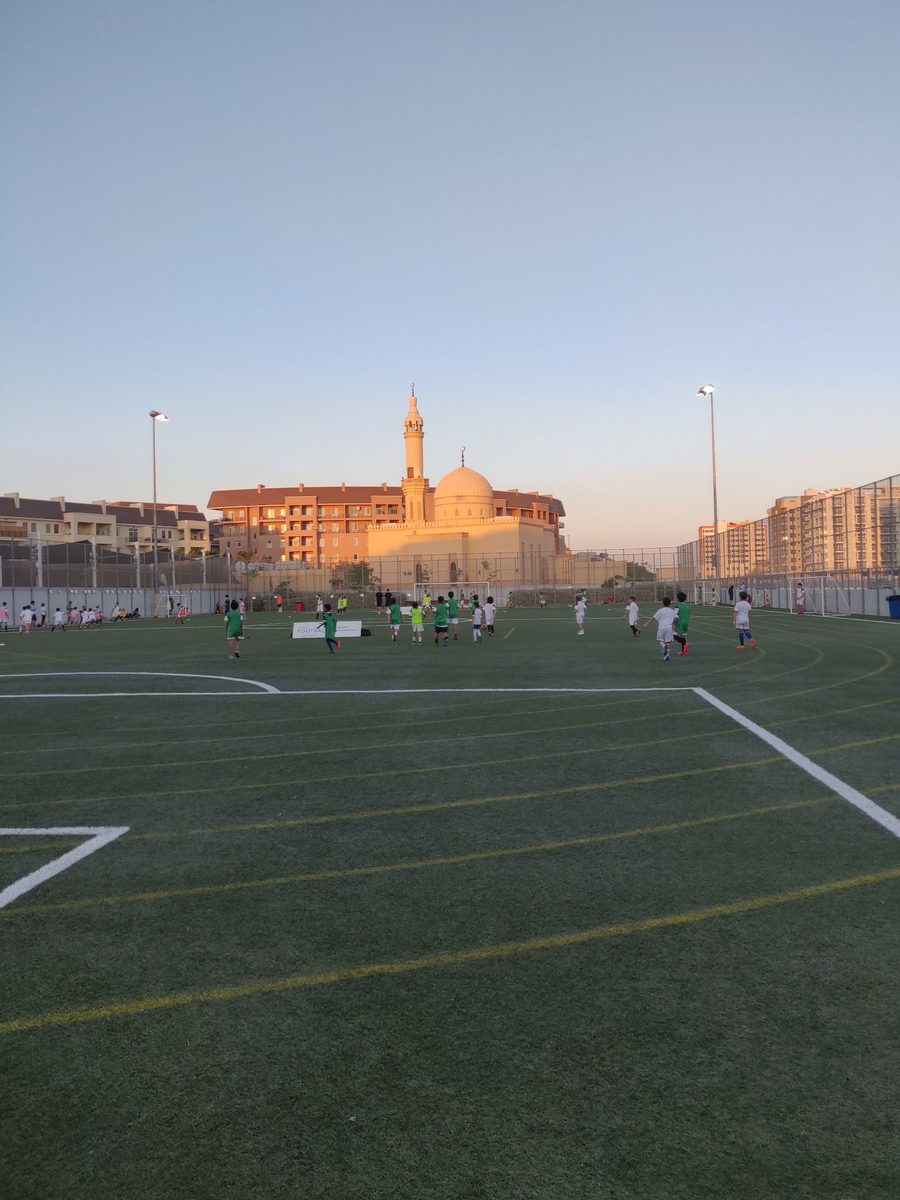
GEMS Metropole School
Dubai · United Arab Emirates
In Motor City, a working school farm and Forest School classrooms bring the British curriculum outdoors from Foundation Stage onward.
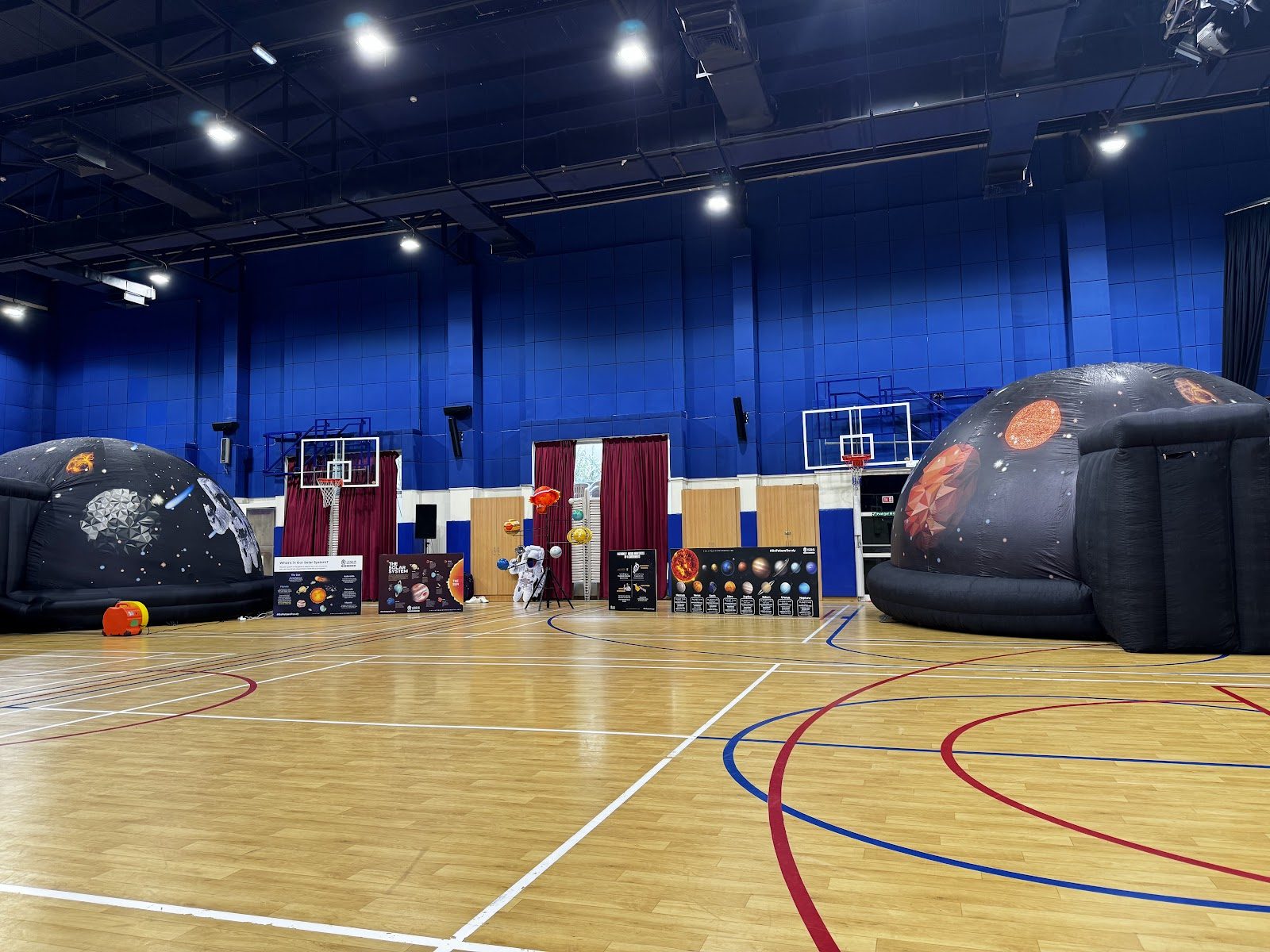
The Winchester School
Dubai · United Arab Emirates
British curriculum meets Gulf identity: houses named Dhow, Falcon, Khanjar and Camel anchor this Dubailand campus's decade-long climb to a Good rating.
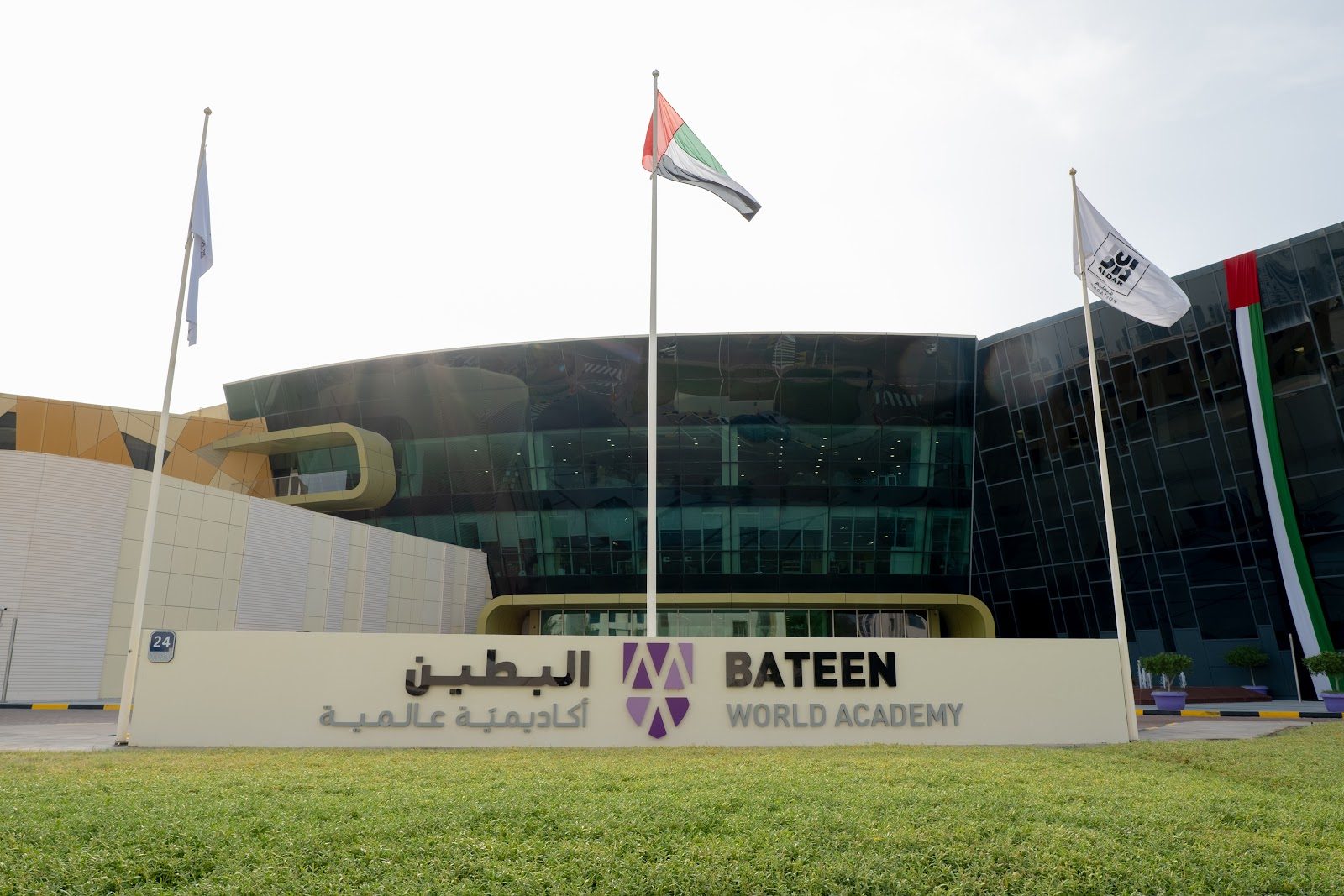
Bateen World Academy
Abu Dhabi · United Arab Emirates
From Reggio Emilia early years through IGCSEs to both the IB Diploma and Career-related routes, strong multiple pathways underpin this well regarded school.
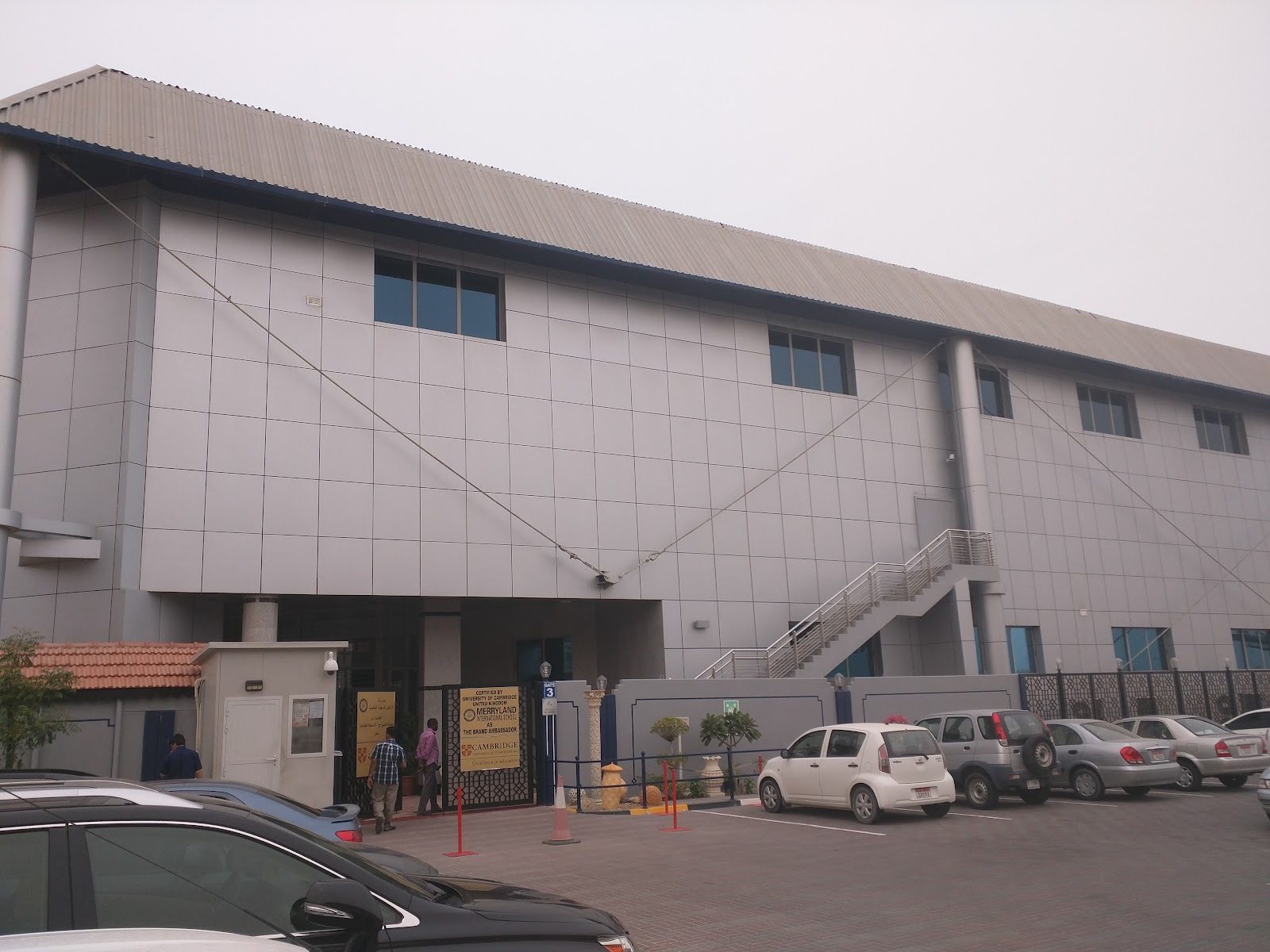
Merryland International School
Abu Dhabi · United Arab Emirates
In Mussaffah, this Cambridge pilot school holds Abu Dhabi's top ADEK rating at a fraction of premium British-school fees.
Same country and curriculum — closest matches within ±10 points either way