
Dubai
Raffles International School
medium confidence· 4/6 cats · 3.17 avg sourcesIn the shadow of the Burj Al Arab, a British day school posting four straight Very Good ratings and 100% university placement.
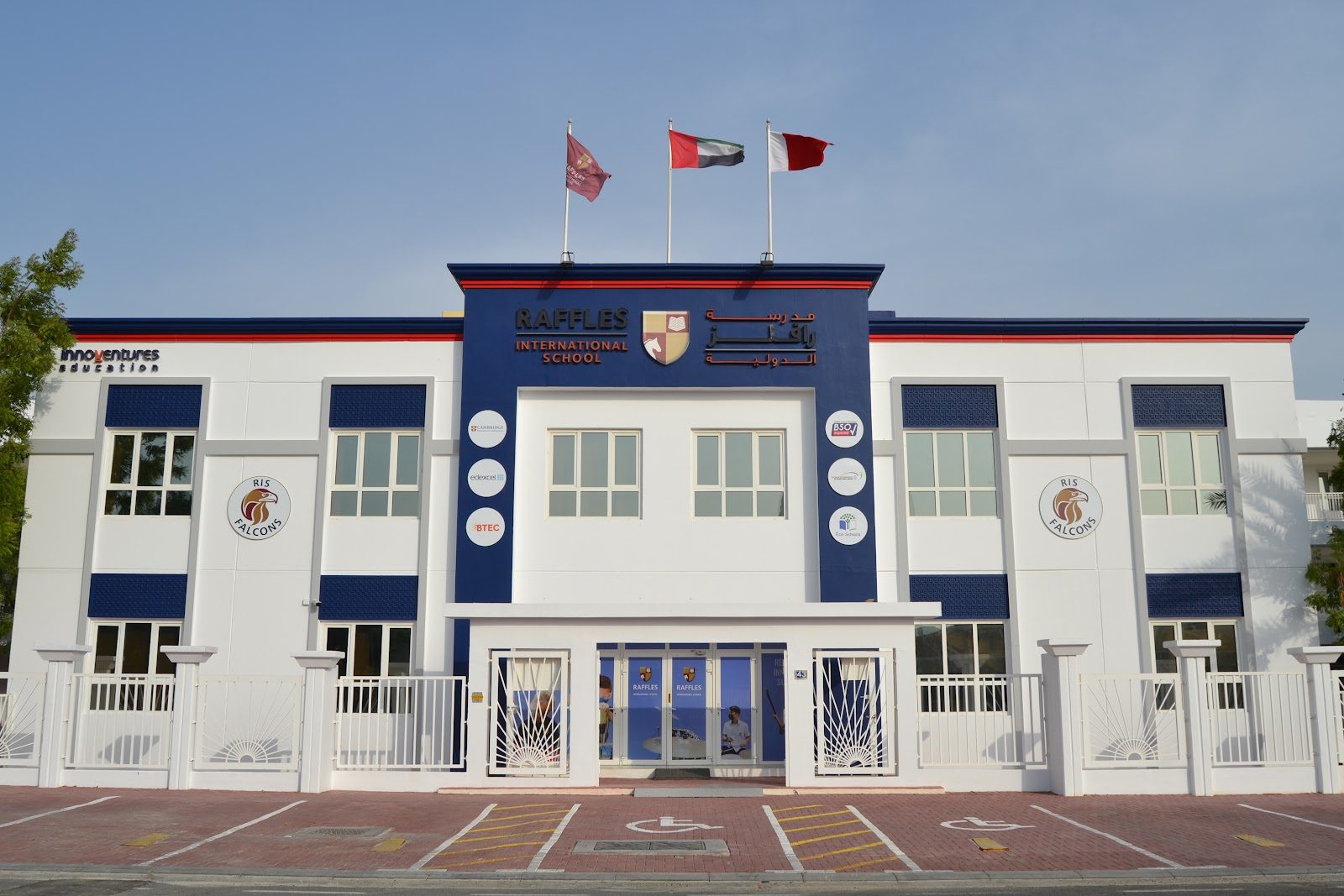
Photo © Raffles International School via Google Maps
Type
Day
Ages
3–18
Curriculum
British
Qualifications
A-Level · IGCSE
Ratio
—
The Verdict
Editor's commitment
Right for
Dubai families wanting a British day school for ages 3–18 with English teaching, founded in 2007 and charging AED 62,175 on average.
Wrong for
Families wanting boarding, religious formation or a non-British curriculum; this is a secular day school in Dubai for ages 3–18.
Watch out for
AED 62,175 a year on average is expensive, and 100% university placement says nothing about destination quality or academic depth.
Ranking breakdown
Raffles International School · #910 of 1591
Composite score 64.6. 8 weighted criteria.
By criterion
Academic Outcomes
Weight 20%
#667
of 1529 scored
University Placement
Weight 16%
#736
of 1529 scored
Prestige & Heritage
Weight 12%
#1123
of 1529 scored
Alumni Network
Weight 12%
#1091
of 1529 scored
Facilities
Weight 12%
#352
of 1529 scored
Transparency & Communications
Weight 8%
#437
of 1529 scored
Peer & Industry Review
Weight 10%
#1203
of 1529 scored
Admissions Selectivity & Demand
Weight 8%
#1370
of 1529 scored
Score history
Raffles International School · 2026
Movement across 2024–2026. Peer average overlaid.
Overall — 2024–2026
64.6/ 100
▲ +32.8 vs 2025
year on year
Peer & Industry Review
How Raffles International School is regarded in the sector
66
Respected · high confidence
Raffles International School is established as a solid, respected fixture within Dubai's British curriculum sector, sitting inside the well-regarded Innoventures Education stable alongside Dubai International Academy. SchoolsCompared.com's verdict calls it a "crown jewel" within that portfolio, praising a school "brimming with warmth and the steadfast commitment" to personalised education, and its Top Schools Awards recognition adds independent peer validation. Its 2025 A-Level and BTEC results followed an across-the-board Outstanding rating from British Schools Overseas, a notable step above its fourth consecutive Very Good from the KHDA that WhichSchoolAdvisor's independent review confirms. It remains, however, a tier below fully Outstanding-rated KHDA sister schools in the same group, keeping its reputation firmly respectable rather than top-tier.
Editors' overview
In a crowded Dubai market, geography still matters, and Raffles International School has a strong one: a Jumeirah location near the Burj Al Arab, in the city’s established villa-school belt rather than an outer suburban education cluster. That gives it a different feel from the giant-campus competitors. Raffles is a British day school founded in 2007, taking pupils from ages 3 to 18, and it has built a steady record rather than a flashy one. The school’s four straight KHDA Very Good ratings matter because consistency is harder to manufacture than a one-off inspection jump. So does its 100% university placement claim. Parents looking for a school with a settled identity, a full British pathway and no boarding complications will find a serious, workmanlike option here.
What marks Raffles out is not novelty but continuity. It covers the full age range, teaches in English, and keeps a clear British academic line from the early years to sixth form. That appeals to families who want a school that does the fundamentals properly and does not lurch from one strategic reinvention to the next. The average annual fee across the full ladder is AED 62,175, which places it in Dubai’s expensive mid-to-upper tier: not bargain territory, but still below the headline prices charged by the city’s most inflated premium brands. For that spend, parents are buying a Jumeirah address, an all-through structure and a school with enough maturity to feel settled rather than speculative.
The right child for Raffles is the pupil who benefits from a traditional day-school rhythm and a grounded, less theatrical environment than some of Dubai’s bigger-name schools project. This suits families who value stability, English-medium teaching and a clear British curriculum over novelty architecture or relentless brand theatre. It will also suit internationally mobile parents who want a school that can carry a child from age 3–18 without another transition. Children who thrive on intimacy, routine and a visible academic spine will fit well. Those seeking a vast campus, ultra-specialist facilities or the social scale of Dubai’s largest schools may find Raffles too restrained. For many parents, that restraint is the point.
Academic Performance
Raffles makes a clear academic claim where many Dubai schools stay vague: the school publishes headline GCSE and A Level outcomes and ties them to university destinations. Its latest reported GCSE cohort recorded a 98% pass rate, with 52% of entries at grades 7–9 and 82% at grades 5–9. At A Level, the school reports a 100% pass rate, with 67% of grades at A–B. Those are solid, credible* results rather than stratospheric ones. In Dubai’s British sector, they place Raffles above the market’s soft middle and below the city’s most selective exam factories. That distinction matters. Parents get evidence of real academic competence, but not the top-end dominance that defines the strongest selective schools.
The more useful reading is consistency across the two main exit points. GCSE performance holds up well, and sixth form results are strong enough to support progression to recognised universities without relying on inflated rhetoric. The school also states that every graduate secures a university place, which reinforces the picture of a steady, workmanlike academic culture with genuine onward traction. What is missing is broader comparative disclosure: Raffles does not publish multi-year trend data, subject-by-subject breakdowns, or the distribution of top university destinations in the level of detail that the most transparent schools provide. That leaves parents with a positive but incomplete picture: strong enough to command respect, not rich enough to settle every question.
Facilities
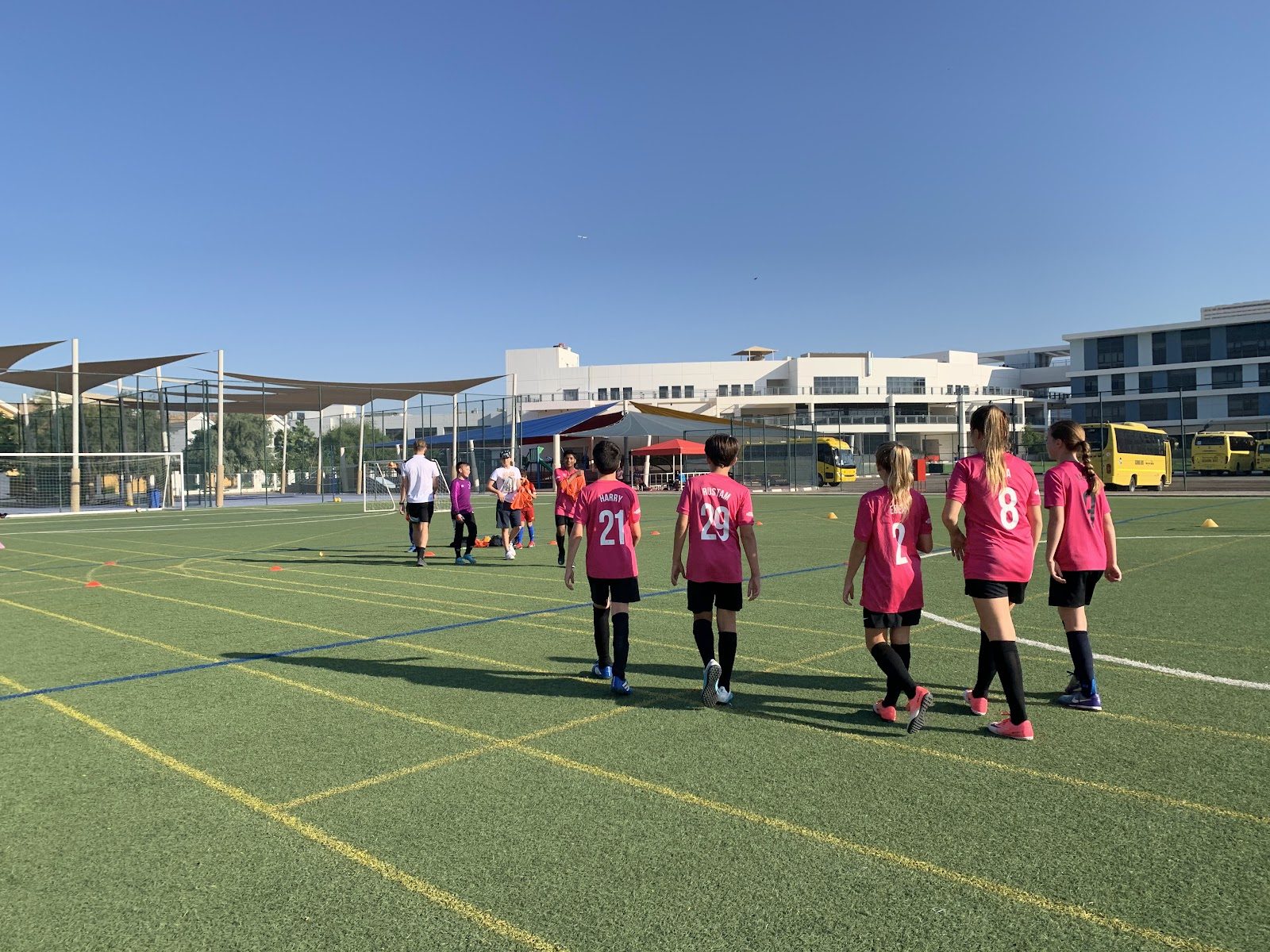
Raffles’ facilities profile fits the school’s wider character: practical rather than theatrical. This is not one of Dubai’s giant, spectacle-driven campuses with arena-scale sports provision or the kind of architectural excess designed for prospectuses first and pupils second. The strength lies in breadth across an all-through age range on a compact urban site. Parents can expect the core pieces a British day school needs to function properly — specialist science space, dedicated areas for art and music, indoor sports provision, an outdoor pool, and age-appropriate play areas for younger children — without the arms-race extravagance that defines the city’s most expensive competitors. That matters because many Jumeirah schools work within tighter footprints than the vast desert-edge campuses; the trade-off is accessibility and coherence rather than acreage.
Against its peers, Raffles sits in the credible middle-to-upper bracket for facilities: stronger than schools that make do with retrofitted villas or visibly constrained sites, weaker than the heavy-capex market leaders with elite aquatics, major theatre complexes and deeper specialist infrastructure. For day-to-day schooling, that gap is less dramatic than marketing departments imply. A family choosing Raffles is not buying landmark facilities; it is buying a campus that covers the essentials with competence and restraint. For pupils who need every conceivable specialist venue on site, the top premium schools still hold the advantage. For families who value functionality over show, Raffles’ offer is more than sufficient.
Parents get evidence of real academic competence, but not the top-end dominance that defines the strongest selective schools
Prestige
Raffles carries solid local prestige rather than elite-market cachet. In Dubai’s British sector, status still clusters around the oldest names, the most selective schools and the brands with overwhelming scale or inherited social capital. Raffles sits a tier below that. Its standing rests on something less glamorous and more durable: credible inspection consistency, a settled all-through structure and public exam outcomes strong enough to reassure serious parents. Four straight Very Good ratings matter here. So does a 100% university placement claim backed by published exit results rather than vague aspiration. This is not a school families choose for bragging rights at a dinner table; it is a school they choose because it does the job with competence and control.
That makes its prestige earned rather than inherited. The Jumeirah address helps, and so does the fact that the school has been in the market long enough to shed any start-up uncertainty. But the academic profile still reads as respectable, not rarefied. The latest reported public results support that judgement: a 98% GCSE pass rate and 100% A Level pass rate command confidence, but they do not place Raffles in Dubai’s small top bracket of exam-driven prestige schools. For many families, that is an advantage. The school offers recognition, stability and a decent university-launch record without the feverish status competition that surrounds the city’s most socially loaded campuses.
For pupils who need every conceivable specialist venue on site, the top premium schools still hold the advantage
Communications
Raffles’ parent communication reads as orderly and serviceable rather than polished to a luxury-school shine. The school keeps a conventional digital front door, with routine practical information, admissions guidance, calendar material and contact routes easy to find. That matters more than glossy storytelling. Parents need dates, procedures, named points of contact and a clear sense of how the school runs day to day; Raffles covers those essentials with sensible competence. The school also publishes headline exam outcomes and university progression claims instead of hiding behind generic language. That is a mark in its favour. Too many schools ask families to trust the brand. Raffles gives them at least some hard data.
The weakness is depth. Communication is competent, not rich. We have not seen the fuller level of public disclosure that the strongest schools now provide: detailed leadership messaging, granular academic breakdowns, regular performance trends, or a more developed picture of pupil life beyond the standard institutional outline. That does not make communication poor; it makes it functional. Parents who value prompt logistics and a straightforward school-home relationship will find enough here. Parents who want a constant stream of insight, evidence and strategic transparency will want more. In that sense, Raffles communicates like a school focused on the daily job, not on building an elaborate public narrative around it.
Uniqueness
What distinguishes Raffles is not a single trophy feature but the combination of an established Jumeirah setting, an all-through structure and a school culture that avoids Dubai’s taste for educational theatre. Many competitors sell scale, spectacle or social signalling. Raffles sells continuity. A child can enter young and stay through to sixth form without another institutional reset, new peer culture or a change in academic direction. That gives pupils a rare steadiness in a market built on churn. The inspection record reinforces that point: four straight Very Good ratings mark a school that knows what it is and keeps standards there, rather than lurching between reinventions.
For students, that translates into something valuable and unfashionable: predictability with purpose. Teachers can know families over time, older pupils are not lost inside a giant machine, and transitions from primary to secondary to sixth form carry less friction than they do in fragmented schools. The published university progression claim — 100% placement — adds practical weight to that continuity. Raffles does not offer the rarefied edge of Dubai’s most selective brands, nor the blockbuster campus experience of its most lavish rivals. Its distinctiveness lies in being settled, coherent and adult in tone: a school where the value sits in sustained relationships, a stable academic spine and a calmer daily life than the market’s louder names provide.
Children who need constant novelty, a huge social scene or the stimulus of a sprawling flagship campus will find the atmosphere too contained
Student Profile
The best fit at Raffles is the child who benefits from *structure, steadiness and adult boundaries*. This suits pupils who do solidly in a school that prizes routine, orderly classrooms and a clear sense of progression over noise and performance. Children who need constant novelty, a huge social scene or the stimulus of a sprawling flagship campus will find the atmosphere too contained. Children who value being known, moving through a school without repeated institutional upheaval and working in a setting with a calmer social temperature will fit better. The school’s published academic outcomes and 100% university placement claim also point to a student body with real onward ambition, even if the culture reads as grounded rather than hyper-competitive.
Socially, this works well for internationally minded families who want a mixed peer group without the churn and theatricality that mark parts of the Dubai market. Raffles fits self-possessed pupils, conscientious middle-achievers and quietly strong scholars who want credible outcomes without living inside an exam factory. It also suits younger children who thrive when the adults around them value consistency and clear expectations. The less natural fit is the child who wants a raucous, high-status, high-scale school experience or who measures school quality by spectacle alone. At an average annual fee of AED 62,175, parents are buying a settled, full-range day school for children who do better with continuity than with glamour.
That gives it a different feel from the giant-campus competitors
Co-curricular strengths
Arts & sport, on a separate axis
Overall 7.82/10
Scored 0-10 from the school's own published evidence. This axis is editorial-only — it does not feed the main WTS ranking.
Sports
9/10
Football, Basketball and Swimming as extracurriculars.
Drama
7.8/10
Drama club is explicitly named in the extracurriculars list.
Dance
6.5/10
Dance is explicitly named in the extracurriculars list, but there is no additional evidence about classes, performances, facilities or staff.
Music
8/10
Choir is explicitly listed as an extracurricular, which evidences music provision at a basic named-programme level only.
Visual Arts
7.8/10
Art club is explicitly named in with no detail on studios, exhibitions, specialist staff or broader visual arts provision.
Editor first-pass · editor-reviewable · 7/27/2026
Strengths
- +KHDA rated the school 'Very good'
- +British curriculum in English throughout ages 3–18
- +All-through day school avoids separate school transitions
- +World-class sports provision
- +Dubai location suits internationally mobile expatriate families
- +Non-religious setting may suit secular households
Considerations
- −Headline exam outcomes are not prominently published, so results are hard to benchmark
- −Focus is mainstream British schooling rather than elite selectivity
- −Reported teacher turnover has been on the higher side, worth checking for staff continuity
Availability
Primary entry gate & tests
CAT4 / Assessment
Gallery
Photo © Raffles International School via Google Maps
Photo © Chadi Snaifer via Google Maps
Photo © valeriku zdobshezdub via Google Maps
Photo © Jaber M. via Google Maps
Photo © valeriku zdobshezdub via Google Maps
Recommended reading
Independent write-ups of this school from editorial outlets we trust.
- Raffles International School Dubai ReviewWhichSchoolAdvisor
- Raffles International School Dubai Review 2024SchoolsCompared
Parent reviews
Have you sent your child here?
Voice reviews carry the strongest trust badge — we transcribe them for you to tidy up before they go live. Prefer to type? A written review is fine too.
Add your voice
In 60 seconds, tell other parents: what's the best thing about Raffles International School, and what surprised you when your child joined?
We ask for a Google sign-in so every review has a real face behind it — no anonymous drive-by attacks on schools, and no faked positive reviews. Your email is never shown publicly.
Send this profile to a friend
International parents rely on word-of-mouth. Share this review with someone weighing the same decision.
Schools with places
Similar schools to Raffles International School with places available now.
GEMS Royal Dubai School
Dubai · United Arab Emirates
- 2026-27
- PLACES OPENApps open / space-dependent
- 2027-28
- WAITPOOL2027/28 timetable TBC
South View School
Dubai · United Arab Emirates
- 2026-27
- PLACES OPENApps open / space-dependent
- 2027-28
- WAITPOOL2027/28 timetable TBC
Sunmarke School
Dubai · United Arab Emirates
- 2026-27
- PLACES OPENApps open / space-dependent
- 2027-28
- WAITPOOL2027/28 timetable TBC
GEMS FirstPoint School
Dubai · United Arab Emirates
- 2026-27
- PLACES OPENApps open / space-dependent
- 2027-28
- WAITPOOL2027/28 timetable TBC
Availability first, then country, area, curriculum, price, co-curricular
Consider also
Also worth looking at alongside Raffles International School.
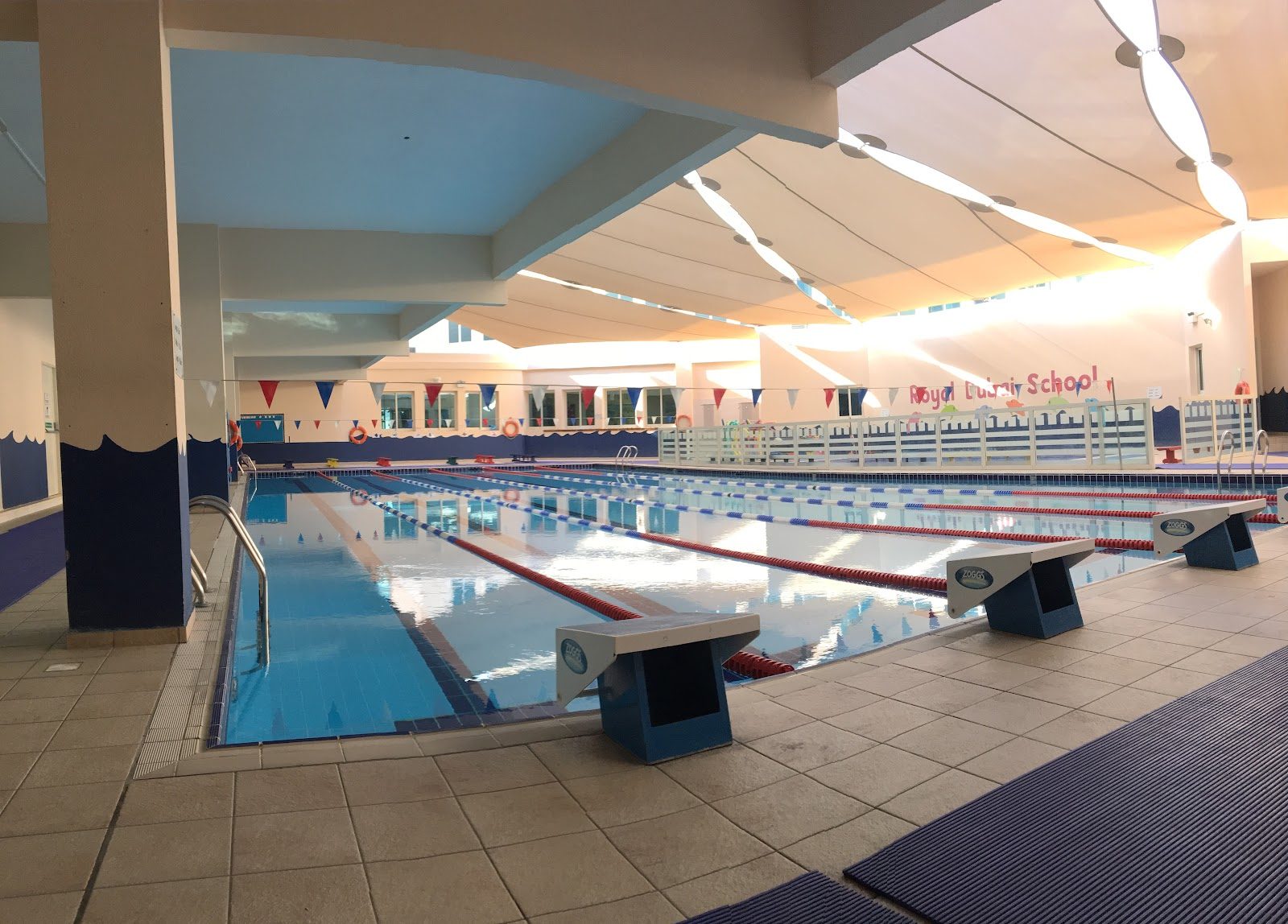
GEMS Royal Dubai School
Dubai · United Arab Emirates
A Very Good-rated British day school in Mirdif, educating pupils from Early Years through an expanding Secondary phase.
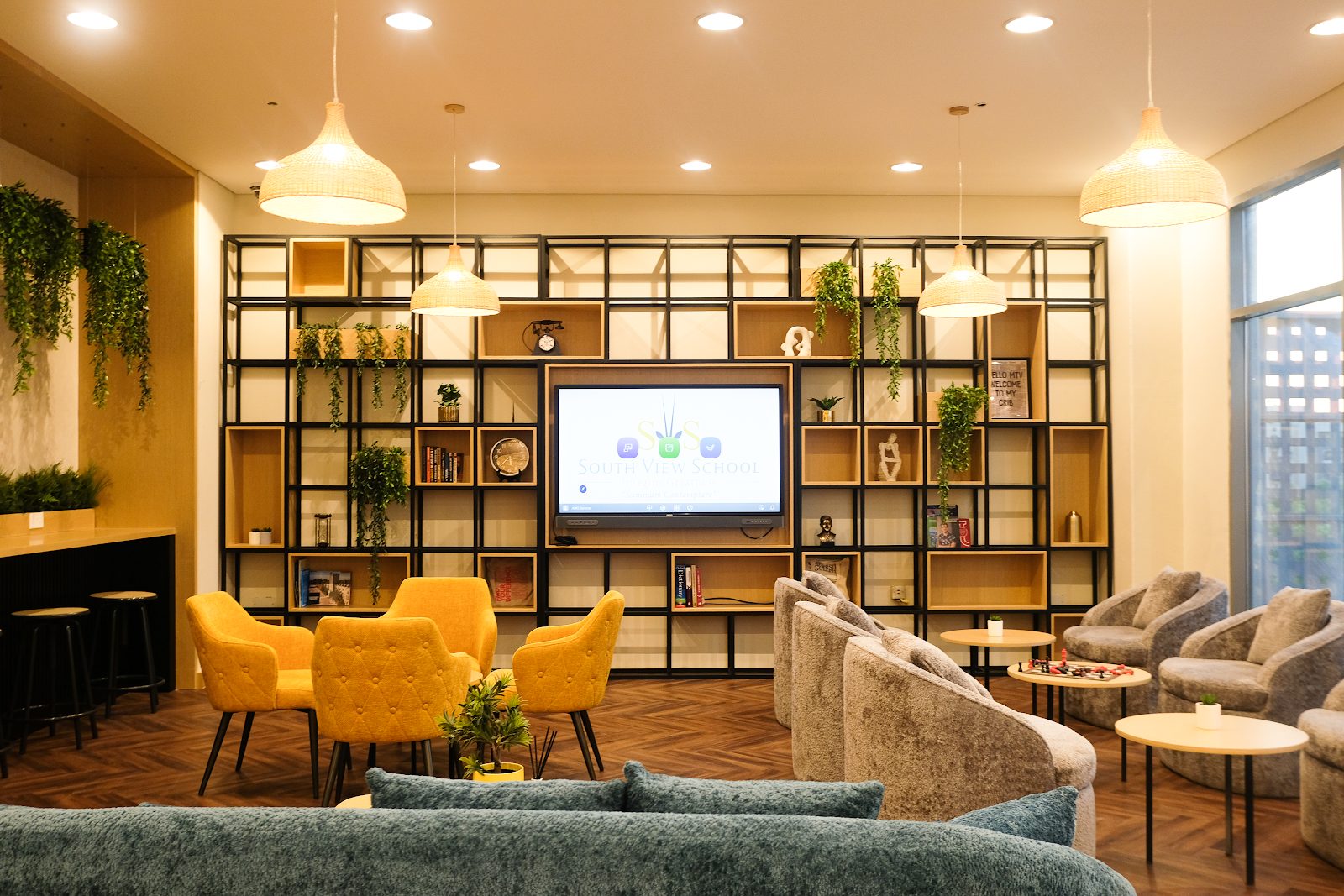
South View School
Dubai · United Arab Emirates
Tucked into Dubailand's Remraam quarter, this compact British day school pairs IGCSE rigor with a genuine BTEC vocational pathway.
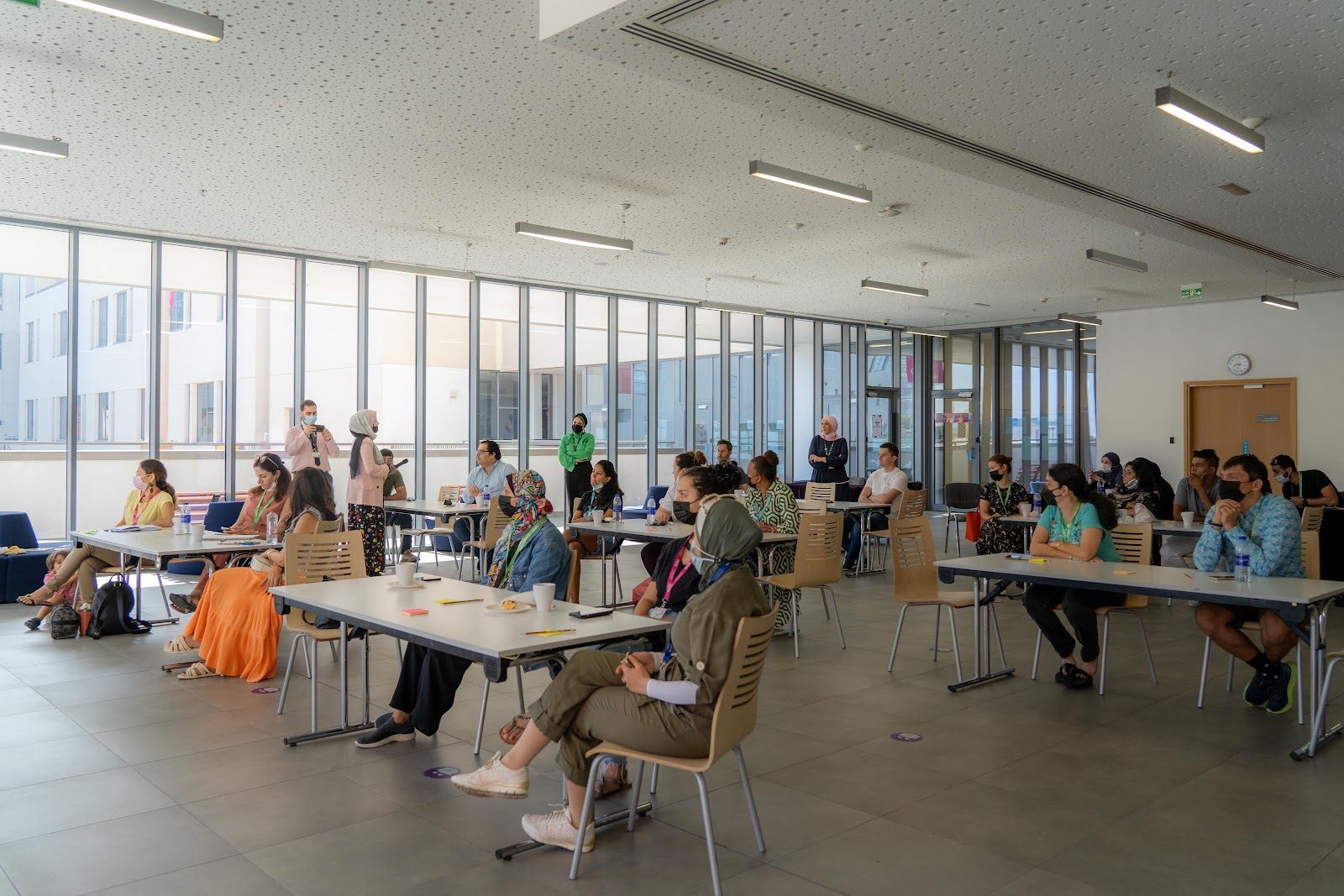
Sunmarke School
Dubai · United Arab Emirates
A rare dual-track sixth form pairs A-Levels with the IB Diploma, set within a Positive Education ethos in Jumeirah Village Triangle.
GEMS FirstPoint School
Dubai · United Arab Emirates
In Dubailand, a bespoke Golf Centre of Excellence lets elite junior players train while still sitting GCSEs and A-levels
Same country and curriculum — closest matches within ±10 points either way