
Qatar
American School of Doha
low confidence· 3/6 cats · 3 avg sourcesQatar's first school to pair AP rigor with the IB diploma, set on a campus anchored by the country's only baseball field.
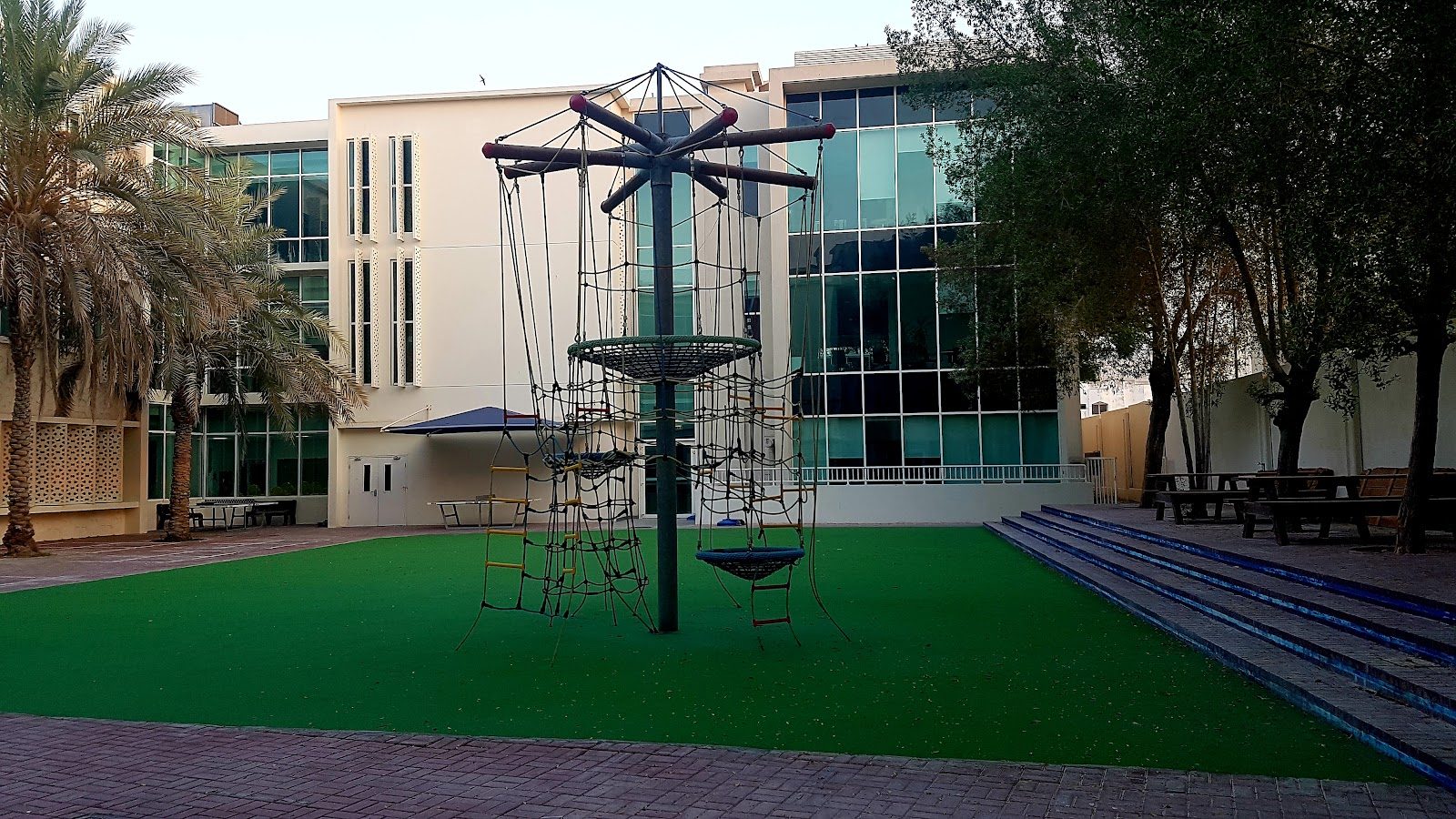
Photo © islam sym via Google Maps
Type
Day
Ages
3–18
Curriculum
American
Qualifications
AP · IB Diploma
Ratio
1:8
The Verdict
Editor's commitment
Right for
Families wanting a non-religious 3–18 day school in Doha with American curriculum, IB World status and a 1:8 ratio.
Wrong for
Parents who want boarding, faith framing or a single-curriculum school: ASD is day-only, non-religious, and pairs American teaching with the IB.
Watch out for
Founded in 1988 and backed by MSA and IB World accreditation, ASD has pedigree; the school does not publish headline outcomes here.
Ranking breakdown
American School of Doha · #398 of 1591
Composite score 70.7. 8 weighted criteria.
By criterion
Academic Outcomes
Weight 20%
#511
of 1529 scored
University Placement
Weight 16%
#459
of 1529 scored
Prestige & Heritage
Weight 12%
#597
of 1571 scored
Alumni Network
Weight 12%
#427
of 1530 scored
Facilities
Weight 12%
#120
of 1534 scored
Transparency & Communications
Weight 8%
#204
of 1532 scored
Peer & Industry Review
Weight 10%
#373
of 1548 scored
Admissions Selectivity & Demand
Weight 8%
#1156
of 1529 scored
Score history
American School of Doha · 2026
Movement across 2024–2026. Peer average overlaid.
Overall — 2024–2026
70.7/ 100
▲ +25.6 vs 2025
year on year
Peer & Industry Review
How American School of Doha is regarded in the sector
68
Respected · medium confidence
American School of Doha (ASD) is consistently cited in expat parent forums (Qatar Living, ExpatWoman Doha) and 'best international schools in Qatar' round-ups as one of the longest-established and most sought-after American curriculum schools in the country, noted for strong AP results and competitive admissions. It carries MSA/NEASC accreditation, which is frequently referenced independently of the school's own marketing, and alumni networks show notable representation among Doha's long-term expat and diplomatic community, though it lacks the broader international press profile (e.g., Tatler, Good Schools Guide features) seen in top-tier global school rankings.
Evidence sources
Editors' overview
American School of Doha holds a distinct place in the Qatar market. Founded in 1988, it was built to serve the American community and it still carries that DNA: an English-medium, non-religious day school with an American base and an unusual academic range. The key differentiator is clear. ASD pairs Advanced Placement with the IB Diploma, a combination that gives families more than one serious route through the senior years. In a city where many schools commit hard to one system, that flexibility matters. So does scale in the classroom: a 1:8 student–teacher ratio is a strong operational advantage, not a slogan. Add the campus talking point — the country’s only baseball field — and ASD has a profile that feels distinctive, well-established and firmly international.
What puts it on a shortlist is not novelty for its own sake, but fit. This is a school for families who want an American educational culture without giving up the global currency of the IB. It suits mobile expatriate households, embassy and corporate families, and students who may move again before or after graduation. The age range, 3–18, gives continuity across the whole school journey, which counts in transient markets. Accreditation is solid rather than inflated: MSA and IB World School status tell parents what they need to know. ASD’s long presence in Doha also gives it something newer entrants cannot claim: institutional memory and a settled understanding of its community.
The students who thrive here are academically ambitious but not narrow. They want options at sixth-form level, they are comfortable in an international cohort, and they value breadth alongside rigour. A child who wants pure local immersion has better fits elsewhere. A student who wants a structured, high-expectation environment with American foundations and internationally portable outcomes will find ASD compelling. In market terms, this is one of Doha’s established premium schools: expensive, globally legible, and strongest for families who prize choice, continuity and a clear route into US-facing or international higher education.
Academic Performance
ASD does not publish the kind of hard outcome data that lets parents benchmark it cleanly against the strongest schools in the Gulf. We have not seen aggregate IB diploma averages, AP score distributions, pass rates, university destinations by cohort, or year-on-year trend lines in the public domain. That gap matters. For a school charging at the premium end, academic transparency is not a luxury; it is part of the value proposition. Without those figures, no serious editor can place ASD in the top results tier on evidence. What can be said is narrower: the school offers two recognised senior pathways, which gives students real strategic choice and protects against the one-track rigidity common elsewhere in the market.
Relative to peers, that leaves ASD in an opaque middle ground. Schools with published IB means, large proportions of top AP scores, and detailed leavers’ lists hold the advantage in any direct comparison because they make scrutiny possible. ASD does not. That does not mean weak outcomes; it means unproven public outcomes. For some families, internal fit, teaching quality and subject breadth will outweigh the absence of headline data. For others, especially those making a decision on sixth-form return on investment, the missing numbers are a material weakness. The school’s academic case rests more on programme architecture and day-to-day provision than on publicly evidenced examination performance.
Facilities
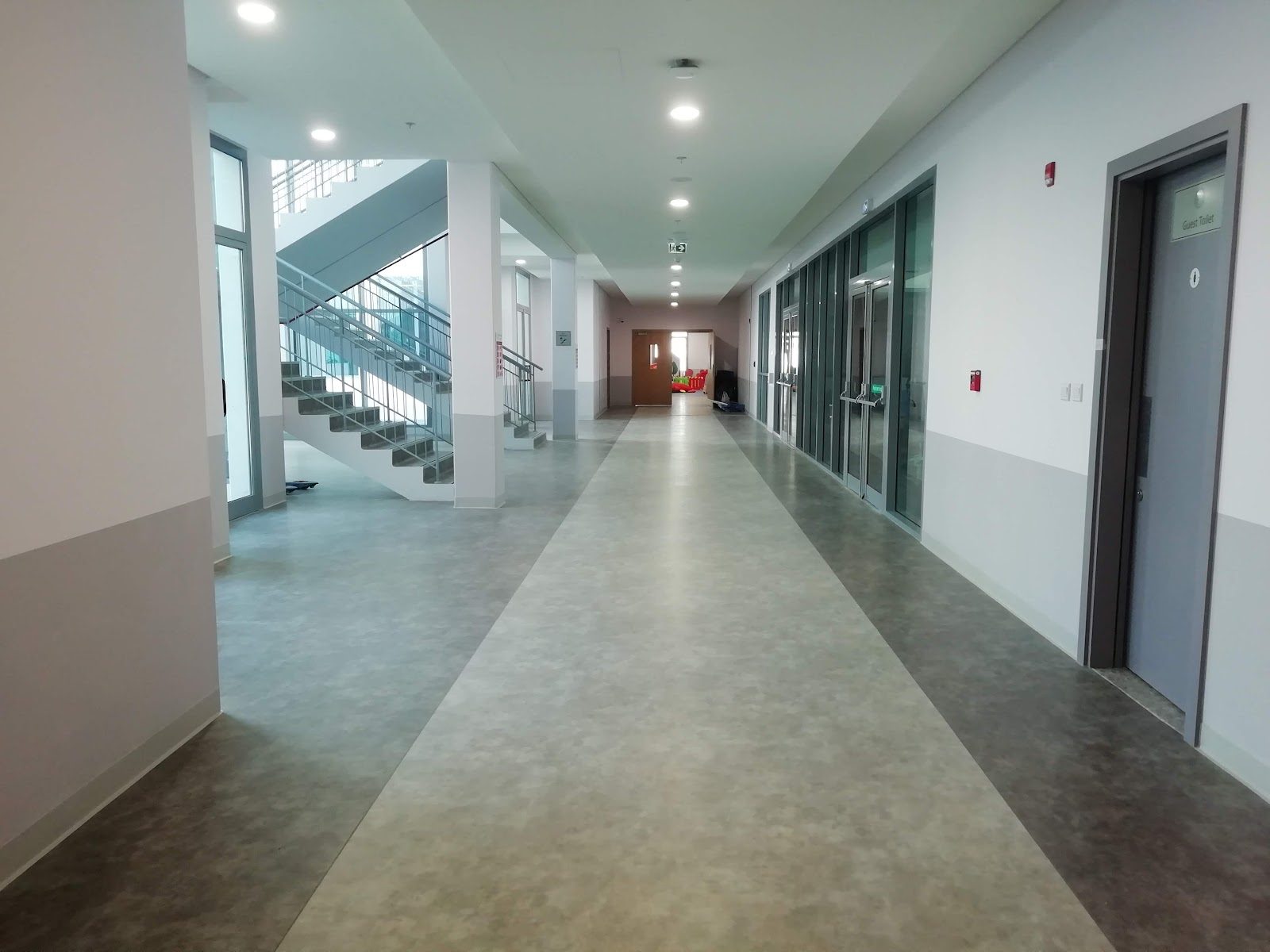
Facilities are part of ASD’s identity, not an afterthought. The standout is the baseball field, a genuine point of difference in Qatar and more than a novelty for families who want organised sport beyond the standard regional menu. That gives the campus a distinct sporting signature that few direct competitors can match. Beyond that, the school’s low staffing ratio of 1:8 matters in practical terms: specialist rooms, studios and labs count for more when pupils can actually access them without timetable congestion. The school’s age range also points to a campus built to serve very different stages of schooling on one site, which matters for families who want continuity rather than fragmented provision.
Against Doha peers, ASD’s facilities case is credible rather than theatrical. Some rival premium schools lean hard on spectacle: oversized atria, branded performance spaces, or sports inventories designed for brochures. ASD’s more compelling advantage lies in function. A campus that supports daily teaching well, gives sport a clear sense of purpose, and avoids the churn of overstretched shared spaces serves families better than decorative excess. That said, the school does not publish the level of detailed facilities breakdown that would let parents assess specialist provision room by room. The result is a campus profile with one memorable differentiator and a practical reputation, but not the kind of publicly documented estate that dominates the market on sheer amenity count.
American School of Doha holds a distinct place in the Qatar market
Prestige
ASD carries solid expatriate prestige in Doha, not the kind built on inherited British brand theatre or published trophy statistics, but the kind that comes from durability, embassy roots and long familiarity among internationally mobile families. Its standing is strongest in circles that value a US-facing education with multiple exit routes at the top of the school. The low staffing ratio — 1:8 — adds real status because it signals resource depth, not just polish. So does the fact that the school was created for a diplomatic and professional community with exacting expectations. In local market terms, this is a serious premium school with a recognisable name and a constituency that expects operational competence.
That prestige has limits, and they matter. ASD does not occupy the rarefied academic pedestal reserved for schools that publish indisputable examination data and send a steady stream of leavers to the most selective universities with visible consistency. Its reputation rests more on institutional standing, parental word of mouth and programme breadth than on hard public proof of outcomes. That still gives it weight: for many families, especially those moving between countries, ASD offers a credible, internationally legible education with enough status to travel well. But prestige here is earned by trust and history, not by measurable dominance.
Add the campus talking point — the country’s only baseball field — and ASD has a profile that feels distinctive, well-established and firmly international
Communications
ASD’s parent communication carries the stamp of a school built for internationally mobile families: parents need clear logistics, quick answers and enough procedural detail to manage a child’s education across moves, transitions and busy professional lives. The school’s public identity is direct rather than theatrical. That matters. Schools that communicate well do not hide behind mood imagery or vague promises; they tell parents how the place works. ASD’s embassy-linked origins still matter here because they imply a constituency that does not tolerate muddle. The low staffing ratio of 1:8 also strengthens communication in practice: fewer students per adult makes it easier for families to know who to contact, and easier for staff to know pupils well enough to give useful, specific answers rather than generic reassurance.
There is, however, a limit to how highly one can rate ASD on communication without stronger public disclosure. The school does not publish the outcome data that serious parents use to test academic claims, and that is a communications issue as much as an academic one. Good communication is not only about friendly tone and efficient notices; it is also about institutional candour. On that measure, ASD is competent but incomplete. Parents choosing on day-to-day care, responsiveness and operational clarity will find a school that reads as orderly and parent-literate. Parents choosing on published evidence, comparative performance and sixth-form accountability will find a conspicuous gap.
Uniqueness
What sets ASD apart in Doha is not a single branded gimmick but a combination that is hard to find in one school: embassy origins, an American institutional core, and more than one serious route through the final years. That mix gives the school a distinct strategic usefulness for internationally mobile families. Children are not locked into one academic ideology or one narrow university-facing track. They study in a community shaped from the outset by expatriate turnover, diplomatic expectations and families who need education to travel well. The result is a school with a practical internationalism: less interested in performance for its own sake, more focused on continuity, transferability and keeping options open when a posting, contract or family plan changes fast.
There is also a more concrete kind of distinctiveness. The low staffing ratio of 1:8 changes the day-to-day experience in ways parents actually feel: more adult attention, better access to subject support and less anonymity for students who need either stretch or intervention. Add the country’s only baseball field and ASD gains a genuinely unusual sporting identity in a market full of interchangeable football-and-swimming offers. That does not make the school eccentric; it makes it memorably specific. For students, the benefit is clear: a school life with more room for individual academic planning, more scope to build a niche interest, and a less generic version of premium international schooling.
Without those figures, no serious editor can place ASD in the top results tier on evidence
Student Profile
The best fit at ASD is the child from an internationally mobile household who needs stability without parochialism. This is a school for students who are comfortable among peers from professional, diplomatic and expatriate families, and who can handle a community where arrivals and departures are part of the social fabric. They do not need to be extroverts, but they do need a measure of adaptability and social confidence. The school suits pupils who benefit from adult attention; the 1:8 ratio points to a setting where invisibility is harder to achieve, for good and ill. Students who like being known, tracked and pushed tend to do well. Students who want to drift at the back of a large year group do not.
Temperament matters as much as academic appetite. ASD fits children who want breadth, structure and clear expectations, not teenagers chasing a loose, self-invented school life. It also suits families who value an international but not rootless culture: worldly, organised, and shaped by people who expect school to function properly. The sporting profile adds another clue. A student with niche athletic interests, or one tired of the same old Gulf sports menu, will find more personality here than at many rivals. The poorer fit is just as clear: families seeking deep local cultural immersion, a heavily traditional British social code, or a swaggering results-factory atmosphere have better options elsewhere.
Its standing is strongest in circles that value a US-facing education with multiple exit routes at the top of the school
Co-curricular strengths
Arts & sport, on a separate axis
Overall 8.94/10
Scored 0-10 from the school's own published evidence. This axis is editorial-only — it does not feed the main WTS ranking.
Sports
9.2/10
Basketball and volleyball are offered, but there is no further detail on teams, seasons, facilities or results.
Drama
9/10
Theater productions, and recurring named productions clear the 6 floor even without a named theatre facility.
Dance
8.5/10
Music
9/10
Choir ensemble and jazz band are explicitly named, showing structured music activities beyond a bare single listing.
Visual Arts
9/10
Editor first-pass · editor-reviewable · 7/27/2026
Strengths
- +ASD was the first school in Qatar to offer both Advanced Placement (AP) courses and the full International Baccalaureate Diploma Programme, giving families two recognised academic tracks under one roof.
- +The school is accredited by the New England Association of Schools and Colleges and is authorised as an IB World School, providing external quality benchmarks beyond marketing claims.
- +It is a large, long-established institution founded in 1988, now serving a multicultural community of over 2,250 students from more than 70 nationalities.
- +ASD is Qatar's only school with a baseball field and runs an extensive extracurricular programme, including more than 100 student clubs and organisations.
- +The admissions process is rolling year-round rather than tied to a single annual deadline, giving relocating families more flexibility on timing.
Considerations
- −Admissions run on a strict priority sequence favouring children of ASD-sponsored staff, US Embassy personnel, corporate sponsors, and US or Qatari passport holders, which can disadvantage other expatriate applicants.
- −The school explicitly states it does not offer the full continuum of special education support mandated for US public schools, and SEN placement is assessed case by case with limited capacity.
- −Grade-level intake is capped at 20% for Qatari passport holders and 20% for students requiring English as an Additional Language support, narrowing access for those groups.
- −Fees sit at the premium end of Doha's day-school market, and published tuition ranges vary by source; families also pay a one-time registration fee and a separate annual capital fee on top of tuition.
Availability
Primary entry gate & tests
Academic Record + Assessment
Gallery
Photo © islam sym via Google Maps
Photo © islam sym via Google Maps
Photo © islam sym via Google Maps
Photo © islam sym via Google Maps
Photo © islam sym via Google Maps
Parent reviews
Have you sent your child here?
Voice reviews carry the strongest trust badge — we transcribe them for you to tidy up before they go live. Prefer to type? A written review is fine too.
Add your voice
In 60 seconds, tell other parents: what's the best thing about American School of Doha, and what surprised you when your child joined?
We ask for a Google sign-in so every review has a real face behind it — no anonymous drive-by attacks on schools, and no faked positive reviews. Your email is never shown publicly.
Send this profile to a friend
International parents rely on word-of-mouth. Share this review with someone weighing the same decision.
Schools with places
Similar schools to American School of Doha with places available now.
Sherborne Qatar
Doha · Qatar
- 2026-27
- PLACES OPENApps open / space-dependent
- 2027-28
- WAITPOOL2027/28 timetable TBC
Doha College
Doha · Qatar
- 2026-27
- WAITPOOLWaitpool / Space-dep.
- 2027-28
- OPENS SOONOpens Sept/Oct '26
Availability first, then country, area, curriculum, price, co-curricular
Consider also
Also worth looking at alongside American School of Doha.

Qatar Academy Doha
Doha · Qatar
Anchored in Education City, this IB continuum school was Qatar's first authorized to run all three Baccalaureate programmes.
Sherborne Qatar
Doha · Qatar
The first overseas offshoot of a 500-year-old English school, now spread across five gender-specific campuses in Doha.
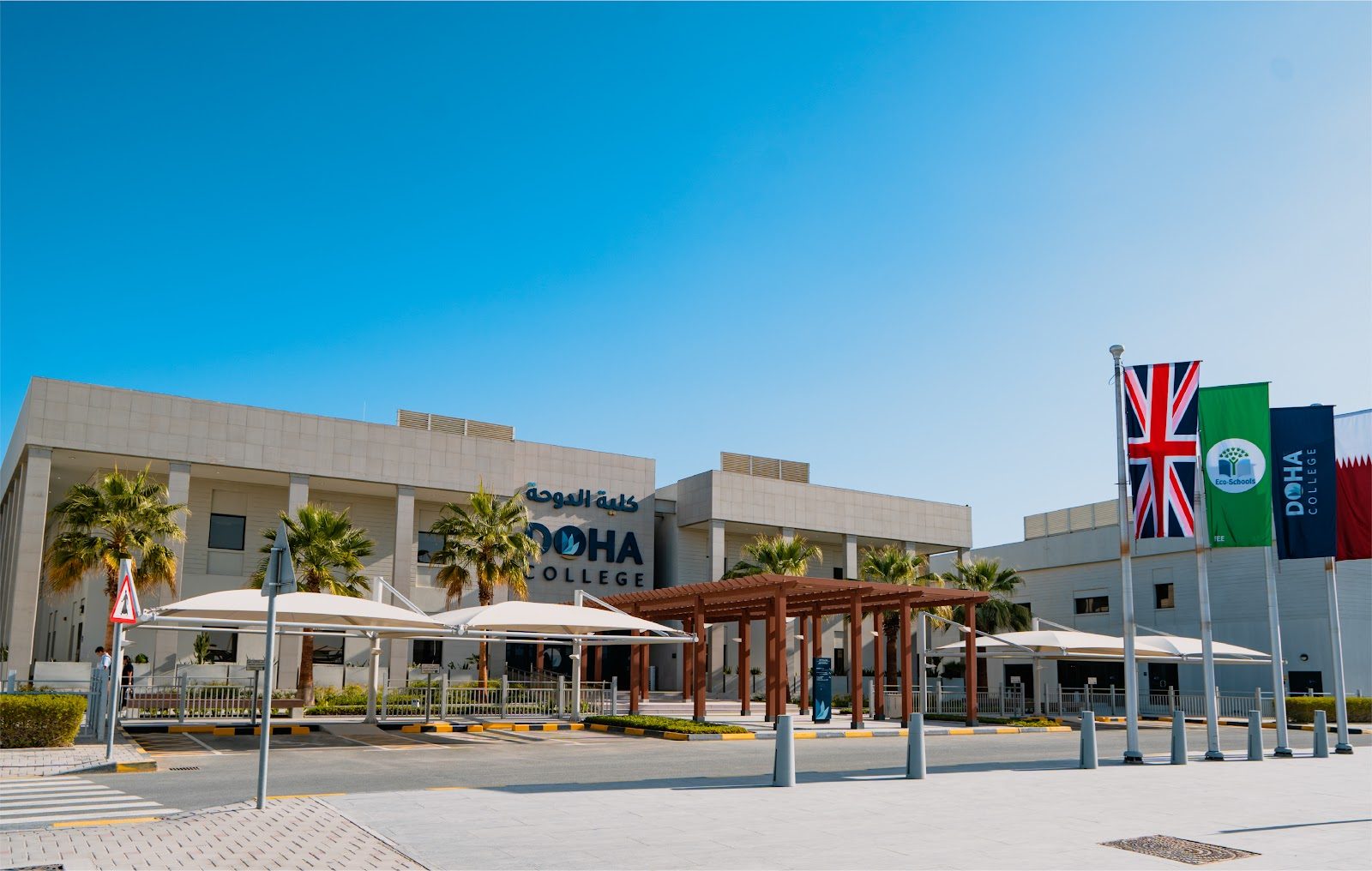
Doha College
Doha · Qatar
British Embassy-sponsored since 1980, Doha's original not-for-profit school still measures success beyond exam grades alone
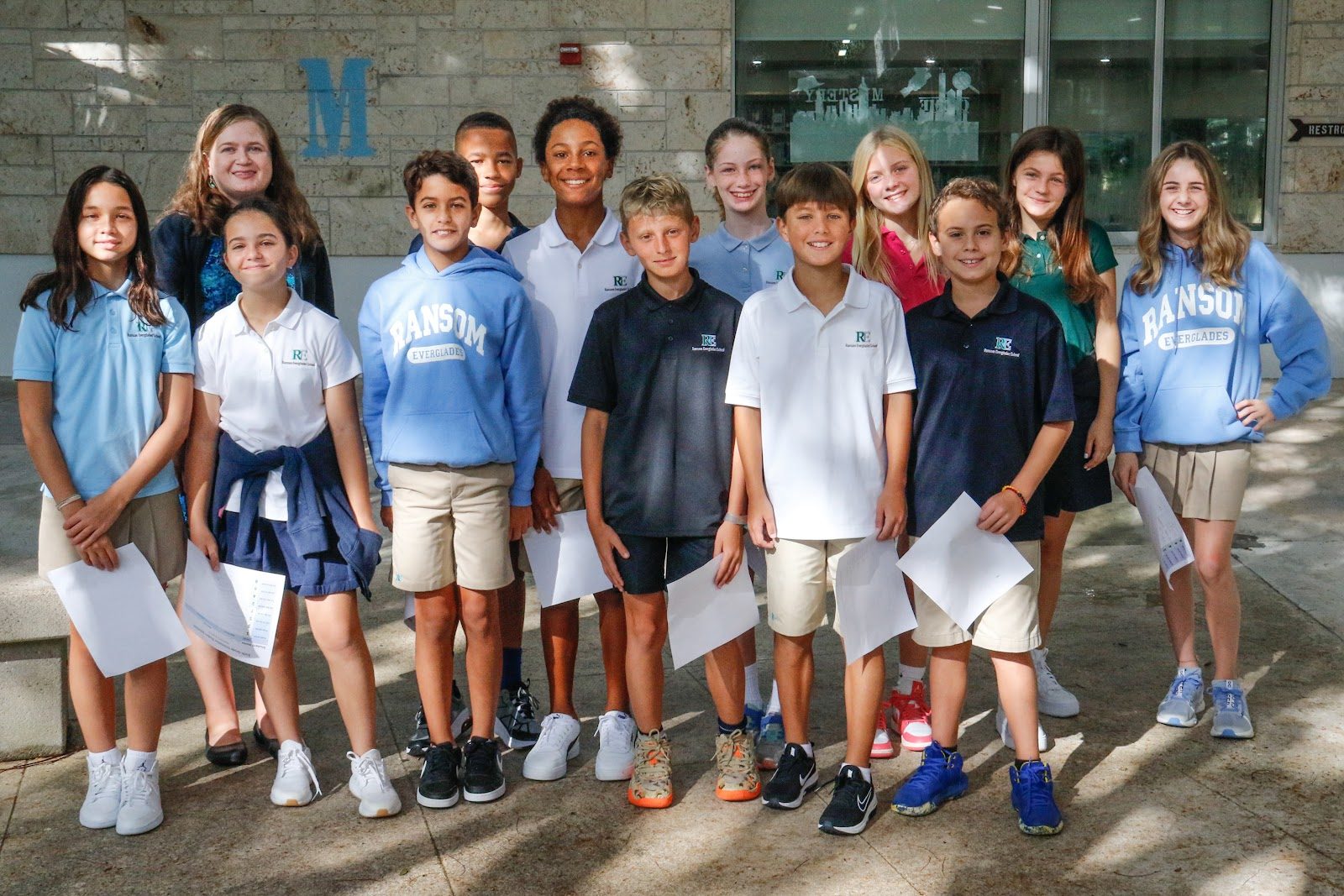
Ransom Everglades School
Miami · United States
On Biscayne Bay since 1903, where sailing and marine science turn the water itself into a classroom
Same country and curriculum — closest matches within ±10 points either way