
Auckland
St Cuthbert's College
medium confidence· 4/6 cats · 3.07 avg sourcesAn Epsom girls' school where a bespoke Year 11 diploma precedes the choice between IB and NCEA pathways
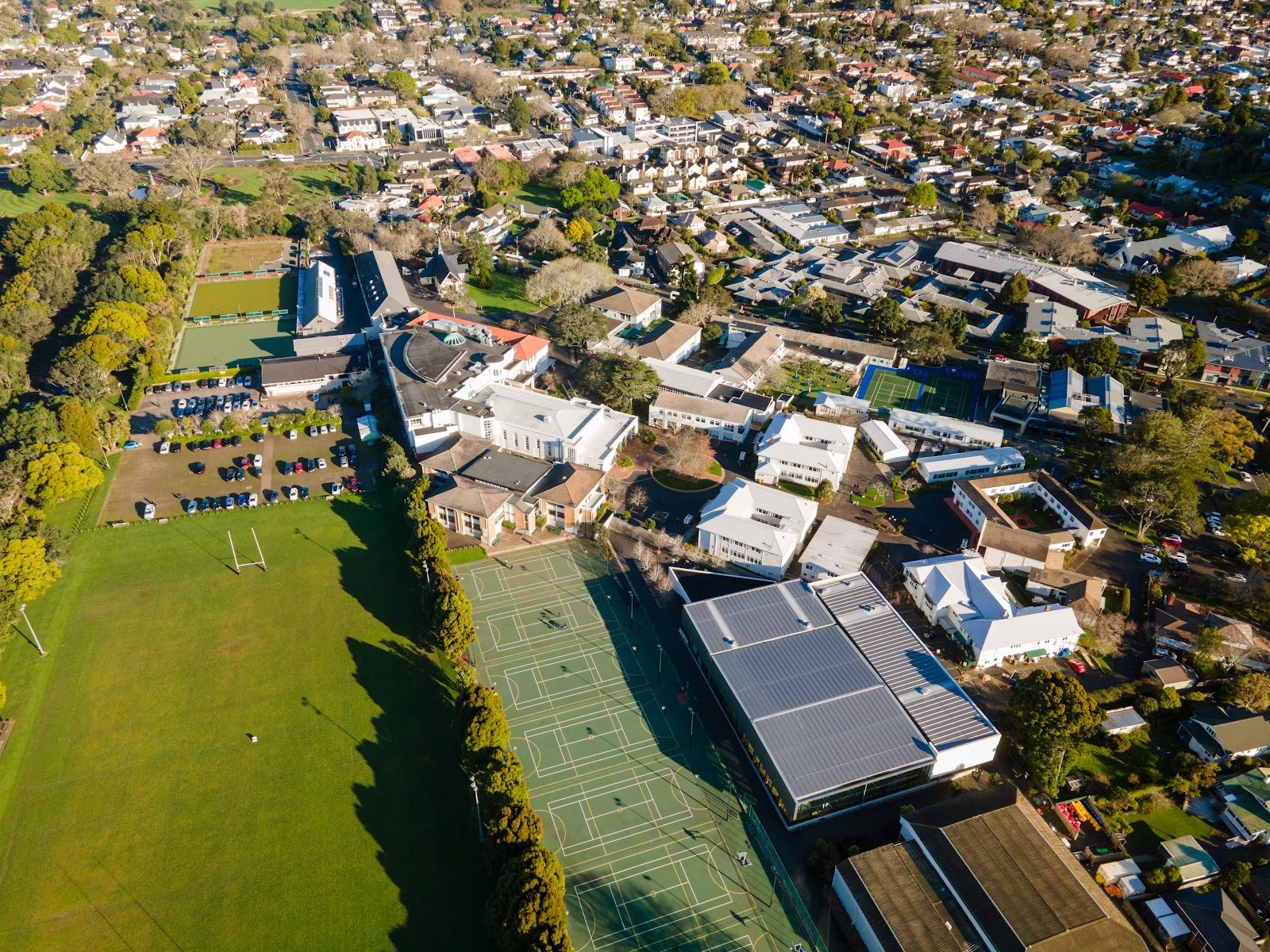
Photo © Big Drone via Google Maps
Type
Both
Ages
3–18
Curriculum
IB
Ratio
—
The Verdict
Editor's commitment
Right for
Girls in Auckland wanting one school from age 3 to 18, with boarding and a real IB option at an Anglican school.
Wrong for
Families wanting co-education, a secular ethos, or a single exam route; this is girls-only and the senior years split between IB and NCEA.
Watch out for
At NZD 33,000 a year for day pupils and NZD 55,000 for boarders, this 1915 Epsom school sits firmly in the premium bracket.
Ranking breakdown
St Cuthbert's College · # of 1591
Composite score 63.7. 8 weighted criteria.
By criterion
Academic Outcomes
Weight 20%
#333
of 1529 scored
University Placement
Weight 16%
#354
of 1529 scored
Prestige & Heritage
Weight 12%
#369
of 1571 scored
Alumni Network
Weight 12%
#1469
of 1530 scored
Facilities
Weight 12%
#395
of 1534 scored
Transparency & Communications
Weight 8%
#455
of 1532 scored
Peer & Industry Review
Weight 10%
#527
of 1548 scored
Admissions Selectivity & Demand
Weight 8%
#282
of 1529 scored
Score history
St Cuthbert's College · 2026
Movement across 2024–2026. Peer average overlaid.
Overall — 2024–2026
63.7/ 100
▲ +10.6 vs 2025
year on year
Peer & Industry Review
How St Cuthbert's College is regarded in the sector
68
Respected · medium confidence
St Cuthbert's College is consistently listed among New Zealand's top-performing girls' schools in NZ Herald and Education Review Office coverage of NCEA results and decile/achievement rankings, and is frequently referenced in local 'best schools in Auckland' media roundups. However, it has limited visibility in international specialist press (Tatler, Good Schools Guide) or global expat forums, suggesting strong regional/national reputation rather than top-tier international standing.
Evidence sources
- Lucy Lawless — Actress, Film/TV
- Danielle Cormack — Actress, Film/TV
- Sarah Ulmer — Olympic cyclist, Sport
Editors' overview
What sets St Cuthbert’s College apart is the structure implied in its own positioning: a girls’ school in Epsom that does not force the senior academic choice too early, but uses a bespoke Year 11 diploma before pupils move on to either the IB or NCEA. That matters. In a market where schools often lock families into a single track, St Cuthbert’s offers a *deliberate piece of academic architecture*: time to build breadth, then a clearer fork in the road. For the right student, that is a serious advantage. The school is for girls aged 3 to 18, offers both day and boarding places, teaches in English, and holds IB accreditation through the IBO. It was founded in 1915, which gives it institutional depth without needing the usual mythology.
This is also an expensive independent option by New Zealand standards. The average annual day fee across the full age range is NZD 33,000, and the average annual boarding fee is NZD 55,000. That places it in the premium end of the market, and parents should judge it accordingly: not on glossy sentiment, but on whether the school’s academic structure, girls-only environment and boarding offer fit the child in front of them. The religious foundation adds another layer of identity. The editorial context lists the school as Anglican, while the source excerpt identifies it as Presbyterian-based; either way, faith forms part of the school’s inheritance, and families who want a wholly secular culture should ask direct questions about how that plays out in daily life.
Why put it on a shortlist? Because it offers a combination that is still uncommon: a long-established girls’ school, full 3–18 continuity, boarding, and an endgame that includes the IB rather than treating it as a marketing extra. That package will suit a student who thrives in an all-girls setting, values clear academic direction, and wants a school with options at the senior end rather than a single prescribed route. It will also appeal to families who want Auckland day schooling with the possibility of boarding built in. This is not the obvious choice for a child who needs a loose, low-pressure culture or for parents who want exhaustive public disclosure of outcomes; the school context here does not publish destination or examination data. But for ambitious girls who want structure, continuity and a credible senior-years split between IB and NCEA, St Cuthbert’s earns its place as a high-stakes, high-expectation contender.
Academic Performance
The public picture on academic performance is incomplete. The school does not publish aggregate external-results data in the context here: no headline IB point average, no diploma pass rate, no NCEA endorsement profile, no subject-by-subject breakdown, and no destination list that would let parents test outcomes against aspiration. That opacity matters at a school charging premium fees and offering a high-pressure senior academic structure. For families comparing top independents, hard results are not a decorative extra; they are the point. Without them, St Cuthbert’s sits in the category of schools that ask parents to trust reputation more than evidence.
That does not place it outside the academic conversation. A girls’ school that carries both major senior pathways after its own pre-senior diploma has chosen a demanding model, not an easy one. The presence of the IB, in particular, puts it into a peer set where parents will expect strong university preparation, careful subject guidance and a cohort able to handle sustained academic load. But expectation is not performance. Relative to peers that publish full IB averages or NCEA endorsement rates, St Cuthbert’s gives parents less to work with. The school therefore reads as serious but unproven in public, at least on published examination evidence. For an academically ambitious family, that means one thing: ask for the numbers, in detail, before treating prestige as proof.
Facilities
The public picture on facilities is thin, and that matters. At this price point, parents should not have to infer the estate. A school spanning early years to the sixth form, with both day and boarding provision, needs strong specialist space in science, the arts, sport and student support; St Cuthbert’s gives no clear public account here of how far it delivers on each front. That places it behind better-documented peers, which publish campus plans, specialist-suite detail, boarding-house information and a more exact sense of what pupils use day to day. For a school selling a high-expectation education, that lack of facility disclosure is a real weakness. It forces families to test the physical offer in person rather than being able to audit it properly before a visit.
What can be said with confidence is structural. A through-school with boarding carries demands that smaller day-only operators can avoid: age-appropriate spaces for very young children, credible senior teaching rooms, pastoral infrastructure, dining, recreation and accommodation that works beyond the classroom day. In peer terms, the crucial question is not whether St Cuthbert’s has the basics; an independent girls’ school charging an average boarding fee of NZD 55,000 and day fees of NZD 33,000 clears a premium threshold where parents should expect more than adequacy. The benchmark is a campus that feels purpose-built for ambition, not merely serviceable. Until the school publishes sharper detail, the facilities case remains credible but under-evidenced.
For families comparing top independents, hard results are not a decorative extra; they are the point
Prestige
St Cuthbert’s carries real prestige in the New Zealand independent market, but it is a specific kind of prestige. This is not a school trading on global brand reach or mass-market name recognition; its status rests on old-line local standing, a girls-only identity, and the confidence to run a senior structure that asks families to buy into a clear academic philosophy. The fees reinforce that status. An average day fee of NZD 33,000 and boarding at NZD 55,000 put it in expensive company, and price at that level shapes perception whether schools admit it or not. Among parents in Auckland’s private-school circle, St Cuthbert’s belongs in the conversation as a high-status option.
That said, prestige here is stronger on institutional reputation than on published proof. The school has the markers families associate with social and educational cachet: selectivity of audience, continuity across the age range, and a boarding offer that widens its reach beyond local day families. It also has a senior academic model that reads as deliberate rather than generic. But elite schools earn the highest level of prestige when reputation is matched by transparent outcomes and university destinations. St Cuthbert’s does not clear that bar in public. The result is a school with genuine clout and established standing, but not one that closes the case with data. In plain terms: prestigious, yes; unquestionable, no.
For parents comparing top-fee options line by line, it does not
Communications
St Cuthbert’s communicates from a position of confidence, not openness. The school gives parents a clear enough sense of institutional identity: girls-only, all-through, faith-rooted, academically structured, with both day and residential life under one roof. That core message is coherent. Where the communication weakens is in operational and evidential detail. The public picture lacks the hard information that serious parents use to test a school’s claims: no published aggregate senior-results data, no destination list, and no properly developed account of facilities or boarding life despite average annual fees of NZD 33,000 for day pupils and NZD 55,000 for boarders. For a school at that price, confidence without disclosure is not enough.
That leaves communications effective at brand control and weaker at parent scrutiny. Families can grasp the school’s ethos and academic shape quickly; they cannot audit performance with the same ease. That imbalance matters. Strong school communications do two jobs: they express character and they answer difficult questions before a tour. St Cuthbert’s handles the first and leaves gaps in the second. The result is a communications style that feels polished, selective and internally assured, but not forensically transparent. For parents already sold on the school’s culture, that may suffice. For parents comparing top-fee options line by line, it does not.
Uniqueness
What makes St Cuthbert’s distinctive is not a single badge of prestige but the way it structures adolescence. The school gives girls a contained bridge year before the senior qualification split, rather than forcing a narrow decision too early. That is uncommon and educationally useful. At an age when many pupils are still working out whether they thrive on breadth, specialisation, internal assessment or terminal examination pressure, St Cuthbert’s builds in time to test strengths first. The gain for students is practical: more informed subject choices, a cleaner match between temperament and pathway, and less risk of being trapped in the wrong academic lane at a pivotal stage. In a sector full of schools with a single fixed route, that is a serious differentiator.
Its other point of difference is the combination of a girls-only environment with an all-through structure and a residential option. That creates a self-contained world with a strong institutional identity, and for the right student that can be powerful: continuity, clear expectations and a peer culture built around female academic ambition. It also creates intensity. Schools of this kind can be high-pressure and tradition-conscious, with a strong internal culture that suits confident joiners better than children who want anonymity or a looser atmosphere. The fees sharpen that reality. At an average of NZD 55,000 for boarders, this is a school asking families to commit not just financially, but philosophically.
What makes St Cuthbert’s distinctive is not a single badge of prestige but the way it structures adolescence
Student Profile
The best fit here is a girl who wants structure, pace and a clear sense that school matters. St Cuthbert’s suits students who are comfortable in an environment with high expectations, a strong internal culture and little appetite for drift. Girls who like being surrounded by other ambitious pupils, and who respond well to close direction before making big senior academic choices, will find the model attractive. So will boarders who want a contained, all-in school life rather than a looser arrangement with weak communal identity. The fees alone — NZD 33,000 for day pupils and NZD 55,000 for boarders on average across the age range — tell you this is a family making a serious commitment, and the student profile matches that level of investment.
Who struggles? A child who wants anonymity, light-touch expectations or a casual social atmosphere. Single-sex schools with strong traditions reward girls who will engage, not hover at the edge. This also looks like a poor fit for students who need a very broad public evidence base before trusting an institution’s academic claims; the school asks families to buy into its judgement. The strongest candidate is therefore self-disciplined, goal-conscious and happy inside a school that is demanding rather than indulgent. It will suit girls who value continuity, can handle scrutiny, and want peers who take work seriously.
The school is for girls aged 3 to 18, offers both day and boarding places, teaches in English, and holds IB accreditation through the IBO
Co-curricular strengths
Arts & sport, on a separate axis
Overall 9.2/10
Scored 0-10 from the school's own published evidence. This axis is editorial-only — it does not feed the main WTS ranking.
Sports
9.3/10
Rowing, netball, hockey, tennis and equestrian, and the external evidence adds multiple elite sporting alumnae including Olympian Polly Powrie, former Olympic swimmer Philippa Gower, several Black Sticks hockey internationals and a former New Zealand netball international, indicating a notable sports culture with high-level outcomes.
Drama
9.2/10
The extracurriculars specifically mention drama productions, which is stronger than a bare listing of drama because it evidences actual staged activity.
Dance
9.2/10
Music
9.3/10
Both choir and orchestra, showing structured ensemble music participation beyond a bare mention, but there is no evidence here of a dedicated music facility, department, specialist staff or notable competitive distinction.
Visual Arts
9/10
The facilities review refers generally to properly equipped arts spaces and the notable alumna Suji Park as an artist, which supports the presence of visual arts at a basic explicit level.
Editor first-pass · editor-reviewable · 7/27/2026
Strengths
- +Single-sex girls' school offering both NCEA and the IB Diploma from Year 12, giving families a choice of qualification pathway.
- +Long-established institution founded in 1915 in Auckland, with a Wikipedia summary describing it as one of the best academically performing schools in New Zealand.
- +Junior School (Years 0-6) runs a Structured Literacy Approach with smaller class sizes and specialist teaching in Music, French and Physical Education.
- +Extensive co-curricular participation, with over 90 per cent of senior students taking part in extra-curricular sport, plus a distinctive four-week Year 10 outdoor-education residency at Kahunui in the Bay of Plenty.
- +Offers both day and boarding places across three boarding houses (Dunblane, Elgin, Melrose) for students from Year 7.
Considerations
- −Single-sex by design, so it will not suit families who want a co-educational environment for their daughter or who also have sons to place at the same school.
- −Fees are significant: 2025 NZ-resident tuition runs from roughly NZD 26,568 (Years 0-6) to NZD 30,476 (Year 7+), with boarding an additional NZD 20,876 a year.
- −International tuition is markedly higher than the domestic rate, at roughly NZD 53,136 to NZD 60,952 a year, and the international cohort itself is small, with only 35 international students recorded at the time of the ERO review, meaning limited built-in peer diversity for newly arrived expat families.
- −As a private school, its Education Review Office report is narrow in scope, confirming only that the school meets legal registration criteria rather than providing the fuller quality evaluation given to state and state-integrated schools.
Availability
Primary entry gate & tests
Academic Record + Interview (Girls)
Gallery
Photo © Sally Tan via Google Maps
Photo © A K via Google Maps
Photo © A K via Google Maps
Photo © Sally Tan via Google Maps
Photo © Sally Tan via Google Maps
Photo © Sally Tan via Google Maps
Photo © St Cuthbert's College via Google Maps
Photo © Sally Tan via Google Maps
Photo © Sally Tan via Google Maps
Parent reviews
Have you sent your child here?
Voice reviews carry the strongest trust badge — we transcribe them for you to tidy up before they go live. Prefer to type? A written review is fine too.
Add your voice
In 60 seconds, tell other parents: what's the best thing about St Cuthbert's College, and what surprised you when your child joined?
We ask for a Google sign-in so every review has a real face behind it — no anonymous drive-by attacks on schools, and no faked positive reviews. Your email is never shown publicly.
Send this profile to a friend
International parents rely on word-of-mouth. Share this review with someone weighing the same decision.
Schools with places
Similar schools to St Cuthbert's College with places available now.
King's College (Auckland)
Auckland · New Zealand
- 2026-27
- WAITPOOLVacancy-dependent
- 2027-28
- PLACES OPEN
Auckland Grammar School
Auckland · New Zealand
- 2026-27
- WAITPOOLVacancy-dependent
- 2027-28
- PLACES OPEN
Availability first, then country, area, curriculum, price, co-curricular
Consider also
Also worth looking at alongside St Cuthbert's College.
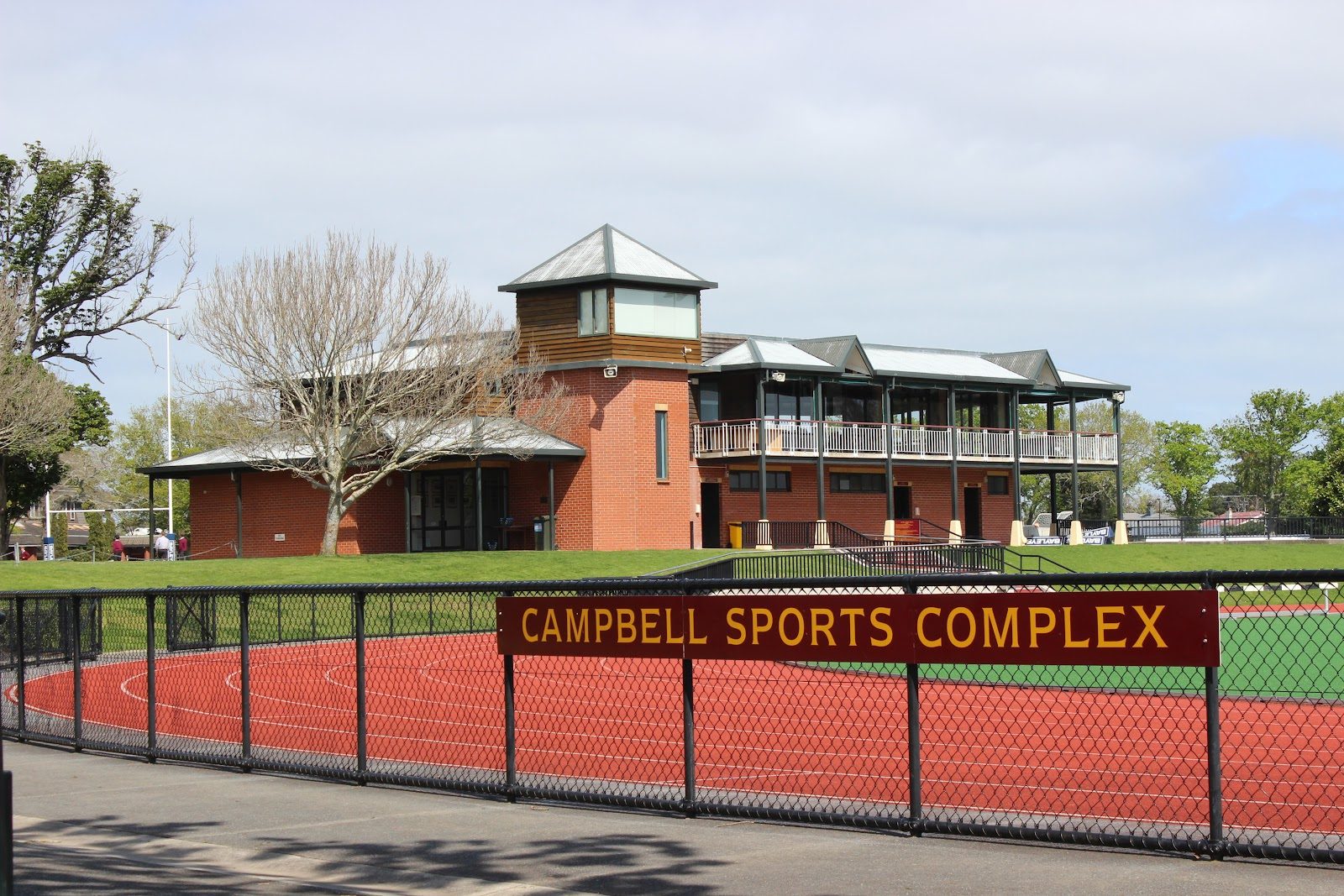
King's College (Auckland)
Auckland · New Zealand
Twelve houses anchor daily life on this Otahuhu campus, where mandatory alpine camps and blue-water sailing rounds out the classroom.
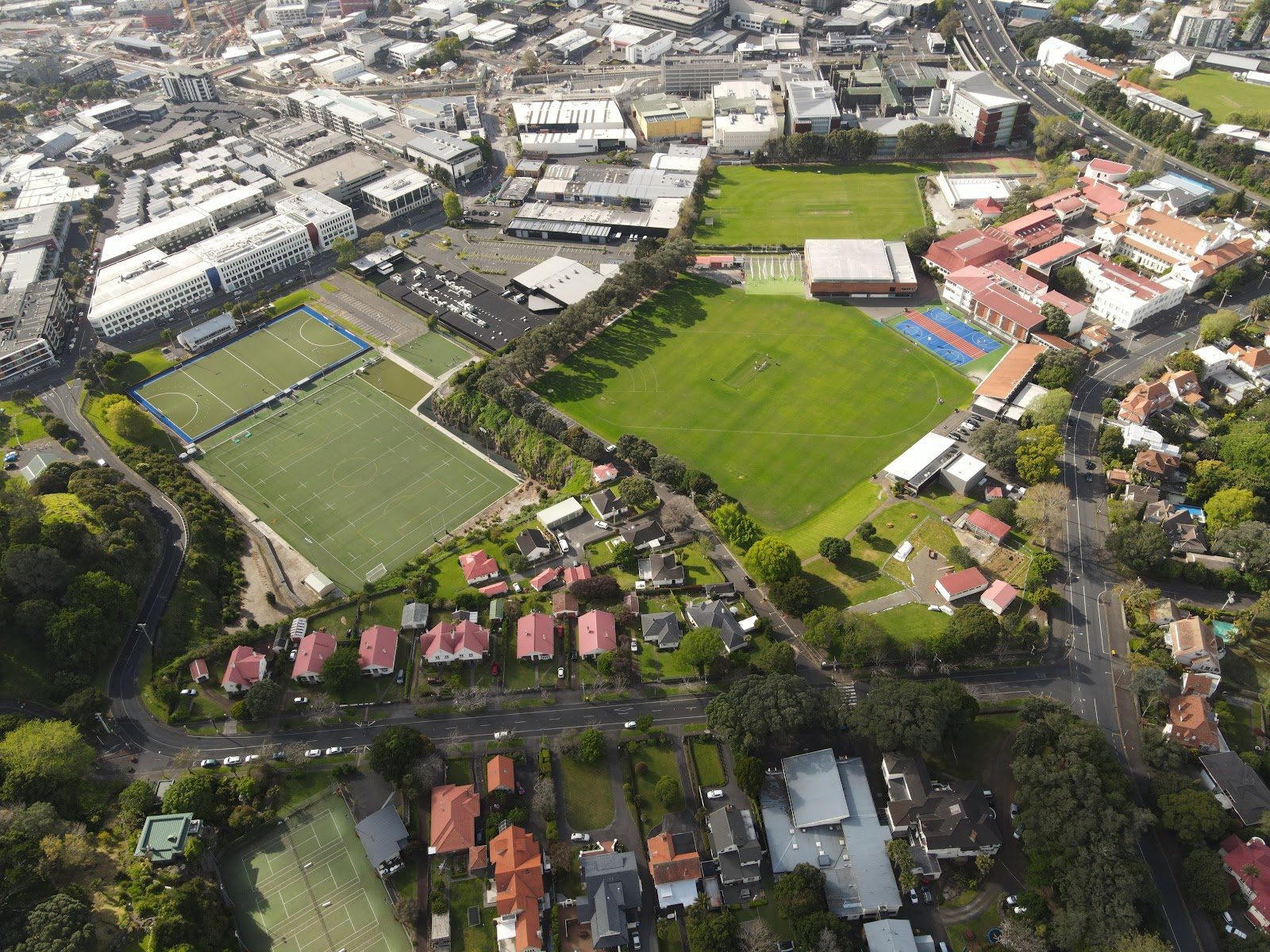
Auckland Grammar School
Auckland · New Zealand
New Zealand's largest boys' school, where a fiercely guarded Epsom enrolment zone and a long Rhodes Scholar lineage shape the Grammar way.
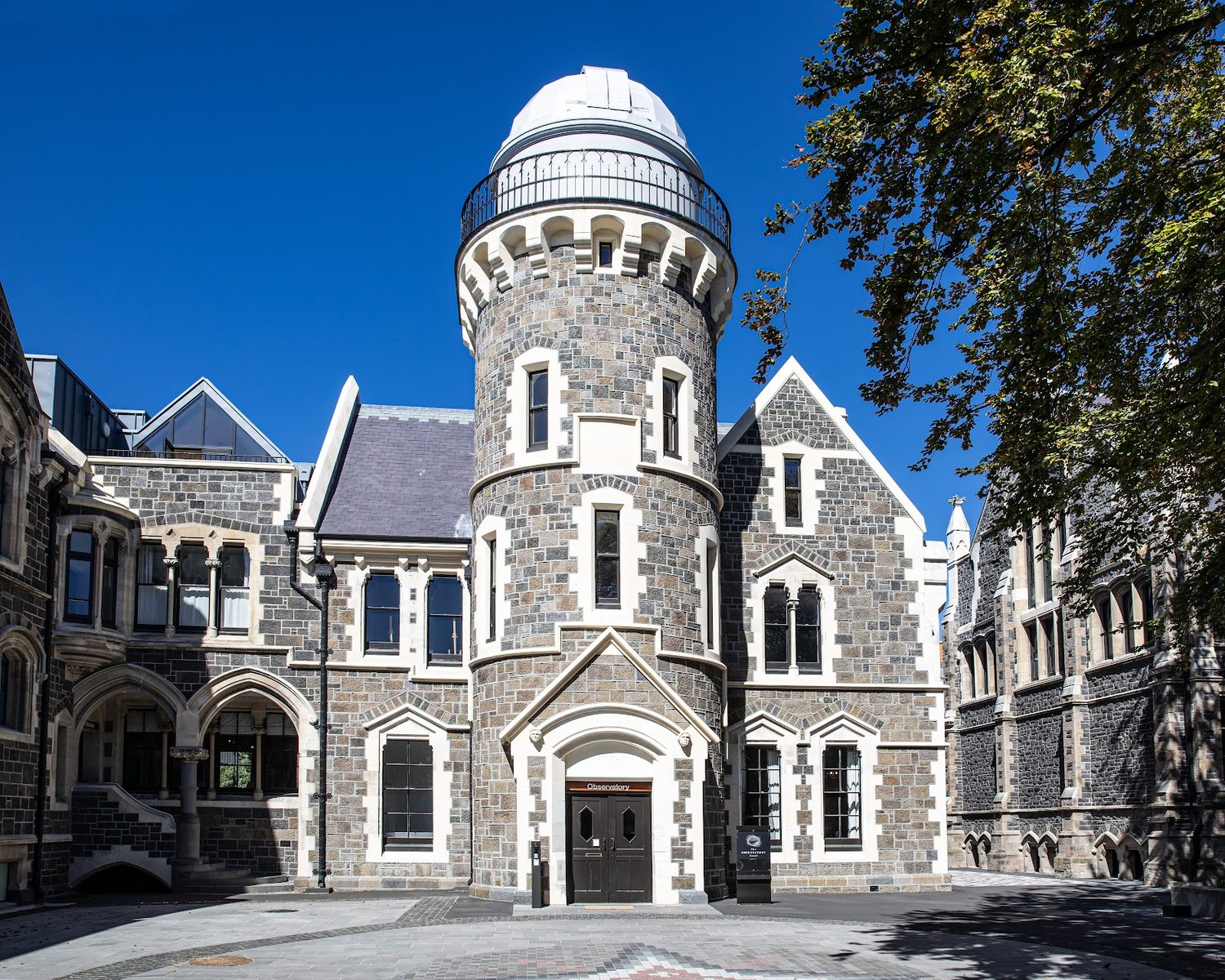
Christ's College
Christchurch · New Zealand
New Zealand's oldest independent school, its neo-Gothic quadrangle and chapel choir anchoring a boys' boarding tradition beside Hagley Park.
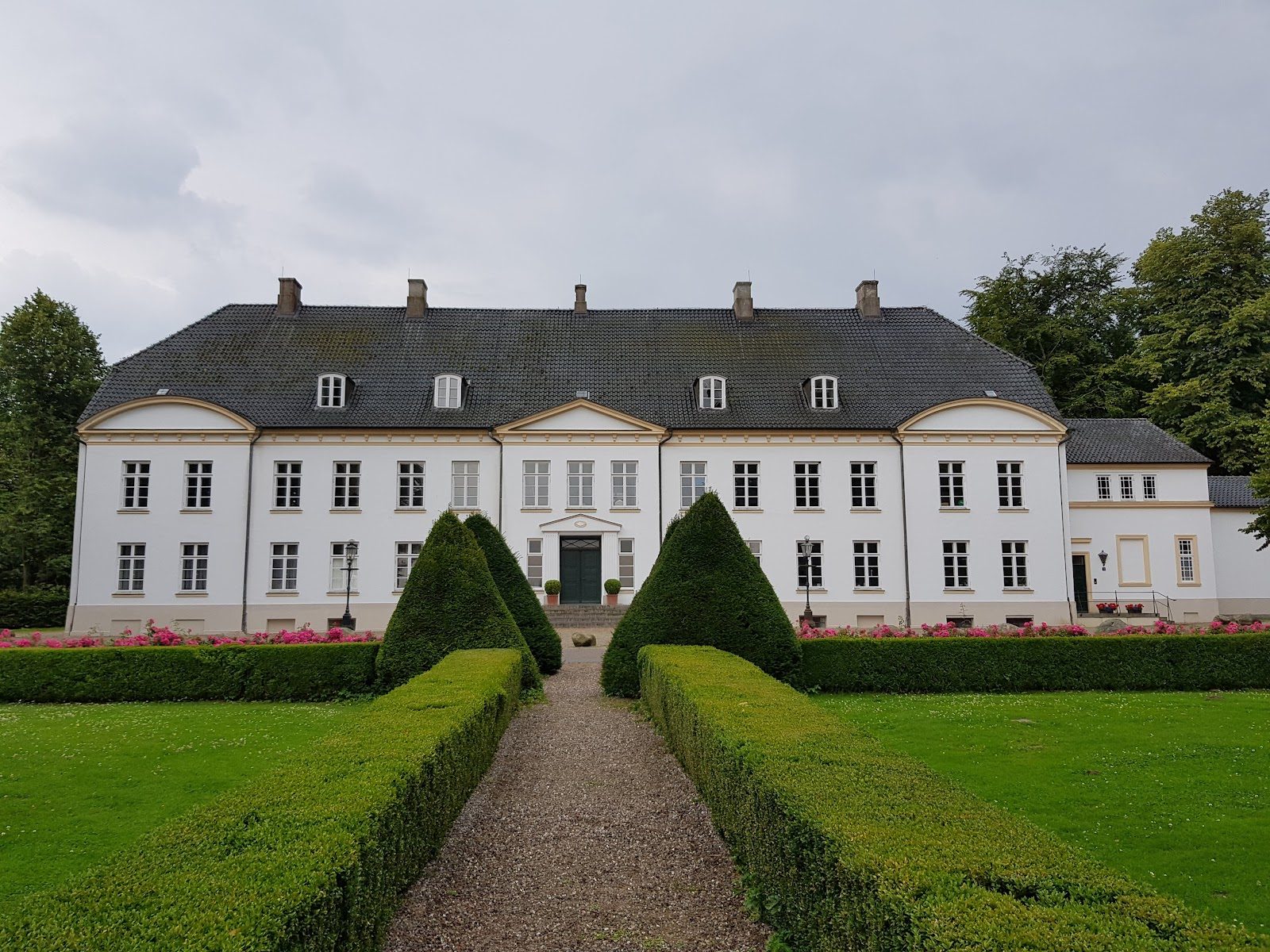
Stiftung Louisenlund
Güby · Germany
A fjord-side castle campus built on Kurt Hahn's ethos pairs IB rigor with a sailing harbour that breeds national champions.
Same country and curriculum — closest matches within ±10 points either way