
United States
Baltimore School for the Arts – Visual Arts
New · 2026/27Type
Ages
—
Curriculum
—
Ratio
—
Ranking breakdown
Baltimore School for the Arts – Visual Arts · #1318 of 1591
Composite score 55.2. 8 weighted criteria.
By criterion
Academic Outcomes
Weight 20%
No data yet
1529 of 1591 scored
University Placement
Weight 16%
No data yet
1529 of 1591 scored
Prestige & Heritage
Weight 12%
#912
of 1571 scored
Alumni Network
Weight 12%
No data yet
1530 of 1591 scored
Facilities
Weight 12%
No data yet
1533 of 1591 scored
Transparency & Communications
Weight 8%
No data yet
1532 of 1591 scored
Peer & Industry Review
Weight 10%
#30
of 1548 scored
Admissions Selectivity & Demand
Weight 8%
No data yet
1529 of 1591 scored
Peer & Industry Review
How Baltimore School for the Arts – Visual Arts is regarded in the sector
83
Strong · medium confidence
Baltimore School for the Arts is consistently cited within Maryland's public magnet landscape as the benchmark arts program, frequently referenced alongside Baltimore City College and Poly in local rankings coverage by the Baltimore Sun and Baltimore Banner when discussing selective public schools. Its visual arts and broader conservatory-style curriculum, built in partnership with the Peabody Institute of Johns Hopkins University, gives it credibility with conservatory-track admissions officers, and graduates have gone on to institutions such as Juilliard, RISD, and Peabody itself, reinforcing its reputation among arts-focused higher-education gatekeepers. Notable alumni, including actress Jada Pinkett Smith and the late Tupac Shakur, are regularly invoked in profiles of the school, lending it durable name recognition beyond typical public-school coverage. Independent education press treats it as a standout example of public arts education rather than a boutique private competitor, and it is rarely benchmarked against elite private prep schools, positioning it instead as a nationally watched model within public arts-magnet circles.
Award
Elite Visual & Fine Arts 76
World's Top School · The Global Ranking
Baltimore School for the Arts – Visual Arts is featured on our Global Top 76 ranking at #34. This seal is available for the school's marketing team to use on their website, prospectus and social channels.
Editors' overview
Full editorial coverage forthcoming. This institution has been included in the 2026 Visual Arts & Fine Art audit on the strength of its specialist Fine Art pathway. A long-form editorial review — covering curriculum, faculty, graduate conversion, portfolio provision and international accessibility — will be published as editorial capacity allows. The rank position, country and international-access classification shown on the ranking page have been verified against the methodology.
An Elite Visual & Fine Arts 76 school
Baltimore School for the Arts sits at rank thirty-four on the Elite Visual & Fine Arts 76 on the strength of a single hard fact: this is a public high school where visual arts applicants are judged solely on a submitted portfolio and audition, with no academic transcript ever consulted, and its Visual Arts graduates go on to careers as working artists, curators and CFDA-level designers rather than merely decorative alumni lists. Founded in 1979 and housed in the Alcazar building in Mount Vernon, it draws roughly a thousand 8th- and 9th-grade applicants across all disciplines each year for about 115 places.
The Visual Arts strand is led by department head Archie Veale, a BSA graduate ('85) and Maryland Institute College of Art alumnus ('91), and it runs on a studio-and-critique model rather than generic coursework. Students work in a dedicated arts studio with an on-campus visual arts exhibition space, attend field trips to institutions including the Philadelphia Museum of Art and the Whitney Museum of American Art, and study under visiting guest artists who lead annual master classes. The pathway is fed in part by TWIGS, the school's free pre-professional feeder program, which supplies roughly half of each incoming class.
Notable Visual Arts alumni anchor the department's reputation. Christian Siriano, who built his fashion-illustration portfolio under then-department-head Stephen Kent, went on to win Project Runway and was named to TIME's 100 Most Influential People. Painter, sculptor and installation artist Shinique Smith, photographer Sara VanDerBeek, and sculptor William Rhodes all trained through the same program and now exhibit in major galleries and museums.
International openness here is genuinely limited, and honesty matters more than salesmanship: BSA is a Baltimore City public school with no boarding facilities, so overseas applicants would need a local guardian or host arrangement. Admission is open to residents of any county via the same audition/portfolio process, with tuition free for city residents and roughly $10,000 per year for non-residents, though federal law caps F-1 visa attendance at public secondary schools at twelve months and requires full unsubsidized-cost reimbursement, so most true international families will find this an unworkable long-term fit. Portfolios are due by early December for January auditions. This school suits a genuine local or U.S.-relocating student far more than an overseas family seeking a turnkey boarding pathway.
Academic Performance
Baltimore School for the Arts is a public, audition-entry high school within Baltimore City Public Schools, pairing a full college-preparatory curriculum with intensive studio training. Visual arts majors take daily studio classes in drawing, painting, sculpture, printmaking and design alongside required academic coursework in English, math, science and history. Students build a portfolio over four years, culminating in a senior thesis exhibition reviewed by outside artists. Many graduates go on to competitive art and design programs, including RISD, Cooper Union, Pratt Institute and MICA, though the school does not publish standardized exam aggregates distinct from the district. The dual demand of academics and studio hours produces a rigorous, time-intensive schedule uncommon among public schools, and faculty include practicing artists rather than solely credentialed classroom teachers, giving instruction a professional-studio character rather than a purely exam-driven one.
Facilities
The school occupies a renovated historic building at 712 Cathedral Street in Baltimore's Mount Vernon cultural district, near the Peabody Institute and Walters Art Museum. Visual arts facilities include dedicated painting and drawing studios, a photography darkroom, printmaking presses, ceramics and sculpture workspaces, and gallery space used for student exhibitions. The building also houses theaters, dance studios and music rehearsal rooms shared across the school's other arts divisions, reflecting its multidisciplinary design. There are no significant athletic facilities or sports programs; physical education is minimal, consistent with the school's arts-first mission. Science and general academic classrooms are conventional rather than specialized. The urban campus gives students proximity to museums, galleries and professional arts institutions used for critiques, internships and visiting-artist workshops, extending the effective studio environment beyond the school's own walls.
This institution has been included in the 2026 Visual Arts & Fine Art audit on the strength of its specialist Fine Art pathway
Prestige
Founded in 1980, Baltimore School for the Arts was among the earliest public arts high schools in the United States and is often cited as a model for similar institutions elsewhere. It gained wider public recognition through alumni such as Tupac Shakur and Jada Pinkett Smith, both of whom attended in the 1980s, which has given the school a cultural profile beyond Baltimore. Its standing rests less on formal rankings than on its reputation within American arts education circles as a rigorous, selective public conservatory-style school. Admission is by competitive audition and portfolio review rather than academic record alone, reinforcing its identity as an arts-specialist institution. It carries civic weight in Baltimore as a rare public school combining serious academics with pre-professional arts training, though it remains a niche institution rather than a broadly prestigious name nationally.
The rank position, country and international-access classification shown on the ranking page have been verified against the methodology
Communications
As a public school within Baltimore City Public Schools, the institution communicates primarily through the district's official channels, a school website, email updates and a box office system for ticketed performances and exhibitions open to the public. Visual arts events, including senior exhibitions, are publicized through school announcements and local arts calendars rather than extensive marketing. Family communication follows standard public-school practice, including parent-teacher conferences, progress reports and audition/admissions notices for prospective students. The school has moderate visibility in Baltimore media, particularly around performances and notable alumni, but does not maintain the elaborate communications apparatus typical of private independent schools. Social media presence is modest and mainly promotional for student productions and shows. Compared with well-resourced private schools, its public communications are functional rather than polished, reflecting its public-sector administrative structure.
Uniqueness
Baltimore School for the Arts is distinguished as a tuition-free public high school offering conservatory-level training across visual arts, music, dance, theater and stagecraft, selected purely by audition and portfolio rather than family income or academic record. This makes serious pre-professional arts education accessible to talented students across Baltimore regardless of background, a structural rarity among arts schools nationally, most of which are private. Its integration of rigorous academics with daily studio practice, taught by working artists, sets it apart from typical public high school art electives. The school's alumni network, including figures who became internationally known cultural figures, has given it disproportionate visibility for its size. Its location within Baltimore's arts district further embeds students in a working cultural ecosystem rather than an isolated campus, reinforcing its identity as a public arts incubator rather than a conventional comprehensive high school.
Students build a portfolio over four years, culminating in a senior thesis exhibition reviewed by outside artists
Student Profile
Students are drawn primarily from Baltimore City and surrounding Maryland communities, admitted through competitive audition and portfolio review rather than tuition or zoning. The visual arts cohort tends to be small, self-selected for strong interest in studio practice, and academically capable enough to manage a demanding dual curriculum. Socioeconomically and racially diverse, reflecting Baltimore's public school population, the student body includes many first-generation college aspirants alongside students from arts-oriented families. Because admission depends on demonstrated artistic ability rather than family wealth, the school draws talent from across the city's varied neighborhoods rather than a single affluent catchment. Students are generally described as disciplined and highly motivated, balancing long studio hours with standard academic coursework. The environment fosters close peer relationships within small arts cohorts, with a culture oriented around craft development, critique and public exhibition rather than conventional extracurricular or athletic life.
There are no significant athletic facilities or sports programs; physical education is minimal, consistent with the school's arts-first mission
Co-curricular strengths
Arts & sport, on a separate axis
Overall 8.34/10
Scored 0-10 from the school's own published evidence. This axis is editorial-only — it does not feed the main WTS ranking.
Sports
4.5/10
Drama
9.2/10
Dance
9.2/10
Music
9.3/10
Visual Arts
9.5/10
Parent reviews
Have you sent your child here?
Voice reviews carry the strongest trust badge — we transcribe them for you to tidy up before they go live. Prefer to type? A written review is fine too.
Add your voice
In 60 seconds, tell other parents: what's the best thing about Baltimore School for the Arts – Visual Arts, and what surprised you when your child joined?
We ask for a Google sign-in so every review has a real face behind it — no anonymous drive-by attacks on schools, and no faked positive reviews. Your email is never shown publicly.
Send this profile to a friend
International parents rely on word-of-mouth. Share this review with someone weighing the same decision.
Schools with places
Similar schools to Baltimore School for the Arts – Visual Arts with places available now.
Germantown Friends School
Philadelphia · United States
- 2026-27
- CLOSEDRegular cycle closed
- 2027-28
- OPENS SOONOpens Sept '26
Poly Prep Country Day School
Brooklyn · United States
- 2026-27
- CLOSEDRegular cycle closed
- 2027-28
- OPENS SOONOpens Sept '26
Marymount School of New York
New York City · United States
- 2026-27
- CLOSEDConfirmed full
- 2027-28
- PLACES OPENApplications opened 1 Aug '26
Boston University Academy
Boston · United States
- 2026-27
- CLOSEDRegular cycle closed
- 2027-28
- OPENS SOONOpens Sept '26
Availability first, then country, area, curriculum, price, co-curricular
Consider also
Also worth looking at alongside Baltimore School for the Arts – Visual Arts.

Germantown Friends School
Philadelphia · United States
Rooted in an 1845 Quaker meeting in historic Germantown, where juniors design a month-long independent study of their own.
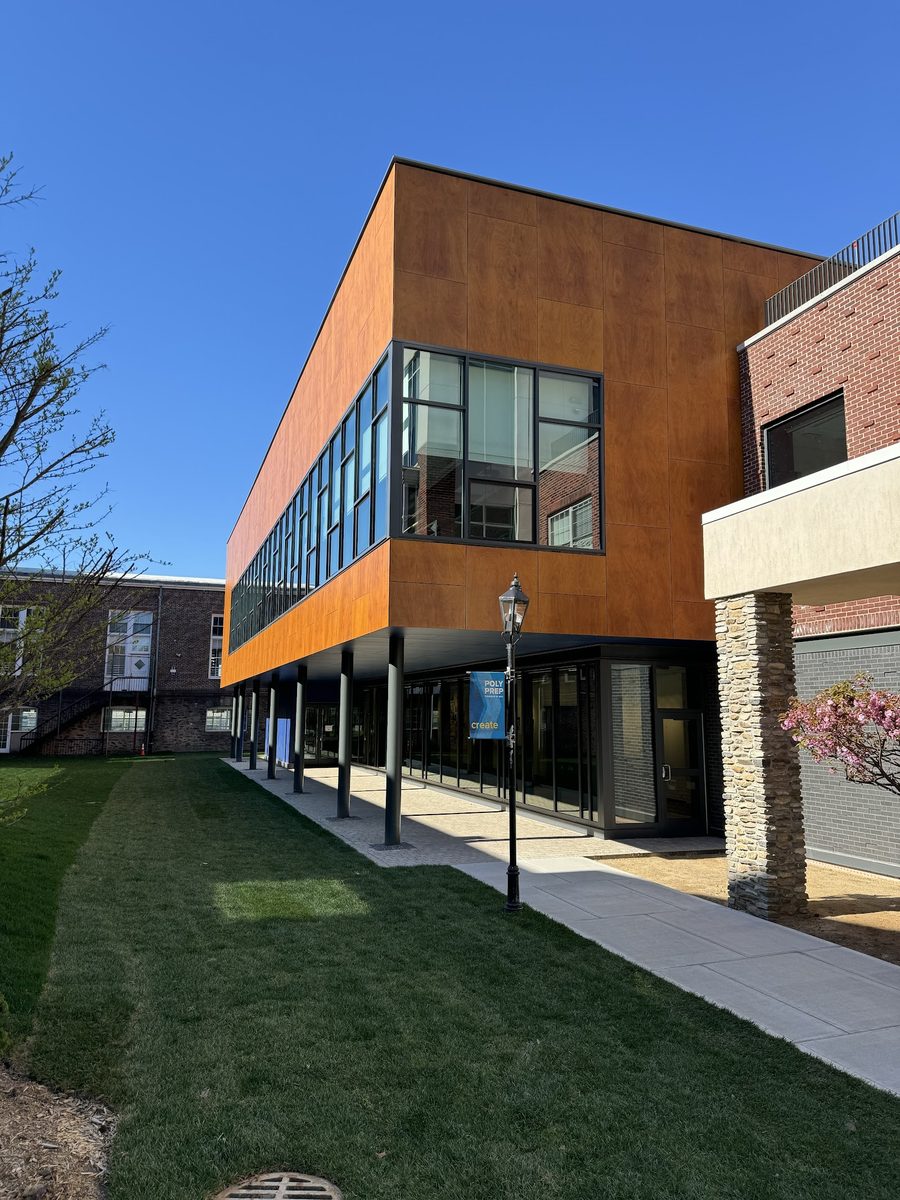
Poly Prep Country Day School
Brooklyn · United States
Founded in 1854 as Brooklyn's first boys' school, this day school pairs a Prospect Park mansion with a 25-acre Dyker Heights campus.
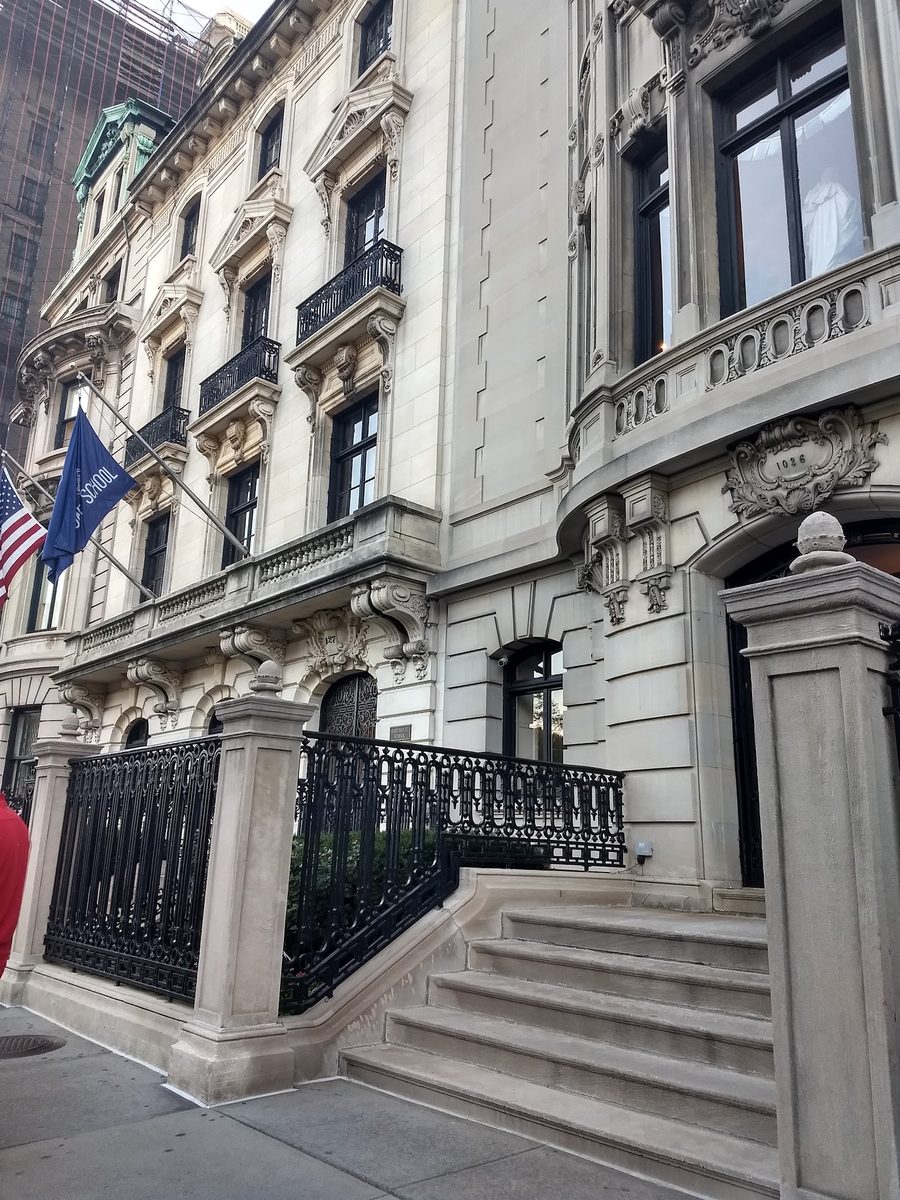
Marymount School of New York
New York City · United States
On Fifth Avenue, landmark mansions give way to Bloomberg terminals and classrooms inside the Met.
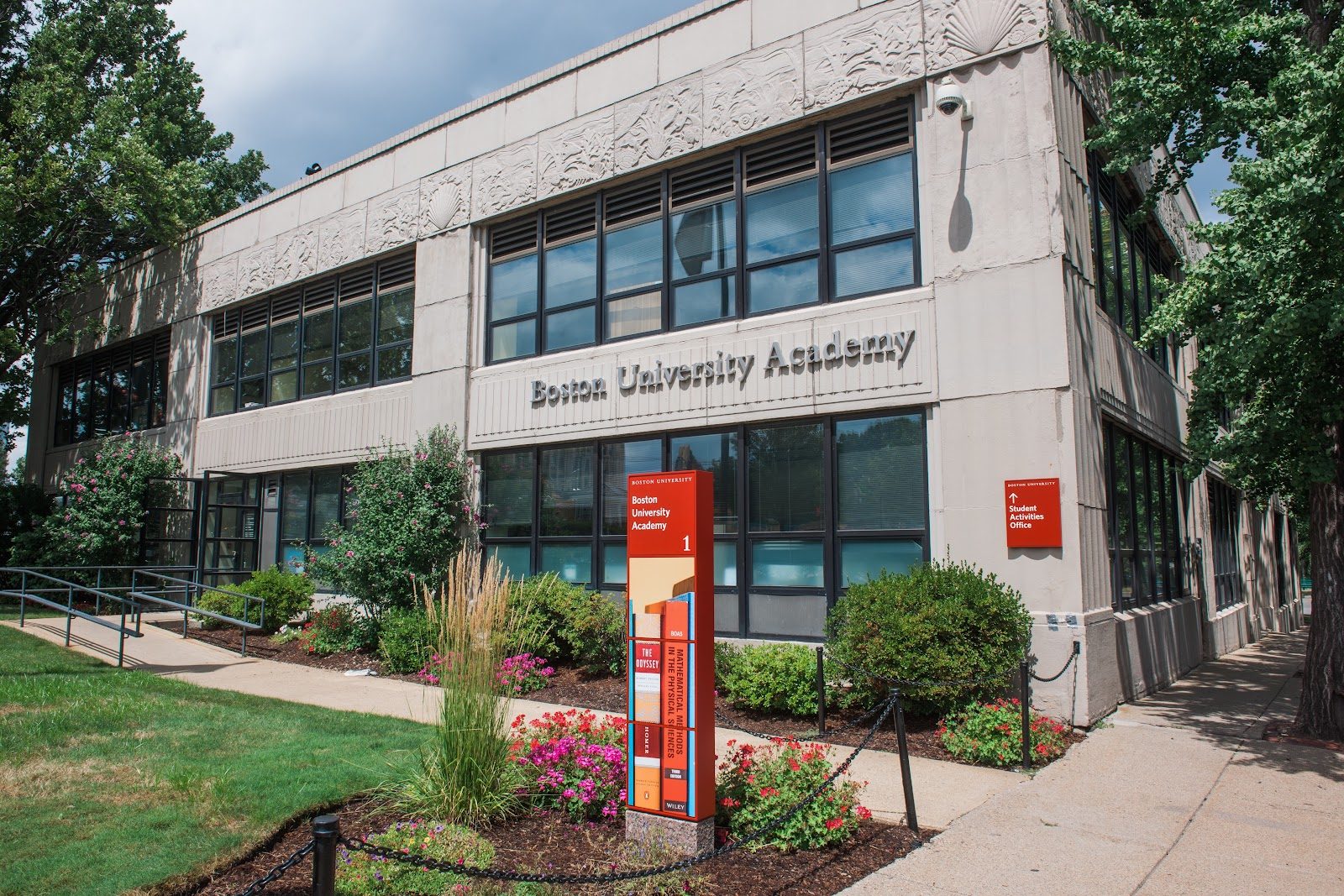
Boston University Academy
Boston · United States
Upperclassmen trade study halls for Boston University lecture halls, banking college credit before graduation.
Same country and curriculum — closest matches within ±10 points either way