
Ho Chi Minh City
Le Hong Phong High School for the Gifted
Born in 1927 as Petrus Ky, this Saigon academy now out-medals every rival school at Vietnam's national science olympiads.
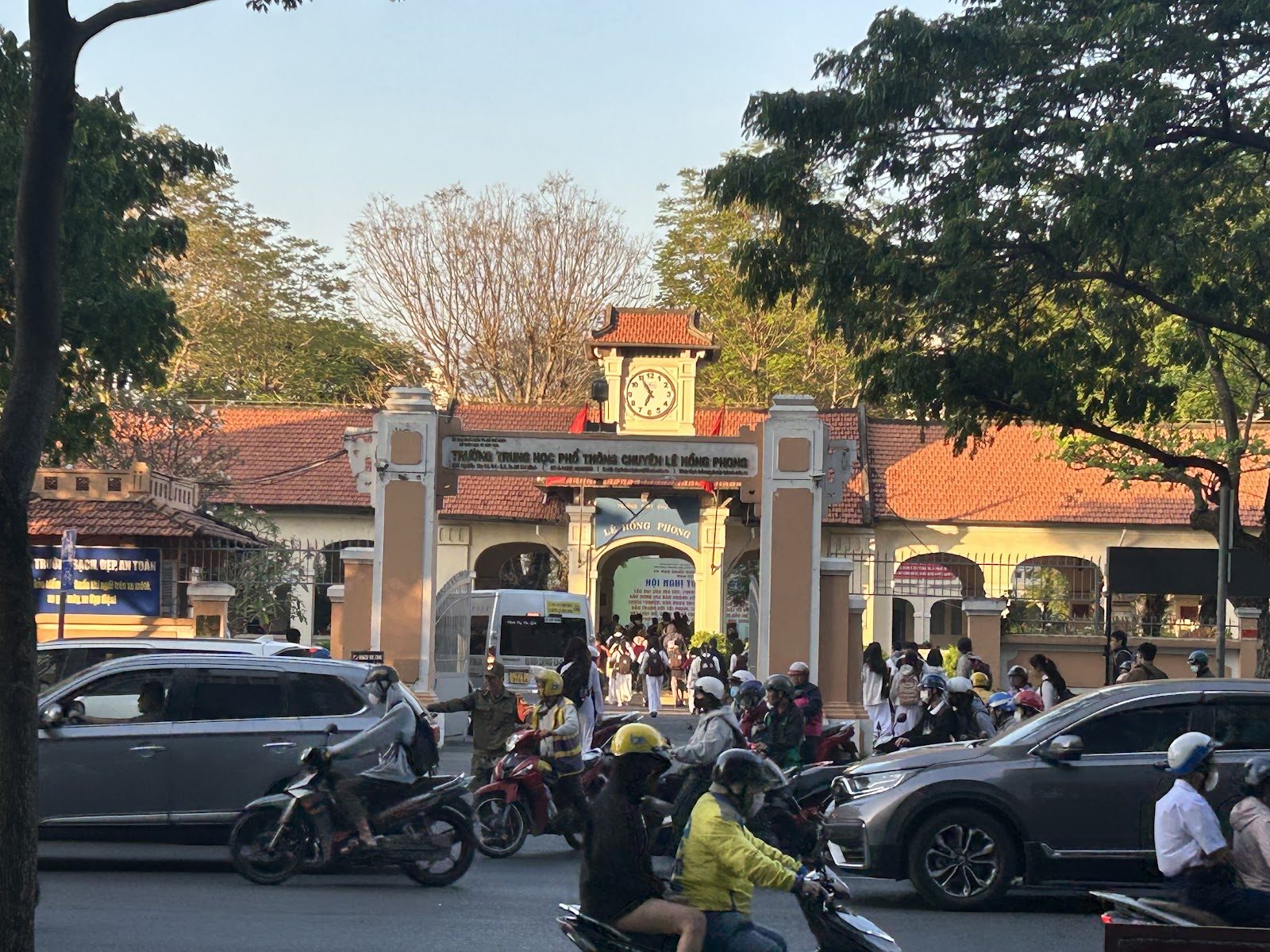
Photo © Hiroyuki Kanagu via Google Maps
Type
Day
Ages
15–18
Curriculum
Vietnamese
Qualifications
Vietnamese national curriculum (gifted track)
Ratio
—
The Verdict
Editor's commitment
Right for
Ambitious 15–18-year-olds in Ho Chi Minh City who want a secular day school with Vietnamese curriculum and serious academic competition.
Wrong for
Families wanting boarding, a non-Vietnamese curriculum, or education beyond ages 15–18; this 1927 academy does one thing, narrowly.
Watch out for
Instruction runs in Vietnamese and English, but the curriculum is Vietnamese; international families need clarity on language load and university pathways.
Ranking breakdown
Le Hong Phong High School for the Gifted · #605 of 1591
Composite score 67.5. 8 weighted criteria.
By criterion
Academic Outcomes
Weight 20%
#31
of 1529 scored
University Placement
Weight 16%
#305
of 1529 scored
Prestige & Heritage
Weight 12%
#9
of 1571 scored
Alumni Network
Weight 12%
#1374
of 1530 scored
Facilities
Weight 12%
#1326
of 1534 scored
Transparency & Communications
Weight 8%
#943
of 1532 scored
Peer & Industry Review
Weight 10%
#234
of 1548 scored
Admissions Selectivity & Demand
Weight 8%
#11
of 1529 scored
Peer & Industry Review
How Le Hong Phong High School for the Gifted is regarded in the sector
76
Strong · medium confidence
Within Vietnam's specialized-school system, Le Hong Phong is consistently grouped with Ho Chi Minh City's other top chuyen schools (Tran Dai Nghia, Nguyen Thuong Hien) at the top of provincial university-entrance exam league tables published annually by VnExpress and Tuoi Tre, and its International Mathematical, Physics, Chemistry and Informatics Olympiad medal counts are reported nationally each year, a recognition rival principals and the Ministry of Education routinely cite when discussing gifted-education benchmarks. Its graduates are a known feeder cohort into Vietnam National University-HCMC, RMIT Vietnam, and, for the strongest students, US, Australian and Singaporean universities (NUS, NTU), reflected in the school's own published admissions-outcome data rather than independent verification. As a public specialized school rather than an international or private institution, it does not feature in Western-oriented review platforms such as the Good Schools Guide or WhichSchoolAdvisor, and English-language independent press coverage is sparse; its reputation is almost entirely domestically constructed through exam-result transparency and olympiad reporting rather than international peer commentary or admissions-officer testimony.
- Nguyen Thien Nhan — Politician, Government
- Truong My Hoa — Former Vice President, Politics
- Le Cong Dinh — Lawyer/Activist, Law
Editors' overview
Le Hong Phong High School for the Gifted occupies a rare position in Vietnam’s education market: a state selective school with the academic prestige of a national institution. Founded in 1927 as Petrus Ky, it carries historical weight, but history is not the main draw. Results are. This is the Ho Chi Minh City school that dominates the national science olympiads and feeds the country’s top universities. For families who care about intellectual competition, subject depth and a cohort that treats study as serious work, Le Hong Phong belongs on the shortlist. It offers a forensic academic culture, hard-edged ambition and real scholarly pressure that few schools can match.
What sets it apart is concentration of talent. This is not a broad “all-rounder” school selling a lifestyle. It is a gifted school for ages 15–18, and that focus matters. The Vietnamese curriculum gives it a clear national frame; instruction in Vietnamese and English adds practical range, but this is not an international school in ethos or design. Parents looking for small classes, pastoral hand-holding or a cushioned route through adolescence are shopping in the wrong market. Le Hong Phong trades in intellectual intensity, competitive momentum and earned status. The upside is obvious: able students work among peers who raise the floor and the ceiling at the same time.
The right student for Le Hong Phong is academically fast, self-disciplined and unromantic about workload. A teenager who enjoys mathematics, sciences, literature or languages at a high level, and who wants external benchmarks rather than warm encouragement, will thrive here. A student who needs constant reassurance or who wants school organised around sport, campus life or a polished international brand will not. This is a day school, secular, urban and serious. Its appeal lies in prestige with substance and a meritocratic edge that ambitious local families understand immediately.
In market terms, Le Hong Phong sits above most mainstream Vietnamese schools on academic selectivity and below international schools on cosmopolitan breadth, facilities branding and fee-led positioning. That is its strength. It offers elite public-school credibility without the imported identity of an international campus. For the right family, the question is not whether it feels exclusive enough; the question is whether the student wants to live at the pace set by one of the country’s most exacting academic environments.
Academic Performance
Academic performance is the whole proposition here, and the school delivers it at the sharp end of Vietnam’s competitive system. In the latest national excellent-student competitions, Le Hong Phong produced 58 prize winners, the highest total in the country. That haul included 8 first prizes, 18 second prizes and 32 third prizes across mathematics, sciences, informatics and humanities. In practical terms, that places the school above specialist rivals in both volume and spread. This is not a one-subject outlier living off a single strong department; it is a national leader with serious depth across disciplines. For parents comparing elite academic schools, that breadth matters: it points to a culture where top-end attainment is systematic, not accidental.
The same pattern holds in olympiad pathways. Students from Le Hong Phong progress from city and national rounds into international teams, reinforcing its status as a results machine rather than a prestige brand trading on history. What the school does not publish is just as important. We have not seen aggregate graduation scores, university destination tables or standardised exam averages set out in the clean, comparative format international parents may expect. That opacity limits fine-grained benchmarking against private and overseas-oriented schools. Even with that caveat, the national competition record is exceptional, hard to dismiss and strong enough to place Le Hong Phong in the top tier of academically selective schools in Vietnam.
Facilities
Le Hong Phong’s facilities serve one purpose: sustained academic work. The campus has specialist rooms for subject teaching, science laboratories, computer rooms, a library and indoor sports space, with the grand colonial main building still giving the school a distinctive civic presence that newer campuses cannot copy. For a gifted state school, that mix is solid and functional rather than showpiece luxury. Parents should not expect the polished excess of fee-heavy international schools with black-box theatres, competition pools and branded innovation hubs. The priority here is classrooms and labs that keep high-performing students working at speed, not a campus built to impress on an admissions tour.
Against Vietnamese public-school peers, that is a stronger academic platform than most. Against elite private and international competitors in the city, the gap shifts: Le Hong Phong wins on intellectual concentration, while many rivals win on space, finish and specialist extracurricular infrastructure. The school’s location in the urban core also means a tighter site than suburban international campuses. That brings constraints in open green space and large-scale athletics provision. For the right family, this is a clear trade-off: less lifestyle packaging, more academic utility. Students who need extensive arts production facilities or resort-style sport provision will find better-equipped campuses elsewhere; students who need labs, books, serious classrooms and a no-nonsense working environment have what they need here.
This is the Ho Chi Minh City school that dominates the national science olympiads and feeds the country’s top universities
Prestige
Le Hong Phong carries first-rank academic prestige inside Vietnam’s state system. That prestige rests on selection, results and historical standing in the country’s educated class, not on international branding or polished admissions theatre. In the national excellent-student competitions, the school’s 58 prize winners and 8 first prizes give parents a hard measure of status that rival schools cannot explain away. This is the kind of record that turns a school into a reference point: universities know the name, ambitious families know the standard, and students know admission places them in a serious intellectual caste. In local terms, a place here confers earned distinction. It signals that a student has cleared a high bar and can survive in a peer group built around attainment.
That said, prestige here is narrow, meritocratic and unsentimental. It does not trade on global cachet in the way an international school does, and it will not carry instant recognition outside Vietnam among families who judge schools by IB averages, Oxbridge placements or glossy campus culture. Its standing is strongest with people who value national academic competition, specialist subject training and the social weight of a selective public institution. That is why the school rates so highly: not because it sells aspiration well, but because it has converted talent into public, repeatable outcomes for decades. In its home market, that is real prestige, not marketing prestige.
For parents comparing elite academic schools, that breadth matters: it points to a culture where top-end attainment is systematic, not accidental
Communications
Parent communication is functional, public and old-school. The school uses its website and Facebook page to post notices, timetables, competition news, ceremonies, enrolment instructions and administrative updates. That gives families a steady stream of information, but not a polished parent-portal experience. We have not seen the kind of consolidated dashboard international-school parents now expect: one login for attendance, grades, behaviour, messaging and calendar management. Instead, communication runs through announcements and document-style posts. That works for a disciplined, exam-facing community that already knows how to navigate the system. It is less effective for parents who want frictionless digital access or quick, English-first hand-holding.
Effectiveness, then, depends on the parent. For local families used to Vietnamese public-school rhythms, the school communicates enough: dates, requirements and achievements are published clearly and frequently. For international parents, the picture is thinner. The public-facing channels carry far more operational detail than explanatory context, and there is little sign of customer-service polish. We have not seen published response-time standards, a sophisticated app ecosystem or detailed parent-facing reporting in the style of fee-heavy private schools. That does not make communication weak; it makes it institutional rather than concierge. In keeping with the school’s wider character, the message is plain: parents are expected to keep up, read carefully and follow procedure. For the right family, that is efficient. For others, it will feel brisk and unforgiving.
Uniqueness
What makes Le Hong Phong distinctive is not history or architecture, but concentration. Few schools gather so many high-attaining teenagers under one roof and then organise school life around subject mastery rather than broad adolescent development. The result is a compressed intellectual environment in which pace, comparison and external competition shape daily expectations. Students benefit from peers who normalise difficult work, serious revision and public academic ranking. That raises standards fast. It also strips away illusion: a bright child who has always been top of the class elsewhere meets stronger competition here and either sharpens or stalls. For the right student, that is formative pressure of the best kind.
Its other point of difference lies in national relevance. This is not an imported model built around overseas branding; it is a home-market elite institution with deep credibility inside Vietnam’s merit system. The school’s headline haul of 58 national prizes captures that status, but the deeper advantage for students is access to a pipeline of specialist coaching, high-level subject communities and teachers who work with top-end attainment as a routine expectation. That brings serious academic stretch, stronger preparation for selective university routes and the confidence that comes from surviving a hard-edged meritocracy. The cost is plain: less cushioning, less lifestyle gloss, and little room for students who want school to be gentle.
What makes Le Hong Phong distinctive is not history or architecture, but concentration
Student Profile
The students who fit here are bright, competitive and internally driven. They do not need coaxing to revise, and they do not collapse when they stop being the strongest child in the room. In a school that produces 58 national prize winners in a single competition cycle, the peer group sets a punishing baseline. The right teenager enjoys solving hard problems, tolerates comparison and treats marks, rankings and subject mastery as normal parts of school life. Curiosity matters, but grit matters more. This is a place for students who can absorb correction without drama, recover from setbacks fast and keep working under constant academic pressure. A taste for mathematics, sciences, informatics, languages or literature helps; so does comfort with teachers who expect precision rather than performance. It is not for the thin-skinned.
The weaker fit is just as clear. Students who need heavy pastoral scaffolding, external motivation or a broad school identity built around sport, spectacle and social ease will struggle. So will teenagers who define themselves as “gifted” but have never had to compete against equally able peers every day. The social atmosphere suits pupils who respect effort and can live with a hard-edged meritocracy. They need discipline, stamina and a stable ego: enough confidence to contribute, enough humility to be outperformed. For families, the ideal match is a child who wants a serious scholarly tribe, not a soft landing.
It also strips away illusion: a bright child who has always been top of the class elsewhere meets stronger competition here and either sharpens or stalls
Co-curricular strengths
Arts & sport, on a separate axis
Overall 6.8/10
Scored 0-10 from the school's own published evidence. This axis is editorial-only — it does not feed the main WTS ranking.
Sports
7.5/10
Drama
7/10
Dance
6.5/10
Music
6.5/10
Visual Arts
6.5/10
Strengths
- +One of Vietnam's oldest selective public schools, founded in 1927 (originally as Petrus Ky High School), with nearly a century of continuous operation in Ho Chi Minh City.
- +Ranked first nationally in Vietnam's 2025-2026 National Excellent Student Competition, with 153 award-winning students, the highest tally of any school in the country.
- +Near-100% pass rate on the national baccalaureate examination, with over 90% of graduates gaining entrance to university, according to school and third-party profiles.
- +Offers 12 distinct specialized ('chuyen') subject tracks, spanning mathematics, sciences, literature, history and foreign languages including English, French, Chinese and Japanese.
- +Runs a bilingual Vietnamese-French program with its own dedicated admissions panel, giving students an additional language-immersion pathway.
Considerations
- −Instruction and entrance examinations are conducted in Vietnamese (Literature, Maths, English plus a specialized subject), making the school impractical for expat children without strong Vietnamese literacy.
- −Admission is decided by a single high-stakes standardized exam rather than rolling or holistic application; in 2025 about 3,926 candidates competed for 805 places, a ratio of roughly 1:4.9.
- −Eligibility is generally tied to having completed lower-secondary schooling within Ho Chi Minh City's public system, which can effectively exclude recently arrived international families.
- −As a public 'chuyen' (gifted) school, the model is heavily exam- and competition-oriented, with less public information available on broader extracurricular, pastoral or arts programming compared with private international schools.
Availability
Primary entry gate & tests
HCMC Competitive Entrance Exam
Gallery
Photo © Vinh Pham via Google Maps
Photo © Vinh Pham via Google Maps
Photo © Vinh Pham via Google Maps
Photo © Vinh Pham via Google Maps
Photo © Nguyen Trong Khanh via Google Maps
Photo © Jay R. Kay via Google Maps
Photo © NGUYỄN VĂN MINH CHÁNH via Google Maps
Parent reviews
Have you sent your child here?
Voice reviews carry the strongest trust badge — we transcribe them for you to tidy up before they go live. Prefer to type? A written review is fine too.
Add your voice
In 60 seconds, tell other parents: what's the best thing about Le Hong Phong High School for the Gifted, and what surprised you when your child joined?
We ask for a Google sign-in so every review has a real face behind it — no anonymous drive-by attacks on schools, and no faked positive reviews. Your email is never shown publicly.
Send this profile to a friend
International parents rely on word-of-mouth. Share this review with someone weighing the same decision.
Schools with places
Similar schools to Le Hong Phong High School for the Gifted with places available now.
Availability first, then country, area, curriculum, price, co-curricular
Consider also
Also worth looking at alongside Le Hong Phong High School for the Gifted.
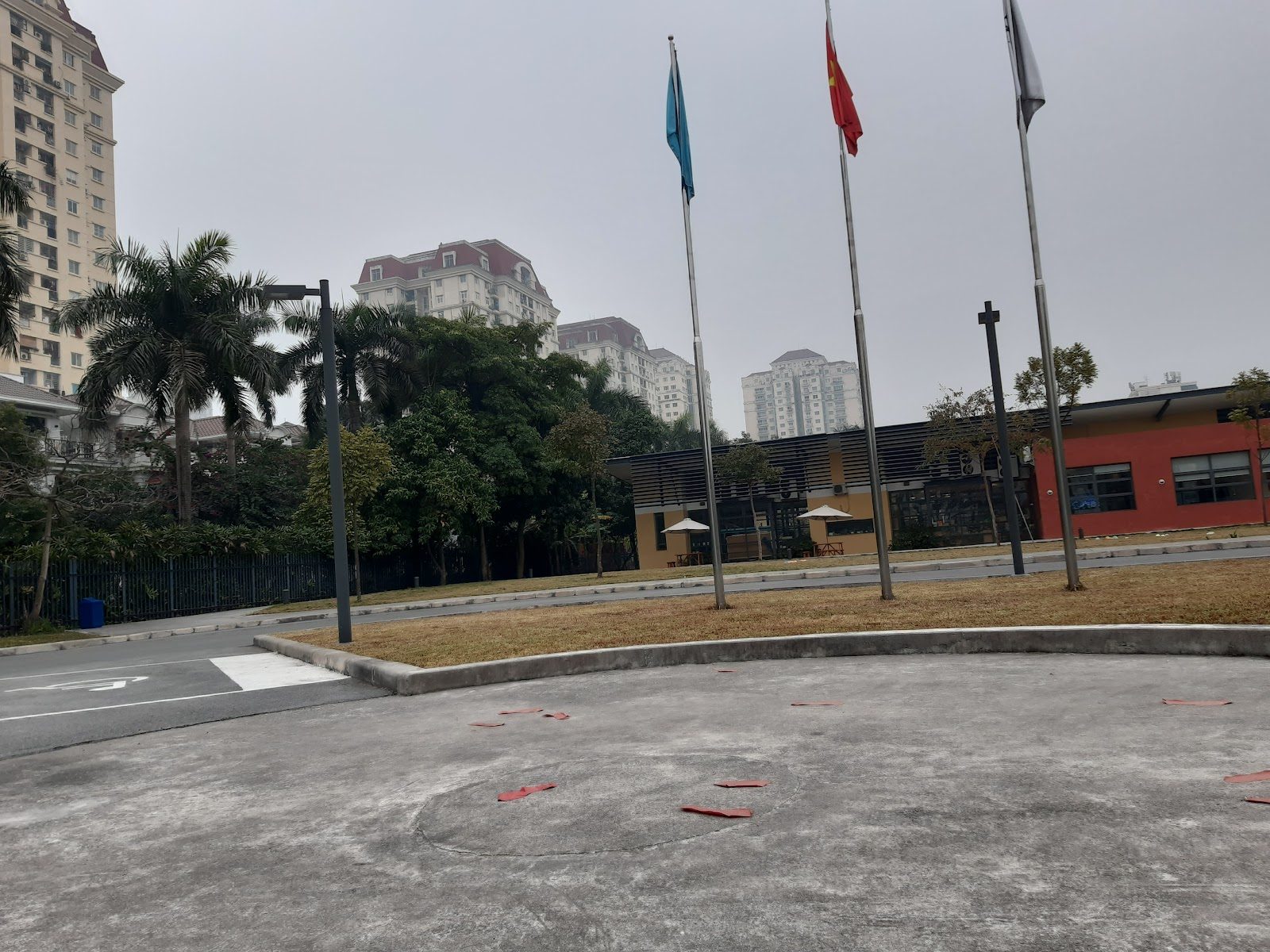
United Nations International School of Hanoi
Hanoi · Vietnam
One of only two UN-affiliated schools on earth, weaving the Sustainable Development Goals into an IB curriculum spanning 60-plus nationalities
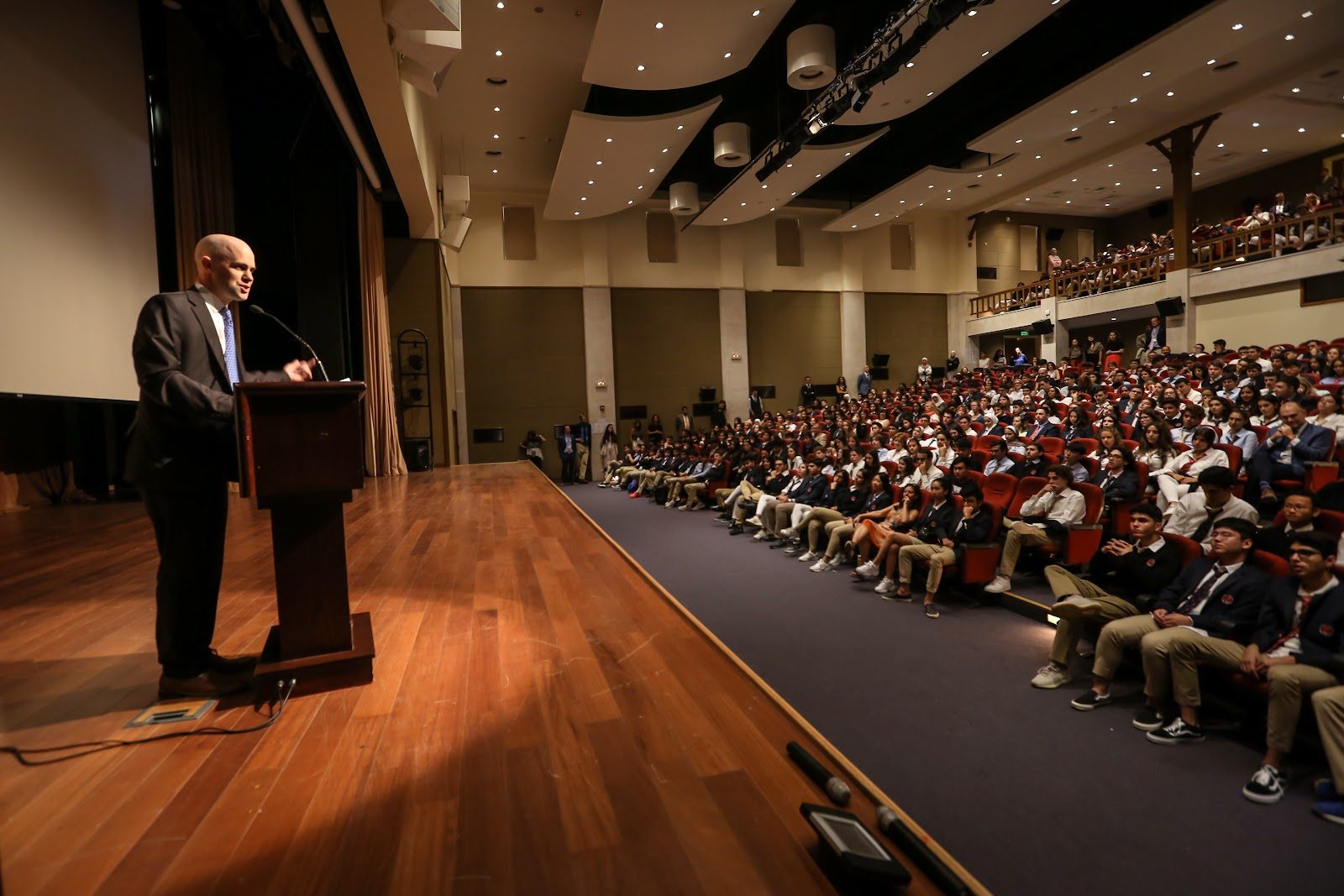
King's Academy
Madaba · Jordan
On the hills of Madaba, a Deerfield-inspired boarding school built around Harkness-table classrooms and a multi-faith spiritual center.
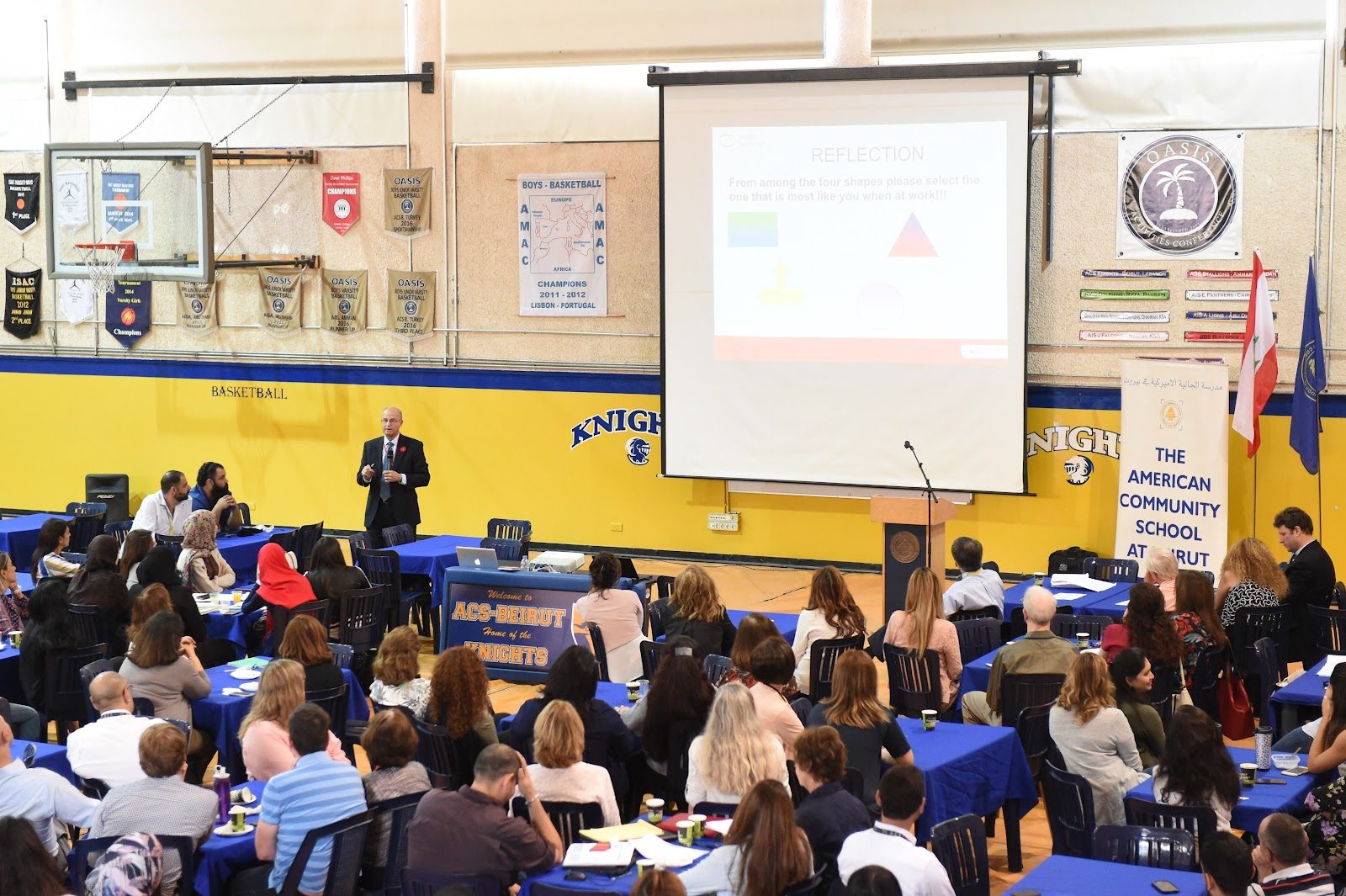
American Community School Beirut
Beirut · Lebanon
Founded in 1905 by AUB faculty, this Corniche campus blends IB and American diplomas around Harkness-style seminar tables.
Roedean School South Africa
Johannesburg · South Africa
Founded in 1903 by two Cambridge-educated pioneers, this all-girls boarding school still occupies its original Herbert Baker campus in Parktown.
Same country and curriculum — closest matches within ±10 points either way