
Maryland
Landon School
medium confidence· 4/6 cats · 2.62 avg sourcesAn all-boys campus of 75 wooded acres near D.C., where a teacher-coach-mentor model pairs AP rigor with 22 varsity sports.
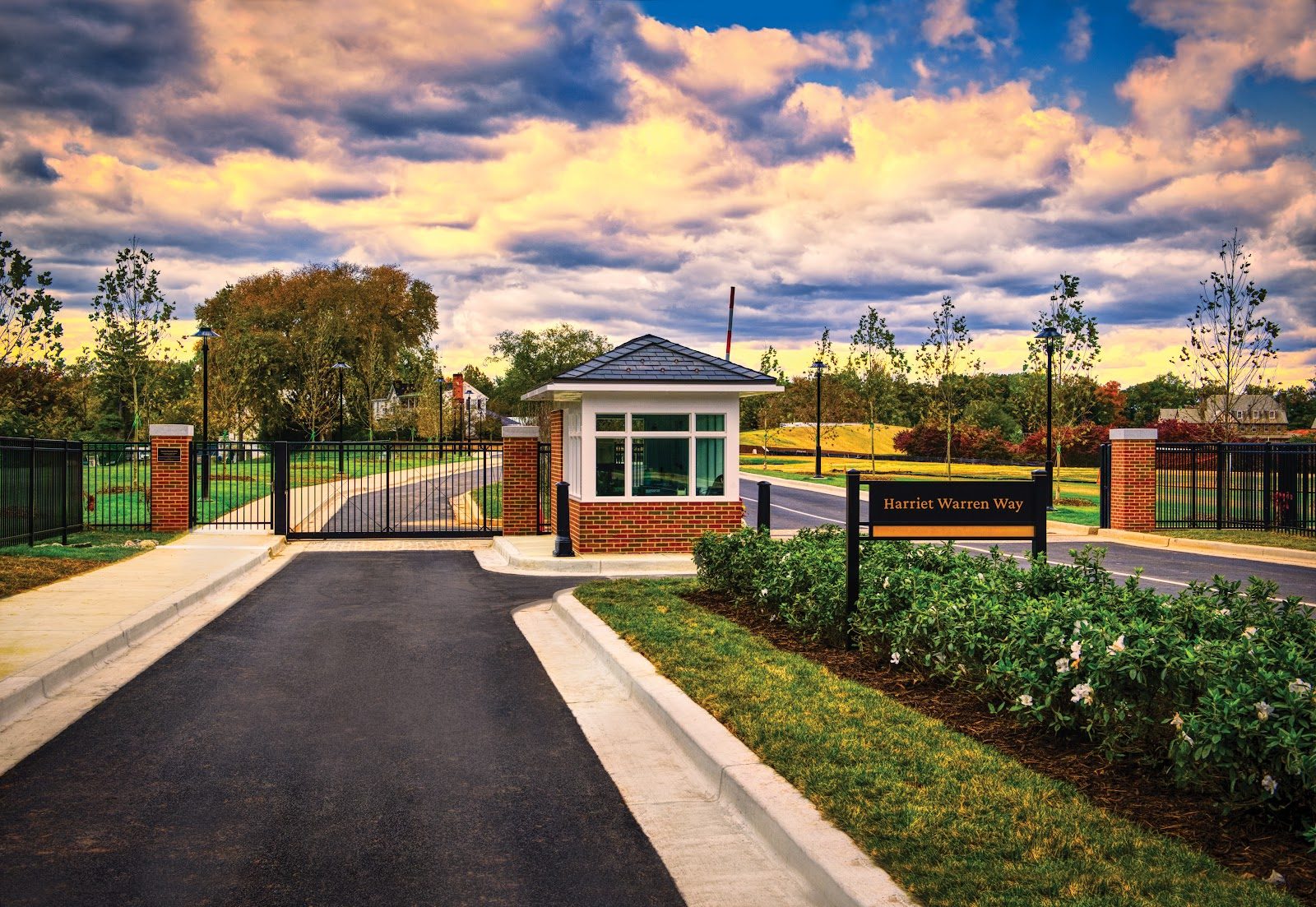
Photo © Landon School via Google Maps
Type
Day
Ages
8–18
Curriculum
American (US High School Diploma) · AP (Advanced Placement)
Ratio
8:1
The Verdict
Editor's commitment
Right for
Boys aged 8–18 who want a 75-acre Bethesda campus, 22 varsity sports, AP courses, and an average class size of 14.
Wrong for
Families wanting co-education, boarding, or low fees: Landon is all-boys, day-only, and costs US$51,000 a year.
Watch out for
The teacher-coach-mentor model and 6:1 student-teacher ratio suit engaged boys; quieter pupils can get swallowed by the athletic culture.
Ranking breakdown
Landon School · #368 of 1591
Composite score 72.2. 8 weighted criteria.
By criterion
Academic Outcomes
Weight 20%
#449
of 1529 scored
University Placement
Weight 16%
#398
of 1529 scored
Prestige & Heritage
Weight 12%
#307
of 1529 scored
Alumni Network
Weight 12%
#207
of 1529 scored
Facilities
Weight 12%
#352
of 1529 scored
Transparency & Communications
Weight 8%
#554
of 1529 scored
Peer & Industry Review
Weight 10%
#523
of 1529 scored
Admissions Selectivity & Demand
Weight 8%
#369
of 1529 scored
Peer & Industry Review
How Landon School is regarded in the sector
82
Strong · medium confidence
Landon School is consistently ranked among the top all-boys private schools in the Washington D.C. area by Niche and local press, and is regarded as a peer to Sidwell Friends, St. Albans, and Georgetown Prep in the DMV private school landscape. It has a strong athletic and college placement reputation, with notable alumni including politicians and business leaders frequently covered in regional media. However, it lacks the international name recognition or consistent presence in global rankings (e.g., Tatler, Good Schools Guide) that top-tier UK or globally-benchmarked schools receive.
Evidence sources
- Ted Leonsis — CEO/Chairman, Monumental Sports & Entertainment
- John Delaney — Businessman and U.S. Congressman
- Connie Mack IV — Politician, former U.S. Representative
Editors' overview
Landon occupies a clear niche in the Washington market: an all-boys day school with serious academic expectations, a large athletic programme and a campus footprint that most urban independents cannot match. The headline facts do the work. This is a 1929-founded school on 75 wooded acres in Bethesda, teaching boys aged 8 to 18 through the US high school diploma with AP courses, with 22 varsity sports, an 8:1 student–teacher ratio in the verified context, and an annual day fee of $51,000. The teacher-coach-mentor model is the point of difference. Landon sells structure, adult attention and a boy-centred culture without apology. For families who want co-education, it is not the answer. For families who want a school built expressly around how boys learn, compete and are held to account, it belongs on the shortlist.
What marks Landon out is the combination of breadth and control. At 720 students, it is big enough to sustain deep co-curricular choice and a broad peer group, yet small enough to keep classes at an average of 14. The school talks openly about character, service and leadership; many schools do, but Landon has the infrastructure to make that credible, from the scale of its athletics to the stability of a long-established college-prep programme. Its published college indicators are solid rather than flashy: a middle 50% SAT range of 1240–1470 and 88% of the Class of 2026 attending a college where they applied early or priority. That points to a school that knows how to manage applications and place pupils sensibly, not a school trading on a handful of headline admits. The old-school independent profile remains visible too: this is a boys’ prep school with traditions, expectations and a confident sense of itself. Some families will find that reassuringly structured; others will find it too bounded.
The boy who thrives here is competitive, busy and responsive to close adult guidance. He does not need to be a star athlete, but he will get more from Landon if he enjoys teams, routine and a campus culture where sport carries weight. He also needs to tolerate, and ideally value, a school that speaks in the language of responsibility, character and commitment. The fit is strong for boys who want clear standards, room to run, serious coaching and a defined path to university. It is weaker for boys who want a looser atmosphere, a more visibly progressive identity, or the social mix of a co-educational setting. In market terms, Landon is a polished, high-cost, high-involvement Washington-area boys’ school with substance behind the pitch.
Academic Performance
Landon does not publish the data that would let a parent judge external academic performance with precision. There is no school-wide AP score profile, no pass-rate table, no breakdown of top grades by subject, and no university destination list detailed enough to test academic depth at cohort level. That is a real weakness in a market where many independent schools now understand that serious families expect hard outcomes, not just rhetoric about character and preparation. What Landon does publish is respectable but limited: a middle 50% SAT band of 1240–1470, plus an ACT middle band that sits in solid college-preparatory territory rather than the rarefied end of the Washington private-school market. The early and priority application figure also points to competent counselling and sensible placement, not academic fireworks.
Relative to peers, that puts Landon in the credible, mainstream upper tier of US independents rather than among the small group that use public exam data to advertise relentless scholarly distinction. That need not trouble families whose son wants balanced strength across classroom, sport and co-curricular life; it will trouble families seeking a hard-edged academic signal backed by transparent published results. The picture here is of a school with sound attainment, disciplined guidance and decent college outcomes, but with opaque external-results reporting. In editorial terms: academically serious, yes; empirically open about top-end examination performance, no.
Facilities
The campus is one of Landon’s strongest assets. A 75-acre site near Washington gives the school spatial advantages that many independent peers, boxed into tighter suburban or urban footprints, simply do not have: proper playing fields, room for training and competition, and enough breathing space for boys to move through the day without the cramped feel common elsewhere. That matters in a school where athletics is not decorative but central to the institutional design. The transport offer also has practical weight. Nine bus routes widen the catchment and make a physically larger campus workable for families spread across the region. For parents comparing Washington-area independents, that combination of land, sport infrastructure and transport access is a serious competitive edge.
The limitation is that Landon publishes less detail than the best-resourced peers about the academic and specialist facilities housed on that campus. We know the scale of the grounds; we do not get the same clear public accounting of laboratories, performing arts spaces, design facilities or standout libraries that top schools now use to prove substance beyond athletics. That leaves the physical picture strong but incomplete. Against peer schools, Landon benchmarks well on outdoor space and the infrastructure needed for a sport-heavy boys’ programme. It benchmarks less well on public transparency around the facilities that support scholarship, arts and innovation. For a school at this fee level, that gap is hard to ignore.
In editorial terms: academically serious, yes; empirically open about top-end examination performance, no
Prestige
Landon carries real weight in the Washington independent-school market, though not in the thin-air category occupied by schools that publish relentless top-end academic outcomes and trade on universal name recognition. Its prestige rests on a different base: a long-entrenched local reputation, a distinctly male old-school network, and a school culture that converts sport, mentoring and college preparation into a coherent social identity. The all-boys format narrows the audience but strengthens the brand. Families who want that environment know exactly what Landon is, and so do universities, rival schools and local employers. The campus scale, the breadth of advanced courses, the depth of organised sport and the fact that boys are drawn from 98 postal areas all reinforce a school with regional pull, strong social capital and institutional heft.
That is why the prestige rating sits high but not at the very top. Landon has a verified notable-alumni base of 35, spread across politics, business, scholarship, journalism and elite sport, which is enough to confirm durable influence rather than a thin promotional story. Financial aid at scale also matters: a school that can distribute $6.9 million a year has donor strength and community backing, both classic markers of independent-school standing. The limit is transparency at the academic summit. A school with this level of fee, confidence and market position should publish fuller external-results data. Until it does, Landon reads as well-connected, well-established and high-status — but not unassailable.
That is why the prestige rating sits high but not at the very top
Communications
Landon’s parent communications carry the same institutional temperament as the school itself: orderly, confident and geared to families who value clear systems over intimacy theatre. The public-facing basics are handled cleanly. Key operational facts are easy to find, transport is explained in practical terms, and the school gives parents concrete top-line figures on enrolment, staff profile, financial aid and college counselling. That matters. Schools that think carefully about communication do not bury logistics or force families to decode jargon. Landon does not. The catch is that this clarity thins out once a parent moves from operations to scrutiny. The school publishes enough to support a polished admissions case, but not enough to satisfy a hard-nosed parent who wants deeper academic disclosure, fuller destination detail or a more granular picture of day-to-day teaching quality. In that sense, the communication is efficient but selective.
For current and prospective parents, that produces a mixed verdict. The practical message is strong: routes, access, structure and institutional priorities are laid out in a disciplined, easy-to-navigate way, which suits a busy family. The emotional register is also unmistakable. Landon speaks with a firm, old-school confidence about boys, character and leadership, and families will either buy into that immediately or reject it just as quickly. What the school does not do is open every cupboard. It gives a persuasive account of ethos and organisation; it withholds some of the evidence that would test outcomes at the sharp end. Effective, then, in the mechanics and the framing. Less effective in meeting the demands of parents who expect full transparency from a high-cost independent school.
Uniqueness
What sets Landon apart is not the existence of an all-boys model, but the way the school builds an entire operating system around it. The teacher-coach-mentor idea is not decorative branding here; it shapes how boys are taught, supervised and pushed. In practice, that creates a school with a high-contact, high-accountability culture in which adults know pupils in more than one setting and have more than one lever to pull when standards slip. The result for students is coherence: academic expectations, conduct, sport and service are tied together rather than left to sit in separate silos. Add a catchment spread across 98 family zip codes and the school becomes more than a neighbourhood prep; it draws a broad Washington-area constituency into a distinctly self-assured institutional culture.
The other point of difference is scale in the right places. Landon combines a broad enough student body to sustain depth of programming with an average class size of 14 and more than 30 accelerated and honours courses. That mix matters. Boys get real choice without the anonymity and drift that can infect larger schools. They also get a social environment where competition has structure: enough teams, activities and academic pathways to find a lane, but not the free-form sprawl of a huge comprehensive campus. For the right student, that brings confidence, routine and close adult calibration. For the wrong one, it can feel too managed, too tradition-bound and too invested in a conventional model of boys’ development.
Landon sells structure, adult attention and a boy-centred culture without apology
Student Profile
The Landon boy fits a school that values direction, rhythm and visible effort. He does well with adults who stay in his orbit across lessons, activities and the wider life of the school, and he is comfortable being known, corrected and pushed. This is not a natural home for the child who wants anonymity, low supervision or endless room to negotiate expectations. It suits boys who respond to a structured, high-accountability environment and who do not bristle at a culture that links conduct, service and leadership to daily school life. The social mix is not narrow in geographic terms — families are drawn from 98 postal areas and 40% of pupils are students of colour — but the institutional personality is still distinctly traditional.
The strongest fit is a boy who wants breadth without chaos: solid classroom challenge, organised co-curricular life and a peer culture where teams matter. He does not need to be sport-obsessed, but he will struggle if he dislikes competition, shared routines or the public currency that athletic involvement carries in many boys’ schools. Landon also works for families who value close oversight and can tolerate a bounded, old-school tone. It works less well for boys who want a more fluid social setting, a more openly progressive culture, or the daily give-and-take of co-education. In blunt terms, this is a school for boys who benefit from clear guardrails and are willing to meet them.
For families who want a school built expressly around how boys learn, compete and are held to account, it belongs on the shortlist
Co-curricular strengths
Arts & sport, on a separate axis
Overall 7.98/10
Scored 0-10 from the school's own published evidence. This axis is editorial-only — it does not feed the main WTS ranking.
Sports
9.7/10
Absolute IAC athletic powerhouse; fields nationally dominant lacrosse, tennis, and wrestling programs across state-of-the-art turf grounds.
Drama
8.6/10
The school's performing arts tracks function like a professional conservatory environment, mounting elite, large-scale theater productions.
Dance
4.5/10
Offered primarily as a movement asset within theatrical physical training rather than an independent classical track.
Music
8.7/10
Exceptional music wing supporting top-tier youth orchestras, chamber groups, and elite choirs with deep civic pipelines.
Visual Arts
8.4/10
Highly disciplined fine arts track emphasizing technical portfolio mastery and advanced graphic design suites.
Editor-verified · 8/6/2026
Notable alumni · Wikidata
35notable alumni
1 historic (born pre-1930) · 6 modern (born post-1970)wikidata:2026-08-02 How we source this
Strengths
- +Average class size is 14 students, with 70 percent of full-time faculty holding advanced degrees, giving boys close faculty attention in an all-boys day setting.
- +Landon is located on 75 acres in Bethesda, MD, outside of Washington, D.C., and offers 22 arts and 21 athletics options, with facilities such as a STEM center noted in school materials.
- +Financial aid available annually totals $6.9 million, with 27% of students receiving aid, indicating a sizeable need-based support programme.
- +Founded in 1929 by Paul Landon Banfield, the school moved to its present 75-acre Bethesda campus in 1935, giving it a long-established institutional history and alumni network in the Washington D.C. area.
- +The Class of 2026 includes 89 students who will attend 60 colleges and universities around the country and world, reflecting breadth in college placement.
Considerations
- −The school is single-sex (boys only) and day-only, so it does not suit families wanting co-education or a boarding option.
- −Grades 3-5 tuition is $53,500 and Grades 6-12 tuition is $59,000 for the 2025-26 year, placing it among the higher-fee day schools in the DC region.
- −In 2018, Landon announced it would discontinue AP courses to focus on offering its own set of high-level "advanced" courses, which may complicate comparisons with standard AP-based systems familiar to some expat families.
- −The acceptance rate at Landon School tends to vary by year, but it's generally around 30-40% according to third-party estimates, and admission windows are limited to specific entry grades.
Availability
Primary entry gate & tests
ISEE/SSAT + Interview (Boys)
Gallery
Photo © Landon School via Google Maps
Photo © Landon School via Google Maps
Photo © Landon School via Google Maps
Photo © Landon School via Google Maps
Photo © Landon School via Google Maps
Photo © Landon School via Google Maps
Photo © Landon School via Google Maps
Photo © Landon School via Google Maps
Photo © Landon School via Google Maps
Parent reviews
Have you sent your child here?
Voice reviews carry the strongest trust badge — we transcribe them for you to tidy up before they go live. Prefer to type? A written review is fine too.
Add your voice
In 60 seconds, tell other parents: what's the best thing about Landon School, and what surprised you when your child joined?
We ask for a Google sign-in so every review has a real face behind it — no anonymous drive-by attacks on schools, and no faked positive reviews. Your email is never shown publicly.
Send this profile to a friend
International parents rely on word-of-mouth. Share this review with someone weighing the same decision.
Schools with places
Similar schools to Landon School with places available now.
Friends Seminary
New York City · United States
- 2026-27
- WAITPOOLLate/held pending openings
- 2027-28
- OPENS SOONExpected Sept '26
Saint Ann's School
Brooklyn · United States
- 2026-27
- WAITPOOLLate / attrition-dependent
- 2027-28
- OPENS SOONOpens 8 Sept '26
Ethical Culture Fieldston School
New York City · United States
- 2026-27
- WAITPOOLLimited late availability
- 2027-28
- OPENS SOONOpens post-Labor Day '26
Riverdale Country School
New York City · United States
- 2026-27
- WAITPOOLLate application possible
- 2027-28
- OPENS SOONOpens 8 Sept '26 (Noon ET)
Availability first, then country, area, curriculum, price, co-curricular
Consider also
Also worth looking at alongside Landon School.
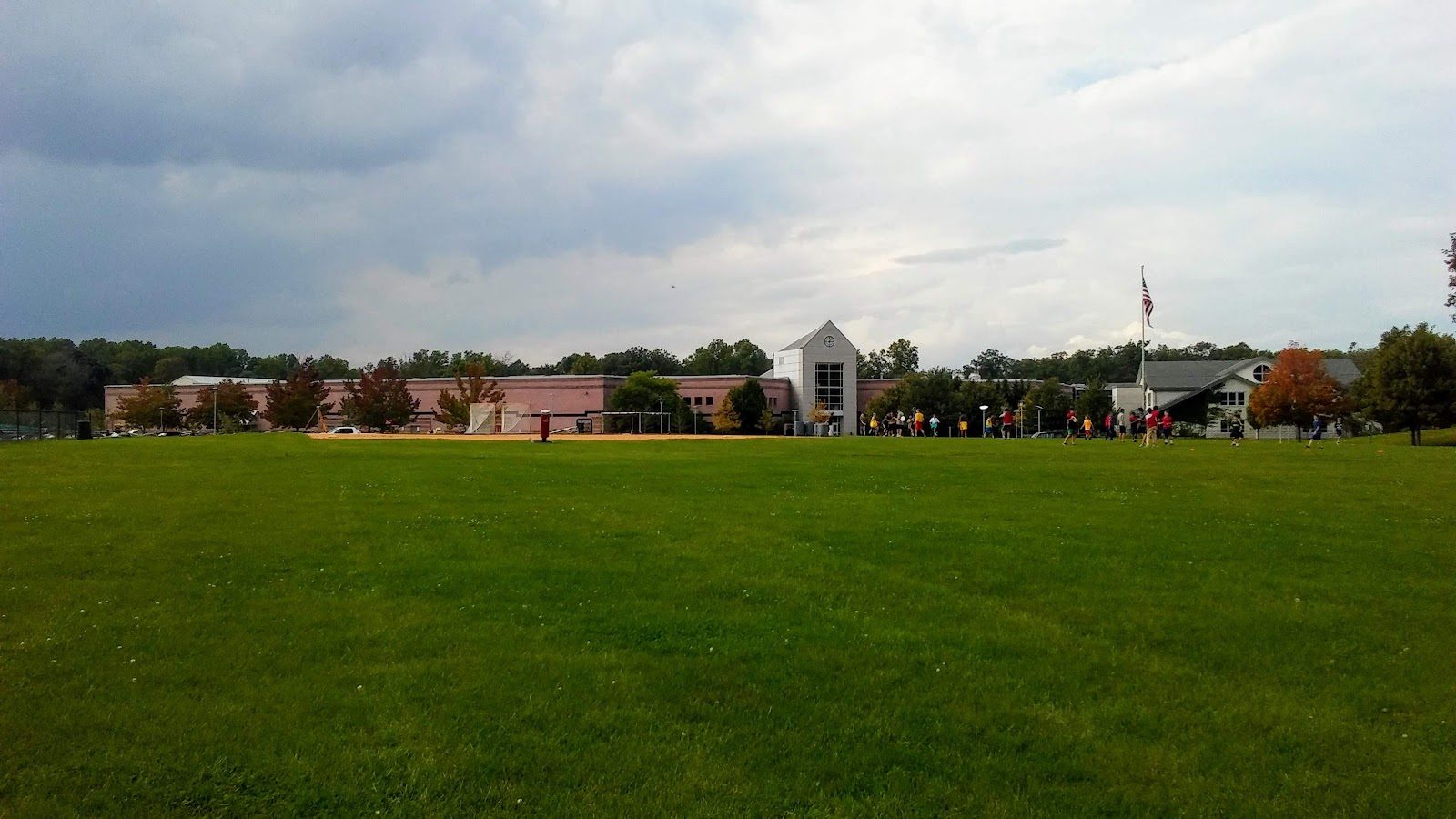
The Pingry School
Basking Ridge · United States
A 1861-founded New Jersey day school whose soccer pitches were deemed fit to host Morocco's 2026 World Cup training camp.
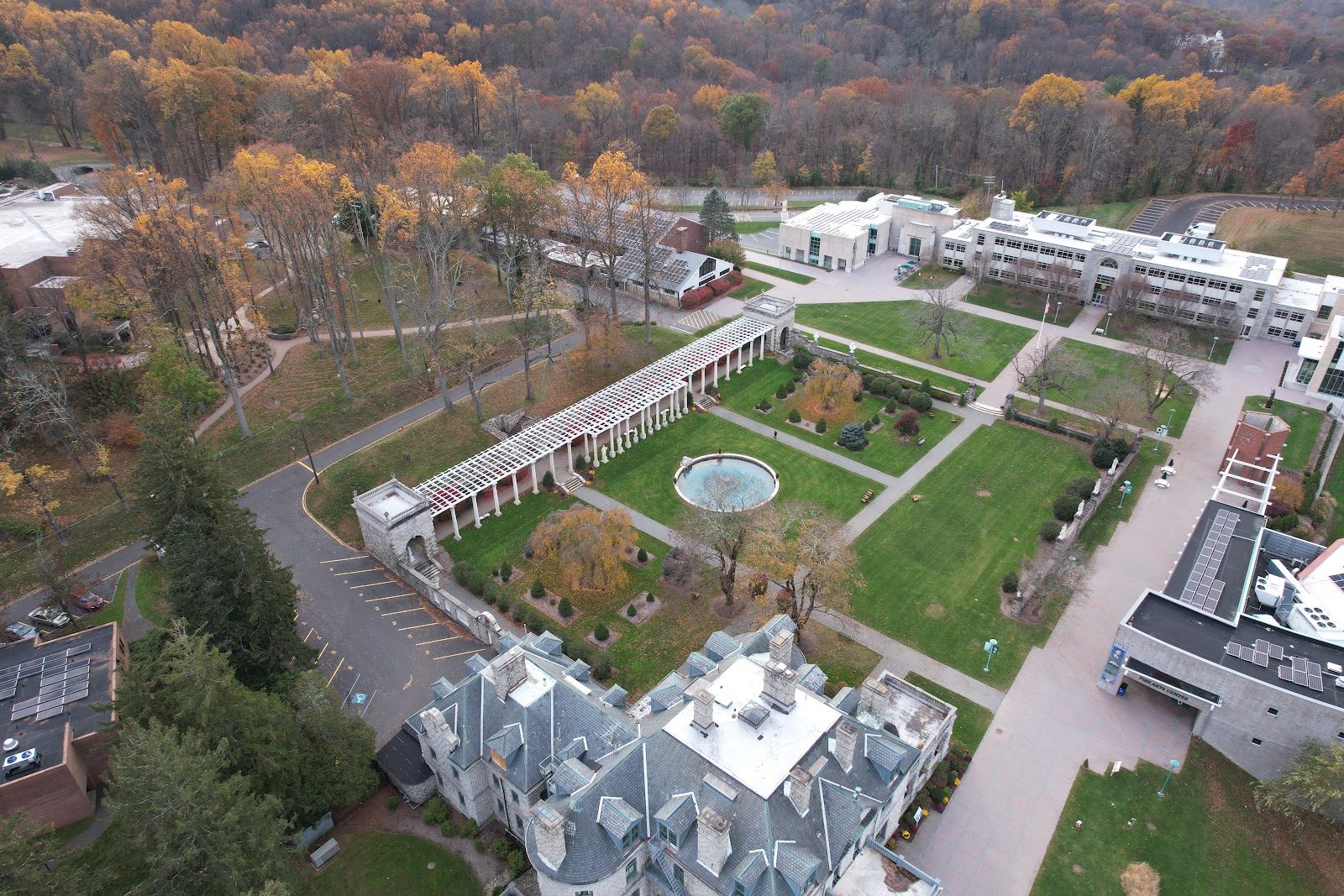
Delbarton School
Morristown · United States
On a 187-acre abbey campus outside Morristown, Benedictine monks still guide a rigorous, near-1,500-year-old liberal arts tradition.

Newark Academy
Livingston · United States
Founded in 1774, this Livingston day school remains New Jersey's only private IB Diploma provider
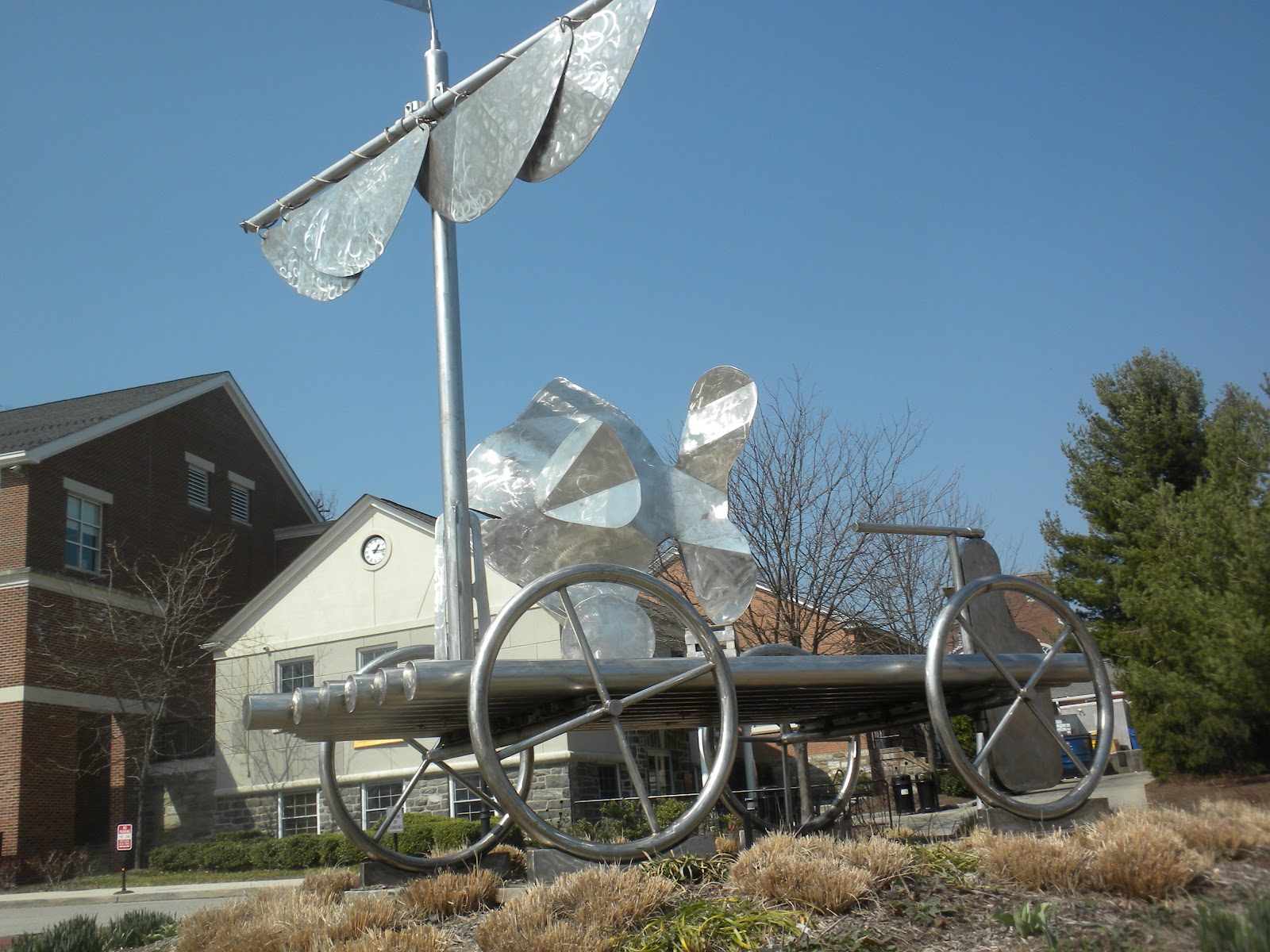
The Haverford School
Haverford · United States
Since 1884 on Philadelphia's storied Main Line, an all-boys campus balances rigorous academics with athletics and the arts.
Same country and curriculum — closest matches within ±10 points either way