
Auckland
Westlake Boys High School
A North Shore Auckland campus where a three-time Maadi Cup and four-time Springbok Shield rowing pedigree anchors the NCEA day school.
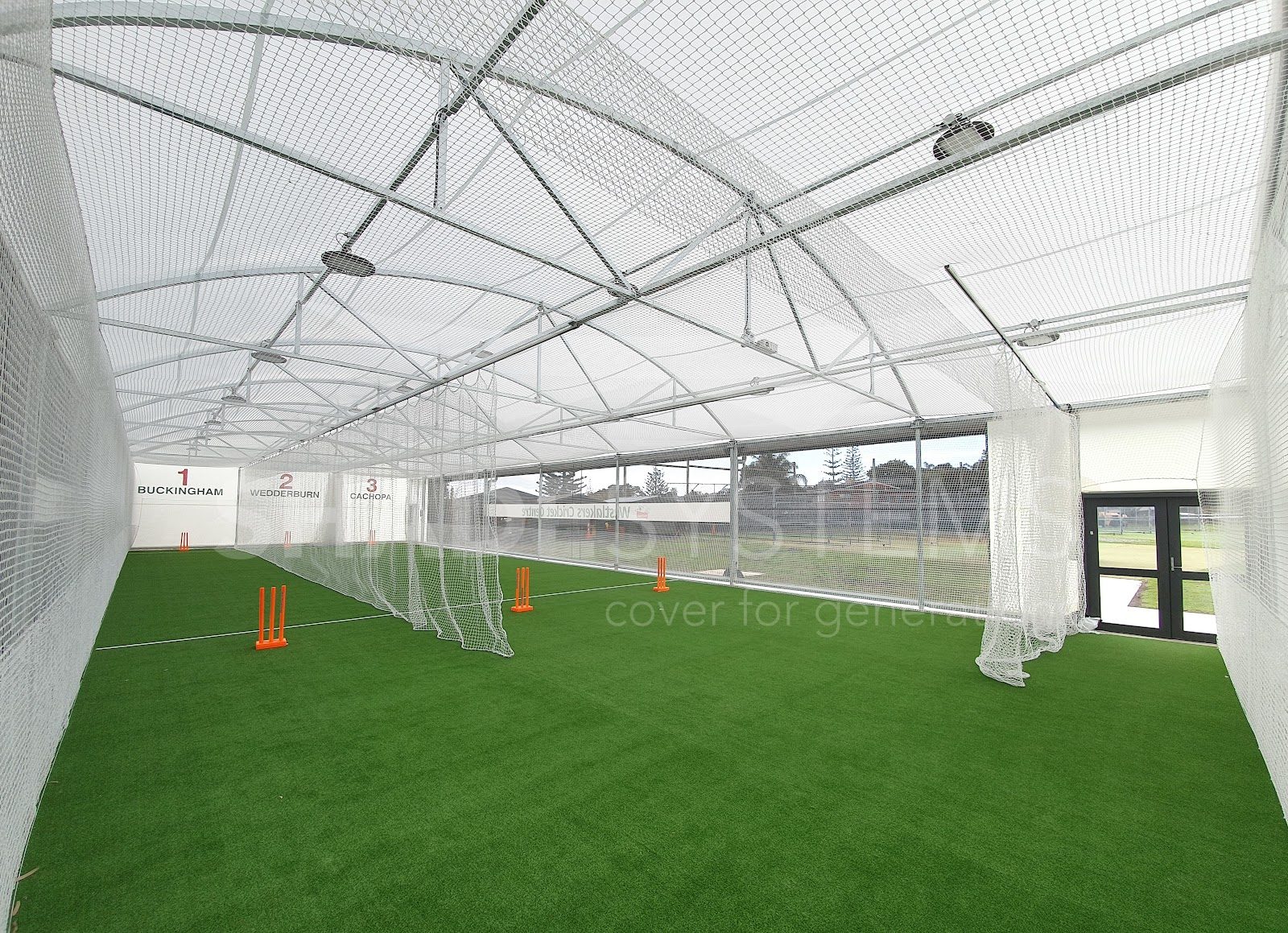
Photo © Alice Wearmouth via Google Maps
Type
Day
Ages
13–18
Curriculum
NCEA
Ratio
—
The Verdict
Editor's commitment
Right for
Auckland families wanting a large, secular boys' day school: Westlake has run since 1962 and serves Years 9 to 13.
Wrong for
Anyone wanting boarding, co-education or an IB track; this is a 13–18 boys' day school running NCEA in English.
Watch out for
At 2,773 students, scale defines the experience; boys who need close adult oversight can get lost on a big North Shore campus.
Ranking breakdown
Westlake Boys High School · #1004 of 1591
Composite score 62.2. 8 weighted criteria.
By criterion
Academic Outcomes
Weight 20%
#1157
of 1529 scored
University Placement
Weight 16%
#1259
of 1529 scored
Prestige & Heritage
Weight 12%
#1009
of 1571 scored
Alumni Network
Weight 12%
#785
of 1530 scored
Facilities
Weight 12%
#125
of 1533 scored
Transparency & Communications
Weight 8%
#388
of 1532 scored
Peer & Industry Review
Weight 10%
#38
of 1548 scored
Admissions Selectivity & Demand
Weight 8%
#1527
of 1529 scored
Peer & Industry Review
How Westlake Boys High School is regarded in the sector
82
Strong · medium confidence
Westlake Boys is widely regarded within Auckland's competitive state-school landscape as a peer to Auckland Grammar and King's College, particularly in NCEA league tables published annually by the NZ Herald and Ministry of Education, where it consistently ranks among the top-performing boys' state schools in decile and University Entrance pass rates. Its Education Review Office (ERO) reports are consistently positive, noting strong governance and pastoral systems. The school's global reputation rests heavily on rowing: its programme has produced multiple Olympic and World Championship rowers, and Rowing New Zealand and school-sport commentators regularly cite Westlake as the country's premier rowing nursery, a status referenced in domestic sports press rather than marketing material. University admissions offices in New Zealand and Australia recognise its NCEA Level 3 and Cambridge results as reliably strong preparation for competitive faculties such as engineering and commerce. Independent education commentary tends to focus on its scale (one of NZ's largest boys' schools) and co-curricular depth rather than boutique exclusivity, distinguishing it from smaller independent schools in peer rankings.
Award

Elite Sport 80
World's Top School · The Global Ranking
Westlake Boys High School is featured on our Global Top 80 ranking at #59. This seal is available for the school's marketing team to use on their website, prospectus and social channels.
- Mahe Drysdale — Olympic gold-medal rower
- Nathan Cohen — Olympic gold-medal rower
- Rieko Ioane — Rugby player, All Blacks
Editors' overview
Westlake Boys High School is a large, state boys’ day school on Auckland’s North Shore, serving ages 13 to 18 and teaching NCEA in English. Founded in 1962, it sits in the serious end of the Auckland state-school market: not boutique, not pastoral-first, not built around glossy international branding. The draw is scale, depth and competitive culture. For parents who want a secular boys’ school with a substantial co-curricular engine and the infrastructure to run it properly, Westlake merits a hard look. The campus life advertised on its front page is busy and public-facing — sport, music, performing arts, academic functions, notices, events — which points to a school that runs at pace and expects students to keep up. High-pressure in the best sense, energetic and unsentimental, ambitious without frills.
What distinguishes Westlake is not a niche curriculum or a rare educational philosophy. It is institutional heft. With 2,773 students, it operates on a scale that brings breadth: more teams, more ensembles, more competition for places, more peer groups, more room for a boy to find his lane — or to be tested when he does not walk in as a star. The rowing pedigree flagged in the editorial context matters because it signals something wider than one successful boat shed: disciplined sport, a taste for hard training, and a school culture that values measurable performance. This is not a small, protective environment. It is a big-stage school, results-conscious, and competitive by design.
Westlake belongs on a shortlist for families who want a robust mainstream education with serious co-curricular range and who do not need hand-holding. It suits boys who thrive on structure, enjoy the company of other boys, and are willing to push for opportunities rather than wait for them to be handed over. A musically engaged student, a committed athlete, or an academically driven boy who wants a large peer field will find plenty to work with here. A child who needs intimate class culture, intensive personal shepherding, or a gentler social tempo will find Years 9 to 13 at Westlake a tougher fit. For the right student, that is the point: bracing, demanding, and full of momentum.
An Elite Sport 80 school
Westlake Boys High School is at rank fifty-nine on the Elite Sport 80 because it is one of Auckland's most productive rugby, rowing and swimming boys' state schools, with a longstanding All Blacks and Olympic representative pipeline across generations. The 1st XV rugby squad competes at national schoolboy finals level, and the school's rowing 1st VIII has been a Maadi Cup fixture for decades.
The specialisms are rugby union (with a formal academy model, professional coaching and links to the Blues Super Rugby franchise and Auckland Rugby), rowing (with a Maadi Cup pedigree and multiple New Zealand under-19 representatives), swimming (a Swimming New Zealand pipeline with Olympic representative output), cricket and athletics. Football and basketball operate at high schoolboy standard.
Notable alumni across codes include several current Blues and All Blacks squad members, multiple Olympic swimmers across the past two decades, and Olympic rowers across multiple Games. In athletics, several New Zealand representative sprinters and jumpers have come through. Cricket has produced Auckland Aces and Black Caps squad members.
International openness is genuine but modest. The school admits overseas pupils each year — approximately 3-4% of the roll is international — with a dedicated International Department, an on-site boarding hostel and integrated ESL and pastoral support. Fees are extremely competitive by international-boarding standards, sitting around NZ$40,000-48,000 all-in — a small fraction of comparable UK or US boarding schools with equivalent sporting output. Admissions is a standard application plus a sport-specific reference or trial where relevant. New Zealand student visas are straightforward for full-time enrolment. For a family relocating from a rugby-, rowing- or swimming-strong nation to Auckland's North Shore and targeting a genuine All Blacks, Black Caps or Olympic pathway alongside a mainstream New Zealand NCEA academic route, Westlake Boys is one of the best-value elite-sport schools on this list.
Academic Performance
Westlake does not publish external examination outcomes in the source set here, and that matters. For a school of this scale and profile, public NCEA attainment data, endorsement rates, University Entrance figures and scholarship results are the numbers that sort genuine academic strength from institutional noise. Without them, no one can place Westlake precisely against Auckland’s stronger state-school field or against the sharper end of the boys’ school market. That does not indict the school; it does block a clean verdict. In academic terms, the public picture is incomplete, hard-edged and less transparent than it should be.
What can be said with confidence is structural rather than statistical. A large secondary school with 2,773 students, a full Years 9 to 13 range and a busy public calendar has the breadth to run extensive subject choices, differentiated sets and visible academic extension alongside its co-curricular machine. That usually helps able students; it also creates internal competition and reduces the margin for anonymity. Westlake therefore sits, in editorial terms, as a school with the capacity for serious academic delivery but with outcomes that remain opaque in the public domain. Parents who care about examination performance need to ask for recent NCEA pass rates, merit and excellence endorsement data, University Entrance outcomes and scholarship totals before drawing conclusions.
Facilities
The school’s facility picture, judged from its public-facing structure, is built around throughput and organised activity rather than architectural theatre. The important assets are the ones implied by that machine: substantial sporting provision, dedicated music and performing arts spaces, and the administrative systems needed to run a very large day school at speed. A campus that publishes daily notices, event calendars, assessment dates and separate gateways for sport, music, international students, alumni, a business network and a foundation is operating more like a civic institution than a compact neighbourhood school. That matters. It points to facilities that are used hard, scheduled tightly and expected to support a high-volume, no-nonsense student life. Families looking for boutique calm or showcase design should look elsewhere.
Against peer state boys’ schools, Westlake’s strongest facility advantage sits in co-curricular infrastructure. The rowing pedigree attached to the school gives real weight to its sporting set-up; schools do not produce repeated top-tier boat-race success without serious training capacity, staff commitment and organisational discipline. The separate prominence given to music and performing arts also counts in its favour. Many large state schools offer those areas; fewer give them equivalent public billing. What is missing is detail. The school does not publish the kind of hard facility inventory that lets parents compare with precision — specialist labs, theatre specifications, rehearsal suites, strength and conditioning spaces, or aquatic provision. That leaves Westlake with a profile that reads as strong where performance is public, competitive by culture and less transparent than it should be on the physical plant itself.
Westlake Boys High School is a large, state boys’ day school on Auckland’s North Shore, serving ages 13 to 18 and teaching NCEA in English
Prestige
Westlake carries real domestic weight, but its prestige is earned through scale, competition and public performance rather than exclusivity. In the New Zealand state-school landscape, a boys’ school with a roll of 2,773 commands attention because it can field serious programmes across sport, music and the performing arts while sustaining a strong old-boy and parent network around them. The front-page architecture of the school’s own site tells the story: enrolment, academics, international students, sport, music, performing arts, business network, foundation, daily notices, events. This is an institution that operates in full view and expects families to engage with a busy, high-output culture. Prestige here sits closer to earned standing than polish.
The stronger reason for rating Westlake highly is the combination of institutional memory and headline co-curricular pedigree. A school associated with three-time Maadi Cup and four-time Springbok Shield rowing success carries status far beyond the boat club. Those wins signal a culture that respects endurance, discipline and selection pressure. That has cachet with New Zealand families who value substance over branding. There are limits. Westlake does not carry the social exclusivity of an old private school, and it does not publish the kind of academic outcome data that would lift prestige from well-regarded to undisputed. Even so, for a state boys’ education, its name has serious local clout, competitive credibility and a reputation built on visible performance rather than marketing gloss.
The cost is plain as well: boys who need a gentler, more hand-held education will not find Westlake distinctive in the way they need
Communications
Westlake’s parent communication looks functional, frequent and centralised. The public front end is crowded for a reason: daily notices, events, assessment dates, attendance reporting, enrolment, contact channels and parent-payment access all sit in plain view, alongside distinct routes into sport, music, performing arts, international students, alumni and the foundation. That tells parents two useful things. First, the school communicates through systems rather than charm. Second, families are expected to monitor those systems closely. A campus running a roll of 2,773 cannot rely on informal word-of-mouth; it needs a high-throughput, deadline-driven, administratively serious communications model, and Westlake has built one.
The strengths are clarity of function and volume. Parents can infer, before enrolment, that this is a school where calendars matter, notices move quickly and co-curricular life generates constant information traffic. The weakness sits in tone and depth. The homepage reads as a control panel, not a narrative. That works for organised families who want fast access and clean signposting. It works less well for parents who want a warm explanation of pastoral priorities, academic expectations or how the school handles day-to-day student support. In other words, Westlake communicates efficiently, at pace and with institutional discipline; it does not communicate with much softness. For this school, that is consistent rather than accidental.
Uniqueness
What marks Westlake out is not a boutique mission or a protected campus mood. It is the way a big public boys’ school has turned scale into identity. The homepage does not foreground pastoral language, ideology or lifestyle imagery; it foregrounds moving parts: enrolment, academics, international students, sport, music, performing arts, events, assessments, notices, alumni, foundation, business network. That is distinctive. Westlake runs like a large civic institution, not a curated school experience. For students, that brings access to more lanes than a smaller school can offer and a sharper test of self-management. A boy has room to build a serious life in sport, music or performance, but he also has to navigate a system that expects him to keep up, read the calendar, meet deadlines and compete for space.
The second point of difference is cultural seriousness around public performance. The rowing record cited in the editorial context — three-time Maadi Cup and four-time Springbok Shield success — matters because it captures the school’s wider operating code: training, selection, repetition, standards. That ethos travels beyond the water. It benefits students who want measurable challenge, hard-edged peer competition and the satisfaction of earning their place rather than being endlessly affirmed. The payoff is resilience, discipline and exposure to a broad field of capable peers. The cost is plain as well: boys who need a gentler, more hand-held education will not find Westlake distinctive in the way they need.
For parents who want a secular boys’ school with a substantial co-curricular engine and the infrastructure to run it properly, Westlake merits a hard look
Student Profile
The boys who do best here are self-starting, competitive and unbothered by institutional scale. Westlake suits students who gain energy from busy timetables, visible standards and selection pressure, whether their lane is the classroom, the stage or the boat club. In a school serving Years 9 to 13, a boy needs to organise himself early, find his people quickly and tolerate being one among many rather than the centre of adult attention. That profile fits the internally driven, thick-skinned student who does not need constant reassurance and who can absorb correction without drama. It also suits boys who like clear routines, public fixtures and the momentum of a campus that runs all week at full speed.
The weaker fit is just as clear. A child who needs a small social field, a softly managed transition into adolescence or regular personal shepherding will struggle with the pace and impersonality that come with a roll of 2,773. This is not the right setting for a hesitant boy who waits to be invited in, nor for one who wilts when surrounded by stronger personalities. Westlake works best for students ready to compete, commit and recover from setbacks without collapse. For the right family, that is the attraction: a big-field boys’ school, demanding without apology, and not for the faint-hearted.
High-pressure in the best sense, energetic and unsentimental, ambitious without frills
Co-curricular strengths
Arts & sport, on a separate axis
Overall 7.4/10
Scored 0-10 from the school's own published evidence. This axis is editorial-only — it does not feed the main WTS ranking.
Strengths
- +Large, well-resourced state boys' school on Auckland's North Shore with a broad range of subject and extracurricular options.
- +Strong and long-standing reputation in school rowing, regularly competing at the Maadi Cup, New Zealand's national secondary schools' rowing championship.
- +Offers NCEA with a wide subject range, allowing academic flexibility across levels 1 to 3.
- +Enrollment zone gives local Auckland families a clear, rules-based pathway into a well-established single-sex state school without private-school fees.
- +Sits alongside Westlake Girls High School, giving families in the area a paired single-sex option within the same suburb.
Considerations
- −Single-sex environment will not suit families seeking co-education.
- −As a zoned state school, out-of-zone places are limited and allocated by ballot, making entry uncertain for relocating families outside the zone.
- −Very large roll size means class sizes and pastoral attention may be less individualised than at smaller schools.
- −NCEA's flexible, standards-based structure is less internationally recognised than IB or Cambridge, which may complicate transfer to overseas universities.
Gallery
Photo © Megan Barclay via Google Maps
Photo © Alice Wearmouth via Google Maps
Photo © Gareth Hall (gbhall) via Google Maps
Photo © Westlake Boys High School via Google Maps
Photo © Westlake Boys High School via Google Maps
Photo © Westlake Boys High School via Google Maps
Parent reviews
Have you sent your child here?
Voice reviews carry the strongest trust badge — we transcribe them for you to tidy up before they go live. Prefer to type? A written review is fine too.
Add your voice
In 60 seconds, tell other parents: what's the best thing about Westlake Boys High School, and what surprised you when your child joined?
We ask for a Google sign-in so every review has a real face behind it — no anonymous drive-by attacks on schools, and no faked positive reviews. Your email is never shown publicly.
Send this profile to a friend
International parents rely on word-of-mouth. Share this review with someone weighing the same decision.
Schools with places
Similar schools to Westlake Boys High School with places available now.
St Cuthbert's College
Auckland · New Zealand
- 2026-27
- WAITPOOLVacancy-dependent
- 2027-28
- PLACES OPEN
King's College (Auckland)
Auckland · New Zealand
- 2026-27
- WAITPOOLVacancy-dependent
- 2027-28
- PLACES OPEN
Auckland Grammar School
Auckland · New Zealand
- 2026-27
- WAITPOOLVacancy-dependent
- 2027-28
- PLACES OPEN
Availability first, then country, area, curriculum, price, co-curricular
Consider also
Also worth looking at alongside Westlake Boys High School.
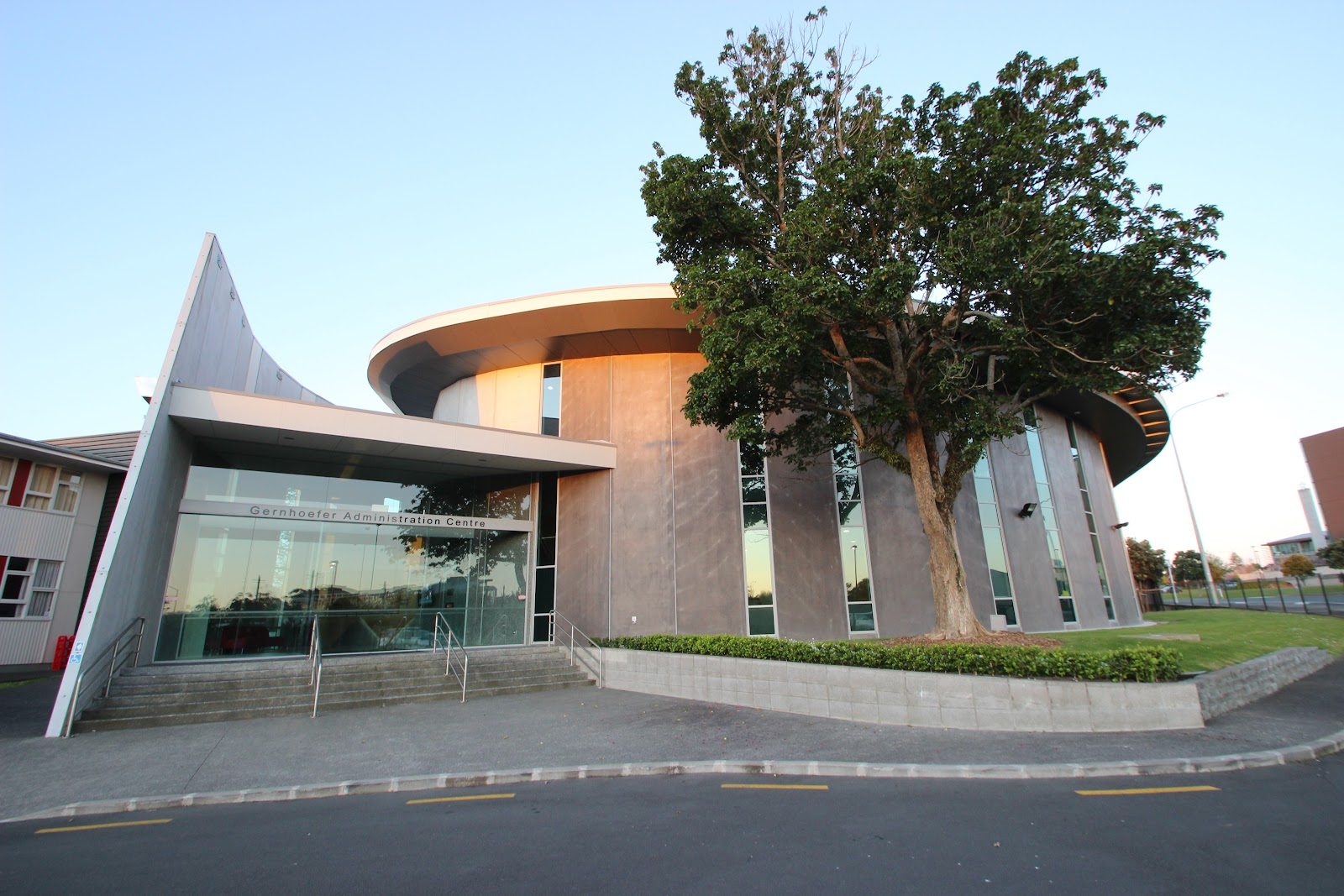
Westlake Girls High School
Auckland · New Zealand
On the shores of Lake Pupuke in Takapuna, one of New Zealand's largest girls' schools builds its identity through a storied rowing programme dating to 1983.
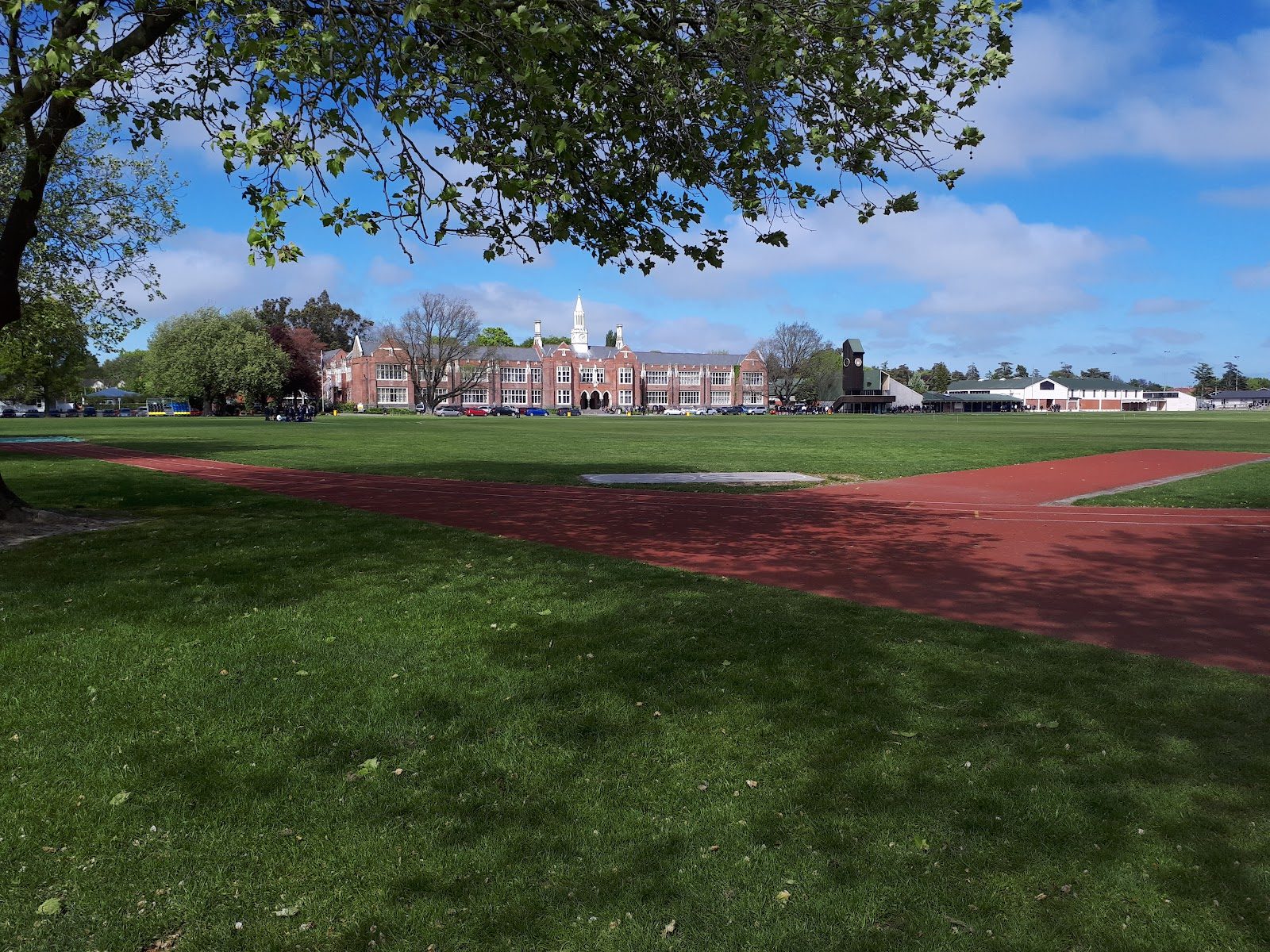
Christchurch Boys' High School
Christchurch · New Zealand
Founded in 1881 to feed Canterbury College, this Riccarton school trails only Auckland Grammar in All Blacks produced.
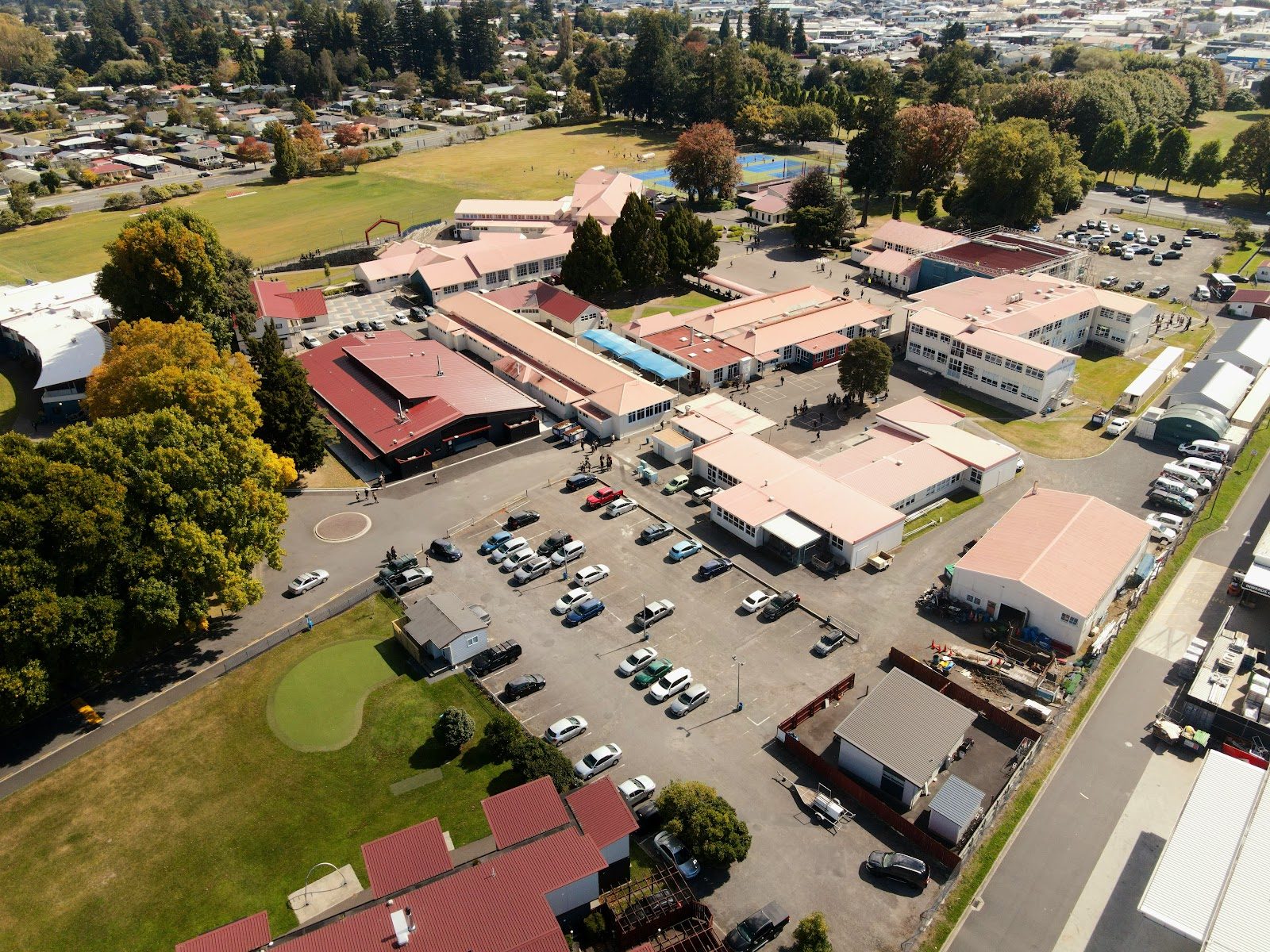
Rotorua Boys' High School
Rotorua · New Zealand
On geothermal ground with a majority-Maori roll, kapa haka and schoolboy rugby carry equal weight in shaping young men.
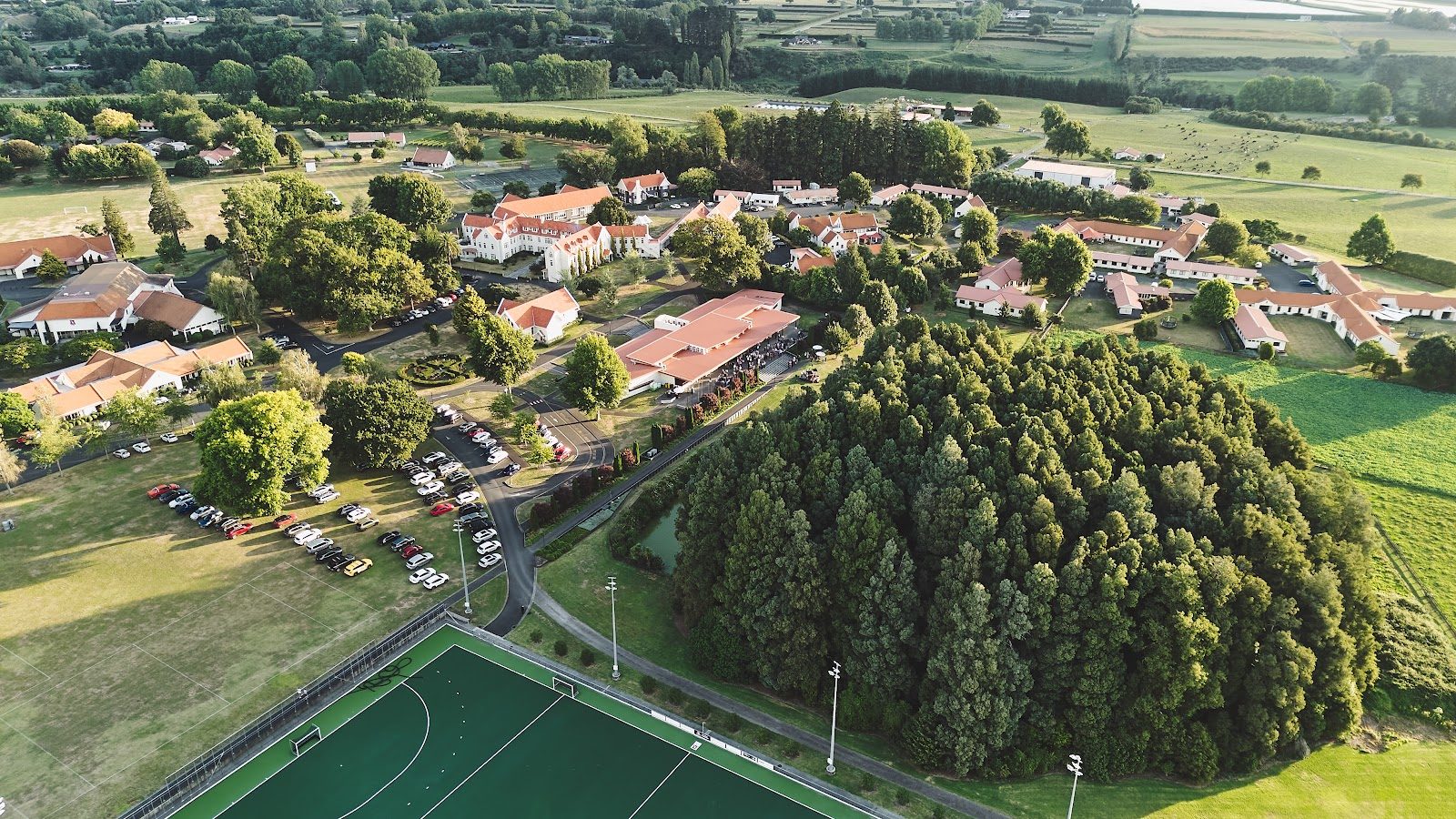
St Peter's School Cambridge
Cambridge · New Zealand
Home of Champions' Cambridge campus: the only Central North Island school offering the IB Diploma, complete with its own dairy farm.
Same specialism, country and curriculum — closest matches within ±10 points either way