
California
Descended from Caltech's own Throop roots, this 1907 Pasadena day school still marries rigorous academics with hands-on inquiry.
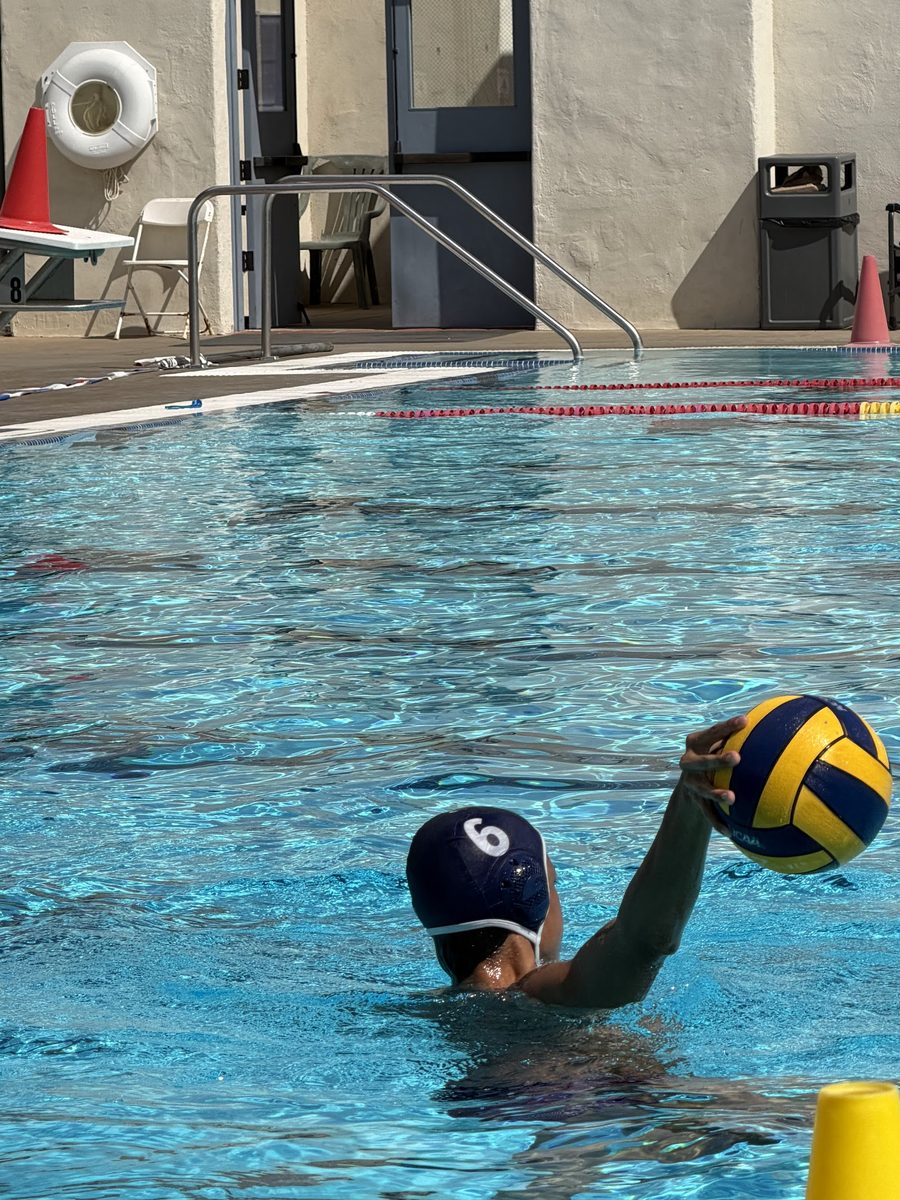
Photo © Patrick Vanmarcke via Google Maps
Type
Day
Ages
5–18
Curriculum
American
Qualifications
AP
Ratio
10:1
The Verdict
Editor's commitment
Right for
Families who want a non-religious Pasadena K-12 with a 10:1 ratio, 18-pupil classes and academics tied to hands-on inquiry.
Wrong for
Parents seeking boarding, a faith setting or bargain tuition; this 1907 day school charges an average $45,762 a year.
Watch out for
NEASC and NAIS accreditation signal solid governance, not cheap access; at $45,762, families need to scrutinise fit beyond the Poly name.
Ranking breakdown
Polytechnic School · #79 of 1591
Composite score 78.4. 8 weighted criteria.
By criterion
Academic Outcomes
Weight 20%
#119
of 1529 scored
University Placement
Weight 16%
#104
of 1529 scored
Prestige & Heritage
Weight 12%
#139
of 1571 scored
Alumni Network
Weight 12%
#81
of 1530 scored
Facilities
Weight 12%
#254
of 1533 scored
Transparency & Communications
Weight 8%
#123
of 1532 scored
Peer & Industry Review
Weight 10%
#164
of 1548 scored
Admissions Selectivity & Demand
Weight 8%
#180
of 1529 scored
Score history
Polytechnic School · 2026
Movement across 2024–2026. Peer average overlaid.
Overall — 2024–2026
78.4/ 100
▲ +17.8 vs 2025
year on year
Peer & Industry Review
How Polytechnic School is regarded in the sector
78
Strong · medium confidence
Polytechnic School is consistently recognized as one of the top independent K-12 schools in the Los Angeles area, frequently mentioned alongside Harvard-Westlake, Marlborough, and other elite Pasadena/LA private schools in Niche.com rankings and local education press. It has a strong reputation among Caltech-affiliated families given its historical founding ties to Caltech faculty, and is a common feeder to highly selective colleges, though it lacks the national-level media presence of boarding schools like Exeter or Andover.
Evidence sources
Editors' overview
Polytechnic School trades on something few American independents can match: a direct historical line to Pasadena’s scientific culture. Founded in 1907 and descended from Caltech’s Throop roots, it has the intellectual stamp of a school that takes ideas seriously and expects children to do the same. This is a non-religious K–12 day school with an American curriculum, a 10:1 student-teacher ratio and average classes of 18, which places it in the small-class, high-attention end of the market. The average annual day fee across the full ladder is $45,762, so this is an expensive school, but not an irrationally priced one for a top-tier Los Angeles-area independent with this level of staffing and programme breadth.
What marks Poly out is the combination of serious academic ambition and hands-on enquiry. The school’s own language is full of “student-centred”, “joyful” and “welcoming”, but the more telling detail is structural: three clear divisions from Lower School to Upper School, visible investment in libraries, student support, outdoor education, climate action, global programming, community engagement, visual and performing arts, and a long-established athletics operation with strength and conditioning built in. That breadth matters. Plenty of schools promise whole-child education; fewer have the institutional depth to give equal weight to science-minded pupils, committed artists and competitive athletes under one roof. NEASC and NAIS accreditation add external credibility, and the alumni footprint — with 40 notable alumni catalogued in Wikidata, including scientists, writers and actors, plus four major drama-award laureates — reinforces the point that Poly does not produce in only one direction.
This is a strong shortlist school for families who want genuine intellectual substance without a narrow hothouse atmosphere. The best fit is a child who likes working hard, asks questions, and wants access to more than one serious lane: academic, artistic, athletic or civic. It will suit students who thrive in a high-expectation, high-opportunity environment where individual attention is real, not rhetorical. It is less compelling for families chasing a doctrinaire single-specialism school or a bargain. Poly’s appeal lies in range, calibre and culture: rigorous without being joyless, established without complacency, and rooted in Pasadena in a way that gives it a distinct identity rather than a generic private-school gloss.
Academic Performance
Poly’s academic reputation is strong, but its public reporting on external results is thin where it matters most. We have not seen aggregate SAT, ACT, AP or IB outcome tables, nor a published college-matriculation breakdown that lets parents judge academic conversion against direct peers. For a school in this tier, that is a real omission. The case for academic strength rests instead on structural indicators: a low staffing ratio, small classes, a full K–12 sequence, visible investment in student support and libraries, and a programme that treats intellectual ambition as normal rather than exceptional. That points to a serious college-preparatory culture. It does not replace hard result data.
Relative to peer independents in the Los Angeles market, Poly sits in the high-expectation, highly selective bracket, but without the level of exam transparency that the strongest data-publishing schools provide. Parents comparing it with academically aggressive competitors will need to ask direct questions: AP subject availability, AP participation, score distribution at grades 4 and 5, average standardised-test results where still tracked, and university destinations over several cycles rather than a single glossy list. The school’s long-established academic identity, student profile and alumni depth all support the conclusion that this is a genuinely demanding school. The missing piece is public proof in numbers. For some families that will be immaterial; for others, it is the central weakness in an otherwise formidable academic proposition.
Facilities
Poly’s facilities read as those of a mature all-through independent rather than a school leaning on one flagship block. The important point is range. The school foregrounds libraries, student support resources, performing and visual arts, athletic training and sports performance, outdoor education, climate action, global programming, clubs, and community engagement. That points to an estate built for daily use across multiple disciplines, not a thin campus with one or two polished showpieces. For parents, the practical advantage is clear: a child can move between classroom study, rehearsal, training, service work and outdoor activity without the programme feeling stitched together. Against peer schools, that places Poly in the well-resourced, full-spectrum bracket. What it does not publish is the hard facilities detail that top competitors increasingly give without fuss: specialist lab count, theatre specifications, studio capacity, field inventory, or capital-plan priorities.
The athletics side looks more developed than token, with dedicated strength and conditioning written into the offer rather than left implicit. The arts also carry institutional weight, with both visual and performing arts treated as core parts of school life. That combination matters because many academically serious day schools still force a choice between proper artistic infrastructure and credible competitive sport. Poly does not. The weakness is transparency, not breadth. Parents can infer a serious, high-functioning campus from the programme architecture, but they still need to ask blunt questions on a visit: how much specialist space exists, how heavily it is booked, and whether the facilities feel merely good or genuinely first-rate beside the strongest Los Angeles independents.
Polytechnic School trades on something few American independents can match: a direct historical line to Pasadena’s scientific culture
Prestige
A Polytechnic School education carries real prestige in the American independent-school market, but its prestige has a specific shape. This is not a status machine built on boarding mythology, inherited East Coast ritual or relentless publicity. Its standing rests on intellectual seriousness, selective-parent demand, and a deep connection to Pasadena’s scientific and cultural life. That gives Poly a distinctive local authority and a national profile within the circles that matter: universities, independent-school admissions offices, and families who know the top non-religious day schools. The notable-alumni base strengthens that claim. 40 documented alumni in Wikidata, spanning science, writing, business and the arts, is a substantial floor for a school of this type, and 4 top-tier drama-award laureates point to an institution that produces talent beyond the classroom.
I rate its prestige highly because it combines old-established credibility with broad modern relevance. The school projects confidence through range: serious academics, visible arts infrastructure, established athletics, community engagement and student-led activity, all under one roof. That matters more than glossy branding. Prestige in this segment comes from who applies, who gets in, what kind of education children receive over time, and where graduates hold their ground afterwards. Poly clears that bar. The limit is also clear: it does not publish the kind of hard outcome data that would convert reputation into unanswerable authority. So the verdict is strong rather than mythic — *high-status, well-earned, and locally powerful*.
A Polytechnic School education carries real prestige in the American independent-school market, but its prestige has a specific shape
Communications
Parent communications look well-structured and active, with a cleaner architecture than many independent-school websites manage. The navigation is extensive but coherent: parents get clear routes to calendars, emergency preparedness, student support resources, libraries, athletics, summer and extended programmes, giving, leadership, and direct contact points. The presence of a dedicated parent portal, a head’s blog, news publishing, social channels, and a named communications email matters. It tells you the school treats communication as an operating function, not an afterthought. The admissions section also does a competent job for prospective families, including affordability information and a Spanish-language welcome page. That breadth gives Poly a practical, adult tone: families can find the main institutional levers without digging through marketing fluff.
The test of effectiveness is whether communication looks informative or merely busy. Here, it lands on the stronger side, with one caveat. The school publishes enough touchpoints to support day-to-day parent life across a full K–12 operation, and the site carries signs of regular updating rather than neglect. That is reassuring. The weakness is not access but candour. Poly communicates programme breadth, values and community life fluently; it is less direct where hard comparative data would help parents most, especially around academic outcomes. So the verdict is competent and confident, but not fully transparent. For current-family logistics, it looks strong. For scrutiny from hard-nosed prospective parents, it still leaves important gaps.
Uniqueness
What makes Poly distinctive is not a single programme but a lineage of thought. Its identity is tied to Pasadena’s scientific and intellectual culture in a way few independent schools can claim, and that connection gives the place a clear cerebral centre of gravity. “Polytechnic” is not empty branding here: the school’s own framing of “many arts” is borne out by a structure that gives real institutional weight to laboratories of thought and making alike — from libraries and outdoor education to visual and performing arts, athletics, climate action and global programming. That breadth produces a student experience that is genuinely cross-disciplinary rather than neatly siloed. A child does not need to choose one acceptable version of excellence early and stay in lane.
The payoff for students is a more serious kind of range. Children with academic horsepower are not pushed into a narrow grind; artists and athletes are not treated as decorative add-ons to a college-prep core. The school’s all-through design also matters here: it allows habits, expectations and relationships to build over time instead of being reset at each stage. Add a documented alumni floor of 40 notable figures, with 4 top-tier drama-award laureates, and a pattern emerges. Poly produces graduates who carry intellectual confidence into different fields, not one institutional type stamped in series. That is its real distinction: a school with enough depth, confidence and internal variety to let capable students become more than one thing at once.
The school’s long-established academic identity, student profile and alumni depth all support the conclusion that this is a genuinely demanding school
Student Profile
Poly suits children who like being stretched in more than one direction. The academic centre of gravity is strong, but the school also gives real room to performance, sport, outdoor learning, student initiatives and service. That combination draws a student body with intellectual energy and high personal bandwidth: pupils who can manage a demanding timetable, shift between disciplines, and treat effort as standard rather than exceptional. With classes averaging 18 and staffing at 10:1, quieter children do not vanish into the background, but this is not a passive environment for the shyly disengaged. The students who thrive here ask questions, join things, and use the school’s scale to build a profile that is more than exam scores.
The social fit is clear too. Poly will work well for families who want a serious but not monastic culture: ambitious, organised, community-minded and comfortable around other capable children. It suits students who value substance over swagger and who want teachers to know them well across many years. Artistically inclined pupils, committed athletes and academically driven generalists all have room here, which widens the circle of fit. The less natural match is the child who wants anonymity, resists structure, or wants a narrow specialist identity from the outset. This is a school for students who are *curious, self-propelled and game for range — and for parents willing to pay for a demanding, high-attention* education rather than a prestige label alone.
Poly’s facilities read as those of a mature all-through independent rather than a school leaning on one flagship block
Co-curricular strengths
Arts & sport, on a separate axis
Overall 8.46/10
Scored 0-10 from the school's own published evidence. This axis is editorial-only — it does not feed the main WTS ranking.
Sports
8.6/10
Powerful Southern California Panther athletic dynasty, fielding 24 sports with deep elite pipelines to Stanford and USC NCAA tracks.
Drama
8.5/10
Major cultural cornerstone staging complex, high-production contemporary musicals inside custom performing arts theaters.
Dance
7.8/10
Formal physical track offering dedicated courses in contemporary staging and modern alignment that feature in multi-discipline arts galas.
Music
8.7/10
Highly active chamber orchestras, wind ensembles, and choral troupes that routinely headline major West Coast regional festivals.
Visual Arts
8.7/10
Outstanding visual media labs running digital filmmaking arrays, high-end design workshops, and advanced ceramics networks.
Editor-verified · 8/6/2026
Notable alumni · Wikidata
40notable alumni
9 historic (born pre-1930) · 16 modern (born post-1970)wikidata:2026-07-28 How we source this

WTS 300 badge
2025/26 editionPolytechnic School is one of the World's Top 300 Schools for 2025/26. Claim your listing to add it to your site →
Strengths
- +Founded in 1907 as the first nonprofit, independent school in Southern California, with historical roots in the Throop Polytechnic Institute that also gave rise to Caltech.
- +Small average class size of about 17 students and a low student-to-teacher ratio of roughly 9:1, per published school data.
- +K-12 structure organised into Lower, Middle and Upper School divisions allows a coordinated academic sequence from kindergarten through grade 12.
- +Broad co-curricular offering including 25 varsity sports with a no-cut policy and well-resourced arts facilities such as the Garland Theatre.
- +Accredited by WASC, CAIS and NAIS, the standard tripartite endorsement expected of established American independent schools.
Considerations
- −Day tuition has been reported at roughly $47,100 (2024) rising to about $53,650 for 2025-26, placing it among the costlier Pasadena-area private schools with no boarding option to offset relocation logistics.
- −As a day-only school, families relocating from abroad must arrange separate local housing and daily transport rather than relying on a residential campus.
- −Overall enrollment is modest at under 900 students across all 13 grades, which narrows the range of electives and specialist tracks compared with larger prep schools.
- −Student reviews describe a competitive and at times stressful atmosphere, particularly in the upper grades, alongside praise for academic rigor.
Availability
Primary entry gate & tests
Poly Assessment + Interview
Gallery
Photo © Sumudu Herath via Google Maps
Photo © Polytechnic School via Google Maps
Parent reviews
Have you sent your child here?
Voice reviews carry the strongest trust badge — we transcribe them for you to tidy up before they go live. Prefer to type? A written review is fine too.
Add your voice
In 60 seconds, tell other parents: what's the best thing about Polytechnic School, and what surprised you when your child joined?
We ask for a Google sign-in so every review has a real face behind it — no anonymous drive-by attacks on schools, and no faked positive reviews. Your email is never shown publicly.
Send this profile to a friend
International parents rely on word-of-mouth. Share this review with someone weighing the same decision.
Schools with places
Similar schools to Polytechnic School with places available now.
The Thacher School
Ojai · United States
- 2026-27
- CLOSEDRegular cycle
- 2027-28
- OPENS SOONOpens 1 Sept '26
The Harker School
San Jose · United States
- 2026-27
- CLOSEDRegular cycle
- 2027-28
- OPENS SOONOpens Sept '26
The Nueva School
Hillsborough · United States
- 2026-27
- CLOSEDRegular cycle
- 2027-28
- OPENS SOONOpens Sept '26
Cate School
Carpinteria · United States
- 2026-27
- CLOSEDRegular cycle
- 2027-28
- PLACES OPEN
Availability first, then country, area, curriculum, price, co-curricular
Consider also
Also worth looking at alongside Polytechnic School.
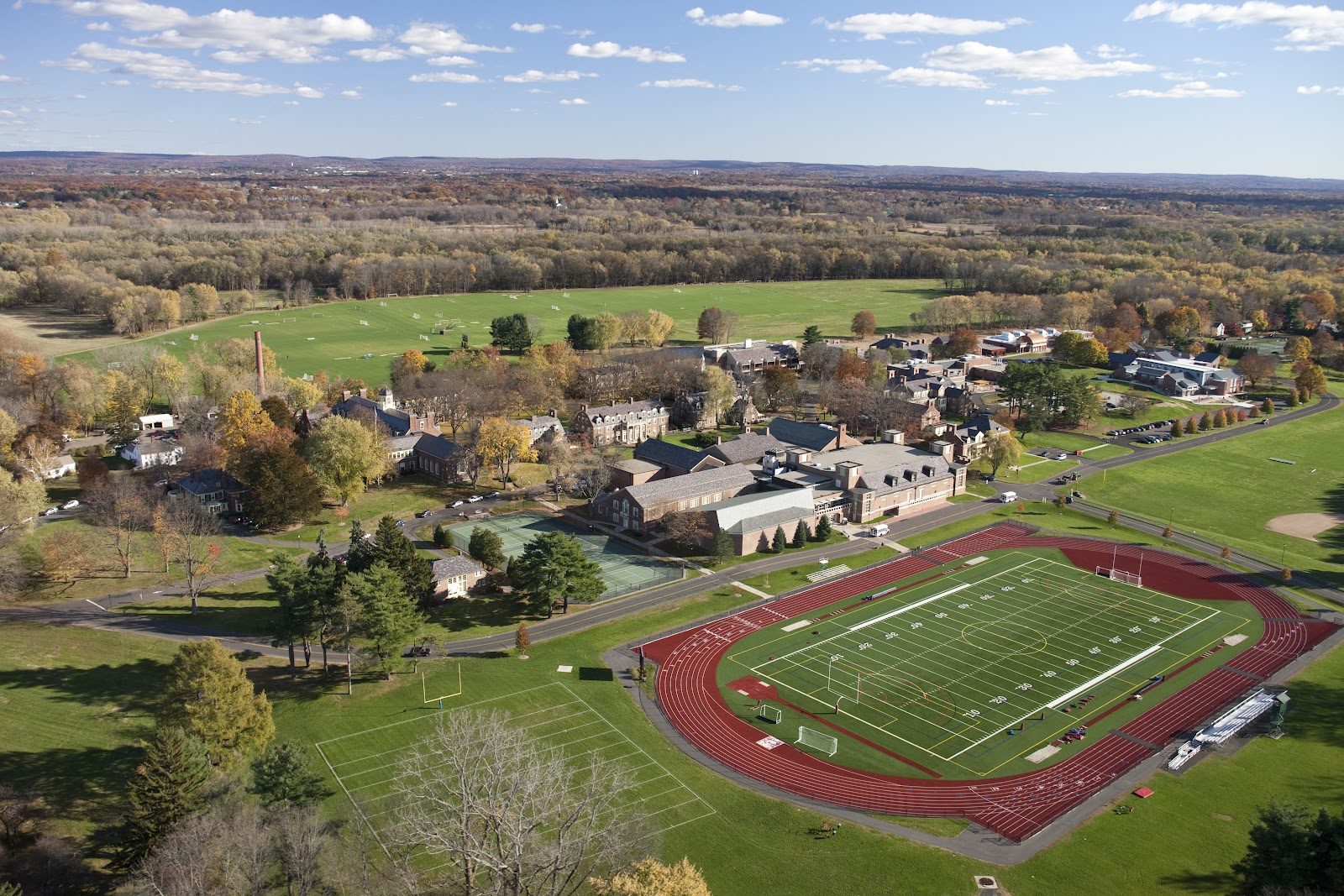
Loomis Chaffee School
Windsor · United States
On a river-cut 'Island' campus, seniors trade classrooms for client work each spring in the Innovation Trimester.
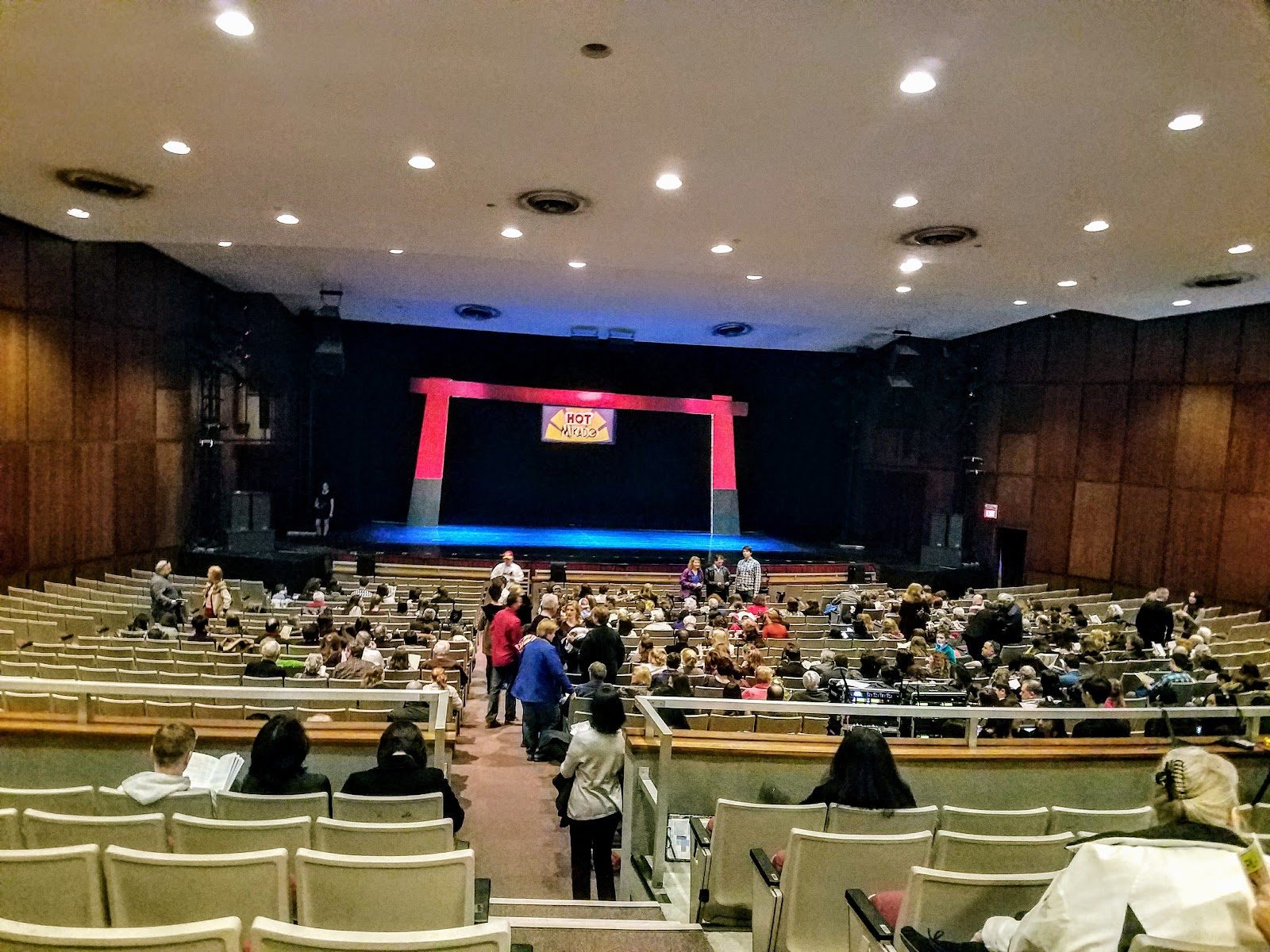
Bergen County Academies
Hackensack · United States
Seven college-style academies and on-campus stem-cell, nanotech, and optics labs turn Hackensack teens into Regeneron Science Talent Search scholars.
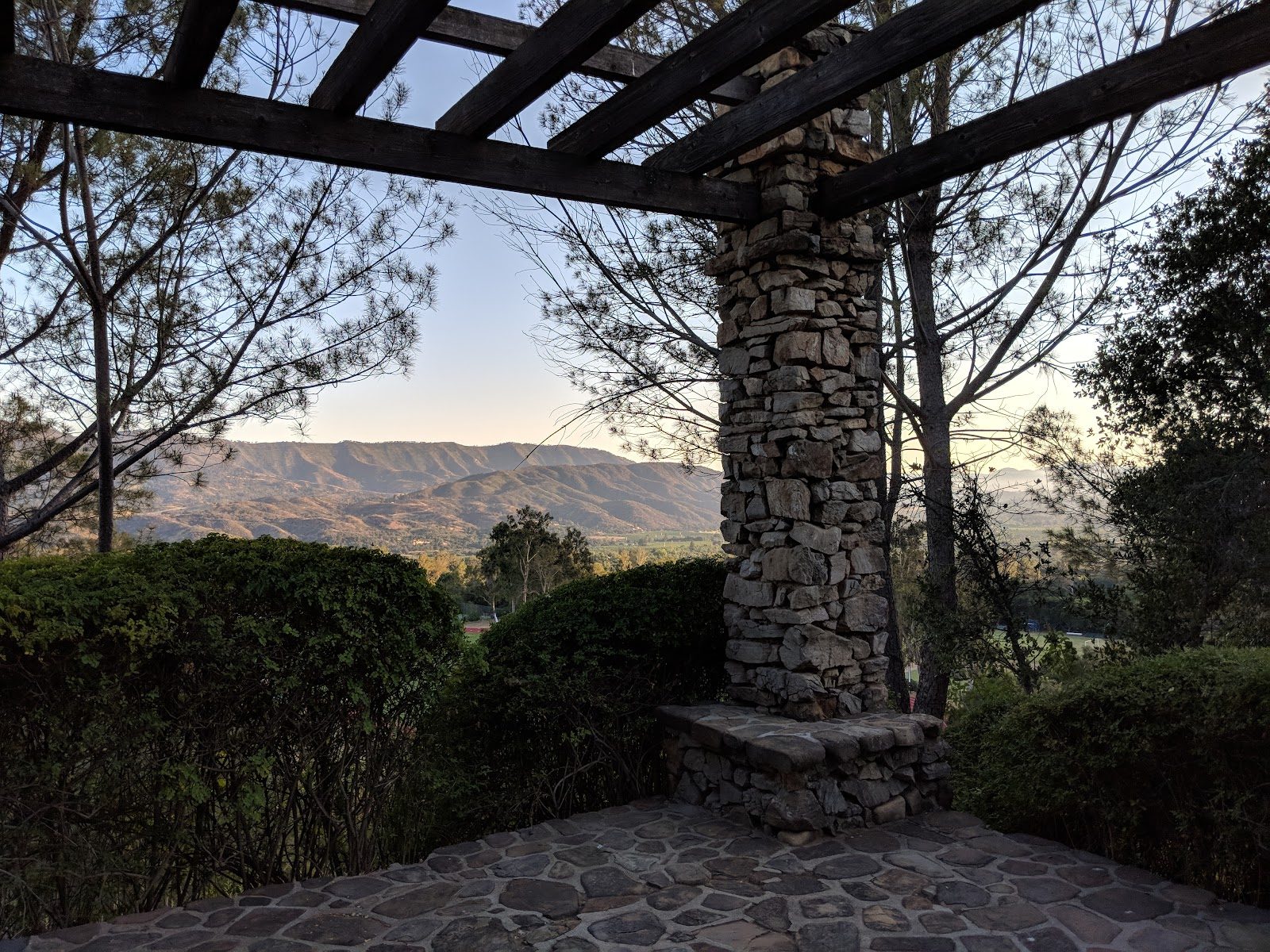
The Thacher School
Ojai · United States
Every freshman is assigned a horse to feed, saddle and ride daily in the foothills above Ojai
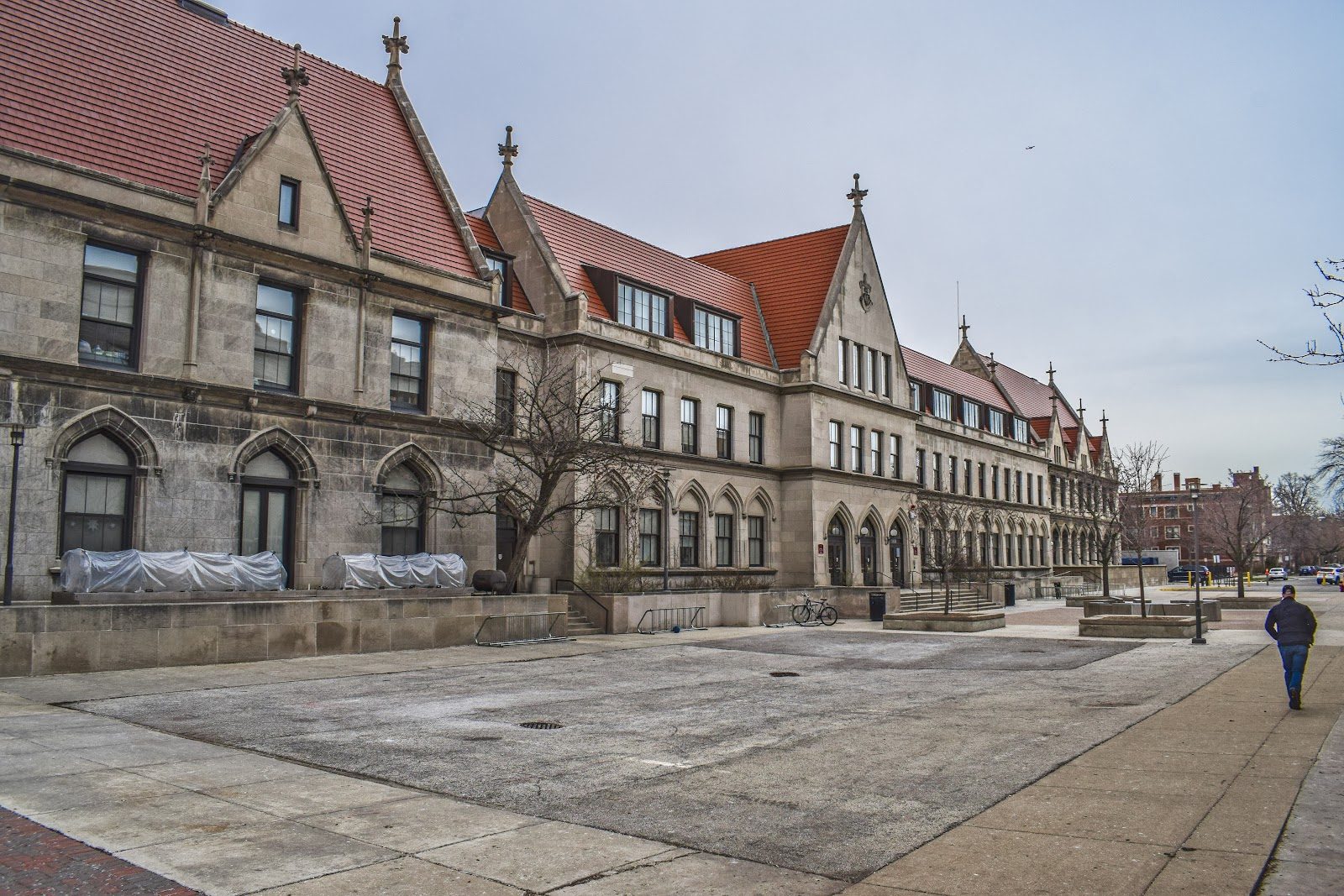
University of Chicago Laboratory Schools
Chicago · United States
Born from John Dewey's 1896 experiment in progressive education, still testing ideas in Hyde Park classrooms today
Same country and curriculum — closest matches within ±10 points either way