
British Columbia
Born of seven women's Depression-era gamble in Shaughnessy, this girls' day school still pairs Reggio Emilia roots with AP rigor
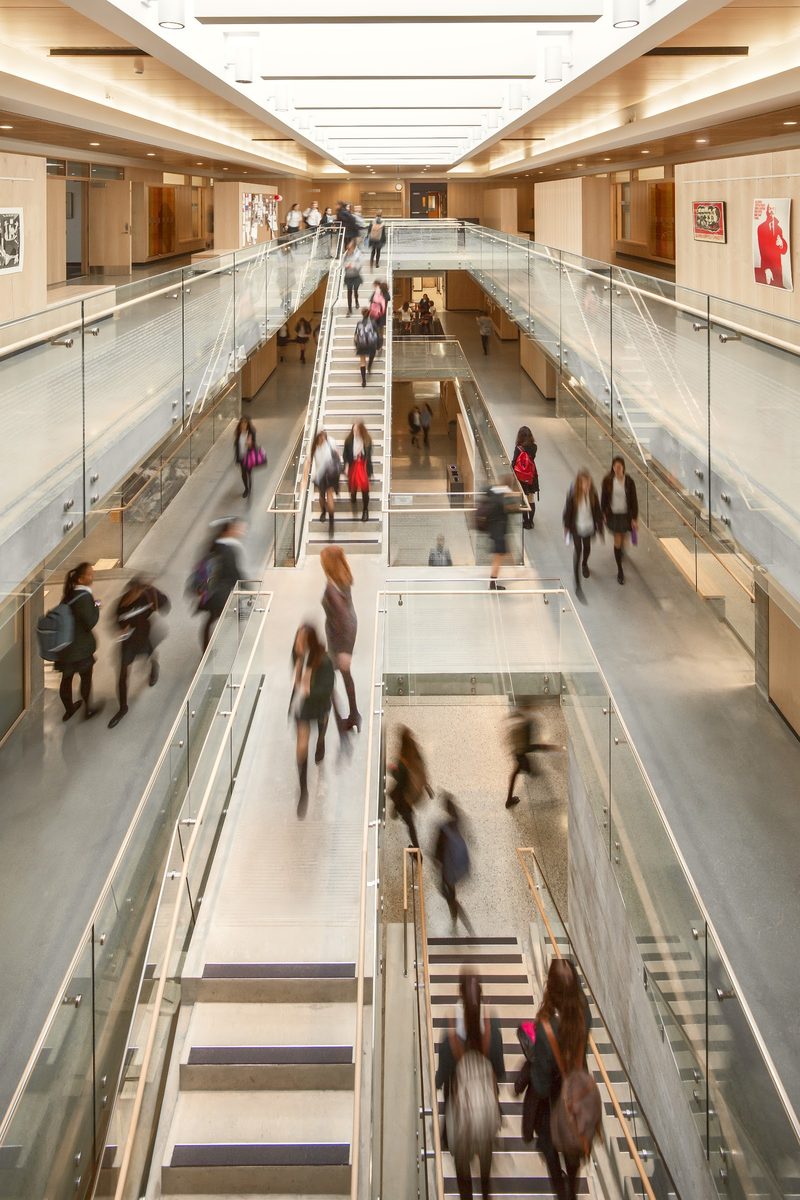
Photo © York House School via Google Maps
Type
Day
Ages
4–18
Curriculum
Canadian
Qualifications
BC Dogwood
Ratio
—
The Verdict
Editor's commitment
Right for
Girls aged 4–18 who want a 1932-founded Vancouver day school pairing early Reggio Emilia roots with AP-level academic ambition.
Wrong for
Families wanting co-education, boarding, religious formation or anything but English instruction will get none of it at this 700-student school.
Watch out for
The average annual fee is CAD 31,485, and CAIS, NAIS and ISABC badges do not remove the pressure of a girls-only track.
Ranking breakdown
York House School · #841 of 1591
Composite score 64.6. 8 weighted criteria.
By criterion
Academic Outcomes
Weight 20%
#857
of 1529 scored
University Placement
Weight 16%
#848
of 1529 scored
Prestige & Heritage
Weight 12%
#912
of 1571 scored
Alumni Network
Weight 12%
#584
of 1530 scored
Facilities
Weight 12%
#933
of 1533 scored
Transparency & Communications
Weight 8%
#842
of 1532 scored
Peer & Industry Review
Weight 10%
#998
of 1548 scored
Admissions Selectivity & Demand
Weight 8%
#760
of 1529 scored
Peer & Industry Review
How York House School is regarded in the sector
65
Respected · medium confidence
Within Vancouver's small tier of single-sex independents, York House is regarded as a peer of Crofton House and Little Flower Academy, the three schools routinely mentioned together by local heads and consultants as the city's leading girls' options; CAIS accreditation places it inside the recognised national quality circle alongside Ridley, Havergal and St. Clement's. Fraser Institute's BC school rankings, which universities and admissions consultants reference informally, consistently show York House among the province's higher-scoring independents, lending it credibility with UBC and other Canadian admissions offices familiar with its transcript rigour. Independent education press coverage of the school is modest compared with UK-focused outlets like WhichSchoolAdvisor or the Good Schools Guide, which cover Canadian schools only sparingly; most third-party visibility comes through CAIS materials, Fraser Institute data and local Vancouver media rather than international league tables, giving it a solid but regionally bounded reputation rather than global brand recognition.
Editors' overview
York House School occupies a clear niche in Vancouver: a non-religious girls’ day school in Shaughnessy with deep local roots, a small-enough scale to feel personal, and a strong academic finish. Founded in 1932 by seven women, it trades on a story that still matters: ambition for girls was built into the school from the start, not added later for effect. Today it serves around 700 students from age 4 to 18 across two campuses, with English as the language of instruction and a Canadian curriculum. The school’s strongest distinguishing feature is the combination of early-years Reggio Emilia influence with a senior programme that includes AP-level rigour. That gives York House more shape than many independent schools whose messaging collapses into generic talk of “future readiness”. Here, the through-line is easier to identify: *a serious girls’ school with intellectual intent, a confident sense of purpose, and a long institutional memory*.
In market terms, York House sits in the top tier of Vancouver independents for families who want a girls-only education without a religious frame. Its accreditations and affiliations — CAIS, ISABC, NAIS, ICGS, ISM and GOA — reinforce that position, but the more important point is the school’s balance of scale and access. 4,000+ alumnae gives students a real network, while the school remains small enough to avoid the impersonality that larger institutions can breed. The motto, “Not for Ourselves Alone”, points to an ethic of contribution, and the public language around voice, discourse and creative expression aligns with what many parents want from a modern girls’ school: not just high attainment, but the confidence to speak with force, room for creative risk, and *hands-on support from teachers who know their pupils*. The weakness is also plain. York House is not for families seeking a broad, co-educational social environment, nor for those who want a low-key, anonymous school experience. Its identity is pronounced, and that cuts both ways.
The students who thrive here are girls who will use the opportunities on offer rather than hide behind them. York House suits the academically ambitious student who also values the arts, discussion, leadership and community life; the girl who wants challenge without the noise of a co-ed setting; and the younger child whose parents value a more inquiry-led start before the academic pressure rises in the senior years. It will also appeal to families drawn to an all-girls environment without apology and to students who want to take up space in classrooms, performances, teams and student initiatives. York House belongs on a shortlist because it offers a coherent proposition, not a muddled one: history, academic seriousness, a defined girls’ school mission, and enough modernity to keep the model credible.
Academic Performance
York House talks a great deal about “redefining academic excellence”, “thoughtful discourse” and “future-ready” learning. What it does not publish is the data that would let parents test those claims against peers. We have not seen aggregate AP results, average scores, top-score distributions, university matriculation patterns, or any public benchmark tables for senior outcomes. That is a real weakness. In a market where academically ambitious independents compete hard on sixth-form results and destinations, opaque performance reporting leaves York House relying on reputation, selectivity and parent trust rather than hard evidence. For a school with a serious academic identity, that gap matters.
Relative to peers, York House sits in the group of established Vancouver independents that parents expect to produce strong university-bound cohorts. Its girls-only setting, small scale and explicit emphasis on intellectual engagement all point towards a high-expectation academic culture. But “point towards” is not the same as proof, and the absence of published headline outcomes keeps the school out of the top rank for transparency. Families who want clean, comparable evidence of external examination strength will need to ask direct questions: how many students take APs, which subjects run consistently, what the mean scores are, how many achieve grades of 4 and 5, and where graduates enrol. Until those figures are disclosed, York House’s academic performance reads as credible but unverified rather than decisively demonstrated.
Facilities
York House’s facilities story turns less on spectacle than on fit. The school operates across two distinct campuses, which matters because it allows age-appropriate space rather than forcing younger children and senior students into one compressed site. That suits its educational model: early learning benefits from rooms and shared areas built for exploration, while older students need specialist teaching space and quieter academic routines. The public emphasis on creative expression, thoughtful discourse and athletics points to a campus mix that supports arts, classroom discussion and sport rather than one headline building designed for admissions tours. For a girls’ day school of around 700 students, that is the right priority. Parents looking for flashy, resort-style infrastructure will find stronger visual theatre elsewhere. Parents looking for a school where facilities serve the programme rather than distract from it will read the estate more favourably.
Against Vancouver peers, York House sits in the strong middle-to-upper tier on facilities, not at the extreme top end for scale. Larger co-educational independents with broader landholdings can field more expansive sports provision, more visible specialist blocks and a bigger sense of physical breadth. York House’s advantage lies in coherence, human scale and a campus environment that fits its mission. The school also benefits from its Shaughnessy setting, which gives the grounds and buildings a settled, established character that newer urban schools struggle to match. What is missing in the public domain is detail: the school does not publish a clear, consolidated account of key specialist spaces, so parents need to inspect them firsthand rather than infer quality from brand strength.
In market terms, York House sits in the top tier of Vancouver independents for families who want a girls-only education without a religious frame
Prestige
York House carries real local prestige in Vancouver’s independent-school market. The source of that prestige is not brute scale or theatrical branding; it is social position, selectivity, and a long-established place in the city’s girls’ school landscape. A school founded by seven women and still anchored in a clear mission for girls’ education has institutional weight that newer entrants cannot manufacture. The Shaughnessy address adds another layer: this is a school tied to one of Vancouver’s most recognisable affluent districts, and parents read that geography as a proxy for status whether schools admit it or not. The alumnae base — 4,000+ strong — strengthens the signal. That network matters for community standing, family loyalty and the school’s ability to reproduce its reputation across generations.
I rate its prestige as high, but not untouchable. York House has the polish, confidence and social cachet of a top-tier city day school, and its all-girls identity gives it a sharper profile than many co-educational competitors. It also benefits from scarcity: non-religious girls’ schools with this level of recognition are not common. The limit on its prestige is transparency. The school does not publish the kind of hard outcome data that would turn inherited reputation into fully earned academic authority. So the standing is substantial, but it rests more on history, constituency, location and perceived quality than on publicly demonstrated results. For many families, that is enough. For the most hard-nosed, it is not.
But “point towards” is not the same as proof, and the absence of published headline outcomes keeps the school out of the top rank for transparency
Communications
York House communicates in a controlled, brand-conscious way. The public-facing tone is polished, confident and consistent: mission first, identity first, culture first. Parents get a clear sense of what the school values — girls’ voice, support, creativity, intellectual engagement, community — and the navigation itself points families towards the constituencies that matter in school life, including the Parents’ Association, alumnae and foundation. The news flow also matters. There is an active stream of school-life items rather than a dead website, which signals a community that is being managed rather than left to drift. With 4,000+ alumnae foregrounded and two campuses explicitly referenced, York House communicates scale and connectedness without sounding sprawling. That is disciplined, self-assured communication.
The weakness is precision. York House is strong on ethos and weaker on operational substance. Parents can grasp the school’s worldview quickly; they get less hard detail on outcomes, programme depth, specialist provision and the mechanics of day-to-day school life. That makes the communications effective for attracting families already receptive to the school’s identity, and less effective for the hard-headed parent who wants facts before sentiment. In other words, York House communicates belonging better than proof. For some families that is enough. For others, it is a frustrating gap. The school does not have a communication problem in tone or frequency; it has one in disclosure. That distinction matters, and prospective parents should press for concrete answers rather than rely on well-drilled messaging.
Uniqueness
What marks York House out is the clarity of its identity. Many independent schools talk about empowerment in language that dissolves on contact. York House has a harder edge. It was built for girls, it still speaks in that register, and it does so without apology. That gives the school a defined social and intellectual frame: students are not asked to squeeze themselves into a co-ed culture and then infer confidence from it. They are told, directly, that voice, discourse, creative expression and risk-taking matter. The all-girls setting is not a decorative feature here; it is the operating logic. For the right student, that brings serious advantages: more room to lead, more freedom to occupy academic and creative space, and a school culture that treats ambition in girls as ordinary rather than exceptional.
The second point of difference is the school’s educational arc. York House links an inquiry-led early start with a more demanding senior academic finish, which gives it more shape than schools that offer the same tone from nursery to graduation. That progression matters. Younger children get space to explore before the pressure sharpens; older students move into a culture with real academic intent. Add the reach of more than 4,000 alumnae and the result is a school with both intimacy and inheritance: small enough to know you, established enough to connect you to something larger. The trade-off is plain. This is not a neutral environment. It has a strong institutional personality, and students who want anonymity or a loose, low-commitment school culture will find that constraining.
Against Vancouver peers, York House sits in the strong middle-to-upper tier on facilities, not at the extreme top end for scale
Student Profile
The girl who fits York House is engaged, articulate and willing to be known. This is not a school for students who want to drift at the edges or disappear into a crowd. Its culture rewards participation: speaking up in class, committing to activities, accepting feedback and using teacher support rather than resisting it. The school’s own language around voice, discourse, creativity and risk-taking is not decorative; it points to a student body expected to contribute, not just comply. That makes York House a strong match for girls who are academically driven but not one-dimensional — the student who wants serious classroom challenge and also intends to perform, lead, make, debate or organise. For younger children, the fit starts with curiosity and confidence to explore. For older students, it sharpens into intellectual seriousness, self-motivation and a clear appetite for responsibility.
Socially, York House suits families comfortable with a defined girls’ school culture and a community with a strong sense of itself. Students who thrive here tend to value encouragement without hand-holding, structure without stiffness, and friendship groups built around shared effort rather than pure social theatre. The alumnae network of more than 4,000 adds another layer: this school appeals to girls who value continuity, connection and belonging to something established. The weaker fit is plain. A student who wants a co-educational atmosphere, a low-pressure anonymous environment, or maximum distance from institutional identity will find York House too contained, too intentional and, at times, demanding of personal engagement.
York House School occupies a clear niche in Vancouver: a non-religious girls’ day school in Shaughnessy with deep local roots, a small-enough scale to feel personal, and a strong academic finish
Co-curricular strengths
Arts & sport, on a separate axis
Overall 7.9/10
Scored 0-10 from the school's own published evidence. This axis is editorial-only — it does not feed the main WTS ranking.
Sports
8.4/10
Drama
8/10
Dance
6.8/10
Music
8/10
Visual Arts
8.3/10
Strengths
- +Girls-only day school, ages 4–18
- +Founded in 1932 with long institutional continuity
- +Canadian curriculum in English
- +CAIS-accredited independent school
Considerations
- −Day school only; no boarding option
- −Girls-only model will not suit every family
- −Non-religious school; no faith-based provision
Availability
Primary entry gate & tests
SSAT / Internal + Interview
Gallery
Photo © York House School via Google Maps
Photo © York House School via Google Maps
Photo © York House School via Google Maps
Photo © Raiany Li via Google Maps
Photo © York House School via Google Maps
Parent reviews
Have you sent your child here?
Voice reviews carry the strongest trust badge — we transcribe them for you to tidy up before they go live. Prefer to type? A written review is fine too.
Add your voice
In 60 seconds, tell other parents: what's the best thing about York House School, and what surprised you when your child joined?
We ask for a Google sign-in so every review has a real face behind it — no anonymous drive-by attacks on schools, and no faked positive reviews. Your email is never shown publicly.
Send this profile to a friend
International parents rely on word-of-mouth. Share this review with someone weighing the same decision.
Schools with places
Similar schools to York House School with places available now.
Crofton House School
Vancouver · Canada
- 2026-27
- CLOSEDRegular cycle closed
- 2027-28
- OPENS SOONOpens Sept '26
West Point Grey Academy
Vancouver · Canada
- 2026-27
- CLOSEDRegular cycle closed
- 2027-28
- OPENS SOONOpens Sept '26
Shawnigan Lake School
Shawnigan Lake · Canada
- 2026-27
- CLOSEDRegular cycle closed
- 2027-28
- PLACES OPENActive now
St Michaels University School
Victoria · Canada
- 2026-27
- CLOSEDRegular cycle closed
- 2027-28
- PLACES OPEN2027/28 open; priority 1 Dec '26
Availability first, then country, area, curriculum, price, co-curricular
Consider also
Also worth looking at alongside York House School.
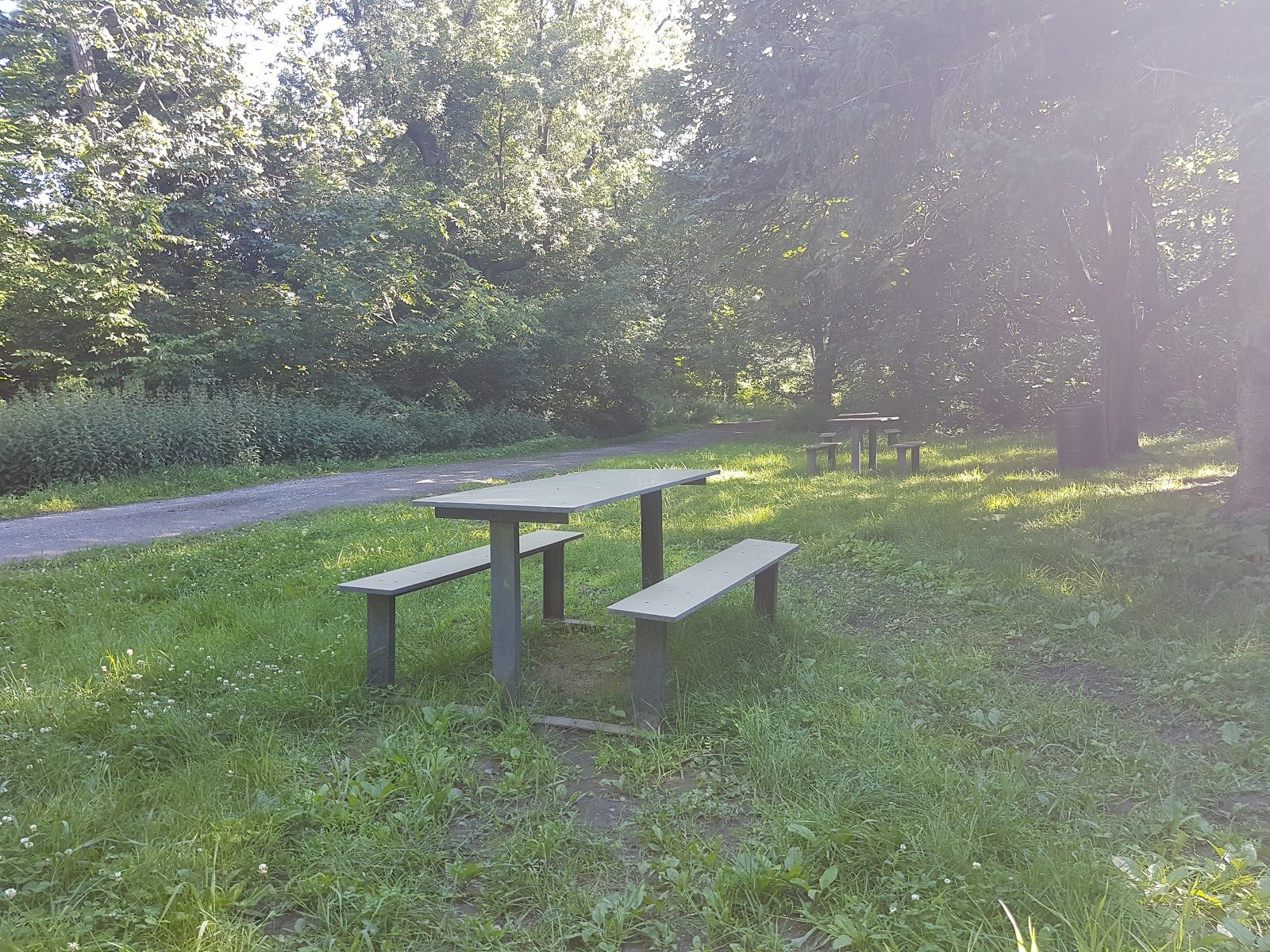
Collège Jean-de-Brébeuf
Montreal · Canada
Once a Jesuit seminary, now a secular Francophone college spanning secondary school and CEGEP, IB-authorized since 1982.
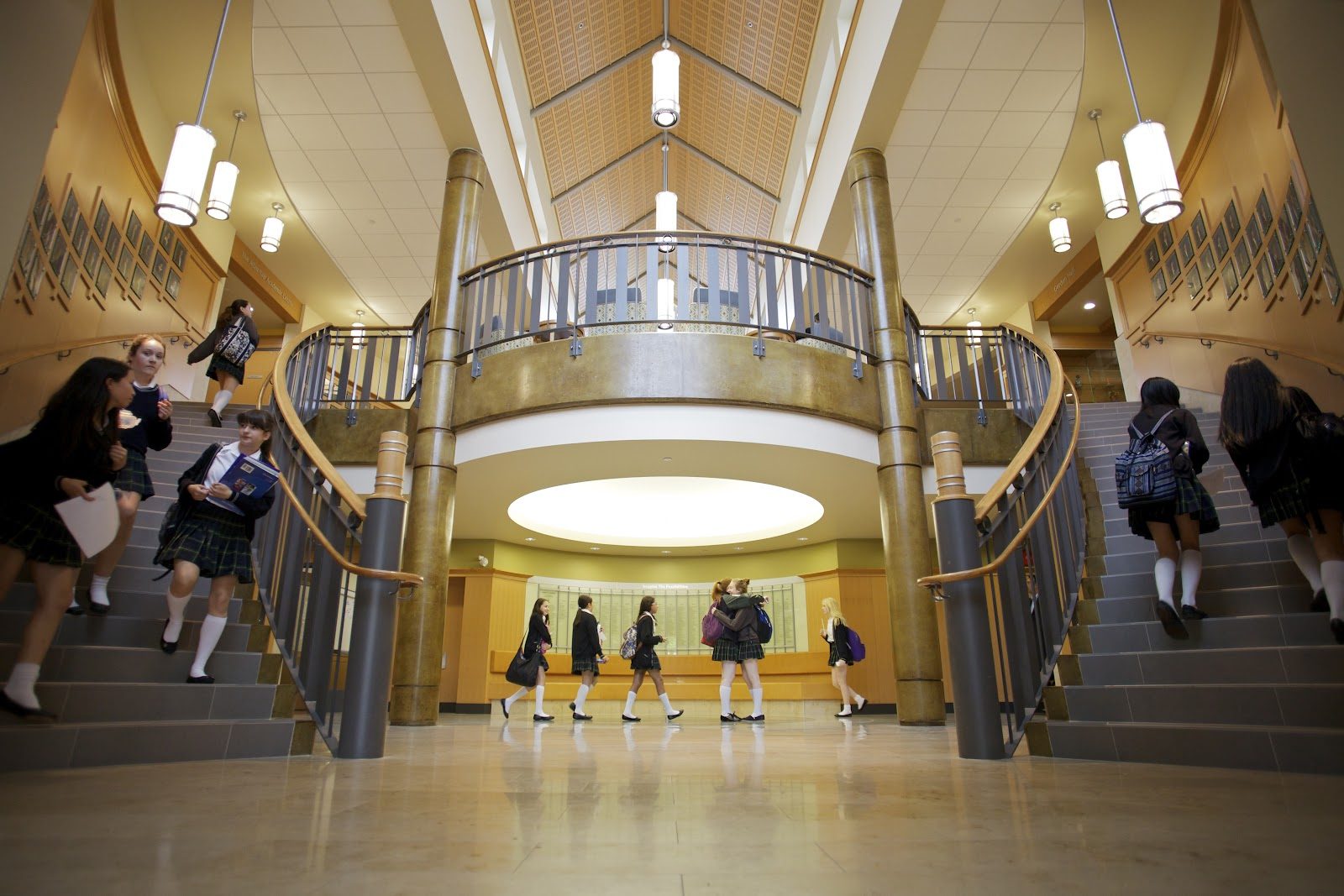
Crofton House School
Vancouver · Canada
West of Toronto's oldest independent school, a Kerrisdale campus builds IB scholars through its four-quadrant Ivy Compass program.
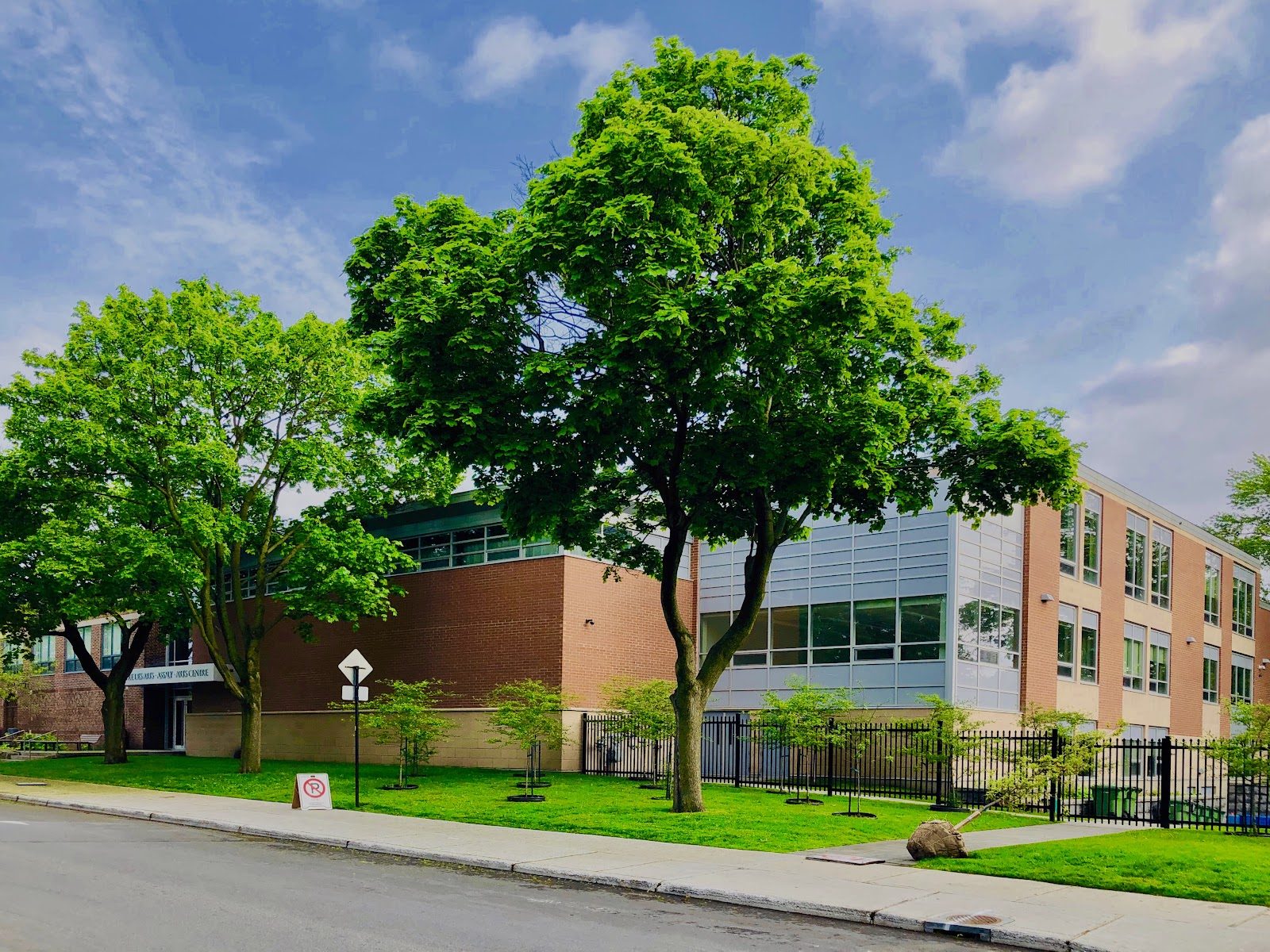
Lower Canada College
Montreal · Canada
Rooted in an 1861 boarding-school lineage, the only English-language Quebec school running both IB Middle Years and Diploma Programmes side by side

West Point Grey Academy
Vancouver · Canada
On an 18-acre Jericho Lands campus above English Bay, a compulsory third language meets a student-run Model UN conference.
Same country and curriculum — closest matches within ±10 points either way