
California
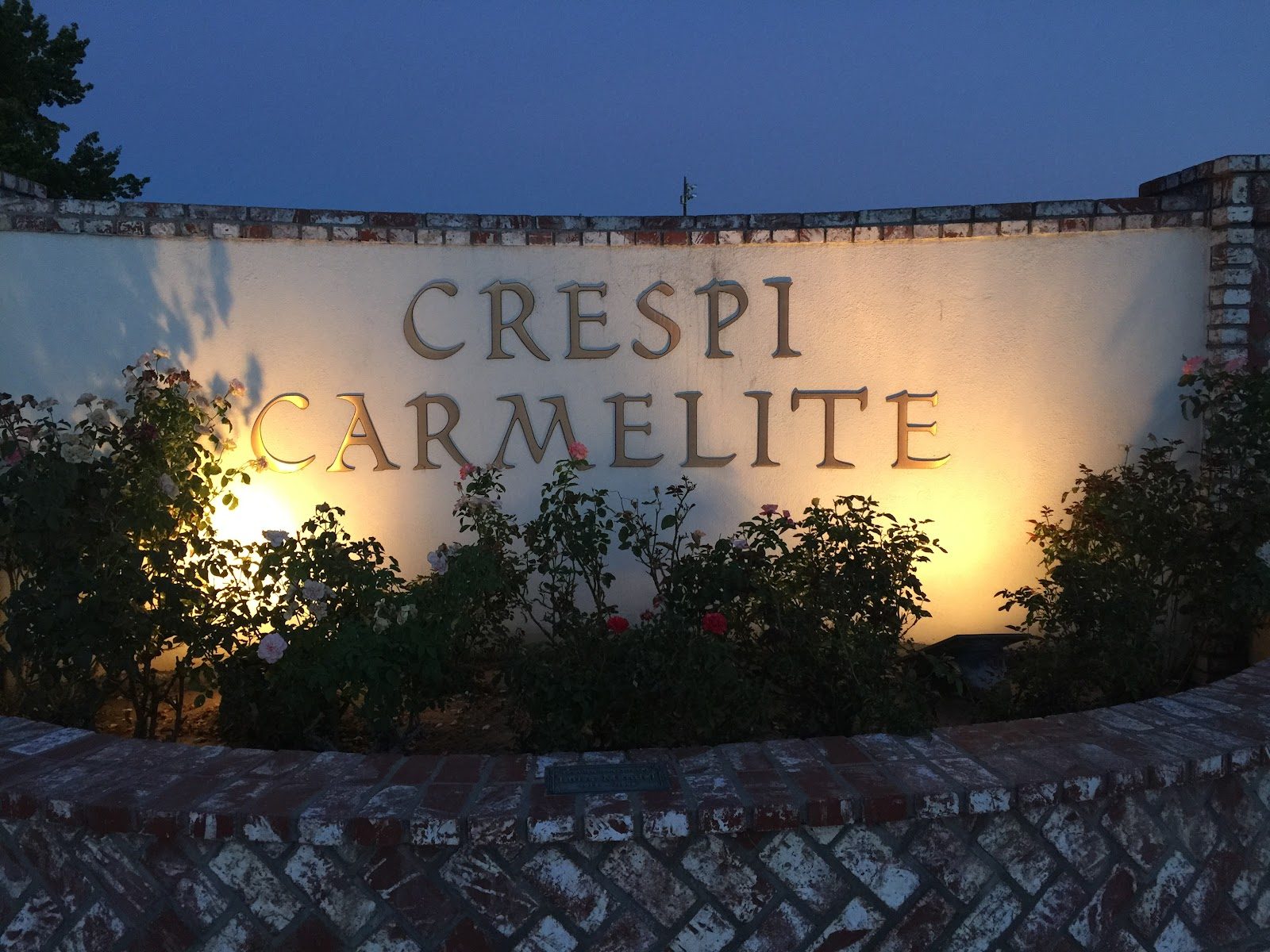
Crespi Carmelite High School
low confidence· 1/6 cats · 3.33 avg sourcesAn all-boys Carmelite brotherhood in Encino pairs 800 years of contemplative tradition with modern gender-based learning science.
Type
Day
Ages
13–18
Curriculum
American
Qualifications
AP · US High School Diploma
Ratio
1:12
The Verdict
Editor's commitment
Right for
Boys 13–18 who want a Catholic, all-male day school in Encino with a 1:12 ratio and a declared American curriculum.
Wrong for
Families wanting co-education, boarding, or a secular ethos; Crespi is a Catholic day school founded in 1959 and built for boys.
Watch out for
NAIS accreditation and a 1:12 ratio are clear; university outcomes, aggregate exam data and fees are not published here.
Ranking breakdown
Crespi Carmelite High School · #907 of 1591
Composite score 63.6. 8 weighted criteria.
By criterion
Academic Outcomes
Weight 20%
#792
of 1529 scored
University Placement
Weight 16%
#911
of 1529 scored
Prestige & Heritage
Weight 12%
#1009
of 1571 scored
Alumni Network
Weight 12%
#646
of 1530 scored
Facilities
Weight 12%
#1004
of 1533 scored
Transparency & Communications
Weight 8%
#688
of 1532 scored
Peer & Industry Review
Weight 10%
#1319
of 1548 scored
Admissions Selectivity & Demand
Weight 8%
#991
of 1529 scored
Peer & Industry Review
How Crespi Carmelite High School is regarded in the sector
62
Respected · medium confidence
Among Los Angeles Catholic schools, Crespi is generally regarded as a solid Mission League competitor rather than an academic peer of Loyola or Harvard-Westlake, with its reputation anchored almost entirely in football and basketball rather than university placement. It does not feature prominently in national independent-school press, WhichSchoolAdvisor, or Good Schools Guide coverage, which tend to focus on larger, more academically differentiated Southern California institutions. University admissions offices know Crespi principally through athletic recruiting pipelines rather than as a feeder for highly selective academic cohorts. Local sports media (MaxPreps, Los Angeles Times prep coverage) regularly track its football and basketball programs, giving it a regional profile disproportionate to its academic footprint. Within the Mission League itself, rival coaches and administrators view Crespi as a consistent, respected athletic program; outside that circuit, its visibility to elite peer schools and top-tier universities is modest and largely undocumented in independent education commentary.
- Jason Sehorn — NFL cornerback, New York Giants
- Gene Wojciechowski — Sports journalist, ESPN
- Rob Bironas — NFL placekicker
Editors' overview
Crespi Carmelite High School occupies a clear niche in the Los Angeles market: a Catholic, all-boys, college-preparatory day school in Encino with a long institutional memory and a very explicit theory of education. Founded in 1959, it ties that mission to Carmelite identity — prayer, community and service — and to the mechanics of single-sex teaching. Parents who want co-education should strike it off at once; the point here is not balance, it is focus. For families who want a boys’ school with a strong religious spine and a disciplined pastoral frame, Crespi earns attention. The 1:12 student-teacher ratio strengthens that case, promising classes small enough for adults to know boys properly rather than manage them at scale. Brotherhood with structure is the central offer.
What marks Crespi out is the combination of Catholic formation, an all-male peer culture and a programme broad enough to avoid the stale version of “traditional” schooling. The school publishes a full academic architecture across English, mathematics, science, theology, social studies, world languages, technology and engineering, visual and performing arts, physical education and counselling, with visible co-curricular investment in robotics, esports, Taiko, service, retreats and athletics. That breadth matters. Many faith-based schools speak fluently about character and less fluently about the day-to-day life of intellectually mixed adolescent boys; Crespi does both. The recent AP School Honor Roll mention adds a useful academic signal, though the school does not publish aggregate AP scores, so parents cannot inspect attainment in hard statistical detail. Serious without being austere fits the profile.
Its market position is therefore not “elite Los Angeles school” in the broad, interchangeable sense. It is narrower and more distinctive: an Archdiocese Catholic boys’ school for families who value formation as much as credentials, and who want a campus culture that treats adolescence as something to shape, not merely supervise. The right student for Crespi is a boy aged 13–18 who will thrive in a male environment with rituals, expectations and belonging built into the week — Mass, service, teams, clubs, house spirit and a visible language of duty. He does not need to be a star athlete, though sport is prominent; he does need to tolerate accountability, uniforms and an openly religious setting. Boys who want clear guardrails, purpose beyond grades, a tight male cohort and *an adult community that takes formation seriously* will find Crespi compelling.
Academic Performance
Crespi gives parents only a partial academic picture. The public signal is respectable: the school was named to the AP School Honor Roll, which places it inside a recognised College Board framework for AP access and performance. It also gives unusual prominence to academic competitions and showcases, including a first-place finish in Academic Decathlon and a visible STEM Expo culture. That combination points to a school with real academic energy beyond routine classroom delivery. What Crespi does not do is publish the hard data that would let families judge examination strength with precision. No aggregate AP score profile is in the public domain, no pass-rate table is published, and no subject-by-subject breakdown is disclosed. For a college-prep school, that is a meaningful gap.
Relative to peers, Crespi fits the broad middle of the independent Catholic college-prep market: more transparent than schools that publish nothing at all, less rigorous in disclosure than top academic competitors that release full testing profiles, score distributions and matriculation detail. The low staffing ratio strengthens the case for close academic support, but support is not the same thing as proof. Parents comparing Crespi with academically harder-edged Los Angeles independents will find the outcomes case under-evidenced. Parents comparing it with faith-led schools where pastoral life outruns scholarship will find a stronger academic culture, a wider set of intellectual outlets and at least one credible external marker. In short: *promising, but not fully audited in public*.
Facilities
Crespi’s facilities map closely to its identity: practical, student-facing, and built around the rhythms of a Catholic boys’ day school rather than prestige architecture. The strongest published signals sit in sport, arts, technology and student support. Athletics gets dedicated space not only through team infrastructure but through named provision for strength and student wellness, sports medicine and even esports. That is a more deliberate physical setup than many parochial peers, which still treat sport as timetable filler rather than a serious strand of school life. In academics, the presence of a Technology & Resource Center, robotics, ESOL support and a visible STEM Expo culture points to facilities that extend beyond standard classrooms. The visual and performing arts also register as a real priority, with a Fine Art Festival and Crespi Taiko giving the arts an institutional foothold rather than a token corner of campus.
Against peer Catholic college-prep schools, that mix is competent and well-rounded. Against wealthier Los Angeles independents, it reads as less showy, more functional. There is no public case here for spectacular specialist buildings, major laboratory investment, theatre-scale arts complexes or the kind of architectural arms race seen at top-fee competitors. Parents should read Crespi’s estate as purpose-built for use, not for display. That will suit families who care more about whether boys are occupied, supervised and supported across the day than whether the campus carries luxury-school gloss. The published offer is broad, coherent and free of gimmickry, but not in the top bracket for facilities ambition.
The published offer is broad, coherent and free of gimmickry, but not in the top bracket for facilities ambition
Prestige
Crespi carries solid local prestige, not top-tier national cachet. In Los Angeles, the school’s standing rests on three things: a long-established Catholic identity, a clear all-boys proposition, and a visible record of organised student life that extends well beyond the timetable. The all-male model narrows the market, but it also sharpens the brand; families who want that environment know exactly what Crespi is. The Archdiocese link adds institutional weight, and the Carmelite framing gives the school a distinct religious seriousness that many generic college-prep schools lack. The 1:12 staffing ratio strengthens the impression of adult attention and proper oversight. For prestige-conscious parents, that matters. So does the school’s public confidence in displaying athletics, service, ministry, arts, robotics, esports and academic competition rather than hiding behind vague language about “whole child” development.
The limit is academic and social reach. Crespi does not publish the kind of outcomes data that underpins high academic prestige in the independent-school market, and it does not occupy the same bracket of broad, secular status as Los Angeles’ most selective co-educational names. Its reputation is stronger inside Catholic and boys’ school circles than across the full luxury-school ecosystem. That does not make it second-rate; it makes it specific. For the right family, Crespi offers credible, tradition-backed esteem with a tight sense of community and purpose. For families chasing maximum metropolitan prestige, it sits a rung below the city’s most visible independent heavyweights.
Crespi carries solid local prestige, not top-tier national cachet
Communications
Crespi communicates with parents in a high-frequency, institutional way. The public-facing structure is clear: a dedicated parent portal through Crespi Connect, a live calendar, a stream of dated news items, admissions event sign-ups, key dates, fundraising channels, alumni updates and direct contact details on the homepage. The school does not hide the machinery. Parents can see where to click for visits, applications, transport, uniforms, counselling, athletics and student life without digging through clutter. That matters in a boys’ school with a lot happening across sport, ministry, service and clubs. The inclusion of “Hablamos español” is also a practical signal that the school has at least some awareness of parent accessibility beyond the default. This is workmanlike communication, not polished lifestyle branding.
Effectiveness looks strong on logistics, thinner on depth. Crespi publishes enough routine information to keep families oriented and involved, and the site carries the cadence of a school that expects regular parent participation. The tone is disciplined, community-minded and consistent with the school’s ethos. Where it falls short is transparency at the harder edge: communications are rich in events, community stories and institutional identity, but thinner on the performance data and strategic candour that exacting parents want. That imbalance does not make the school opaque across the board; it makes it *better at keeping parents connected than fully informed*. For day-to-day school life, the system looks efficient. For scrutiny, it is less robust.
Uniqueness
What sets Crespi apart is not Catholic schooling on its own, nor boys’ education on its own, but the tight fusion of Carmelite spirituality with a deliberately modern theory of how adolescent boys learn. The school does not treat religion as background décor. Prayer, service, retreats, ministry and vocation sit in the same institutional frame as robotics, esports, counselling, Taiko and academic competition. That produces a culture with real internal coherence: boys receive one message about what school is for, and that message runs through the timetable, the co-curricular offer and the moral life of the campus. Many schools promise formation and then deliver a grab-bag. Crespi delivers a clear, old-fashioned moral structure with contemporary outlets for energy, performance and curiosity.
For students, that brings two practical advantages. First, boys who need belonging, routine and adult scrutiny get a strongly held communal identity rather than a loose collection of classes and clubs. Brotherhood here is an organising principle, not a slogan. Second, the school gives boys multiple sanctioned ways to build competence: on teams, in service, through the arts, through STEM events, and through high-visibility activities that reward commitment. The low staffing ratio — 1:12 — reinforces that by making it harder for a boy to drift anonymously. The trade-off is obvious. Students who dislike overt faith, male-only social dynamics or a rule-bound pastoral culture will feel boxed in. Boys who want structure with meaning will not.
Founded in 1959, it ties that mission to Carmelite identity — prayer, community and service — and to the mechanics of single-sex teaching
Student Profile
The boy who fits Crespi is not just comfortable with rules; he benefits from them. He wants school to feel organised, supervised and morally legible. He can handle uniforms, liturgy, service expectations and an adult culture that speaks plainly about character. He does not need to be pious in a performative sense, but he does need to accept that faith is built into the daily architecture of the place, not parked at the margins. The all-male setting suits boys who like directness, team identity and a strongly bounded peer culture. It will also suit students who gain confidence from routine and from adults knowing them well; the 1:12 ratio matters here because it leaves less room to disappear. A boy who wants anonymity, social looseness or a cooler, more ironic school culture will find Crespi constraining.
The social sweet spot is the engaged middle: boys who will join teams, clubs, ministry, arts groups, robotics, Taiko, service projects or academic competitions, and who do not treat school as a place to do the minimum. Crespi has room for athletes, certainly, but not only athletes; it also rewards boys who want structured belonging and visible roles. International students have a clearer runway than at many small religious schools because ESOL sits openly in the student-life mix. This is a school for boys who need clear guardrails, purpose beyond self-expression and a community that prizes brotherhood over individual display. For independent-minded boys with a low tolerance for authority, it is a bad fit.
Parents who want co-education should strike it off at once; the point here is not balance, it is focus
Co-curricular strengths
Arts & sport, on a separate axis
Overall 7.24/10
Scored 0-10 from the school's own published evidence. This axis is editorial-only — it does not feed the main WTS ranking.
Sports
8.9/10
Drama
7.7/10
Dance
3.5/10
Music
8/10
Visual Arts
8.1/10
Strengths
- +All-male setting for ages 13–18.
- +Catholic identity shaped by Carmelite tradition.
- +American college-prep curriculum in English.
- +Notable football, basketball and baseball programmes.
Considerations
- −Boys-only model will not suit every family.
- −Day school only; no boarding option.
- −Catholic framework may feel too confessional for some.
Availability
Primary entry gate & tests
HSPT + Interview + Recommendations
Parent reviews
Have you sent your child here?
Voice reviews carry the strongest trust badge — we transcribe them for you to tidy up before they go live. Prefer to type? A written review is fine too.
Add your voice
In 60 seconds, tell other parents: what's the best thing about Crespi Carmelite High School, and what surprised you when your child joined?
We ask for a Google sign-in so every review has a real face behind it — no anonymous drive-by attacks on schools, and no faked positive reviews. Your email is never shown publicly.
Send this profile to a friend
International parents rely on word-of-mouth. Share this review with someone weighing the same decision.
Schools with places
Similar schools to Crespi Carmelite High School with places available now.
Head-Royce School
Oakland · United States
- 2026-27
- CLOSEDRegular cycle
- 2027-28
- OPENS SOONOpens Sept '26
The Webb Schools
Claremont · United States
- 2026-27
- CLOSEDRegular cycle closed
- 2027-28
- PLACES OPENPortal live
The Branson School
Ross · United States
- 2026-27
- CLOSEDRegular cycle
- 2027-28
- OPENS SOONOpens Sept '26
Crystal Springs Uplands School
Hillsborough · United States
- 2026-27
- CLOSEDRegular cycle
- 2027-28
- OPENS SOONOpens Sept '26
Availability first, then country, area, curriculum, price, co-curricular
Consider also
Also worth looking at alongside Crespi Carmelite High School.
Greenwich Academy
Greenwich · United States
Connecticut's oldest all-girls school pairs single-sex grounding with coeducational upper-school classes shared alongside Brunswick's boys.

The Browning School
New York City · United States
Manhattan's only K-12 all-boys day school, expanding onto East 64th Street after nearly 140 years on the Upper East Side.
Princeton Day School
Princeton · United States
Formed by a 1965 merger of two century-old Princeton schools, pairing STEAM rigor with a rare four-year architecture program across 106 acres.
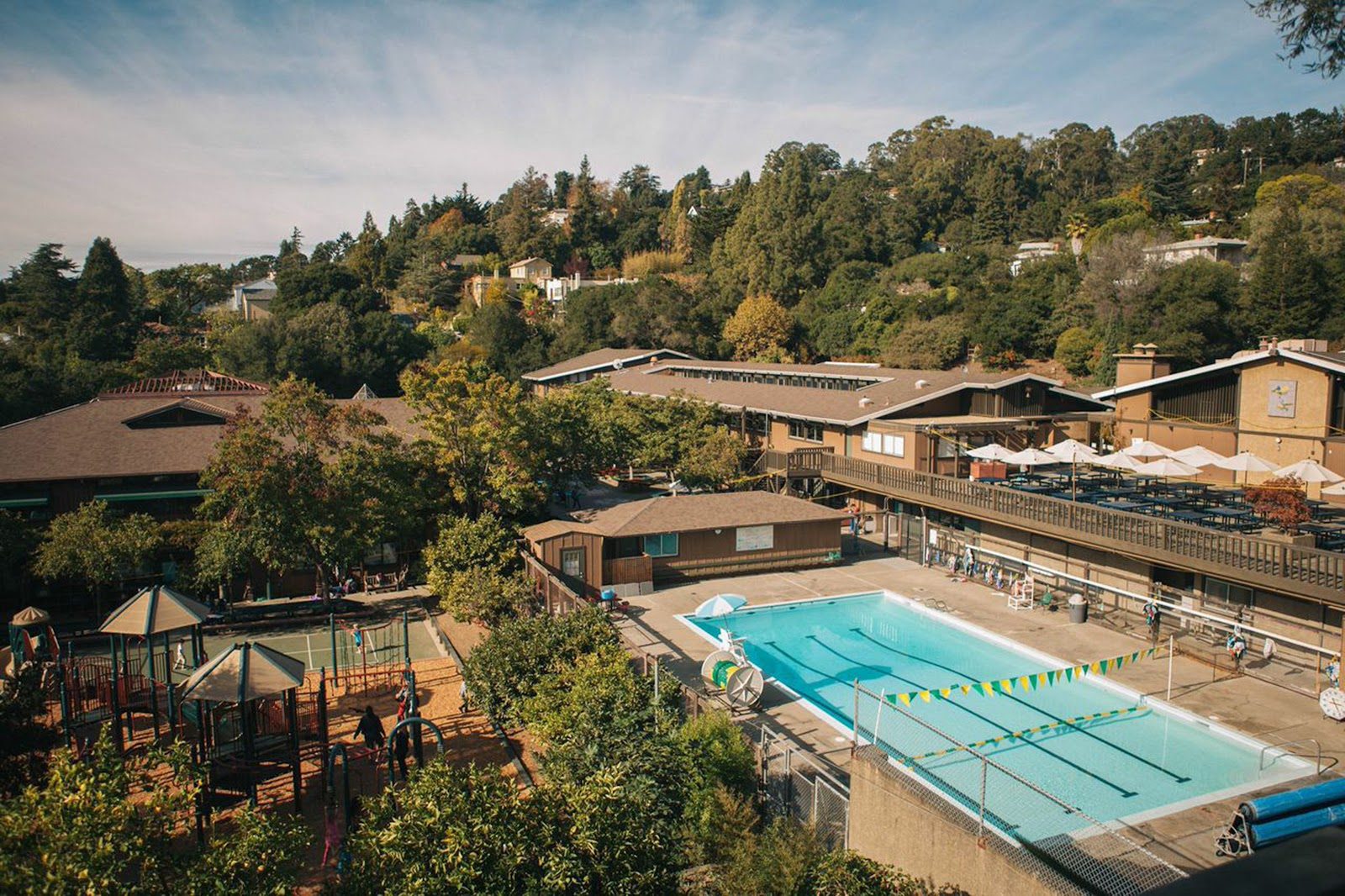
Head-Royce School
Oakland · United States
Since 1887 on a wooded Oakland hills campus, pairing rigorous scholarship with a decades-old public-school partnership that opens college doors for first-generation students
Same country and curriculum — closest matches within ±10 points either way