
Riyadh Province
King Faisal School
Founded by the King Faisal Foundation in 1991, the first school in the Kingdom to run all three IB programmes end to end.
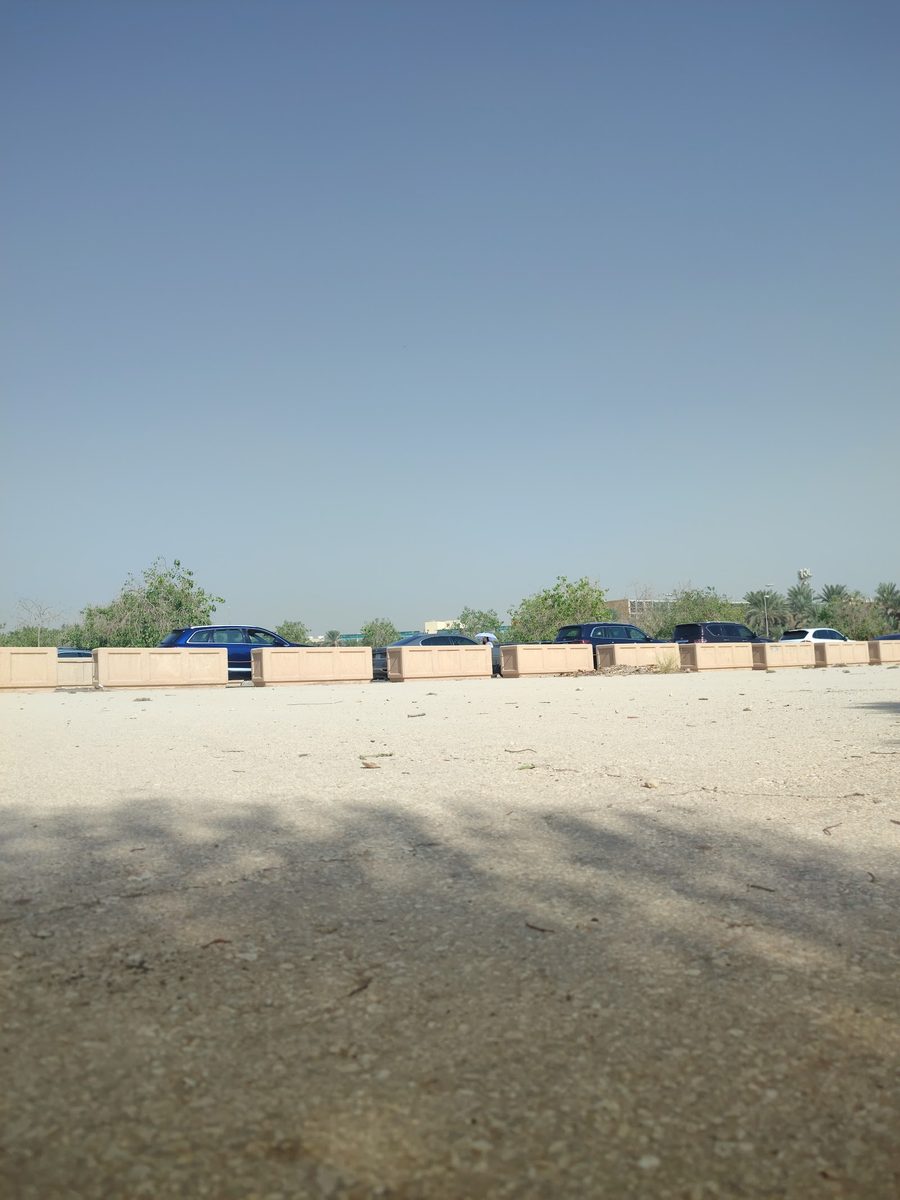
Photo © Bakre Beila via Google Maps
Type
Day
Ages
4–18
Curriculum
Saudi National · British
Qualifications
Saudi Tawjihi
Ratio
—
The Verdict
Editor's commitment
Right for
Riyadh families wanting Arabic and English instruction, an Islamic setting, and a 4–18 day school founded by the King Faisal Foundation.
Wrong for
Parents chasing boarding, a secular culture, or a single-curriculum school; King Faisal School declares Saudi National and British pathways.
Watch out for
The school was founded in 1968, but it does not publish inspection grades, exam outcomes or university destinations in the public domain.
Ranking breakdown
King Faisal School · #1288 of 1591
Composite score 56.0. 8 weighted criteria.
By criterion
Academic Outcomes
Weight 20%
#1274
of 1529 scored
University Placement
Weight 16%
#1332
of 1529 scored
Prestige & Heritage
Weight 12%
#819
of 1571 scored
Alumni Network
Weight 12%
#1130
of 1530 scored
Facilities
Weight 12%
#1054
of 1533 scored
Transparency & Communications
Weight 8%
#1437
of 1532 scored
Peer & Industry Review
Weight 10%
#1415
of 1548 scored
Admissions Selectivity & Demand
Weight 8%
#760
of 1529 scored
Peer & Industry Review
How King Faisal School is regarded in the sector
58
Credible · medium confidence
King Faisal School is widely regarded within Riyadh's private-education circle as one of the longest-established and most credible national institutions, distinguished from the newer wave of purely international schools by its King Faisal Foundation backing and its dual track offering both the Saudi national curriculum and the IB Diploma Programme. Among peer heads in the capital, it is typically cited as a benchmark for bilingual Arabic-English academic rigor rather than as a boutique international brand, and it is regularly named alongside British International School Riyadh and Riyadh International Schools in local comparisons of top-tier options for Saudi families. Independent commentary specific to KFS is limited compared with Western-market platforms like Good Schools Guide or WhichSchoolAdvisor, which cover it only sparingly since it sits outside the mainstream British/American international-school review ecosystem; most third-party assessment instead comes through Ministry of Education accreditation status and IB World School recognition. University-facing reputation rests mainly on its IB output feeding Saudi students into regional Gulf universities and a smaller cohort into UK/US institutions, though no verifiable named admissions-officer commentary was found.
Editors' overview
King Faisal School occupies a rare position in Riyadh: an established Islamic day school with deep local roots, bilingual teaching, and a serious international track. Founded in 1968 and operating under the King Faisal Foundation, it combines Saudi National and British curricular strands across ages 4–18, with Arabic and English both central to school life. That matters in a market crowded with schools that force a harder trade-off between national identity and international ambition. King Faisal School offers parents a more integrated proposition: cultural confidence without academic insularity, and institutional weight without the transient feel of a newer private entrant.
What sets it apart is not novelty but range. This is a school for families who want children grounded in Islamic values and Arabic while still working fluently in English and moving through a broad academic programme. That dual commitment gives the school its edge. In Riyadh, many schools do one side of that equation well and treat the other as an add-on. King Faisal School puts both at the centre. For parents, that creates a powerful practical advantage: a child can remain anchored in the local context while building the language base and academic habits needed for competitive university pathways. The attraction lies in serious bilingualism, clear moral framing, and the credibility that comes with a long-established institution.
It belongs on a shortlist for families who want stability, social substance, and a school that understands the expectations of Saudi professional households. It will suit students who are comfortable in a structured environment, can handle academic demands in two languages, and benefit from a community where faith and national culture are explicit, not peripheral. The strongest fit is the student who wants high expectations and a strong sense of belonging rather than a looser, more experimental school culture. For internationally minded Saudi families, and for others who want a school embedded in the Kingdom rather than floating above it, King Faisal School offers rooted ambition and a distinctive place in the Riyadh market.
Academic Performance
King Faisal School does not publish the exam data that would let parents judge academic performance with confidence. We have not seen aggregate IB Diploma averages, pass rates, subject distributions, A-level results, GCSE outcomes, or university destination figures in the public domain. That matters. In Riyadh’s top tier, schools that produce strong external results usually put at least some headline numbers on record. King Faisal asks families to rely on institutional reputation rather than hard comparative evidence. For an established school with an international track, that is a real weakness.
Where does that leave it against peers? In market terms, this is a school with serious academic intent but opaque outcomes. It sits in a different position from schools that can point to 40+ point IB averages or a clean run of top GCSE and A-level grades; King Faisal does not give parents that benchmark. That does not mean results are poor. It means the school has chosen not to disclose them, and that choice limits scrutiny. Parents who prize measurable performance should press for cohort-level data, score ranges, and destination lists before reading too much into the school’s standing. Until then, its academic reputation rests on institutional confidence more than published proof.
Facilities
King Faisal School’s strongest facility advantage lies in breadth, not spectacle. The school sits within the King Faisal Foundation complex, which gives it access to a more substantial physical setting than many stand-alone urban schools in Riyadh. Parents can expect the core ingredients of a full all-through campus: science laboratories, libraries, sports areas, art and music spaces, and dedicated rooms for younger children. That matters because many local competitors still feel pieced together, with cramped specialist provision or limited room for older students to work independently. King Faisal has the footprint and institutional backing to avoid that improvised feel. The campus reads as serious and purpose-built, not a villa school scaled up past its limits.
Against Riyadh peers, that places it in the upper tier for practical provision, but not at the market’s architectural cutting edge. Some newer premium schools have sharper design, more polished indoor athletics, more overtly high-tech classrooms and the sort of glossy specialist centres built to sell tours. King Faisal’s edge sits elsewhere: substance over theatre, a campus that supports a broad school life, and facilities that match the expectations of an established, academically ambitious family base. The weakness is the same one visible elsewhere in the school’s public profile: limited hard detail. We have not seen a published campus inventory, no headline capacity figures, and no standout signature facility that defines the school. Strong, credible, but not showpiece-driven.
King Faisal School does not publish the exam data that would let parents judge academic performance with confidence
Prestige
King Faisal School carries real domestic prestige. The name matters in Saudi Arabia, and the link to the King Faisal Foundation gives the school social weight that newer private schools cannot manufacture. Among local families, that translates into status, trust and a sense that the school belongs to the country’s institutional establishment rather than the fee-paying market alone. For parents who care about social signalling as well as education, that is a serious advantage. A child educated here benefits from association with a school that sits close to the Kingdom’s philanthropic and cultural elite. That kind of prestige travels well inside Saudi society.
The limit is clear: this is *not the same thing as global academic prestige*. Internationally mobile families looking for a school whose name alone opens doors abroad will find less cachet than at the best-known British-branded schools or at schools that publish standout exam and destination data. King Faisal has institutional stature, but it does not convert that stature into public academic proof. That keeps its reputation strong at home and less forceful outside it. We rate its prestige highly in the national context and more cautiously in the international one: socially powerful, well-connected, but short of the globally legible profile that the strongest outward-facing schools build through relentless transparency.
King Faisal School’s strongest facility advantage lies in breadth, not spectacle
Communications
King Faisal School communicates in the manner of an established institution: formal, controlled and more reassuring to families who value order than to parents who expect constant digital transparency. The school’s public voice is measured and institutional, with clear emphasis on events, leadership activity, student recognition and the values of the community. That gives parents a readable sense of school culture, but it does not give them much operational depth. We have not seen the kind of granular public communication that answers hard parental questions before they are asked: detailed academic reporting, routine publication of outcomes, or a rich flow of practical insight into day-to-day teaching. The result is credible but guarded communication.
For the right family, that style works. Parents who already trust the school’s judgement and want a structured, high-authority relationship will find nothing unusual here. Families who want forensic clarity, fast updates and a strong culture of disclosure will find the school less satisfying. That matters most at the senior end, where communication needs to cover assessment, subject choices, university guidance and performance evidence with precision. King Faisal communicates stability and seriousness well. It communicates scrutiny less well. In editorial terms, this is effective at signalling institutional confidence and weaker at giving parents the hard information that builds confidence in return.
Uniqueness
What distinguishes King Faisal School is the combination of establishment Saudi identity and a full international academic runway inside the same institution. Many schools in this market split the offer in two: strong local grounding with limited outward reach, or polished international branding with weaker cultural depth. King Faisal does not make families choose. Its link to the King Faisal Foundation gives it a different centre of gravity from a standard private school. The school carries institutional seriousness, a clear moral frame and a closer connection to the country’s civic elite than most fee-charging competitors. That shapes the student experience in concrete ways: children grow up in a school culture that treats Arabic, Islam and national context as core, while still preparing them for external study pathways beyond the Saudi system.
For students, that produces a rare kind of fluency. They learn to move between codes rather than live in one and visit the other. In practice, that means greater ease with mixed expectations at home, university and work: local belonging without provincialism, international competence without detachment. The social dividend matters too. A school with this profile attracts families who want discipline, continuity and high-status rootedness, not educational fashion. That creates a community with a distinct tone: ambitious, conservative in the best sense, and less transient than expatriate-heavy schools. For the right child, that mix builds confidence, cultural literacy and a strong sense of where they stand.
What distinguishes King Faisal School is the combination of establishment Saudi identity and a full international academic runway inside the same institution
Student Profile
The best fit here is a student who can handle clear authority, strong behavioural expectations and a school culture where faith, family and national identity sit at the centre of daily life rather than at the margins. This is not the natural home for children who need a loose, highly progressive atmosphere or a great deal of personal negotiation around rules. It suits pupils who work well within structure, accept adult direction without constant resistance, and can move confidently between Arabic and English academic demands across a long school day. Socially, it will work best for families who want their children educated among peers from serious professional households and who value continuity, decorum and a school community with real social ballast.
The student who thrives here is ambitious but not performative: respectful, organised, able to manage expectations in more than one cultural register, and comfortable in an environment that prizes belonging as much as individual expression. Children who want overtly alternative identities, highly informal teacher-student dynamics, or a campus culture built around self-invention will find the tone constrained. Children who want rooted confidence, stable peer groups and a strong moral frame will find a better fit. This school suits families planning for the full 4–18 journey and wanting a child to grow up with institutional discipline rather than constant reinvention.
In Riyadh’s top tier, schools that produce strong external results usually put at least some headline numbers on record
Co-curricular strengths
Arts & sport, on a separate axis
Overall 7.56/10
Scored 0-10 from the school's own published evidence. This axis is editorial-only — it does not feed the main WTS ranking.
Sports
8.7/10
Drama
7.5/10
Dance
6/10
Music
7.8/10
Visual Arts
7.8/10
Strengths
- +Offers the full IB continuum on one campus, with the Primary Years, Middle Years and Diploma Programmes all authorised at the Diplomatic Quarter site, giving continuity from early years through to graduation.
- +Established in 1991 as a not-for-profit school set up by the King Faisal Foundation, giving it an unusually long operating history and an endowed, non-commercial governance structure rather than a for-profit chain.
- +Enrols close to 3,000 students across its boys' and girls' sections, giving it a scale that supports a broad range of subject options, sports and extracurricular activity.
- +In the 2020 IB Diploma exam session the school reported a 92% pass rate, though this is a single, dated data point rather than an independently verified multi-year trend.
- +The campus sits inside Riyadh's Diplomatic Quarter, a location convenient for diplomatic and international families based in that district.
Considerations
- −The school does not make its fees public, and third-party aggregators only estimate tuition in the upper tier of Riyadh pricing, so families cannot budget precisely before applying.
- −Schooling is gender-separated from KG1 onward, with distinct Girls' and Boys' senior sections each run by their own principal and leadership team, which will not suit families wanting a fully co-educational environment through secondary school.
- −Admission runs through a waiting list, with the school retaining the right to accept or reject any application, and a personal interview and entrance exam with senior staff form part of the process, making entry uncertain rather than guaranteed.
- −Public sources describe the academic offer as an IB continuum with a legacy American Diploma stream rather than a distinct British (IGCSE/A-level) pathway, so families specifically seeking a British curriculum should confirm current provision directly with the school.
Availability
Primary entry gate & tests
Entrance Test + Interview
Gallery
Photo © Faisal Al-Dabesh via Google Maps
Photo © Faisal Al-Dabesh via Google Maps
Photo © Jamilah Alammar via Google Maps
Photo © Faisal Al-Dabesh via Google Maps
Photo © yasir sindi via Google Maps
Photo © yasir sindi via Google Maps
Photo © Abeer via Google Maps
Parent reviews
Have you sent your child here?
Voice reviews carry the strongest trust badge — we transcribe them for you to tidy up before they go live. Prefer to type? A written review is fine too.
Add your voice
In 60 seconds, tell other parents: what's the best thing about King Faisal School, and what surprised you when your child joined?
We ask for a Google sign-in so every review has a real face behind it — no anonymous drive-by attacks on schools, and no faked positive reviews. Your email is never shown publicly.
Send this profile to a friend
International parents rely on word-of-mouth. Share this review with someone weighing the same decision.
Schools with places
Similar schools to King Faisal School with places available now.
Multinational School Riyadh
Riyadh · Saudi Arabia
- 2026-27
- PLACES OPENApps open / space-dependent
- 2027-28
- WAITPOOL2027/28 timetable TBC
Misk Schools
Riyadh · Saudi Arabia
- 2026-27
- PLACES OPENApps open / space-dependent
- 2027-28
- WAITPOOL2027/28 timetable TBC
British International School Riyadh
Riyadh · Saudi Arabia
- 2026-27
- WAITPOOLSpace-dependent
- 2027-28
- PLACES OPENRolling
Availability first, then country, area, curriculum, price, co-curricular
Consider also
Also worth looking at alongside King Faisal School.
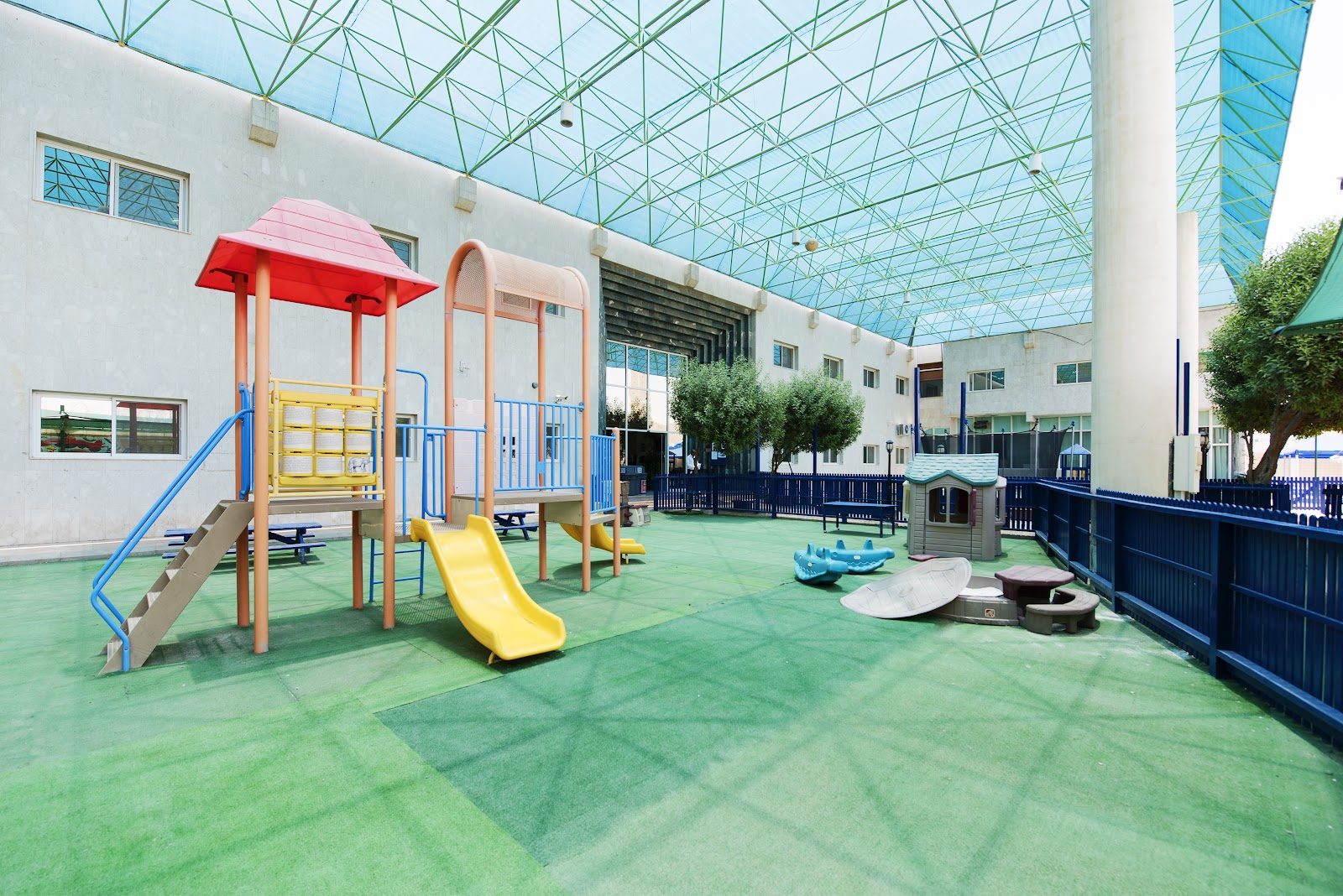
Multinational School Riyadh
Riyadh · Saudi Arabia
A 1998-founded British day school in Riyadh built its reputation on inclusive teaching and one of the region's most developed learning-support programmes.
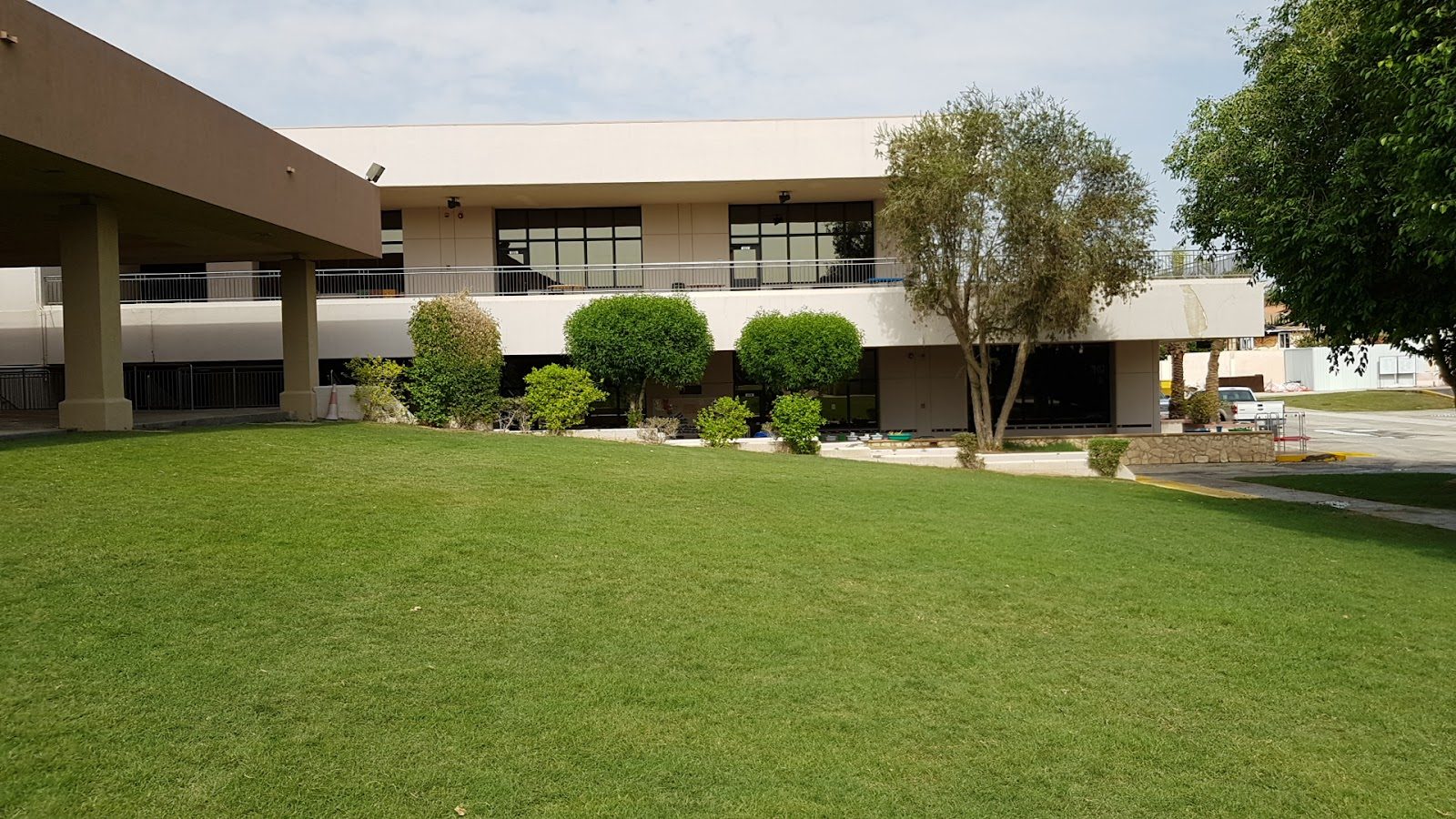
Dhahran Academy
Dhahran · Saudi Arabia
Founded in 1962 for US Consulate families, this Eastern Province campus now pairs AP Capstone rigor with a full IB Diploma pathway.
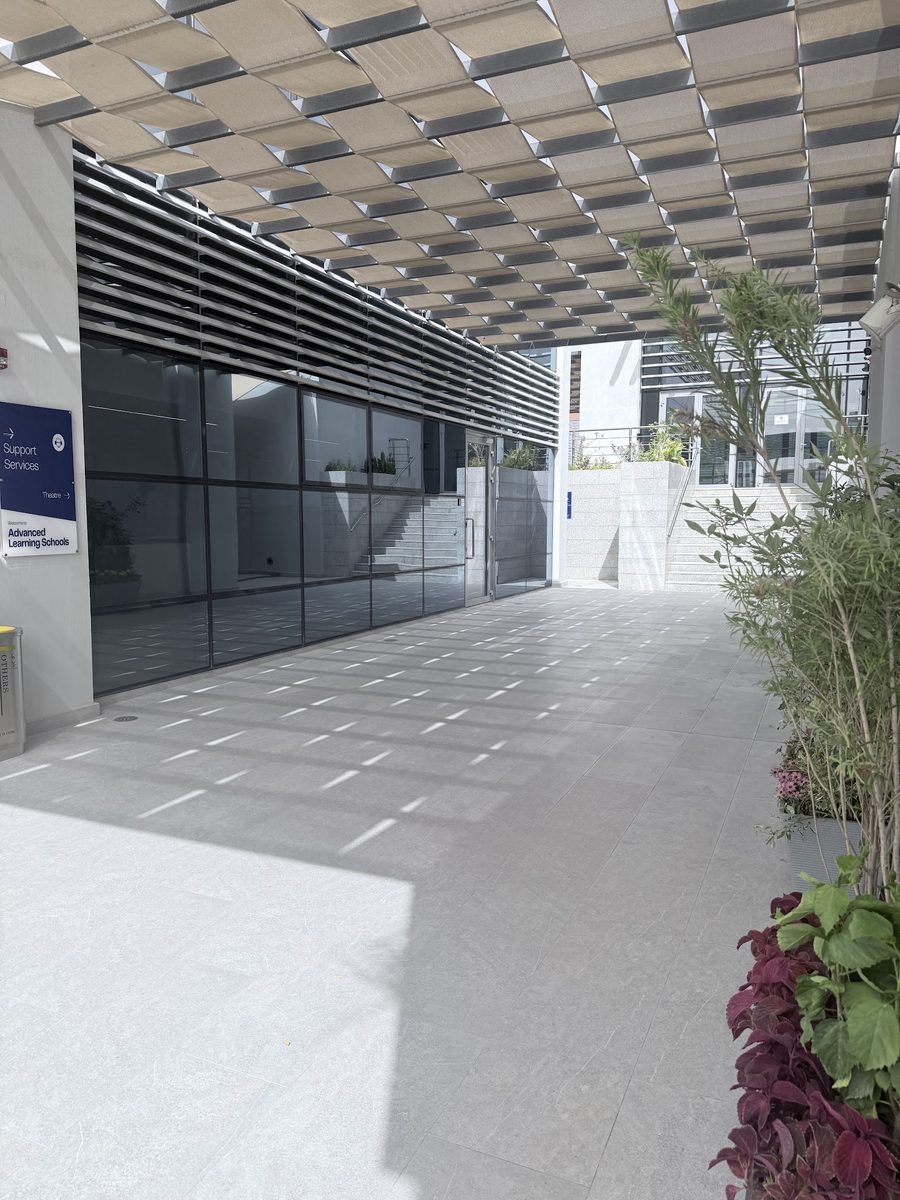
Advanced Learning Schools
Riyadh · Saudi Arabia
In central Riyadh, a full IB continuum meets American college prep for a student body that is majority Al Saud.
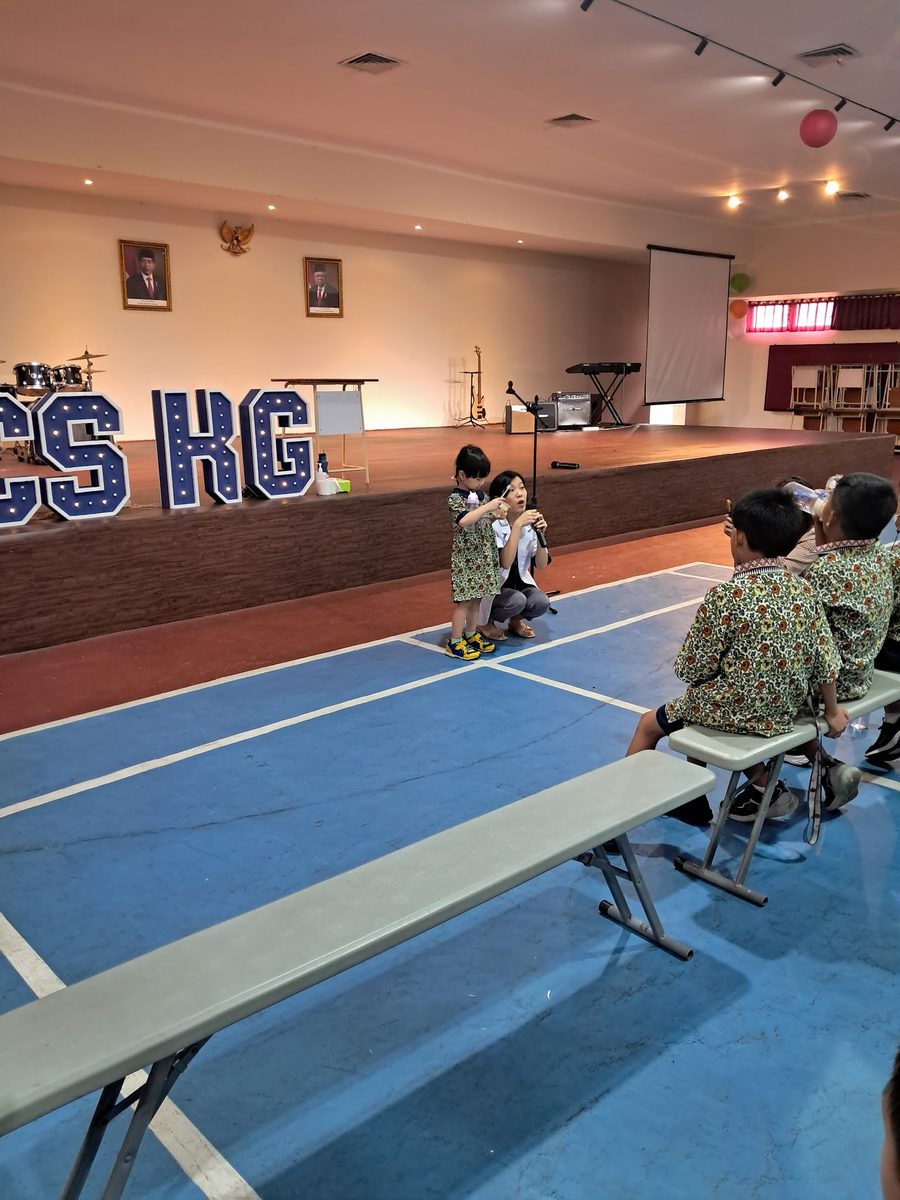
Raffles Christian School Kelapa Gading
Jakarta · Indonesia
A Kelapa Gading day school blending Singapore rigor with Cambridge assessment, its IGCSE and A Level scholars earning Top in the World distinctions.
Same country and curriculum — closest matches within ±10 points either way