
Missouri
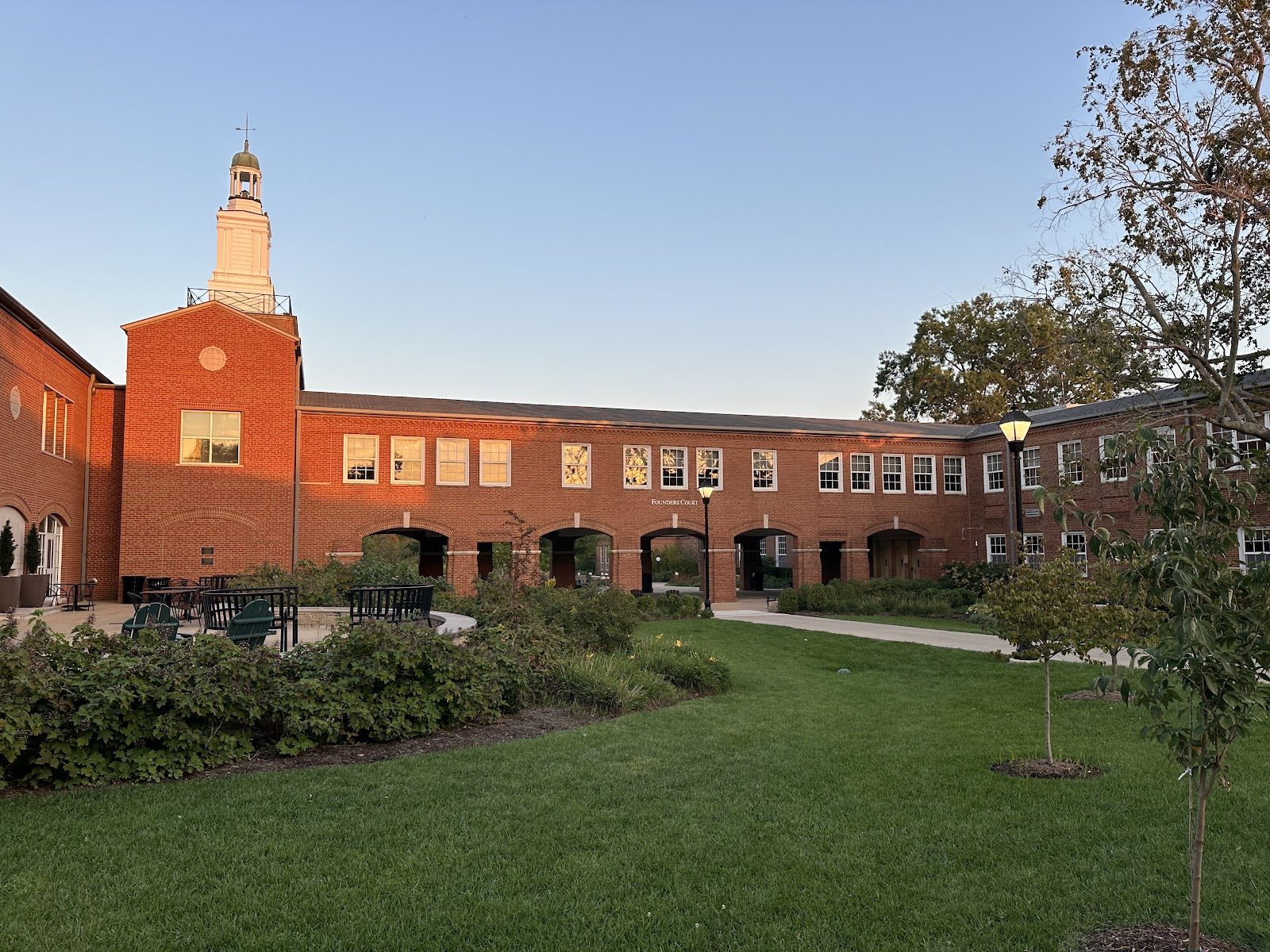
Where an 1859 girls' academy and a 1917 country-day school merged into one Ladue campus of three schools within a school
Type
Day
Ages
4–18
Curriculum
American
Qualifications
AP
Ratio
1:8
The Verdict
Editor's commitment
Right for
Families wanting a secular American day school for ages 4–18 on a 110-acre Ladue campus, with NAIS accreditation and 1,250 students.
Wrong for
Anyone seeking boarding, religious formation or a small-school feel; MICDS is a co-educational day school of about 1,250 students.
Watch out for
The average annual day fee is $33,188; for that price, parents should press hard on outcomes beyond mission language and campus scale.
Ranking breakdown
MICDS · #815 of 1591
Composite score 59.1. 8 weighted criteria.
By criterion
Academic Outcomes
Weight 20%
#902
of 1529 scored
University Placement
Weight 16%
#911
of 1529 scored
Prestige & Heritage
Weight 12%
#818
of 1571 scored
Alumni Network
Weight 12%
#1324
of 1530 scored
Facilities
Weight 12%
#810
of 1534 scored
Transparency & Communications
Weight 8%
#778
of 1532 scored
Peer & Industry Review
Weight 10%
#1108
of 1548 scored
Admissions Selectivity & Demand
Weight 8%
#837
of 1529 scored
Peer & Industry Review
How MICDS is regarded in the sector
64
Respected · medium confidence
Within Missouri's independent school landscape, MICDS is consistently grouped with John Burroughs School and Whitfield as the region's top-tier day schools, reflected in its full accreditation through ISACS and long-standing NAIS membership, both markers peer heads use to benchmark governance and academic rigor. College counseling data the school publishes shows steady matriculation to Washington University in St. Louis, Georgetown, Vanderbilt, and other selective universities, suggesting admissions officers view its transcript and curriculum as credible preparation rather than grade-inflated. National Merit Scholar counts reported annually keep it visible in state-level academic rankings. Independent-education commentary (Niche, Good Schools Guide-style regional roundups) typically cites its arts and athletics breadth alongside academics as distinguishing factors versus peer Catholic and secular competitors. It lacks the international press profile of coastal boarding schools, so its reputation is best described as strong-regional rather than nationally benchmarked in outlets like WhichSchoolAdvisor.
- Jack Dorsey — Co-founder and CEO, Twitter and Square/Block
- John Danforth — U.S. Senator, Politics
- Marlin Perkins — Zoologist and TV host, Wild Kingdom
Editors' overview
MICDS carries an unusual inheritance: an 1859 girls’ academy and a 1917 country-day school, now fused into one co-educational campus in Ladue with three schools under one roof. That matters because the place reads as both old and deliberately modern: independent, secular, American in curriculum, and day-only from ages 4 to 18. The scale sits in a useful middle ground. Wikipedia puts enrolment at about 1,250 students on a 110-acre campus, which is large enough to support serious academics, arts and athletics without tipping into factory-school sprawl. For St Louis families, that combination places MICDS firmly in the city’s top private-school bracket.
What puts it on a shortlist is breadth with institutional memory. The school talks plainly about “changing the lives of students so that they can change the world”, but the more telling line is the mission excerpt calling for “responsible men and women” with confidence and compassion. That is conventional independent-school language, yet MICDS backs it with a structure that covers the full age range in one setting and with visible weight given to academics, arts and athletics alike. The campus footprint supports that ambition; 110 acres is not cosmetic. The average annual day fee across the full ladder is $33,188, expensive by St Louis standards but not outlandish for a long-established US independent school with this age range and campus scale.
The best fit is a student who wants a full-spectrum American private-school life rather than a narrow academic hothouse or a small progressive enclave. Children who thrive on routine, community identity and sustained participation beyond lessons will find more to work with here than those who want anonymity or a stripped-back academic experience. The school’s own language is heavy on character, excellence and contribution; families allergic to that ethos will find the culture earnest and demanding. Families who want a secular, co-educational day school with real history, a substantial campus and a strong all-round brief will find MICDS an obvious contender.
Academic Performance
MICDS does not publish the examination data that would let parents judge academic performance with precision. We have not seen aggregate SAT or ACT results, AP participation or score distributions, National Merit counts, matriculation tables by year, or any other public outcomes set that allows clean comparison with peer independents. That opacity matters. In the US private-school market, schools asking families to buy into a rigorous all-round education need to show where students land in external measures, not just state a mission and celebrate school life. On public evidence, MICDS leaves that part under-explained.
That does not place it in a weak academic tier; it places it in an evidence-light one. The scale of the school and the breadth implied by its three-division structure point to a substantial academic operation, not a niche outfit. But without published score bands or year-on-year destination data, there is no solid basis for ranking MICDS against the strongest independent competitors in selective admissions, AP attainment or standardised testing. Relative to peers, the school sits in a top-bracket fee and ambition category, while its public disclosure on outcomes falls short of what exacting families should expect. For a school of this standing, 0 headline exam metrics in the public domain is the central academic-performance fact.
Facilities
The key facilities fact is simple: MICDS has room to operate as a full independent-school campus rather than as a compact urban school making do with shared space. The public emphasis on academics, arts and athletics is not decorative; a school that foregrounds all three needs specialist rooms, performance and practice space, and serious sports provision, and the site size gives it the physical base to deliver that. Against peer day schools, that matters. Many strong independents offer one standout domain and competent support elsewhere. MICDS has the footprint for a genuinely broad programme, with enough separation between divisions and activities to avoid the cramped, over-booked feel that weakens daily life in tighter schools. For families, the memorable facility number remains the campus itself: 110 acres is substantial by any day-school standard.
What is missing is detail. The school does not publish the kind of facilities breakdown that exacting parents look for: no clear public inventory of science labs, theatres, design spaces, specialist sports venues or junior-school provision. That leaves an information gap where sharper schools provide floor plans, building lists and hard specifics. So the facilities verdict is strong but incomplete. Relative to regional peers, MICDS sits in the upper tier for physical capacity and breadth of use. Relative to the best-presented independent schools, it undersells the estate and asks families to infer too much from scale and branding alone.
For St Louis families, that combination places MICDS firmly in the city’s top private-school bracket
Prestige
Prestige at MICDS rests on heritage, selectivity by market position, and local standing rather than on public academic proof. In St Louis private-school circles, the name carries old-established weight. The merged identity of Mary Institute and Country Day gives it social recognition that newer independents cannot manufacture, and the scale of the operation reinforces that status. A campus of 110 acres and an enrolment of about 1,250 signal institutional heft: this is not a boutique school living on aspiration and branding. It sits in the city’s upper private-school tier, with the kind of all-round offer that draws professional and affluent families who want one school to cover academics, arts, sport and community life in a single, stable setting.
That said, prestige here is more civic and institutional than intellectually dazzling. The school projects seriousness, continuity and confidence, and that carries real value in a regional market. But prestige at the highest level also needs transparent outcomes, and MICDS does not publish the data that would let families test reputation against results. That gap trims the rating. This is a formidable local name, not a school with clear national academic clout on public evidence. The fee level — an average of $33,188 a year — confirms that parents are buying into a recognised independent-school brand with long roots and broad ambition, but not into a publicly evidenced results machine.
On public evidence, MICDS clears the basics and sustains momentum, but stops short of forensic clarity
Communications
MICDS communicates like a confident independent school that expects parents to keep up. The public-facing site is clean, current and active: it pushes admissions deadlines, open-house promotion, school news, blog items, magazine issues and calendar events in one stream rather than leaving families to hunt through dead pages. That matters. A school covering children from the earliest years to graduation needs rhythm and frequency in its parent communication, and MICDS shows signs of that operational pulse. The homepage alone carries multiple fresh news entries and event notices, which points to a communications function that is alive, not neglected. The tone is institutional and earnest rather than warm or intimate, with a strong emphasis on mission, school life and belonging.
The weakness is depth. MICDS broadcasts activity well, but it does not give exacting parents much hard information beyond that surface layer. We have not seen the kind of public parent-information architecture that marks out the best communicators: clear drill-downs on academic reporting, division-specific routines, assessment calendars, or practical guides that reduce friction for busy families. The school’s three-school structure makes communication harder, and that raises the standard required. On public evidence, MICDS clears the basics and sustains momentum, but stops short of forensic clarity. For current families, that may work if internal channels are stronger than the public site. For prospective parents, the communications style is competent, active and controlled — but also curated in a way that leaves key operational detail offstage.
Uniqueness
What marks MICDS out is not a gimmick or a niche programme but a double inheritance that still shapes the place. Few schools carry two strong institutional lineages and then organise themselves as three divisions within one campus-wide community. That gives students a rare combination: the continuity of one school from the earliest years to graduation, and the distinct identity of junior, middle and upper school life rather than a single flattened culture. The result is a school that can feel deliberately structured without turning mechanical. Children grow up inside one set of expectations, rituals and relationships, but they do not stay trapped in an infant-school atmosphere or get thrown into a senior-school culture too early.
The other distinctive feature is the scale of the operation relative to its day-school identity. With about 1,250 students, MICDS can sustain serious commitments across academics, arts and sport while still keeping a coherent institutional centre. That matters for students. It widens the menu of teams, productions, clubs and leadership routes, and it gives late developers time to find a domain in which they matter. In smaller schools, breadth has limits; in very large ones, pupils disappear. MICDS occupies a useful middle ground. Its mission language around confidence, compassion and responsibility points to a culture that is earnest, communal and expectation-heavy. For the right child, that brings real formation, not just activity for activity’s sake.
Families who want a secular, co-educational day school with real history, a substantial campus and a strong all-round brief will find MICDS an obvious contender
Student Profile
The best fit at MICDS is the student who wants to be known, stretched and folded into the life of the school rather than left to drift at the edges. This is not a place for children who want a low-contact education or a purely transactional march through classes. The school’s own language puts weight on becoming one’s “best self”, on excellence beyond the classroom, and on responsibility and compassion. That points to a pupil culture that rewards steady commitment, visible participation and comfort with adult expectations. Students who are willing to join in — whether in lessons, teams, performances or the daily business of school community — will have more room to thrive than those who guard their independence fiercely or resent institutional culture.
The age span, the three-school structure and the enrolment of about 1,250 all matter here. MICDS has enough scale to support different kinds of successful student, but not enough to let children vanish. That makes it a good match for the all-rounder, the late bloomer and the child who wants time to grow into confidence across several domains rather than being labelled early. It is a weaker fit for the teenager who wants anonymity, a countercultural atmosphere or a narrow specialist identity above all else. The culture reads as orderly, earnest and expectation-heavy. For families who value that, MICDS offers a serious social and educational frame. For families who do not, the fit will break quickly.
MICDS does not publish the examination data that would let parents judge academic performance with precision
Co-curricular strengths
Arts & sport, on a separate axis
Overall 9.08/10
Scored 0-10 from the school's own published evidence. This axis is editorial-only — it does not feed the main WTS ranking.
Sports
9.7/10
Absolute athletic powerhouse with massive acreage; fields historic, fiercely competitive football, lacrosse, and track programs within the independent leagues.
Drama
9/10
The spectacular arts complexes anchor an ambitious dramatic tracking program, mounting complex classical and modern plays.
Dance
8.5/10
Active afternoon performance track providing core choreography assets for major collaborative musical theater shows.
Music
9/10
Robust private vocal and instrumental infrastructure feeding active jazz big bands and full symphonies.
Visual Arts
9.2/10
Studio-intensive fine arts focus housed within custom studio environments, prioritizing landscape painting and portfolio layout.
Strengths
- +Founded 1859; unusually established by US school standards
- +Co-educational, secular independent school
- +Day-only model suits families avoiding boarding
- +110-acre Ladue campus offers substantial space
Considerations
- −Day-only; no boarding for overseas families
- −American curriculum only; no IB or British options
- −Ladue location may complicate central St. Louis commutes
Availability
Primary entry gate & tests
ISEE/SSAT + Interview
Gallery
Parent reviews
Have you sent your child here?
Voice reviews carry the strongest trust badge — we transcribe them for you to tidy up before they go live. Prefer to type? A written review is fine too.
Add your voice
In 60 seconds, tell other parents: what's the best thing about MICDS, and what surprised you when your child joined?
We ask for a Google sign-in so every review has a real face behind it — no anonymous drive-by attacks on schools, and no faked positive reviews. Your email is never shown publicly.
Send this profile to a friend
International parents rely on word-of-mouth. Share this review with someone weighing the same decision.
Schools with places
Similar schools to MICDS with places available now.
Availability first, then country, area, curriculum, price, co-curricular
Consider also
Also worth looking at alongside MICDS.

Germantown Friends School
Philadelphia · United States
Rooted in an 1845 Quaker meeting in historic Germantown, where juniors design a month-long independent study of their own.
Poly Prep Country Day School
Brooklyn · United States
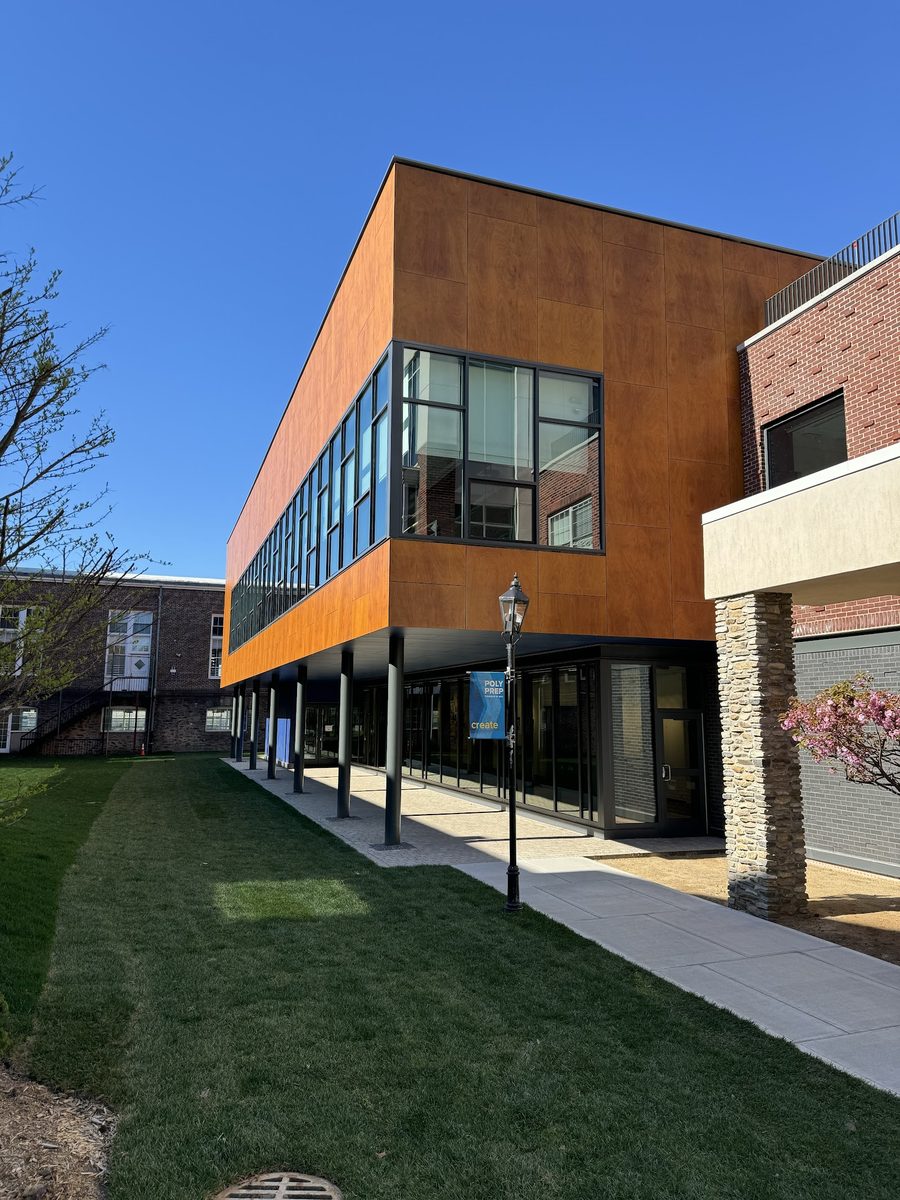
Founded in 1854 as Brooklyn's first boys' school, this day school pairs a Prospect Park mansion with a 25-acre Dyker Heights campus.
Marymount School of New York
New York City · United States
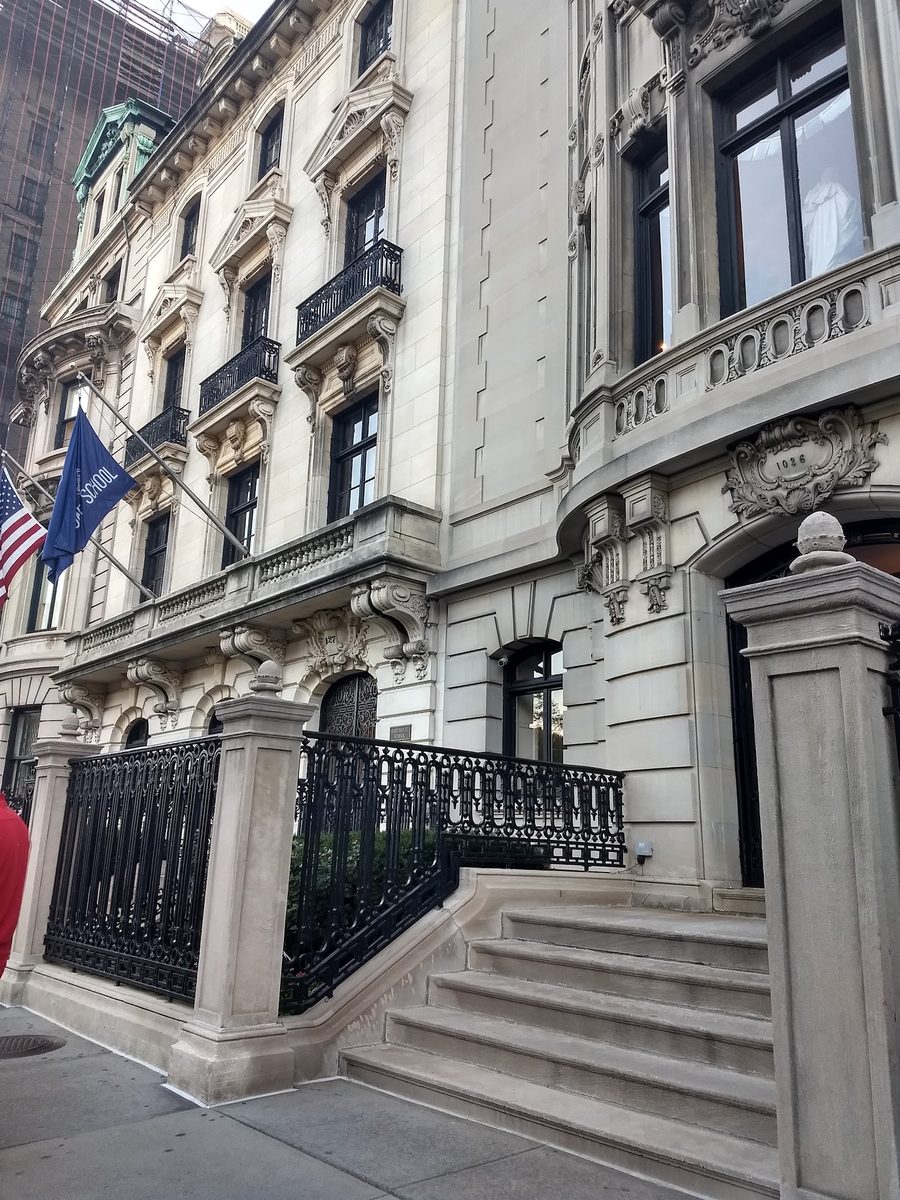
On Fifth Avenue, landmark mansions give way to Bloomberg terminals and classrooms inside the Met.
Boston University Academy
Boston · United States
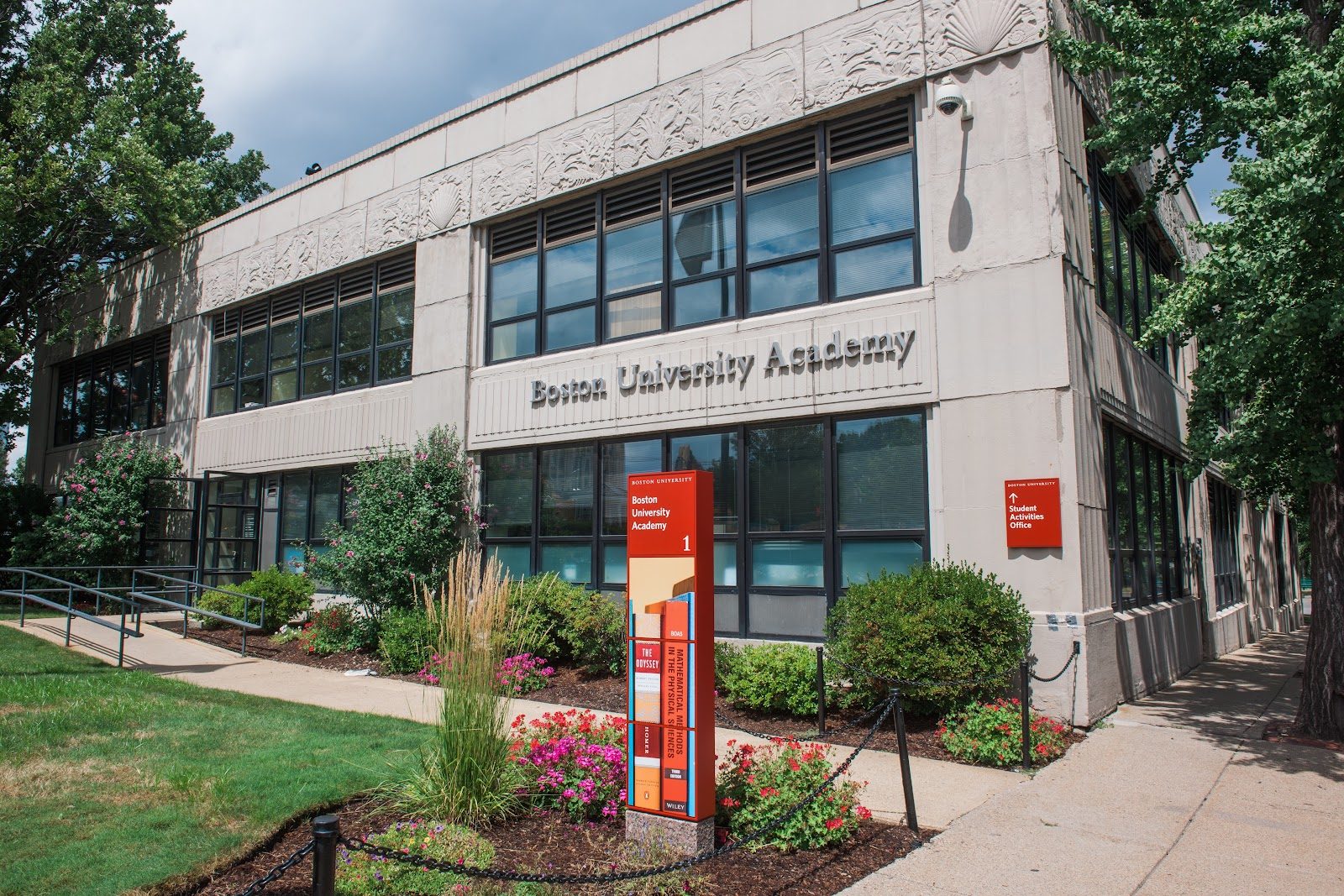
Upperclassmen trade study halls for Boston University lecture halls, banking college credit before graduation.
Same country and curriculum — closest matches within ±10 points either way