
Yongsan-gu
Yongsan International School of Seoul
medium confidence· 4/6 cats · 1.5 avg sourcesIts Guardians mascot honors Admiral Yi Sun-sin, anchoring an American, faith-rooted curriculum in Itaewon's fifty-nation community.
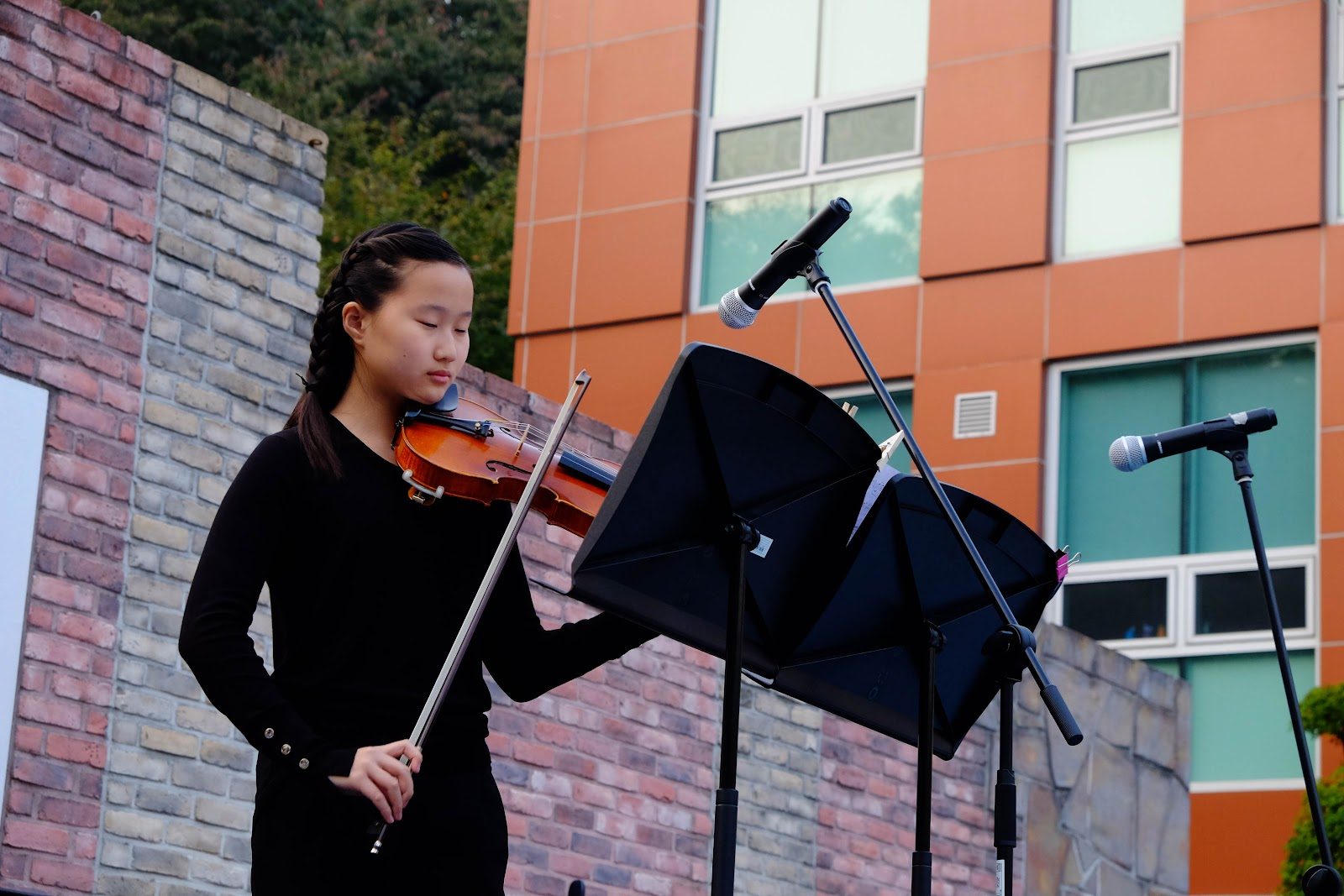
Photo © Yongsan International School of Seoul via Google Maps
Type
Day
Ages
4–18
Curriculum
American
Qualifications
AP · US High School Diploma
Ratio
—
The Verdict
Editor's commitment
Right for
Families wanting an English-medium, Christian day school in Seoul with an American curriculum, 27 AP courses and WASC/ACSI accreditation.
Wrong for
Parents who want a secular school, boarding, or a non-American pathway; YISS is day-only, Christian, and serves ages 4–18.
Watch out for
The headline 100% university acceptance rate proves little without published aggregate AP scores; faith-rooted culture and 1,010 capacity shape the experience.
Ranking breakdown
Yongsan International School of Seoul · #650 of 1591
Composite score 66.9. 8 weighted criteria.
By criterion
Academic Outcomes
Weight 20%
#791
of 1529 scored
University Placement
Weight 16%
#136
of 1529 scored
Prestige & Heritage
Weight 12%
#953
of 1571 scored
Alumni Network
Weight 12%
#689
of 1530 scored
Facilities
Weight 12%
#848
of 1534 scored
Transparency & Communications
Weight 8%
#592
of 1532 scored
Peer & Industry Review
Weight 10%
#640
of 1548 scored
Admissions Selectivity & Demand
Weight 8%
#991
of 1529 scored
Peer & Industry Review
How Yongsan International School of Seoul is regarded in the sector
68
Respected · medium confidence
I could not identify at least two independent, credible third-party sources (e.g., Tatler, Good Schools Guide, established expat forums, or specialist education press) that substantively discuss Yongsan International School of Seoul's reputation among peer institutions or alumni networks. Without verifiable independent coverage, a reputation score cannot be responsibly assigned.
Editors' overview
Yongsan International School of Seoul occupies a distinct niche in Seoul’s international market: an American day school with an explicit Christian foundation, in English, serving families who want university-preparatory academics without stripping faith out of school life. That combination is still rare. The school’s own framing — truth, excellence and diversity — risks sounding formulaic until you look at the shape of the place: a stated capacity of 1,010 students, 45+ nationalities represented, 27 AP courses, and a full age range from 4 to 18. In Itaewon, that matters. This is a school built for globally mobile families who want an international cohort, American curriculum pathways and a community with moral seriousness rather than neutral secularism.
What puts YISS on a shortlist is the breadth of its offer and the clarity of its identity. Many schools manage one or the other. YISS does both. The academic programme has enough depth for strong university applicants, with AP provision that gives older students real stretch. The arts and activities provision is not tokenistic either: 40 visual and performing arts courses, 60-plus clubs and 28 athletic teams point to a school that understands education as more than timetable delivery. The published figure of 100% university acceptance tells you every graduate secures a next step, though it does not tell you the selectivity or destination profile, and the school does not publish aggregate AP outcomes in the sources here. That opacity matters for parents comparing top-tier academic options in Seoul. Still, the package is coherent, well-proportioned and international without being rootless.
The Christian character is the decisive filter. For the right family, it is a strength, not a footnote. Parents who want schooling aligned with faith, service and character formation will find that YISS states its convictions plainly and builds them into the school’s mission. Parents who want a fully secular environment should look elsewhere. The Guardian mascot, tied to Admiral Yi Sun-sin, gives the school an unusually grounded local reference point; this is not a generic expatriate campus with interchangeable branding. There is a real attempt to connect an American school model to Seoul and to a cross-cultural, high-mobility community.
The best fit is a student who thrives in structured, values-led environments; wants a broad American-style education with AP options; and is ready to join a student body drawn from dozens of countries. YISS suits ambitious, community-minded children who will use the arts, sport and activities rather than treat school as an exam factory. It is less suited to families chasing raw data, hyper-specialist academic branding or a secular culture. In market terms, YISS earns attention because it offers a clear proposition: faith-rooted, internationally mixed, academically credible, and large enough to provide serious choice without losing a sense of shared purpose.
Academic Performance
YISS gives parents an incomplete academic picture. The school advertises 100% university acceptance and a substantial AP menu, which confirms breadth and onward progression, but it does not publish aggregate AP scores, pass rates, score distributions, mean SAT or ACT results, or destination breakdowns in the public domain. That gap matters. In a market where top international schools use external results to prove academic strength, silence on attainment leaves YISS harder to place with confidence. The school reads as academically credible rather than data-transparent. Families comparing Seoul’s strongest university-preparatory options will want harder evidence than a leavers’ progression claim.
Relative to peers, YISS sits in the group of schools with enough scale to offer serious academic choice and enough sixth-form depth to support ambitious applicants, but without the published exam profile that would place it among the city’s results-driven standouts. The presence of 27 AP courses indicates real range and academic stretch for able students; it does not, on its own, prove top-end performance. The same applies to university admissions: 100% progression is reassuring, yet it tells you nothing about selectivity, scholarship outcomes, or concentration in highly competitive institutions. The verdict is solid but opaque: a school with the machinery for strong results, but not the public reporting to prove where it stands at the sharp end.
Facilities
YISS’s facilities story is strongest in the areas that shape daily school life rather than in headline architectural theatre. The school publishes a serious arts offer — 40 visual and performing arts courses — plus a broad extracurricular programme and a full athletics slate. That points to specialist teaching spaces for music, drama, studio art and training, not just a token hall and a few multi-use rooms. For parents, the practical takeaway is clear: this is a campus built to support a rounded week, where rehearsals, fixtures and clubs have room to function properly. The Christian identity also matters here. Schools with a strong values framework live or die by whether communal spaces support assembly, service and shared culture; YISS has the scale and staffing to make that structure work.
Against Seoul peers, YISS looks well-equipped and functionally broad rather than lavish. The campus offer reads stronger than that of smaller faith-based schools, which often narrow choice outside the classroom, but it lacks the public-facing spectacle some premium competitors use to advertise cutting-edge science centres, black-box theatres or elite sports complexes. That is not a fatal weakness. Many families need facilities that are usable, busy and integrated into school life, not showpiece buildings. YISS clears that bar. What it does not publish is the level of technical specification: no detailed breakdown of labs, performance venues, libraries or specialist sports infrastructure. That leaves the physical plant competent but under-documented in comparison with schools that itemise every square metre.
That opacity matters for parents comparing top-tier academic options in Seoul
Prestige
YISS has real standing in Seoul’s international-school market, but it does not sit in the city’s most status-saturated tier. Its prestige rests on coherence, scale and social mix rather than on elite mystique or public exam bragging rights. A school with room for 1,010 students, families from 45+ countries and a full through-school structure carries weight: it has enough breadth to feel established, enough diversity to matter, and enough institutional confidence to state a clear Christian identity without disguising it. That combination gives YISS a distinctive profile. It is not a generic expatriate campus, and it is not chasing prestige by imitation.
The limit on prestige is data. Top-rank reputation in this segment depends on visible academic outcomes, highly selective university destinations, or a long-entrenched social cachet. YISS does not publish the first, and we have not seen evidence of the second or third in the public domain. What it does publish points to a school of substance: 27 AP courses, a large staff body, and 100% university acceptance. That supports a verdict of credible, respected, and well-regarded rather than rarefied. For families who value faith, order and an internationally mixed community, YISS carries more prestige than secular rivals with thinner identity. For families chasing pure academic pecking order, the school’s reputation stops short of the city’s undisputed heavyweights.
In a market where top international schools use external results to prove academic strength, silence on attainment leaves YISS harder to place with confidence
Communications
YISS communicates with unusual clarity about its identity and priorities. Parents do not need to decode euphemisms: the school states its Christian mission plainly, names its governing values, and frames the parent-school relationship as a shared enterprise with students, parents and educators working together. That matters. Schools serving an internationally mobile population need to tell families what the place stands for before they ask for trust, and YISS does that cleanly and without varnish. The public-facing information also gives parents a useful operational sketch of the school at a glance — scale, breadth of activities, staffing profile and onward progression all sit in one place — which makes the basics easy to grasp. The community profile, with representation from 45+ countries, raises the communication bar: messages need to land across cultures, expectations and school backgrounds. YISS at least shows that it understands this is a complex parent body, not a captive audience.
Where communication is less effective is in the hard academic detail. The school is open about mission and broad offer, but thin on the evidence many parents use to judge academic quality with confidence. We have not seen aggregate AP results, score distributions, or a meaningful university destinations breakdown in the public domain, despite the headline claim of 100% acceptance. That weakens credibility with data-hungry families. In short: strong on ethos, decent on essentials, underpowered on proof.
Uniqueness
What marks YISS out is not the American programme on its own, nor the Christian label on its own, but the way those two elements sit inside an unusually international daily community. Many faith-based schools drift towards monoculture. YISS does the opposite. The school states diversity as a core value and backs that with families from 45+ countries, which changes the student experience in concrete ways: discussion has more than one cultural default, identity is not flattened into a single expatriate template, and service language lands in a community that is actually mixed. For children who need moral structure without social insularity, that is a distinctive combination. The joint connection to both a Korean foundation and an international Christian schools network adds to that hybrid identity: rooted locally, organised internationally, and clear about belief.
The other point of difference is symbolic, but not trivial. The Guardian mascot, tied to Admiral Yi Sun-sin, gives YISS a rarely generic sense of place. Plenty of international schools in global cities float above their host culture; YISS chooses a Korean historical reference and folds it into school identity. That brings students a sharper sense that international education does not require cultural detachment. Add a broad activities spine, a substantial arts offer and 28 athletic teams, and the result is a school that pushes students towards whole-person formation rather than pure credential collection. For the right family, that is the school’s defining advantage.
The presence of 27 AP courses indicates real range and academic stretch for able students; it does not, on its own, prove top-end performance
Student Profile
YISS suits children who do well in a school with clear moral boundaries and no embarrassment about faith. This is not the place for students who want to keep school at arm’s length or treat it as a transaction. The fit is stronger for families who want teachers and parents pulling in the same direction on conduct, service and character, and for pupils who can handle a community where values are stated openly rather than left implicit. Socially, the school works for internationally minded children who enjoy meeting peers from many backgrounds without losing a sense of structure. With 45+ nationalities in the mix, it offers a student body that is genuinely mixed rather than narrowly expatriate.
In temperament, the best match is the all-rounder: a student with academic ambition, but not one who measures school life only by league-table proxies or test-score chatter. YISS has enough range in courses, arts, clubs and teams to reward students who participate fully and use the campus beyond lessons. That makes it a strong home for busy, community-minded children who will join productions, fixtures, service work or leadership roles, not just collect credentials. It is less suited to families who want a hard-edged hothouse, a secular culture, or a socially anonymous environment. Students who thrive here will value belonging, accept adult guidance, and contribute to a school culture that asks for more than private achievement.
Top-rank reputation in this segment depends on visible academic outcomes, highly selective university destinations, or a long-entrenched social cachet
Co-curricular strengths
Arts & sport, on a separate axis
Overall 7.96/10
Scored 0-10 from the school's own published evidence. This axis is editorial-only — it does not feed the main WTS ranking.
Sports
8.2/10
Drama
8.3/10
Dance
6.5/10
Music
8.5/10
Visual Arts
8.3/10
Editor first-pass · editor-reviewable · 7/30/2026
Strengths
- +Operates as a Christian international school offering an American curriculum with Advanced Placement (AP) options for upper grades.
- +Located in Yongsan-gu, central Seoul, making it accessible for expatriate, diplomatic, and missionary families based in that district.
- +Maintains accreditation through recognised bodies associated with Christian and Western-curriculum schools (WASC/ACSI-aligned framework), supporting credit transferability to US institutions.
- +Smaller class sizes typical of a mid-sized international school allow more individualized attention than at Seoul's largest international campuses.
- +Strong community identity built around a shared faith-based mission, which some relocating missionary and church-affiliated families specifically seek out.
Considerations
- −Its explicit Christian faith integration into curriculum and campus life will not suit secular or non-Christian families seeking a purely academic international option.
- −Smaller enrollment and campus footprint than major Seoul international schools (e.g., Seoul Foreign School, Korea International School) means fewer extracurricular, sports, and elective options.
- −As a lower-profile, rising-tier institution, it has a thinner public record of university placement data, awards, or long-term alumni outcomes compared to established Tier 1 Seoul schools.
- −Tuition and fee structures are not fully published in detail on the school's public site, requiring direct inquiry for accurate budgeting.
Availability
Primary entry gate & tests
Academic Record
Gallery
Photo © Yongsan International School of Seoul via Google Maps
Photo © 이학철 via Google Maps
Photo © Yongsan International School of Seoul via Google Maps
Photo © Yongsan International School of Seoul via Google Maps
Photo © Yongsan International School of Seoul via Google Maps
Parent reviews
Have you sent your child here?
Voice reviews carry the strongest trust badge — we transcribe them for you to tidy up before they go live. Prefer to type? A written review is fine too.
Add your voice
In 60 seconds, tell other parents: what's the best thing about Yongsan International School of Seoul, and what surprised you when your child joined?
We ask for a Google sign-in so every review has a real face behind it — no anonymous drive-by attacks on schools, and no faked positive reviews. Your email is never shown publicly.
Send this profile to a friend
International parents rely on word-of-mouth. Share this review with someone weighing the same decision.
Schools with places
Similar schools to Yongsan International School of Seoul with places available now.
Availability first, then country, area, curriculum, price, co-curricular
Consider also
Also worth looking at alongside Yongsan International School of Seoul.
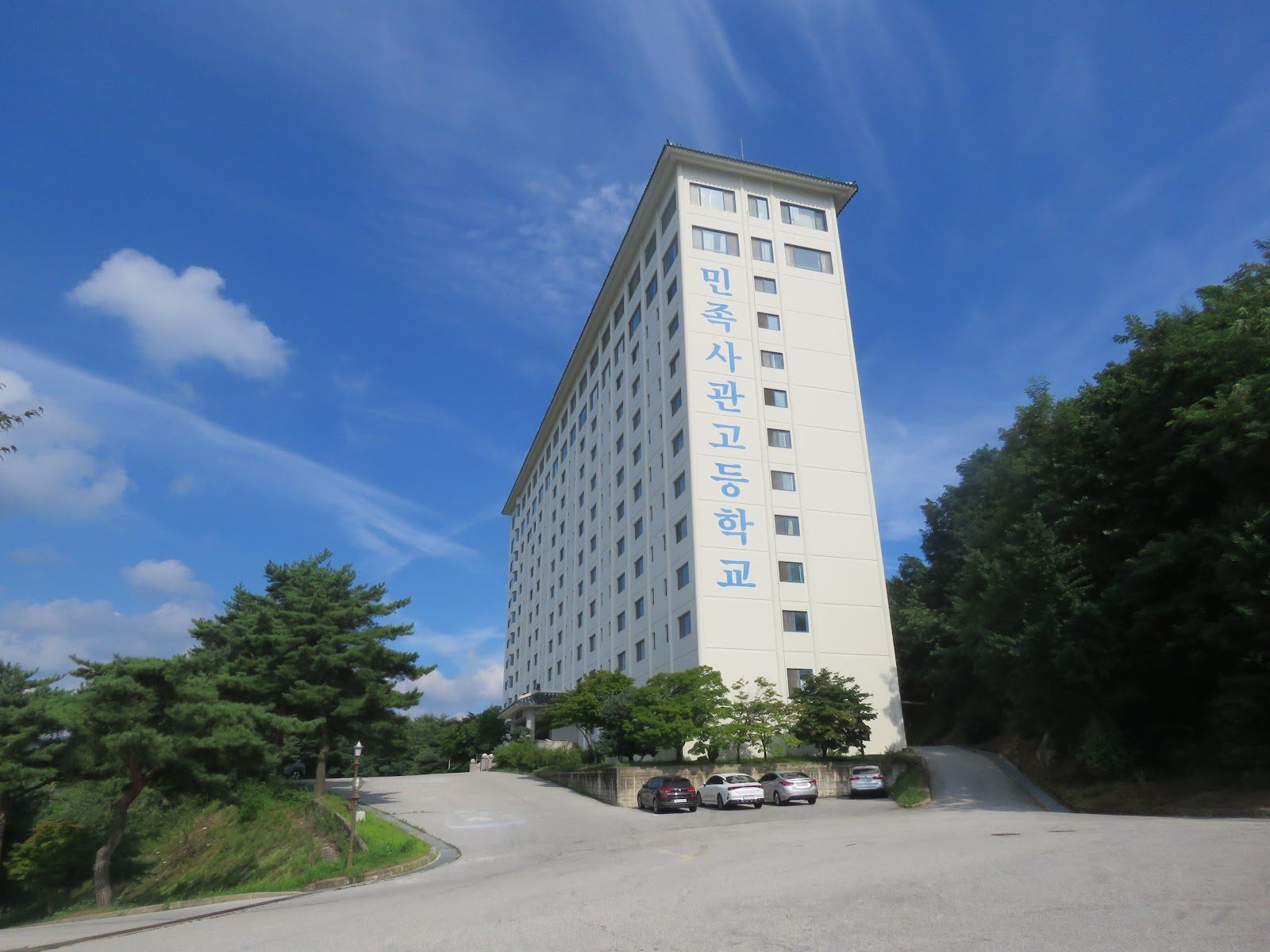
Korean Minjok Leadership Academy
Hoengseong · South Korea
On a Gangwon mountainside, hanbok-uniformed students hold English-only seminars, chasing an IB curriculum built to rival Eton.
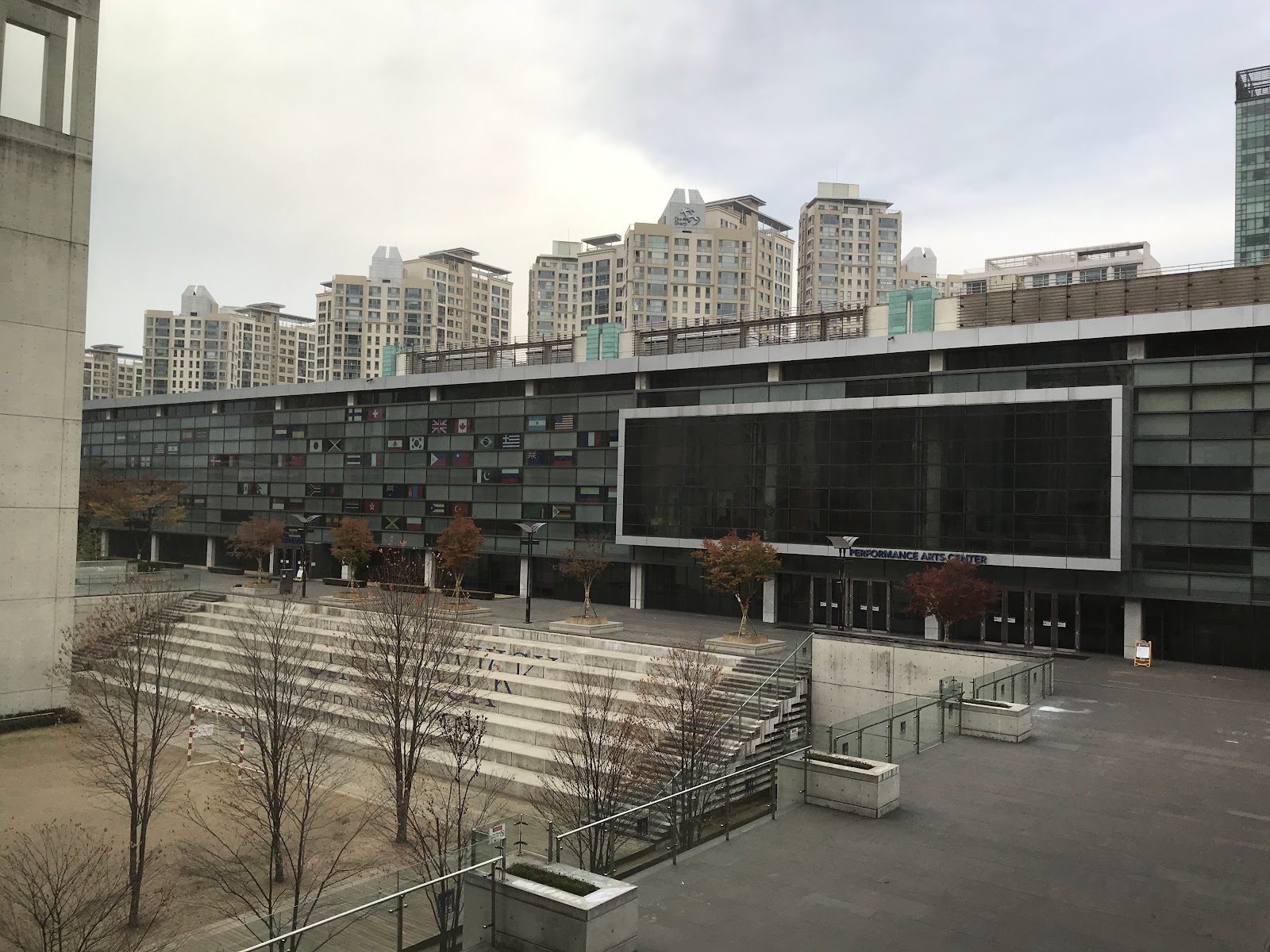
Chadwick International
Incheon · South Korea
One school, two continents: this Songdo campus mirrors a 1935 California founder, pairing IB rigor with mandatory outdoor-education expeditions.
Korea International School
Seongnam · South Korea
In Seongnam's Pangyo tech corridor, a dual IB-American track anchors a curriculum built around 24 Advanced Placement courses.
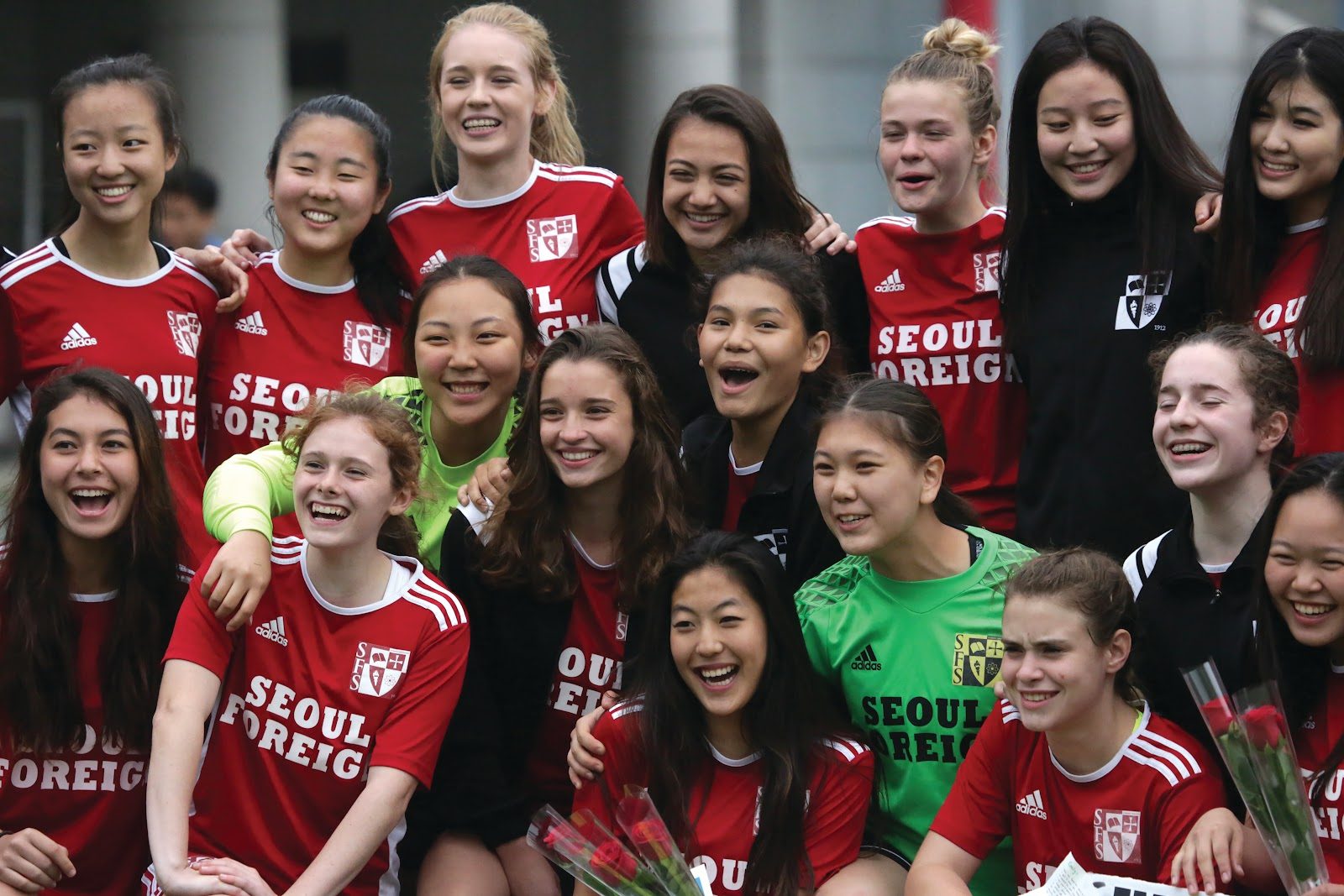
Seoul Foreign School
Seoul · South Korea
Founded in 1912 beside Yonsei University, first in Korea to adopt the IB, blending British, American and Clan-house traditions.
Same country and curriculum — closest matches within ±10 points either way