
Rutland
Uppingham School
high confidence· 5/6 cats · 3.29 avg sourcesA Rutland boarding school where Thring's music-first Victorian philosophy still shapes seven-day house life today
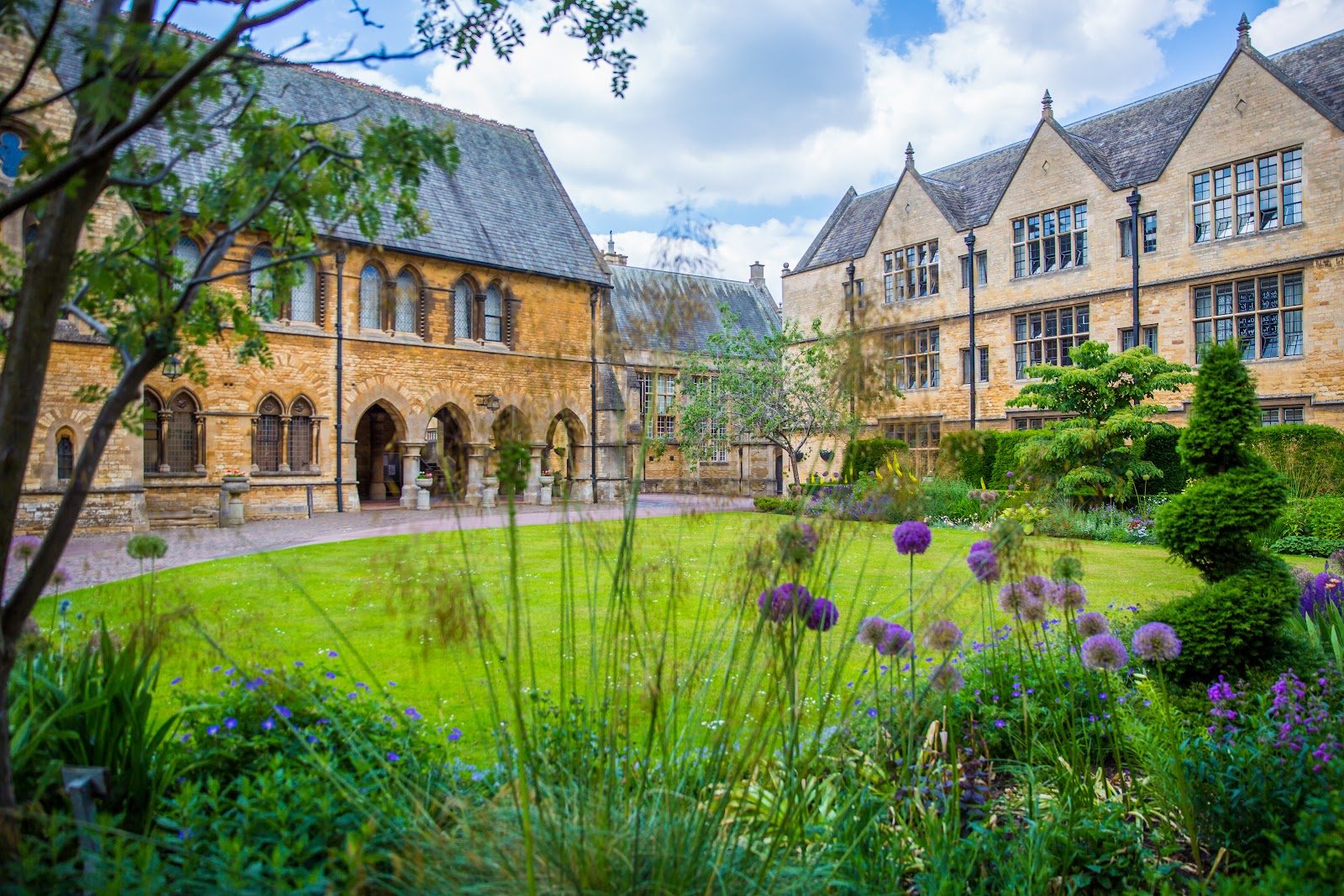
Photo © Uppingham School via Google Maps
Type
Both
Ages
11–18
Curriculum
British
Qualifications
A-Level
Ratio
—
The Verdict
Editor's commitment
Right for
Children who want full seven-day house life, Anglican chapel culture and a British 11–18 school with 11 Oxbridge places in 2024.
Wrong for
Families chasing a cheaper route, a secular ethos or a pure day-school rhythm; boarding averages £38,000 and day places £34,000.
Watch out for
Uppingham trades on intensity and scale: 175 leavers, 80% to top-100 universities, with Durham taking 12 and Oxford 6.
Ranking breakdown
Uppingham School · #535 of 1591
Composite score 69.8. 8 weighted criteria.
By criterion
Academic Outcomes
Weight 20%
#667
of 1529 scored
University Placement
Weight 16%
#649
of 1529 scored
Prestige & Heritage
Weight 12%
#307
of 1529 scored
Alumni Network
Weight 12%
#257
of 1529 scored
Facilities
Weight 12%
#502
of 1529 scored
Transparency & Communications
Weight 8%
#725
of 1529 scored
Peer & Industry Review
Weight 10%
#637
of 1529 scored
Admissions Selectivity & Demand
Weight 8%
#489
of 1529 scored
Score history
Uppingham School · 2026
Movement across 2024–2026. Peer average overlaid.
Overall — 2024–2026
69.8/ 100
▲ +15.6 vs 2025
year on year
Peer & Industry Review
How Uppingham School is regarded in the sector
82
Strong · high confidence
Uppingham School sits firmly in the top tier of British co-educational boarding schools, with The Good Schools Guide calling it "an intellectually stimulating school in idyllic surroundings that inspires huge loyalty and cleverly manages to be both traditional and forward-thinking". WhichSchoolAdvisor's independent review notes its distinctive breadth, describing a curriculum where "academic ambition matters" and where teachers aim to "bring out the best" in students both intellectually and creatively, alongside its heritage as a school whose alumni include Stephen Fry, Rick Stein, McFly's Harry Judd and Phil Spencer. Its international standing was underscored when it became one of a select group of British schools to franchise overseas, partnering with Viet Capital Education to build "one of the UK's leading independent schools with a history of nearly 500 years" a purpose-built campus in Vietnam, a move covered by regional business press as a marker of brand strength. Regular ISI inspection and a stable, long-serving headship round out a reputation that is well-established among UK sector commentators, if just shy of the handful of schools treated as automatic benchmarks.
Evidence sources
- Stephen Fry — Actor, Writer, Comedian
- Boris Karloff — Actor
- Rick Stein — Chef, Restaurateur
Editors' overview
Uppingham still trades on something more distinctive than the standard English full-boarding formula: Edward Thring’s conviction that music, arts, sport and house life belong at the centre of education, not on the edges. That matters because the school still runs as a seven-day community, and its public shape reflects that breadth. This is a co-educational British school in Rutland for ages 11 to 18, founded in 1584, with Anglican roots and a house-based boarding culture that gives it a strong institutional identity. Parents looking for a polished, urban, high-pressure sixth-form factory will find a different proposition here. Uppingham offers a more self-contained and all-in boarding experience, where the rhythm of school life matters as much as the exam timetable.
The market position is clear. At an average of £38,000 a year for boarders and £34,000 for day pupils across the full age range, Uppingham sits in the upper tier of UK independent schools, but below the very top bracket charged by some southern boarding competitors. That makes it expensive, but not absurdly so for a school with full boarding, a broad subject range and deep co-curricular infrastructure. It holds ISI and HMC accreditation, and the academic outcomes published for 2024 are solid rather than theatrical: 80% of 175 leavers went to top-100 universities, with 11 Oxbridge places and 47 Russell Group destinations. Oxford took 6, Cambridge 5 and Durham 12. Those numbers place Uppingham in the territory of a serious academic school, but not a monoculture built around elite university entry at any cost.
What is special about it is the combination of Victorian seriousness and cultural breadth. The subject list runs from classics, history of art and philosophy to music technology, textiles and drama, which fits the old Uppingham idea that talent does not arrive in one approved academic shape. That breadth will suit students who want strong teaching and structure without being forced into a narrow definition of success. The right child for Uppingham is engaged, resilient and ready for communal life. Boarders who want a proper boarding school existence rather than a weekly add-on will get more from it than students who want maximum independence or a light-touch pastoral model. Day pupils can benefit too, but this is a school whose character is built around belonging to the whole enterprise, not dipping into it.
Academic Performance
Uppingham publishes exam results, and that matters. Too many British boarding schools still hide behind selective university destinations or vague claims about “value added”. Here, parents can inspect the hard edge of academic performance directly. The school’s subject range is wide, but the exam profile does not read like a soft option catalogue dressed up as breadth. It reads as a school that expects pupils to carry demanding courses alongside a crowded co-curricular life. That is a serious academic proposition, not an exam-cramming machine. The published outcomes place Uppingham in the upper section of the independent-school market, though not in the tiny cadre where almost every grade lands at the very top band.
Relative to direct competitors, that distinction matters. Uppingham sits closer to the strong all-rounder end of the spectrum than to the results-obsessed super-schools that dominate league-table chatter. For many families, that is a strength rather than a compromise: pupils get credible academic stretch without entering a narrow, high-anxiety culture built around raw score maximisation. The destinations data already point in the same direction. This is a school with enough academic muscle to send a meaningful group to the most selective universities, but its identity does not depend on manufacturing a single headline statistic. If you want a boarding school where examination performance is robust and public, yet still integrated into a broader idea of education, Uppingham earns its place.
Facilities
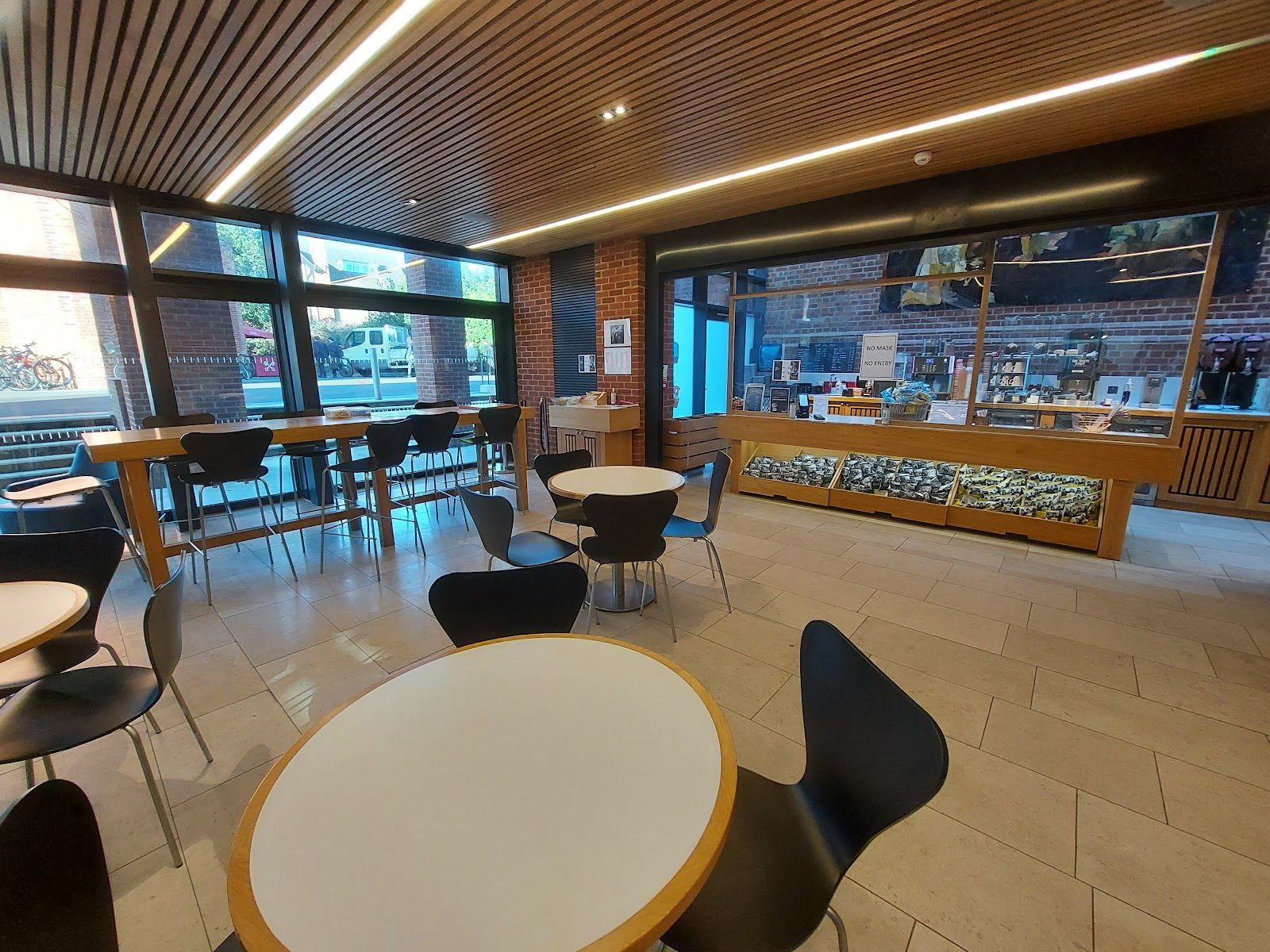
Uppingham’s facilities map closely to its educational priorities, and the clearest signal is the prominence of specialist spaces for music, theatre, art and sport rather than a token “creative block” bolted onto a conventional academic campus. The school runs its own Box Office, publishes dedicated sections for concerts and theatre, and separates music from music technology in the subject structure; that points to serious provision, not a brochure flourish. The same goes for creative arts more widely: art, textiles, design and drama all sit as discrete disciplines. For families comparing traditional boarding schools, that matters. Many peers claim breadth; fewer build enough infrastructure to support it across a full week of school life. Uppingham does. The Sports Centre and organised fixtures add to that picture. This is a campus set up for constant use, with pupils expected to do more than move between lessons and houses.
Against direct competitors, the facilities offer reads as stronger in cultural depth than schools where sport dominates the physical estate and the arts occupy second place. The breadth is also more convincing than at academically narrow day schools, where specialist provision can thin out beyond the sixth form. What is missing in public view is the hard inventory parents often want: no consolidated headline count for science labs, performance venues, studios or indoor sports spaces. That opacity is a weakness. Even so, the visible pattern is clear. Uppingham invests in an all-day, all-week boarding environment with serious co-curricular infrastructure, and that still marks it out from more exam-factory rivals.
That gives Uppingham a distinctive identity in a crowded market of schools that promise breadth and then reward only the narrow academic core
Prestige
Uppingham carries real British boarding-school prestige, but of a specific kind. It lacks the automatic global shorthand of Eton or Winchester, and that distinction matters. In the independent-school hierarchy, this is not the name families choose for pure social signalling; it is the name they choose when they want an old, established boarding school with substance beyond brand glitter. The school’s standing rests on durability, house culture, and a long reputation for taking music, arts and sport seriously inside the main educational offer rather than treating them as decorative extras. That gives Uppingham a distinctive identity in a crowded market of schools that promise breadth and then reward only the narrow academic core. Its published destination profile reinforces that status: 11 Oxbridge places and 47 Russell Group destinations from one leaving cohort mark it as a school with genuine academic credibility, not just pastoral charm and handsome buildings.
I rate its prestige below the tiny cluster of schools that dominate international name-recognition, but firmly within the upper rank of British independents. The fees alone place it in expensive company, and families paying that level expect more than manners and tradition. Uppingham delivers a serious, old-school institutional weight matched by outcomes strong enough to protect its reputation. The figure that matters most is 80% into top-100 universities: not a gimmick, not a one-line boast, but evidence that the school converts heritage into results. That makes its prestige earned rather than theatrical.
The figure that matters most is 80% into top-100 universities: not a gimmick, not a one-line boast, but evidence that the school converts heritage into results
Communications
Uppingham communicates like a school with a lot to organise and a lot to say. The website is busy but functional: admissions, fees, policies, term dates, fixtures, box office, parents’ links, wellbeing, houses and destinations all sit in plain view, with no great hunt required. That matters at a school where family life intersects with concerts, productions, sports commitments, house routines and transport. The school also gives parents multiple practical routes in — admissions contacts, visit booking, calendar access and a dedicated parent-facing area through Uppnet. This is operational communication, not brand theatre. It tells parents how the place runs. The inclusion of fee assistance, military families information and minibus services also points to a school that understands parental questions beyond the prospectus script.
The weakness is volume. Uppingham’s digital front end throws up a great many channels and sub-sections, and that can tip into institutional clutter. For new families, the sheer breadth of school life risks making the message feel dense rather than clean. There is also no single, crisp public dashboard that pulls together the essentials — key academic outcomes, pastoral structures, calendar logic and who to contact about what — in one parent-proof page. Even so, the communication standard is strong because the school publishes concrete information where many peers hide behind mood and prestige. Parents get routes, dates, policies and public evidence. At a school charging an average of £38,210 for boarding and £34,284 for day places, that level of clarity is not generous; it is the minimum acceptable standard, and Uppingham clears it.
Uniqueness
What marks Uppingham out is not simple age or prestige but the survival of a clear educational doctrine. Edward Thring’s belief that music, performance, games and communal life belong in the centre of schooling still governs the place. Many old boarding schools talk about “the whole child” and then organise everything around grades. Uppingham built subjects, timetable and house life around a broader idea of talent, and that structure still holds. The public-facing shape of the school gives the game away: music and music technology split into separate disciplines, drama and theatre studies treated seriously, history of art and textiles given proper academic standing, chapel and wellbeing folded into daily life rather than left as decorative extras. This is a rare intact philosophy, not a heritage slogan.
For students, that brings two things. First, permission to be more than one thing at once: academic, musical, theatrical, athletic, practical. A child with genuine range gets room to use it. Second, the school’s seven-day house system creates a dense communal rhythm that can be formative for pupils who thrive on belonging, routine and constant activity. It also makes Uppingham not for the half-committed. Students who want to vanish after lessons, keep school at arm’s length or treat co-curricular life as optional will find the culture demanding. Those who want immersion get a school where the education extends well beyond the classroom, and where that promise still carries real institutional force after centuries.
The published leavers’ record — 80% to top-100 universities, with 11 to Oxbridge — also makes clear that intellectual seriousness still counts
Student Profile
The pupils who thrive at Uppingham are the ones who want to be busy, visible and involved. This is not a school for passengers. The house system, the long school day and the weight given to music, theatre, sport and organised community life reward students who will throw themselves in rather than hold back. A child with energy across more than one domain will fit well here: the competent academic who also wants rehearsals, fixtures, chapel, trips, social life and house commitments to matter. The published leavers’ record — 80% to top-100 universities, with 11 to Oxbridge — also makes clear that intellectual seriousness still counts. Uppingham suits pupils who can manage workload without needing a narrow, results-chasing culture to keep them moving.
It is a weaker match for the highly independent teenager who wants school only for lessons and credentials. Privacy is limited in any all-in boarding culture, and Uppingham’s identity rests on participation. That can be formative for resilient pupils who gain confidence from structure and belonging; it can feel oppressive for students who resist communal expectations or dislike being known by staff and peers. Creative students, strong all-rounders and socially robust boarders have the clearest runway here. So do day pupils prepared to enter the school on its terms, not hover at the edge. The best fit is a young person with stamina, curiosity and enough self-possession to flourish in a demanding, communal environment.
That matters because the school still runs as a seven-day community, and its public shape reflects that breadth
Co-curricular strengths
Arts & sport, on a separate axis
Overall 9.26/10
Scored 0-10 from the school's own published evidence. This axis is editorial-only — it does not feed the main WTS ranking.
Sports
9.7/10
High-performance co-educational athletic infrastructure, fielding dominant varsity teams across independent school tournaments.
Drama
9.4/10
The specialized theatre complexes function like a professional conservatory environment, mounting elite, large-scale theater productions.
Dance
8/10
Highly active formal dance curriculum running modern, jazz, and classical composition inside custom sprung-floor studios.
Music
9.9/10
World-class musical giant; boasts a massive, state-of-the-art music school infrastructure that dictates the benchmark for UK music schools.
Visual Arts
9.3/10
Sun-drenched studio spaces running advanced design pipelines, ceramics, and photography to build elite university portfolios.
Editor-verified · 8/6/2026
Outcomes & destinations
Where students go next
Editorial estimateClass of 2024
175 graduates
A-Level distribution
98% covered
- A*28%
- A32%
- B30%
- C8%
Top destinations
58 placements
- Oxford· 6
- Cambridge· 5
- Durham· 12
- Bristol· 10
- Exeter· 8
- Newcastle· 7
- Nottingham· 6
- Warwick· 4
Rutland co-ed boarding; strong music and creative arts programme.
Editor-approximated from the school's own leavers report. Awaiting school-attested figures.
The story in one line
31% achieved ≥ AAB in 2+ facilitating subjects·ISI Routine Inspection 2024
AAB with 2 facilitating subjects is the Department for Education's published predictor of admission to a top-third UK university: the pupil has scored high grades in at least two of the classic Russell-Group subjects (maths, sciences, English, history, geography, or a modern language). Independent schools don't appear in the state-only HE-destinations dataset, so this is the strongest DfE-verified sixth-form signal available. Source: DfE 16-18 school and college performance data · 2023/24. Value-added +0.53
DfE-verified statistics
Official GCSE data · 2024/2025
Progress 8
—
Value-added score. State-schools only; 0 = expected progress, +1 = one grade above.
Attainment 8
23.3
Average grade across 8 GCSEs (score out of 90). National ≈ 46.
EBacc average score
1.40
Avg grade across the 5 EBacc pillars (English, Maths, Sciences, Language, Humanity).
EBacc slots filled
2
How many of the 5 EBacc pillars pupils typically enter (max 5).
A-Level attainment
Cohort · 2023/24
Avg A-Level grade
A-
APS per entry: 45.02
Best 3 grade
A-
Best-3 APS: 45.34
≥ AAB + 2 fac.
31.3%
Russell-Group predictor.
Progress (value-added)
+0.53
Well above average
Read with care. Independent schools frequently sit IGCSEs or Pre-U qualifications instead of standard GCSEs — DfE data only counts standard GCSEs, so these numbers may reflect a partial cohort. For a fuller picture, cross-check with the school's own annually-published results.
URN 120320Verified · DfE 2024/2025
Official inspection
ISI report · 2024
Inspectorate
Independent Schools Inspectorate
The Government-approved inspectorate for English independent schools.
Latest report
15 October 2024
Routine Inspection
Report history
Verified · Independent Schools InspectorateSource-of-truth
Strengths
- +Founded in 1584, Uppingham is one of England's oldest independent boarding schools, set in a semi-rural Rutland market town with a 10:1 student-to-teacher ratio and average class size of 18.
- +The school offers a genuinely full-boarding model built around a house system run by resident staff and matrons, creating a family-style pastoral structure.
- +Uppingham has been coeducational since girls were first admitted in 1975, giving it decades of experience integrating both sexes rather than being a recent conversion.
- +The Old Uppinghamian network is large and active, with alumni including broadcaster and actor Stephen Fry.
- +The 2024 A-Level cohort achieved 60% of grades at A*/A (28% A*, 32% A), with 80% of leavers progressing to top-100 universities.
Considerations
- −Fees are substantial, at £55,000 a year for boarding and £30,000 for day places, placing Uppingham among the pricier full-boarding schools in the UK.
- −There is no weekly or flexi-boarding option; the school operates on a full-boarding basis, which limits flexibility for families who might prefer part-time arrangements.
- −Boarding houses are spread across the small market town of Uppingham rather than on a single unified campus, and the location is rural and removed from major airports and cities.
- −Academic outcomes, while solid, sit below the very top tier of the most selective UK boarding schools.
Availability
Primary entry gate & tests
13+ ISEB / 16+ Exams
Gallery
Photo © Uppingham School via Google Maps
Photo © Uppingham School via Google Maps
Photo © Uppingham School via Google Maps
Photo © shamshuddin kamaluddin via Google Maps
Photo © Lucy Whiteside via Google Maps
Photo © Lucy Whiteside via Google Maps
Photo © Mircea Moldovan via Google Maps
Photo © Mircea Moldovan via Google Maps
Photo © Uppingham School via Google Maps
Recommended reading
Independent write-ups of this school from editorial outlets we trust.
- Uppingham SchoolGood Schools Guide
Parent reviews
Have you sent your child here?
Voice reviews carry the strongest trust badge — we transcribe them for you to tidy up before they go live. Prefer to type? A written review is fine too.
Add your voice
In 60 seconds, tell other parents: what's the best thing about Uppingham School, and what surprised you when your child joined?
We ask for a Google sign-in so every review has a real face behind it — no anonymous drive-by attacks on schools, and no faked positive reviews. Your email is never shown publicly.
Send this profile to a friend
International parents rely on word-of-mouth. Share this review with someone weighing the same decision.
Schools with places
Similar schools to Uppingham School with places available now.
Availability first, then country, area, curriculum, price, co-curricular
Consider also
Also worth looking at alongside Uppingham School.
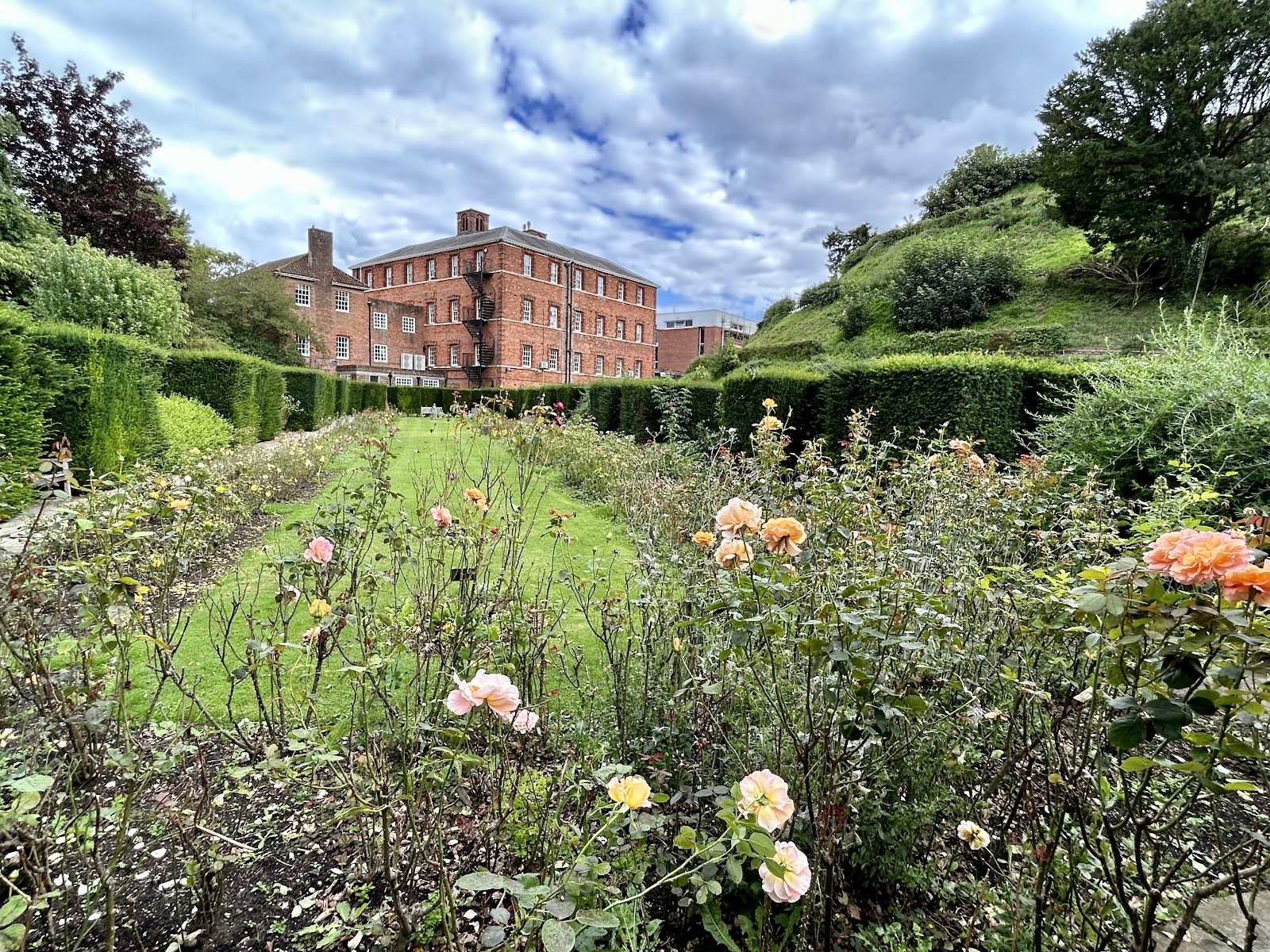
Marlborough College
Marlborough · United Kingdom
A 4,000-year-old Neolithic mound anchors a Wiltshire campus that pioneered co-education among Britain's boarding schools.
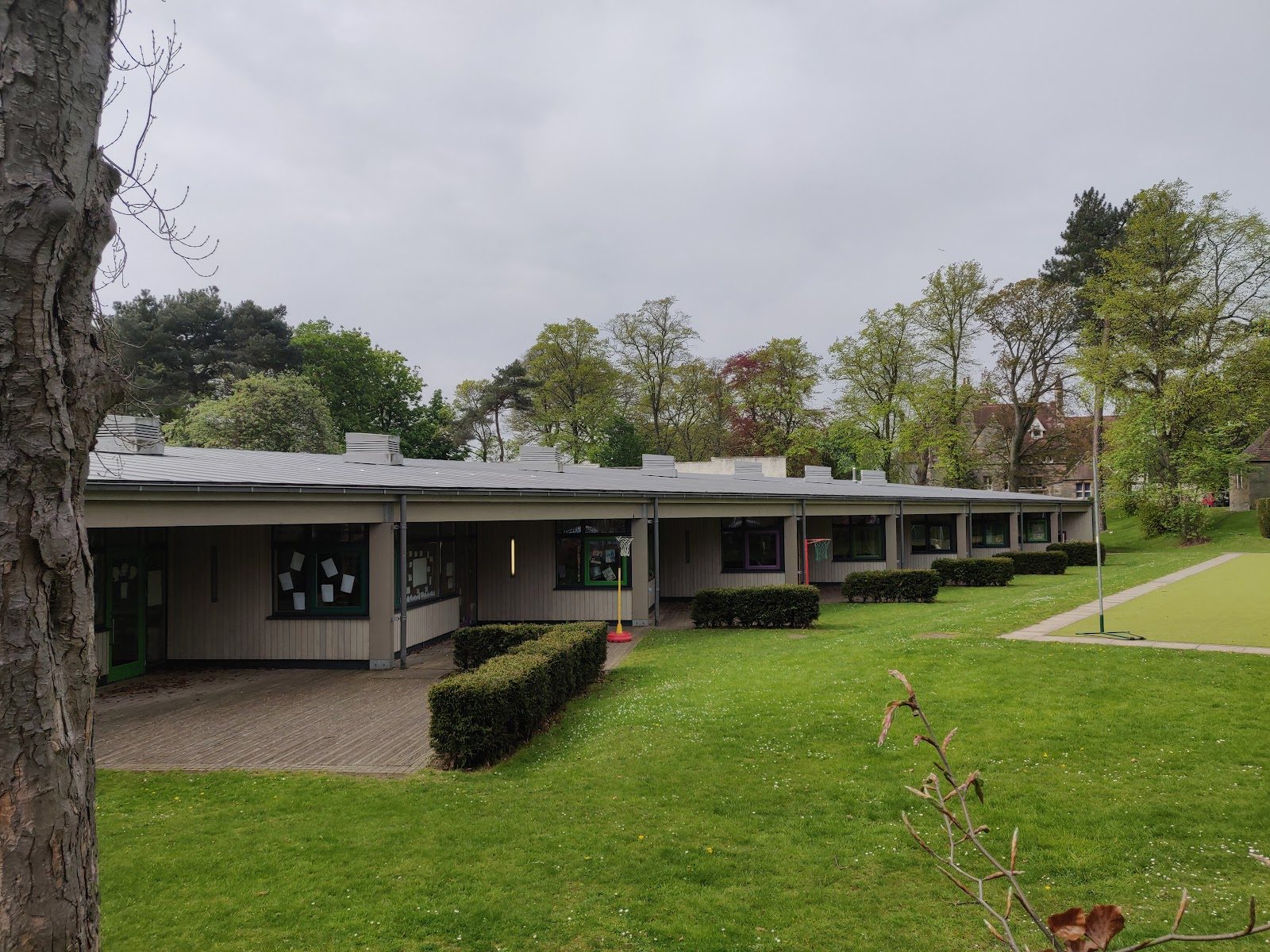
Fettes College
Edinburgh · United Kingdom
Gothic turrets said to have inspired Hogwarts frame Scotland's only sixth form pairing A Levels with a full IB Diploma pathway.
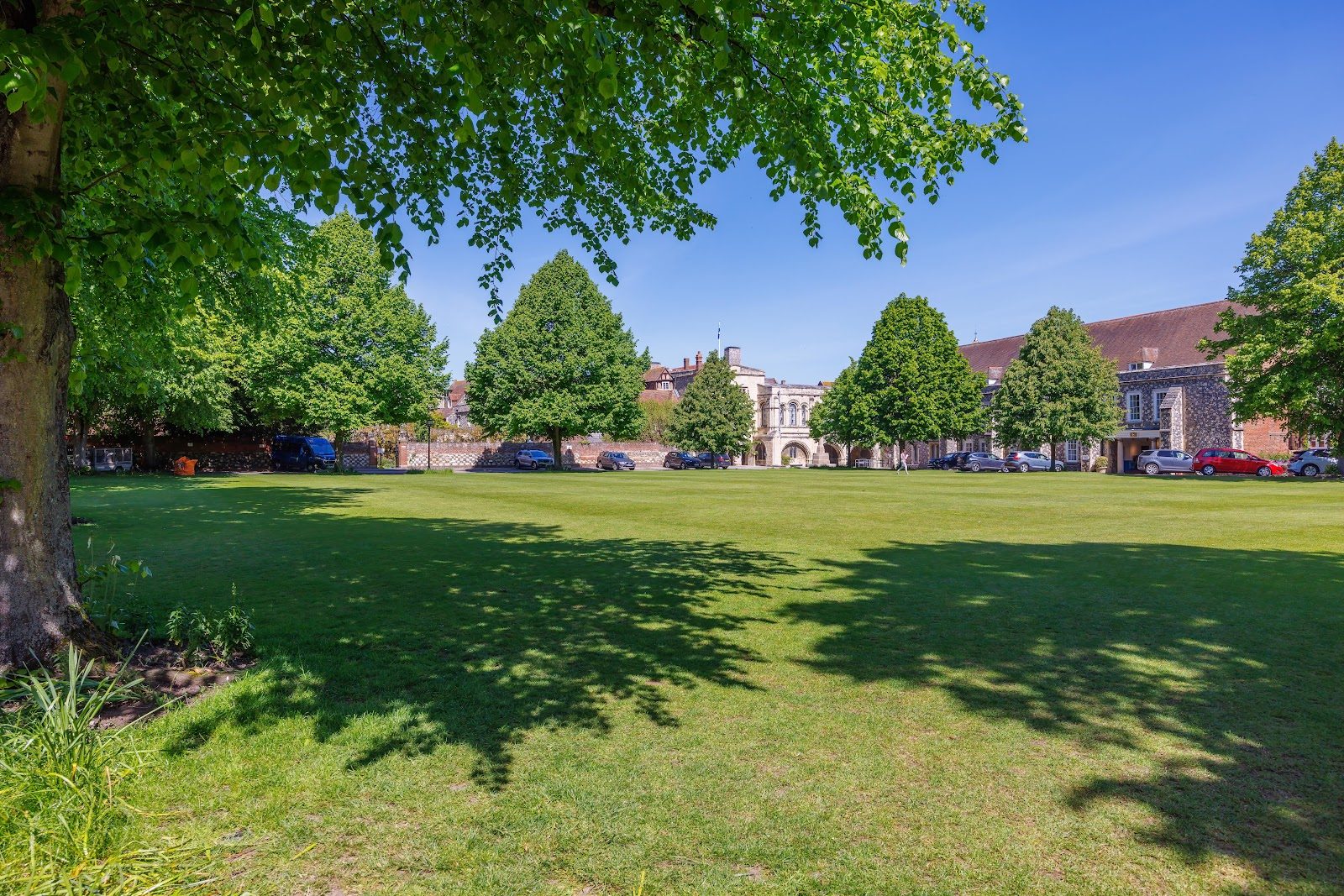
The King's School, Canterbury
Canterbury · United Kingdom
Inside Canterbury Cathedral's UNESCO precincts, lessons have run unbroken since 597 AD, folding King's Week festivities into daily life.
Radley College
Abingdon · United Kingdom
Eleven 'Socials' boarding houses anchor a full-boarding, all-boys community on an 800-acre Oxfordshire estate with its own golf course.
Same country and curriculum — closest matches within ±10 points either way