
Haryana
Heritage Xperiential Learning School
A sixth-grade cycling project born on this Gurgaon campus grew into Raahgiri Day, now staged across 11 Indian cities.
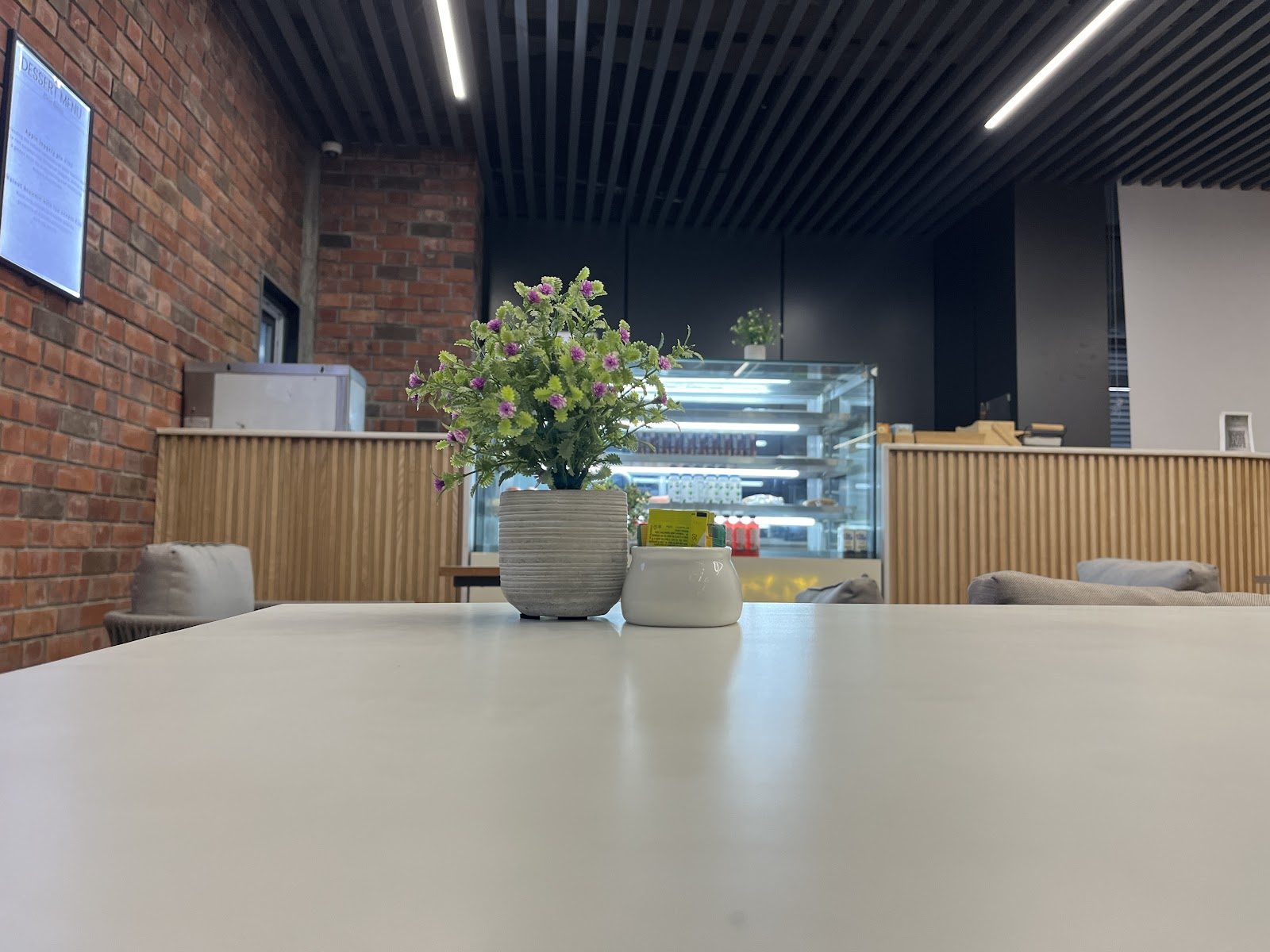
Photo © Deep Shikha via Google Maps
Type
Day
Ages
3–18
Curriculum
CBSE
Qualifications
CBSE
Ratio
—
The Verdict
Editor's commitment
Right for
Families in Gurgaon who want a day school founded in 2001 with CBSE academics, IB World status and CIS accreditation.
Wrong for
Parents wanting a conventional drill-school will clash with Heritage Xperiential’s experiential model across ages 3–18 and its non-religious stance.
Watch out for
The average annual day fee is INR 479,516; for a day school in Gurgaon, that buys ambition, but published outcomes stay thin.
Ranking breakdown
Heritage Xperiential Learning School · #1452 of 1591
Composite score 49.1. 8 weighted criteria.
By criterion
Academic Outcomes
Weight 20%
#1386
of 1529 scored
University Placement
Weight 16%
#1462
of 1529 scored
Prestige & Heritage
Weight 12%
#1426
of 1529 scored
Alumni Network
Weight 12%
#1484
of 1529 scored
Facilities
Weight 12%
#1099
of 1529 scored
Transparency & Communications
Weight 8%
#1326
of 1529 scored
Peer & Industry Review
Weight 10%
#1465
of 1529 scored
Admissions Selectivity & Demand
Weight 8%
#1326
of 1529 scored
Peer & Industry Review
How Heritage Xperiential Learning School is regarded in the sector
52
Credible · medium confidence
Heritage Xperiential Learning School is generally viewed within Delhi-NCR's crowded school market as a credible, innovation-focused day school rather than a nationally elite institution. Founded by Sunita Gandhi around an experiential, activity-based pedagogy, it is regularly included in regional listings such as EducationWorld India School Rankings and Gurgaon-focused surveys by Times of India and Hindustan Times, typically placed among the city's stronger progressive schools alongside Pathways World School and Shiv Nadar School, though below century-old national names like Doon School or Mayo College in prestige indices. Independent education commentary, including coverage on portals like WhichSchoolAdvisor's India section, highlights its distinctive curriculum design and founder-led philosophy but notes it lacks the long track record and international-university pipeline visibility of Delhi's top international schools. University placement appears concentrated in leading Indian institutions (DU, Ashoka) with more limited, less publicly documented overseas admissions. Peer recognition centers on pedagogical innovation rather than academic-outcome prestige, positioning it as a respected regional disruptor rather than an established peer of India's oldest elite boarding schools.
Editors' overview
Heritage Xperiential Learning School occupies a distinct niche in Gurgaon’s crowded premium day-school market. Founded in 2001, it is a non-religious, English-medium school for ages 3–18 that declares CBSE, while also holding IB World School and CIS accreditation. The school’s central proposition is not exam drill or old-style prestige. It is experiential learning, project-based work and interdisciplinary teaching, repeated across its public language with unusual consistency. The strongest proof of that ethos sits in the school’s own history: a sixth-grade cycling project on campus grew into Raahgiri Day, now staged across 11 Indian cities. That is a rare piece of school-bred civic impact, and it gives the institution more credibility than the usual slogans about “21st-century learning”.
What sets Heritage apart is the breadth of that philosophy. The school talks in detail about maker-centred learning, active citizenship, digital literacy, standards-based assessments, work experience, guidance and counselling, and provision for special needs. Parents looking for a conventional CBSE factory will not find one here. Heritage pushes a broader model: education with public purpose, a serious commitment to student agency, and *a campus culture that values doing over reciting*. The risk, as with any school built around progressive practice, is execution. “Experiential” can turn vague in weak hands. Heritage has avoided that trap in market perception because the model is woven through programmes, pedagogy and student life rather than parked as a branding device.
Why shortlist it? Because few Gurgaon schools have built such a clear identity around intellectual independence, real-world learning and confident, outward-facing students. Its appeal is strongest for children who learn by making, discussing, building and testing ideas; for families who want more than marks as the sole measure of school quality; and for students who thrive when school connects to community, creativity and applied work. It is less suited to children who want a tightly traditional, highly didactic classroom or families who judge schools only by a narrow exam-results lens. Heritage suits the student who wants school to feel alive, demanding and socially engaged rather than merely efficient.
Academic Performance
Heritage does not publish enough hard attainment data to earn a top-tier academic verdict. We have not seen aggregate board results, subject distributions, university destination data, or multi-year trends in the public domain. That matters. In a market where serious schools put outcomes on the record, this level of opacity is a weakness. It does not mean weak performance; it means parents must ask sharper questions. Any family considering the school should ask for recent CBSE averages, the share of top grades, subject-by-subject strength, and destination lists across at least 3 years. Without that, comparisons with Gurgaon’s more exam-forward competitors remain imperfect and hard-edged only in one sense: those rivals disclose more.
Relative to peers, Heritage sits in the camp of schools that ask parents to trust the educational model first and the published numbers second. That can work when classroom quality is exceptional and senior-school outcomes hold up under scrutiny. The school’s emphasis on interdisciplinary work, projects, counselling, work experience and broader learner development points to an academic culture that is wider than score-chasing. Some families will value that. Others will read the absence of public results as a serious gap. The right conclusion is plain: Heritage’s academic reputation rests more on educational philosophy and less on transparent examination evidence than the strongest data-led schools in its bracket.
Facilities
Facilities are a genuine strength here. The school foregrounds infrastructure in its own account, but the more important point is fit: the campus infrastructure matches a pedagogy built around making, performing, moving and working across disciplines. That matters more than marble foyers. Heritage advertises dedicated provision for performing and visual arts, physical education, digital literacy, maker-centred learning, counselling, special needs support and work experience. Taken together, that points to a campus designed for active use rather than passive classroom throughput. In Gurgaon’s premium day-school segment, plenty of schools offer polished sports grounds and presentable labs. Fewer build facilities that support project-heavy learning, student collaboration and applied work with this degree of internal coherence.
The test for parents is not whether the campus is impressive on a tour; it is whether specialist spaces are busy, timetabled well and taught by staff who know how to use them. Heritage’s public description gives confidence on breadth, not on fine-grain detail. We have not seen a full public breakdown of laboratories, theatre specifications, sports inventory, library scale or design technology equipment. That keeps the verdict one notch below the strongest facilities disclosures in the market. Even so, against peers, Heritage reads as thought-through, education-led and stronger for creative, interdisciplinary and wellbeing provision than schools that still treat non-exam spaces as decorative extras. For families who value environment as a teaching tool, this is a serious asset.
Heritage Xperiential Learning School occupies a distinct niche in Gurgaon’s crowded premium day-school market
Prestige
Heritage carries real prestige in Gurgaon, but it is category-specific prestige, not the old grammar of prestige built on published scores, Oxbridge chatter or inherited social cachet. Its standing rests on something harder to fake: a school identity that is coherent, public and unusually well differentiated in a crowded premium market. The strongest signal is the civic afterlife of that student cycling project, which grew into Raahgiri Day across 11 cities. Schools talk endlessly about “student agency”; Heritage has a concrete example that travelled far beyond the campus gate. That gives it serious cultural credibility with parents who value progressive education, youth leadership and learning tied to public life.
That said, prestige here is idea-led rather than results-led. The school earns esteem for educational thinking, programme design and a vocabulary of practice that runs through pedagogy, student life and support structures with rare consistency. It does not earn the same level of prestige from hard academic disclosure, because the school does not publish the attainment evidence that settles status arguments quickly in this market. So the verdict is clear: Heritage is well regarded, distinctive and influential among families who want more than a marks machine, but it does not command the unassailable, numbers-backed prestige of the most transparent academic heavyweights. Its reputation is strong because it stands for something specific. Its limits are just as specific.
Heritage does not publish enough hard attainment data to earn a top-tier academic verdict
Communications
Parent communication is wide-ranging and active. The school runs a substantial public-facing site with dedicated admissions pages, fee and transport links, FAQs, a blog, contact routes, enquiry forms, careers pages and sign-in access. It also gives parents a named place in the school’s own architecture: “Parents as HXLS’ true partners”. That matters less as sentiment than as an operational clue. Schools that build out counselling, placement, special needs provision, work experience and student councils need frequent, structured communication to stop daily life fragmenting. Heritage has the machinery for that. The site also signals multiple communication lanes across two Gurgaon campuses and one Noida campus, which points to a school accustomed to handling high-volume parent traffic rather than treating communication as an afterthought.
The limitation is precision. We have not seen enough public detail on cadence and format: no clear published map of parent portals, reporting frequency, response standards, newsletter rhythm or who handles what when a problem lands. That keeps the verdict below the best-run communications cultures, where expectations are explicit and escalation routes are easy to follow. Even so, the school’s communications footprint is serious, organised and more substantial than the polished-but-thin norm. Parents can infer a lot from the level of infrastructure around enquiries, counselling, admissions and information access. They should still ask direct questions: how reports are shared, how quickly teachers reply, how concerns move upward, and how communication changes between junior and senior years.
Uniqueness
Heritage’s clearest point of difference is that its progressive rhetoric has an actual operating system behind it. The school does not stop at saying children learn by doing; it builds around experiential learning, interdisciplinary project-based work, maker-centred learning, active citizenship, circle time, standards-based assessment, work experience, counselling and support for special needs. That combination gives the school a rare internal coherence. Many schools bolt “innovation” onto a conventional classroom core. Heritage has rebuilt the pupil experience around applied learning, reflection and public engagement. The Raahgiri story is the sharpest proof: a pupil initiative did not end as a display-board exercise but escaped the campus and reached 11 cities. That is unusually credible evidence that student ideas can travel.
For students, this brings a school life with more agency and more demand. Children who think well through making, discussion, performance and collaborative problem-solving get a richer runway than they do in instruction-heavy settings. The presence of work experience, guidance, digital literacy and artistic provision also widens the definition of achievement beyond test scripts. There is a trade-off. This model asks for self-direction, verbal confidence and tolerance for ambiguity. Pupils who want tight routines, constant spoon-feeding and a narrow marks-first culture will find the fit harder. Pupils who want school to connect learning with action get something distinctive and hard to copy.
That can work when classroom quality is exceptional and senior-school outcomes hold up under scrutiny
Student Profile
The student who fits best here is curious, articulate and happy working in public. Heritage suits children who like asking awkward questions, testing ideas, building things, performing, debating and taking ownership of their work. It rewards pupils who can handle open-ended tasks without waiting for constant instruction and who gain energy from collaboration rather than silent compliance. That does not mean every child needs to be extrovert. Quiet thinkers can do well too, but they need enough confidence to contribute, reflect and engage with a culture that values participation. The school’s most persuasive calling card remains that pupil initiative which escaped the campus and spread to 11 cities: a rarely empty example of student agency turning into real civic action.
The harder fit is easy to define. Children who want rigid routines, heavy spoon-feeding and a narrow marks-only pecking order will find the culture demanding in the right way and, for some, deeply uncomfortable. Heritage asks students to tolerate ambiguity, work across disciplines and treat school as more than a sequence of lessons to be completed. Families also need to buy into that bargain. Parents who measure success only through rank and visible score-comparison may chafe at a school that puts such weight on process, reflection and broader development. The best match is the pupil who is self-propelling, socially aware and ready for a school life that feels active rather than scripted.
Its standing rests on something harder to fake: a school identity that is coherent, public and unusually well differentiated in a crowded premium market
Co-curricular strengths
Arts & sport, on a separate axis
Overall 8.94/10
Scored 0-10 from the school's own published evidence. This axis is editorial-only — it does not feed the main WTS ranking.
Sports
8.5/10
Drama
9/10
Dance
9/10
Music
9/10
Visual Arts
9.2/10
Strengths
- +Offers three curricula on one campus network - CBSE, IGCSE and the IB Diploma Programme - giving families flexibility to choose a board without changing schools entirely.
- +The Sector 62 campus is built around an explicit experiential, project-based pedagogy with dedicated makerspace labs and inter-disciplinary learning rather than a purely exam-drilled model.
- +The school runs a low student-to-staff ratio (reported around 9:1 across the Heritage network) and maintains a dedicated special-needs integration programme, unusual among mainstream Indian day schools.
- +It is registered as a College Board test centre, conducting SAT and PSAT exams on-site for Grades 9-11, a convenience for families targeting US-bound university applications.
- +The campus offers a relatively generous footprint - reported at roughly 11-12 acres with sports courts, labs and a resource centre - by NCR day-school standards.
Considerations
- −Total first-year costs are high for the Indian day-school market; one fee aggregator puts all-in first-year charges (admission, security, composite and transport fees) at roughly Rs 8.2-9.2 lakh, well above city averages.
- −Running three curricula (CBSE, IGCSE, IB) at once can dilute focus and may complicate later transfers or benchmarking against a single-board peer group.
- −Online parent reviews are mixed, with some flagging bus safety incidents, stream-allotment disputes and communication issues alongside praise for teaching quality.
- −Seats are allocated by a points system weighted toward neighbourhood proximity, sibling enrolment and alumni ties, which can disadvantage new-to-city or expatriate applicants without local connections.
Availability
Primary entry gate & tests
Internal Assessment
Gallery
Photo © Deep Shikha via Google Maps
Photo © Kamal Jaswal via Google Maps
Photo © Kamal Jaswal via Google Maps
Parent reviews
Have you sent your child here?
Voice reviews carry the strongest trust badge — we transcribe them for you to tidy up before they go live. Prefer to type? A written review is fine too.
Add your voice
In 60 seconds, tell other parents: what's the best thing about Heritage Xperiential Learning School, and what surprised you when your child joined?
We ask for a Google sign-in so every review has a real face behind it — no anonymous drive-by attacks on schools, and no faked positive reviews. Your email is never shown publicly.
Send this profile to a friend
International parents rely on word-of-mouth. Share this review with someone weighing the same decision.
Schools with places
Similar schools to Heritage Xperiential Learning School with places available now.
Assam Valley School
Balipara · India
- 2026-27
- WAITPOOLSpace-dependent
- 2027-28
- FUTURE CYCLERolling claim not independently verified for 2027/28
Bishop Cotton School
Shimla · India
- 2026-27
- WAITPOOLSpace-dependent
- 2027-28
- PLACES OPENRolling
Bishop Cotton Boys' School
Bengaluru · India
- 2026-27
- WAITPOOLSpace-dependent
- 2027-28
- PLACES OPENRolling
Welham Boys' School
Dehradun · India
- 2026-27
- WAITPOOLSpace-dependent
- 2027-28
- PLACES OPENRolling
Availability first, then country, area, curriculum, price, co-curricular
Consider also
Also worth looking at alongside Heritage Xperiential Learning School.
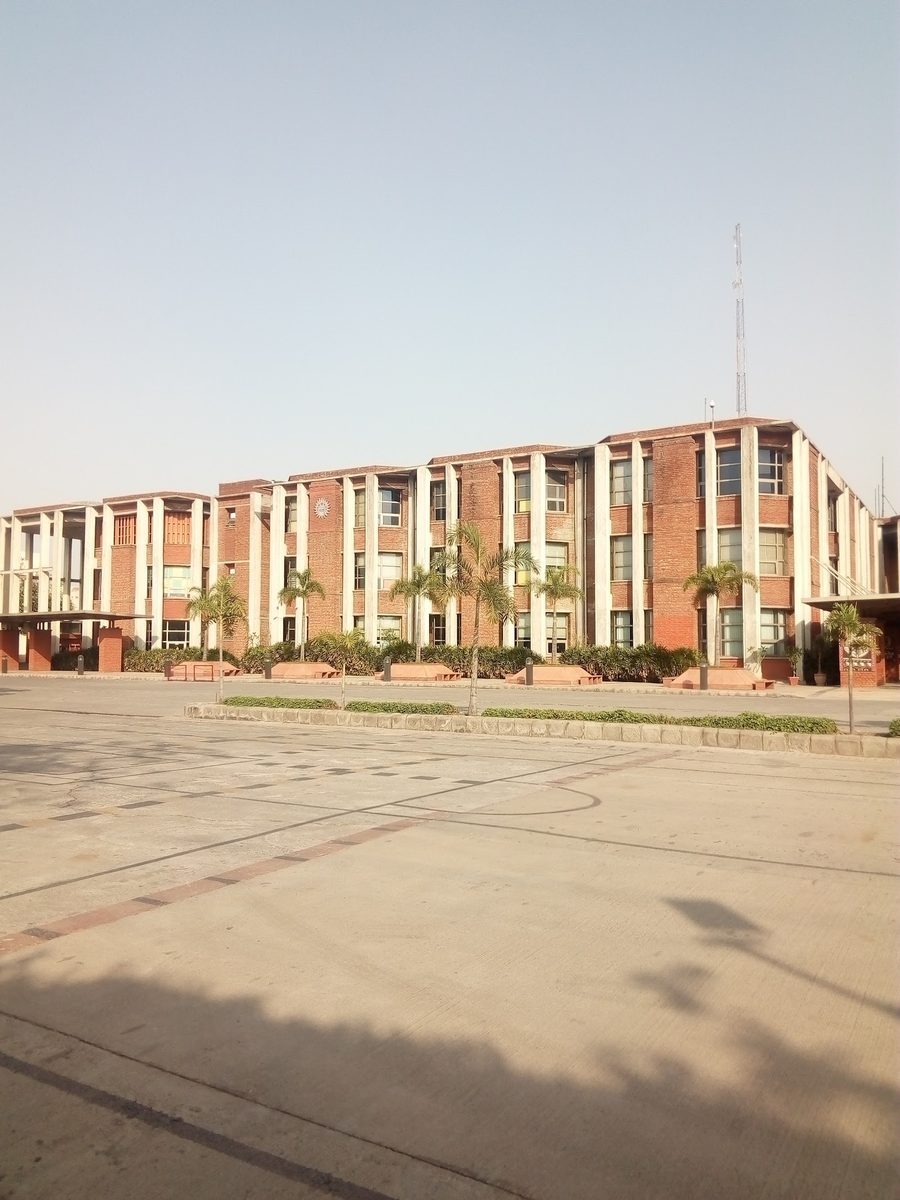
Step by Step School
Noida · India
In Noida, CBSE, IGCSE and IB tracks converge on a campus built around dedicated special-education pathways and a 1:6 support ratio.
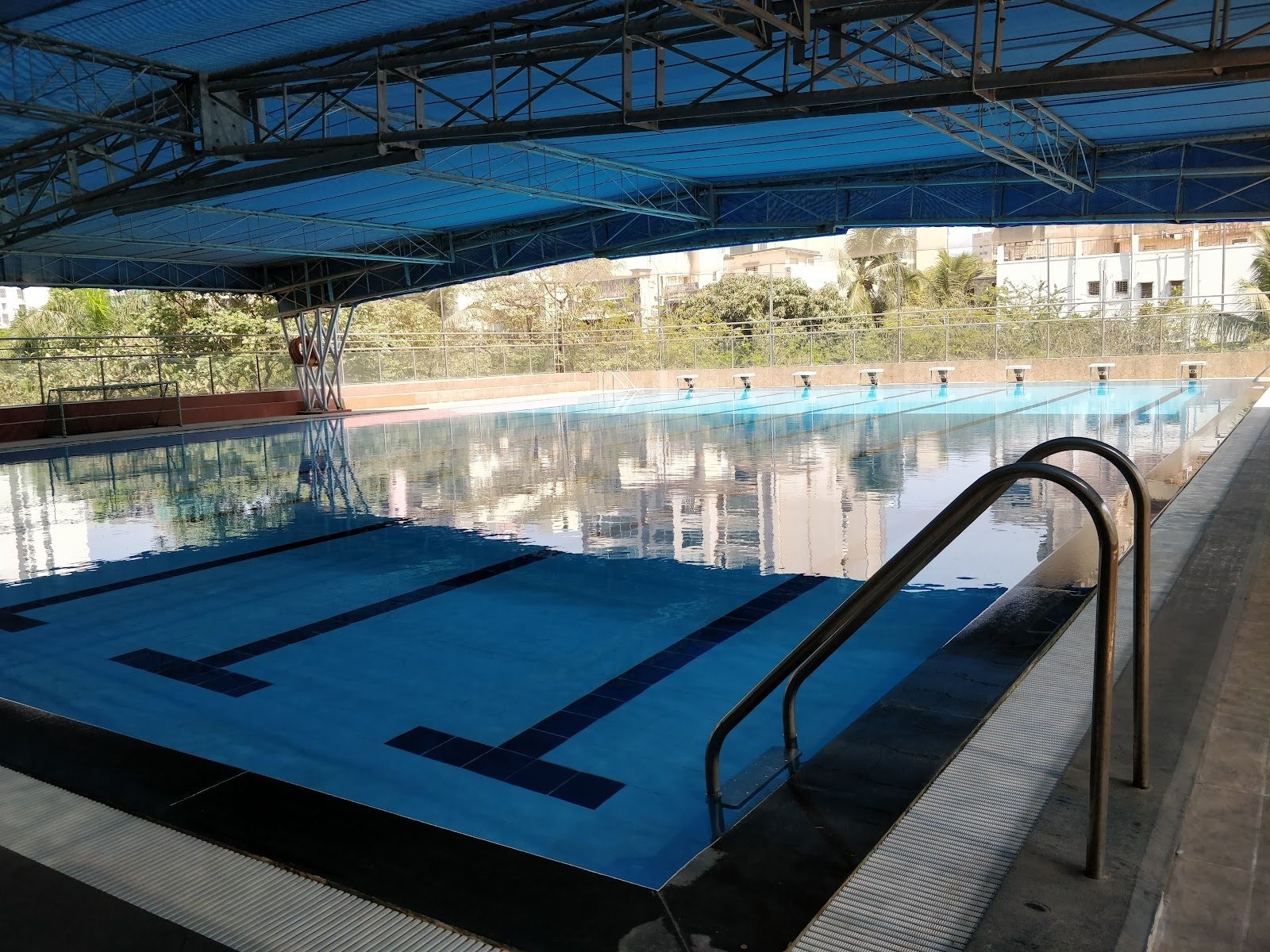
Ecole Mondiale World School
Mumbai · India
In Juhu since 2004, Mumbai's first full-continuum IB school runs Primary, Middle Years and Diploma under one roof
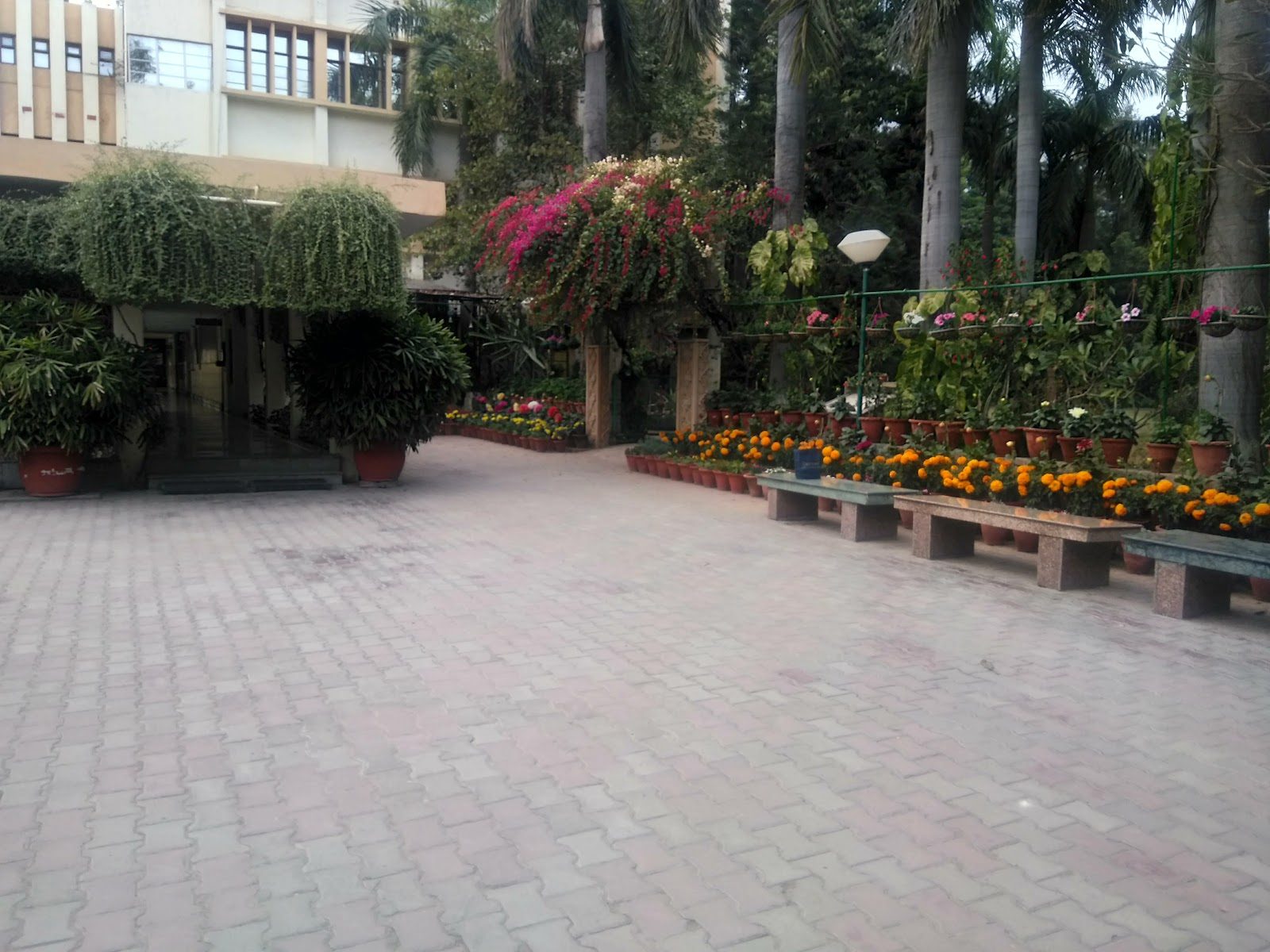
Sardar Patel Vidyalaya
New Delhi · India
In Lodi Estate, primary classes run in Hindi, not English -- a stance no other private school in India makes.
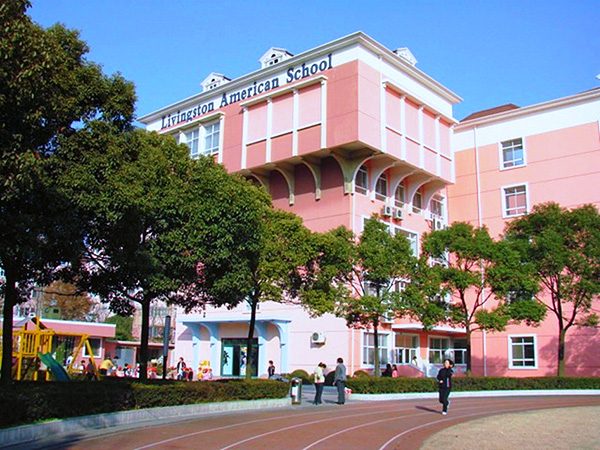
Livingston American School Shanghai
Shanghai · China
Founded by a former US congressman, this Changning day school pairs a California-aligned curriculum with AP rigor for Shanghai's expat families.
Same country and curriculum — closest matches within ±10 points either way