
Metro Manila
Founded by Jesuits exiled from China, this all-boys Greenhills school pairs mandatory Chinese-language curriculum with an IB diploma track.

Photo © Ramon Prudencio Toledo SJ via Google Maps
Type
Day
Ages
3–18
Curriculum
Philippine K-12 Curriculum
Ratio
—
The Verdict
Editor's commitment
Right for
Families wanting a Jesuit all-boys day school founded in 1956, with Philippine K-12 plus an IB Diploma option and Mandarin.
Wrong for
Parents seeking co-education, boarding, or a non-religious culture; Xavier is Catholic, Jesuit-run, day-only, and teaches in English, Mandarin and Filipino.
Watch out for
The Chinese-language requirement is not cosmetic, and PAASCU and CEAP accreditation do not compensate for the school’s lack of published outcome data.
Ranking breakdown
Xavier School · #731 of 1591
Composite score 66.1. 8 weighted criteria.
By criterion
Academic Outcomes
Weight 20%
#792
of 1529 scored
University Placement
Weight 16%
#793
of 1529 scored
Prestige & Heritage
Weight 12%
#734
of 1571 scored
Alumni Network
Weight 12%
#481
of 1530 scored
Facilities
Weight 12%
#933
of 1533 scored
Transparency & Communications
Weight 8%
#905
of 1532 scored
Peer & Industry Review
Weight 10%
#793
of 1548 scored
Admissions Selectivity & Demand
Weight 8%
#607
of 1529 scored
Peer & Industry Review
How Xavier School is regarded in the sector
75
Strong · medium confidence
Xavier School is widely recognized in the Philippines as a top Chinese-Filipino Catholic institution with a strong, influential alumni network including prominent business leaders and politicians, frequently referenced in Philippine business and society press (e.g., Tatler Philippines society coverage, Philippine Daily Inquirer alumni profiles). It regularly appears in 'best schools in Metro Manila/Philippines' rankings compiled by local education directories and expat parent forums, though it has less international specialist press coverage (e.g., Good Schools Guide, Sunday Times) compared to globally-oriented international schools.
Evidence sources
Editors' overview
Xavier School occupies a distinct niche in Metro Manila: an all-boys Jesuit day school in Greenhills with deep Filipino-Chinese roots, a mandatory Mandarin programme, and an IB Diploma track layered onto the Philippine K–12 framework. Founded in 1956 by Jesuits and run by the Society of Jesus, it offers a clear proposition to families who want Catholic formation without thin academics or vague internationalism. The special feature is the combination itself: English, Mandarin and Filipino in daily school life; Jesuit formation; and an optional IBDP route in Grades 11–12. In a crowded market of generic “international” claims, Xavier has a more specific identity and a stronger cultural centre of gravity. For the right family, that reads as serious purpose, cultural continuity and academic range.
Why shortlist it? First, the school’s Chinese-language requirement is not an ornamental add-on; it is part of the institution’s character. That matters for families who want sons educated inside the Filipino-Chinese tradition rather than adjacent to it. Second, the Jesuit frame still carries weight in the Philippines: service, discipline, leadership and moral formation are not side notes here. Third, the IBDP option gives older students access to an internationally legible pre-university pathway without requiring a full departure from the local system. The school also has visible co-curricular life, from athletics to service and alumni networks, which reinforces the sense of a long-established boys’ school with institutional memory and high expectations. Accreditation through PAASCU and CEAP adds local credibility.
The trade-offs are plain. This is not a broad-church, anything-goes school for families shopping for a neutral global campus culture. It is Catholic, Jesuit and culturally defined. It is also a boys’ school, which suits some households and rules it out for others. The mandatory Mandarin component raises the academic load and narrows the fit for students who resist language study or want a looser curriculum. Parents also need to note that Xavier follows the Philippine K–12 curriculum, with the IB Diploma as an optional track, not a whole-school IB model. That distinction matters.
The student who will thrive here is a boy who responds to structure, values belonging to a strong community, and can handle an education with more than one centre of demand: academics, language, conduct and service. He does not need to be a future classicist or Olympiad specialist; he does need stamina, coachability and a willingness to work inside a framework larger than himself. For Filipino-Chinese families, Catholic families, and parents who want a school with clear convictions, earned reputation and no identity crisis, Xavier School merits close attention.
Academic Performance
Xavier does not publish the exam data a hard-nosed parent wants. We have not seen aggregate IB Diploma results, mean scores, subject highs, university matriculation breakdowns, or comparative national testing data. That omission matters. In a market where academically confident schools put external outcomes front and centre, Xavier leaves parents to infer performance from its durability, its optional IB route, and its reputation inside the Filipino-Chinese and Jesuit school world. That is not the same thing as transparent academic reporting. The school clearly honours internal award categories in the senior years and foregrounds scholarship and alumni recognition, but those are secondary signals, not external proof.
Relative to peers, Xavier sits in an awkward middle ground: more academically serious and more culturally anchored than many generic private schools, but less open with measurable outcomes than the strongest data-publishing international competitors in Manila. The presence of the IB Diploma Programme raises expectations. Parents are entitled to ask for pass rates, average points, subject spread, and how many students actually take the diploma rather than the certificate route. Until Xavier discloses that information, its academic standing rests on institutional credibility, community esteem and a long record of sending boys onward, not on publicly testable exam evidence. For some families that is enough. For exacting ones, it is a clear weakness.
Facilities
The Greenhills campus reads as a traditional urban day-school site rather than a sprawling international estate. The public face of the school points parents most clearly to its core working spaces: classrooms across the early years, grade school and high school divisions, plus the sports infrastructure needed to host a major Jesuit athletic meet. That matters. A school does not stage a multi-day inter-school event without serious courts, fields, support areas and traffic management. The Nuvali campus adds another layer, with newly blessed community spaces and an active role in athletics and outreach. This is not a boutique campus designed to impress on a tour; it is a hard-working, community-facing physical plant built for a large boys’ school culture of sport, assemblies, service and daily routine.
Against Manila peers, Xavier’s facilities profile sits in the strong middle of the market, not at the glossy top. Families shopping for black-box theatres, Olympic-scale aquatics, design-lab showpieces or resort-style landscaping get more spectacle elsewhere. Xavier’s advantage lies in functional scale, institutional use and the fact that the estate supports a dense co-curricular life rather than merely advertising one. The site also benefits from a dual-campus footprint, which gives the school more operational range than a single constrained city campus. What remains missing is the hard detail exacting parents expect: no clear public inventory of specialist labs, libraries, arts spaces or technology provision. That lack of specificity leaves the facilities picture credible but incomplete.
Against Manila peers, Xavier’s facilities profile sits in the strong middle of the market, not at the glossy top
Prestige
Xavier carries real weight in the part of Metro Manila that matters for this school: Jesuit education, the Filipino-Chinese community, and families who value a disciplined route into university and professional life. Its prestige is not the glossy, expatriate kind built on published global placements and polished campus branding. It is older, deeper and more local than that. The school’s reputation rests on a durable social network, visible alumni loyalty, and a recognisable culture that families understand before they apply. The Xavier–Kuangchi alumni award, the grant-in-aid messaging, and the scale of community activity all point to an institution with strong internal status and a constituency that treats the school as formative, not transactional. Among Catholic boys’ schools in the capital, Xavier sits in the top tier of name recognition.
That said, prestige here has limits. Outside the Philippines, and outside circles familiar with Jesuit and Filipino-Chinese education, the name carries less automatic cachet than the best-known international schools. The optional IB route helps older pupils with overseas university visibility, but Xavier does not convert that into the kind of public outcomes narrative that strengthens elite standing with hard-data parents. So the rating lands at high domestic prestige, selective community prestige, and only moderate international prestige. In plain terms: within its home market, Xavier is a school people know, respect, and actively seek out; on the wider international stage, it lacks the published evidence and brand reach that turn esteem into unquestioned elite status.
Among Catholic boys’ schools in the capital, Xavier sits in the top tier of name recognition
Communications
Xavier communicates in the way many long-established schools do: through a steady stream of circulars, community notices, event coverage, and principal or board announcements. The website carries admissions access, scholarship notices, sports programme updates, varsity tryouts, alumni awards, service stories and school-community memoranda in one place. That gives parents a clear view of what the school values day to day — sport, service, recognition, community obligations, and institutional continuity. The cadence is active, and the archive does not look neglected. Parents are not left wondering whether anything happens on campus. In that sense, communication is regular, orderly and institutionally confident.
The weakness is precision. Xavier publishes plenty of notices, but less of the hard operational and academic information exacting parents want at a glance. We have not seen a sharply organised parent-information architecture that foregrounds divisional routines, academic benchmarks, key policy documents, or outcome data with forensic clarity. The tone also skews inward: community members already fluent in the school’s culture will read it easily; new families assessing fit from the outside do more work. There is substance here, not spin, and that counts in Xavier’s favour. But effectiveness depends on the parent. For committed insiders, the system works. For analytical families who want a crisp, parent-first dashboard rather than a flow of announcements, Xavier’s communications are serviceable rather than exemplary.
Uniqueness
Xavier’s distinctiveness lies in its refusal to dilute itself. This is an all-boys Jesuit school with a mandatory Chinese-language programme and an optional IB diploma route in the final 2 years. That combination is rare even in a crowded Manila market. Many schools offer Catholic identity without strong cultural particularity, or Chinese heritage without a serious pre-university pathway recognised beyond the local system. Xavier does both, and does so inside one coherent institutional frame. The result for students is a school culture with clear demands, strong internal logic and little room for drift. Boys are not asked to assemble an identity from disconnected school “offerings”; the school gives them one.
That brings real advantages. Students move through an education that ties language study, faith formation, service, sport and academic preparation into a single expectation of conduct. The school’s public life reinforces that pattern: athletic meets, service awards, alumni honours and grant-in-aid messaging all point to a community that values contribution as much as attainment. For the right student, that breeds discipline, cultural fluency and a durable sense of belonging. It also produces a more tradition-bound environment than many international schools. Families who want a neutral, individualised, pick-and-mix school experience will find Xavier constraining. Families who want boys shaped by a school with serious convictions will find its distinctiveness hard to match.
Xavier’s distinctiveness lies in its refusal to dilute itself
Student Profile
The boy who fits Xavier is not looking for a neutral school culture or a loose, self-authored adolescence. He can handle a school that asks him to submit to inherited norms: Catholic formation, a male peer environment, visible expectations around service and leadership, and the added discipline of compulsory Chinese study. That package suits students who work well inside structure, accept correction, and do not treat school as a consumer product. It also suits families who want sons formed by a community with clear authority, strong codes and a high tolerance for obligation. Boys who resist routine, recoil from collective identity, or want maximum personal latitude will grind against it.
Socially, Xavier will reward the student who is comfortable in a close-knit, tradition-heavy culture where belonging carries duties as well as benefits. The school’s public life gives sport, awards, service and alumni ties real weight; a boy who wants to contribute on the field, in community work, or in organised school activities has more routes to standing than the purely academic loner. The optional IB route in the final 2 years also raises the ceiling for ambitious older students who want an internationally legible exit path without leaving the school’s core culture behind. In plain terms: Xavier is for boys with stamina, discipline and a willingness to be shaped. It is not for the faint-hearted, and that is part of its value.
Families who want boys shaped by a school with serious convictions will find its distinctiveness hard to match
Co-curricular strengths
Arts & sport, on a separate axis
Overall 7.74/10
Scored 0-10 from the school's own published evidence. This axis is editorial-only — it does not feed the main WTS ranking.
Sports
8.4/10
Drama
7.8/10
Dance
7.8/10
Music
7.6/10
Visual Arts
7.1/10
Editor first-pass · editor-reviewable · 7/30/2026
Strengths
- +Founded in 1957 and run by the Society of Jesus, giving the school a long-established Ignatian, values-based educational tradition.
- +Distinctive integrated Mandarin Chinese language and Chinese Studies program, uncommon among mainstream Metro Manila private schools.
- +Operates two campuses, the original San Juan site and a newer campus in Nuvali, Laguna, widening geographic reach for families.
- +Deeply embedded within the Chinese-Filipino community, giving graduates access to an established and cohesive alumni and business network.
- +Jesuit pedagogical framework emphasises formation of character alongside academics, a point often noted by Philippine education commentators.
Considerations
- −Single-sex (boys only) institution, which rules it out for families wanting a co-educational setting or seeking a place for daughters.
- −Strong cultural and linguistic orientation toward the Chinese-Filipino community may feel narrow or unfamiliar to expat families outside that group.
- −Tuition sits in the higher tier of Metro Manila private schooling, a real budget consideration though exact current fee schedules should be confirmed directly with the school.
- −Entry beyond the early grades is limited, with places largely filled at Kindergarten or Grade 1, making lateral admission at older ages harder to secure.
Availability
Primary entry gate & tests
Academic Record
Gallery
Photo © Victorio Ong via Google Maps
Photo © Arnel Escasinas via Google Maps
Photo © Isaiah via Google Maps
Photo © Mike via Google Maps
Photo © ernie via Google Maps
Parent reviews
Have you sent your child here?
Voice reviews carry the strongest trust badge — we transcribe them for you to tidy up before they go live. Prefer to type? A written review is fine too.
Add your voice
In 60 seconds, tell other parents: what's the best thing about Xavier School, and what surprised you when your child joined?
We ask for a Google sign-in so every review has a real face behind it — no anonymous drive-by attacks on schools, and no faked positive reviews. Your email is never shown publicly.
Send this profile to a friend
International parents rely on word-of-mouth. Share this review with someone weighing the same decision.
Schools with places
Similar schools to Xavier School with places available now.
Availability first, then country, area, curriculum, price, co-curricular
Consider also
Also worth looking at alongside Xavier School.
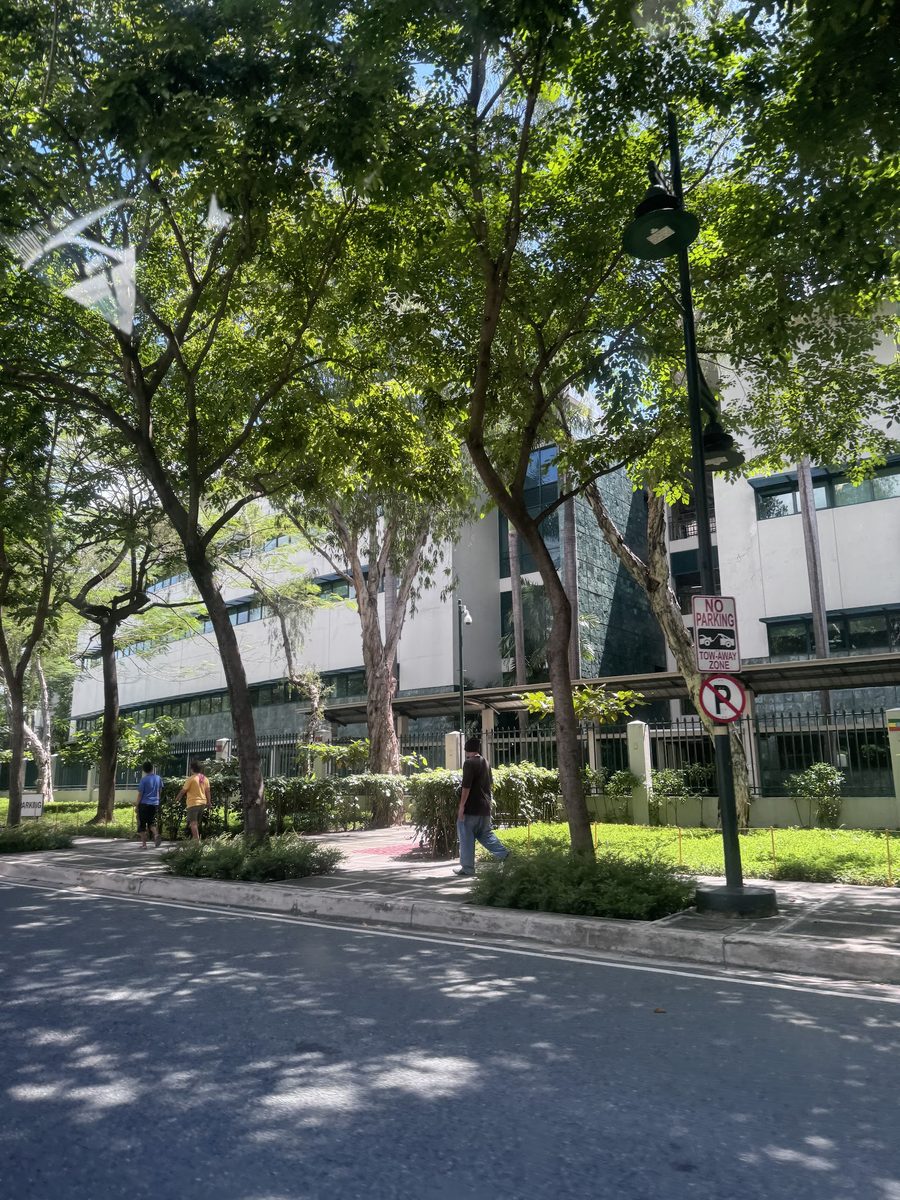
International School Manila
Manila · Philippines
Rooted in 1920 as the American School, this Bonifacio Global City campus was the first in Asia to offer the IB Diploma.
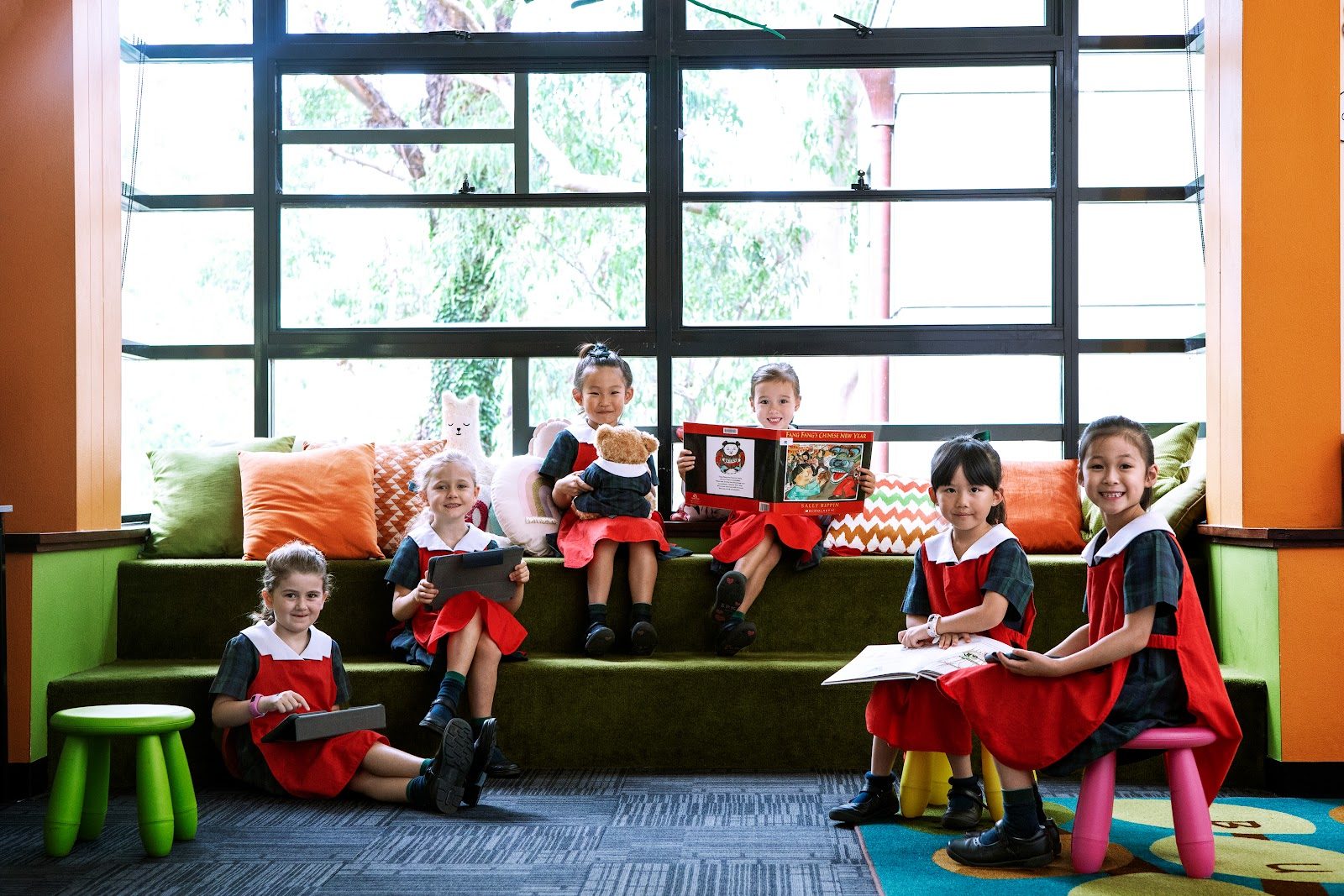
Pymble Ladies' College
Sydney · Australia
On Sydney's Upper North Shore, a non-selective campus of five schools lets girls choose between the IB and HSC pathways.
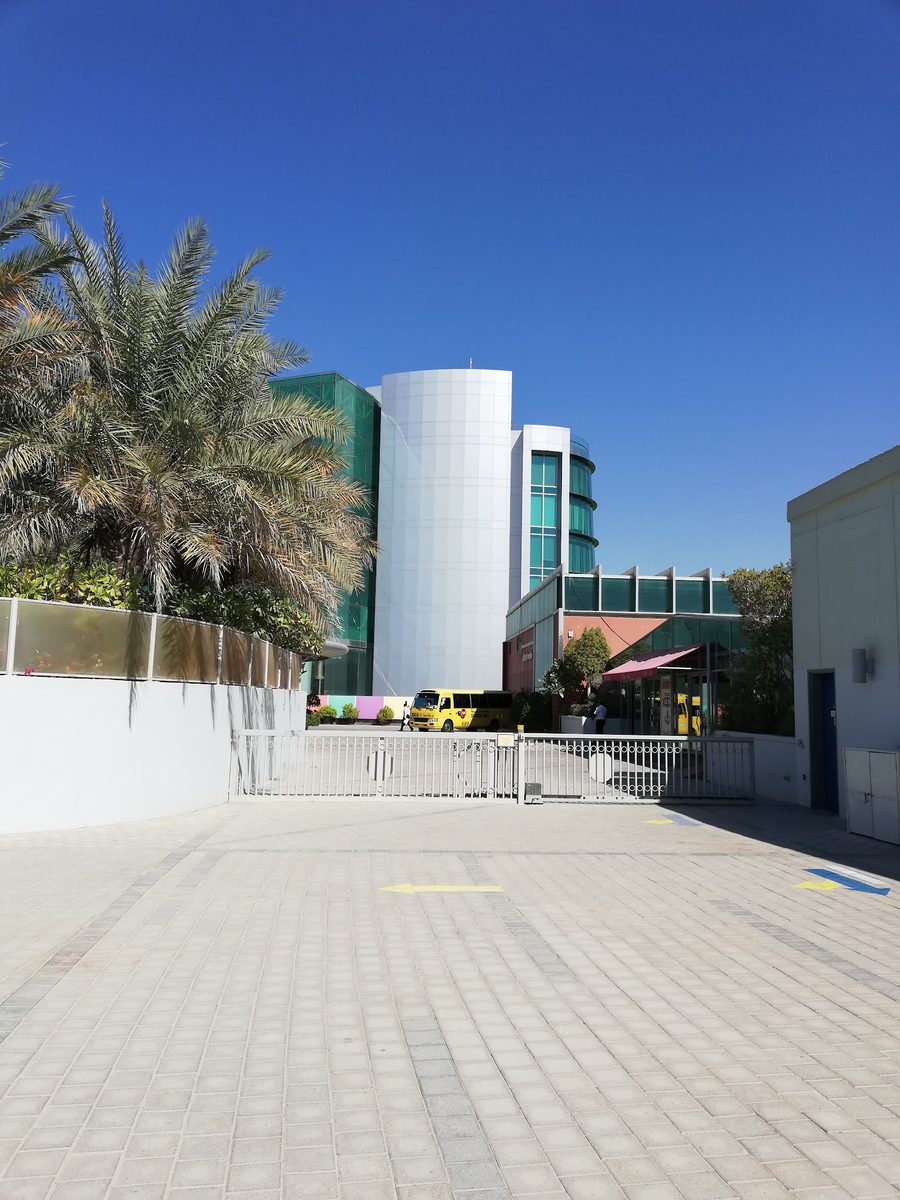
Bilingual French International School Dubai
Dubai · United Arab Emirates
Near Meydan's racecourse, four qualification pathways -- French Bac, IB, AP and Cambridge -- converge under one bilingual roof.
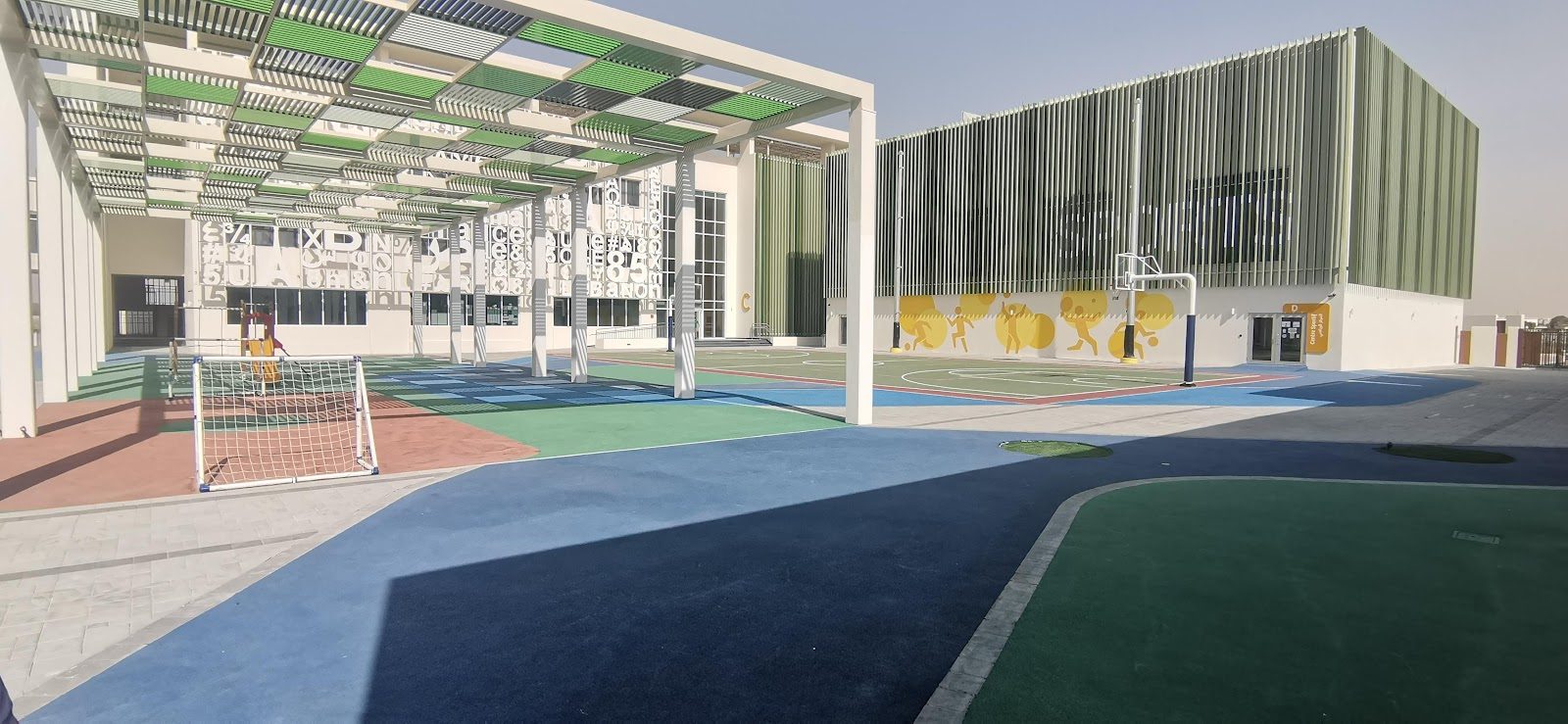
Lycée Libanais Francophone Privé
Dubai · United Arab Emirates
Rooted in Lebanese Francophone heritage, this trilingual lycee pairs rigorous French Baccalaureate study with a solar-powered Meydan campus.
Same country and curriculum — closest matches within ±10 points either way