
Delhi
Mother's International School
low confidence· 6/6 cats · 0 avg sourcesSet inside the Sri Aurobindo Ashram since 1956, this CBSE day school built its ethos on integral education long before wellness curricula were trendy.
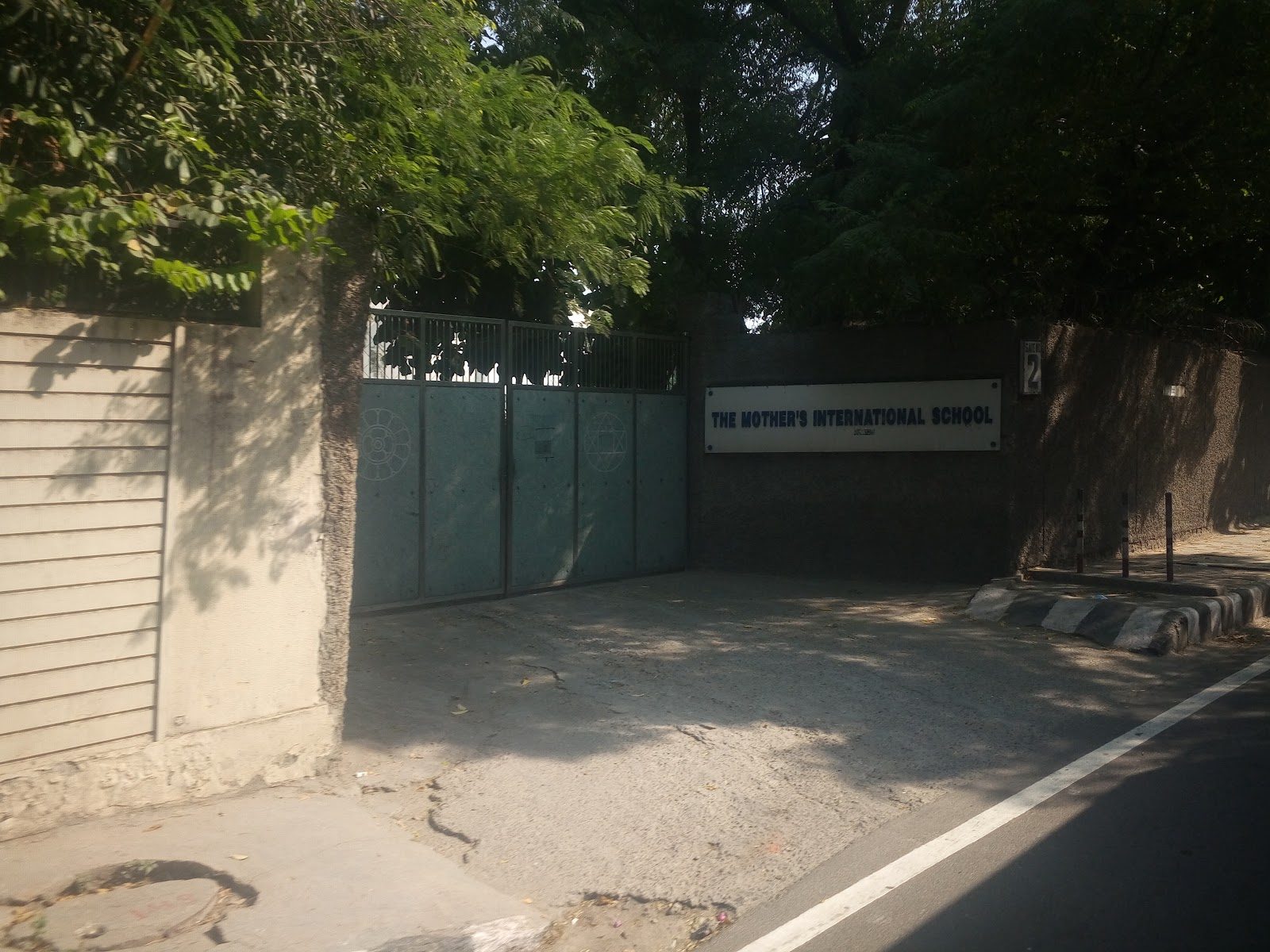
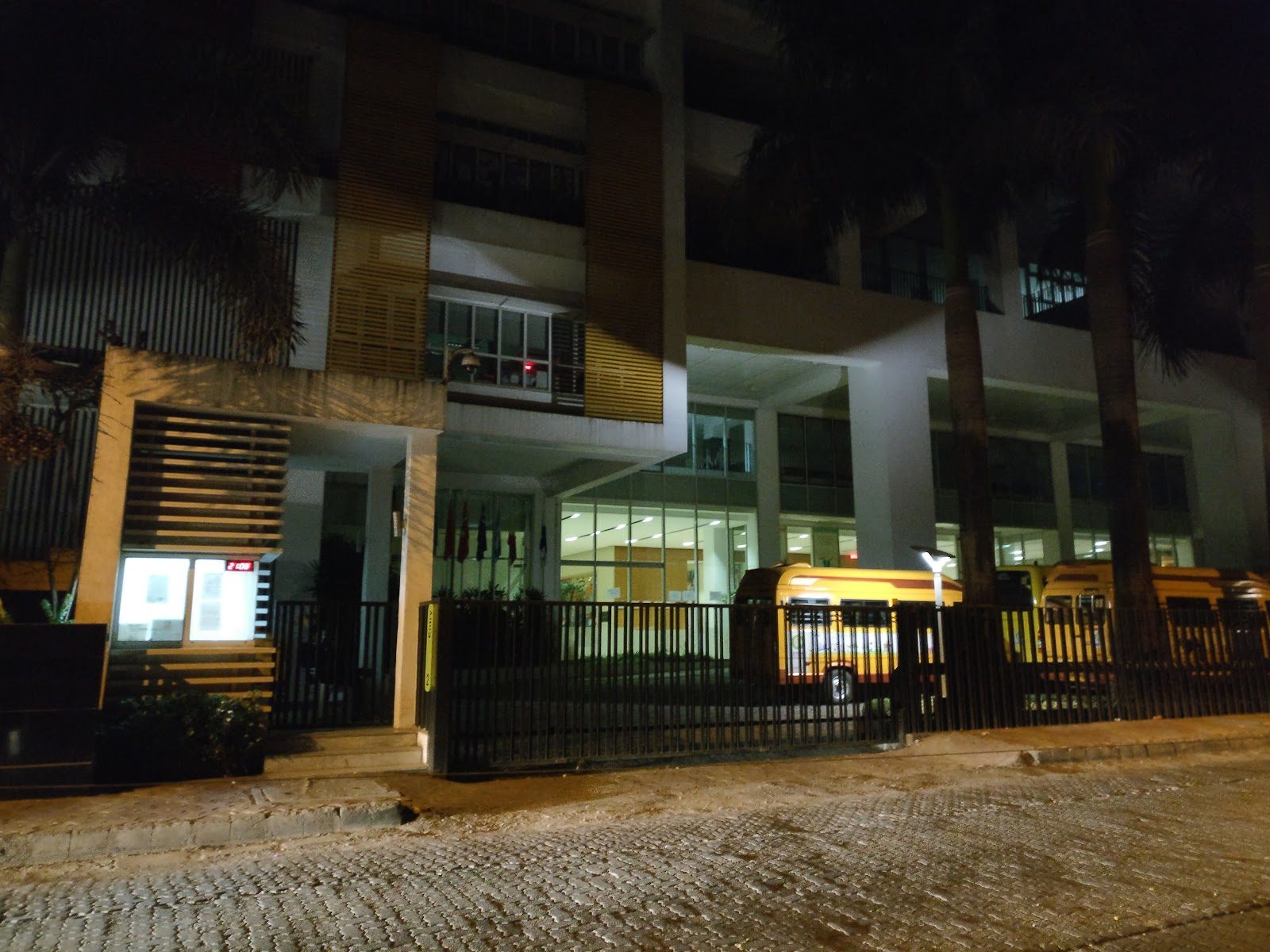
Photo © Shaarif via Google Maps
Type
Day
Ages
5–18
Curriculum
CBSE
Ratio
16:1
The Verdict
Editor's commitment
Right for
Families wanting an English-medium, co-educational CBSE day school, founded in 1956 and rooted in Sri Aurobindo's integral-education ethos.
Wrong for
Parents seeking boarding, a non-CBSE pathway, or intimate teaching: classes average 32 and the student-teacher ratio sits at 16:1.
Watch out for
This private New Delhi school shares its campus with the Sri Aurobindo Ashram and Mirambika; the setting is distinctive, and not a neutral one.
Ranking breakdown
Mother's International School · #314 of 1591
Composite score 72.0. 8 weighted criteria.
By criterion
Academic Outcomes
Weight 20%
#333
of 1529 scored
University Placement
Weight 16%
#354
of 1529 scored
Prestige & Heritage
Weight 12%
#438
of 1571 scored
Alumni Network
Weight 12%
#289
of 1530 scored
Facilities
Weight 12%
#654
of 1534 scored
Transparency & Communications
Weight 8%
#513
of 1532 scored
Peer & Industry Review
Weight 10%
#527
of 1548 scored
Admissions Selectivity & Demand
Weight 8%
#266
of 1529 scored
Peer & Industry Review
How Mother's International School is regarded in the sector
63
Respected · low confidence
Mother's International School (New Delhi) regularly appears in the Education World India School Rankings (a C-fore/Education World independent survey) among Delhi's respected CBSE schools, and is frequently cited in Indian education press as a well-regarded institution linked to Sri Aurobindo pedagogical philosophy. However, it lacks coverage in international benchmarks like Good Schools Guide International or Tatler, and there is limited alumni-network press or expat-forum discussion, suggesting a solid regional rather than top-tier global reputation.
Evidence sources
Editors' overview
Mother’s International School occupies a distinctive niche in Delhi: a long-established 1956 CBSE day school with a serious philosophical spine. Set inside the Sri Aurobindo Ashram campus, it draws from the Ashram’s idea of integral education, which gives the school a character many urban academic schools lack: calm purpose, moral seriousness, and a view of education that extends beyond test preparation. That matters because plenty of schools now bolt “wellbeing” and “holistic learning” onto conventional academic models. MIS built its identity on that ground decades ago. For parents who want a school with cultural depth rather than a glossy lifestyle pitch, this earns a place on the shortlist.
The practical offer is clear. This is an English-medium, co-educational CBSE school for ages 5 to 18, with a student-teacher ratio of 16:1 and an average class size of 32. That places it in the mainstream of large Indian day schools, not the boutique end of the market. Parents should read that correctly: MIS is not selling intimacy or luxury. Its strength lies in ethos, continuity and intellectual framing, not in the small-class, premium-international-school model. The shared campus with the Ashram and Mirambika Free Progress School reinforces that unusual sense of place. It gives the school more identity than many Delhi campuses that function as efficient academic factories.
What sets MIS apart, then, is not novelty but coherence. The school has a rooted educational philosophy, a long institutional history, and a mainstream curriculum that keeps it legible for families who want the structure of CBSE without surrendering childhood to raw competition. That combination will appeal to parents looking for inner steadiness as well as academic order. It will appeal less to families chasing the conspicuous status markers of the international-school sector: global branding, imported curricula, or lavish facilities as a proxy for educational quality. MIS offers substance over theatre.
The right student for Mother’s International School is academically capable, responsive to structure, and open to a school culture shaped by reflection, discipline and community. Children who thrive in loud, hyper-competitive environments or who want a heavily Westernised school experience will find stronger fits elsewhere. Students who value thoughtful routine, quiet confidence and a school identity bigger than exam technique will fit well here. In a crowded Delhi market, that makes MIS memorable for the right reasons.
Academic Performance
Mother’s International School does not publish headline board outcomes in the public domain. We have not seen aggregate CBSE Class X or Class XII pass rates, top-score bands, subject averages, university destinations or year-on-year result tables. That leaves parents without the benchmarks that stronger academic operators now treat as routine disclosure. In a market where schools trade heavily on exam performance, that opacity matters. It does not prove weak results; it does block serious comparison. Families weighing MIS against Delhi peers with hard-edged academic positioning will get less numerical reassurance here than they need.
The school’s fit in the market therefore rests less on published exam bragging and more on institutional character. As a long-established private secondary school on the Ashram campus, MIS carries a serious intellectual inheritance and a model of education that resists the score-first mentality common in the city. That can produce thoughtful students; it does not exempt the school from publishing outcomes. On academic performance, MIS sits in the category of schools with a solid reputation but thin public evidence. Parents who prize transparency should ask for the last 3 years of Class X and Class XII board data, subject-by-subject distributions, and progression patterns after school. If the school can supply that cleanly, confidence rises fast. If not, the gap remains.
Facilities
The defining facility here is the campus itself: shared with the Sri Aurobindo Ashram and Mirambika Free Progress School, which gives MIS a setting few Delhi schools can match. That matters less as postcard scenery than as educational infrastructure. An Ashram campus brings space for assembly, reflection and routine without the hard commercial polish of newer premium schools. Parents who want marble foyers, branded sports complexes and hotel-style reception areas will not find that pitch here. Parents who care about atmosphere, order and a school environment with real cultural weight will. Against Delhi’s upper-tier private day schools, MIS offers a campus with identity rather than spectacle.
What we do not see in the public domain is a detailed facilities inventory. The school does not publish the kind of room-by-room breakdown that serious operators now use to show parents exactly what they are paying for: specialist labs, performing arts spaces, indoor sports provision, libraries, design studios, auditoria, maker facilities or technology suites. That gap matters because facilities are one area where peer schools make comparison easy. MIS therefore sits in a philosophy-first category rather than a facility-led one. The operational picture points to a standard large-school format, with average classes of 32 and a staffing ratio of 16:1, not the low-density premium model that supports highly personalised specialist spaces. Parents should ask for a campus tour with direct access to science, arts, sports and library areas before drawing conclusions.
Mother’s International School occupies a distinctive niche in Delhi: a long-established 1956 CBSE day school with a serious philosophical spine
Prestige
Mother’s International School has real prestige in Delhi, but it is specific prestige, not the flashy kind. Its standing rests on institutional seriousness, longevity and its association with the Sri Aurobindo Ashram rather than on international branding, luxury infrastructure or aggressive result-marketing. For a certain slice of Indian families, that carries weight. The school signals cultural capital, discipline and a belief that education has a moral and intellectual purpose beyond credential collection. In a city crowded with status-conscious schooling, that gives MIS a distinctive identity. The 16:1 staffing ratio and average class size of 32 place it in the mainstream operationally, so the prestige does not come from rarity or exclusivity in the boutique sense.
We rate it as respected rather than elite. That distinction matters. MIS has a stronger name than an ordinary private day school because it stands for something coherent and long-settled; parents know what kind of environment they are buying into. At the same time, the school does not publish the hard performance data that top academic prestige now demands. Nor does it trade on the global cachet of imported curricula or overseas university pipelines. Its reputation therefore draws power from ethos, heritage and community recognition, not from public proof of academic dominance. For families who value quiet stature and intellectual seriousness, that is enough. For families chasing high-gloss prestige, it is not.
We have not seen aggregate CBSE Class X or Class XII pass rates, top-score bands, subject averages, university destinations or year-on-year result tables
Communications
Mother’s International School communicates with parents in a restrained, old-school way. The public-facing information does the basics but not much more. The website establishes who runs the school, where it sits institutionally, and the broad shape of the offer. It does not function as a rich parent-information platform. We do not see the depth now standard at stronger schools: detailed academic reporting, a clear facilities breakdown, granular co-curricular mapping, governance detail, leadership visibility, or routine publication of performance data. That leaves communication serviceable rather than strong. For current families, direct school channels may fill that gap; for prospective parents, the picture is thin and selective. In an expensive, competitive market, that counts against the school.
Why does this matter? Because schools with a serious philosophy still need hard clarity. An institution rooted in ideas can drift into assuming that reputation and ethos carry enough explanatory force. They do not. Parents need timetables, processes, outcomes, points of contact, and evidence of how the school runs day to day. MIS gives a clear sense of identity, but identity is not the same as communication discipline. The school’s published profile does not answer enough of the practical questions that drive trust. We rate parent-facing communication as credible but underpowered: coherent in tone, limited in detail, and less transparent than a school of this stature should be.
Uniqueness
Mother’s International School is unusual because its ethos is not a branding exercise added after the fact; it sits inside a living institutional world shaped by the Sri Aurobindo Ashram and the Sri Aurobindo Education Society. That gives the school a deeper centre of gravity than most urban private schools. The difference is practical, not mystical. Students grow up in a setting where reflection, order, self-command and intellectual purpose carry institutional force. The presence of Mirambika Free Progress School on the same campus also sharpens that identity: MIS belongs to an educational ecosystem, not a standalone commercial operation. In a market full of schools chasing visibility, this is a rare kind of rootedness.
What students gain from that depends on temperament. The school offers a culture that can build inner steadiness, patience and a less frantic relationship with achievement. It also gives children a strong sense that school life carries moral and civic meaning, not just exam utility. That matters for families tired of the arms-race atmosphere that defines so much competitive schooling. The trade-off is clear. Students seeking a louder, more performative school identity, or a campus experience built around prestige display, will find MIS restrained. Students who respond to quiet seriousness and coherent values will get something many schools promise and few deliver: an education with an actual philosophical spine, not a slogan.
In a city crowded with status-conscious schooling, that gives MIS a distinctive identity
Student Profile
The best fit here is a child who does not need constant stimulation or status display to stay engaged. MIS suits students who can work within structure, absorb a school culture with quiet discipline, and take adults seriously when they talk about character, self-command and responsibility. That does not mean timid children; it means children with enough inward steadiness to thrive in an environment that values thought before performance. The average class size of 32 sets a practical condition: students need to cope in a mainstream large-class setting, speak up when they need help, and handle a degree of institutional formality. Children who need intensive hand-holding, high-touch personalisation or a more visibly nurturing style will find stronger fits elsewhere.
Socially, this school fits families who want peers shaped less by competitive theatre and more by habit, routine and academic purpose. Students drawn to conspicuous luxury, louder school spirit or a heavily Westernised youth culture will find the tone restrained. Students who read, reflect, follow rules and accept that school carries moral weight as well as academic demands will fit well. The student body is co-educational, and the staffing ratio of 16:1 points to a standard private-school scale rather than a boutique pastoral model. In plain terms: this is for grounded, receptive students who can flourish in a school with inner seriousness and no appetite for educational showmanship.
At the same time, the school does not publish the hard performance data that top academic prestige now demands
Co-curricular strengths
Arts & sport, on a separate axis
Overall 8.06/10
Scored 0-10 from the school's own published evidence. This axis is editorial-only — it does not feed the main WTS ranking.
Sports
8/10
Drama
8/10
Dance
8.2/10
Music
8.3/10
Visual Arts
7.8/10
Strengths
- +Founded in 1956 by Surendra Nath Jauhar under the blessings of Mirra Alfassa, giving it nearly seven decades of continuous operation as a CBSE day school.
- +Named the best school in Delhi in Outlook's 2001 'C-Fore Best School Survey' and ranked sixth among India's top 10 co-ed day schools in the EducationWorld India School Rankings 2021-22.
- +Set on a roughly 9-acre campus inside the Sri Aurobindo Ashram grounds on Sri Aurobindo Marg, giving it more green space and quiet than most central Delhi day schools.
- +Offers all three CBSE senior-secondary streams (Science, Commerce, Humanities) plus four languages (English, Hindi, Sanskrit and French), alongside music, dance, drama and craft electives.
- +Runs on a fixed small-batch structure of about 180 students per grade split into sections of 35-36, rather than expanding class sizes without limit.
Considerations
- −Entry-level admission (Nursery/KG/Class 1) runs through Delhi's Directorate of Education point-based system, which rewards neighbourhood proximity, siblings and alumni status over a simple merit test, disadvantaging newly relocated families.
- −The school's pedagogy is explicitly framed around Sri Aurobindo and The Mother's 'integral education' philosophy, a values-and-spirituality-inflected approach that will not suit families wanting a purely secular or strictly exam-focused environment.
- −It is a day school only with no boarding option, so families must live within a practical commute of the Kalu Sarai/South Delhi campus.
- −Monthly and first-year fees, while modest next to international-curriculum schools, run above Delhi's city average (nursery fees reported near Rs 13,000/month versus a city average closer to Rs 4,300), so it is not a budget option.
Availability
Primary entry gate & tests
CBSE Registration / Exam
Gallery
Photo © manoj jha via Google Maps
Photo © Shaheen Ansari via Google Maps
Photo © Shrawan Verma via Google Maps
Photo © Gavin Singh Prihar via Google Maps
Photo © Prof Arun C. Mehta via Google Maps
Photo © Prateek Karandikar via Google Maps
Photo © Prateek Karandikar via Google Maps
Photo © Akansha via Google Maps
Photo © Jagrit Verma via Google Maps
Parent reviews
Have you sent your child here?
Voice reviews carry the strongest trust badge — we transcribe them for you to tidy up before they go live. Prefer to type? A written review is fine too.
Add your voice
In 60 seconds, tell other parents: what's the best thing about Mother's International School, and what surprised you when your child joined?
We ask for a Google sign-in so every review has a real face behind it — no anonymous drive-by attacks on schools, and no faked positive reviews. Your email is never shown publicly.
Send this profile to a friend
International parents rely on word-of-mouth. Share this review with someone weighing the same decision.
Schools with places
Similar schools to Mother's International School with places available now.
Availability first, then country, area, curriculum, price, co-curricular
Consider also
Also worth looking at alongside Mother's International School.
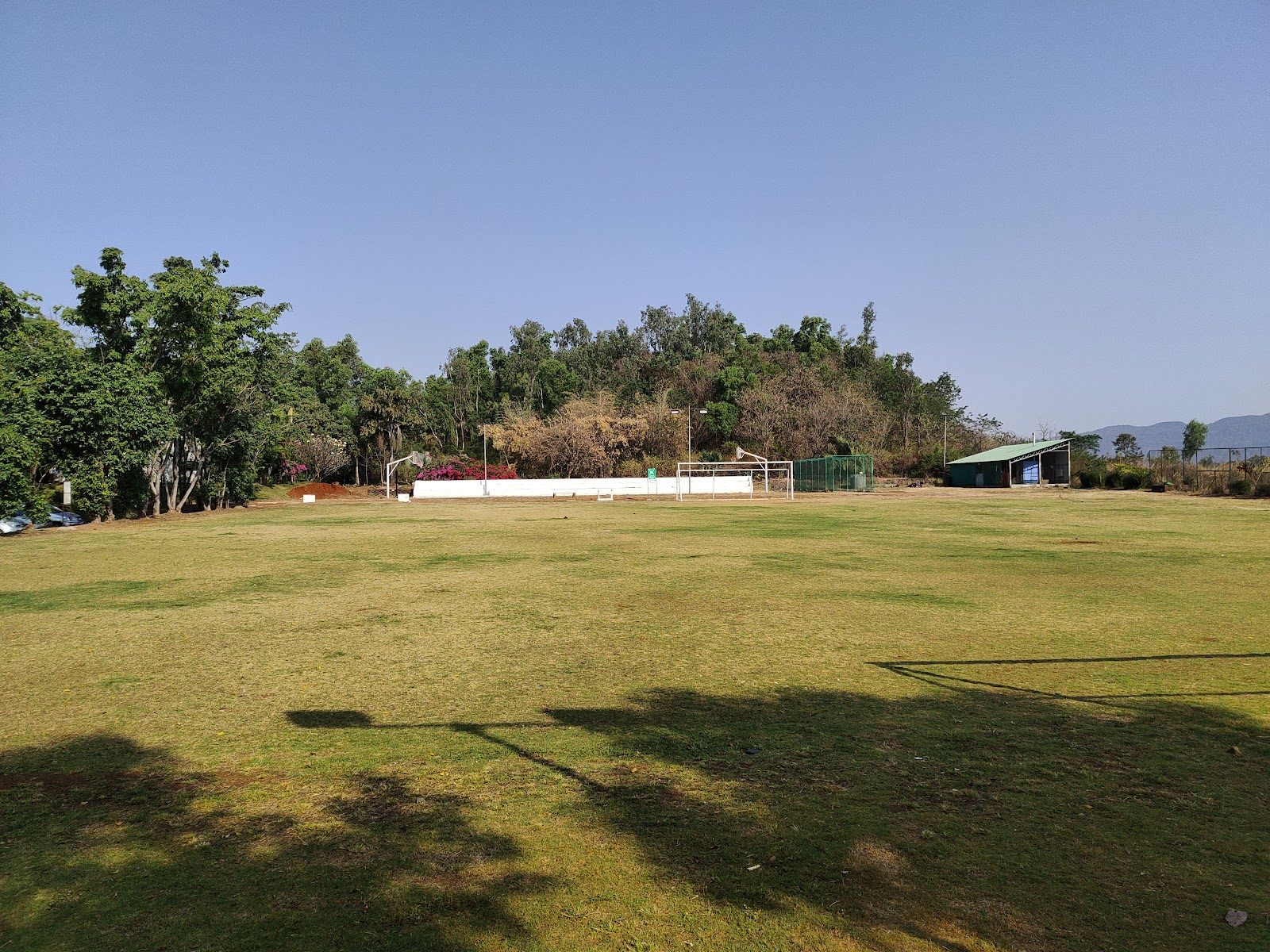
UWC Mahindra College
Pune · India
South Asia's only United World College, its 170-acre Western Ghats campus reforested tree by tree by its own students.
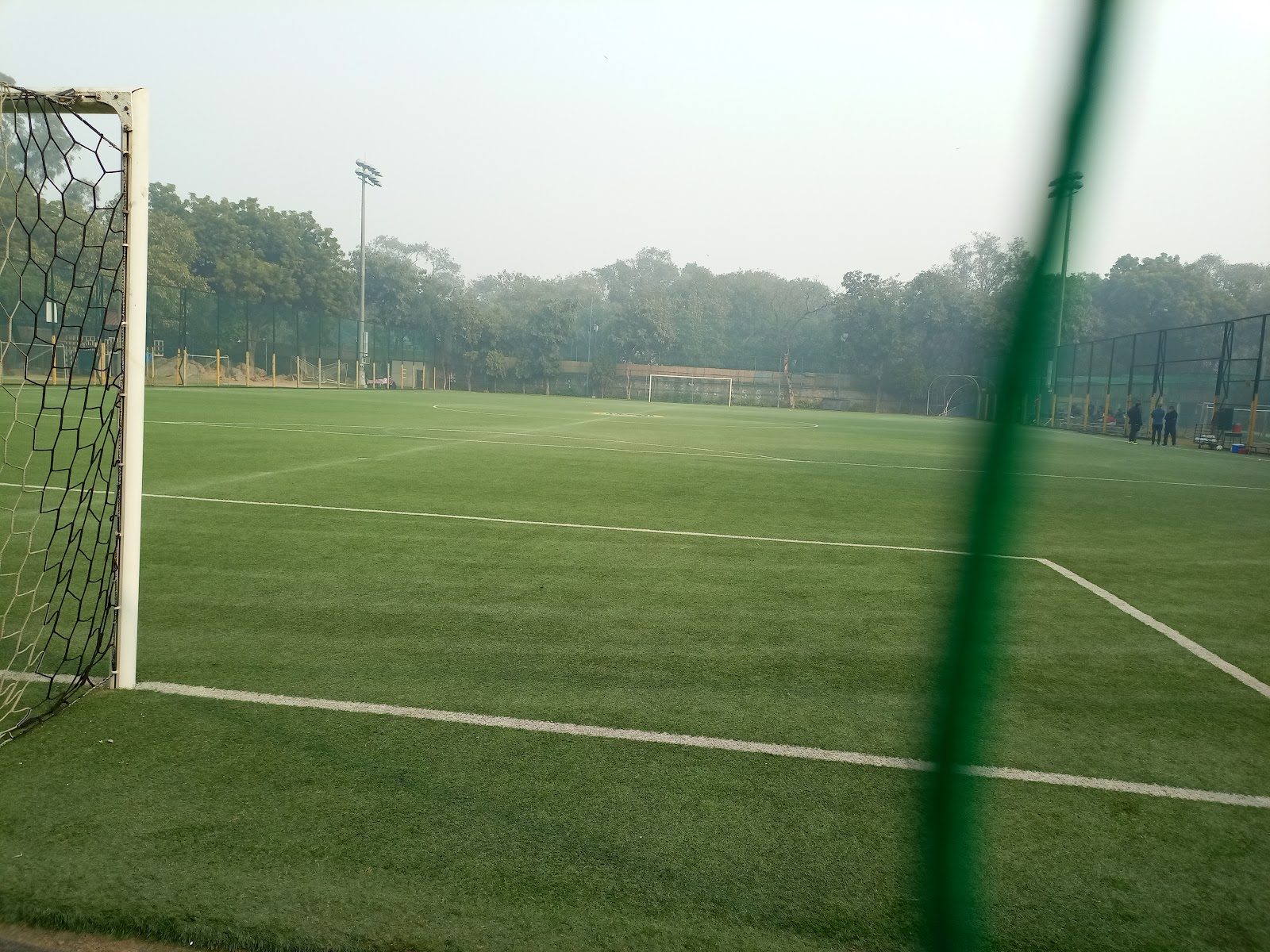
American Embassy School
New Delhi · India
Beside the U.S. Embassy in Chanakyapuri, a Joseph Stein-designed campus mixes American college prep with IB rigor for over 70 nationalities.
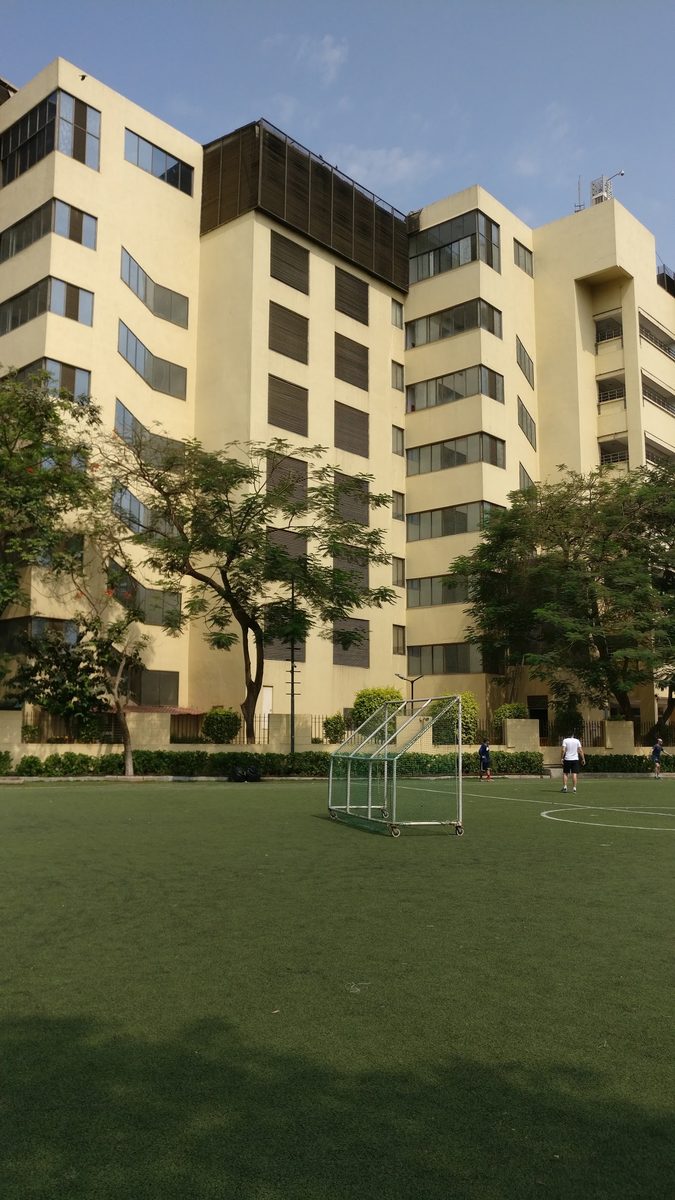
Dhirubhai Ambani International School
Mumbai · India
In the heart of Bandra-Kurla Complex, three curricula converge to produce some of India's highest IB Diploma averages.
Oberoi International School
Mumbai · India
A full IB continuum from Nursery to Diploma, spread across twin Goregaon campuses inside Mumbai's Oberoi Garden City enclave.
Same country and curriculum — closest matches within ±10 points either way