
Valais
Copperfield International School Verbier
low confidence· 6/6 cats · 0 avg sourcesIB day and boarding school in the Swiss Alps, with a ski-in, ski-out campus and small class sizes.
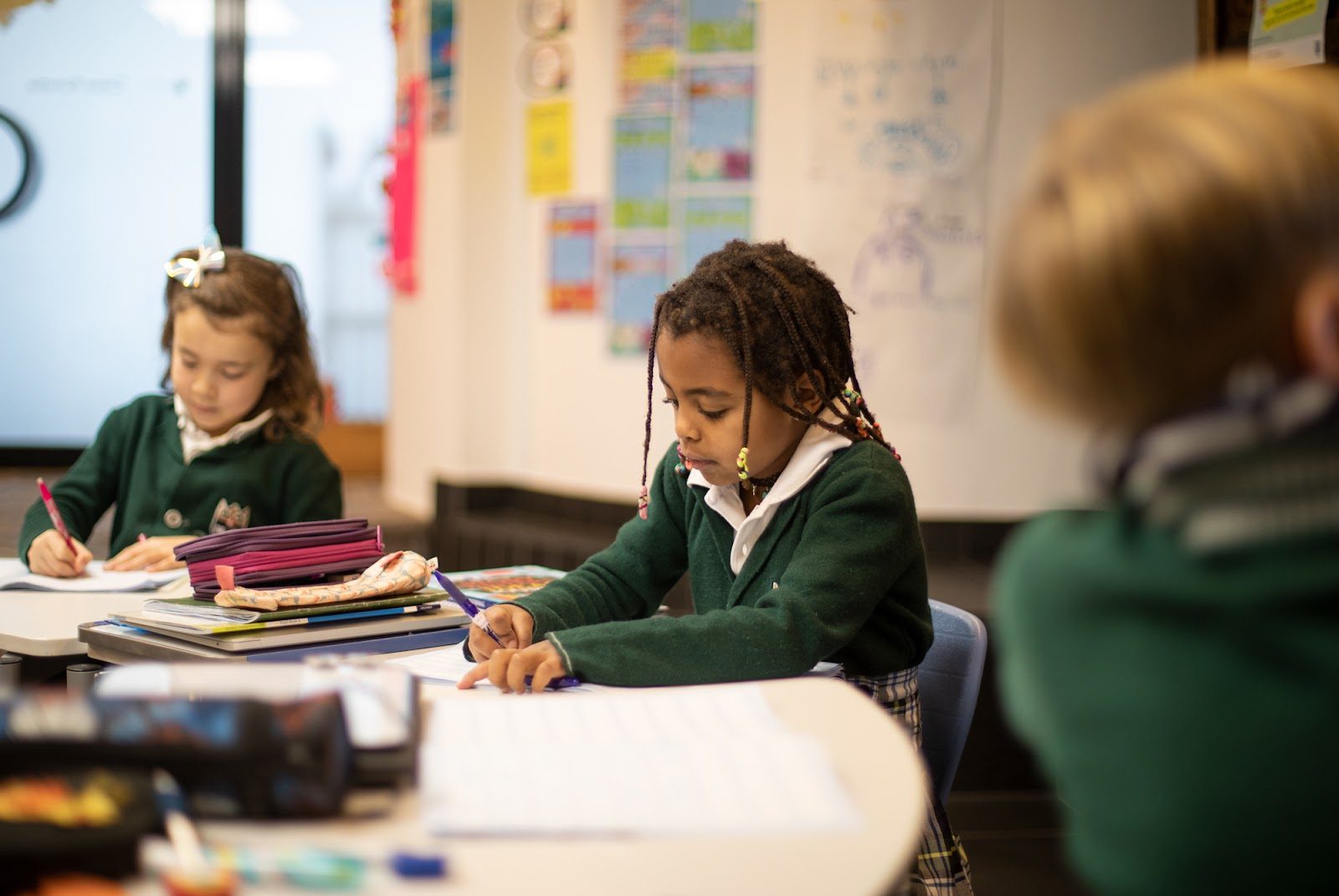
Photo © Copperfield International School - Verbier via Google Maps
Type
Both
Ages
3–18
Curriculum
British (IGCSE, A-Level)
Ratio
4:1
The Verdict
Editor's commitment
Right for
Families who want English-medium schooling from ages 3–18, a 4:1 student-teacher ratio, and average classes of 8.
Wrong for
Parents seeking a broader published academic picture than British IGCSE and A-Level, or a campus beyond Verbier’s ski-resort bubble.
Watch out for
Founded in 2013, this is a young school; ski-in, ski-out glamour does not replace hard data on outcomes.
Ranking breakdown
Copperfield International School Verbier · #1064 of 1591
Composite score 59.4. 8 weighted criteria.
By criterion
Academic Outcomes
Weight 20%
#1219
of 1529 scored
University Placement
Weight 16%
#1227
of 1529 scored
Prestige & Heritage
Weight 12%
#1037
of 1571 scored
Alumni Network
Weight 12%
#663
of 1530 scored
Facilities
Weight 12%
#848
of 1534 scored
Transparency & Communications
Weight 8%
#1150
of 1532 scored
Peer & Industry Review
Weight 10%
#998
of 1548 scored
Admissions Selectivity & Demand
Weight 8%
#1077
of 1529 scored
Peer & Industry Review
How Copperfield International School Verbier is regarded in the sector
65
Respected · medium confidence
I could not locate independent third-party sources—such as Tatler, Good Schools Guide, specialist education press, or established expat-parent forums—that discuss Copperfield International School Verbier's reputation. Without at least two credible independent references, no reliable score can be assigned.
Editors' overview
Copperfield International School Verbier occupies a narrow, valuable slice of the market: a small English-medium school in a major Alpine resort that combines day and boarding provision with a British academic track. That combination is rare. The school’s headline advantages are structural, not rhetorical: a 4:1 student–teacher ratio, average class size of 8, and a ski-in, ski-out setting in Verbier. For parents, that means access, supervision and individual attention on a scale that large Swiss boarding schools do not match. Founded in 2013, Copperfield lacks the century-old heritage that dominates this sector, but youth has an upside: it reads as a modern, tightly run school built around close adult attention, compact scale and a high-control environment rather than institutional grandeur.
What puts it on a shortlist is the marriage of lifestyle and manageability. Families who want the Alps without the social sprawl of a big boarding school will find a clear proposition here. The British curriculum route through IGCSE and A-Level gives academic familiarity to internationally mobile families who want a direct, legible pathway in English. The Verbier location adds a real pull factor, not a decorative one: for the right child, mountain life, outdoor sport and a smaller peer group can sharpen engagement and settle students who get lost in larger systems. This is not the school for families chasing old-boy networks, cathedral architecture or the prestige theatre of the grande dame Swiss schools. It is for families who value Alpine intensity, small-scale pastoral control and a school where staff know every pupil well.
The strongest fit is a student who thrives with personal oversight, enjoys outdoor life and wants an international boarding experience without the anonymity of a campus built for hundreds. It will also suit ambitious young skiers and active children who want sport woven into daily life rather than bolted on at weekends. By contrast, teenagers who want a huge subject menu, a vast social scene or the status markers of a long-established institution may find Copperfield too contained. Its appeal rests precisely in that containment: mountain glamour paired with deliberate intimacy. For the right family, that is not a compromise; it is the point.
Academic Performance
Copperfield does not publish the kind of exam data that would let parents judge academic strength with confidence. We have not seen aggregate IGCSE grades, A-Level grade distributions, pass rates, university destination lists by cohort, or multi-year trend data. That is a real weakness in a market where serious schools put outcomes into the public domain and let families test the rhetoric against results. Without those figures, any claim to academic standing rests on structure and positioning rather than verified attainment. For a school with average class size of 8 and a staffing ratio of 4:1, that opacity is hard to ignore. Small classes and intensive supervision create the conditions for strong results; they do not prove them.
Relative to peers, Copperfield sits in an awkward middle ground. It has a more high-touch academic setup than many larger international schools, and that can work very well for pupils who need close monitoring or who balance study with demanding sport. But among selective Swiss boarding schools and established British-curriculum competitors, published results remain the basic currency of credibility. Copperfield has not put that currency on the table. The school may deliver strong individual outcomes, but parents cannot verify scale, consistency or ceiling from public data. That places it behind transparent rivals on academic accountability, even if its contained, hands-on model suits the right student very well.
Facilities
Copperfield’s facilities matter because the school trades on place as much as pedagogy. The defining asset is the ski-in, ski-out campus: not a decorative Alpine backdrop but direct access to the mountain, which few schools can match at this level of convenience. For the right child, that changes the shape of the week. Sport, outdoor education and winter training sit inside ordinary school life rather than at the edge of it. Against peer schools in Switzerland, that is a genuine differentiator. Many rivals offer impressive grounds, grand buildings or broad indoor sports provision; far fewer offer immediate slope access in a major resort. The intimate scale also means facilities are curated rather than sprawling. Families should not expect the infrastructural abundance of a large, old Swiss boarding school with theatres, extensive laboratories and acres of specialist space.
That trade-off cuts both ways. The school’s average class size of 8 points to teaching spaces built for close supervision and high adult contact, not for scale. That suits families who value control and access over spectacle. It also means pupils who want the energy of a large campus, multiple sports venues and a deep menu of specialist facilities may find Copperfield too contained. We have not seen a published facilities inventory detailed enough to benchmark science, arts or performance spaces room by room, and that lack of disclosure matters. In this market, Copperfield wins on location, immediacy and manageability; it does not win on breadth.
Its status rests instead on scarcity value: a tight, high-control school in one of Europe’s best-known ski resorts, with unusually intimate staffing and classes
Prestige
Copperfield’s prestige sits well below the grandees of Swiss boarding education and above the mass of interchangeable international schools that trade on location alone. It does not have inherited cachet, a century-deep alumni network, or the social signalling power that attaches to the old names in this market. Its status rests instead on scarcity value: a tight, high-control school in one of Europe’s best-known ski resorts, with unusually intimate staffing and classes. For some families, that reads as discreet luxury rather than institutional prestige. For others, it reads as a school still building proof. Both judgments are fair. The setting carries glamour; the brand does not yet carry the same independent weight.
That is why the school’s prestige is niche rather than broad. Among parents who prize mountain life, close supervision and a contained peer group, Copperfield has clear appeal. The published structural markers — 4:1 staffing and classes averaging 8 pupils — reinforce that image of exclusivity and personal handling. But prestige in this sector is not built on lifestyle alone. It is built on durable academic disclosure, established university placement patterns and the confidence that comes with long public track records. Copperfield does not publish enough of that evidence. The result is a school with selective appeal and luxury-resort pull, but not one that commands automatic prestige across the international market.
Copperfield’s distinctiveness lies in how tightly it fuses school life with alpine life
Communications
Copperfield’s parent communications read like those of a small school that relies on direct access more than on polished institutional machinery. That has strengths. In a compact setting with an unusually low staffing ratio, parents can expect fast contact with staff, clear awareness of day-to-day issues and little bureaucratic drag between concern and response. For families with boarders, that matters: the school’s appeal depends in part on adults knowing pupils closely and relaying that knowledge promptly. The website does the core job — fees, admissions steps, school structure and the Alpine proposition are easy to grasp — but it does not give parents much hard evidence beyond that. Academic reporting in particular lacks public rigour. The school does not publish the outcome data that serious parents use to test performance claims.
That leaves communications effective on the interpersonal level and weaker on the accountability level. Copperfield communicates the experience well: small-scale schooling, mountain life and high-touch supervision are all legible. It communicates measurable performance less well. We have not seen the kind of public academic disclosure that would strengthen trust with analytically minded parents, especially at a school where the staffing model and average class size of 8 invite scrutiny of results. In practice, families who value quick human contact and informal reassurance will find the school easier to live with than families who want dashboards, trend lines and institutional transparency. The communication style fits the school’s contained, hands-on character. Its limits fit it too.
Uniqueness
Copperfield’s distinctiveness lies in how tightly it fuses school life with alpine life. Plenty of boarding schools sell outdoor education; far fewer build it into the daily operating model. Here, the mountain is not an excursion venue but part of the school’s working environment, and that changes the student experience in concrete ways: the day has more rhythm, physical activity has more status, and pupils who think better when they move are better served than they are in conventional campus settings. Add the school’s deliberately intimate scale and its published 4:1 staffing ratio, and you get a format built for constant adult visibility, close pastoral handling and very little room for a child to drift.
That brings clear benefits for a specific kind of student. Children who thrive on structure, outdoor sport and regular staff contact get a school that can know them in detail and respond quickly when things go off track. Young athletes, especially skiers, gain something even rarer: a serious academic setting that does not force mountain training to the margins of life. The trade-off is just as clear. This is a high-control, high-contact environment in a narrow-band luxury niche. Students who want anonymity, scale, or the social variety of a much larger school will not find it here. Copperfield is unusual because it makes containment the selling point, then pairs it with a resort setting that few competitors can match.
The school’s headline advantages are structural, not rhetorical: a 4:1 student–teacher ratio, average class size of 8, and a ski-in, ski-out setting in Verbier
Student Profile
Copperfield suits a child who does better when adults know them well and the school day has a strong physical dimension. The fit is strongest for pupils who enjoy routine, outdoor challenge and a close-grip pastoral environment, rather than those who want to disappear into a crowd. The school’s published 4:1 student–teacher ratio and average class size of 8 point to a student experience with very little anonymity. That can be excellent for younger boarders, for children moving between countries, and for pupils whose confidence or organisation improves under constant adult visibility. It also suits committed skiers and active students who want the mountain woven into ordinary life rather than treated as an occasional extra.
The social profile is narrower than at a large boarding school. Students who thrive here will tolerate — and often enjoy — a contained peer group, a high-contact adult culture and a setting where school identity and lifestyle are tightly fused. Independent, low-maintenance teenagers who want maximum social range, more subcultures, or the freedom to reinvent themselves every term may find the environment too enclosed. The same goes for students who define school life through big-team sport, large-scale performance culture or a broad menu of niche subjects and societies. Copperfield works best for families choosing intimacy over scale and structure over sprawl.
For parents, that means access, supervision and individual attention on a scale that large Swiss boarding schools do not match
Co-curricular strengths
Arts & sport, on a separate axis
Overall 7.66/10
Scored 0-10 from the school's own published evidence. This axis is editorial-only — it does not feed the main WTS ranking.
Sports
8.5/10
Drama
7.5/10
Dance
6.5/10
Music
8/10
Visual Arts
7.8/10
Strengths
- +4:1 student-teacher ratio allows close academic oversight
- +Average class size 8 suits quieter, focused learners
- +British pathway offers IGCSE and A-Level continuity
- +Boarding and day options widen family flexibility
Considerations
- −Verbier location may feel remote for some families
- −English-only instruction may limit local-language immersion
- −British IGCSE/A-Level path narrows non-British curriculum choice
Availability
Primary entry gate & tests
Academic Record
Gallery
Parent reviews
Have you sent your child here?
Voice reviews carry the strongest trust badge — we transcribe them for you to tidy up before they go live. Prefer to type? A written review is fine too.
Add your voice
In 60 seconds, tell other parents: what's the best thing about Copperfield International School Verbier, and what surprised you when your child joined?
We ask for a Google sign-in so every review has a real face behind it — no anonymous drive-by attacks on schools, and no faked positive reviews. Your email is never shown publicly.
Send this profile to a friend
International parents rely on word-of-mouth. Share this review with someone weighing the same decision.
Schools with places
Similar schools to Copperfield International School Verbier with places available now.
Collège du Léman
Versoix · Switzerland
- 2026-27
- WAITPOOLSpace-dependent
- 2027-28
- PLACES OPENRolling
Lyceum Alpinum Zuoz
Zuoz · Switzerland
- 2026-27
- WAITPOOLSpace-dependent
- 2027-28
- PLACES OPENRolling
International School of Geneva
Geneva · Switzerland
- 2026-27
- WAITPOOLSpace-dependent
- 2027-28
- PLACES OPENRolling
Institut International de Lancy
Geneva · Switzerland
- 2026-27
- WAITPOOLSpace-dependent
- 2027-28
- PLACES OPENRolling
Availability first, then country, area, curriculum, price, co-curricular
Consider also
Also worth looking at alongside Copperfield International School Verbier.
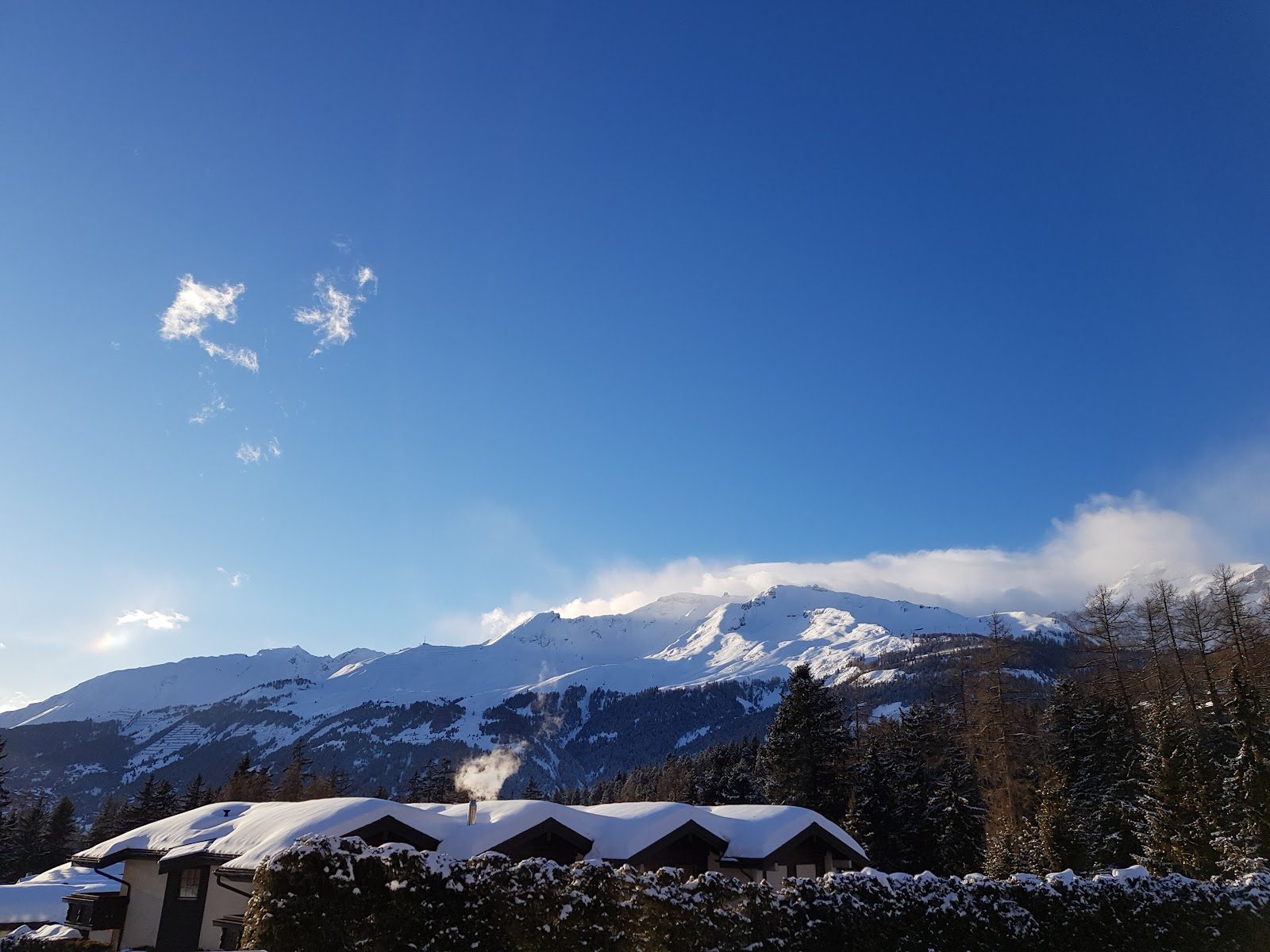
Le Régent International School
Crans-Montana · Switzerland
A purpose-built 2015 alpine campus at 1,500m pairing British and IB curricula with daily ski-in, ski-out outdoor education.

Collège Champittet
Pully · Switzerland
A Dominican-founded lakeside campus above Lake Geneva, where boarders choose between IB, French Bac and Swiss Maturite tracks.
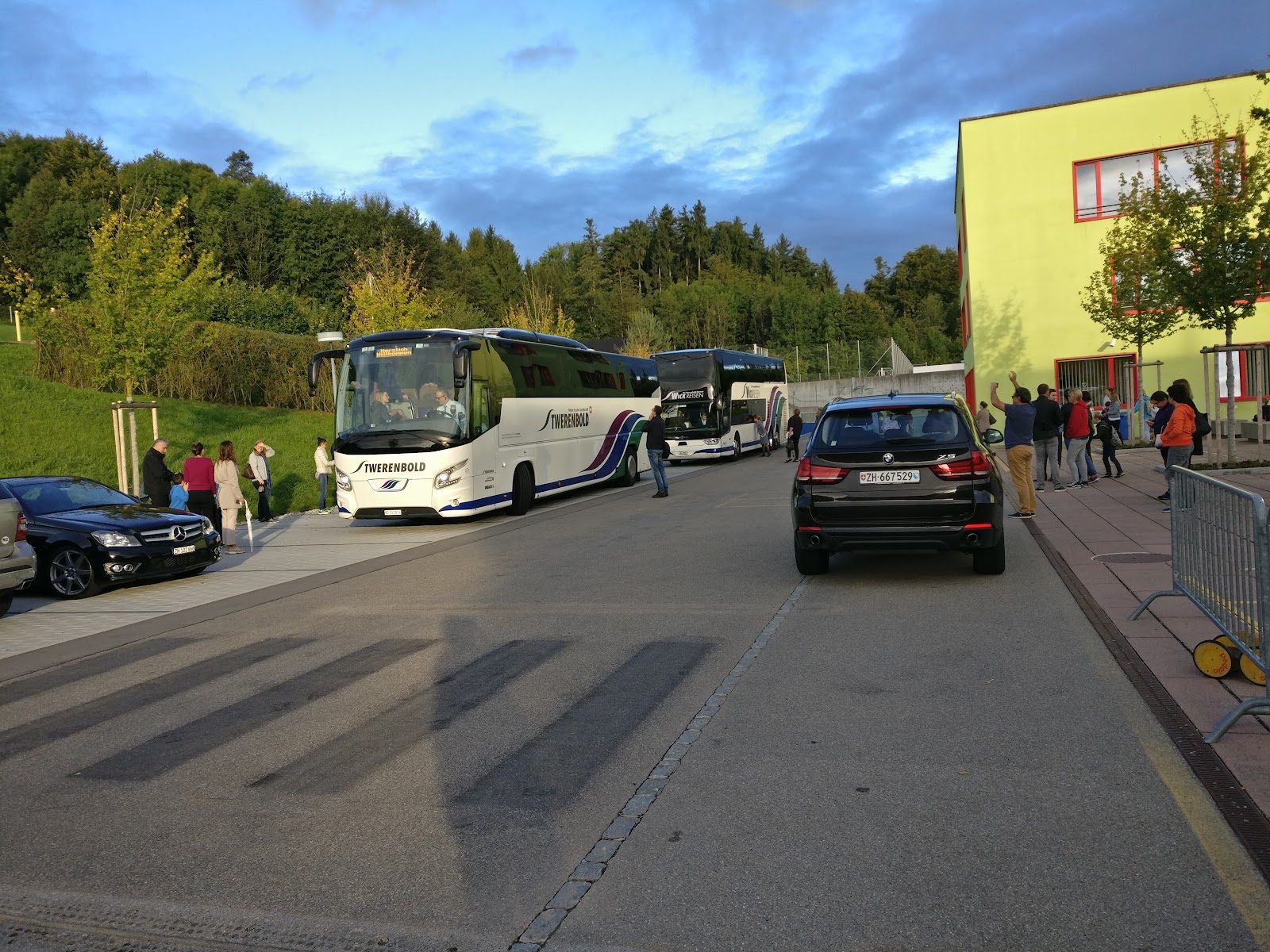
Zurich International School
Zurich · Switzerland
On Lake Zurich's shore, a 1963-founded day school pairs American diplomas and the IB with a bilingual German-English track from age three.
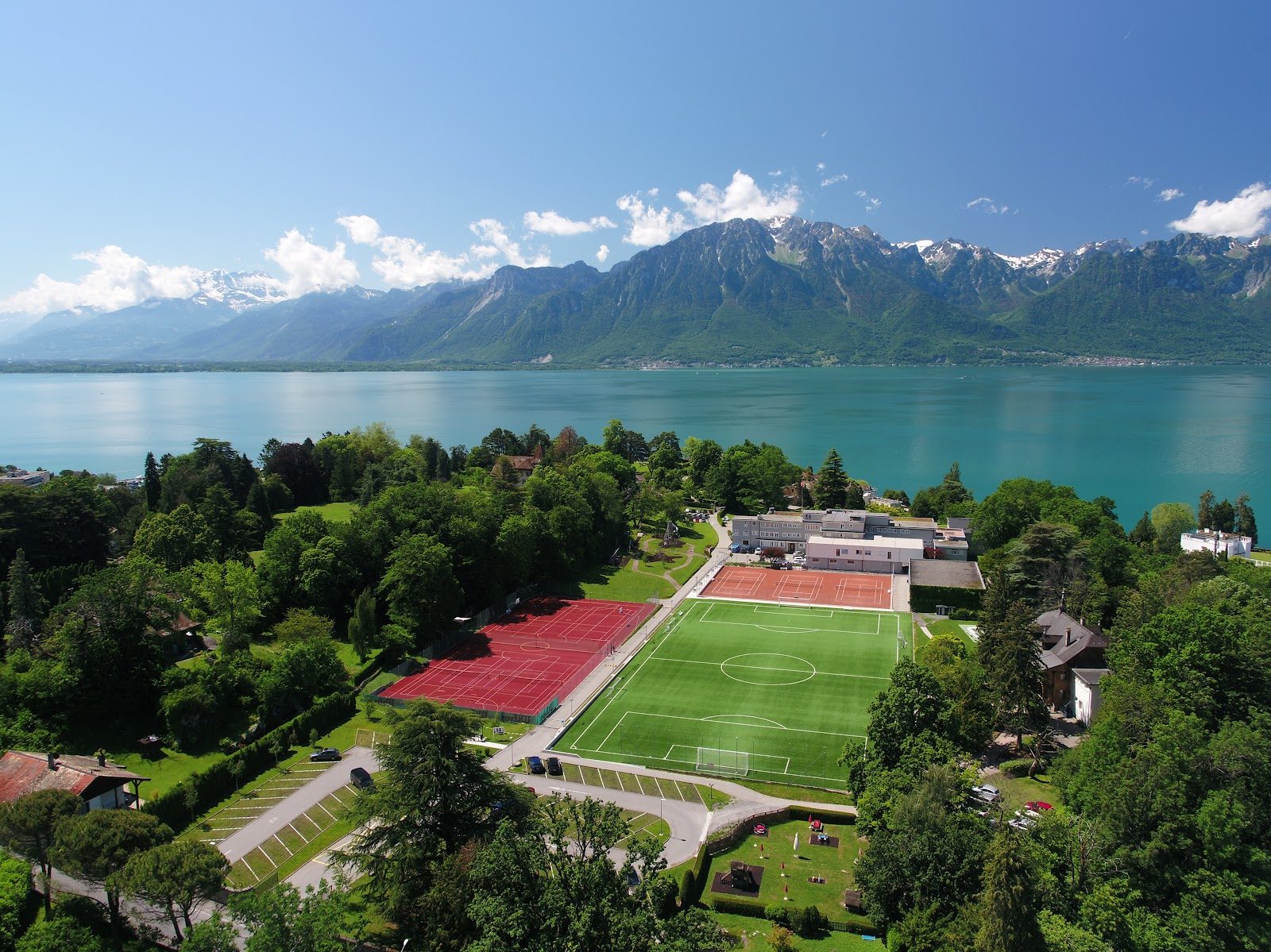
St George's International School (Montreux)
Montreux · Switzerland
Founded in 1927 by two Oxford graduates on the shores of Lake Geneva, pairing British rigor with IB ambition.
Same country and curriculum — closest matches within ±10 points either way