
Europe
Putney High School
Modern scholarship for girls with a Tideway boathouse
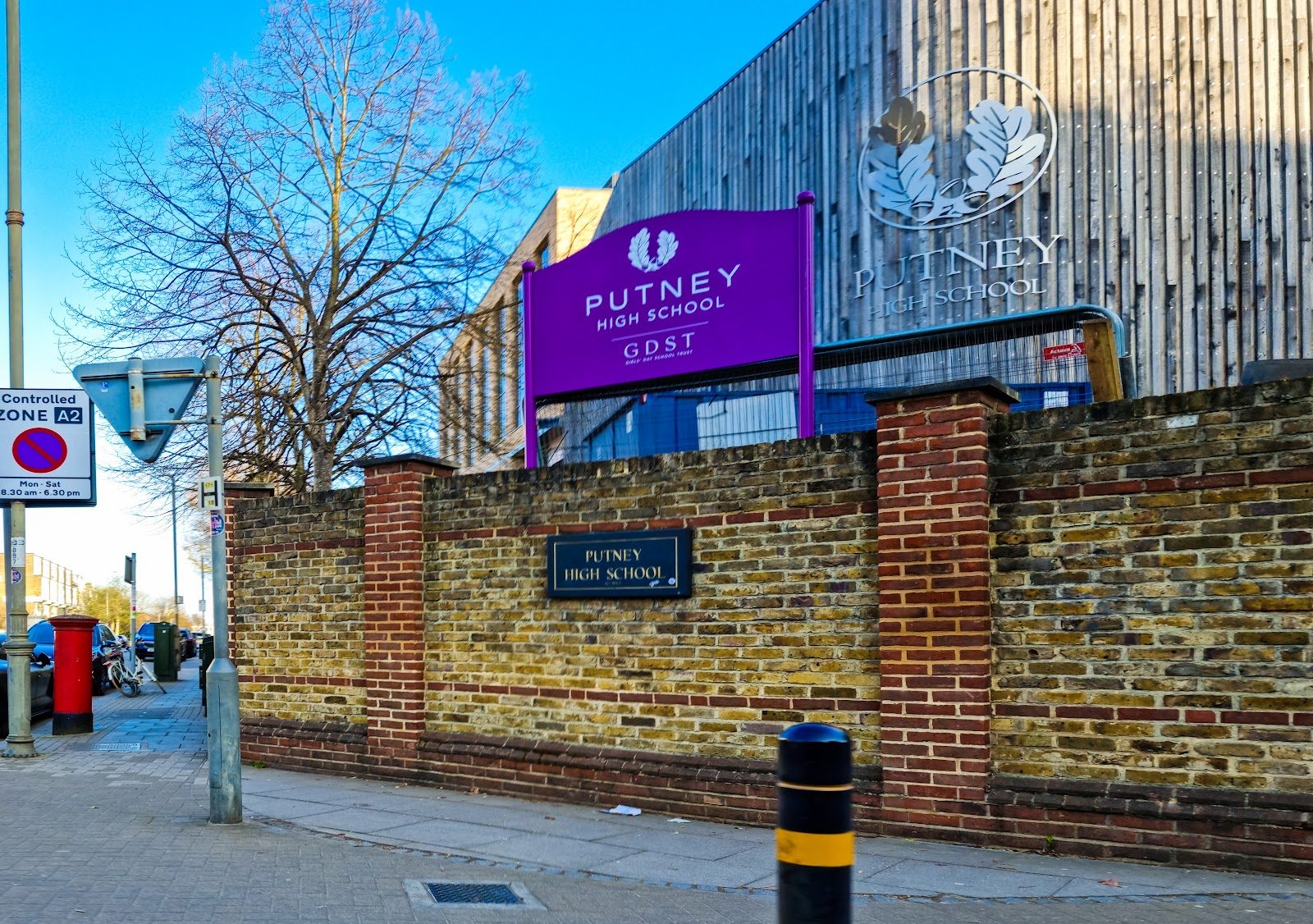
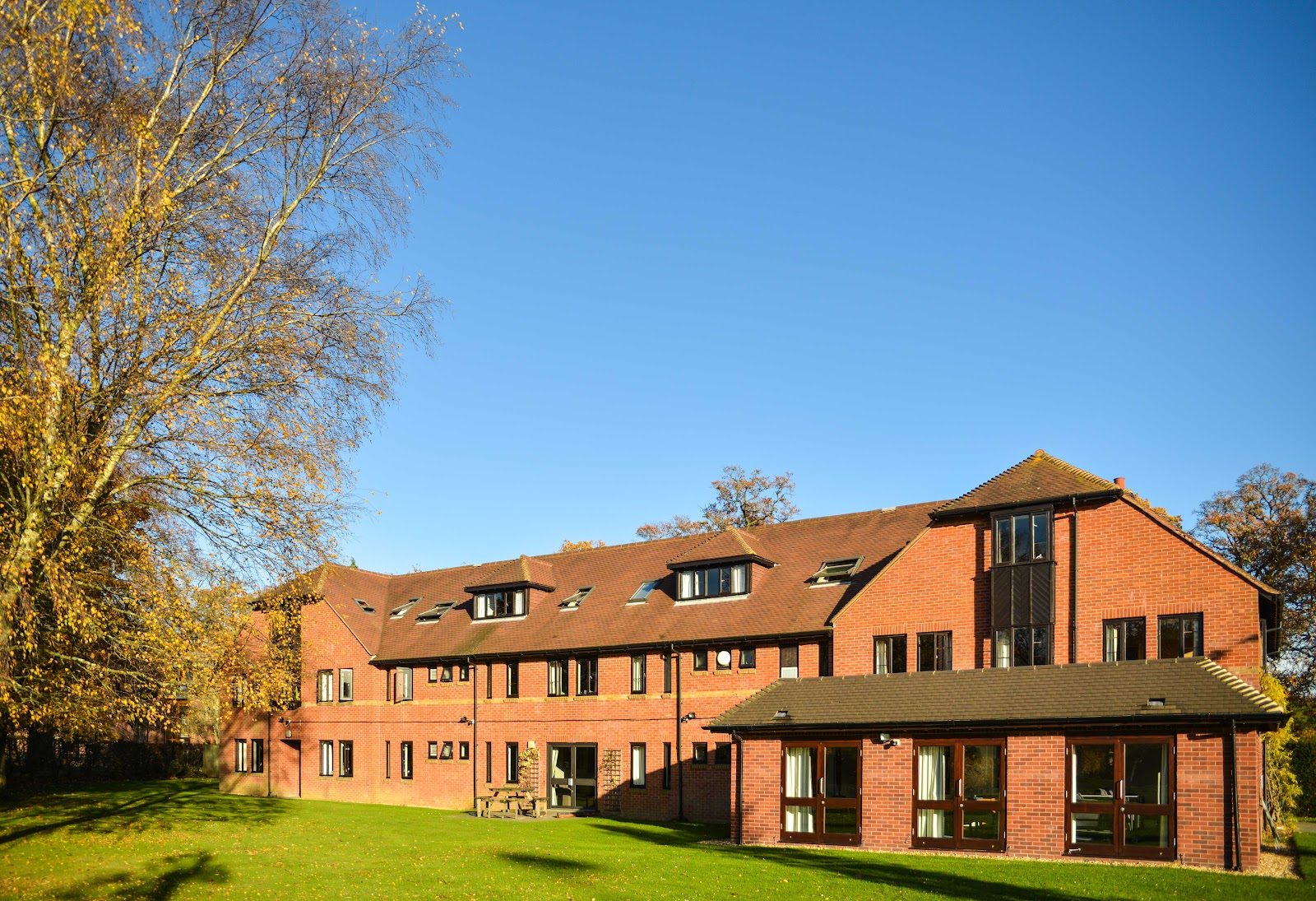
Photo © K S via Google Maps
Type
Day
Ages
4–18
Curriculum
British
Ratio
—
The Verdict
Editor's commitment
Right for
Girls aged 4–18 who want a London day school with British academics, a Tideway boathouse and serious co-curricular range.
Wrong for
Families wanting boys, boarding, religious formation or a conventional academic script; Putney, founded in 1893, pushes its own 'Modern Scholarship' line.
Watch out for
At £28,713 average annual day fees, this is expensive, and the school's glossy language can obscure the harder evidence parents need.
Ranking breakdown
Putney High School · #413 of 1591
Composite score 71.5. 8 weighted criteria.
By criterion
Academic Outcomes
Weight 20%
#182
of 1529 scored
University Placement
Weight 16%
#305
of 1529 scored
Prestige & Heritage
Weight 12%
#1018
of 1529 scored
Alumni Network
Weight 12%
#1066
of 1529 scored
Facilities
Weight 12%
#676
of 1529 scored
Transparency & Communications
Weight 8%
#4
of 1529 scored
Peer & Industry Review
Weight 10%
#523
of 1529 scored
Admissions Selectivity & Demand
Weight 8%
#334
of 1529 scored
Peer & Industry Review
How Putney High School is regarded in the sector
Insufficient peer signal
We couldn't find enough independent third-party evidence to score this school's peer & industry standing with confidence. It doesn't mean the school isn't well regarded — only that public reputation sources we trust don't yet cover it. This axis is left blank for now and the composite score is median-imputed from the other six categories.
Editors' overview
Putney High School makes its case through substance, not heritage pageantry. This is a London day school for girls aged 4 to 18, founded in 1893, and it leans hard into an explicitly modern academic identity rather than a sepia-tinted one. The school’s own term, “Modern Scholarship”, is more than branding: it points to a British curriculum taught with a strong bias towards research, critical thinking and contemporary application. That matters in a crowded London market where many schools still trade on tradition first and intellectual method second. Putney’s distinctive edge sits in the overlap between serious academics and a deliberately current co-curricular offer: design thinking, app development, rapid prototyping, creative technologies and environmental programmes sit alongside the expected music, drama and sport.
The other point of difference is breadth without obvious dilution. Putney talks credibly about creativity beyond the arts, and the references are concrete: a Rapid Prototyping Studio, a Faculty for Creative and Visual Arts and Technologies, and rowing from its own boathouse on the Tideway. That last detail gives the school real London character; this is not a generic urban independent with a rented sports field somewhere beyond the ring road. The wellbeing pitch is also more specific than most. The school links its pastoral thinking to research on biophilia, cites work adopted beyond the school, and runs programmes such as Junior Forest School and Breathe. Parents still need published outcome data to judge the full academic picture, and the school does not disclose aggregate public exam results in the material here, but the educational proposition itself is coherent, intellectually ambitious and unusually well joined up.
In market terms, Putney sits in the expensive tier of London girls’ day schools, with an average annual fee of £28,713 across the full 4–18 ladder. That buys a non-religious English-medium education with a strong academic centre, a conspicuously modern tone and co-curricular life that extends well beyond polish and performance. It belongs on a shortlist for parents who want a girls’ school that treats scholarship as active work rather than passive attainment, and who want that delivered in a day-school format rather than a cloistered or old-fashioned one. The pupil who will want Putney is bright, energetic and ready for a fast-moving, idea-rich environment: a girl who likes academic stretch, wants access to rowing and creative tech as well as the classroom staples, and does not need schooling wrapped in nostalgia. For families after a softer, more traditional, less visibly high-drive culture, there are other London schools that fit better. Putney is for girls who want to get on with things.
Academic Performance
Putney makes big academic claims in public, but the hard proof is thinner than it needs to be. The school says it is “consistently ranked among the top performing schools in the UK” and points to destinations including Oxbridge, UCL, Imperial, Ivy League universities, medical schools and leading arts conservatoires. That places it in the high-expectation bracket of London girls’ independents, not the merely respectable middle. The problem is disclosure. We have not seen aggregate GCSE or sixth-form exam data, no subject-level breakdowns, and no published trend line across cohorts. For a school that sells an intellectually serious identity so forcefully, that omission matters. Parents can infer strong attainment from the confidence of the academic pitch and the calibre of university destinations cited, but inference is not the same as evidence.
Relative to peers, Putney fits the group of academically ambitious London day schools where selective intake, strong teaching and heavy enrichment all feed into exam performance. Its public case rests less on raw score tables and more on intellectual method, stretch and destination quality. That will suit families who distrust schools built around league-table chest-beating. It will frustrate parents who want clean, published results before making a decision. The verdict is straightforward: this is a school with the profile of a top-tier academic operator, but one that does not publish enough exam data to let outsiders verify the full picture.
Facilities
Putney’s facilities track its academic identity rather than functioning as a glossy afterthought. The most distinctive assets are the school’s own boathouse on the Tideway, the Rapid Prototyping Studio, and the Faculty for Creative and Visual Arts and Technologies. That mix matters. Plenty of London girls’ day schools offer strong music, drama and sport; fewer tie creative work so directly to product design, app development and technological entrepreneurship. The biophilia work, Junior Forest School and Breathe programme also point to a campus planned with wellbeing and environment in mind, not bolted on for prospectus effect. In the junior school, year groups of about 48 indicate space that can stay usable and personal rather than overrun. This is a purposeful, forward-facing set-up with facilities built for making, testing, performing and rowing, not just for being shown on tours.
Against peers, the rowing provision gives Putney a genuine edge. A London school with direct access to its own Tideway base has a more serious sporting proposition than schools relying on hired water time or distant arrangements. The prototyping and design infrastructure also place it ahead of more conventionally academic rivals whose facilities still centre on labs, halls and art rooms without much interdisciplinary ambition. What Putney does not advertise is the sort of sprawling acreage, grand theatre complex or boarding-scale sports estate that some day schools use to impress. That is the trade-off. Parents get high-functioning specialist provision in a city footprint, not a country-house campus. For the target family, that is the right bargain.
Putney High School makes its case through substance, not heritage pageantry
Prestige
Putney carries serious London prestige, but not the crested, museum-piece kind. Its status rests on a tougher combination: selective girls’ education, strong academic expectations, membership of the GDST, and a public identity built around ideas rather than polish. That matters. In a crowded field of capital-city independents, schools with real standing do not need to inflate themselves with faux grandeur; they can point to concrete institutional assets and intellectual confidence. Putney does that through a modern academic pitch, a visible commitment to creative and technological work, and a co-curricular range that includes its own Tideway boathouse. The structure also matters: with around 48 pupils in each junior year and an intake of about 110 per senior year, it has enough scale to offer depth without becoming anonymous. This is high-functioning, high-status schooling for families who want substance over old-school theatre.
Why rate it highly rather than at the absolute summit? Because prestige has tiers, and the top tier demands complete public proof as well as confidence. Putney has the destination talk, the alumnae profile, the selective reputation and the institutional backing of a major girls’ schools group with 26 schools. What it lacks is full published academic transparency. That omission stops it from claiming unassailable prestige on evidence alone. The result is a school with real cachet, strong name recognition among informed London parents, and a reputation that carries weight in admissions and university-facing circles, but with a public case that still needs harder data behind it.
Because prestige has tiers, and the top tier demands complete public proof as well as confidence
Communications
Putney’s parent communication has the same tone as its educational pitch: confident, idea-led and tightly branded. The public-facing site is clear about what the school wants families to understand first — academic method, wellbeing, creative technology, enrichment and girls’ confidence — and it backs that with concrete examples rather than vague claims. Navigation is straightforward, key entry points such as applying and visiting are prominent, and the split between junior, senior and sixth form is easy to follow. The presence of parent-platform links such as Firefly, SOCS and Sports also signals a school with the standard digital machinery in place for day-to-day information flow. For current parents, that matters more than slogan work. A busy girls’ day school needs efficient timetabling, sports information, event notices and routine operational updates, and Putney has the infrastructure for that.
Where communication is less persuasive is in academic disclosure. The school communicates vision very well; it communicates results less well. There is plenty of language about intellectual ambition, research-informed teaching and strong university destinations, but no aggregate public exam data in the public domain to match the strength of that case. That gap is not minor. At an average annual fee of £28,713, parents are entitled to hard evidence as well as polished philosophy. So the verdict is mixed but clear: Putney is *strong on message, strong on systems, weaker on proof*. Families who value tone, organisation and institutional clarity will find a lot to like; families who want transparent academic reporting will push harder in admissions meetings.
Uniqueness
What sets Putney apart is not heritage, selectivity or the standard independent-school promise of “all-round” education. It is the school’s decision to treat scholarship as active, contemporary work. That runs through the offer in a way many rivals never achieve. Creative thinking is not confined to the art block; it extends into app development, product design, publications and a named design-thinking strand. The school has built spaces and programmes around that idea, including a Rapid Prototyping Studio and a Faculty for Creative and Visual Arts and Technologies. That gives girls a more useful education than the usual high-performing formula of lessons, clubs and polished university outcomes. They learn to test ideas, make things, communicate them and refine them. For able pupils who dislike stale academic orthodoxy, that is a genuine differentiator.
The other distinctive thread is the way Putney joins this intellectual modernity to pastoral and physical life without lapsing into soft focus. Its work on biophilia, the Junior Forest School, the Breathe environmental programme and rowing from its own Tideway boathouse form a coherent picture rather than a bag of extras. The structure of the school also helps: junior years of about 48 pupils and senior classes around 25–27 keep teaching personal enough for individual confidence to grow without the atmosphere turning cloistered. The result is a school that produces girls who are mentally agile, outward-facing and comfortable with challenge. That combination of academic seriousness, creative technology and river-based sport is rare in London, and it gives Putney a clearer identity than many better-known competitors.
That omission stops it from claiming unassailable prestige on evidence alone
Student Profile
The girl who fits Putney is bright, self-propelled and happy in a school that treats ideas as things to test, build and argue about. This is not the place for a child who wants to coast on tidy compliance or sit quietly inside a narrow definition of academic success. Putney suits pupils with intellectual appetite, creative range and enough confidence to use the opportunities in front of them, whether that means debating, coding, performing, designing or getting on the water. The structure helps: junior year groups of about 48 keep things personal early on, while senior classes of around 25–27 still leave room for individual attention without producing a cloistered atmosphere. Girls who enjoy challenge, move easily between disciplines and do not need constant hand-holding will do well here.
Temperament matters as much as ability. Putney is a high-drive environment with a modern-minded culture and a clear expectation that pupils take ownership of their work. It will suit girls who like being stretched, who respond to ambitious peers by raising their game, and who want a school life with real breadth rather than a straight line from lesson to exam. The pastoral message is strong, but this does not read as a soft school or a refuge for the timid. A shy girl can flourish here if she has curiosity and resilience; a pupil who resists pace, initiative or intellectual risk will find the culture harder going. Putney fits the energetic all-rounder and the focused academic alike, provided she wants to get involved rather than hang back.
The other distinctive thread is the way Putney joins this intellectual modernity to pastoral and physical life without lapsing into soft focus
Co-curricular strengths
Arts & sport, on a separate axis
Overall 9.04/10
Scored 0-10 from the school's own published evidence. This axis is editorial-only — it does not feed the main WTS ranking.
Sports
9.5/10
National titles in lacrosse, netball, gymnastics, handball, tennis, cross-country and athletics, a dedicated Elite Athlete Programme, major rowing provision and a recent world champion in rowing.
Drama
8.9/10
Serious production infrastructure, LAMDA, technical training, festivals and progression into leading drama schools.
Dance
8.4/10
Clearly strong, with dedicated shows and curricular and co-curricular opportunities, but without the specialist pipeline needed to join FHS Sloane Square at 9+.
Music
9.4/10
350+ instrumental and vocal lessons weekly, 35+ visiting specialists, pupils in junior conservatoires and nationally auditioned choirs and orchestras, substantial touring, and leavers to the Royal Academy of Music and Oxbridge music.
Visual Arts
9/10
Specialist studios and technology backed by unusually strong destinations including Central Saint Martins, Camberwell and Ravensbourne.
Editor-verified · 8/27/2026
Gallery
Photo © Putney High School via Google Maps
Photo © Putney High School via Google Maps
Photo © Putney High School via Google Maps
Photo © Putney High School via Google Maps
Photo © Elżbieta Gabrych via Google Maps
Parent reviews
Have you sent your child here?
Voice reviews carry the strongest trust badge — we transcribe them for you to tidy up before they go live. Prefer to type? A written review is fine too.
Add your voice
In 60 seconds, tell other parents: what's the best thing about Putney High School, and what surprised you when your child joined?
We ask for a Google sign-in so every review has a real face behind it — no anonymous drive-by attacks on schools, and no faked positive reviews. Your email is never shown publicly.
Send this profile to a friend
International parents rely on word-of-mouth. Share this review with someone weighing the same decision.
Schools with places
Similar schools to Putney High School with places available now.
Availability first, then country, area, curriculum, price, co-curricular
Consider also
Also worth looking at alongside Putney High School.
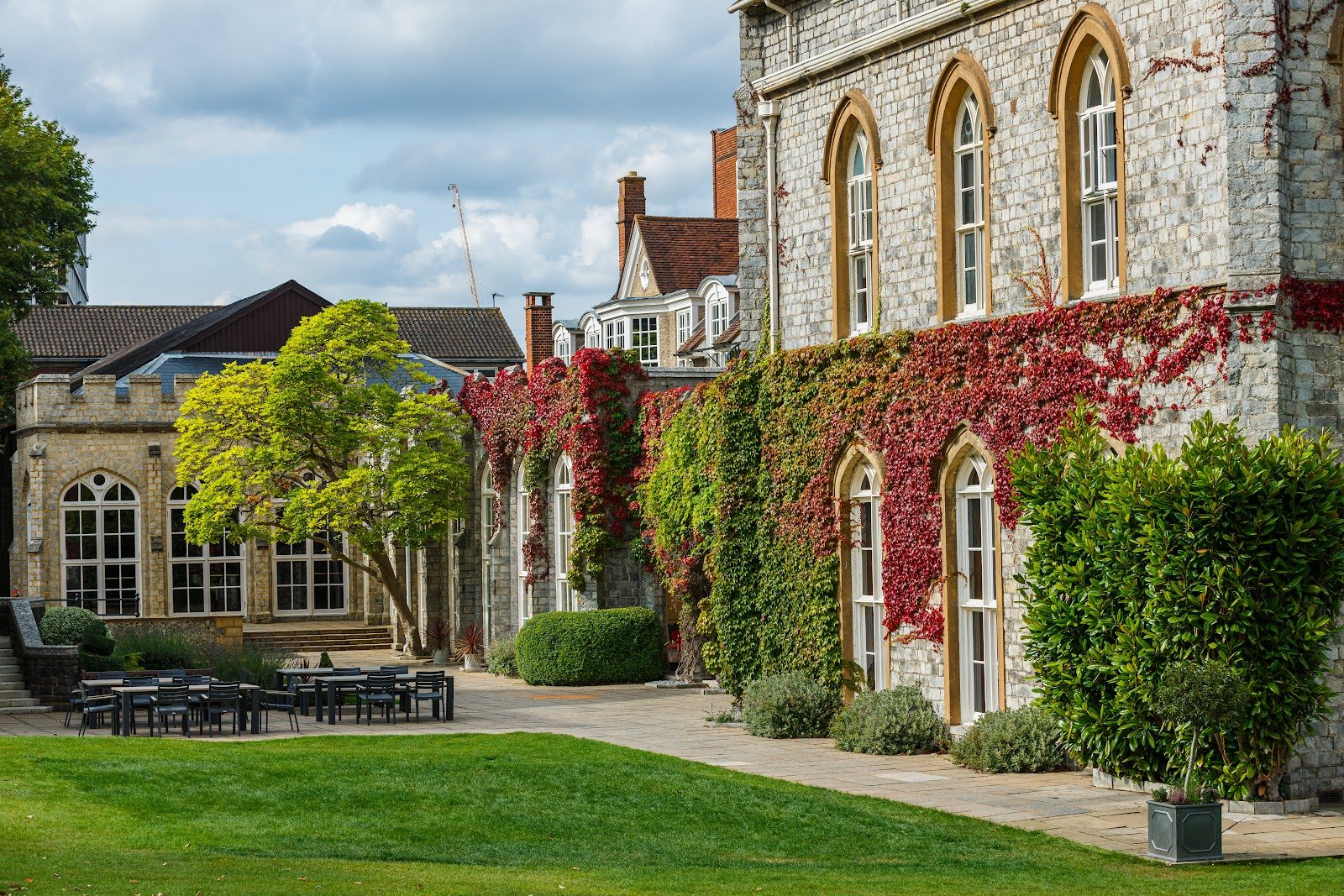
Wycombe Abbey
High Wycombe · United Kingdom
A Victorian pioneer's 1896 foundation, this Chiltern hills estate blends mixed-age boarding houses with one-in-five Oxbridge offers.
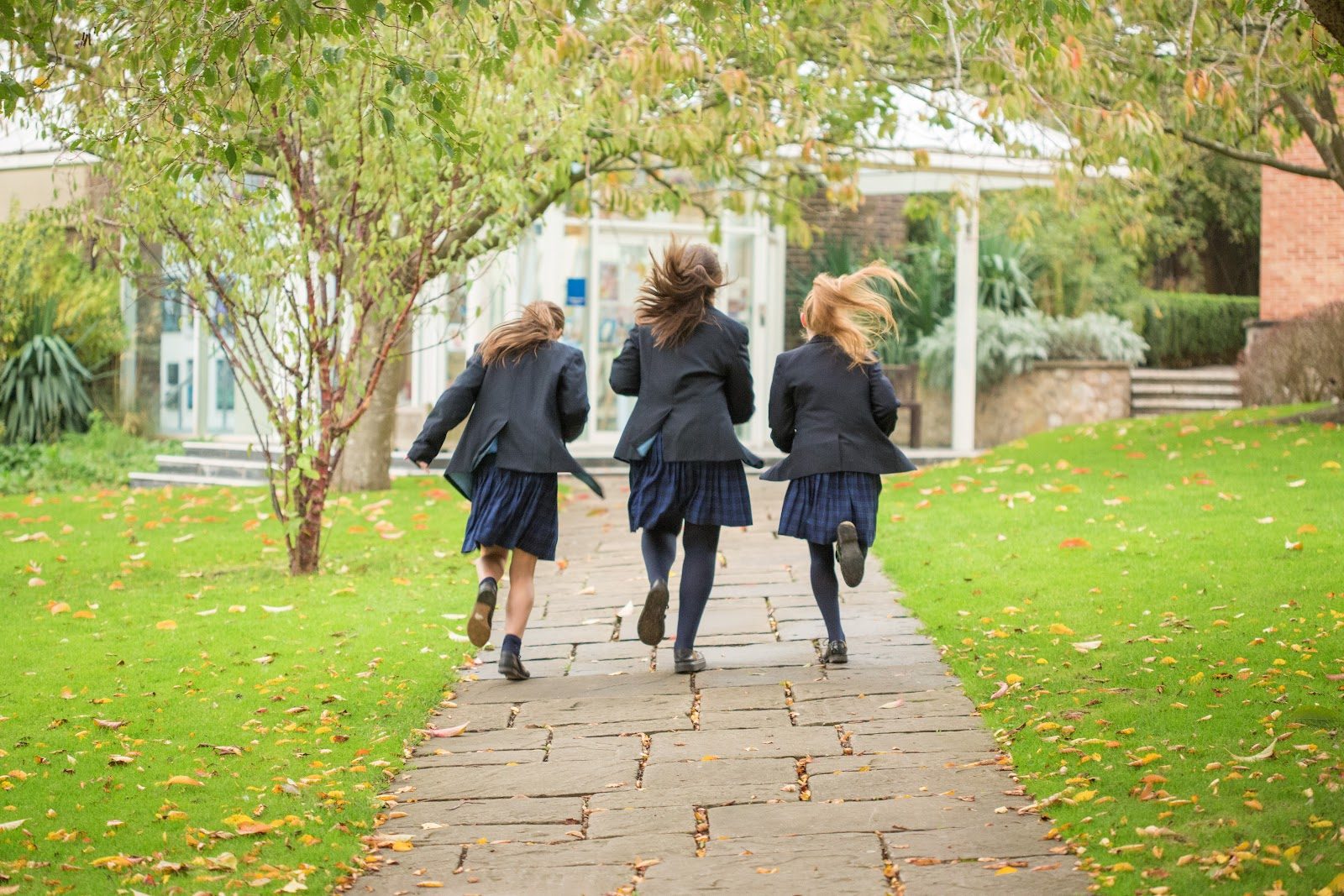
Badminton School
Bristol · United Kingdom
On a Bristol campus where girls have played cricket since 1858, science labs for women followed decades ahead of the curve
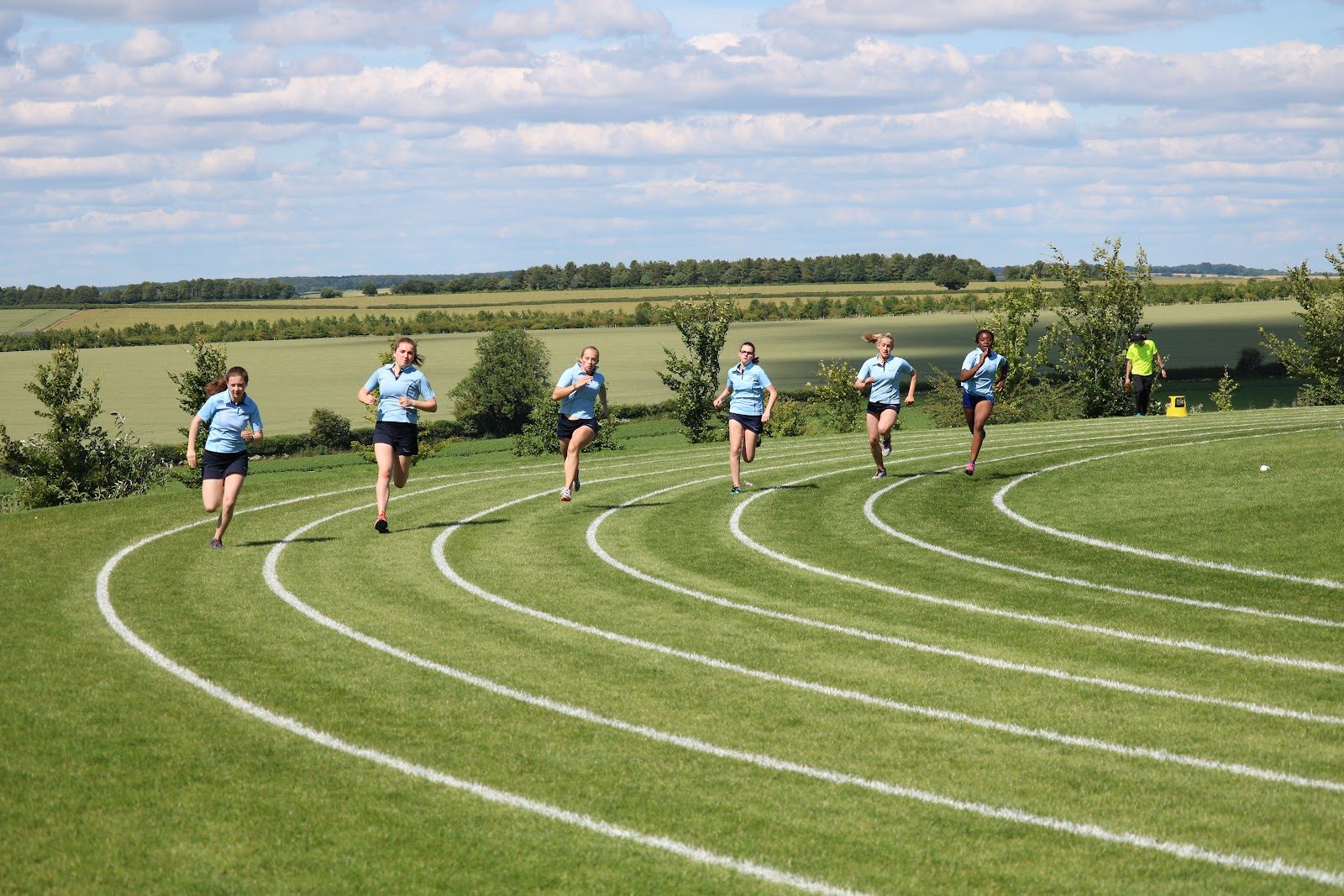
St Swithun's School
Winchester · United Kingdom
Perched above Winchester's chalk downs, this girls' school pairs cathedral choir tradition with a serious grounding in the sciences.
Canford School
Wimborne Minster · United Kingdom
A Sir Charles Barry-designed Grade I manor on the River Stour, home to one of England's last two working real tennis courts.
Same country and curriculum — closest matches within ±10 points either way