
California
Every freshman is assigned a horse to feed, saddle and ride daily in the foothills above Ojai
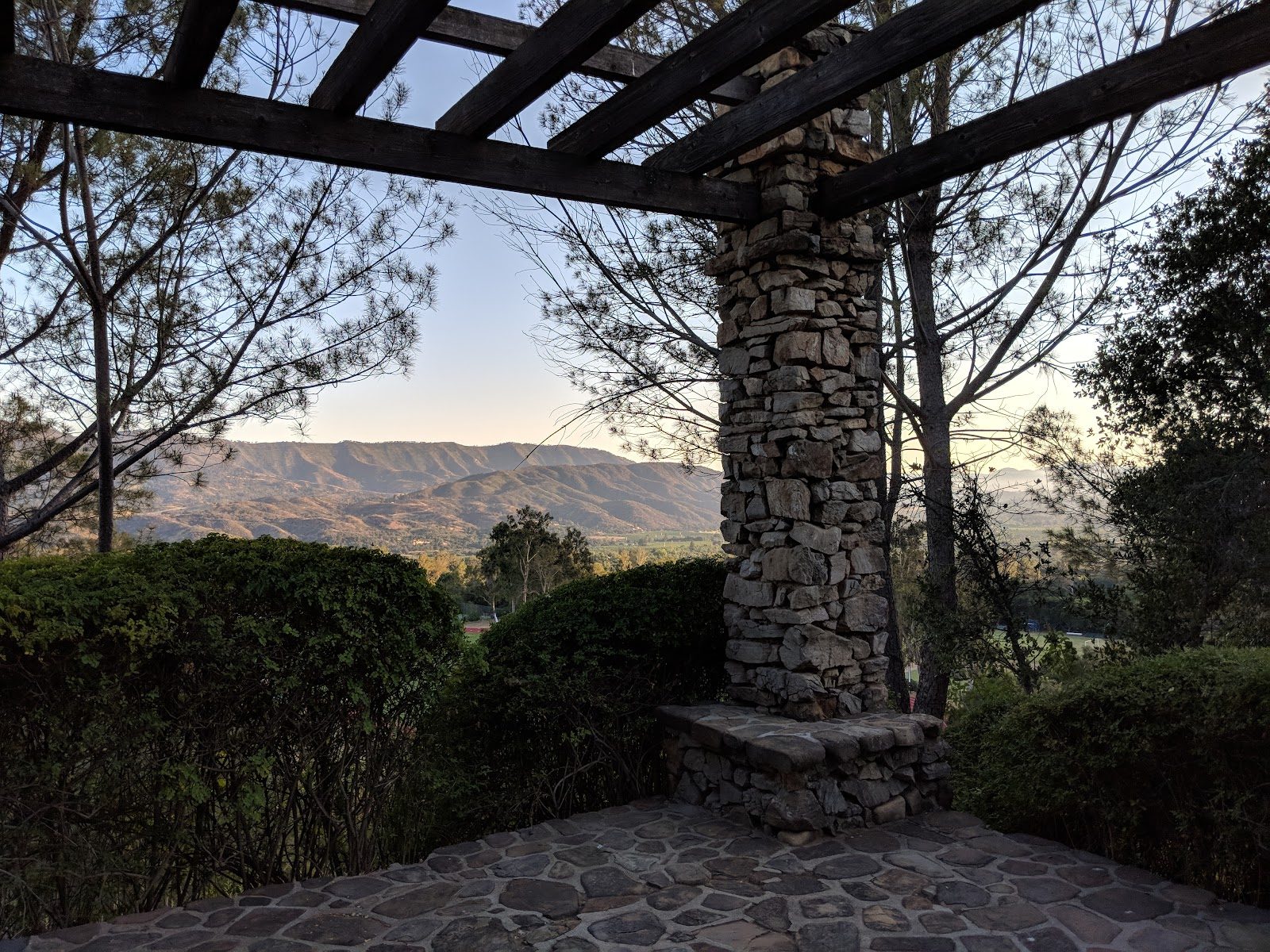
Photo © Jake Mackey via Google Maps
Type
Both
Ages
14–18
Curriculum
American
Qualifications
AP
Ratio
—
The Verdict
Editor's commitment
Right for
Teenagers aged 14–18 who want American academics with daily horsemanship, serious outdoor programmes and NEASC-accredited boarding in Ojai.
Wrong for
Families chasing a conventional prep-to-Ivy conveyor belt; recent destinations list Amherst, Barnard and Bates, not brute-force volume.
Watch out for
Boarding averages $84,000 and day tuition $68,050; every freshman gets a horse, so this is a distinct culture, not a garnish.
Ranking breakdown
The Thacher School · #89 of 1591
Composite score 78.1. 8 weighted criteria.
By criterion
Academic Outcomes
Weight 20%
#208
of 1529 scored
University Placement
Weight 16%
#219
of 1529 scored
Prestige & Heritage
Weight 12%
#88
of 1571 scored
Alumni Network
Weight 12%
#62
of 1530 scored
Facilities
Weight 12%
#37
of 1534 scored
Transparency & Communications
Weight 8%
#153
of 1532 scored
Peer & Industry Review
Weight 10%
#205
of 1548 scored
Admissions Selectivity & Demand
Weight 8%
#247
of 1529 scored
Score history
The Thacher School · 2026
Movement across 2024–2026. Peer average overlaid.
Overall — 2024–2026
78.1/ 100
▲ +31.9 vs 2025
year on year
Peer & Industry Review
How The Thacher School is regarded in the sector
88
Strong · high confidence
The Thacher School is consistently regarded as one of the top elite boarding schools in the United States, frequently mentioned alongside Groton, St. Paul's, and Cate School in rankings by Niche.com and Boarding School Review, and is known for its distinctive horsemanship program that sets it apart in specialist education press. Its alumni network includes notable figures in business, politics, and the arts, and the school is a perennial reference point in discussions of top West Coast boarding schools, though it maintains a lower international/expat profile compared to East Coast peers like Exeter or Andover.
Evidence sources
Editors' overview
Every freshman gets a horse. That single fact tells you more about The Thacher School than a page of mission prose. This is a boarding school in Ojai that uses work, risk and daily responsibility as part of its education, not as decorative extras. Founded in 1889, Thacher is old by western US standards and still runs on traditions that many schools have long since filed down. The result is deliberately demanding. Teenagers here do not just take an American curriculum in classrooms; they ride, spend serious time outdoors, and move through a school culture built around an Honor Code, dorm life, wilderness programmes and a Ninth-Grade Foundations programme. Parents looking for a polished, urban college-prep conveyor belt should look elsewhere.
That distinctiveness is the reason to shortlist it. Plenty of US boarding schools promise character; Thacher has a structure that enforces it. The horse programme is not a mascot. Outdoor education is not a once-a-year trip. The school runs rock climbing, extra-day trips, the Golden Trout Wilderness School and the Range of Light Wilderness Immersion Program, alongside astronomy, an observatory, senior exhibitions and a visible emphasis on advising and student leadership. This is a non-religious school, accredited by NEASC and NAIS, and it charges at the top end of the market: an average $84,000 a year for boarders and $68,050 for day pupils. That price buys a highly specific education, not a generic luxury package.
Academically, the picture is strong but not showy. The school discloses recent destinations including Amherst College, Barnard College and Bates College, which fits the profile: selective liberal-arts outcomes rather than a crude trophy list. The alumni record has real depth, with 36 notable alumni catalogued in Wikidata across business, science, writing and the arts, including 3 top-tier drama award winners and 1 music laureate. What Thacher does not offer is mass-market certainty. A teenager who wants constant hand-holding, narrow grade-chasing or conventional suburban comforts will find it hard-edged. A student who thrives on independence, physical challenge, close community and the idea that school life should test judgment as much as intellect will find it formative and rare.
Academic Performance
Thacher does not publish the exam data that would let parents benchmark it cleanly against top US boarding-school peers. No SAT or ACT averages are in the public domain here; no AP aggregate is published; no IB data exists because the school follows an American programme. That makes hard comparison harder than it needs to be. What parents get instead is an indirect picture: a college-preparatory school with senior exhibitions, a visible course catalogue, academic support, college counselling and destinations that land in the selective liberal-arts bracket. In plain terms, this is not a school built around score-flashing or league-table theatre.
Relative to peers, that places Thacher in an interesting category. It sits with the high-expectation US boarding schools whose reputations rest on institutional quality, culture and post-school outcomes more than on published testing dashboards. The small student body helps here: with about 250 pupils and a boarding population of 225, the academic environment is intimate and accountability is hard to dodge. The presence of astronomy, an observatory and independent-style culminating work points to intellectual ambition beyond standard course delivery. Still, parents who want forensic evidence of external examination performance will find the public picture opaque. Parents who trust selective college destinations and a long-standing reputation for demanding education will read the same picture as confident rather than performative.
Facilities
The facilities that matter at Thacher are the ones tied directly to its method. The most distinctive asset is the horse programme: a herd of 120 gives the school infrastructure that almost no peer can match, because this is not a token equestrian add-on for a small riding set but a daily operating system for younger pupils. The outdoor side is equally serious. With 62 trips on offer, plus named wilderness and immersion programmes, Thacher has more field-based capacity than the standard US boarding school whose “outdoor education” amounts to a periodic excursion. Add the observatory, rock climbing, athletics, visual and performing arts, and senior exhibition culture, and the campus reads as *purpose-built for strain, responsibility and range rather than soft-focus enrichment*.
Against peer schools, that creates a trade-off. Families looking for a metropolitan arsenal of specialist centres, glossy labs marketed as innovation hubs, or the sheer breadth that comes with a much larger enrolment will find Thacher less expansive in the conventional luxury sense. What it offers instead is far more coherent. The barns, trails, outdoor programme and observatory are not peripheral amenities; they sit close to the centre of school life. The result is a plant that feels hard-used rather than ornamental. For the right student, that is stronger than marble foyers and generic performing-arts polish. For the wrong one, it will feel austere.
That single fact tells you more about The Thacher School than a page of mission prose
Prestige
Thacher carries real American boarding-school prestige, but of a distinct kind. This is not the status game of a glossy East Coast institution trading on mass-name recognition and a barrage of published metrics. Its standing rests on scarcity, internal culture and the strength of its network. A school of about 250 pupils, with a student body drawn from 21 states and 12 countries, has reach well beyond a local market. The alumni record adds weight: the verified footprint includes figures in science, finance, journalism and the performing arts, with top-tier award winners in the arts. That breadth matters. It points to a school that has produced people of consequence across fields, not just a narrow run of college admissions trophies.
The rating stays below the absolute top prestige tier for one clear reason: public academic data is thin. Families can see selective college destinations and a long institutional reputation, but they cannot inspect the kind of exam statistics that make elite-school claims easy to test. That matters in a market where the strongest names publish hard outcomes. Even so, Thacher has a powerful identity that many competitors lack. The horse programme, the outdoor culture, the honour-based community and the refusal to sand down difficulty give it serious cachet among families who value character under pressure as much as academic polish. In prestige terms, this is high-status but specialised: admired, selective, and not designed to please everyone.
Thacher does not publish the exam data that would let parents benchmark it cleanly against top US boarding-school peers
Communications
Thacher communicates with parents in a way that matches the school itself: self-possessed, selective and more interested in substance than sales patter. The public-facing structure is clear. Parents can find a working calendar, news, a magazine, leadership pages, a strategic-planning section, a DEI progress dashboard, college-matriculation information, financial-aid pages, safety and wellbeing pages, and direct routes into admissions events, visits and contact with staff. That breadth matters. It tells parents where to go for practical answers and signals that the school is willing to publish more than mood-board photography. The site also gives concrete institutional markers — from the scale of the boarding population to the herd and the count of outdoor trips — which is a stronger communications habit than vague talk about “whole-child” education. For a school with a highly distinctive model, that clarity is essential, and Thacher gets that part right.
Where the communication weakens is in hard academic disclosure. Parents can locate college counselling and matriculation pages, but they do not get the testing data that many serious families use to benchmark selective US schools. That omission leaves an awkward gap between Thacher’s evident confidence in its ethos and its restraint on measurable outcomes. The tone also carries a dose of insider confidence: attractive for families already sold on the culture, less helpful for parents who want blunt evidence before paying an average $84,000 for boarding or $68,050 for day school. In short, communication is coherent and mature, but not fully transparent where scrutiny matters most.
Uniqueness
What separates Thacher from other American boarding schools is that responsibility is built into the day, not bolted on as enrichment. The horse programme changes the terms of school life. A new pupil does not just join clubs and settle into lessons; they take charge of a living animal and deal with the routine that follows. That matters because it strips away passivity. Teenagers learn that tiredness, weather, inconvenience and nerves do not cancel obligation. The same logic runs through the school’s outdoor culture, from climbing to wilderness programmes and the school’s own herd of 120 horses. This is not a decorative rustic theme. It is a discipline system in practical form, and it gives the place a rare moral seriousness.
For students, the gain is clear. They leave with more than academic preparation: they build judgement, stamina and a tolerance for discomfort that many expensive schools spend a lot of time talking about and very little time requiring. Thacher also benefits from being small enough that evasion is difficult and contribution is visible. The honour code, advising structure, dorm life and senior exhibition model all reinforce that pressure to participate rather than spectate. The downside is just as clear: this is not a forgiving environment for adolescents who want anonymity, convenience or a purely classroom-based adolescence. For the right student, though, it is transformative in a way that conventional college-prep schools are not.
The rating stays below the absolute top prestige tier for one clear reason: public academic data is thin
Student Profile
The student who fits Thacher wants more from school than classes, teams and college counselling. This place suits adolescents who can tolerate scrutiny, accept routine, and take responsibility without endless adult prompting. Freshmen are each assigned a horse; that single daily obligation filters for temperament fast. A pupil who resents mud, early starts, physical work or the fact that animals do not care about excuses will struggle. So will the teenager who wants a polished, convenience-first adolescence. Thacher attracts the opposite type: bright, self-propelling students with a taste for earned confidence, a workable level of grit, and enough humility to be corrected by teachers, peers and circumstance. The school’s honour code and advising culture reinforce that standard.
Socially, this is a strong fit for pupils who want an engaged boarding community rather than a semi-anonymous campus. With only about 250 students, habits show, effort shows, and attitude shows. The cohort includes boarders from 21 states and 12 countries, which gives the school reach beyond a local California set, but the dominant trait is not cosmopolitan polish. It is hard-use character. Students who thrive here tend to be intellectually serious without being theatrical about it, outdoorsy without needing to be elite athletes, and willing to join a culture that is demanding, close-quartered and not for the faint-hearted. Families seeking softness, heavy hand-holding or status display should cross it off.
For a school with a highly distinctive model, that clarity is essential, and Thacher gets that part right
Co-curricular strengths
Arts & sport, on a separate axis
Overall 8.44/10
Scored 0-10 from the school's own published evidence. This axis is editorial-only — it does not feed the main WTS ranking.
Sports
8.7/10
A gymnasium, tennis courts, track, three fields, fitness center, pool, and extensive equestrian facilities including barns, arenas, pastures and trail links, plus an Olympian alumna, which together evidence multiple dedicated facilities and notable pedigree.
Drama
8.5/10
Verified alumni include three star-tier drama laureates—Noah Wyle, Michael E. Knight, and James Newton Howard via a Primetime Emmy—while sources also name a performing arts center and Advanced Actors Studio, anchoring drama at at least 8.
Dance
8/10
Music
8.5/10
A verified Grammy-winning alumnus, James Newton Howard, anchors music at at least 7, and Wikipedia also notes Advanced Music Theory as part of the curriculum.
Visual Arts
8.5/10
Visual and performing arts, plus a performing arts center plus a two-year art requirement, which supports a clear arts programme but without stronger visual-arts-specific distinction.
Editor-verified · 8/7/2026
Outcomes & destinations
Where students go next
Class of 2026
Top destinations
57 placements
- Amherst College· 1
- Barnard College· 2
- Bates College· 1
- Boston College· 2
- Brown University· 1
- Carleton College· 2
- Chapman University· 1
- Colby College· 2
- Colorado College· 3
- Columbia University· 1
- Dartmouth College· 2
- Denison University· 1
- Hamilton College· 1
- Harvey Mudd College· 1
- Indiana University Bloomington· 1
- Kenyon College· 1
- Loyola Marymount University· 1
- McGill University· 1
- Middlebury College· 1
- Mount Saint Mary's University Los Angeles· 1
- New York University· 3
- Northeastern University· 1
- Northwestern University· 1
- Pitzer College· 1
- Rensselaer Polytechnic Institute· 1
- Santa Clara University· 1
- Skidmore College· 1
- Stanford University· 1
- The City College of New York· 1
- Trinity College· 1
- Tufts University· 1
- University of California - Berkeley· 3
- University of California - Santa Barbara· 1
- University of Chicago· 1
- University of Colorado Boulder· 1
- University of Pennsylvania - Wharton School· 1
- University of Southern California· 2
- University of Virginia· 1
- Vanderbilt University· 1
- Vassar College· 1
- Wake Forest University· 1
- Washington University in St. Louis· 2
- Wellesley College· 1
- Yale University· 1
Reported by the school. Confirm with admissions.
Notable alumni · Wikidata
36notable alumni
15 historic (born pre-1930) · 6 modern (born post-1970)wikidata:2026-07-28 How we source this

WTS 300 badge
2025/26 editionThe Thacher School is one of the World's Top 300 Schools for 2025/26. Claim your listing to add it to your site →
Strengths
- +Founded in 1889, Thacher is California's oldest co-educational boarding school and the oldest private boarding school west of the Mississippi River, having admitted girls since 1977.
- +Small class sizes average 11 students with a 6:1 student-to-teacher ratio, and 86 percent of faculty hold advanced degrees.
- +Every freshman is assigned and required to care for and ride a horse for a full year, a distinctive character-building tradition unique among American prep schools.
- +The school holds a $206 million endowment and reports that 31 percent of students receive financial aid, with the average award covering about 83 percent of boarding tuition.
- +Recent graduating classes have matriculated in numbers to selective colleges including USC, Dartmouth, Brown, Stanford, UPenn, Columbia and the University of Chicago.
Considerations
- −Admission is highly selective, with a reported acceptance rate of roughly 12-16 percent in recent years, among the lowest of any US boarding school.
- −Boarding tuition runs in the range of roughly $74,000-$84,000 a year, a significant cost even before travel and incidental expenses.
- −The campus sits in a rural valley about 85 miles north of Los Angeles, meaning limited access to a major city and reliance on the school's own remote setting.
- −The school has faced recent litigation, including a lawsuit reported in 2024 tied to sexual misconduct allegations, a matter prospective families may want to research directly.
Availability
Primary entry gate & tests
SSAT/ISEE + Interview
Gallery
Photo © Jake Mackey via Google Maps
Photo © Jake Mackey via Google Maps
Photo © The Thacher School via Google Maps
Photo © Jake Mackey via Google Maps
Photo © Robert Bremmer via Google Maps
Photo © The Thacher School via Google Maps
Photo © The Thacher School via Google Maps
Photo © The Thacher School via Google Maps
Photo © Qiu Yang Chen via Google Maps
Parent reviews
Have you sent your child here?
Voice reviews carry the strongest trust badge — we transcribe them for you to tidy up before they go live. Prefer to type? A written review is fine too.
Add your voice
In 60 seconds, tell other parents: what's the best thing about The Thacher School, and what surprised you when your child joined?
We ask for a Google sign-in so every review has a real face behind it — no anonymous drive-by attacks on schools, and no faked positive reviews. Your email is never shown publicly.
Send this profile to a friend
International parents rely on word-of-mouth. Share this review with someone weighing the same decision.
Schools with places
Similar schools to The Thacher School with places available now.
Polytechnic School
Pasadena · United States
- 2026-27
- CLOSEDRegular cycle
- 2027-28
- OPENS SOONOpens Oct '26
Cate School
Carpinteria · United States
- 2026-27
- CLOSEDRegular cycle
- 2027-28
- PLACES OPEN
The Bishop's School
La Jolla · United States
- 2026-27
- CLOSEDConfirmed full
- 2027-28
- OPENS SOONOpens Sept '26
Castilleja School
Palo Alto · United States
- 2026-27
- CLOSEDRegular cycle
- 2027-28
- OPENS SOONOpens 1 Sept '26
Availability first, then country, area, curriculum, price, co-curricular
Consider also
Also worth looking at alongside The Thacher School.
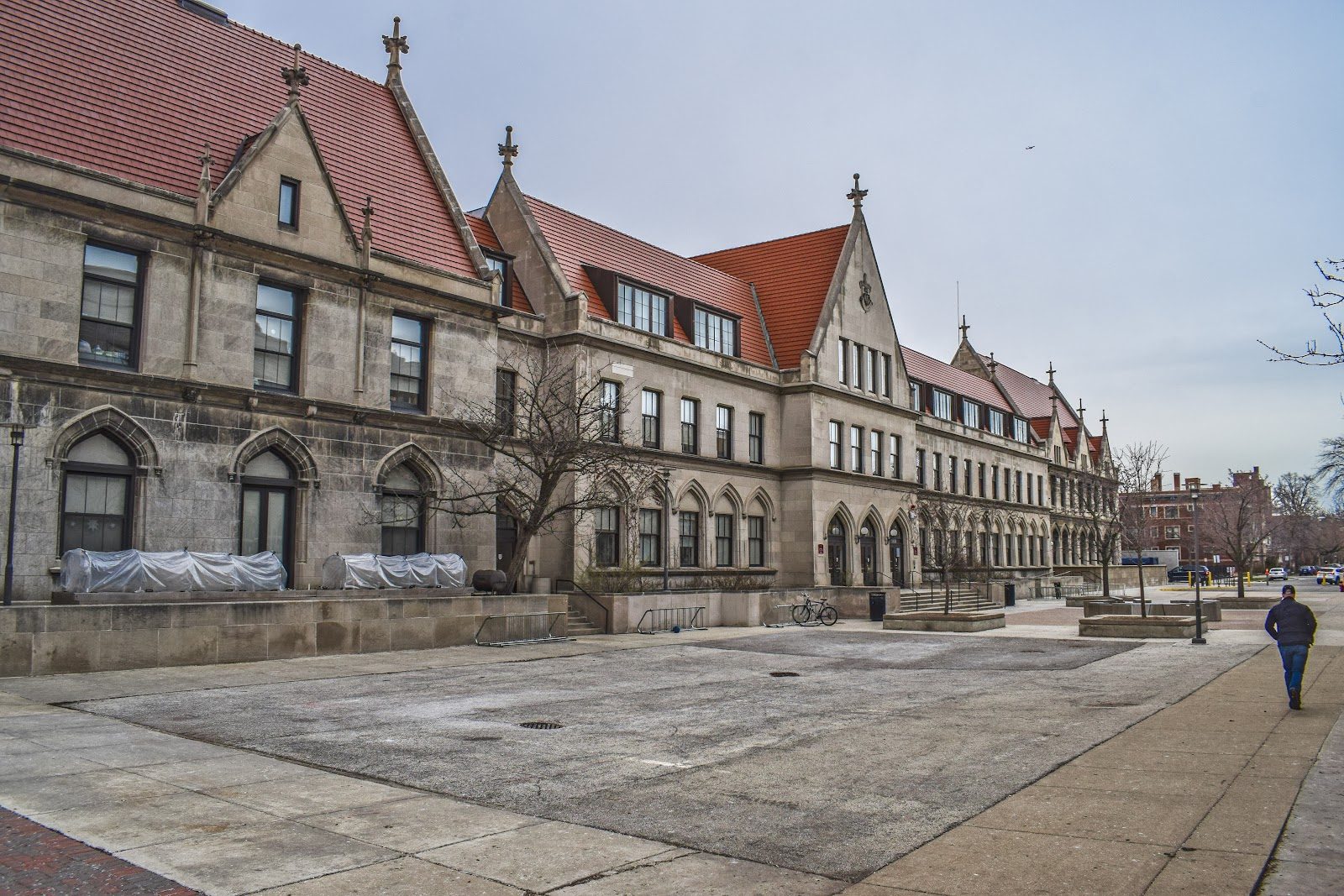
University of Chicago Laboratory Schools
Chicago · United States
Born from John Dewey's 1896 experiment in progressive education, still testing ideas in Hyde Park classrooms today
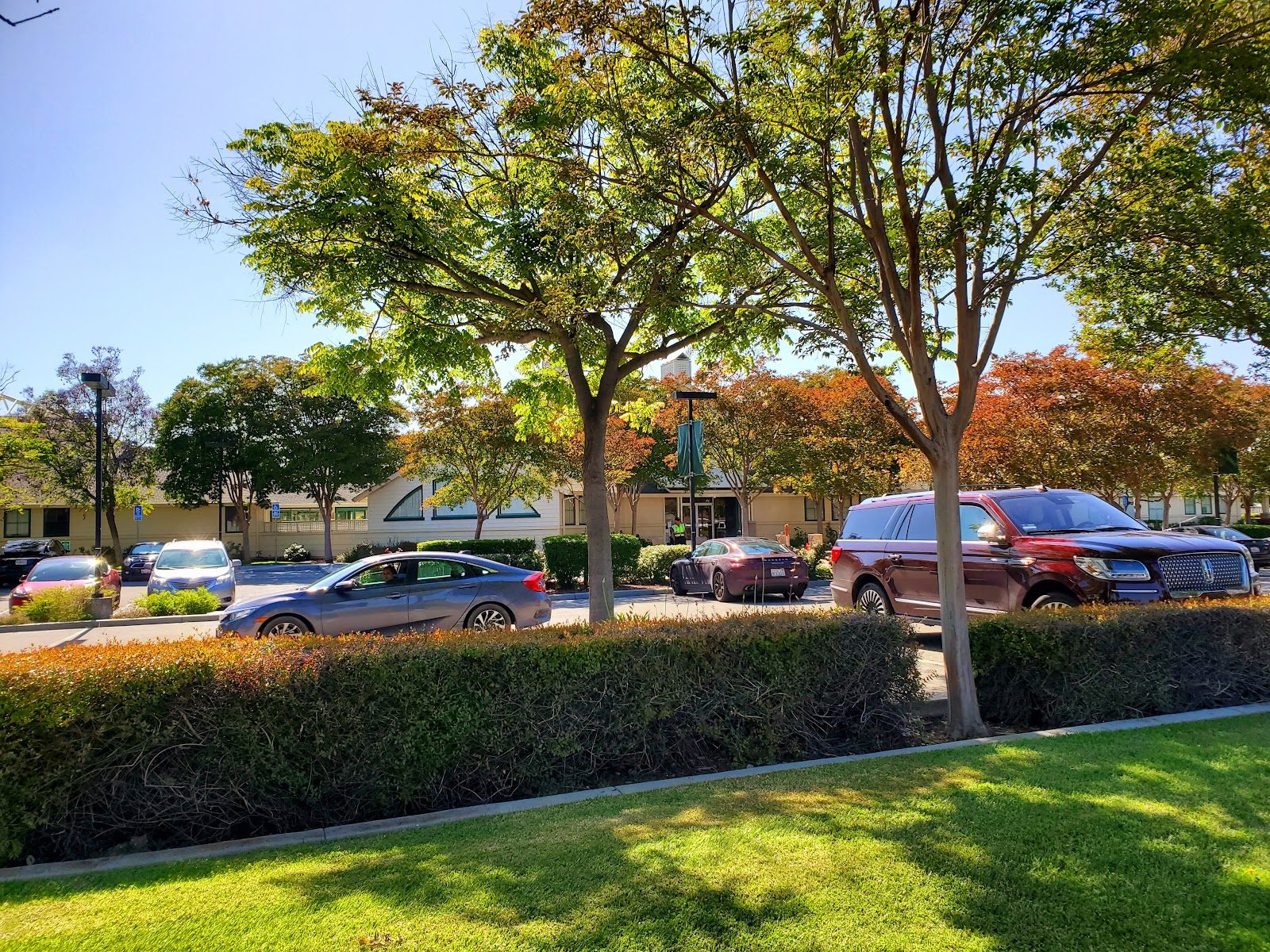
The Harker School
San Jose · United States
In Silicon Valley's backyard, a student-run research symposium turns science fair projects into published papers.
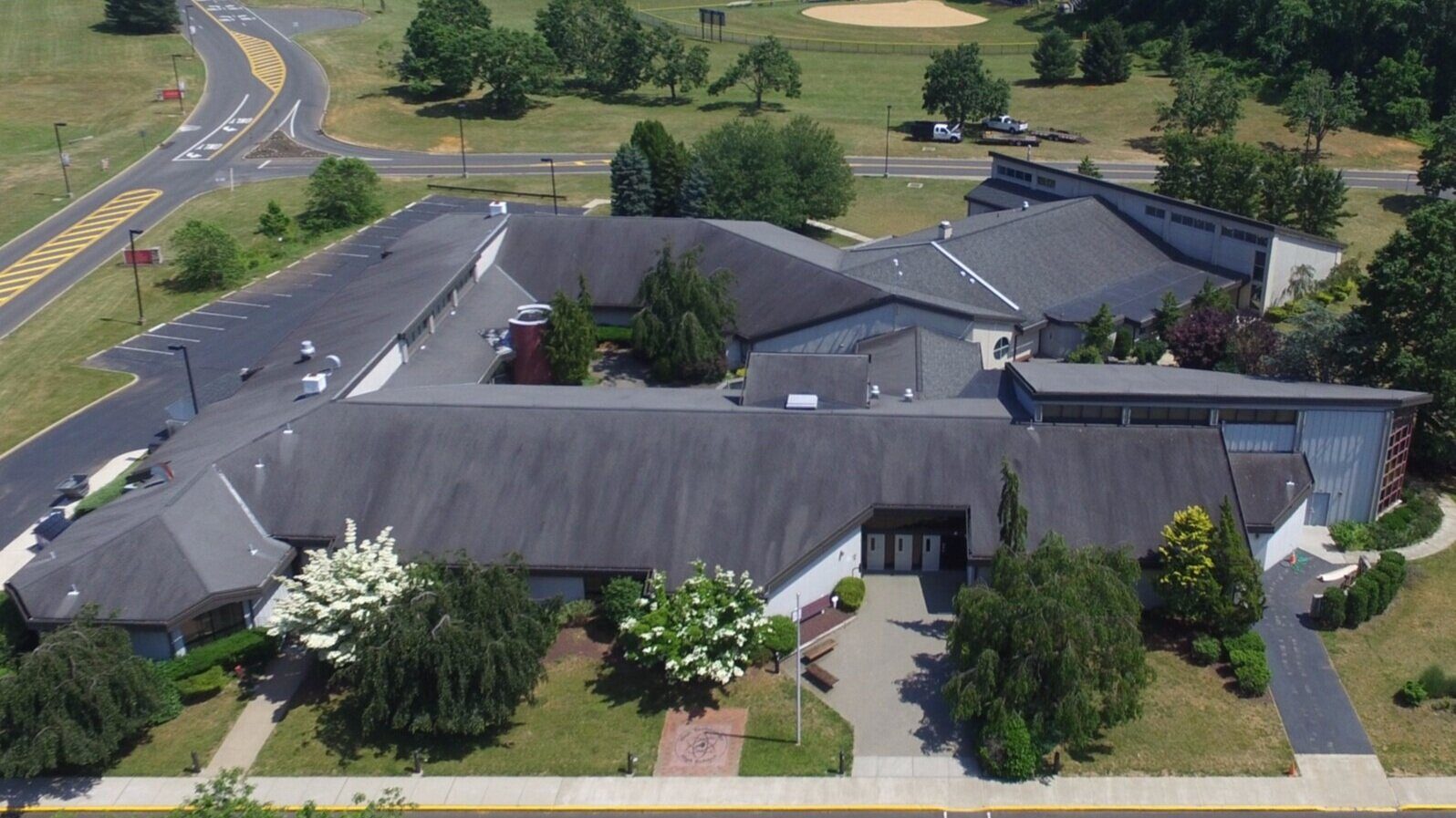
High Technology High School
Lincroft · United States
A 284-student engineering magnet in Monmouth County where civil design and digital electronics substitute for standard electives.
North Carolina School of Science and Mathematics
Durham · United States
America's first public residential STEM high school, a Durham model tuition-free program now replicated by eighteen sister schools worldwide.
Same country and curriculum — closest matches within ±10 points either way