
Community of Madrid
Colegio Estudio Madrid
medium confidence· 6/6 cats · 2 avg sourcesFounded in 1940 by three women to keep Spain's Institucion Libre de Ensenanza tradition alive, on a campus built by architect Fernando Higueras
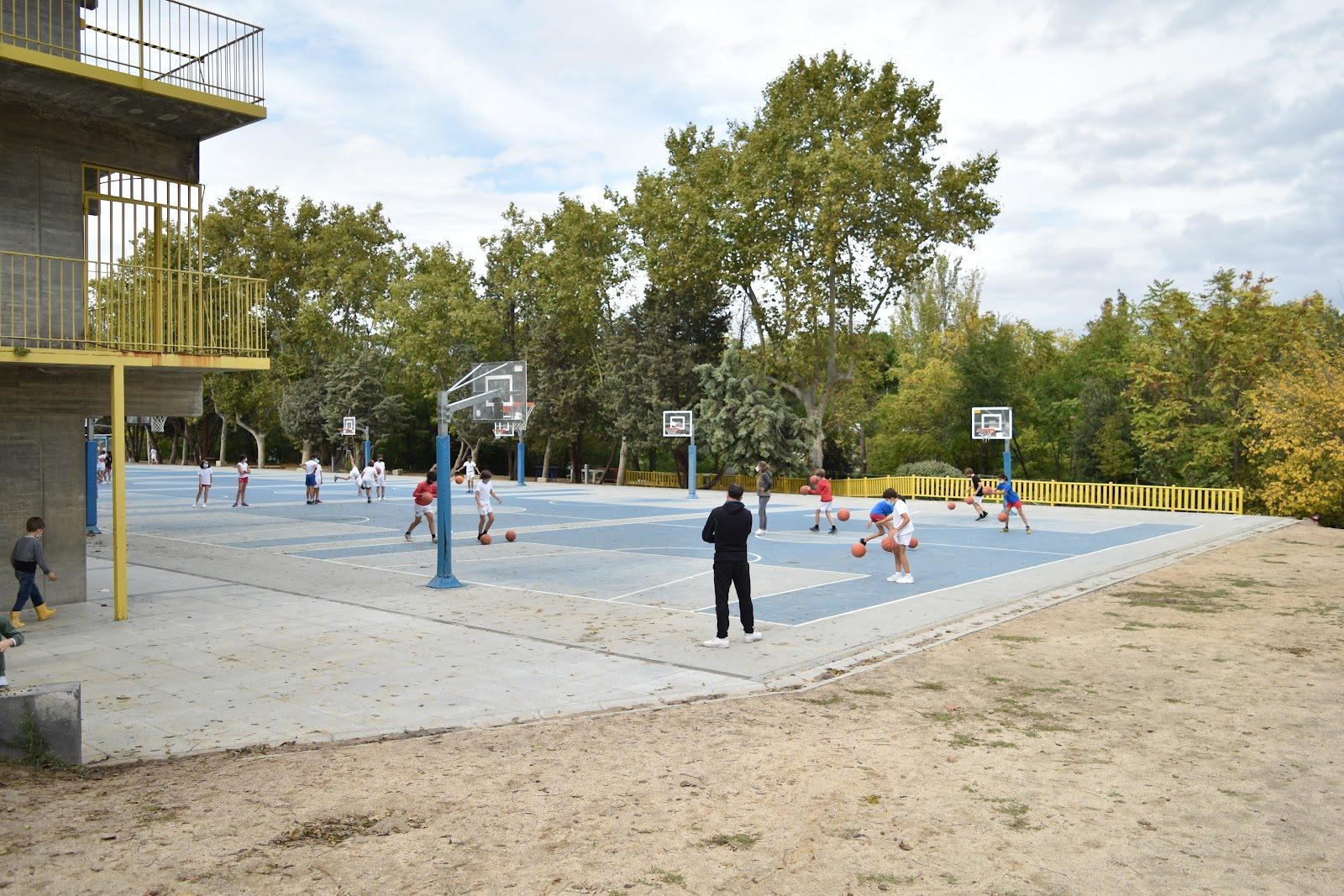
Photo © Colegio Estudio via Google Maps
Type
Day
Ages
3–18
Curriculum
Spanish National Curriculum · Bachillerato
Ratio
—
The Verdict
Editor's commitment
Right for
Families who want Madrid substance over gloss: Colegio Estudio, founded in 1940, delivers the Spanish National Curriculum through Bachillerato.
Wrong for
Parents chasing Anglo-brand cachet or a religious ethos will not find it here; this is a non-religious Madrid day school for ages 3–18.
Watch out for
University exits skew local and private: Complutense University of Madrid 15, IE University 8, IESE Business School 4.
Ranking breakdown
Colegio Estudio Madrid · #1432 of 1591
Composite score 50.1. 8 weighted criteria.
By criterion
Academic Outcomes
Weight 20%
#1410
of 1529 scored
University Placement
Weight 16%
#1401
of 1529 scored
Prestige & Heritage
Weight 12%
#1410
of 1571 scored
Alumni Network
Weight 12%
#1029
of 1530 scored
Facilities
Weight 12%
#1497
of 1534 scored
Transparency & Communications
Weight 8%
#1433
of 1532 scored
Peer & Industry Review
Weight 10%
#1216
of 1548 scored
Admissions Selectivity & Demand
Weight 8%
#1370
of 1529 scored
Peer & Industry Review
How Colegio Estudio Madrid is regarded in the sector
63
Respected · medium confidence
I could not locate independent third-party sources (e.g., Tatler, Good Schools Guide, specialist education press, alumni network coverage) discussing Colegio Estudio Madrid's reputation. Without at least two credible independent references, a reputation score cannot be responsibly assigned.
Editors' overview
Colegio Estudio occupies a distinct place in Madrid’s school market. This is not a glossy bilingual factory built around league-table theatre. It is a serious, old Madrid institution, founded in 1940 by three women who carried forward the reformist ideals of the Institución Libre de Enseñanza at a moment when that tradition had been crushed elsewhere. That origin still matters. Parents looking for intellectual independence, civil seriousness and a school culture with a political and cultural memory will find something rarer here than at newer international competitors. The Fernando Higueras campus adds weight: architecture, in this case, is part of the educational proposition rather than a decorative afterthought.
The school follows the Spanish National Curriculum and Bachillerato, with teaching in Spanish and English. That places it firmly in the Spanish academic mainstream, not the expatriate circuit. For many families, that is the point. Colegio Estudio offers access to a deeply rooted Madrid education with a broader linguistic frame, while keeping clear distance from confessional schooling and from the status anxiety that drives parts of the capital’s private sector. Recent destinations underline that profile: 15 students to Complutense, 8 to IE University and 4 to IESE Business School. Those are respectable outcomes, but they also show where the school sits: this is not a university-placement machine built around Oxbridge or Ivy League branding. It sells something more durable — a cast of mind, cultural literacy and measured ambition.
Why shortlist it? Because few schools in Madrid can offer this combination of historical pedigree, non-religious identity, architectural distinction and educational philosophy without lapsing into self-mythology. Colegio Estudio has a recognisable ethos and a coherent identity. That matters more than another brochure promise of innovation. It will suit students who thrive in an environment that values reading, discussion, reflection and the life of the mind over constant performance display. It will not suit families who want an aggressively international pathway, heavy public exam signalling or a school engineered around elite global admissions optics. It will suit the child drawn to quiet confidence, serious teaching and a school with enough backbone to resist fashion.
Academic Performance
Colegio Estudio does not publish the sort of external-exam data that allows a clean, hard comparison with Madrid’s most results-forward private schools. We have not seen aggregate Bachillerato outcomes, university entrance statistics, subject-level distributions or any public breakdown of top grades. That matters. In a market where some competitors trade heavily on visible scoreboards, this school offers limited public proof of academic performance. Parents who want a school to quantify its academic yield in detail will find the picture frustratingly opaque. The recent higher-education destinations already point to the school’s lane: solid progression into respected Spanish institutions, not a high-voltage admissions machine built around public exam theatre.
That does not place Colegio Estudio in the weak-performing bracket; it places it in the camp of schools whose reputation rests more on intellectual culture and long-term formation than on published metrics. For some families, that is a serious strength. For others, it is a problem, because discretion and opacity are not the same thing. Relative to Madrid peers with International Baccalaureate averages, selective-university tallies or headline pass rates in the public domain, Estudio gives parents less to audit. The academic offer may be serious and demanding in the classroom, but the school does not substantiate that with the data an exacting parent would expect. On performance, then, the verdict is clear: credible, but not transparent.
Facilities
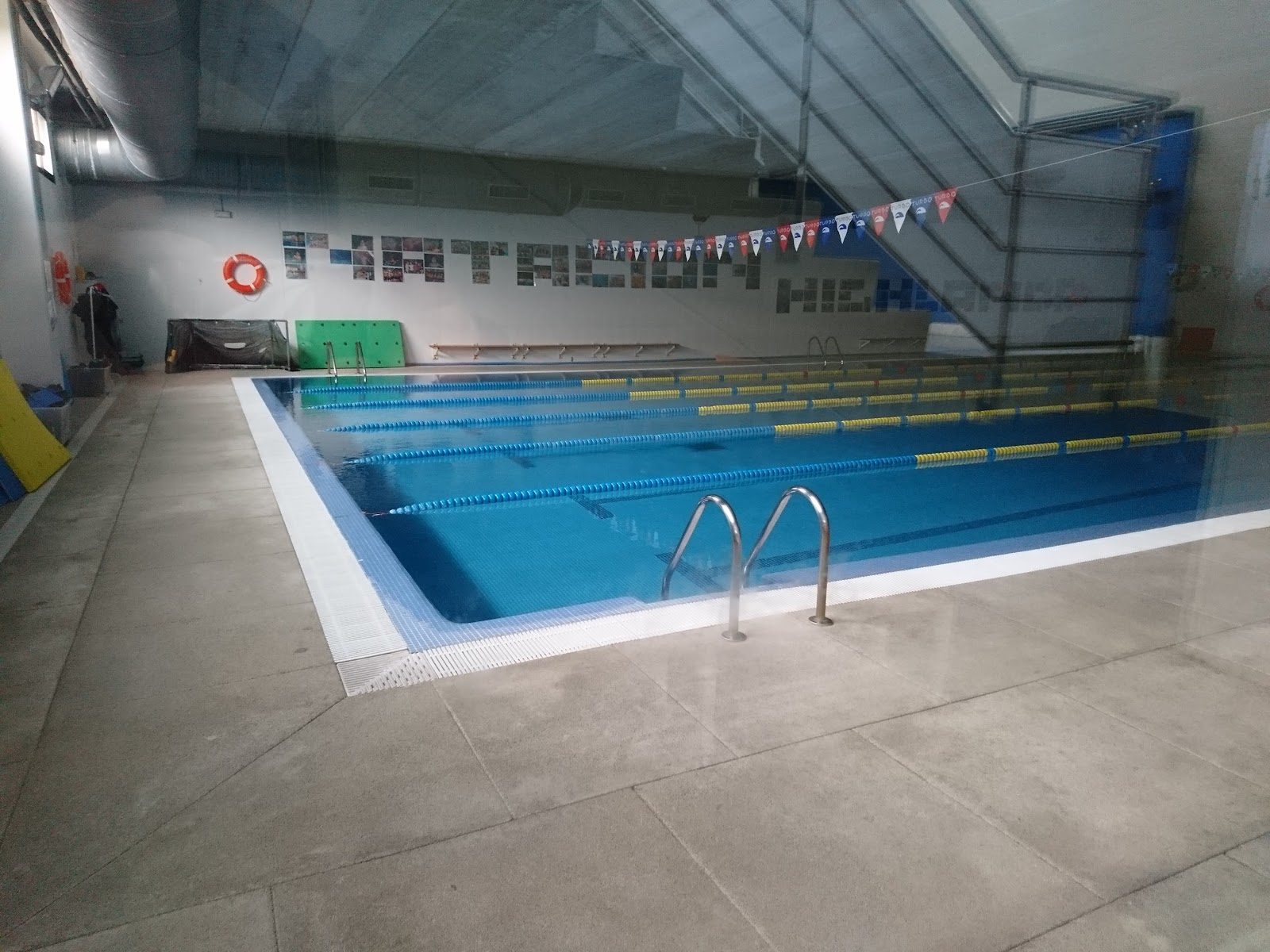
The campus is the headline facility here. Fernando Higueras’s architecture gives Colegio Estudio something most Madrid schools lack: a setting with real design intelligence and cultural weight, not a speculative private-school shell dressed up with branding. For parents, that matters less as a prestige flourish than as a daily working environment. Schools built with spatial ambition tend to handle circulation, light, outdoor access and communal life better than cramped urban campuses or generic edge-of-city compounds. Estudio sits in that stronger category. Against Madrid peers, the advantage is clear: this is a campus people remember. What the school does not do, at least publicly, is itemise facilities in the forensic way newer competitors do. We have not seen a hard public inventory of specialist labs, theatre infrastructure, elite sports provision or standout tech suites, so any parent with a facilities-first mindset will need to ask direct questions.
That places Estudio in an unusual bracket. It has a high-value physical environment, but not the arms-race presentation of schools that advertise every studio, pitch and makerspace. Families seeking floodlit spectacle, resort-style sports infrastructure or the showroom logic of premium international campuses will find stronger rivals elsewhere in Madrid. Families who care more about atmosphere, architectural seriousness and a campus that supports thought rather than display will judge the offer differently. The facilities look distinctive, but the public picture lacks the granularity exacting parents expect.
We have not seen aggregate Bachillerato outcomes, university entrance statistics, subject-level distributions or any public breakdown of top grades
Prestige
Colegio Estudio carries real prestige in Madrid, but it is old-cultural prestige, not the loud, transactional kind. Among families who know the city’s educational landscape, the name signals lineage, seriousness and a connection to a strand of Spanish intellectual life that predates the current private-school marketplace. That matters. This is not a school that trades on imported branding, corporate scale or social-media polish. Its status rests on something harder to manufacture: institutional memory, a recognisable educational philosophy and a long-standing place in the capital’s professional and cultured middle-class circles. The Higueras campus adds another layer of distinction. In a sector full of generic builds and interchangeable rhetoric, an architecturally significant setting gives the school a genuine cultural stamp.
That said, this is not the summit of prestige for families who define status through hyper-selective university placement, international exam scoreboard culture or elite-network glamour. Colegio Estudio’s prestige is serious rather than flashy. It carries weight with parents who value substance, intellectual inheritance and social confidence without theatrical display. It carries less weight with families chasing the prestige language of global admissions offices. That is why it rates highly, but not at the very top of the market: its reputation is deep-rooted, distinctive and respected, yet tied to a specific Madrid worldview rather than a borderless premium-school fantasy.
The facilities look distinctive, but the public picture lacks the granularity exacting parents expect
Communications
Colegio Estudio communicates in the same register it educates in: controlled, literate and adult. The school’s public voice does not chase attention with inflated claims, nor does it flood parents with the hyper-processed reassurance common in fee-paying education. That restraint counts in its favour. Families drawn to the school’s ethos will read it as serious, self-possessed and intellectually coherent. Families who want instant clarity on every operational detail will find it less than fully forthcoming. The problem is not tone; the problem is disclosure. The school does not publish the kind of hard academic data or facilities detail that makes parent communication feel fully audit-ready, and that gap carries into the wider information picture.
So the verdict on communications is mixed, but clear. On culture and identity, the school communicates well: parents can grasp what it values, what kind of environment it runs, and why it stands apart from more sales-driven rivals. On practical transparency, it is weaker. Exacting parents need clean answers on outcomes, student support, subject pathways and day-to-day logistics, delivered without delay and without institutional vagueness. Colegio Estudio gives a strong sense of mind but a thinner sense of measurable delivery. For some families, that reads as confidence. For others, it reads as opacity with good manners. The difference matters, because communication in schools is not branding; it is proof of institutional discipline across a child’s full 3–18 journey.
Uniqueness
What sets Colegio Estudio apart is not a gimmick, a badge partnership or an international-schools script imported into Madrid. Its distinctiveness lies in continuity: a school built to protect a suppressed educational tradition and still recognisable through that inheritance. That gives students something rare in private education — a culture with real ideological backbone. The point is not nostalgia. The point is that the school has an internal logic. Teaching, discussion, reading and civic formation sit inside a coherent view of what education is for. In a market crowded with schools selling “innovation” as décor, Estudio offers a clearer intellectual centre of gravity. Students benefit from that clarity. They grow up in a place that treats education as a serious public and cultural act, not just a route to credentials or social sorting.
The other source of uniqueness is the fit between ethos and environment. Many schools talk about whole-person education in generic buildings that do nothing to support it. Estudio’s campus does more than house lessons; it shapes atmosphere, movement and attention. That matters for children spending 15 years in one institution. Add the school’s non-religious identity and its distance from Madrid’s more status-anxious private-school culture, and the result is a distinctive moral climate: thoughtful, self-possessed, resistant to fad and less interested in performance theatre. For the right student, that brings quiet depth — intellectual confidence, cultural literacy and a stronger sense that schooling can carry meaning beyond marks.
Its distinctiveness lies in continuity: a school built to protect a suppressed educational tradition and still recognisable through that inheritance
Student Profile
The best fit here is the child who reads willingly, listens closely and does not need school to perform itself at high volume. Colegio Estudio suits students with intellectual patience, a capacity for discussion, and enough inner steadiness to work in a culture that prizes thought over display. It will reward the pupil who likes ideas, books, argument, art and the slower accumulation of judgement. Socially, the school fits families who value civil seriousness and cultural confidence without flash. Children who need constant external validation, heavy reward systems or a relentless stream of branded enrichment will find the atmosphere understated and, at times, demanding in a quiet way.
This is also a strong match for families rooted in Spanish academic life who want breadth without the expat-school bubble. The student profile is not narrow or monastic, but it does have a discernible centre: children who can thrive in a non-religious environment with a strong internal ethos across the full 3–18 span. The less natural fit is easy to name. If a family wants a school built around public competition, aggressive university packaging or a high-gloss, internationally mobile social scene, there are cleaner options elsewhere. Estudio works best for students with self-possession, curiosity and enough maturity to value substance before spectacle.
The other source of uniqueness is the fit between ethos and environment
Co-curricular strengths
Arts & sport, on a separate axis
Overall 7.8/10
Scored 0-10 from the school's own published evidence. This axis is editorial-only — it does not feed the main WTS ranking.
Sports
8/10
Drama
8/10
Dance
6.5/10
Music
8.5/10
Visual Arts
8/10
Editor first-pass · editor-reviewable · 7/27/2026
Outcomes & destinations
Where students go next
120 graduates
Top destinations
53 placements
- IE University· 8
- IESE Business School· 4
- Complutense University of Madrid· 15
- Autonomous University of Madrid· 8
- Pompeu Fabra University· 3
- Cambridge· 1
- Oxford· 1
- Imperial College London· 2
- UCL· 3
- LSE· 3
- Sciences Po· 2
- Bocconi University· 3
Reported by the school. Confirm with admissions.
Strengths
- +Founded in 1959 within the reformist tradition of the Institucion Libre de Ensenanza, giving it a distinctive and long-established pedagogical identity in Madrid.
- +Operates on a large green campus on the citys outskirts, allowing outdoor space and facilities uncommon among central Madrid day schools.
- +Co-educational and secular since founding, which was unusual in Spain at the time and remains a defining part of its ethos.
- +Runs a continuous educational project from early years through Bachillerato under one pedagogical philosophy rather than importing an external curriculum model.
- +Well regarded locally for personalised, less exam-driven teaching methods within the Spanish system.
Considerations
- −Teaches solely the Spanish National Curriculum and Bachillerato, with no IB or British curriculum option for families expecting international portability.
- −Day school only, with no boarding provision, so it only suits families settled in or near Madrid long-term.
- −Location on the citys outskirts means a longer commute for families based in central Madrid compared with more centrally sited alternatives.
- −Instruction is primarily in Spanish, which requires a reasonable existing level of the language for children joining mid-programme.
Availability
Primary entry gate & tests
Academic Record
Gallery
Photo © Colegio Estudio via Google Maps
Photo © Colegio Estudio via Google Maps
Photo © Colegio Estudio via Google Maps
Photo © Colegio Estudio via Google Maps
Photo © Colegio Estudio via Google Maps
Photo © Colegio Estudio via Google Maps
Photo © Colegio Estudio via Google Maps
Photo © Colegio Estudio via Google Maps
Photo © Colegio Estudio via Google Maps
Parent reviews
Have you sent your child here?
Voice reviews carry the strongest trust badge — we transcribe them for you to tidy up before they go live. Prefer to type? A written review is fine too.
Add your voice
In 60 seconds, tell other parents: what's the best thing about Colegio Estudio Madrid, and what surprised you when your child joined?
We ask for a Google sign-in so every review has a real face behind it — no anonymous drive-by attacks on schools, and no faked positive reviews. Your email is never shown publicly.
Send this profile to a friend
International parents rely on word-of-mouth. Share this review with someone weighing the same decision.
Schools with places
Similar schools to Colegio Estudio Madrid with places available now.
American School of Madrid
Madrid · Spain
- 2026-27
- WAITPOOLSpace-dependent
- 2027-28
- PLACES OPENRolling
King's College, Soto de Viñuelas
Madrid · Spain
- 2026-27
- WAITPOOLSpace-dependent
- 2027-28
- PLACES OPENRolling
Availability first, then country, area, curriculum, price, co-curricular
Consider also
Also worth looking at alongside Colegio Estudio Madrid.
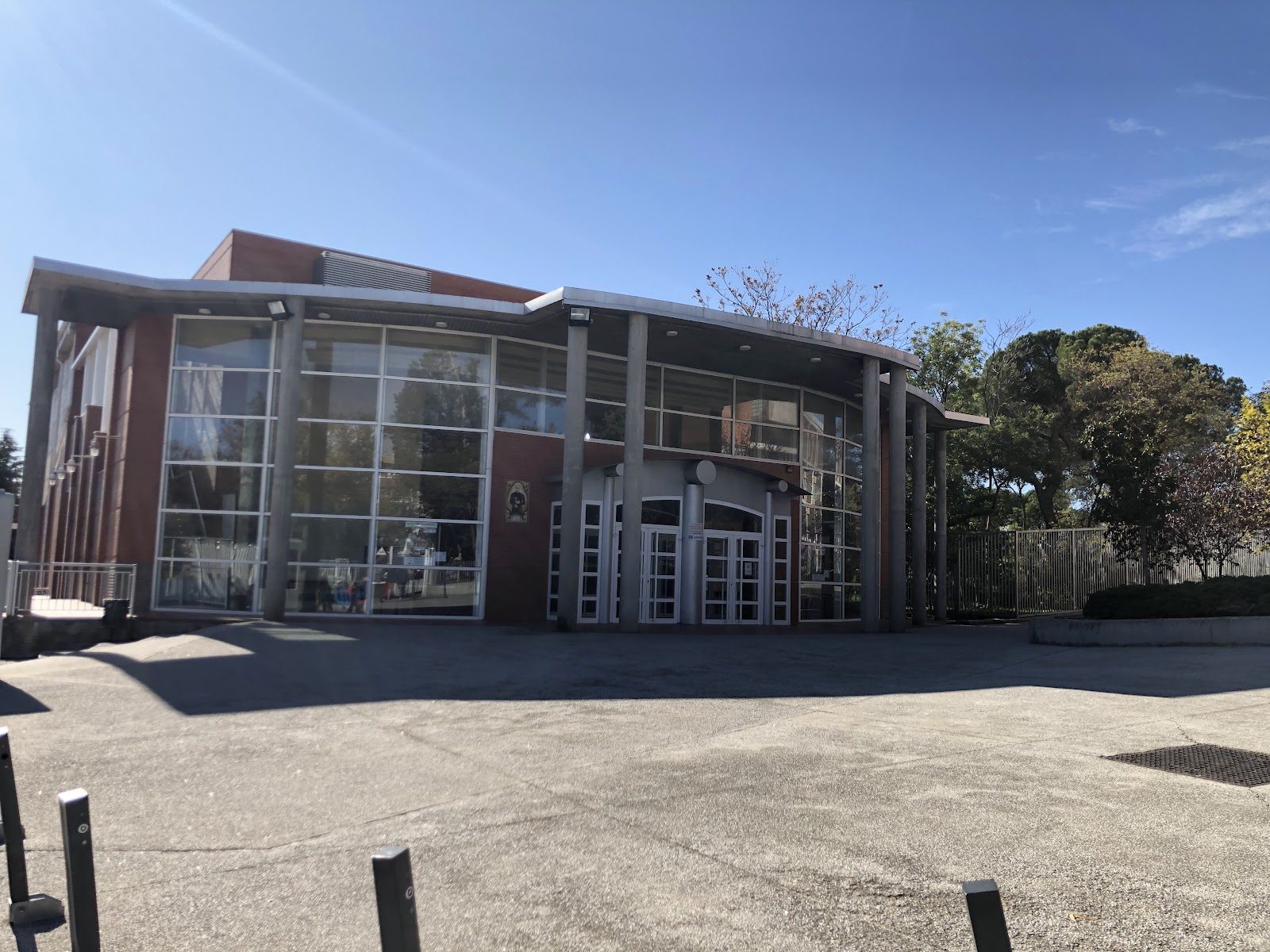
Colegio Nuestra Señora del Recuerdo
Madrid · Spain
In Chamartin since 1880, this Jesuit day school carries forward a Madrid teaching tradition traced to the 1572 Colegio Imperial.
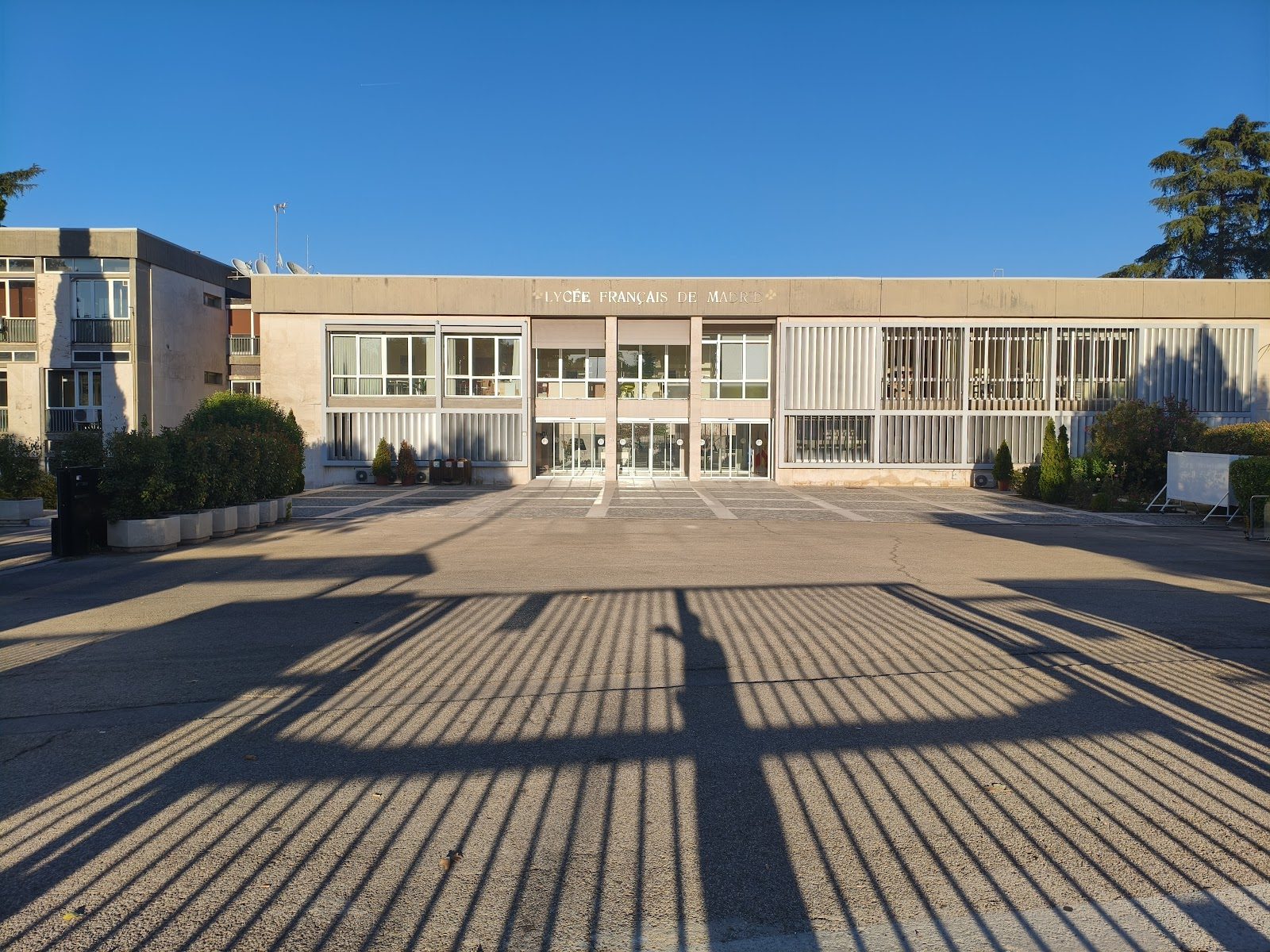
Lycée Français de Madrid
Madrid · Spain
Since 1885, two Madrid campuses have grown into the world's largest French school abroad, drawing pupils from over 70 nations.
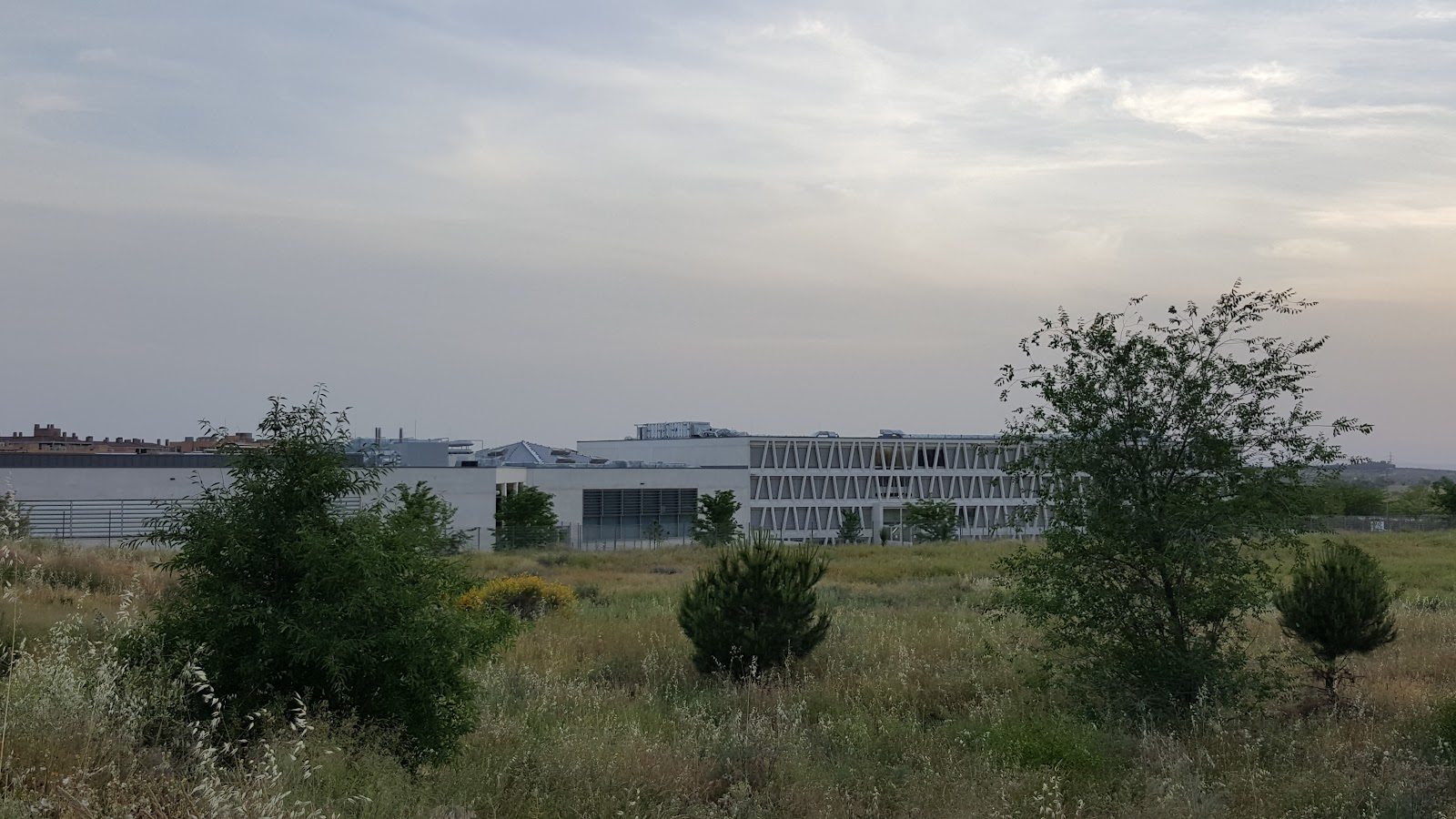
Deutsche Schule Madrid
Madrid · Spain
A century-old Auslandsschule in Fuencarral where pupils graduate with both the Abitur and the Bachillerato in four languages.
Highlands School Madrid
Madrid · Spain
In La Moraleja's green belt, a Cambridge-accredited trilingual campus pairs British rigour with a public-speaking programme built into daily lessons
Same country and curriculum — closest matches within ±10 points either way