
California
Mater Dei High School
low confidence· 2/6 cats · 3 avg sourcesOrange County's oldest Catholic campus pairs a nationally ranked athletics program with 138 National Merit finalists
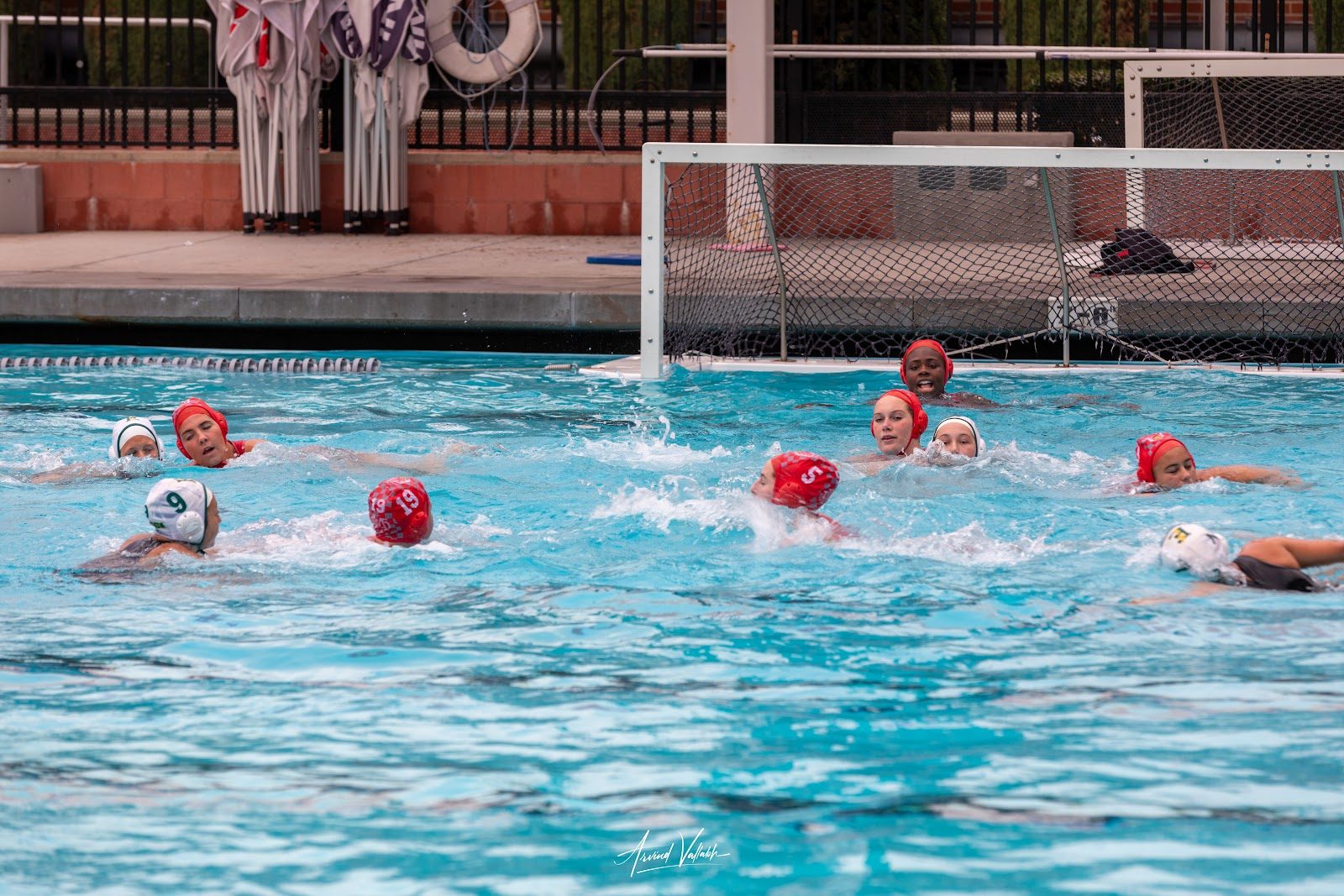
Photo © Arvind Vallabh via Google Maps
Type
Day
Ages
13–18
Curriculum
American
Qualifications
AP · US High School Diploma
Ratio
1:20
The Verdict
Editor's commitment
Right for
Families wanting a Catholic co-educational day school in Santa Ana, founded in 1950, with serious college-preparatory intent and big-sport visibility.
Wrong for
Anyone wanting boarding, a non-religious setting, or another curriculum: this is an American, English-medium, Catholic day school for ages 13–18.
Watch out for
NAIS accreditation matters, but the headline draw is athletics; if football and basketball culture irritates you, Mater Dei will feel lopsided.
Ranking breakdown
Mater Dei High School · #1121 of 1591
Composite score 60.4. 8 weighted criteria.
By criterion
Academic Outcomes
Weight 20%
#1136
of 1529 scored
University Placement
Weight 16%
#1089
of 1529 scored
Prestige & Heritage
Weight 12%
#1054
of 1571 scored
Alumni Network
Weight 12%
#619
of 1530 scored
Facilities
Weight 12%
#1004
of 1533 scored
Transparency & Communications
Weight 8%
#981
of 1532 scored
Peer & Industry Review
Weight 10%
#1373
of 1548 scored
Admissions Selectivity & Demand
Weight 8%
#1123
of 1529 scored
Peer & Industry Review
How Mater Dei High School is regarded in the sector
60
Respected · medium confidence
Among Southern California's Catholic secondary schools, Mater Dei is regarded chiefly through the lens of the Trinity League, widely described by sportswriters as the most competitive high school athletic conference in the country, pitting it against St. John Bosco, Servite, JSerra and Santa Margarita. That rivalry generates far more national press than academic comparison: MaxPreps and USA Today have repeatedly ranked its football program among the nation's elite, and a 2018 Sports Illustrated investigation into hazing allegations, followed by CIF Southern Section scrutiny over transfers and recruiting, has shaped how independent press and rival administrators discuss the school - respect for athletic output tempered by governance concerns. University recognition is concentrated in athletics departments rather than admissions offices broadly, with a steady pipeline of graduates recruited into Division I football and basketball programs. Mainstream league tables such as those compiled by regional newspapers rank it as a strong, mainstream Catholic option rather than a peer of the state's most academically selective independents.
Award

Elite Sport 80
World's Top School · The Global Ranking
Mater Dei High School is featured on our Global Top 80 ranking at #20. This seal is available for the school's marketing team to use on their website, prospectus and social channels.
- Matt Leinart — NFL quarterback, Heisman winner, football
- Todd Marinovich — NFL quarterback, football
- Matt Barkley — NFL quarterback, football
Editors' overview
Mater Dei is less a school in the traditional academic sense than an institution: a sprawling Catholic day school in the Diocese of Orange that has, for seventy years, built its identity around Trinity League athletics as much as classroom instruction. With close to 1,900 students, it is far larger than most private secondary schools in California, and its scale shows in both its resources - extensive AP offerings, a full range of arts and activities, sizeable campus facilities - and its impersonality, with class sizes and pastoral structures closer to a well-funded public school than a boutique prep academy. Academically, Mater Dei is solid rather than rarefied: a conventional college-preparatory curriculum grounded in Catholic theology requirements, respectable university placement, but no claim to the selectivity or intellectual intensity associated with the country's elite independent schools. Its real distinction, and the source of both its renown and its controversy, is athletics. Football and basketball programs have produced a stream of Division I signees and professional athletes, decades of state titles, and national rankings that regularly place Mater Dei among the top high school programs in the country. That prominence has come at a cost to reputation: a 2018 hazing scandal that drew national investigative coverage, and recurring friction with the CIF over recruiting and transfer eligibility, have left the school's athletic machine under more scrutiny than most secondary institutions ever face. What emerges is a school of genuine spirit and community - parish ties, service requirements, a fiercely loyal alumni base - but one whose public identity is inseparable from sport in a way that can crowd out recognition of its broader offerings. For families seeking an intense, athletics-forward Catholic education in Orange County, Mater Dei delivers exactly what it promises; for those seeking small-cohort academic distinction, it is not the natural comparison.
An Elite Sport 80 school
Mater Dei High School in Santa Ana, California, sits at rank twenty on the Elite Sport 80 because it has been the most dominant multi-sport American high school of the past decade, particularly in football and boys' basketball. Mater Dei has claimed multiple national high-school football championships and produced NFL Draft picks and NBA lottery selections in almost every recent draft class. It runs at the very top of the USA Today and MaxPreps national rankings across several sports at once.
The specialisms are football (the Monarchs' varsity football programme is the flagship and one of the two or three most competitive high-school football teams in the United States), boys' basketball (with a series of five-star recruits per class), girls' basketball, girls' volleyball and baseball. All are supported by full-time coaching, sports-science support and college-recruiting infrastructure.
Notable alumni across codes include Bryce Young (2023 NFL number-one draft pick, Heisman Trophy winner), Matt Leinart, Matt Barkley, JT Daniels, Amon-Ra St. Brown, Colby Parkinson, Bol Bol and — from an earlier era — several NBA veterans. In baseball the school has produced multiple MLB-drafted players in the past five years.
International openness is limited. Mater Dei is primarily a diocesan Catholic day school for families resident in Orange County, and it does not run a boarding programme; overseas applicants therefore need US-side accommodation via a host family, foreign-exchange programme or F-1 student visa arrangement through a partner service. Tuition sits around US$25,000-27,000 for external families. Admissions is a standard Catholic-school process plus sport-specific reference for scholarship consideration; there is a modest financial-aid budget. For a family already relocating to Southern California with an elite football or basketball prospect who can navigate the accommodation question, Mater Dei offers a pathway to top-tier NCAA D1 recruitment that few schools in America can match. Boarding accommodation questions and the F-1 visa process should be started 12-18 months in advance for overseas families targeting the school as their US high-school landing point.
Academic Performance
Mater Dei does not publish the kind of examination data that would allow a rigorous comparison with other selective American college-preparatory schools. There is no public SAT, ACT or AP pass-rate breakdown in the material provided, nor any class-average testing profile. That absence matters: for a day school in Santa Ana serving ages 13–18 and describing itself as a Catholic college preparatory high school, the most defensible judgment is that academic performance is presented through programme breadth and internal markers rather than verified external outcomes. The school cites 59 honours courses, 21 AP courses and more than 109 electives, which suggests substantial curricular range, but breadth is not the same thing as proof of high attainment.
What is clearer is the school’s internal academic culture. Mater Dei publishes a spring semester honour roll and says 71 per cent of athletes are on the honour roll, a useful counterweight to its dominant sporting reputation. That sporting profile is formidable, but parents should be careful not to confuse athletic visibility with transparent academic benchmarking. Relative to peers, Mater Dei appears to sit in the category of large American independent or Catholic high schools with extensive advanced-course options and strong college-preparatory intent, yet without the publicly available external-results data that would place it confidently among the most academically transparent schools. Its NAIS accreditation gives a basic institutional marker, but not a performance ranking.
Facilities
At Mater Dei, the facilities picture is clearest in athletics and broad co-curricular infrastructure rather than in published detail about buildings. The school’s own material points to a large, busy campus operation: 28 sports teams, 600-plus organisations, 109-plus electives, dedicated spaces for band, choir, library and a “MAC”, plus a constant rhythm of events spread across specialist rooms and venues. For parents, that suggests a school built to handle scale and scheduling, not a small campus where a handful of facilities do double duty. The strongest evidence is in sport: 23 Gatorade Players of the Year and 71% of athletes on the honour roll indicate programmes with serious coaching, conditioning and academic support behind them, especially in a US high-school context.
Against peer Catholic day schools in Southern California, Mater Dei appears unusually well provisioned for competitive athletics and student activities, but less transparent than some independents about the physical plant itself. The website does not spell out the major capital assets in the way some rival schools do, so one cannot verify, from published source material alone, the exact standard of laboratories, theatres or fitness spaces. What is clear is that the campus serves a diverse intake drawn from 216 zip codes and 124 feeder schools, with 45,000-plus service hours logged each year. In practical terms, that usually correlates with substantial communal, pastoral and activity spaces. Academically, 59 honours courses and 21 AP courses also imply a reasonably deep classroom base, though the school publishes less hard facilities detail than some direct competitors.
Mater Dei’s distinctiveness lies in scale combined with a very specific Catholic, college-preparatory identity
Prestige
Mater Dei carries real name recognition in American Catholic schooling, but its prestige is unusually concentrated in a few areas rather than evenly distributed across every aspect of school life. The clearest source is sport. The school itself foregrounds “nationally recognised athletics”, with 28 sports teams, 23 Gatorade Players of the Year, and the striking claim that 71% of athletes are on the honour roll. For many families in California, especially those paying attention to elite high-school sport, that gives Mater Dei a profile far beyond Santa Ana. The academic side appears serious rather than rarefied: 59 honours courses, 21 AP courses and more than 109 electives indicate breadth and scale, but not, on the evidence provided, the sort of intellectual selectivity or exam distinction that would place it in the tiny top tier of American independent college-preparatory schools.
Its prestige is also shaped by institutional heft. Founded in 1950, Mater Dei is longstanding rather than historic, and as a Catholic co-educational day school for ages 13–18 it serves a broad constituency rather than a niche one. The numbers suggest considerable reach: students come from 216 zip codes and 124 feeder schools, while 73% are Catholic and 27% non-Catholic, which points to appeal beyond the immediate parish base. NAIS accreditation adds a useful external marker, though it is not a distinction in itself. In practical terms, Mater Dei’s reputation is strongest for families who value a visible, high-profile American high-school experience with serious athletic capital, substantial course choice and a large, established community.
The other obvious differentiator is the seriousness of the extracurricular machine, particularly in sport, alongside unusually structured service expectations
Communications
Mater Dei appears to communicate with parents in a fairly direct, operational way rather than through polished institutional prose. The website foregrounds practical notices: term dates, semester exams, absence reporting and a live “Ask Monty” chatbot explicitly designed to answer those routine questions. The homepage also carries a steady feed of news and a densely populated events calendar, with specifics down to time, venue and audience — for example, International Student Orientation, freshman-only return-to-school sessions and transfer orientation breakouts. That level of granularity usually indicates a school that expects families to use the website as a working tool, not just a brochure.
How effective is it? For day-school parents at a large American high school, probably quite effective. Mater Dei serves a diverse community drawn from 216 zip codes and 124 feeder schools, so clear centralised communication matters more here than it would in a small neighbourhood school. The school’s co-educational, Catholic college-preparatory identity is also stated plainly, without much jargon, and the site publishes concrete indicators such as 59 honours courses, 21 AP courses and 109+ electives, which helps parents assess substance rather than image. That said, the public-facing communication is strongest on logistics and school activity; it gives less sense of tone, leadership voice or how difficult conversations are handled. In short: useful, busy, and functional — better at keeping families informed than at conveying intimacy.
Uniqueness
Mater Dei’s distinctiveness lies in scale combined with a very specific Catholic, college-preparatory identity. It is a co-educational day school for ages 13–18 in Santa Ana, but not a small parish model: the school draws from 216 zip codes and 124 feeder schools, with a student body that is 73% Catholic and 27% non-Catholic. That breadth matters. It suggests a campus large enough to offer real range — 59 honours courses, 21 AP courses and more than 109 electives — while still being anchored in a clear religious mission rather than a vague values statement. For students, that usually means access to substantial academic choice without the social narrowness that can come with a more local catchment.
The other obvious differentiator is the seriousness of the extracurricular machine, particularly in sport, alongside unusually structured service expectations. Mater Dei lists 28 sports teams, says 71% of its athletes are on the honour roll, and highlights 23 Gatorade Players of the Year; that points to an athletics programme operating at a genuinely national level, not a decorative add-on. At the same time, the school reports more than 45,000 hours of service a year and an average of 140 hours per graduate, which gives some substance to its Catholic rhetoric. Add 600-plus organisations and a visible arts calendar, and the result is a school likely to suit students who want intensity, competition and a densely programmed adolescence rather than a quieter, more intimate high-school experience.
Its real distinction, and the source of both its renown and its controversy, is athletics
Student Profile
Mater Dei draws a broad, locally rooted intake rather than a narrow parish-school crowd. The website says students come from 216 zip codes and 124 feeder schools, while 73% are Catholic and 27% non-Catholic. That mix matters: this is plainly a Catholic school, but not one reserved for families seeking an insular religious environment. It will suit teenagers who are comfortable in a faith-framed, college-preparatory setting and parents who want clear structure during the 13–18 years, with English-language instruction and the familiar shape of an American curriculum. The published service culture is not decorative: the school reports 45,000-plus hours given per year and an average of 140 hours per graduate, so students who resent mandatory participation beyond the classroom may find the expectations wearing.
The best fit is an energetic, high-output pupil who wants a busy campus and can cope with a competitive peer group. Mater Dei advertises 59 honours courses, 21 AP courses and more than 109 electives, alongside a conspicuously strong athletics culture: 28 sports teams, 71% of athletes on the honour roll, and 23 Gatorade Players of the Year. The editorial tagline’s emphasis on football and basketball is consistent with that profile. A student who wants serious sport without giving up academics should find plenty of company here; a quieter teenager looking for a small, understated sixth-form atmosphere probably will not. NAIS accreditation gives some external reassurance, but the school’s identity is driven less by accreditation language than by scale, activity and expectation.
Mater Dei does not publish the kind of examination data that would allow a rigorous comparison with other selective American college-preparatory schools
Co-curricular strengths
Arts & sport, on a separate axis
Overall 10/10
Scored 0-10 from the school's own published evidence. This axis is editorial-only — it does not feed the main WTS ranking.
Strengths
- +Catholic day school with clear religious identity
- +American curriculum in English eases US university transition
- +Co-educational for ages 13–18
- +Prominent football and basketball programmes
Considerations
- −Day school only; no boarding option
- −Catholic setting may not suit non-religious families
- −NAIS accreditation only listed; others not stated
Availability
Primary entry gate & tests
Application + HSPT / records + interview
Gallery
Photo © Arvind Vallabh via Google Maps
Photo © Arvind Vallabh via Google Maps
Photo © Arvind Vallabh via Google Maps
Photo © Arvind Vallabh via Google Maps
Photo © Arvind Vallabh via Google Maps
Parent reviews
Have you sent your child here?
Voice reviews carry the strongest trust badge — we transcribe them for you to tidy up before they go live. Prefer to type? A written review is fine too.
Add your voice
In 60 seconds, tell other parents: what's the best thing about Mater Dei High School, and what surprised you when your child joined?
We ask for a Google sign-in so every review has a real face behind it — no anonymous drive-by attacks on schools, and no faked positive reviews. Your email is never shown publicly.
Send this profile to a friend
International parents rely on word-of-mouth. Share this review with someone weighing the same decision.
Schools with places
Similar schools to Mater Dei High School with places available now.
Head-Royce School
Oakland · United States
- 2026-27
- CLOSEDRegular cycle
- 2027-28
- OPENS SOONOpens Sept '26
The Webb Schools
Claremont · United States
- 2026-27
- CLOSEDRegular cycle closed
- 2027-28
- PLACES OPENPortal live
The Branson School
Ross · United States
- 2026-27
- CLOSEDRegular cycle
- 2027-28
- OPENS SOONOpens Sept '26
Crystal Springs Uplands School
Hillsborough · United States
- 2026-27
- CLOSEDRegular cycle
- 2027-28
- OPENS SOONOpens Sept '26
Availability first, then country, area, curriculum, price, co-curricular
Consider also
Also worth looking at alongside Mater Dei High School.

Germantown Friends School
Philadelphia · United States
Rooted in an 1845 Quaker meeting in historic Germantown, where juniors design a month-long independent study of their own.
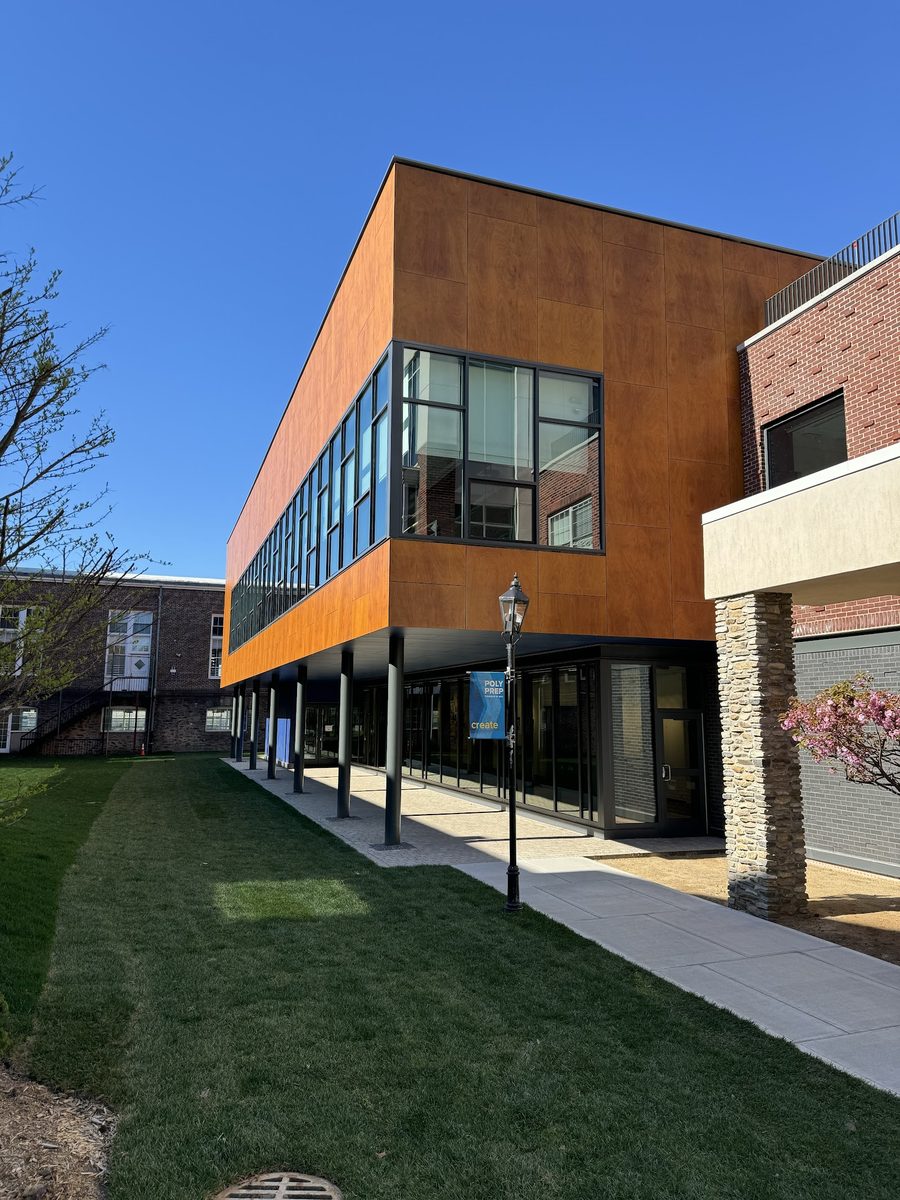
Poly Prep Country Day School
Brooklyn · United States
Founded in 1854 as Brooklyn's first boys' school, this day school pairs a Prospect Park mansion with a 25-acre Dyker Heights campus.
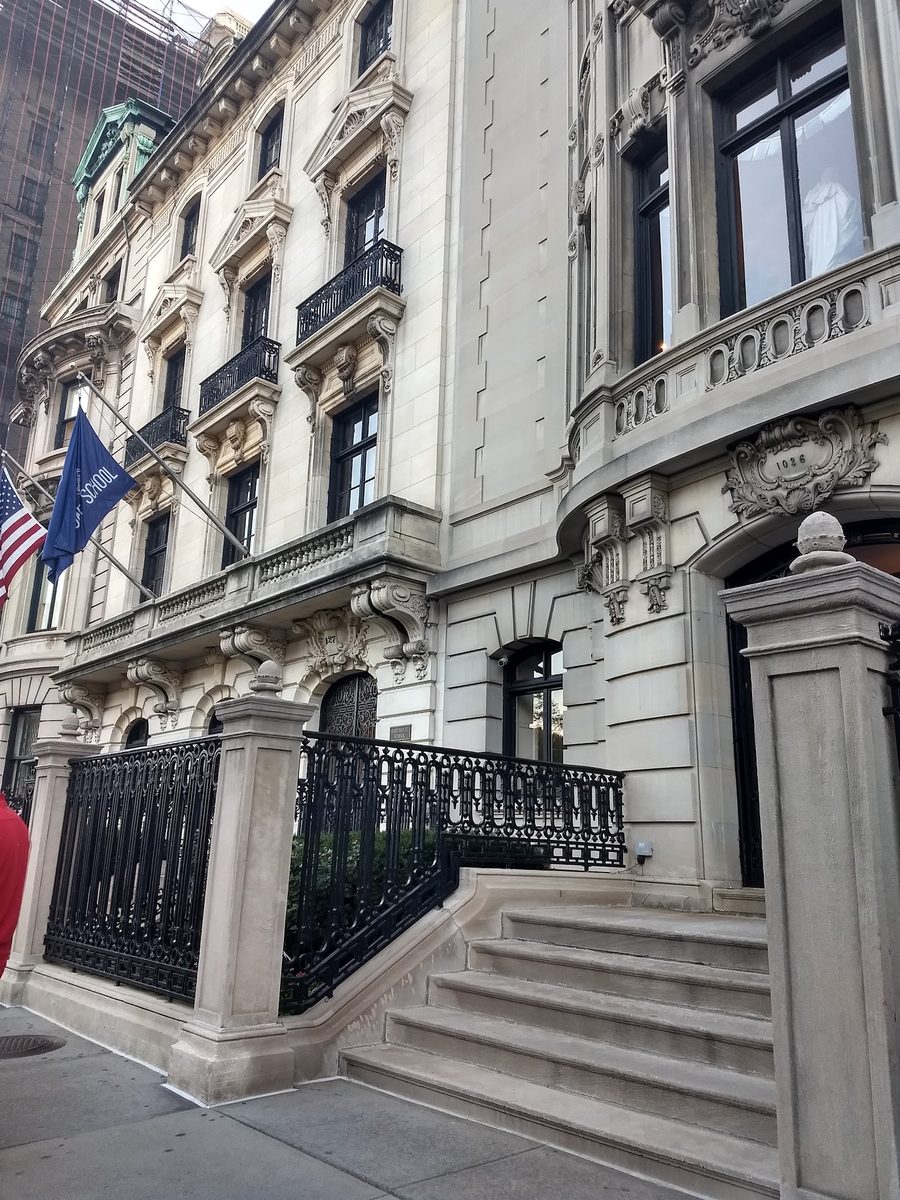
Marymount School of New York
New York City · United States
On Fifth Avenue, landmark mansions give way to Bloomberg terminals and classrooms inside the Met.
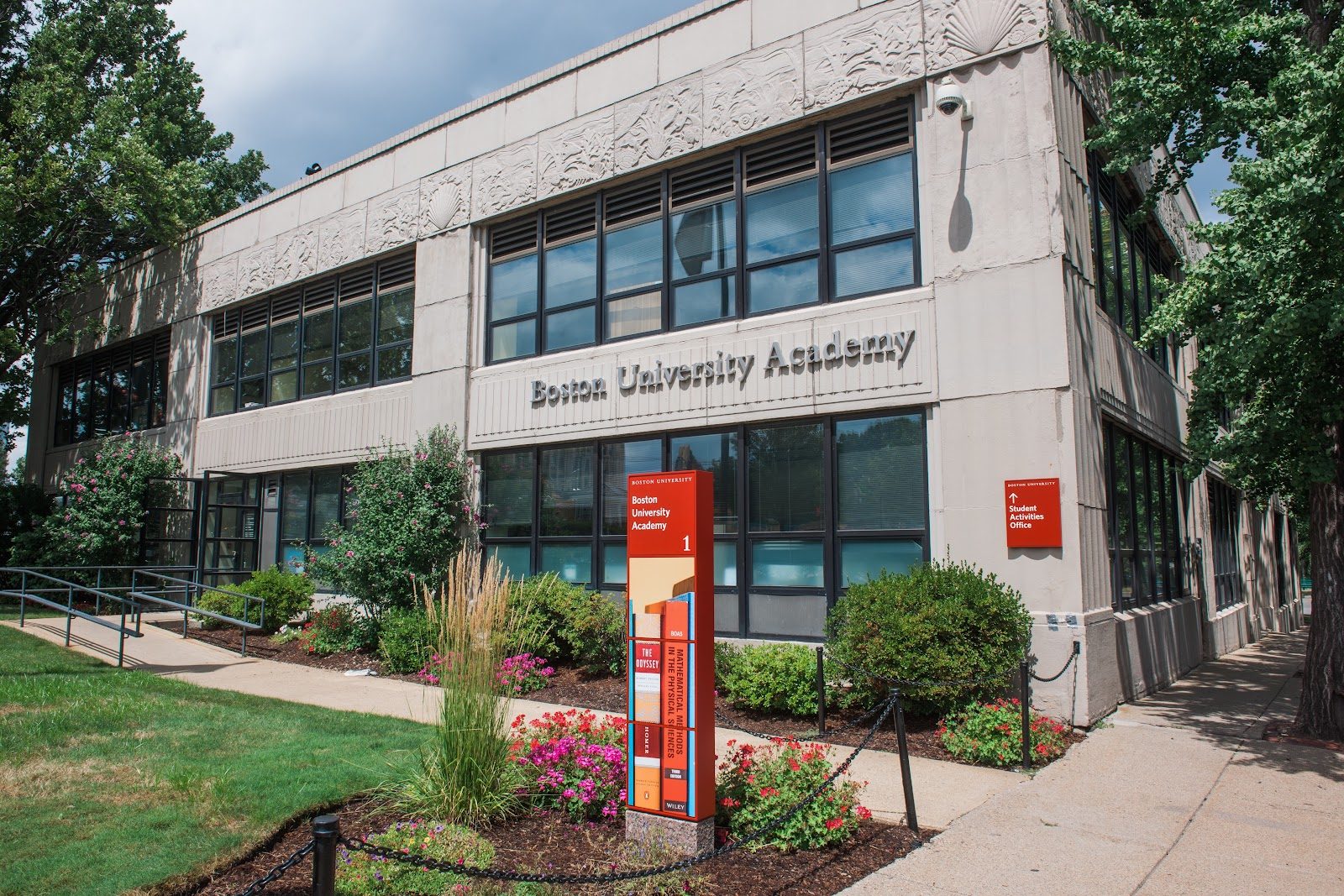
Boston University Academy
Boston · United States
Upperclassmen trade study halls for Boston University lecture halls, banking college credit before graduation.
Same country and curriculum — closest matches within ±10 points either way