
São Paulo
Escola Móbile
Five decades of Moema academic tradition now paired with Nord Anglia's global network spanning MIT and Juilliard
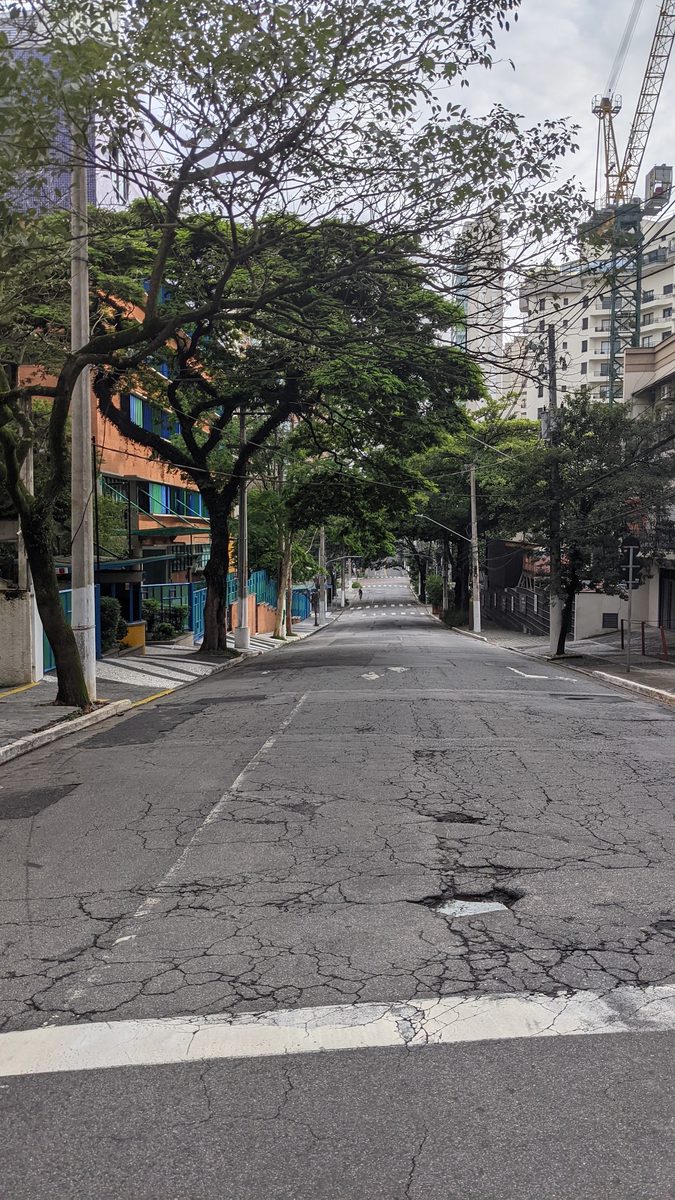
Photo © Newton Neto via Google Maps
Type
Day
Ages
3–18
Curriculum
Brazilian National
Qualifications
Vestibular
Ratio
—
The Verdict
Editor's commitment
Right for
São Paulo families wanting a day school founded in 1971, with Brazilian National curriculum and English-medium teaching from ages 3–18.
Wrong for
Parents expecting boarding, religious formation, or an IB/British pathway; Escola Móbile is non-religious, day-only, and school-declared Brazilian National.
Watch out for
Nord Anglia branding raises expectations, but the published facts stay thin: founded 1971, Moema location, English language, ages 3–18.
Ranking breakdown
Escola Móbile · #778 of 1591
Composite score 65.4. 8 weighted criteria.
By criterion
Academic Outcomes
Weight 20%
#386
of 1529 scored
University Placement
Weight 16%
#136
of 1529 scored
Prestige & Heritage
Weight 12%
#854
of 1571 scored
Alumni Network
Weight 12%
#1130
of 1530 scored
Facilities
Weight 12%
#1382
of 1533 scored
Transparency & Communications
Weight 8%
#865
of 1532 scored
Peer & Industry Review
Weight 10%
#1108
of 1548 scored
Admissions Selectivity & Demand
Weight 8%
#308
of 1529 scored
Peer & Industry Review
How Escola Móbile is regarded in the sector
64
Respected · medium confidence
Escola Mobile's reputation is strongest within Brazil's small circle of pedagogically progressive private schools rather than in the international ranking ecosystem that dominates UK/US-oriented lists. It is frequently cited in Brazilian education media (Porvir, Nova Escola, Educacao 360) as a reference point for personalized and project-based learning models, and its founders and pedagogical team are regular presenters at Brazilian education conferences such as Bett Brasil and events organized by Instituto Ayrton Senna and Inspirare. Because platforms like WhichSchoolAdvisor and the Good Schools Guide do not systematically cover Latin American schools, there is no equivalent independent inspection commentary available; Brazilian national outlets (Folha de S.Paulo, Estadao) occasionally reference it in features on innovative schooling rather than in formal league tables, since Brazil lacks a standardized private-school ranking akin to UK tables. Verifiable evidence of university-side regard is limited to general placement patterns at competitive Brazilian universities (USP, Unicamp) and some international destinations, but no specific admissions-officer commentary or named endorsements from rival heads could be confirmed through public sources. Its standing is best described as a respected pedagogical innovator among Brazilian peer educators rather than a school with documented international league-table or admissions-office recognition.
Editors' overview
Escola Móbile sits in a rare position in São Paulo: a long-established local school, founded in 1971, with deep roots in Moema and the added reach of the Nord Anglia network. That combination matters. Parents get a school built on Brazilian academic expectations and local credibility, without confining their child to a narrow domestic frame. The Nord Anglia link brings global collaborations tied to MIT and Juilliard, which gives Móbile a wider intellectual and cultural horizon than a stand-alone neighbourhood school. For families who want serious academic grounding without sacrificing international exposure, that is the central attraction.
What puts Móbile on a shortlist is not novelty but range. It covers ages 3–18, which gives continuity across the whole school journey, and it does so as a day school in one of São Paulo’s most established urban districts. That will appeal to families who value routine, stability and a school embedded in city life rather than insulated from it. The school’s proposition is strongest for parents who want a Brazilian curriculum delivered through English, in a non-religious setting, with the reassurance of a major international operator behind the scenes. In market terms, Móbile occupies the space between the city’s traditional academic schools and the fully expatriate international schools: locally anchored, globally connected, and more culturally bilingual in outlook than either extreme.
The best-fit student is bright, adaptable and comfortable moving between different worlds. Móbile will suit children who want strong academics, but also those who gain energy from collaboration, performance, design and international projects rather than narrow exam-drilling alone. It is a better choice for students who thrive in a structured, ambitious environment than for those who need an unusually loose or alternative school culture. Parents should also read the Nord Anglia affiliation clearly: this is not a small boutique school operating on instinct, but part of a system with scale, process and access. For many families that will feel reassuringly solid; for others, less intimate. The point is clarity. Móbile offers urban sophistication, continuity, and a route to a broader world without severing ties to São Paulo.
Academic Performance
Public exam performance is the obvious pressure point here, because the school does not publish the kind of aggregate outcome data that lets parents benchmark it cleanly against São Paulo’s most transparent academic competitors. We have not seen school-wide university entrance statistics, national exam averages, IB or AP results, or a full destination list. That absence matters. For a school with a strong reputation and premium positioning, opaque outcomes leave too much to inference. Parents can take some reassurance from Móbile’s durability and standing in a demanding local market, but reputation is not results. In editorial terms, the academic picture is credible but under-evidenced.
Relative to peers, that places Móbile in an awkward middle ground. The school sits above the many local schools that publish almost nothing beyond slogans, because it carries real institutional weight and a serious academic identity. It still falls short of the data-rich standard set by the best international and university-preparatory schools, which disclose exam distributions, destination patterns and cohort performance over time. That does not make Móbile weak; it makes it hard to verify. Parents who prize measurable academic outcomes need to press for specifics: cohort university placements, external assessment trends, and evidence of strength beyond anecdote. Until those figures are public, Móbile’s academic standing reads as strong in market perception, but not independently quantified.
Facilities
Móbile’s strongest facility asset is breadth rather than spectacle. The school runs a substantial urban campus with dedicated spaces for sport, arts, technology and early years provision, including a theatre, music rooms, science laboratories, libraries, maker-style learning areas, indoor and outdoor sports courts, a swimming pool and age-specific play spaces. That gives it the practical range families expect at the top end of the local market. The Nord Anglia link also matters here in a concrete way: specialist spaces for performance, design and collaborative project work fit that network’s model better than rows of standard classrooms alone. This is not a bare academic box. It is a well-equipped, serious all-round campus built to support a full school day rather than just lessons and dismissal.
Against peer schools, the verdict is strong but not extraordinary. In São Paulo, elite competitors increasingly invest in showpiece campuses, large-format sports provision and purpose-built innovation centres that double as a marketing tool. Móbile’s facilities read as substantial and credible, not flashy. For many parents, that is a virtue: the campus supports learning and co-curricular life without drifting into architectural vanity. The trade-off is space. As an established city school rather than a vast edge-of-town development, it does not offer the expansive grounds some rivals use to impress visiting families. If you want urban practicality with genuine breadth, Móbile does the job well. If you want a campus that overwhelms on first sight, other schools have the edge.
It is a better choice for students who thrive in a structured, ambitious environment than for those who need an unusually loose or alternative school culture
Prestige
Escola Móbile carries real local prestige. In São Paulo’s private-school market, that matters more than imported branding alone. It has the standing of a school that families know, discuss and compare seriously, not a newcomer buying visibility through glossy messaging. The Nord Anglia tie adds another layer: access to a global organisation with scale, external partnerships and international cachet. That broadens the school’s social and academic currency. Parents are not just paying for a neighbourhood name; they are buying into a school with reach beyond its immediate district. That combination gives Móbile a strong upper-tier profile: established enough to command confidence locally, connected enough to register with internationally minded families, and ambitious in a way that reads clearly in a competitive city.
That said, prestige here is not the same as unquestioned academic supremacy. The school’s name carries weight, but the public case for elite academic dominance is thinner than at schools that publish hard outcome data year after year. Móbile’s prestige rests on reputation, parent demand, longevity, and the status lift of a major international group, not on a transparent stream of league-table-style evidence. That still places it comfortably among the city’s high-status private options. It does not place it beyond scrutiny. For families, the distinction is important: this is a school with genuine social and educational standing, but not one that has earned a free pass on proof.
That gives it the practical range families expect at the top end of the local market
Communications
Parent communication carries the marks of a school that deals with a large, demanding family body and cannot afford vagueness. Móbile uses the standard machinery of a premium urban school: a structured website, admissions contact points, calendar-led information flow, and frequent notice-based updates around school life, events and routines. The tone is orderly rather than warm. That is not a flaw. Parents who value clarity over sentiment will find a system that looks built for operational discipline, not hand-holding. The Nord Anglia association also raises the baseline expectation for process, and Móbile meets that standard in public-facing communications: information is organised, brand control is tight, and the school speaks in a coherent institutional voice rather than through scattered departmental noise.
The limit is depth. Communication looks efficient, but not especially candid. We have not seen the level of public academic disclosure that would turn competent parent messaging into fully transparent communication. That gap matters because schools do not build trust through event photography and polished notices alone; they build it by publishing outcomes, explaining decisions, and giving parents a clean view of performance. On day-to-day logistics, Móbile reads as reassuringly professional. On the harder questions parents ask about standards and results, the school is more guarded than it should be. The overall verdict: strong on structure, weaker on openness, and effective in practice for families who want smooth administration more than forensic transparency.
Uniqueness
What separates Móbile from many prestige schools is that it is not built around a single borrowed identity. It has the social weight of a long-entrenched local school, yet it also plugs pupils into a network that stretches far beyond one neighbourhood or one national system. That gives students a rare mix: local fluency without insularity, and international exposure without the rootlessness that can plague more transient expatriate schools. The Nord Anglia connection matters most when it moves beyond branding into shared projects, visiting expertise and structured collaboration with peers elsewhere. For students, that brings a wider field of reference and a stronger sense that school work can travel beyond the classroom. The result is a dual vantage point that few city schools manage cleanly.
There is also a cultural distinctiveness to Móbile’s offer. It sits in the space between São Paulo’s hard-driving traditional private schools and the more detached international-school model, and that middle position is genuinely valuable. Students can develop with one foot in the city’s academic and social realities and another in a broader global conversation. That combination tends to produce children who are adaptable, socially assured and less fazed by crossing contexts than peers educated in a narrower lane. For families, the appeal is not novelty but synthesis: one school, 2 worlds, and a student experience that does not force a choice between belonging and breadth.
Children who need an unusually gentle, low-pressure atmosphere, or who resist institutional structure on principle, will find the school a hard match
Student Profile
The student who fits Móbile best is alert, socially confident and able to handle pace without constant coaxing. This is not a refuge for children who want to disappear into the back row. It suits pupils who can move comfortably between academic demands, group work, performance, sport and the steady scrutiny that comes with a well-known private school. There is room here for creative children, but not for the chronically disorganised; room for ambitious children, but not for the brittle high-achiever who unravels when every result is not perfect. The culture favours students who can absorb structure, respond to expectation and contribute to a busy school day with more than one dimension to their character.
The social fit matters as much as the academic one. Móbile will work for families raising children who are outward-facing, verbally assured and at ease in a polished urban environment. Pupils who enjoy collaboration, public presentation and a strong peer culture will do well. Children who need an unusually gentle, low-pressure atmosphere, or who resist institutional structure on principle, will find the school a hard match. The through-school span from early years to graduation also shapes the student body: by the time pupils reach the upper school, they are part of a community with long memory and established codes. For the right child, that delivers continuity, belonging and momentum. For the wrong one, it feels tight, demanding and hard to bend.
Escola Móbile sits in a rare position in São Paulo: a long-established local school, founded in 1971, with deep roots in Moema and the added reach of the Nord Anglia network
Co-curricular strengths
Arts & sport, on a separate axis
Overall 8/10
Scored 0-10 from the school's own published evidence. This axis is editorial-only — it does not feed the main WTS ranking.
Sports
7.8/10
Drama
8/10
Dance
7.8/10
Music
8.2/10
Visual Arts
8.2/10
Strengths
- +Escola Móbile has operated in São Paulo's Moema district for close to 50 years, having been founded in 1975, giving it a long, stable institutional track record.
- +The school is regularly cited as placing among Brazil's strongest schools by ENEM results, having been ranked among the top 10 schools academically according to Brazil's national ENEM exam rankings.
- +Alongside the core Brazilian National Curriculum, families can opt into a bilingual track offering full-day English immersion for students who want additional language exposure.
- +In August 2024 the school entered an agreement to join Nord Anglia Education, becoming the third Brazilian school in that global network alongside The British College of Brazil and Avenues São Paulo, giving access to group-wide partnerships such as Juilliard and MIT.
- +The campus offers substantial physical infrastructure, including science labs, a library, auditorium, covered sports court, art studio and accessibility features such as ramps and lifts.
Considerations
- −Escola Móbile was named one of Brazil's most expensive schools in 2023 by Forbes, with reported annual tuition around R$172,400 plus a R$25,000 initial deposit, putting it out of reach for most local and expat families.
- −Teaching follows the Brazilian National Curriculum delivered primarily in Portuguese, not an English-medium international curriculum such as IB or IGCSE, which matters for expat families planning a return abroad.
- −The school changed hands in 2024 when Nord Anglia Education acquired it, and while the school states it will retain its pedagogical project and staff, new owners introduce a period of structural transition and uncertainty.
- −The school operates from a single campus in the Moema/Real Parque area of southern São Paulo, so families based in other parts of the sprawling city face a significant commute.
Availability
Primary entry gate & tests
Entrance Exam
Gallery
Photo © Sandrio Fransozo Silva via Google Maps
Photo © Sandrio Fransozo Silva via Google Maps
Photo © Escola Móbile via Google Maps
Photo © Escola Móbile via Google Maps
Photo © Escola Móbile via Google Maps
Photo © Escola Móbile via Google Maps
Parent reviews
Have you sent your child here?
Voice reviews carry the strongest trust badge — we transcribe them for you to tidy up before they go live. Prefer to type? A written review is fine too.
Add your voice
In 60 seconds, tell other parents: what's the best thing about Escola Móbile, and what surprised you when your child joined?
We ask for a Google sign-in so every review has a real face behind it — no anonymous drive-by attacks on schools, and no faked positive reviews. Your email is never shown publicly.
Send this profile to a friend
International parents rely on word-of-mouth. Share this review with someone weighing the same decision.
Schools with places
Similar schools to Escola Móbile with places available now.
Graded - The American School of São Paulo
São Paulo · Brazil
- 2026-27
- WAITPOOLGrade-specific
- 2027-28
- PLACES OPENLocal Oct 2; Intl relocators now
St. Paul's School
São Paulo · Brazil
- 2026-27
- WAITPOOLVacancy-dependent
- 2027-28
- PLACES OPENNursery Active; Others available
Availability first, then country, area, curriculum, price, co-curricular
Consider also
Also worth looking at alongside Escola Móbile.
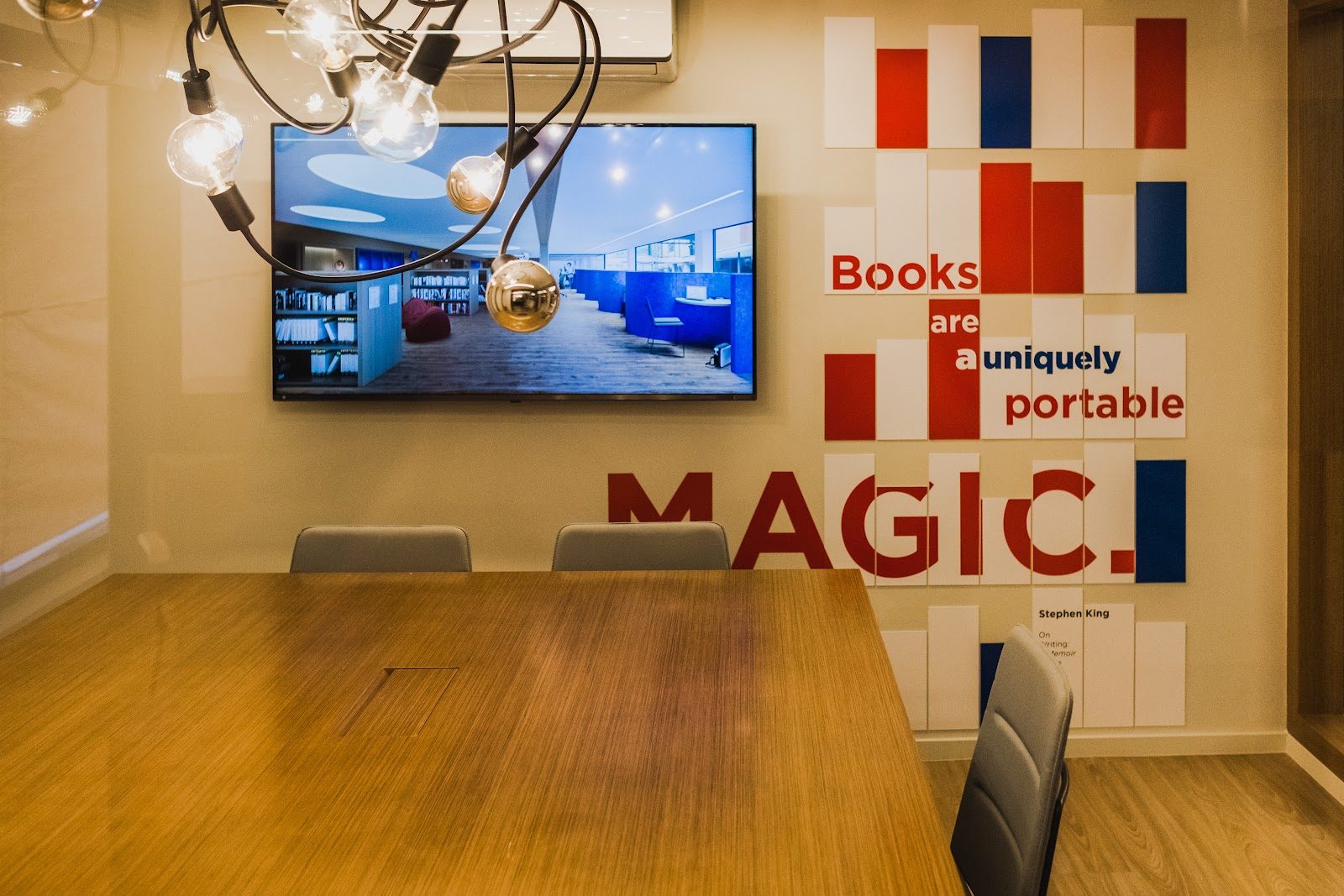
Graded - The American School of São Paulo
São Paulo · Brazil
Born in 1920 as a corporate venture of Citibank, Ford and GE, this Morumbi campus still sends seniors off with three diplomas at once.
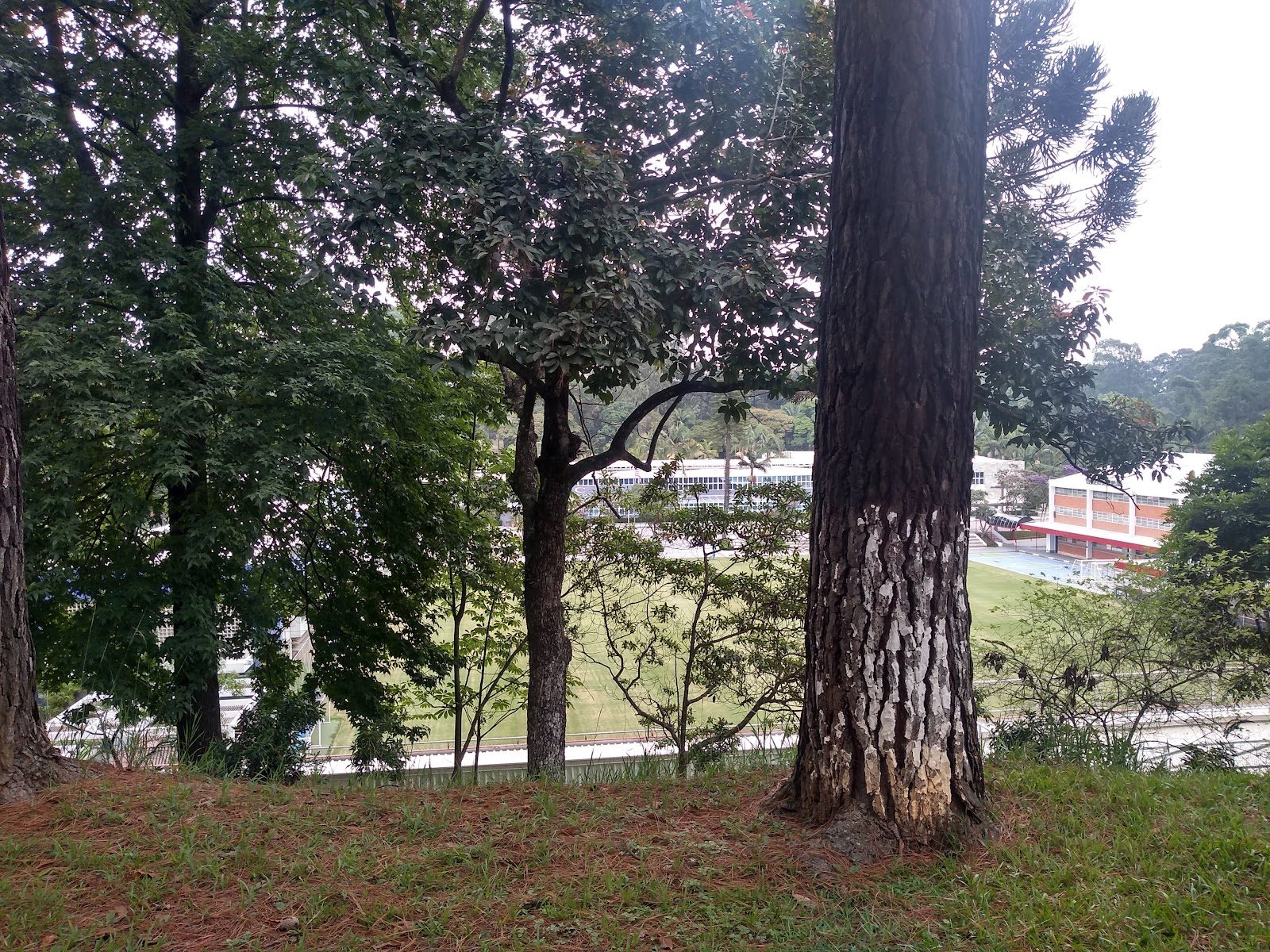
Chapel School
São Paulo · Brazil
Founded in 1947 by Oblate priests for American Catholic families, this Sao Paulo day school runs American, Brazilian and IB diplomas side by side.
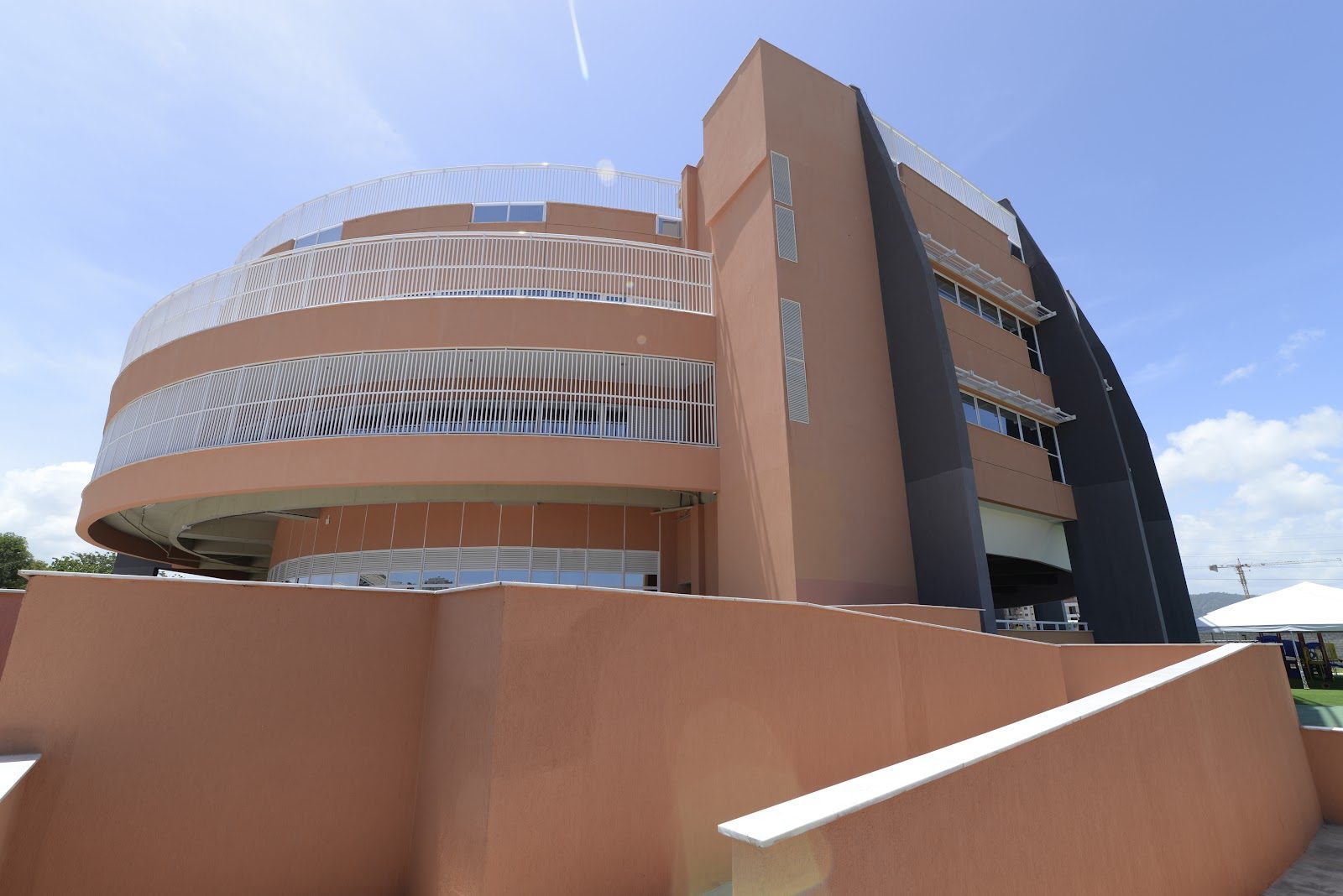
Escola Americana do Rio de Janeiro
Rio de Janeiro · Brazil
Perched at the edge of Tijuca National Forest with Christ the Redeemer in view, a 1937 campus layers IB, American and Brazilian diplomas.
Lower Canada College
Montreal · Canada
Rooted in an 1861 boarding-school lineage, the only English-language Quebec school running both IB Middle Years and Diploma Programmes side by side
Same country and curriculum — closest matches within ±10 points either way