
Western Australia
Hale School
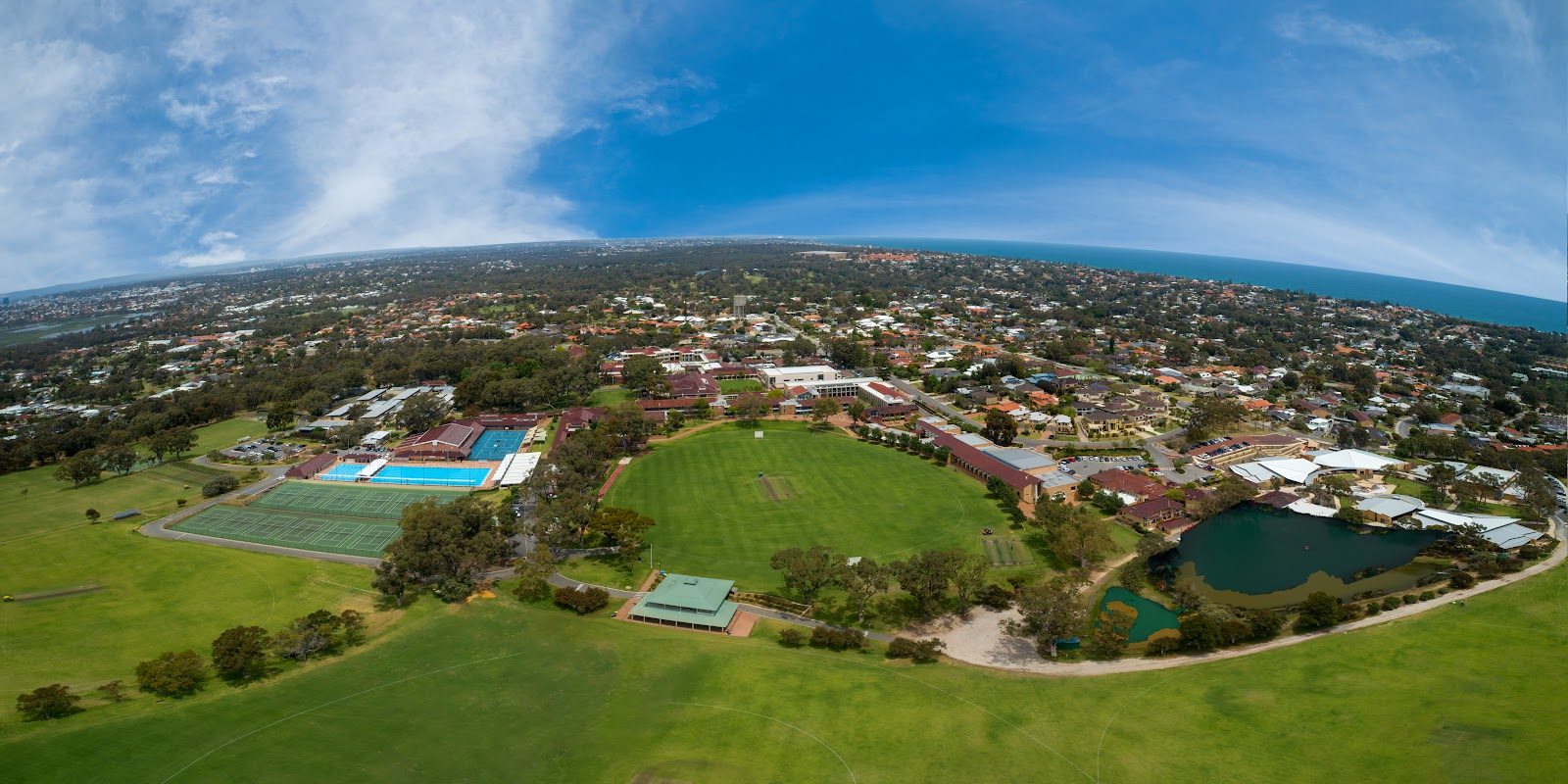
low confidence· 3/6 cats · 2.75 avg sourcesSince 1858, Western Australia's oldest independent boys' school blends a 48-hectare coastal campus with a top-five WA ATAR record.
Type
Both
Ages
3–18
Curriculum
Australian
Qualifications
ATAR · WACE
Ratio
—
The Verdict
Editor's commitment
Right for
Boys who want an Anglican 3–18 school on a 48-hectare Perth campus, with boarding and a top-five WA ATAR record.
Wrong for
Families wanting co-education, a non-Australian curriculum, or a school without boarding; Hale is a boys' Anglican school in Wembley Downs.
Watch out for
The average annual fee is $28,345 for day pupils and $31,710 for boarders; prestige and 1858 heritage do not make it cheap.
Ranking breakdown
Hale School · #759 of 1591
Composite score 67.2. 8 weighted criteria.
By criterion
Academic Outcomes
Weight 20%
#857
of 1529 scored
University Placement
Weight 16%
#793
of 1529 scored
Prestige & Heritage
Weight 12%
#623
of 1529 scored
Alumni Network
Weight 12%
#454
of 1529 scored
Facilities
Weight 12%
#582
of 1529 scored
Transparency & Communications
Weight 8%
#725
of 1529 scored
Peer & Industry Review
Weight 10%
#784
of 1529 scored
Admissions Selectivity & Demand
Weight 8%
#760
of 1529 scored
Peer & Industry Review
How Hale School is regarded in the sector
67
Respected · medium confidence
Within Perth's tight cluster of PSA schools, Hale is regarded as a foundational rival rather than an upstart, its standing built on longevity and sporting pedigree against Christ Church Grammar, Scotch College and Wesley College rather than academic one-upmanship. Universities in Western Australia, notably the University of Western Australia and Curtin, treat its ATAR cohort as reliably prepared rather than exceptional, reflecting steady rather than standout results in WA Schools Curriculum and Standards Authority data and coverage in The West Australian's annual school performance tables. Independent education commentary in Australia rarely singles Hale out for innovation; where it appears in press it is typically in sporting reports (rowing, cricket) or alumni-network business and political profiles tied to WA's establishment, rather than in pedagogy-focused features. It has limited visibility in international rankings or education press compared with eastern-states GPS schools, consistent with its firmly regional rather than national or global reputation.
- Kim Beazley — Politician, former Deputy PM and Governor of WA
- Robert French — Chief Justice of Australia, Judiciary
- Michael Chaney — Businessman, Chairman of NAB and Woodside Petroleum
Editors' overview
A 48-hectare coastal campus in Wembley Downs is the first thing that separates Hale from the rest of the Perth market. Space matters, and boys’ schools that can offer genuine room for sport, outdoor education and adolescent breathing space hold an advantage. Hale also has the oldest-independent-school claim in Western Australia, dating to 1858, and that long institutional memory carries weight in a city where family networks and school loyalties run deep. This is an Anglican day and boarding school for boys aged 3–18, teaching the Australian curriculum in English, with AHISA accreditation. The boarding offer matters: few Western Australian schools can combine a full boys’ day-school experience with a live boarding tradition on this scale.
The school’s market position is clear. Hale sits in the upper tier of Perth independent education: expensive, established and culturally confident. The average annual day fee across the full age range is $28,345, with boarding averaging $31,710. Parents are paying for continuity, land, tradition and a boys-only environment that has not diluted its identity to chase every passing fashion. That will appeal to families who want a school with institutional heft rather than a shinier newer entrant. It will not appeal to everyone. A large, historic boys’ school with Anglican roots and a strong sense of itself can feel unyielding to families who want a more informal, softer-edged culture.
Why put Hale on a shortlist? Because it offers a combination that is hard to replicate in Western Australia: historic standing, boarding, a large coastal campus and a clear single-sex model from early years to the end of school. For the right boy, that mix is highly effective. The pupil who will want Hale is one who thrives in a structured environment, enjoys the scale and rituals of an established school, and wants breadth in school life rather than a narrow classroom existence. Boys who like sport, outdoor life and the camaraderie of a traditional school community will find a natural fit. Boys who need a deliberately progressive, intimate or less tradition-bound setting need to look hard at the culture before signing up.
Academic Performance
Hale’s academic record sits where an old-line Perth boys’ school charging premium fees needs it to sit: near the front of the Western Australian field. The school has a consistent top-five WA ATAR reputation, which places it in the small cluster of independent schools that families scrutinise when raw university-entry performance matters. That does not make Hale a hothouse in the narrow crammer sense. It does mean results are strong enough to sustain a serious academic claim in a market where prestige schools are judged hard on public outcomes. For parents comparing it with Christ Church, Scotch or Wesley, Hale belongs in that conversation on results, not just on history, land or sport.
The important distinction is between strong standing and full transparency. We have not seen a detailed public breakdown of median ATAR, subject-by-subject performance, scholarship totals or a multi-year distribution of top-band scores. That leaves parents with a clear topline and less depth underneath than the most data-forward schools publish. Even so, the broad verdict is straightforward: Hale is an academically credible school with upper-tier outcomes, not a boutique academic specialist and not a school trading on tradition alone. Boys with solid ambition and enough self-discipline will find real academic traction here; families chasing forensic publication of results data will find the picture more guarded than ideal.
Facilities
Facilities are one of Hale’s clearest competitive advantages. The campus spans 48 hectares, and that scale has practical value, not just brochure value. In Perth’s independent market, very few boys’ schools can offer this amount of land in a coherent single site, and fewer still can use it to support the full spread of school life. That matters most in sport and outdoor activity: space for multiple codes, training, fixtures and everyday movement gives Hale a physical ease many denser campuses lack. The boarding dimension also raises the stakes. A school that houses boys on site needs grounds and infrastructure that can absorb life beyond the timetable, and Hale has that in-built depth. Against peer schools, this puts it in the top bracket for campus breadth and room to operate.
The trade-off is that a large traditional campus can feel institutional rather than intimate. Parents looking for cutting-edge specialist architecture or the gloss of a newly built urban school may find Hale less showroom-polished than newer rivals. That is not the point of the place. Its facilities strength lies in land, continuity and capacity, not theatrical design. For families comparing Perth heavyweights, Hale’s advantage is straightforward: boys get genuine room, a proper sense of school scale and facilities that support a broad daily life rather than a tightly packed academic routine. In a peer group where many schools have strong sports provision, Hale still stands out for sheer spatial advantage.
We have not seen a detailed public breakdown of median ATAR, subject-by-subject performance, scholarship totals or a multi-year distribution of top-band scores
Prestige
Hale carries real social and institutional prestige in Western Australia. Part of that rests on age and continuity, but prestige here is not just inherited silverware. It is reinforced by selectivity of audience, price and peer set. Families do not pay an average of $28,345 a year for a school that sits outside the state’s serious independent tier, and they do not keep returning generation after generation unless the name still opens doors. In Perth, Hale functions as one of the schools people mention without explanation. That shorthand matters. It signals a school with deep local recognition, a durable old-boys network and enough public confidence to hold its ground against newer competitors with fresher branding and better promotional polish.
The rating also rests on coherence. Hale knows exactly what it is: a boys’ school with Anglican roots, a boarding tradition and a culture that has not been redesigned to flatter every parental taste. That gives it status with backbone. Prestige built on that kind of certainty travels well with families who value lineage, competitive sport, leadership theatre and a recognisable social milieu. It travels less well with parents who read prestige and hear stiff, exclusive and self-satisfied. That criticism is not invented; it is part of the bargain with schools of this type. Still, in its market, Hale remains a heavyweight name: not the most experimental, not the most transparent, but firmly among the schools whose reputation carries independent force.
That leaves parents with a clear topline and less depth underneath than the most data-forward schools publish
Communications
Hale’s parent communications fit the school’s wider character: formal, orderly and institutionally confident. Families choosing a large boys’ day-and-boarding school need clarity on logistics, pastoral matters, sport, fixtures, trips and residential routines, and Hale has every incentive to keep that machinery tight. A school operating across ages 3–18 with boarding in the mix cannot function on charm and improvisation. The test is not whether parents receive information, but whether they receive it early, cleanly and in a form that respects their time. Hale gives the impression of a school that values control and consistency over warmth. For many parents, that is a strength. Messages from schools of this type work best when they are crisp, hierarchical and unambiguous.
The limitation sits at the human end. Efficient communication is not the same thing as open communication, and schools with strong internal cultures can slide into a one-way style that informs rather than engages. Hale’s long-established identity raises that risk. Parents who want constant conversational access, a highly personalised tone or performative friendliness will find the style cooler and more formal than at softer-edged schools. Parents who want dependable systems, clear expectations and a school that does not over-explain itself will rate that as a virtue. The verdict: effective in structure, less persuasive in warmth, and strongest with families who value discipline over hand-holding.
Uniqueness
What makes Hale distinct is not one headline feature but the rare concentration of traits in one school: a boys-only age range that runs from the earliest years to school-leaving, a live boarding element, a vast established campus and a social identity that has held its line for generations. Plenty of schools offer one or two of those things. Very few offer all of them together with this degree of continuity. That creates a school culture with real internal momentum. Boys are not entering a loose collection of year groups or a campus stitched together around recent expansion; they are entering a full institutional world with its own habits, loyalties and expectations. The average fees — $28,345 for day pupils and $31,710 with boarding — reinforce that this is a serious long-term commitment, not a casual consumer choice.
For students, that combination brings both advantage and pressure. The advantage is breadth: more scope for sport, routines that support independence, older-younger role modelling, and a stronger sense of belonging than many fragmented schools manage. Boarding deepens that further; it gives the place a round-the-clock character and a self-contained community that day schools alone do not replicate. The pressure is cultural fit. Hale offers a strongly defined version of boyhood, not an open-ended choose-your-own-identity model. Boys who relish structure, team life and institutional tradition will gain confidence and traction. Boys who resist hierarchy or want a looser, more experimental atmosphere will feel the limits fast.
Against peer schools, this puts it in the top bracket for campus breadth and room to operate
Student Profile
The boy who fits Hale wants structure and does not resent authority. He can handle a school with a strong internal code, visible traditions and a clear pecking order among year groups, teams and leadership roles. This is not the place for a child who needs constant negotiation, loose boundaries or a highly individualised atmosphere. It suits boys who gain energy from collective life: training after lessons, house loyalties, shared rituals, organised busyness and the social shorthand of an established boys’ culture. Boarders and day boys who settle well here tend to be robust, sociable and self-managing. The school will also suit families comfortable with old-school expectations around presentation, commitment and participation, rather than a pick-and-mix model where every preference gets equal billing.
Temperament matters as much as ability. Hale works best for boys who want to join something larger than themselves and are ready to be shaped by it. Sport-minded pupils will find plenty to attach themselves to, but athletic talent is not the only route in; the deeper requirement is willingness to contribute, take correction and live within a culture that is confident in its own habits. Sensitive, eccentric or strongly non-conformist boys need careful thought here. Some will thrive on the order and camaraderie. Others will find the environment too hard-edged. At an average day fee of $28,345 and boarding at $31,710, parents are not buying flexibility; they are buying immersion in a school that knows exactly what sort of student it wants.
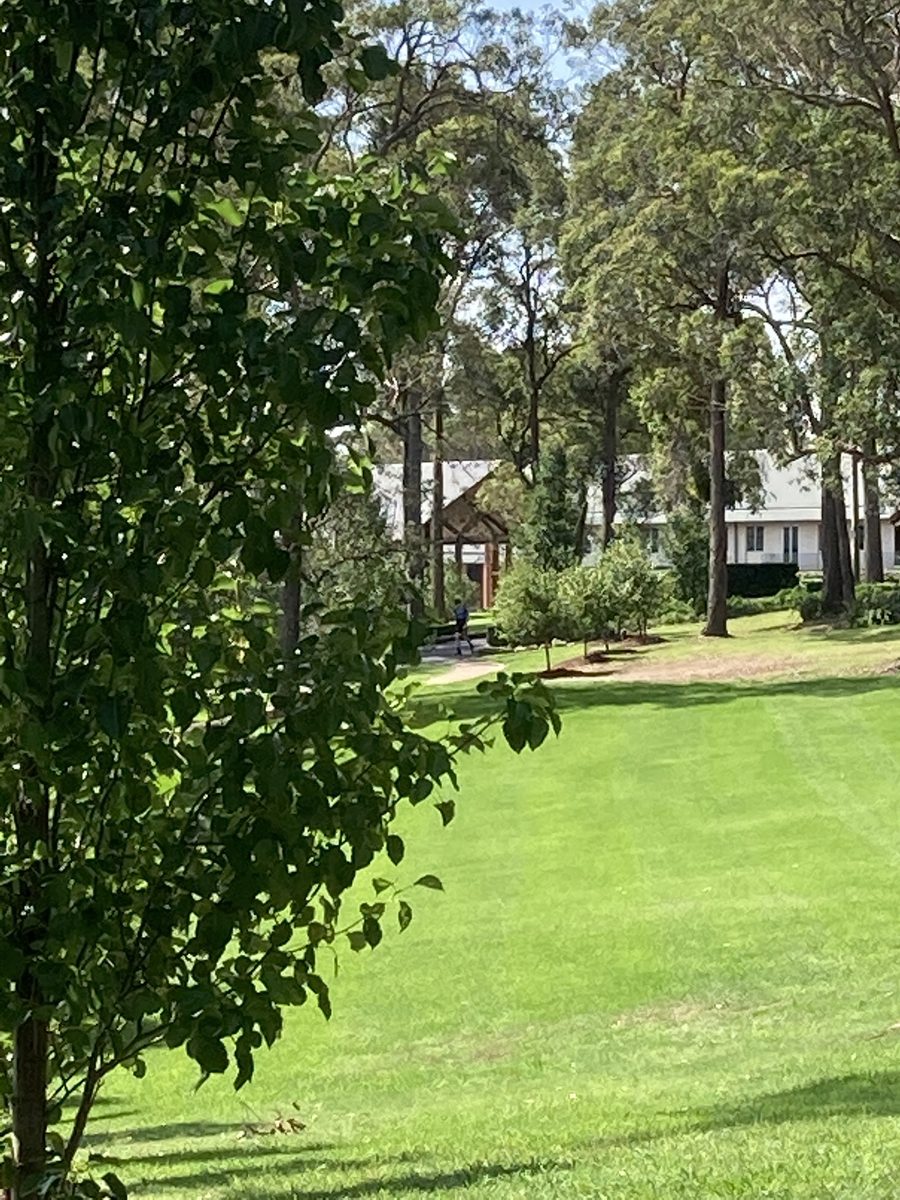
A 48-hectare coastal campus in Wembley Downs is the first thing that separates Hale from the rest of the Perth market
Co-curricular strengths
Arts & sport, on a separate axis
Overall 8.56/10
Scored 0-10 from the school's own published evidence. This axis is editorial-only — it does not feed the main WTS ranking.
Sports
9.5/10
Absolute athletic powerhouse with massive acreage; fields historic, fiercely competitive rugby, cricket, and aquatic programs within the PSA league.
Drama
9/10
Strong dramatic societies mounting highly active annual plays and physical theater works inside their central theater auditoriums.
Dance
6/10
Treated primarily as an auxiliary component for house arts festivals and theatrical physical training rather than an independent elective.
Music
9.3/10
Outstanding symphonic wind bands, big bands, and choral troupes that routinely headline major regional youth music festivals.
Visual Arts
9/10
Studio-intensive fine arts focus housed within the custom arts hubs, prioritizing landscape painting and architectural design.
Strengths
- +Founded 1858; long-established Perth boys' school.
- +Day and boarding options suit different family needs.
- +Ages 3–18 allow one-school continuity.
- +AHISA accreditation adds recognised independent-school oversight.
Considerations
- −Boys-only model will not suit every family.
- −Anglican identity may deter non-religious families.
- −English-only instruction limits bilingual provision.
Availability
Primary entry gate & tests
Academic Record + Interview
Parent reviews
Have you sent your child here?
Voice reviews carry the strongest trust badge — we transcribe them for you to tidy up before they go live. Prefer to type? A written review is fine too.
Add your voice
In 60 seconds, tell other parents: what's the best thing about Hale School, and what surprised you when your child joined?
We ask for a Google sign-in so every review has a real face behind it — no anonymous drive-by attacks on schools, and no faked positive reviews. Your email is never shown publicly.
Send this profile to a friend
International parents rely on word-of-mouth. Share this review with someone weighing the same decision.
Schools with places
Similar schools to Hale School with places available now.
Ivanhoe Grammar School
Melbourne · Australia
- 2026-27
- WAITPOOLVacancy-dependent
- 2027-28
- PLACES OPEN
Wesley College
Melbourne · Australia
- 2026-27
- WAITPOOLVacancy-dependent
- 2027-28
- PLACES OPEN
The King's School (Parramatta)
Parramatta · Australia
- 2026-27
- WAITPOOLVacancy-dependent
- 2027-28
- PLACES OPEN
Methodist Ladies' College
Melbourne · Australia
- 2026-27
- WAITPOOLVacancy-dependent
- 2027-28
- PLACES OPEN
Availability first, then country, area, curriculum, price, co-curricular
Consider also
Also worth looking at alongside Hale School.
Ivanhoe Grammar School
Melbourne · Australia
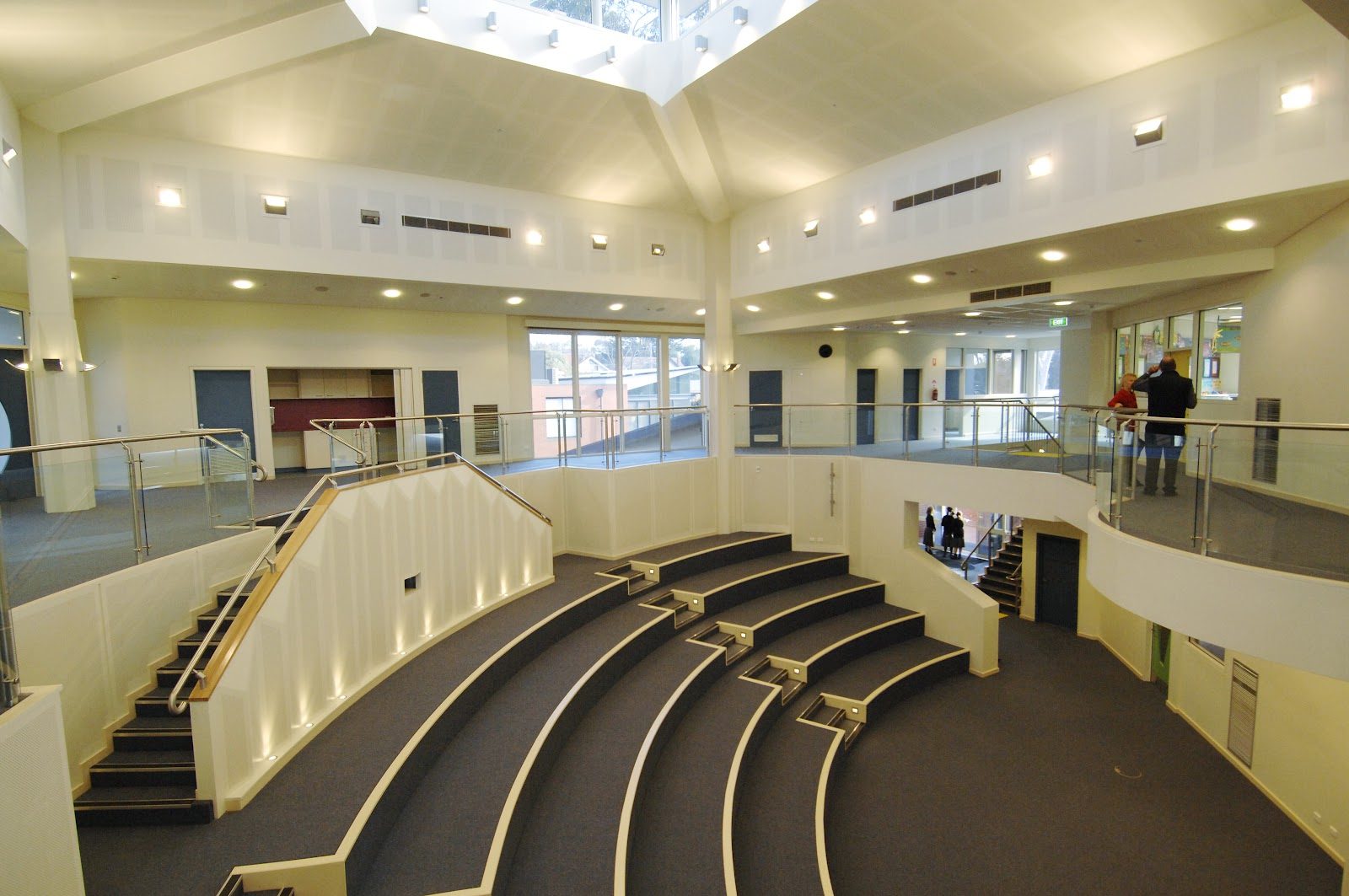
A Year 9 campus embedded at La Trobe University anchors a Round Square network across Melbourne's north, offering both VCE and IB pathways.
Cranbrook School
Sydney · Australia
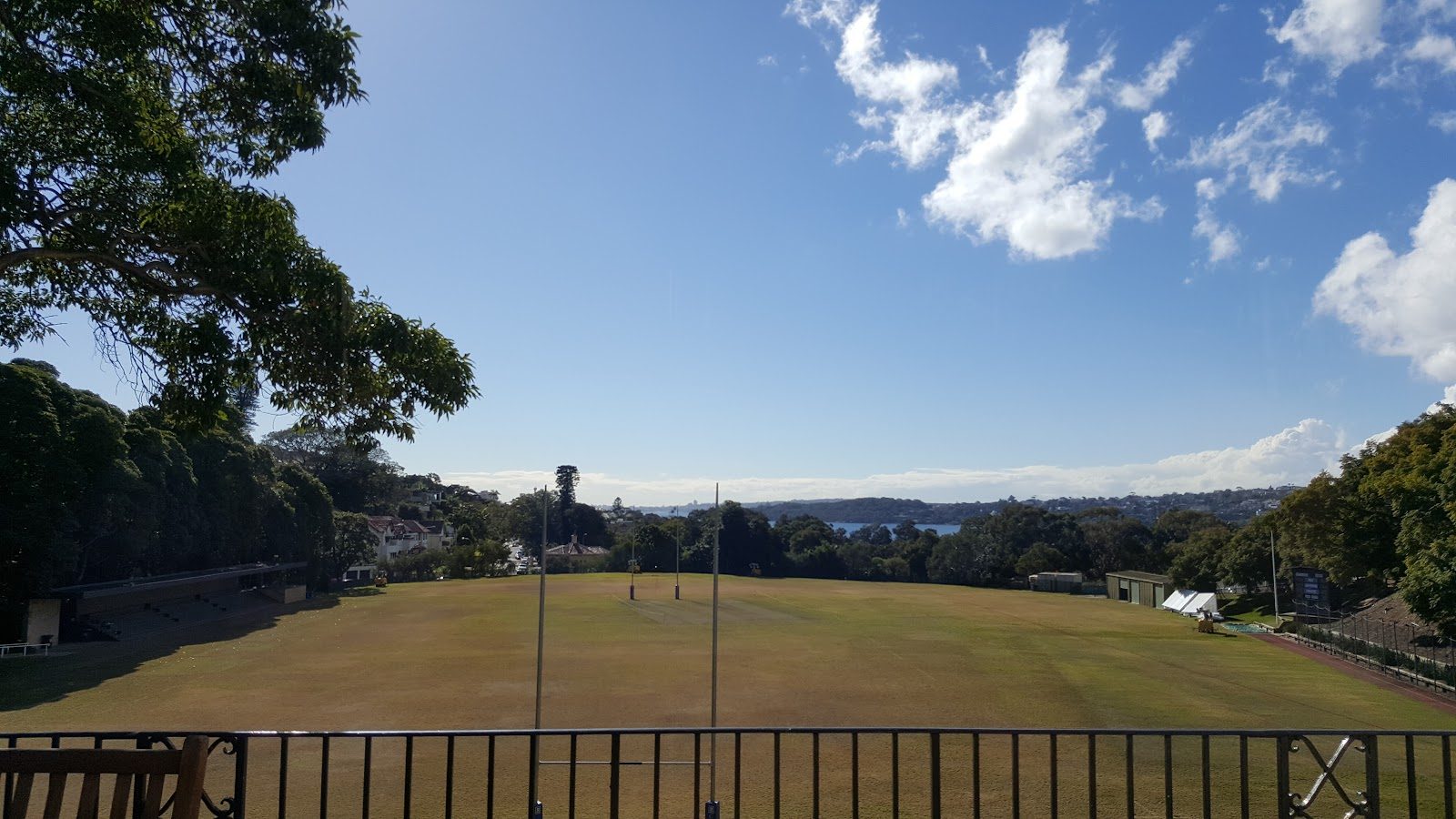
Sydney's first IB Continuum School, pairing Bellevue Hill harbour views with a Blue Mountains bush campus for experiential learning.
Wesley College
Melbourne · Australia
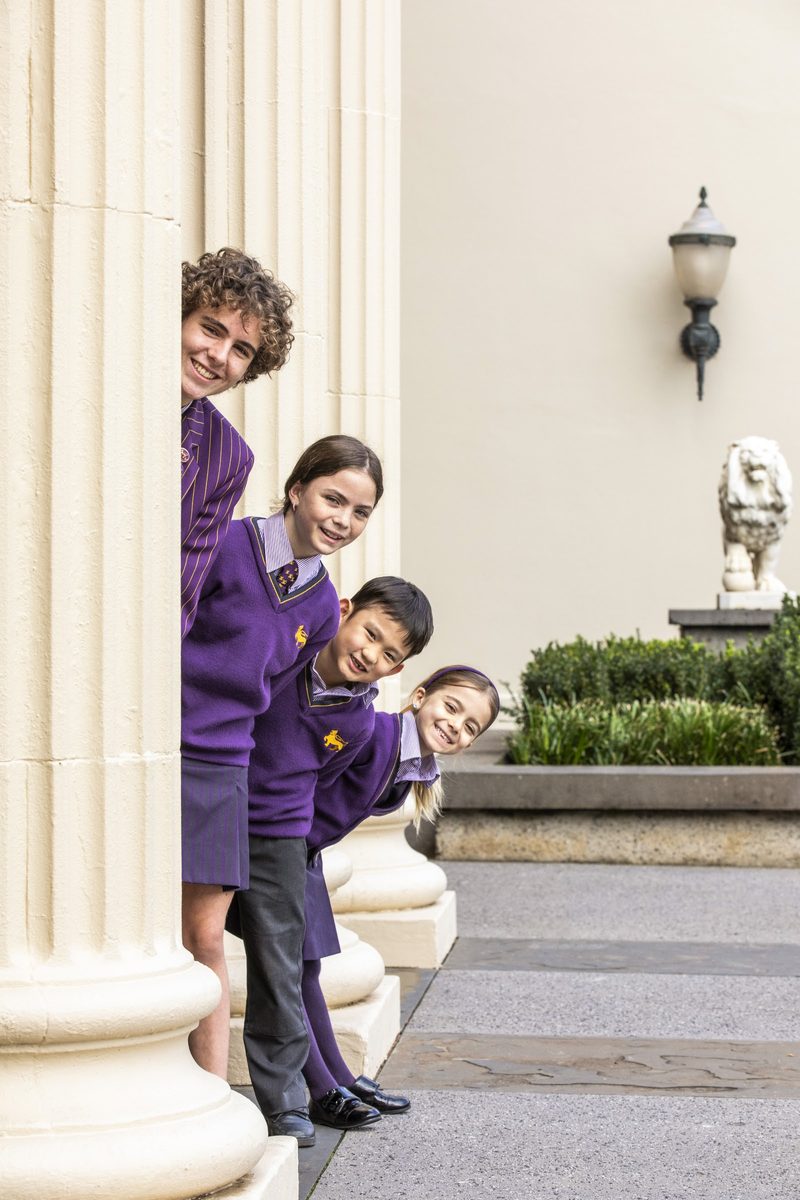
Runs the full IB continuum alongside VCE across three Melbourne campuses, reaching all the way to a studio school in the Kimberley outback.
The King's School (Parramatta)
Parramatta · Australia
Australia's oldest independent school, where an 1831 foundation still marches in the country's oldest surviving military uniform and cadet corps.
Same country and curriculum — closest matches within ±10 points either way