
Warwickshire
Rugby School
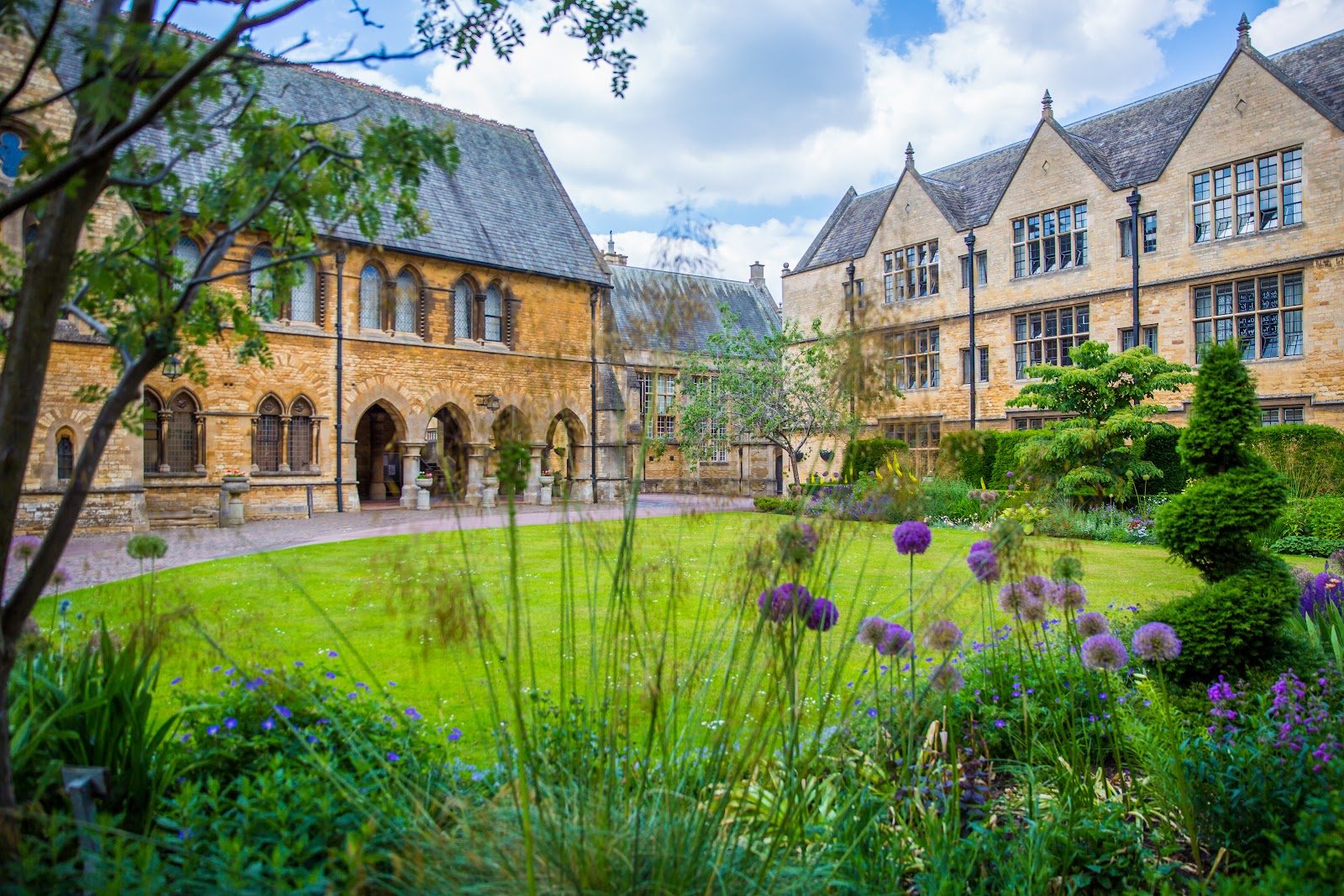
high confidence· 6/6 cats · 3.39 avg sourcesThe Warwickshire close where a schoolboy's 1823 sprint with the ball gave rugby its name and its game.
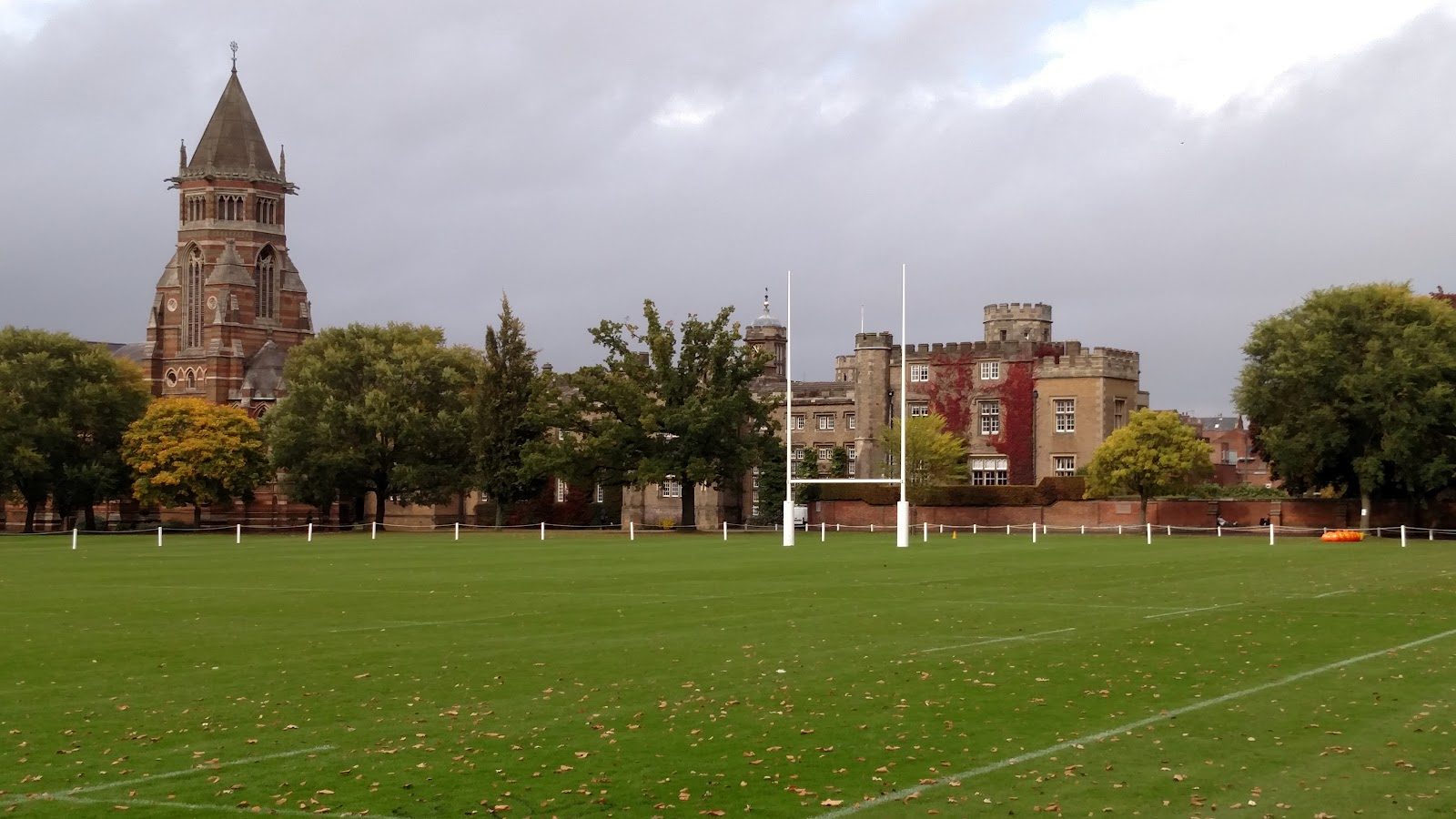
Photo © José Gabriel Brochero via Google Maps
Type
Boarding
Ages
13–18
Curriculum
British
Qualifications
A-Level
Ratio
10:1
The Verdict
Editor's commitment
Right for
Pupils who want a serious sixth form with both A levels and IB, a 10:1 ratio, and 17 Oxbridge places in 2024.
Wrong for
Families wanting a gentler, cheaper day school: the average annual fee is £39,000 day, £62,000 boarding, and Rugby is 13–18 only.
Watch out for
This is a boarding school with Anglican roots, average classes of 18, and a large 200-leaver cohort feeding Durham, Oxford and Cambridge.
Score history
Rugby School · 2026
Movement across 2024–2026. Peer average overlaid.
Overall — 2024–2026
69.3/ 100
▲ +7.6 vs 2025
year on year
Peer & Industry Review
How Rugby School is regarded in the sector
92
Top-tier · high confidence
Rugby School's peer standing rests on genuine historical weight as one of England's original great public schools, credited as the birthplace of rugby football and counting Neville Chamberlain, Salman Rushdie, Lewis Carroll and Matthew Arnold among its Old Rugbeians. WhichSchoolAdvisor's independent listing confirms an Excellent inspection rating and notes that a high percentage of students achieve top grades, with almost one in four A Level entries graded A* in 2019. The Good Schools Guide is unreserved in its praise, judging that "with its glorious heritage, Rugby strikes the right balance between traditional and forward-thinking, serious and playful, world-class and down-to-earth" and calling it "not to be missed". Its brand strength is confirmed by an expanding international network of sister schools in Thailand, Japan and Dubai trading directly on the Rugby name, a licensing model reserved for only the most peer-recognised British institutions. Together, the historical pedigree, consistent independent praise and international expansion place it firmly among the UK's unanimously top-tier schools.
Evidence sources
Editors' overview
Rugby trades on more than a famous anecdote about a boy running with a ball. The real draw is the combination of scale, history and academic choice inside a full boarding environment that still has intellectual seriousness at its core. This is a British senior school for ages 13 to 18 with Anglican roots, accredited by ISI and HMC, and it offers both A levels and the IB rather than forcing every sixth-former down one route. That matters. For a bright teenager who knows their strengths, or for one still working them out, dual pathways give Rugby an advantage over single-track boarding rivals. Add a 10:1 student-teacher ratio and average classes of 18, and the proposition is clear: this is a high-expectation school with enough staffing to avoid the anonymity that big boarding schools can breed.
The school’s own language stresses kindness, courage and intellectual clarity, and the more persuasive point is that Rugby has the machinery to make those claims credible. A boarding school of this age and reputation lives or dies by house culture, staff quality and the tone set in classrooms. Rugby’s insistence on challenge without intimidation is one of its stronger notes. Parents who want a hard-edged academic atmosphere with no pastoral ballast will find sterner places; parents who want a soft, therapeutic cocoon will find gentler ones. Rugby sits in the valuable middle: demanding, socially broad by old public-school standards, and structured for students who want a lot on their plate. The average annual fee is £62,000 for boarders and £39,000 for day pupils, which places it firmly in the expensive top tier of the UK independent market. At that price, families are buying not only teaching and boarding, but a dense institutional network, formidable extracurricular range and a name with real staying power.
Outcomes give the school weight. In the 2024 cohort of 200 leavers, 88% went to top-100 universities, with 17 to Oxbridge and 64 to Russell Group institutions; Oxford took 9 and Cambridge 8. That does not make Rugby a university conveyor belt, and it does not need to be. Its real market position is as a full-spectrum boarding school for able, energetic teenagers who want options: strong academics, serious sport, institutional tradition, and a peer group ambitious enough to sharpen them. The alumni footprint is exceptionally deep even by old-school standards, with 1,097 notable alumni catalogued in Wikidata and heavy representation across politics, scholarship, writing and elite sport. The student who will want Rugby is not the one hunting for a niche, boutique education. It is the one who wants a big stage, can cope with expectation, and will use a prestige machine rather than hide inside it.
Academic Performance
Rugby’s academic case rests less on published headline grades than on destination strength and sixth-form choice. The school offers two demanding routes, which matters because raw top-line results are harder to compare cleanly when a cohort is split between different terminal qualifications. What is public gives Rugby solid standing: in the latest leavers’ cohort, 88% progressed to top-100 universities, with 17 to Oxbridge. That places the school in the serious academic bracket of British boarding schools, but not in the tiny band that trades almost entirely on examination dominance. Rugby’s pitch is broader than that, and the results profile fits: high-achieving, credible, and backed by universities that remain selective.
The missing piece is aggregate exam data. The school does not publish, in the facts provided here, a full set of external examination outcomes such as A*-A at A level, top IB point averages, or subject-by-subject distributions. That weakens direct comparison with rivals that put every headline measure into the public domain. Parents can still read the shape of performance: selective university destinations, dual-pathway sixth form, and an institutional culture that prizes intellectual clarity over mere score-chasing. In peer terms, Rugby sits as a strong all-rounder with real academic heft, not a narrow exam factory. For many families, that is a strength. For parents who want hard public proof of grade supremacy, the opacity is a drawback.
Facilities
Facilities at Rugby are built around the house system and the demands of a boarding day, not around a single showpiece building. That matters. At schools in this bracket, parents are buying a lived environment as much as classrooms, and Rugby’s own account makes clear that houses are where pupils eat, socialise and have the small daily exchanges with matrons, tutors and older students that hold boarding life together. In peer terms, that points to a properly embedded residential set-up rather than a token boarding layer attached to a day school. The school also signals serious provision for music, theatre, dance, Duke of Edinburgh, clubs and community engagement through Rugby 360. That breadth is standard at the top end of British boarding; what distinguishes Rugby is the sense of institutional density and a routine designed to keep adolescents occupied, supervised and stretched across the whole day.
There is, however, a limit to what the school puts into public view. We have not seen a clean, detailed public inventory of specialist teaching spaces, sports infrastructure, performing arts venues, design or science facilities, nor the kind of campus-by-campus photographic and technical breakdown that some rivals now publish as a matter of course. For a school charging an average of £62,000 to board, that is a gap. The broad picture is still clear: facilities are substantial, boarding-led and aligned with a school that expects pupils to do a great deal beyond lessons. Against peers, Rugby sits above schools with thinner extracurricular infrastructure, but it is less transparent than the most forensically presented competitors.
The average annual fee is £62,000 for boarders and £39,000 for day pupils, which places it firmly in the expensive top tier of the UK independent market
Prestige
Rugby carries *first-rank British boarding-school prestige*. Part of that rests on myth: this is the school indelibly tied to the origin story of rugby football, and that association still gives it unusual public recognition beyond education circles. The stronger case rests on institutional depth. Rugby has one of the most extensive verified alumni footprints in the sector, with 1,097 notable former pupils catalogued in Wikidata across politics, scholarship, business, writing and elite sport. Few schools can match that breadth. For families, that translates into a name that travels well: instantly legible in Britain, well known across old Commonwealth and international-parent networks, and backed by a professional and social web that has been compounding for generations. This is inherited prestige, but it is also active prestige.
The rating stays short of the absolute summit for one reason: Rugby’s reputation is formidable, but its public academic signalling is less relentless than the tiny set of schools that dominate the conversation through published exam supremacy alone. Its status comes from the whole package — history, houses, sport, sixth-form choice, university exits and cultural reach — rather than from one overpowering metric. That makes the brand broader, and for many families more useful, than a school known only for grades. Add a leavers’ profile that sends 88% to top-100 universities and an alumni base that includes 191 elite athletes, and the verdict is clear: Rugby is a heavyweight name with genuine social and educational currency, not a museum piece living off old glory.
In the 2024 cohort of 200 leavers, 88% went to top-100 universities, with 17 to Oxbridge and 64 to Russell Group institutions; Oxford took 9 and Cambridge 8
Communications
Rugby communicates in a voice that is unmistakably its own: confident, house-centred and steeped in institutional habit. The strongest public clue to parent communication is the school’s repeated emphasis on houses as the engine of daily life, with tutors, matrons and older pupils all part of the web of oversight. That matters because boarding schools communicate well when information sits close to the child rather than bottlenecking in a distant central office. Rugby’s language also stresses the value of the “incidental chat” and small check-in points, which indicates a culture of regular human contact rather than a purely transactional stream of notices. For parents, that points to communication that is relational, not just administrative. In a school drawing families from 51 countries, that kind of structure is not optional; it is the mechanism that keeps trust intact.
The weakness is transparency at the public edge. Rugby says a great deal about values and internal culture, and less about operational detail than the best-run competitors now publish as standard. We have not seen the sort of forensically clear parent-facing information architecture that answers practical questions before a family needs to ask them. That does not mean communication inside the school is poor; it means the external presentation is more patrician than polished. For existing families, the house system and boarding routines are a strong base for close, human-scale contact. For prospective parents, the communication style demands more confidence in the institution than some will welcome, especially at fees averaging £62,000 for boarding.
Uniqueness
What no rival can copy is Rugby’s combination of origin-story status and present-day usefulness. Plenty of old British schools have history; few have history that entered global culture. The school’s link to the birth of rugby football gives it a public identity far beyond the education market, and that matters because teenagers feel the difference between a school with internal traditions and one with a myth recognised almost everywhere. Yet Rugby is not only trading on legend. Its more distinctive educational move is the refusal to force sixth formers into a single mould. Offering both major senior pathways inside one serious boarding institution gives students room to choose a course that fits how they think, work and perform, rather than bending themselves around the school’s administrative convenience. That is genuinely useful, and still uncommon among prestige peers.
The other point of difference is social and institutional scale. Rugby draws families from 51 countries, runs one of the country’s larger full-bursary programmes through the Arnold Foundation, and anchors daily life in houses where conversation, oversight and belonging are built into the routine. For students, that brings a peer group wider than the old public-school stereotype and a structure that keeps adolescence productively busy. Add an alumni network with 1,097 notable former pupils catalogued in Wikidata and the result is a school that gives teenagers both symbolic capital and practical reach. The risk is obvious: a place this storied can overwhelm a passive child. For the pupil with appetite and resilience, it offers a rarely matched platform.
What is public gives Rugby solid standing: in the latest leavers’ cohort, 88% progressed to top-100 universities, with 17 to Oxbridge
Student Profile
The Rugby pupil is busy, socially game and sturdy enough for a place that expects full participation rather than selective attendance. This is not a school for teenagers who want to drift anonymously through lessons and retreat from the rest. The house structure, the emphasis on shared meals and the school’s own stress on conversation, manners and daily check-in points all favour pupils who can live closely with others and tolerate a high level of communal life. The best fit is a young person who wants stretch across several fronts at once: academic work, sport or the arts, activities, service, and the ordinary demands of living among peers. With families drawn from 51 countries and a large bursary programme, the social mix is broader than the old caricature of an English boarding school. That gives Rugby a more mixed social temperature than some rivals, but it still suits children who can handle confidence, tradition and strong institutional habits.
Temperament matters as much as ability. Rugby suits students who are self-propelled, robust under pressure and willing to try things before they know if they will excel. The school’s own language values courage, curiosity and intellectual clarity, and that points to pupils who can cope with challenge without needing constant reassurance. It is a strong match for ambitious all-rounders, late developers who benefit from structure, and sixth formers who want real choice in how they finish school. It is a weaker match for the thin-skinned, the highly solitary, or the child who needs a quieter, looser environment. In a school with an alumni network running to 1,097 notable figures, passive pupils risk being outpaced.
Its more distinctive educational move is the refusal to force sixth formers into a single mould
Co-curricular strengths
Arts & sport, on a separate axis
Overall 9.32/10
Scored 0-10 from the school's own published evidence. This axis is editorial-only — it does not feed the main WTS ranking.
Sports
9.8/10
The birthplace of rugby football; fields historic, globally recognized athletic programs on vast, pristine British playing fields.
Drama
9.5/10
The Macready Theatre functions as a professional public venue, providing a conservatory-style track for actors and technicians.
Dance
8.5/10
Highly active formal dance curriculum running modern, jazz, and classical composition inside custom sprung-floor studios.
Music
9.6/10
Deeply institutionalized choral and instrumental tracking modules feeding active regional touring groups and seasonal events.
Visual Arts
9.2/10
Features custom exhibition galleries alongside massive digital imaging labs, industrial ceramics, and fine art studios.
Editor-verified · 8/6/2026
Outcomes & destinations
Where students go next
Editorial estimateClass of 2024
200 graduates
A-Level & IB distribution
99% covered
- A*35%
- A34%
- B22%
- C8%
Top destinations
81 placements
- Oxford· 9
- Cambridge· 8
- Durham· 14
- Edinburgh· 11
- Bristol· 10
- Exeter· 9
- UCL· 8
- Newcastle· 7
- Leeds· 5
Approximate figures from the school's published Where They Go Next report.
Editor-approximated from the school's own leavers report. Awaiting school-attested figures.
Notable alumni · Wikidata
1,097notable alumni
947 historic (born pre-1930) · 22 modern (born post-1970)wikidata:2026-07-28 How we source this
The story in one line
38% achieved ≥ AAB in 2+ facilitating subjects·ISI Routine Inspection 2025
AAB with 2 facilitating subjects is the Department for Education's published predictor of admission to a top-third UK university: the pupil has scored high grades in at least two of the classic Russell-Group subjects (maths, sciences, English, history, geography, or a modern language). Independent schools don't appear in the state-only HE-destinations dataset, so this is the strongest DfE-verified sixth-form signal available. Source: DfE 16-18 school and college performance data · 2023/24.
DfE-verified statistics
Official GCSE data · 2024/2025
Progress 8
—
Value-added score. State-schools only; 0 = expected progress, +1 = one grade above.
Attainment 8
10.8
Average grade across 8 GCSEs (score out of 90). National ≈ 46.
EBacc average score
0.36
Avg grade across the 5 EBacc pillars (English, Maths, Sciences, Language, Humanity).
EBacc slots filled
0.4
How many of the 5 EBacc pillars pupils typically enter (max 5).
A-Level attainment
Cohort · 2023/24
Avg A-Level grade
A-
APS per entry: 46.05
Best 3 grade
B+
Best-3 APS: 44.32
≥ AAB + 2 fac.
37.8%
Russell-Group predictor.
Progress (value-added)
+0.05
Average
Read with care. Independent schools frequently sit IGCSEs or Pre-U qualifications instead of standard GCSEs — DfE data only counts standard GCSEs, so these numbers may reflect a partial cohort. For a fuller picture, cross-check with the school's own annually-published results.
URN 125777Verified · DfE 2024/2025
Official inspection
ISI report · 2025
Inspectorate
Independent Schools Inspectorate
The Government-approved inspectorate for English independent schools.
Latest report
29 April 2025
Routine Inspection
Report history
Verified · Independent Schools InspectorateSource-of-truth
Strengths
- +Founded in 1567, Rugby School is one of the original seven English public schools and is popularly linked to the origins of rugby football.
- +Fully co-educational since 1992, with an approximately 50:50 mix of boys and girls; around 75% of pupils board, roughly 20% of whom are international.
- +Rated Excellent in its most recently available ISI report, the highest grading available under the inspectorate's former framework.
- +The Sixth Form offers a genuine choice of two pathways — A-Levels and the IB Diploma Programme.
- +Co-curricular provision is world-class in sport, music, drama and visual arts and elite in dance, backed by extensive playing fields, theatre and music spaces.
- +Scholarships across academic, art, music, drama, computing and sport can be combined with means-tested bursaries worth up to 100% of fees, and the Arnold Foundation supports talented children with a need for boarding.
Considerations
- −At around £55,000 a year for boarding (£30,000 for day pupils), Rugby sits in the premium bracket before travel, music lessons and other extras.
- −16+ entry requires a strong existing record — typically three GCSE grade 7s (or A) and three grade 6s (or B), or the IB MYP equivalent — so late entrants need solid prior results.
- −The school is in the market town of Rugby, Warwickshire, rather than a major city, adding a travel leg for overseas boarding families arriving via London or Birmingham airports.
- −The headline Excellent rating stems from a 2014 report, and since 2023 ISI no longer issues an overall single-word judgement, so there is no current one-word inspection verdict to compare against rivals.
- −Rugby has withdrawn from national exam league tables, so parents cannot benchmark it directly against competitors in that format.
Availability
Primary entry gate & tests
13+ ISEB / 16+ Exams
Gallery
Photo © José Gabriel Brochero via Google Maps
Photo © Seef Alden via Google Maps
Photo © Simon Hepburn via Google Maps
Photo © Magdalena Śledziewska via Google Maps
Photo © Mike Forbester via Google Maps
Photo © H. Prell Márta via Google Maps
Photo © M and P via Google Maps
Photo © Martyn Drogan via Google Maps
Photo © Martyn Drogan via Google Maps
Recommended reading
Independent write-ups of this school from editorial outlets we trust.
- Rugby SchoolGood Schools Guide
Parent reviews
Have you sent your child here?
Voice reviews carry the strongest trust badge — we transcribe them for you to tidy up before they go live. Prefer to type? A written review is fine too.
Add your voice
In 60 seconds, tell other parents: what's the best thing about Rugby School, and what surprised you when your child joined?
We ask for a Google sign-in so every review has a real face behind it — no anonymous drive-by attacks on schools, and no faked positive reviews. Your email is never shown publicly.
Send this profile to a friend
International parents rely on word-of-mouth. Share this review with someone weighing the same decision.
Schools with places
Similar schools to Rugby School with places available now.
Availability first, then country, area, curriculum, price, co-curricular
Consider also
Also worth looking at alongside Rugby School.
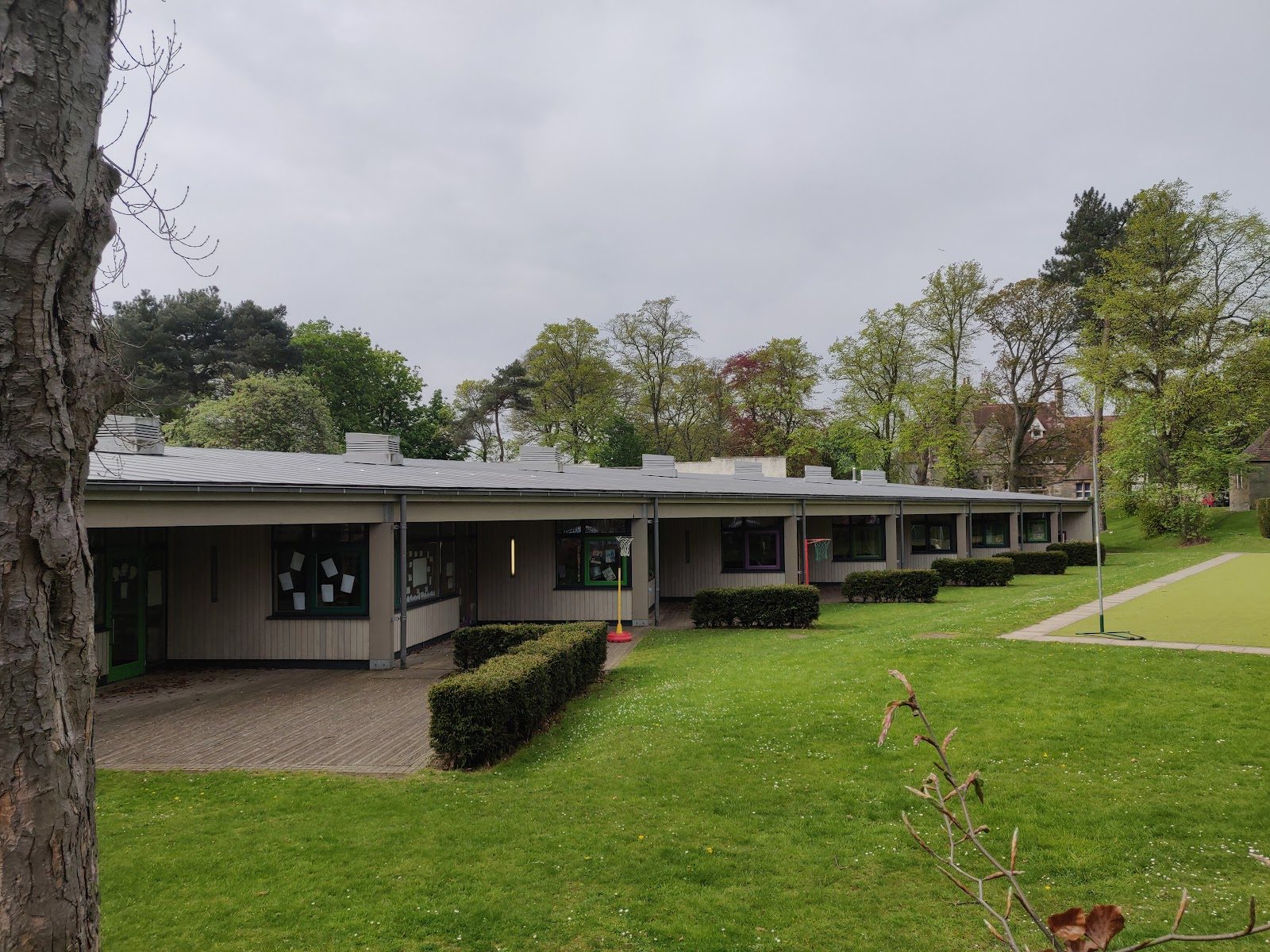
Fettes College
Edinburgh · United Kingdom
Gothic turrets said to have inspired Hogwarts frame Scotland's only sixth form pairing A Levels with a full IB Diploma pathway.
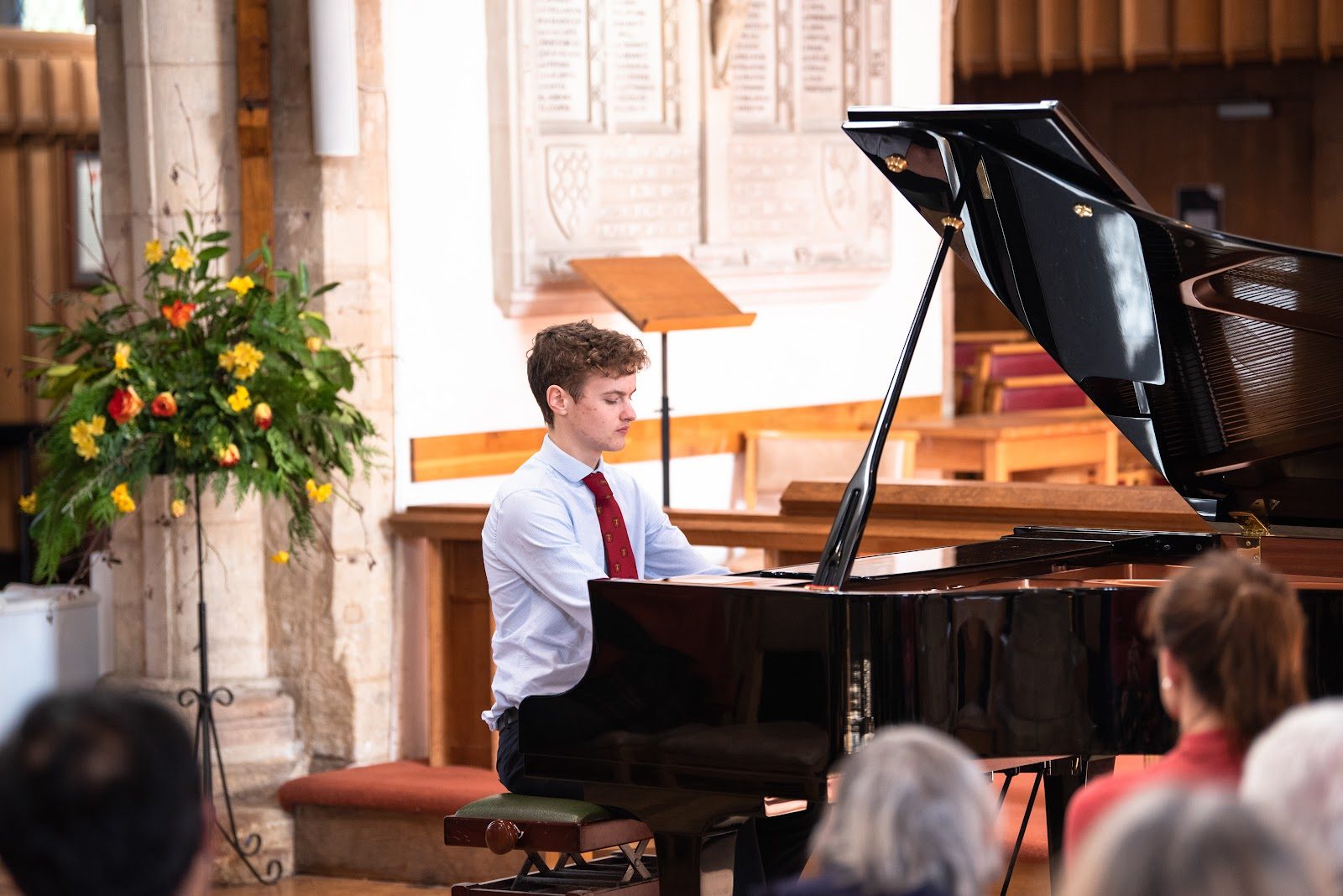
Oundle School
Oundle · United Kingdom
Boarding houses woven into a historic market town, and an engineering centre that 3D-prints titanium and carbon fibre.
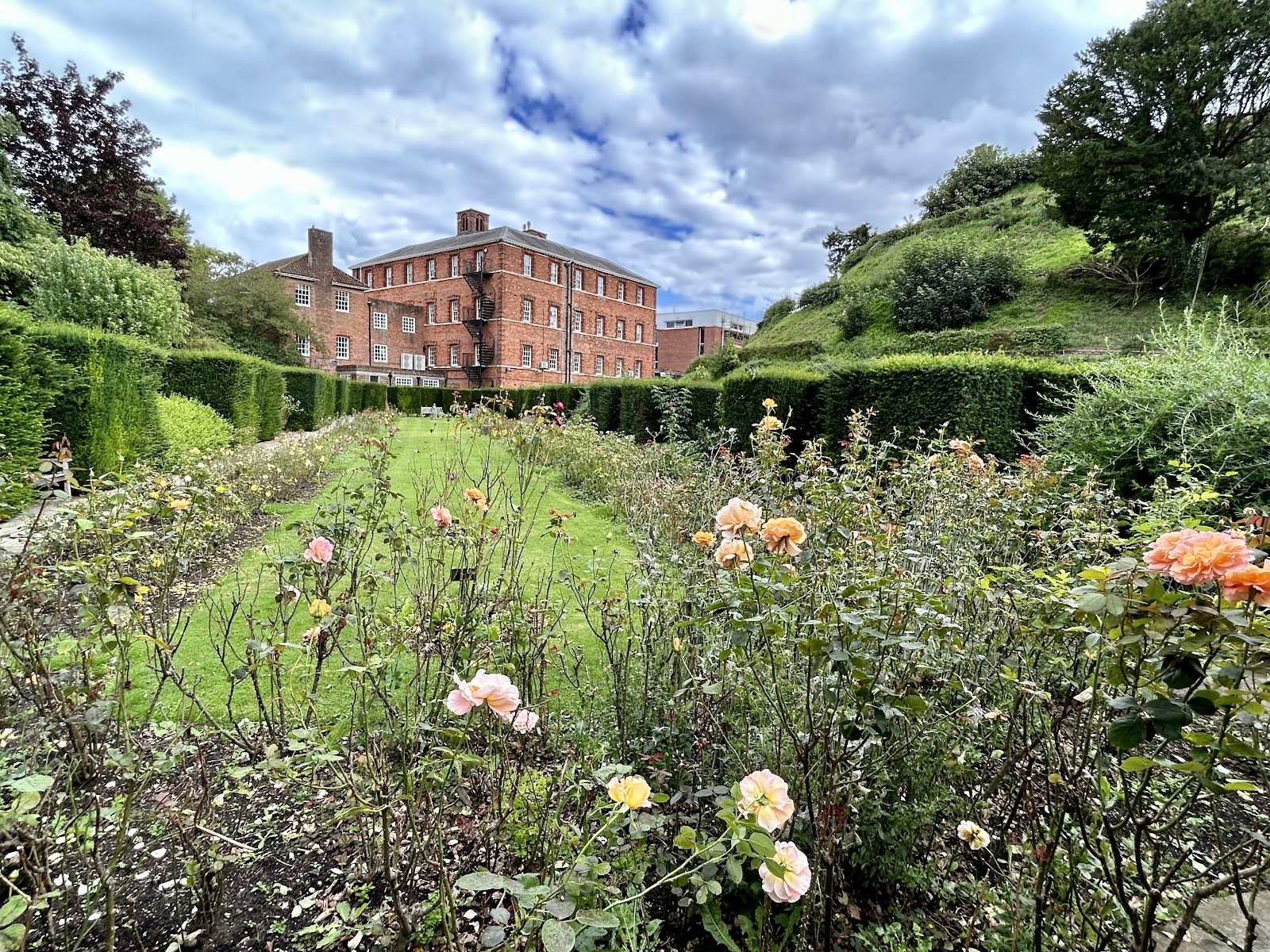
Marlborough College
Marlborough · United Kingdom
A 4,000-year-old Neolithic mound anchors a Wiltshire campus that pioneered co-education among Britain's boarding schools.
Uppingham School
Uppingham · United Kingdom
A Rutland boarding school where Thring's music-first Victorian philosophy still shapes seven-day house life today
Same country and curriculum — closest matches within ±10 points either way