
Attica
American Community Schools Athens
medium confidence· 5/6 cats · 2 avg sourcesIntroduced Greece's first IB Diploma Programme in 1976, pairing American rigor with an Athenian hillside campus.
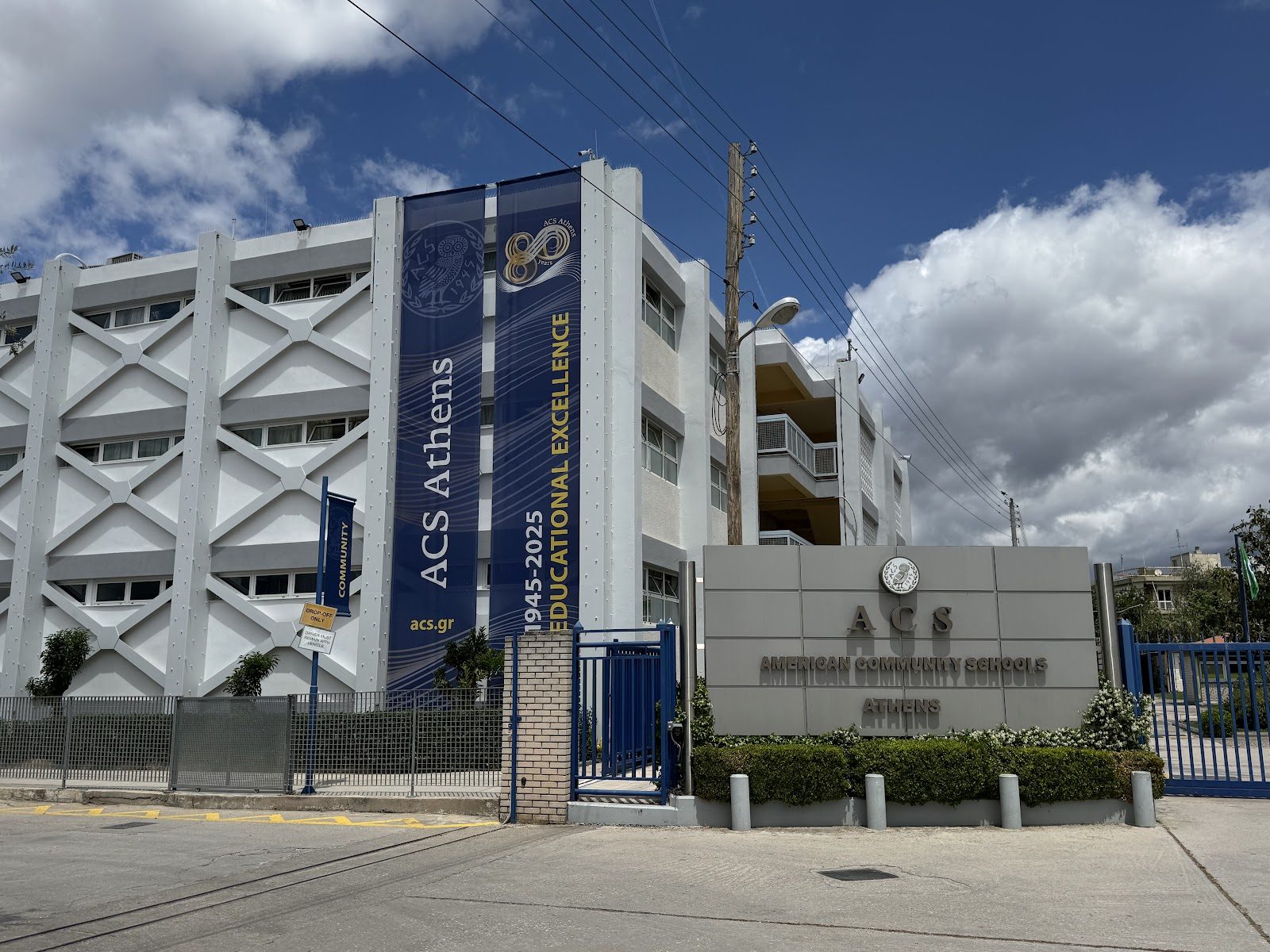
Photo © John Papadakis via Google Maps
Type
Day
Ages
3–18
Curriculum
American · IB
Qualifications
AP · IB PYP · IB MYP · IB Diploma · US High School Diploma
Ratio
12:1
The Verdict
Editor's commitment
Right for
Families who want an American school with IB on top: ACS Athens opened Greece's first IB Diploma in 1976, with a 12:1 ratio.
Wrong for
Parents chasing bargain Athens fees or a local-language education: teaching is in English, the school is day-only, and averages $46,500 a year.
Watch out for
Recent destinations listed are thin — American University, Bard and Baylor, one student each — so the university placement picture lacks breadth.
Ranking breakdown
American Community Schools Athens · #545 of 1591
Composite score 68.3. 8 weighted criteria.
By criterion
Academic Outcomes
Weight 20%
#668
of 1529 scored
University Placement
Weight 16%
#649
of 1529 scored
Prestige & Heritage
Weight 12%
#689
of 1571 scored
Alumni Network
Weight 12%
#432
of 1530 scored
Facilities
Weight 12%
#666
of 1533 scored
Transparency & Communications
Weight 8%
#688
of 1532 scored
Peer & Industry Review
Weight 10%
#645
of 1548 scored
Admissions Selectivity & Demand
Weight 8%
#489
of 1529 scored
Score history
American Community Schools Athens · 2026
Movement across 2024–2026. Peer average overlaid.
Overall — 2024–2026
68.3/ 100
▲ +22.8 vs 2025
year on year
Peer & Industry Review
How American Community Schools Athens is regarded in the sector
58
Credible · low confidence
ACS Athens is consistently mentioned in expat-parent forums and 'best international schools in Athens' round-ups (e.g., ExpatFocus, InterNations discussions) as one of the oldest and most established American-curriculum schools in Greece, and it holds NEASC/MSA accreditation referenced in international school directories. However, it lacks coverage in specialist rankings like Good Schools Guide or Tatler, and independent alumni-network press is sparse, limiting confidence beyond a solid local/regional reputation.
Evidence sources
Editors' overview
American Community Schools Athens has a clear claim on the city’s international-school map: it introduced Greece’s first IB Diploma Programme in 1976, yet it remains anchored in an American educational model rather than drifting into generic international-school branding. That matters for families who want both. The school runs from age 3 to 18, teaches in English, and offers a full through-school structure on a day-school basis. With a 12:1 student-teacher ratio and an average class size of 20, it sits in the bracket where pupils still get direct attention without the school feeling tiny or socially narrow. Accreditation from CIS and the Middle States Association of Colleges and Schools gives it credible external scrutiny, though parents will still note that the school does not publish the kind of headline academic outcome data that would make comparisons easier.
What stands out is the balance between American structure and international breadth. The school’s own account of student life is busy and outward-facing: cross-country trips, debate, Model United Nations in The Hague, visual arts exhibition work, journalism through The Owl, civic projects in Greek schools, and a surge in student-led clubs. That reads as more than token enrichment. ACS Athens has put real weight behind the idea that school life extends beyond the timetable, and the result is a campus culture that suits articulate, engaged students who want to do things as well as study. The average annual fee of USD 46,500 places it firmly in the premium tier for Athens, so parents are entitled to expect both serious university guidance and a strong co-curricular return on that investment.
This is not the right school for every child. Pupils who need a tightly traditional, exam-drilled environment may find the ethos too expansive; those who thrive here will value student agency, breadth, and an American-leaning school culture with IB at the top end. The recent university destinations published here — American University, Bard College and Baylor University — point towards a US-facing counselling profile, though the sample disclosed is too thin to draw sweeping conclusions. On shortlist terms, ACS Athens earns its place for families who want an established international school with genuine history in the city, a full American-and-IB pathway, and a student experience that feels lived-in rather than staged.
Academic Performance
Academic performance is the conspicuous weak point in ACS Athens’ public case. The school does not publish aggregate IB Diploma results, average point scores, pass rates, SAT profiles, AP distributions, or any other exam data that would let parents place it cleanly against Athens peers or against established American-and-IB schools elsewhere in Europe. For a school charging an average of USD 46,500 a year across the full age range, that opacity matters. It leaves families judging academic strength through proxies: its long-established upper-school pathways, external accreditation, and university destinations. Those indicators carry some weight, but they are not a substitute for hard results. On academic transparency, the school is underpowered, guarded and less accountable than it should be.
That does not mean weak outcomes; it means unverified outcomes. The school’s profile points to a broad, American-style education with an IB endpoint rather than a results-factory culture. For some families, that is a strength. For others, especially those comparing selective international schools on exam performance first, it is a problem. Relative to peers, ACS Athens sits in the group that asks parents to trust the institution rather than inspect the numbers. In a premium market, that is a blunt drawback. Schools that publish cohort-wide diploma scores, score distributions and university-placement depth give parents a firmer basis for comparison; ACS Athens does not.
Facilities
Facilities are not the headline strength in the public case for ACS Athens, and that matters because premium schools need to show parents where the money goes. What the school does put forward points to a campus with serious support for student activity beyond the classroom: a theatre, an innovation lab, a learning commons, arts provision, summer courses and a visible structure for clubs, competitions and events. That creates a workable, active environment for pupils who use school as more than a place to sit lessons. The reference to international travel for sport and Model United Nations, alongside visual arts exhibition work and student journalism, also implies the practical spaces and staffing to sustain those programmes. The average annual fee of USD 46,500 raises the bar here: parents are buying breadth, not bare-bones classrooms.
Against strong European peers, though, the facilities picture remains under-explained. The school does not publish the kind of detailed campus inventory that lets families judge specialist science labs, sports infrastructure, music practice space or design-and-technology provision with confidence. Some competitors make that easy with floorplans, venue lists and clear photography; ACS Athens does not. So the verdict is mixed: there is enough to infer a lived-in, co-curricular campus with genuine arts and activity infrastructure, but not enough to rank it among the region’s best-equipped schools on hard evidence. Parents who care about facilities need a visit, because the published picture stops short of proof.
Parents who care about facilities need a visit, because the published picture stops short of proof
Prestige
ACS Athens has real standing, but it is not prestige in the old European sense of dynastic cachet or brutal selectivity. Its status rests on three harder assets: longevity, a recognised place in the city’s international-school landscape, and a distinctive claim in the Greek market through the early adoption of the IB Diploma. That gives it institutional weight. Families know what it is, universities know how to read it, and the school has had decades to build alumni loyalty and a functioning reputation. The premium fee level — USD 46,500 on average each year — reinforces that upper-market position, but price alone never confers prestige. Here, the fee buys entry into an established, cosmopolitan school with a clear identity rather than a fashionable newcomer trading on design and rhetoric.
That said, ACS Athens does not command the sort of prestige that settles every argument on name alone. The weak point is public proof. A school at this level needs published whole-cohort outcomes if it wants academic prestige to match institutional prestige, and ACS Athens does not provide them. The result is a reputation that feels earned in history and community life more than in published academic dominance. Its student culture has substance — debate, athletics, journalism, civic projects, Model United Nations and a surge in student-led activity — and that breadth matters. So the verdict is clear: this is a serious, well-established school with genuine local stature and international credibility, but not an untouchable brand.
The school runs from age 3 to 18, teaches in English, and offers a full through-school structure on a day-school basis
Communications
ACS Athens communicates like a school with a busy internal life rather than a polished corporate machine. The public-facing site carries clear signposts to contact points, a parent login area, student forms and programme pages, and it names a Student Life Officer directly rather than hiding responsibility behind a generic inbox. That matters. So does the sheer range of activity being surfaced: competitive sport abroad, debate, Model United Nations, visual arts, journalism, civic action, house structures, clubs, summer courses and student services. Parents get a strong sense that school life is active, student-driven and not confined to lessons. The school also uses practical architecture — portals, user links, service pages — that points to routine day-to-day communication rather than one-off admissions theatre.
The weakness is sharp. The site copy is cluttered, repetitive and harder to navigate than a premium school site has any right to be. Important information sits inside a maze of duplicated menus and institutional labels, which makes the user experience feel untidy and *less disciplined than the school’s fee level demands*. For current parents already inside the system, that may be manageable if the portal works well; for prospective parents judging responsiveness and clarity, it is a drag on confidence. In short, ACS Athens communicates substance better than elegance. Families get evidence of real school life and named channels for contact, but the delivery lacks editorial control and premium sharpness expected at USD 46,500 a year.
Uniqueness
What distinguishes ACS Athens is not a generic “international” mix but a durable merger of two school traditions that do not always sit comfortably together: an American through-school culture and an IB endpoint with genuine local history. That gives the school a clear internal logic. Students do not enter a campus trying to be all things to all families; they enter one with a settled idea of how school life works. The result is a student experience that favours discussion, initiative and visible participation over narrow score-chasing. The co-curricular picture reinforces that identity: sport with overseas fixtures, debate, Model United Nations, journalism through The Owl, visual arts exhibition work, civic projects in Greek schools, and a recent surge in student-led clubs. For children who want to do school rather than just attend it, that matters.
There is also a distinct sense of scale and continuity. With a staffing ratio of 12:1 and classes averaging 20, pupils have room to be known without the social limitations of a tiny school. That combination supports student voice in a practical way, not as slogan. It suits confident, articulate children who want access to adults, leadership chances and a campus culture with some momentum behind it. The trade-off is plain: families seeking a hard-edged, exam-first atmosphere will find stronger fits elsewhere. ACS Athens is unique in Athens because it offers an established, American-leaning education with IB at the top and a student culture that feels earned rather than manufactured.
What stands out is the balance between American structure and international breadth
Student Profile
The students who fit best here are the ones who want to be visible participants in school life, not passengers. This is a strong match for articulate, outward-facing children who will sign up for teams, publications, performances, service work or conferences and then push for more. The school’s own picture of student life is busy: cross-country travel, debate, Model United Nations, visual arts exhibition work, journalism through The Owl, food-aid awareness work in Greek schools, and a recent rise in student-led clubs. That points to a pupil body with high social confidence, decent organisational stamina and a willingness to use school as a platform. The staffing ratio of 12:1 and class average of 20 back that up: pupils have enough access to adults to be known, noticed and expected to contribute.
The weaker fit is just as clear. Quiet children can thrive here, but only if they are comfortable in an environment where student voice carries real weight and campus life has momentum. Families looking for a narrowly academic, tightly pressurised culture built around public score display will find a mismatch. So will children who prefer anonymity, low participation and a school day that ends when lessons do. At an average annual fee of USD 46,500, this school suits parents buying not only teaching but a full-spectrum, student-driven experience. The pupil profile is engaged, expressive and community-minded; the right child will find room here, but not cover.
Academic performance is the conspicuous weak point in ACS Athens’ public case
Co-curricular strengths
Arts & sport, on a separate axis
Overall 8.14/10
Scored 0-10 from the school's own published evidence. This axis is editorial-only — it does not feed the main WTS ranking.
Sports
9.3/10
Basketball, Volleyball and Swimming as extracurriculars.
Drama
8/10
Drama productions, which is stronger than a bare club listing because it evidences actual staged performance, but gives no named theatre, department or recurring major production history.
Dance
7.2/10
Music
8/10
Choir ensemble and Jazz band, showing more than a bare mention through named musical ensembles, but offers no dedicated facility, department or competition evidence.
Visual Arts
8.2/10
Editor first-pass · editor-reviewable · 7/27/2026
Outcomes & destinations
Where students go next
Class of 2025
Top destinations
131 placements
- American University· 1
- Bard College· 1
- Baylor University· 1
- Boston College· 1
- Boston University· 1
- Brandeis University· 1
- Bryn Mawr College· 1
- Colgate University· 1
- Colorado State University-Fort Collins· 1
- Columbia College Chicago· 1
- Dickinson College· 1
- Drexel University· 1
- Emerson College· 1
- Empire State University· 1
- Florida International University· 1
- Florida Southern College· 1
- Fordham University· 1
- Long Island University· 1
- Loyola University New Orleans· 1
- Maryland Institute College of Art· 1
- Michigan State University· 1
- Montclair State University· 1
- Mount Holyoke College· 1
- Northeastern University· 1
- Nova Southeastern University· 1
- Ohio State University· 1
- Pace University· 1
- Pennsylvania State University-Penn State Abington· 1
- Pennsylvania State University-Penn State York· 1
- Pomona College· 1
- Purdue University· 1
- Quinnipiac University· 1
- Rollins College· 1
- Savannah College of Art and Design· 1
- Stetson University· 1
- Suffolk University· 1
- Texas A & M University-College Station· 1
- Tufts University· 1
- University of Arizona· 1
- University of Chicago· 1
- University of Michigan-Ann Arbor· 1
- University of North Carolina at Chapel Hill· 1
- University of Richmond· 1
- University of Southern California· 1
- Worcester Polytechnic Institute· 1
- Birkbeck, University of London· 1
- Brunel University of London· 1
- Cardiff University· 1
- City St George's, University of London· 1
- Coventry University· 1
- Durham University· 1
- Durham University International Study Centre· 1
- Goldsmiths, University of London· 1
- King's College London, University of London· 1
- Kingston University· 1
- Leeds Beckett University· 1
- London Metropolitan University· 1
- London School of Economics and Political Science, University of London· 1
- Northeastern University London· 1
- Oxford Brookes University· 1
- Queen Mary University of London· 1
- Regent's University London· 1
- Richmond American University London· 1
- Royal Holloway, University of London· 1
- Southampton, Solent University· 1
- The University of Edinburgh· 1
- University College London· 1
- University of Bath· 1
- University of Brighton· 1
- University of Bristol· 1
- University of Essex· 1
- University of Essex International College· 1
- University of Exeter· 1
- University of Glasgow· 1
- University of Greenwich· 1
- University of Hertfordshire· 1
- University of Kent· 1
- University of Leeds· 1
- University of Leicester· 1
- University of Manchester· 1
- University of Nottingham· 1
- University of Portsmouth· 1
- University of Reading· 1
- University of Sheffield· 1
- University of Southampton· 1
- University of St Andrews· 1
- University of Strathclyde· 1
- University of Surrey· 1
- University of Surrey International Study Centre· 1
- University of Sussex· 1
- University of Warwick· 1
- University of Westminster, London· 1
- University of York· 1
- Brock University· 1
- McGill University· 1
- McMaster University· 1
- Queen's University· 1
- Toronto Metropolitan University· 1
- University of Alberta· 1
- University of Calgary· 1
- University of Guelph· 1
- University of Ottawa· 1
- University of Toronto· 1
- Western University· 1
- York University· 1
- Erasmus University Rotterdam· 1
- Maastricht University· 1
- Tilburg University· 1
- TU Eindhoven· 1
- University of Amsterdam· 1
- University of Groningen· 1
- Utrecht University· 1
- Vrije Universiteit Amsterdam· 1
- Monash University· 1
- University of Adelaide· 1
- University of Queensland· 1
- University of Sydney· 1
- KU Leuven· 1
- University of Nicosia· 1
- Institut d'études politiques de Paris· 1
- Frankfurt School of Finance and Management· 1
- Deree, The American College of Greece (ACG)· 1
- The University of Hong Kong· 1
- Bocconi University· 1
- Humanitas University· 1
- Queen Mary University of London, Malta· 1
- International University of Monaco· 1
- Esade Business School· 1
- IE University· 1
- University of Navarra· 1
- Geneva Business School· 1
Reported by the school. Confirm with admissions.
Strengths
- +Founded in 1945
- +American, IB and AP curriculum
- +English-language instruction throughout
- +12:1 student-teacher ratio
Considerations
- −Day school only; no boarding
- −Average class size is 20
- −No religious affiliation offered
Availability
Primary entry gate & tests
Academic Record + Interview
Gallery
Photo © John Papadakis via Google Maps
Parent reviews
Have you sent your child here?
Voice reviews carry the strongest trust badge — we transcribe them for you to tidy up before they go live. Prefer to type? A written review is fine too.
Add your voice
In 60 seconds, tell other parents: what's the best thing about American Community Schools Athens, and what surprised you when your child joined?
We ask for a Google sign-in so every review has a real face behind it — no anonymous drive-by attacks on schools, and no faked positive reviews. Your email is never shown publicly.
Send this profile to a friend
International parents rely on word-of-mouth. Share this review with someone weighing the same decision.
Schools with places
Similar schools to American Community Schools Athens with places available now.
The Sheikh Zayed Private Academy for Girls
Abu Dhabi · United Arab Emirates
- 2026-27
- WAITPOOLSpace-dependent
- 2027-28
- OPENS SOONOpens early Nov '26
Canadian Academy
Kobe · Japan
- 2026-27
- WAITPOOLSpace-dependent
- 2027-28
- OPENS SOONExpected ~Sept '26 (one-year-ahead policy)
The British School of Paris
Paris · France
- 2026-27
- WAITPOOLSpace-dependent
- 2027-28
- PLACES OPENRolling
Manarat Al Riyadh Schools
Riyadh · Saudi Arabia
- 2026-27
- WAITPOOLSpace-dependent
- 2027-28
- PLACES OPENRolling
Availability first, then country, area, curriculum, price, co-curricular
Consider also
Also worth looking at alongside American Community Schools Athens.

Qatar Academy Doha
Doha · Qatar
Anchored in Education City, this IB continuum school was Qatar's first authorized to run all three Baccalaureate programmes.
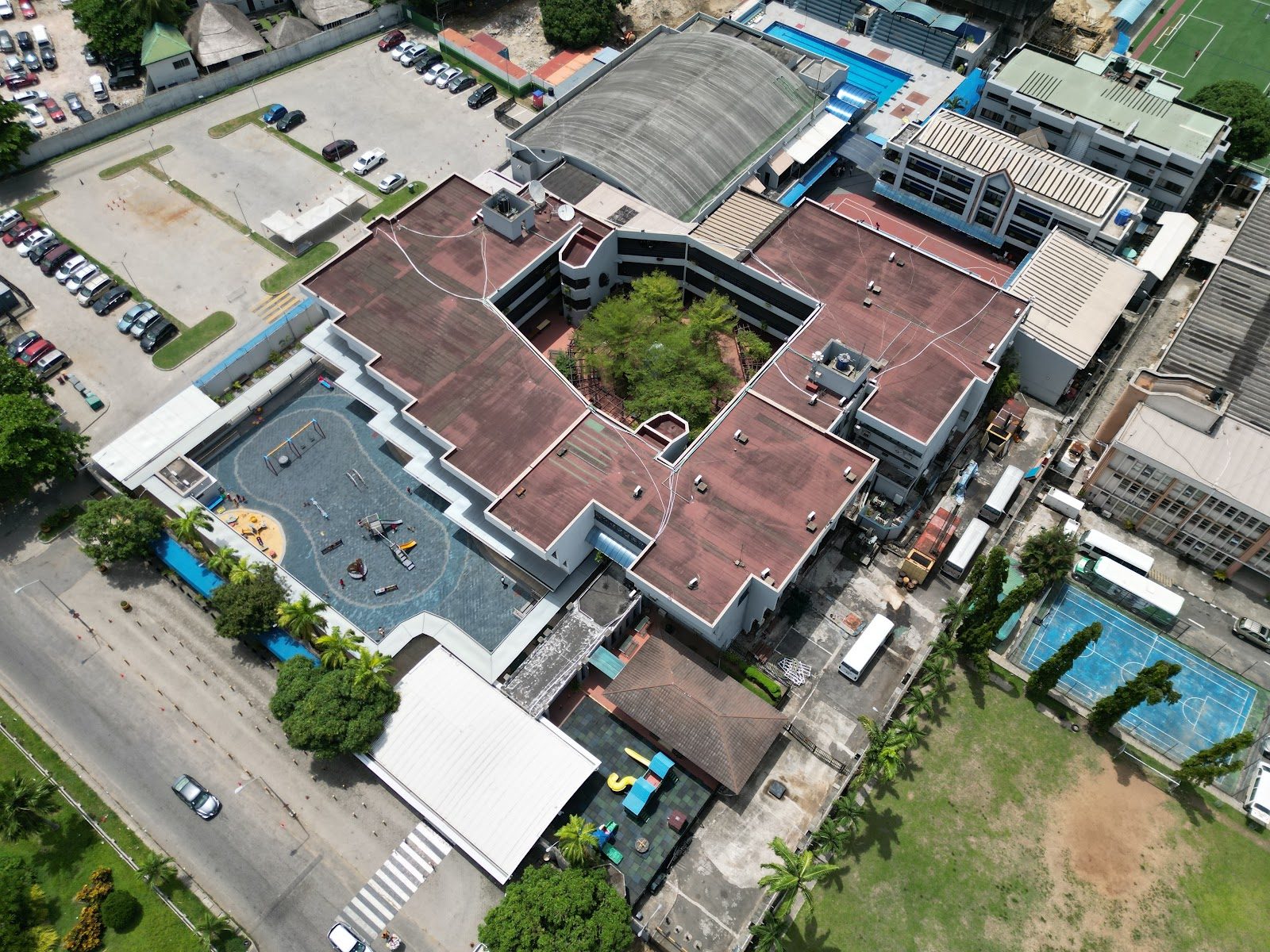
American International School of Lagos
Lagos · Nigeria
On Victoria Island since 1964, where Shell, ExxonMobil and Chevron reserve seats on the board overseeing dual American-IB diplomas.
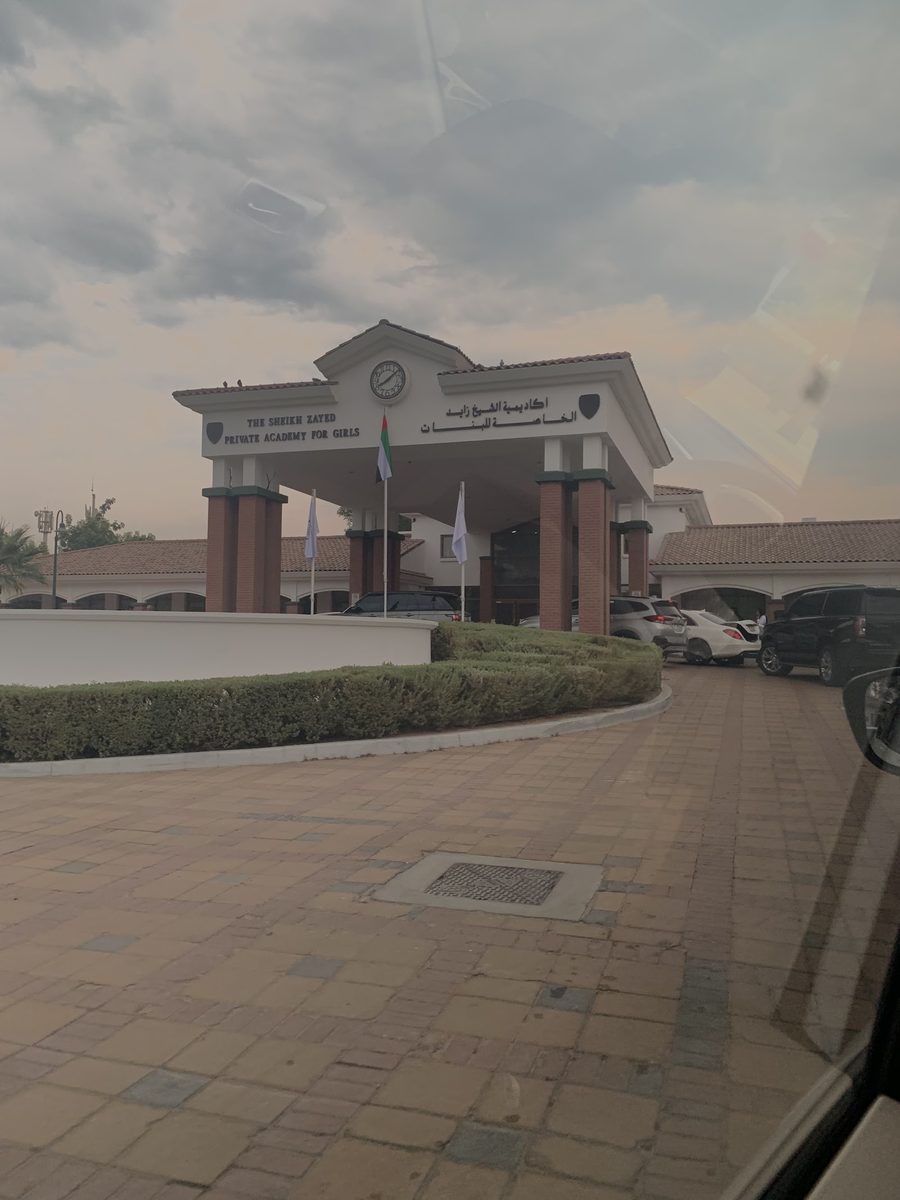
The Sheikh Zayed Private Academy for Girls
Abu Dhabi · United Arab Emirates
Massachusetts Common Core meets Emirati heritage, holding the sole top ADEK rating among Abu Dhabi's American-curriculum schools.
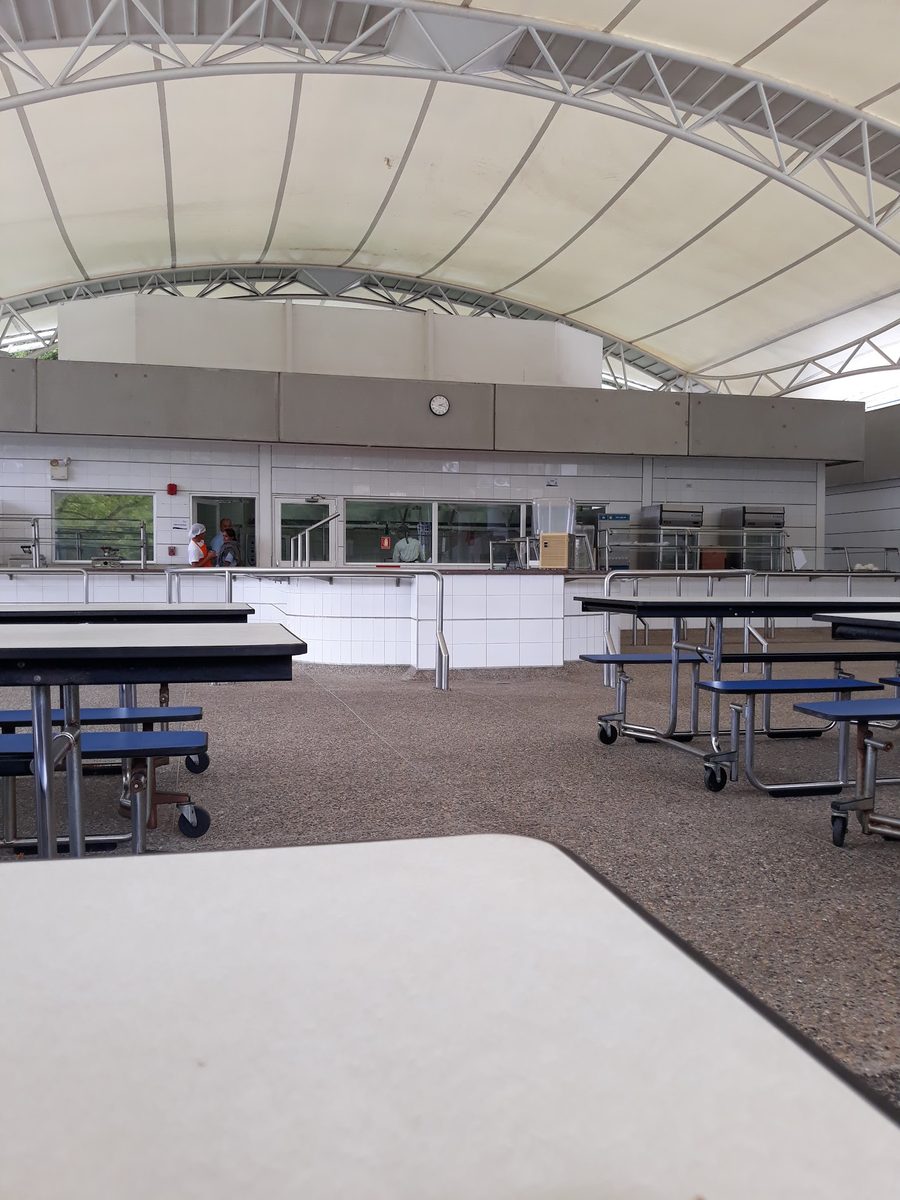
Escuela Campo Alegre
Caracas · Venezuela
Since 1937, a US-embassy-linked campus in Las Mercedes pairing American college-prep rigor with an IB diploma and Venezuelan history studies
Same country and curriculum — closest matches within ±10 points either way