
Delhi
Sardar Patel Vidyalaya
medium confidence· 4/6 cats · 1.71 avg sourcesIn Lodi Estate, primary classes run in Hindi, not English -- a stance no other private school in India makes.
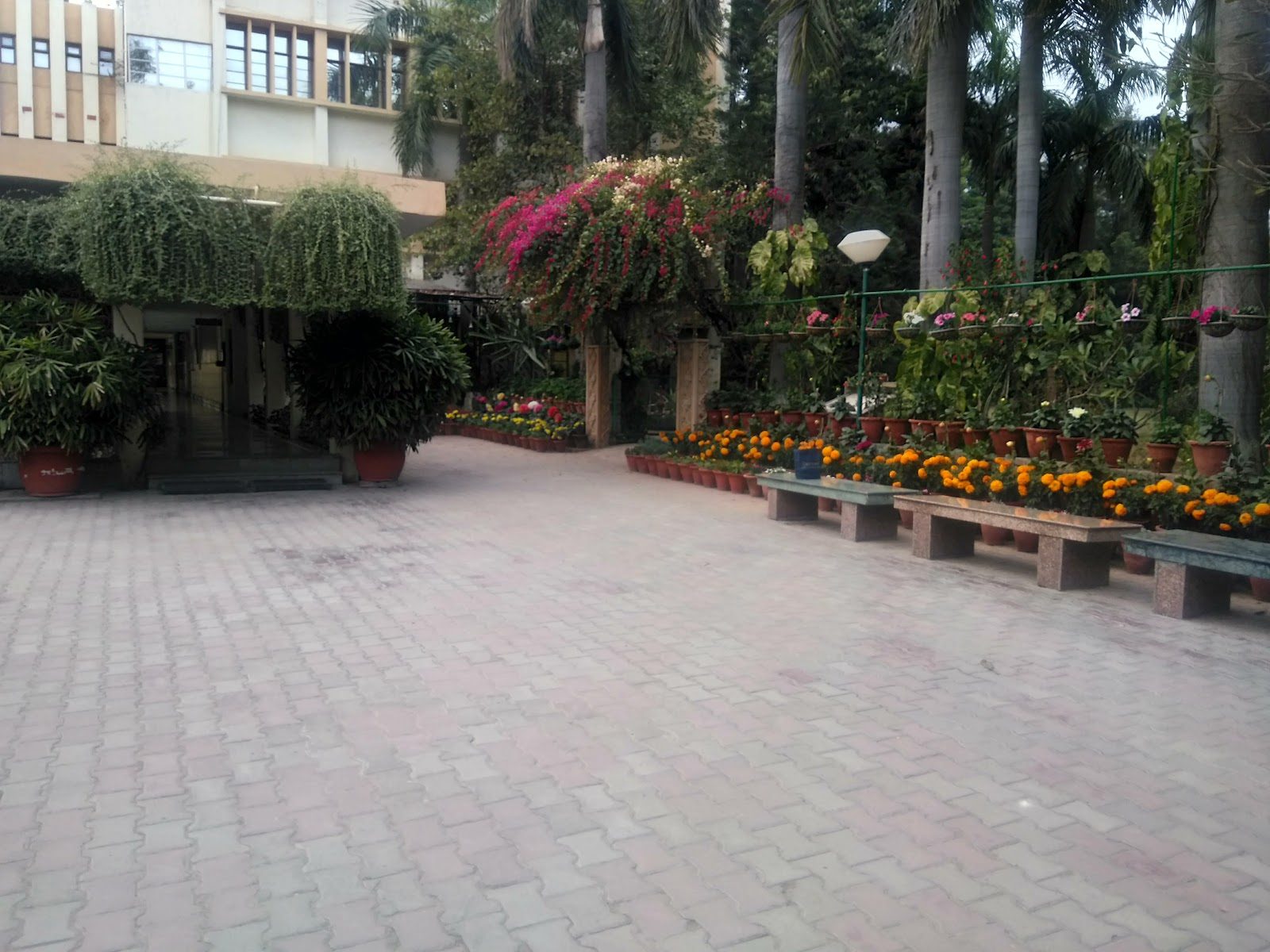
Photo © Ashok Patel via Google Maps
Type
Day
Ages
3–18
Curriculum
Indian National
Qualifications
CBSE
Ratio
—
The Verdict
Editor's commitment
Right for
Delhi families who value a 1958 day school in Lodi Estate, with CBSE and primary classes taught in Hindi.
Wrong for
Parents set on English-only schooling will clash with SPV's Hindi-medium primary years, despite English also being a language of instruction.
Watch out for
This is a non-religious CBSE day school for ages 3–18; the school does not publish inspection grades or aggregate exam results.
Ranking breakdown
Sardar Patel Vidyalaya · # of 1591
Composite score 56.7. 8 weighted criteria.
By criterion
Academic Outcomes
Weight 20%
#1156
of 1529 scored
University Placement
Weight 16%
#1201
of 1529 scored
Prestige & Heritage
Weight 12%
#1242
of 1571 scored
Alumni Network
Weight 12%
#816
of 1530 scored
Facilities
Weight 12%
#1403
of 1534 scored
Transparency & Communications
Weight 8%
#1289
of 1532 scored
Peer & Industry Review
Weight 10%
#1108
of 1548 scored
Admissions Selectivity & Demand
Weight 8%
#888
of 1529 scored
Peer & Industry Review
How Sardar Patel Vidyalaya is regarded in the sector
65
Respected · medium confidence
Sardar Patel Vidyalaya is consistently listed among Delhi's top co-ed day schools in the Education World India School Rankings survey, an independent annual industry benchmarking exercise, and is regularly cited in India Today and other Indian press 'best schools in Delhi' features. It has a solid, long-standing regional reputation and a recognizable alumni network, but it does not appear with the frequency or prominence of India's most elite boarding institutions (e.g., Doon School, Mayo College) in international or specialist education press coverage.
Evidence sources
Editors' overview
Sardar Patel Vidyalaya occupies a rare place in Delhi’s private-school market. Its defining feature is not a glossy campus claim or an imported programme. It is linguistic conviction. In Lodi Estate, the primary years run in Hindi, not English, before English takes over later alongside Hindi. No other private school in India takes that line so clearly. For parents who want an Indian National curriculum school without the usual English-first social signalling, that matters. It gives SPV a distinct intellectual identity and a firm cultural centre. Founded in 1958, non-religious, day-only, and CBSE-affiliated, it sits outside the international-school arms race and inside a narrower, more serious category: academically ambitious Indian schooling with a deliberate view of language and nationhood.
That stance will attract one group of families and repel another. Parents chasing an international brand, imported curricula, or English immersion from nursery will strike SPV off the list. Parents who value bilingual fluency, academic discipline, and a school culture rooted in India will put it near the top. The school serves ages 3–18, which gives families continuity from early years to school-leaving. Its location in Lodi Estate adds another advantage: central Delhi, established neighbourhood, and strong access for families who want a city school rather than a suburban estate. The proposition is clear-eyed and unfashionable in the best sense: this is not a school built to flatter parental anxiety about status; it is built around an educational argument.
The right student for SPV is bright, grounded, and comfortable in a setting that does not perform cosmopolitanism for effect. Children who can thrive in both Hindi and English, who do not need a soft-focus pastoral sales pitch, and who are ready for a conventional academic structure will fit. So will families who want their children educated in India without cultural apology. SPV belongs on a shortlist because it offers something scarce: a serious bilingual foundation, institutional self-belief, and an identity that no competitor can copy without changing its core. In a market crowded with schools that promise everything, SPV makes one strong promise and builds the whole school around it.
Academic Performance
SPV’s public exam profile is strikingly opaque. We have not seen school-published aggregate CBSE results, no subject-by-subject breakdowns, and no multi-year data for top bands, board averages, or university destinations. That matters because Delhi’s stronger private schools now treat outcome disclosure as standard practice. When a school does not publish its external exam record, parents lose the easiest way to judge academic consistency at the top end and across the middle of the cohort. For a school with a serious academic reputation, that silence is a weakness, not a minor omission.
That does not place SPV in weak company; it places it in a category where reputation still does heavy lifting. In Delhi, schools with the strongest measurable academic standing put hard numbers into the public domain and let families compare them against peers. SPV does not. The result is a school that commands respect but asks parents to buy into institutional confidence without the discipline of published outcomes. Families already inside Delhi’s professional networks will still read the school as *high-status, academically credible, and hard to dismiss*. Families comparing schools from abroad, or without local knowledge, get less than they need. On academic performance, SPV sits in the trusted but untransparent tier: plainly taken seriously, but not publicly evidenced in a way that stands up to strict comparison.
Facilities
SPV does not publish a persuasive facilities case. We have not seen a proper campus map, specialist-space inventory, theatre specification, sports provision summary, laboratory count, maker spaces, pool details, or the kind of visual and practical detail that stronger peer schools now treat as routine. That leaves parents with a thin factual picture of the physical plant. In this bracket of established private schools, that matters. Delhi competitors now use facilities pages to show how teaching works in science, sport, the arts, and senior-year independent study. SPV does not. The school’s identity rests elsewhere, and the absence of hard facility detail tells its own story: this is not a school selling itself on infrastructure theatre.
That does not equal poor provision. It means the school gives families little basis for judging whether its campus matches the expectations attached to a high-status name. For some parents, that restraint reads as refreshingly unserious about show. For others, it reads as opaque and old-fashioned. Against peers, SPV sits behind the better-documented Delhi independents on facilities transparency and probably on perceived breadth of specialist provision too, because perception follows disclosure. Families who need standout sports complexes, polished performing-arts venues, or visibly modern STEM spaces need to ask direct questions and insist on a full tour. Families content with a plain-dealing academic environment will care less.
Sardar Patel Vidyalaya occupies a rare place in Delhi’s private-school market
Prestige
SPV carries real Delhi prestige, but it is a specific kind of prestige. This is not the prestige of an international badge, a manicured export-school identity, or public scoreboards full of board results. It is the prestige of old institutional standing, selective social trust, and a school name that travels inside India’s professional and political classes without explanation. That matters. In Delhi, families do not treat SPV as an interchangeable CBSE school. They treat it as *established, serious, and socially legible*. The school’s address strengthens that status: Lodi Estate still signals power, continuity, and access in a way newer education corridors do not. A child who spends 15 school years in one institution there leaves with more than exam preparation; they leave with a network and a recognisable social stamp.
That said, SPV’s prestige is not frictionless. It is strongest among families who value Indian public culture, intellectual seriousness, and a school that does not chase imported validation. It is weaker with parents who measure status through overseas placements, glossy facilities, or relentless outcome disclosure. The school’s refusal to publish a fuller academic scorecard caps its prestige in one important respect: it remains *highly respected rather than fully evidenced*. That distinction matters. We rate SPV as prestigious because it combines longevity, social weight, and a rare educational identity. We do not rate it at the absolute summit because prestige today also rests on transparent results, and SPV does not supply them.
Parents who value bilingual fluency, academic discipline, and a school culture rooted in India will put it near the top
Communications
SPV’s parent communication has the same cast as the school itself: *controlled, spare, and uninterested in salesmanship*. The public-facing website does the basics but not much more. We have not seen the depth of parent information that stronger operators now provide as standard: detailed calendars, rich handbooks, transport explanations, pastoral protocols, curriculum-by-year guidance, or a clear archive of notices and policy updates in one easy place. That matters because a school serving children across roughly 3 phases of schooling needs communication systems that change with age and family need. Early-years parents need routine and reassurance; senior-school parents need deadlines, subject choices, examinations, and post-school planning laid out with precision. SPV does not make that machinery visible.
That does not mean parents inside the school are poorly informed. It means outsiders cannot judge the quality of the school-home relationship from public channels, and that is a weakness. Good communication is not glossy prose; it is administrative clarity, predictable cadence, and information architecture that respects parents’ time. SPV’s outward communication reads as old-school and inward-facing: enough for families already in the circle, thin for those trying to understand how the school runs day to day. For established local families, that may carry no penalty. For international or first-time applicants, it adds friction. The school’s educational identity is clear. Its communication practice is not.
Uniqueness
What makes SPV unique is not a branding line but a governing idea: children start school through Hindi in the primary years, then move into a bilingual academic life as they grow older. In India’s private sector, that is genuinely singular. Most schools treat English as the default language of ambition and Hindi as an add-on. SPV reverses that order and, in doing so, makes a clear claim about how children learn, how confidence forms, and what cultural literacy counts. For students, the gain is not symbolic. They build early conceptual grounding in a language embedded in home life and public life, then add English without treating Indian identity as a remedial category. That produces a rarer kind of fluency: not just competence in 2 languages, but ease moving between intellectual registers, social settings, and national realities.
The second point of difference is the school’s institutional self-command. SPV does not chase the international-school script, and that gives it a sharper centre than many wealthier rivals. Students grow up in a setting that prizes seriousness over display and belonging over performance for outsiders. That can produce sturdy self-possession, intellectual range, and a stronger sense of where they are from. It also narrows the appeal. Children who need an English-first environment or a globally styled school culture will find SPV uncompromising. For the right family, that is the attraction.
Its defining feature is not a glossy campus claim or an imported programme
Student Profile
The pupils who fit SPV best are children with strong verbal ability, patience for structure, and families that value substance over display. This is not the right setting for a child who needs constant affirmation, a highly personalised pastoral culture, or a school built around performative confidence. It suits students who can handle a disciplined academic atmosphere, absorb expectations without endless hand-holding, and move comfortably between home culture and school culture without treating either as second-rate. The school’s defining linguistic stance shapes the student body in a concrete way: children need either early ease in Hindi or a family commitment strong enough to carry them through that foundation phase. For the right child, that produces deep-rooted fluency rather than polished surface bilingualism.
Socially, SPV will suit families who want a child formed inside Indian civic and intellectual life, not buffered from it. The strongest fit is the student who is bright, grounded, and not obsessed with imported status markers. Expect classmates from educated, ambitious homes, and a peer culture that prizes attainment, self-command, and serious-minded belonging. Children who want a glossy, hyper-international environment will feel out of step. Children who like clear rules, can build confidence from work rather than performance, and are ready to stay the course across 2 linguistic registers and a full 15 years of schooling will do well here.
In Lodi Estate, the primary years run in Hindi, not English, before English takes over later alongside Hindi
Co-curricular strengths
Arts & sport, on a separate axis
Overall 7.5/10
Scored 0-10 from the school's own published evidence. This axis is editorial-only — it does not feed the main WTS ranking.
Sports
7.5/10
Drama
7.5/10
Dance
7/10
Music
7.5/10
Visual Arts
8/10
Editor first-pass · editor-reviewable · 7/30/2026
Strengths
- +Established in 1961, Sardar Patel Vidyalaya is one of New Delhi's older CBSE-affiliated institutions with a long-standing academic reputation.
- +Centrally located in Lodhi Estate, giving day pupils easy access from South and Central Delhi neighbourhoods.
- +Co-educational day school offering continuous schooling from the early years through to Class XII under a single CBSE curriculum.
- +Maintains dedicated sports and extracurricular infrastructure, with a house system encouraging participation across academics, sport and the arts.
- +Run by a registered educational trust (Shiksha Samiti) rather than a for-profit operator, which is typical of Delhi's established legacy schools.
Considerations
- −Follows only the CBSE Indian National curriculum, offering no IB or Cambridge pathway for families anticipating international relocation.
- −Admission at entry levels, particularly nursery and KG, is highly competitive given long-standing local demand and limited seats.
- −Instruction and school culture are oriented toward Indian families settled in Delhi; limited explicit support structures for newly arrived expatriate children are publicised.
- −Lateral entry into mid-senior classes is subject to seat availability and can be difficult mid-year, as with most established Delhi day schools.
Availability
Primary entry gate & tests
Academic Record
Gallery
Photo © Warbler Girl via Google Maps
Photo © Ishaan Patel via Google Maps
Photo © Jagdip Rana via Google Maps
Photo © Jagdip Rana via Google Maps
Photo © Siddharth Kothiyal via Google Maps
Parent reviews
Have you sent your child here?
Voice reviews carry the strongest trust badge — we transcribe them for you to tidy up before they go live. Prefer to type? A written review is fine too.
Add your voice
In 60 seconds, tell other parents: what's the best thing about Sardar Patel Vidyalaya, and what surprised you when your child joined?
We ask for a Google sign-in so every review has a real face behind it — no anonymous drive-by attacks on schools, and no faked positive reviews. Your email is never shown publicly.
Send this profile to a friend
International parents rely on word-of-mouth. Share this review with someone weighing the same decision.
Schools with places
Similar schools to Sardar Patel Vidyalaya with places available now.
Availability first, then country, area, curriculum, price, co-curricular
Consider also
Also worth looking at alongside Sardar Patel Vidyalaya.
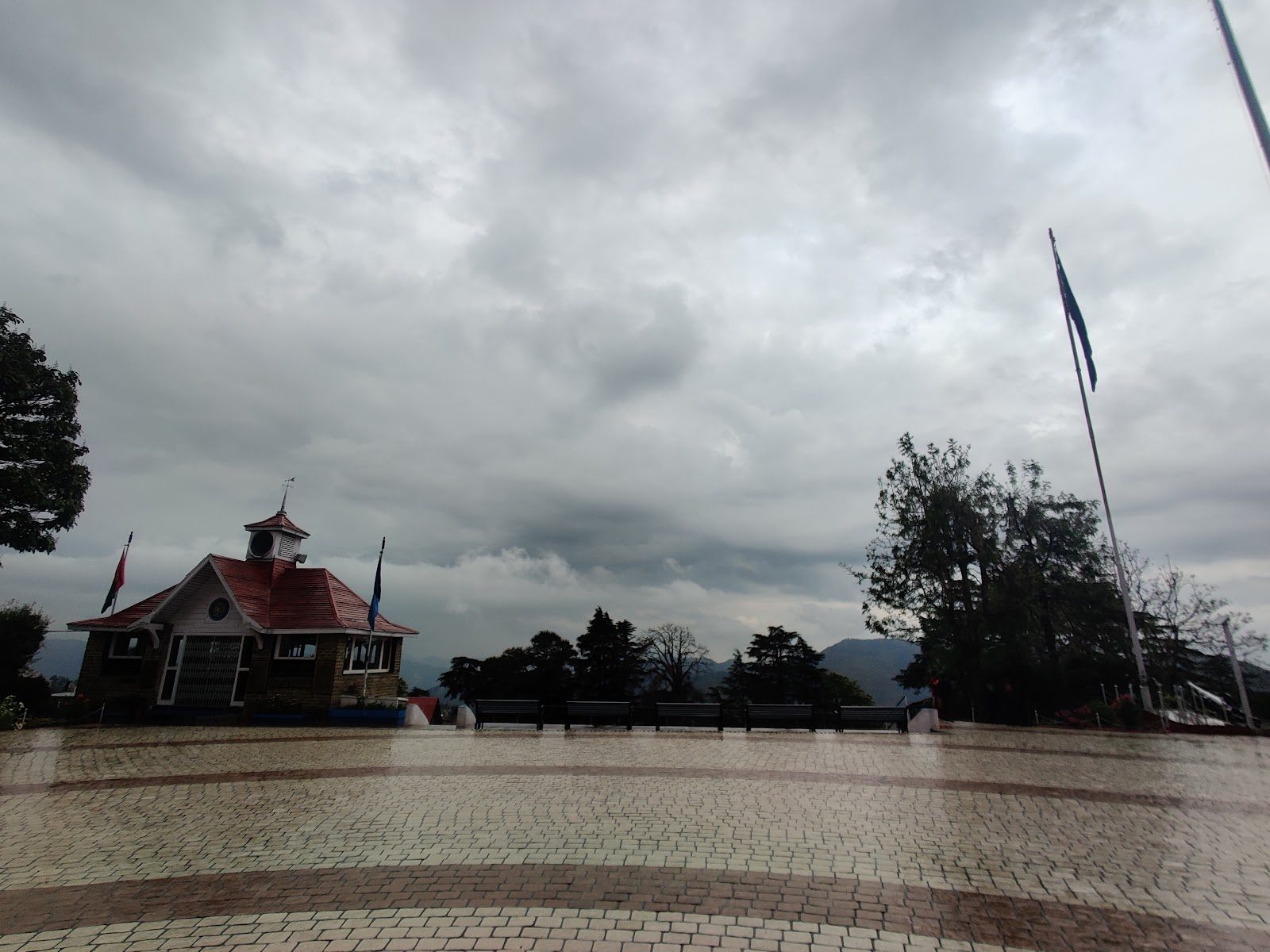
Bishop Cotton School
Shimla · India
Perched on a Himalayan ridge since 1859, this all-boys campus pioneered India's first house system of schooling.
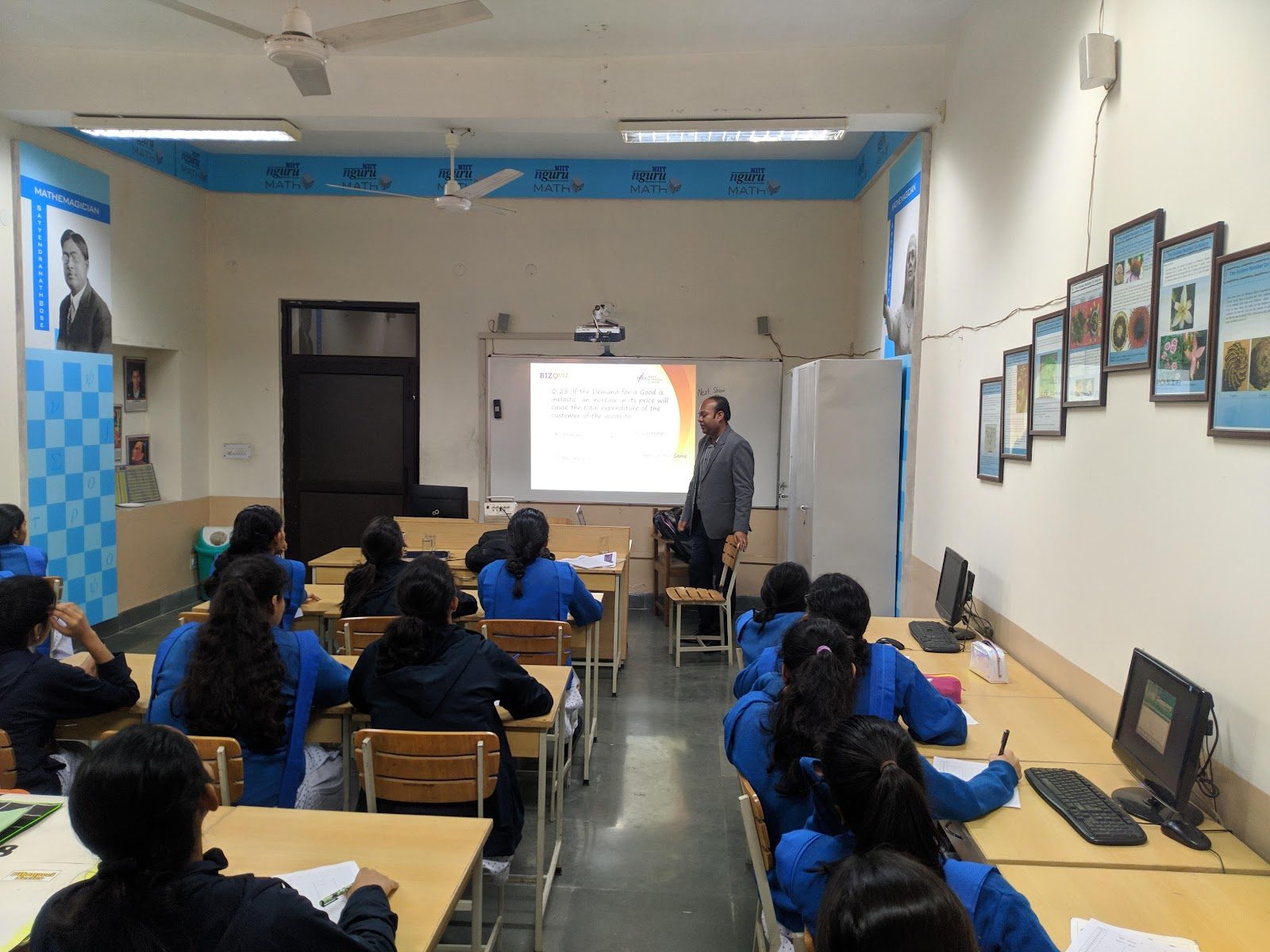
Welham Girls' School
Dehradun · India
Founded in 1957 as a bold counterpart to boys-only boarding, with bird-named houses and a legacy museum honoring the women who dared.
Vasant Valley School
New Delhi · India
Founded in Vasant Kunj by the India Today family in 1990, its classrooms run on no bells, only rhythm and process over outcome.
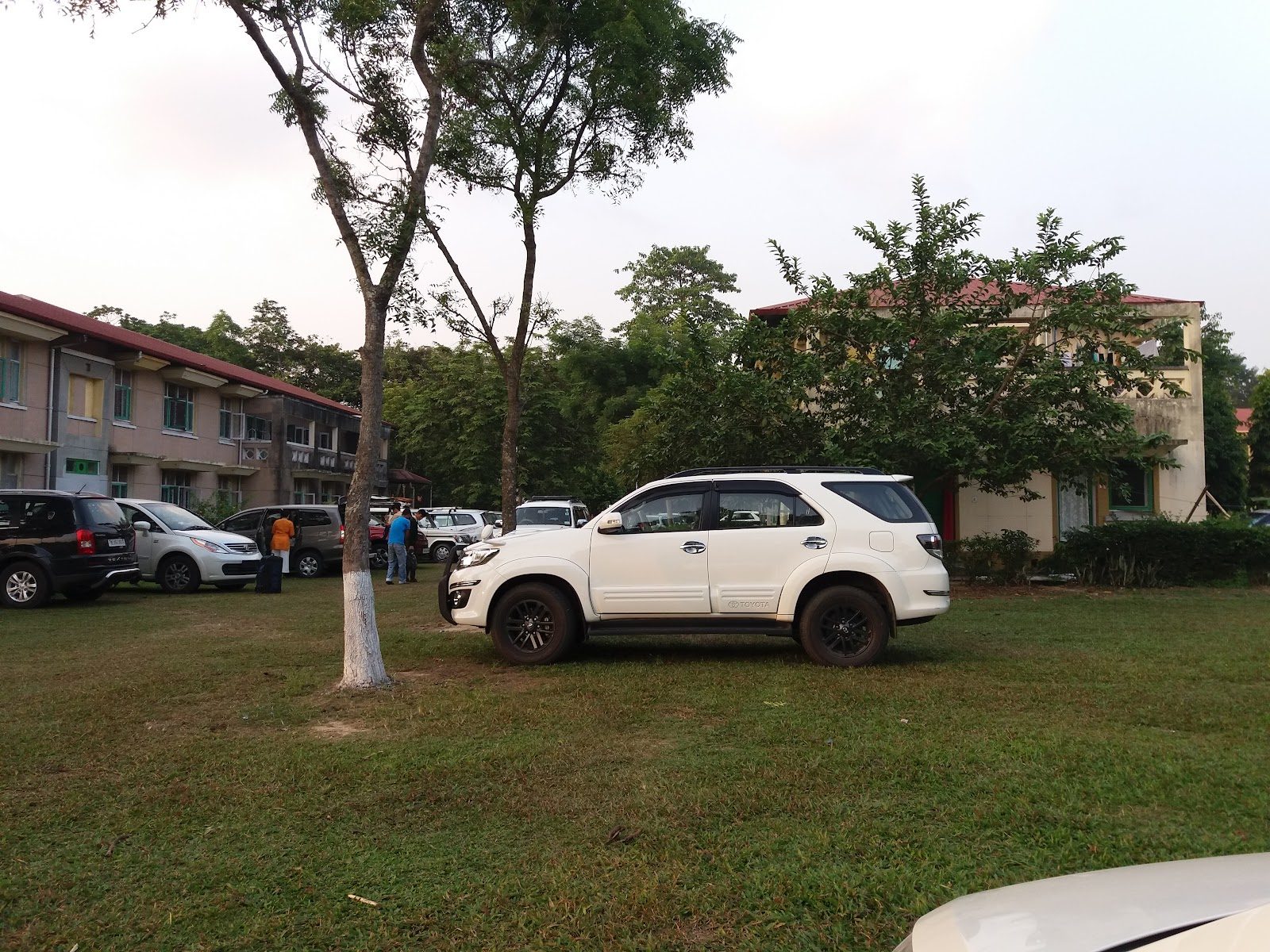
Assam Valley School
Balipara · India
Set inside a working tea estate in Sonitpur, this co-ed boarder carries the Williamson Magor legacy into North-East India's only pan-Indian residential school.
Same country and curriculum — closest matches within ±10 points either way