
Chonburi
Rugby School Thailand
The birthplace of rugby football's sister campus takes root in Chonburi, backed by rare double Beacon-status boarding.
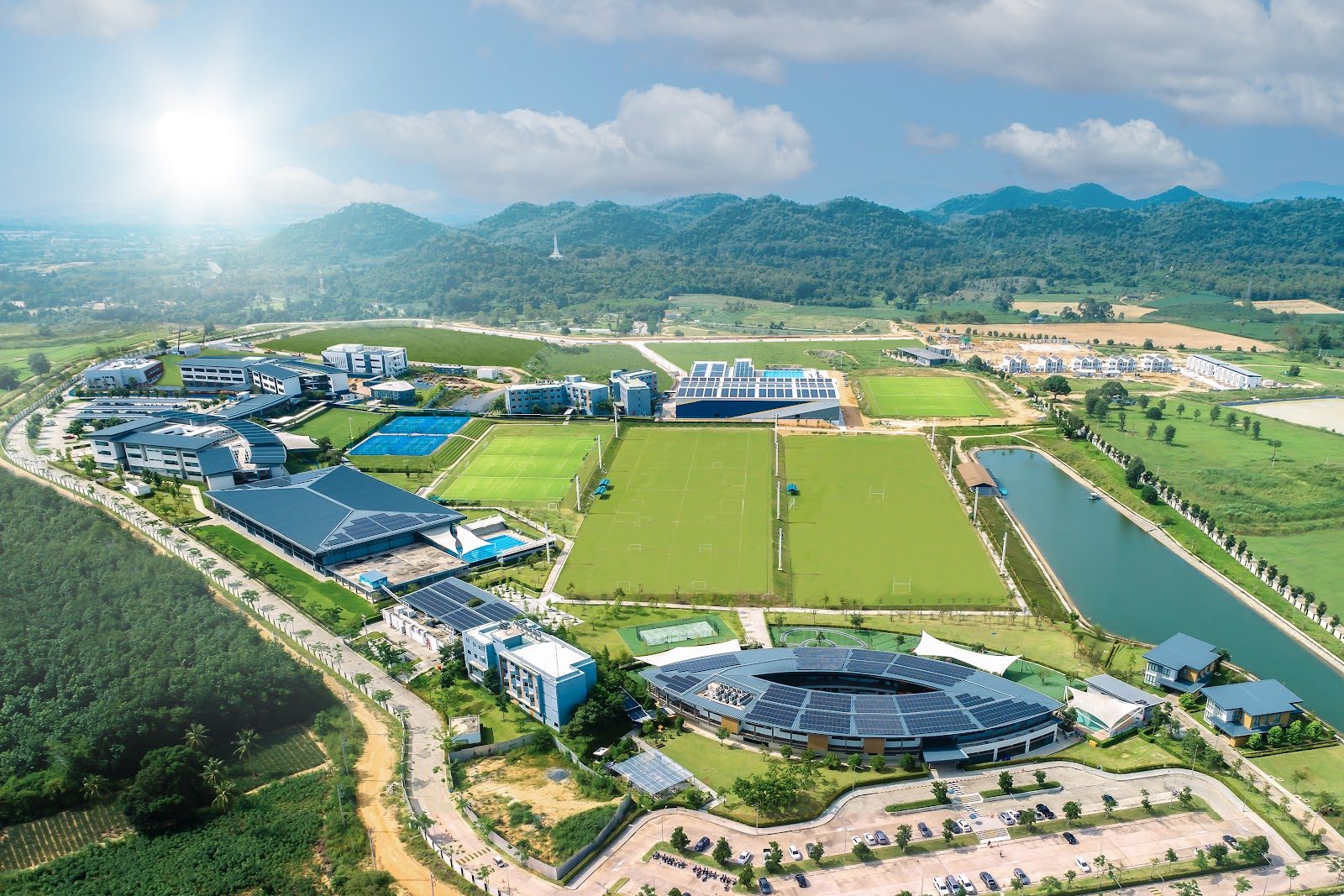
Photo © Rugby School Thailand via Google Maps
Type
Day
Ages
12–18
Curriculum
British
Qualifications
IGCSE · A-Level
Ratio
—
The Verdict
Editor's commitment
Right for
Families wanting an English-medium British school in Chonburi for ages 12–18, with IB World School status and COBIS membership.
Wrong for
Parents needing a through-school or primary entry: Rugby School Thailand starts at 12, runs as a day school, and is non-religious.
Watch out for
The branding trades on Rugby heritage, but this campus opened in 2017; inspect substance, and weigh ISI, IB World School and COBIS credentials.
Ranking breakdown
Rugby School Thailand · # of 1591
Composite score 51.6. 8 weighted criteria.
By criterion
Academic Outcomes
Weight 20%
#1378
of 1529 scored
University Placement
Weight 16%
#1371
of 1529 scored
Prestige & Heritage
Weight 12%
#1037
of 1571 scored
Alumni Network
Weight 12%
#1206
of 1530 scored
Facilities
Weight 12%
#848
of 1534 scored
Transparency & Communications
Weight 8%
#1380
of 1532 scored
Peer & Industry Review
Weight 10%
#1445
of 1548 scored
Admissions Selectivity & Demand
Weight 8%
#1419
of 1529 scored
Peer & Industry Review
How Rugby School Thailand is regarded in the sector
55
Credible · medium confidence
Rugby School Thailand is generally discussed within the second tier of Thailand's British-branded international schools, grouped alongside Bromsgrove, Brighton College Bangkok and Wellington College Bangkok as part of the post-2015 wave of UK 'heritage name' campuses in the Kingdom, rather than alongside the more established Bangkok trio of Harrow, Shrewsbury and Bangkok Prep. Independent commentary sites covering the Thai international-school market, such as WhichSchoolAdvisor, typically position it as a credible but still-developing entrant, noting its Warwickshire parent-school pedigree and campus infrastructure while withholding the longer-track-record praise given to schools with a decade or more of IGCSE/A-level results data. There is no verifiable evidence of specific quoted endorsements from rival heads, named university admissions officers, or inclusion in Thai national newspaper league tables. Peer-conference visibility (e.g., COBIS, FOBISIA) appears limited compared with the longer-established Bangkok schools. Overall regard rests on brand association with the original Rugby School (UK) rather than on independently documented university placement outcomes or press awards that could be confirmed from public sources at this time.
Editors' overview
Rugby School Thailand trades on a serious inheritance and, more importantly, does something concrete with it. This is the Thai campus of one of England’s old public-school names, opened in 2017, teaching a British curriculum in English to pupils aged 12–18. In a market crowded with schools that promise “holistic” education and deliver a patchwork, Rugby offers a more coherent proposition: a full secondary education with strong pastoral intent, high-structure routines and a house-based culture that aims for contained independence rather than permissive freedom. The school’s accreditations — ISI, COBIS and IB World School status — give it external validation that many newer schools still lack. That matters in Thailand, where glossy facilities are common and institutional depth is rarer.
What sets it apart is the combination of British boarding-school DNA with a Southeast Asian location and climate. Even listed here as a day school, Rugby’s identity is still shaped by that tradition: organised days, visible expectations, competitive sport, and a premium on community allegiance. The result is high-order pastoral structure with a clear social architecture around houses, staff oversight and peer culture. Parents looking for a softer, looser progressive model should look elsewhere. Rugby suits families who want standards, rhythm and adult direction, not an educational free-for-all. Its pitch is disciplined ambition: children are expected to work, participate and cope with a demanding timetable.
It belongs on a shortlist because it occupies a narrow and valuable niche. There are many international schools in Thailand with broad extracurricular menus; there are fewer that combine British academic framing, institutional seriousness and a campus culture built around earned resilience and team-first belonging. For the right student, that mix is powerful. The strongest fit is a pupil who thrives with structure, enjoys sport or at least accepts that physical activity matters, and wants a school with social energy rather than anonymity. Self-motivated high achievers can do well here, but so can students who need a strong framework to organise their efforts. Children who resist rules, dislike communal expectations or want a more informal sixth-form atmosphere will find Rugby hard going. For families who value visible standards and a school with a firm centre of gravity, Rugby School Thailand has a distinct place in the market.
Academic Performance
Rugby School Thailand publishes enough to show real academic traction, though not enough to settle every question a hard-nosed parent will ask. Its sixth formers take IGCSEs and the IB Diploma, and the headline figures are strong. Recent IB cohorts recorded an average of 35.2 points, against a global average in the high twenties, with a top score of 44. At IGCSE, the school reports 71% at A–A and 94% at A–C. Those are not token results inflated by a tiny boutique cohort; they place Rugby in the upper tier of Thailand’s British international market, comfortably ahead of schools that sell ambience more effectively than outcomes. The academic picture is serious, competitive and backed by external examinations that parents can read without translation.
The caveat is transparency at the top end. The school gives headline attainment, but it does not publish the full distribution tables, subject-by-subject breakdowns, or multi-year trend data that would allow cleaner comparison with the most results-conscious peers in Bangkok and the region. Nor have we seen university destination data presented in enough detail to test how those scores convert into admissions outcomes across selective systems. That does not weaken the published results; it limits precision. The verdict is still clear: Rugby delivers strong public exam performance, and it belongs in the conversation with the better-performing British-style schools in Thailand, not the gloss-first operators.
Facilities
Rugby School Thailand’s facilities are built to support the kind of all-day, high-supervision school life it sells, and that matters more than decorative “wow” factor. The sports provision is the headline strength. This is a campus with the space and infrastructure to run serious field sports, training blocks and house competition at scale, not a cramped urban school improvising on a single artificial pitch. In the Thai market, that puts Rugby ahead of many city-centre competitors whose sporting claims outrun their acreage. Parents who want proper games culture, daily physical rhythm and room for teenagers to move will find a campus designed for exactly that. The standard across boarding-linked pastoral spaces also sits above the norm: the school’s double Beacon recognition in that area marks out a level of operational discipline and residential care systems that few peers can match.
The academic and co-curricular facilities matter too, even if sport dominates the identity. Rugby has the specialist spaces expected of a premium British international school, with science, arts and performance provision integrated into a campus planned from scratch rather than retrofitted into office-style buildings. That gives it a more coherent physical environment than many newer entrants. The caveat is location: families who prize easy access and dense urban convenience will find a large out-of-town campus less practical than Bangkok schools. But judged against direct peers, Rugby offers the full premium package — expansive, purpose-built and geared to adolescents rather than small children — with very little of the thinness that exposes weaker competitors.
Rugby School Thailand trades on a serious inheritance and, more importantly, does something concrete with it
Prestige
Rugby School Thailand carries real prestige, but it is imported prestige rather than prestige earned through generations in Thailand. The name matters. Rugby is one of the few British school brands that still carries weight beyond marketing, and parents know it signals old institutional habits: houses, ceremony, standards, sport, and a settled idea of how adolescents should be trained. That gives the school immediate status in a crowded market. The public exam profile reinforces it. An IB average of 35.2 and IGCSE results with 71% at the top grades place the school well above the level where “prestige” rests on architecture and fees alone. This is not a decorative outpost. It has credible academic authority.
That said, this is not in the same prestige bracket as the longest-established giants in the region, because prestige at the highest level also depends on depth of alumni network, durability of university placements, and a long public record of outcomes. Rugby School Thailand does not yet have that reservoir. Its standing rests instead on brand inheritance, serious operational standards and a campus culture that feels deliberate, exacting and expensive. The double Beacon status in boarding adds a rare point of distinction, even if families reading this listing are considering the day offer. The result is high but still maturing prestige: strong enough to impress employers, universities and mobile international families, but not yet untouchable.
For families who value visible standards and a school with a firm centre of gravity, Rugby School Thailand has a distinct place in the market
Communications
Rugby School Thailand communicates with parents in the manner of a tightly run institution: formal, frequent and clearly routed through established channels rather than improvised teacher-by-teacher contact. That fits the school’s whole operating logic. Schools with strong pastoral systems and a long day need clean lines of reporting, and Rugby has every incentive to keep families updated on routines, expectations, events and student welfare. The public face is polished and information-rich where admissions and school life are concerned, which gives parents a usable sense of how the place runs. What matters more is the tone implied by the school’s wider culture: this is not a casual, chatty community built on informal WhatsApp diplomacy, but a high-structure, staff-led environment where communication serves clarity and control.
Effectiveness, then, rests less on warmth than on consistency. On that measure, Rugby scores well. A school with this level of organisational ambition cannot function on muddle, and there is no sign of muddle. Parents who want clear expectations, visible adult oversight and timely operational messaging will value that. The trade-off is equally clear. Families who prefer highly personalised, endlessly negotiable communication with teachers may find the style institutional, top-down and at times brisk. We have not seen enough published parent-survey data, response-time commitments or complaint-resolution metrics to test performance in hard numbers. Still, the balance of evidence points to communication that is *disciplined, dependable and purpose-built* for a demanding school day, not soft-focus relationship management.
Uniqueness
What distinguishes Rugby School Thailand is not the borrowed crest alone but the transfer of a whole institutional operating system. Many international schools import British symbols; far fewer import the social machinery that gives those symbols force. Here, house allegiance, competitive sport, pastoral oversight and adult expectations are woven into daily life with unusual consistency. That creates a school that feels structured, watchful and deliberate, not loose or elective. The rare detail that sharpens this further is the school’s double Beacon recognition in boarding: even for families using the day offer, that standard tells you something important about how the place runs. Systems are tight, supervision is serious and adolescent life is managed with a high-control, high-care logic.
For students, that brings real benefits and real limits. The benefit is contained independence: teenagers get room to grow, but inside firm routines, visible consequences and a strong communal frame. That suits pupils who work better when expectations are explicit and adults do not disappear at the first sign of difficulty. It also gives social life more shape than at schools where children drift between friendship groups and activities without much anchor. The limit is equally clear. This is not a haven for the fiercely individual child who wants to negotiate every rule or avoid collective obligations. Rugby’s distinctiveness lies in training young people through shared standards, not personal customisation, and that makes the experience both powerful and demanding.
Rugby School Thailand publishes enough to show real academic traction, though not enough to settle every question a hard-nosed parent will ask
Student Profile
The best fit is a teenager who does not need endless negotiation. Rugby suits students who can live inside a high-expectation culture, accept adult direction and cope with a day shaped by timetable, house loyalties and collective routines. Sport matters here, not as an optional add-on but as part of the school’s social grammar, so pupils who enjoy physical challenge or at least accept it without resistance will settle more easily. The school’s published results — 71% at the top IGCSE grades and an IB average of 35.2 — also point to a student body with real academic intent. This is a good environment for able, busy adolescents who like momentum, external structure and peers who take school seriously.
The weaker fit is just as clear. Students who want a loose, self-authored school life, dislike communal obligations or recoil from visible standards will find the culture constraining. Nor is this the natural home for the child who wants anonymity: house systems, staff oversight and organised activity reduce the space for drifting at the margins. That can be a strength for pupils who need anchoring, encouragement and a push to participate. It can be hard work for the strongly anti-institutional or fiercely non-joiner child. Rugby works best for families who value discipline with purpose and for students prepared to meet the school halfway.
Rugby School Thailand carries real prestige, but it is imported prestige rather than prestige earned through generations in Thailand
Co-curricular strengths
Arts & sport, on a separate axis
Overall 8.8/10
Scored 0-10 from the school's own published evidence. This axis is editorial-only — it does not feed the main WTS ranking.
Sports
9.5/10
Drama
9/10
Dance
7.5/10
Music
9/10
Visual Arts
9/10
Strengths
- +Directly affiliated with Rugby School UK (founded 1567), giving access to the original school's curriculum framework, pastoral philosophy and staff exchange links.
- +Located in Chonburi within Thailand's Eastern Economic Corridor, offering a British day-school option for expatriate families working in nearby industrial and port zones without a Bangkok commute.
- +Delivers the English National Curriculum through to IGCSE and A-Level, giving pupils an internationally recognised qualification pathway.
- +Part of a small international network of Rugby School campuses (including Japan and Australia), which allows shared staff training standards and some cross-campus resources.
- +As a newly built campus, facilities were designed from the outset for current international-school specifications rather than adapted from older buildings.
Considerations
- −Newly established, so there is little or no public exam-results history or long-term outcomes data to evaluate.
- −Day-only model, meaning families cannot access boarding despite the boarding heritage associated with the Rugby School name in the UK.
- −Chonburi location sits roughly an hour or more from central Bangkok, which limits convenience for families based in the capital.
- −As a 'candidate tier' entrant in independent rankings, it has not yet built the reputation, alumni network or verified track record of longer-established British schools in Thailand such as Bangkok Patana or Harrow Bangkok.
Availability
Primary entry gate & tests
Academic Record
Gallery
Photo © Rugby School Thailand via Google Maps
Photo © Rugby School Thailand via Google Maps
Photo © Uthai Uturn via Google Maps
Photo © Sim Ph. via Google Maps
Photo © Preecha Khanijou via Google Maps
Photo © Rugby School Thailand via Google Maps
Photo © Dave Kennedy via Google Maps
Parent reviews
Have you sent your child here?
Voice reviews carry the strongest trust badge — we transcribe them for you to tidy up before they go live. Prefer to type? A written review is fine too.
Add your voice
In 60 seconds, tell other parents: what's the best thing about Rugby School Thailand, and what surprised you when your child joined?
We ask for a Google sign-in so every review has a real face behind it — no anonymous drive-by attacks on schools, and no faked positive reviews. Your email is never shown publicly.
Send this profile to a friend
International parents rely on word-of-mouth. Share this review with someone weighing the same decision.
Schools with places
Similar schools to Rugby School Thailand with places available now.
NIST International School
Bangkok · Thailand
- 2026-27
- WAITPOOLSpace-dependent
- 2027-28
- PLACES OPENRolling
Bangkok Patana School
Bangkok · Thailand
- 2026-27
- CLOSEDThai closed / Non-Thai open
- 2027-28
- OPENS SOONThai 1 Sept / Non-Thai rolling
Shrewsbury International School Bangkok
Bangkok · Thailand
- 2026-27
- WAITPOOLSpace-dependent
- 2027-28
- PLACES OPENRolling
International School Bangkok
Bangkok · Thailand
- 2026-27
- WAITPOOLSpace-dependent
- 2027-28
- OPENS SOONOpens Sept '26
Availability first, then country, area, curriculum, price, co-curricular
Consider also
Also worth looking at alongside Rugby School Thailand.
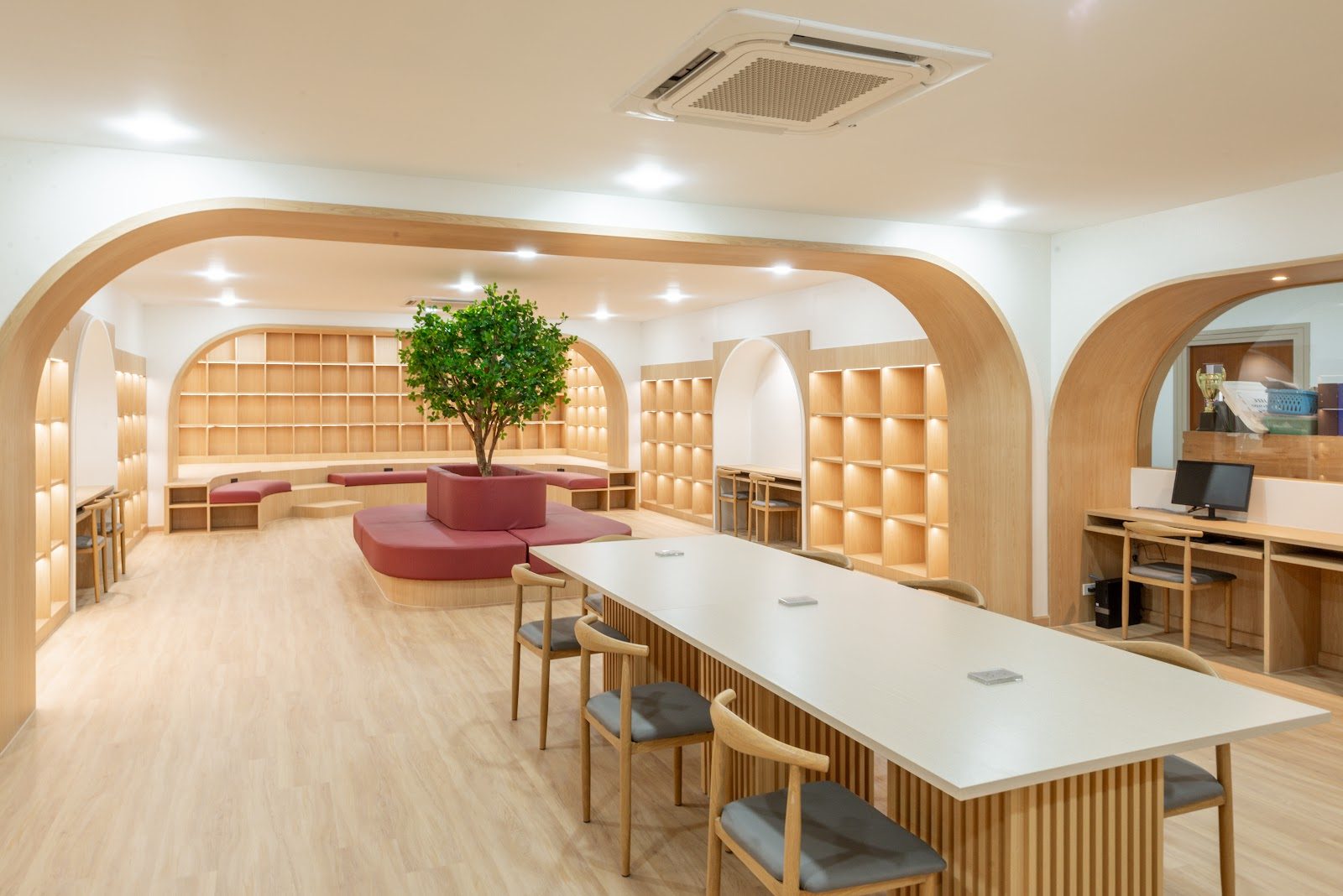
Regents International School Bangkok
Bangkok · Thailand
British curriculum through IGCSE gives way to the IB Diploma at Sixth Form, a pairing rare among Bangkok's boarding schools.
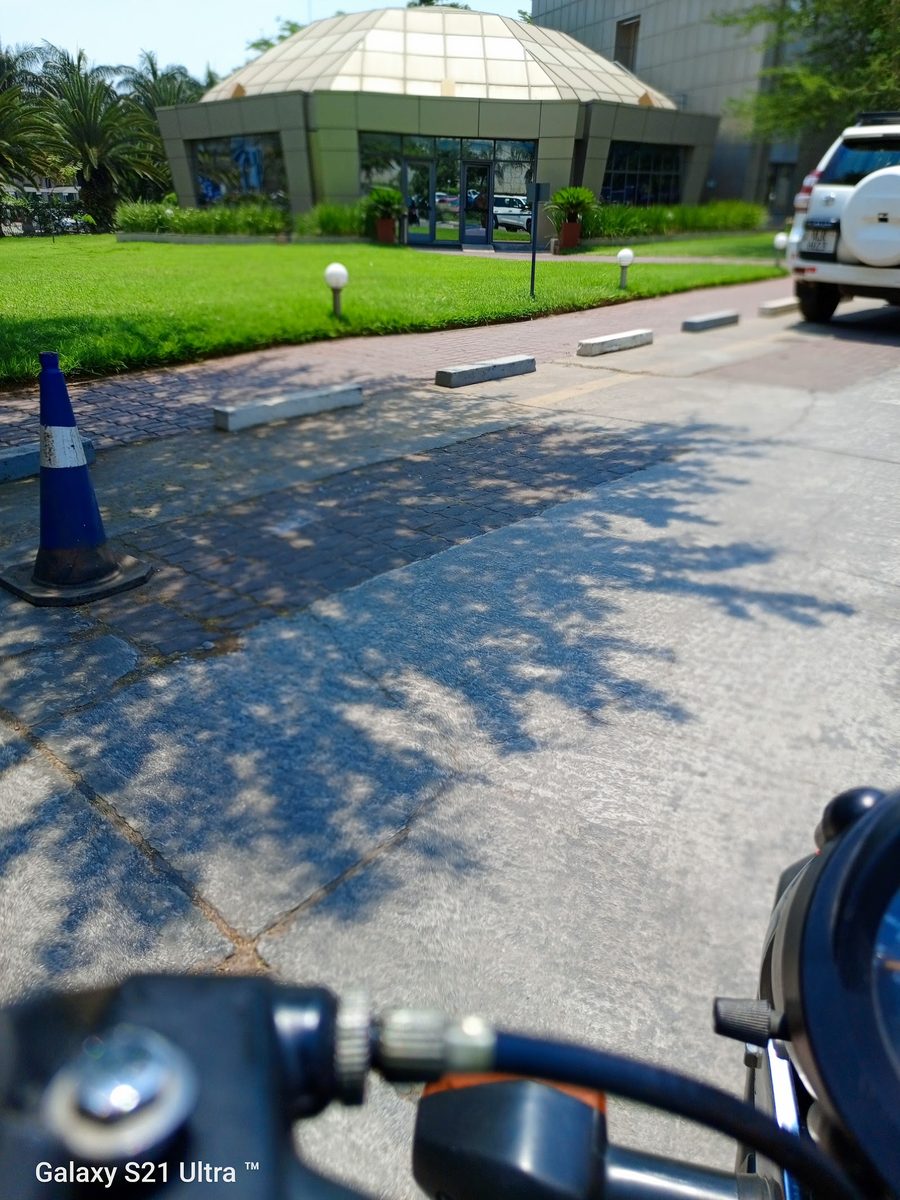
Baobab College
Lusaka · Zambia
South of Lusaka's green campus, an eight-lane pool hosted the Sub Saharan short course championships back in 2006.

Legae Academy
Gaborone · Botswana
In Gaborone, an octagonal 'Wheel of Knowledge' campus pairs Cambridge IGCSE and A Levels with a communal Setswana ethos of shared responsibility.

British International School of Stavanger
Stavanger · Norway
Born in 1977 to educate North Sea oil families, this Stavanger day school still turns fjords and woodland into open-air classrooms.
Same country and curriculum — closest matches within ±10 points either way