
Somerset
Prior Park College
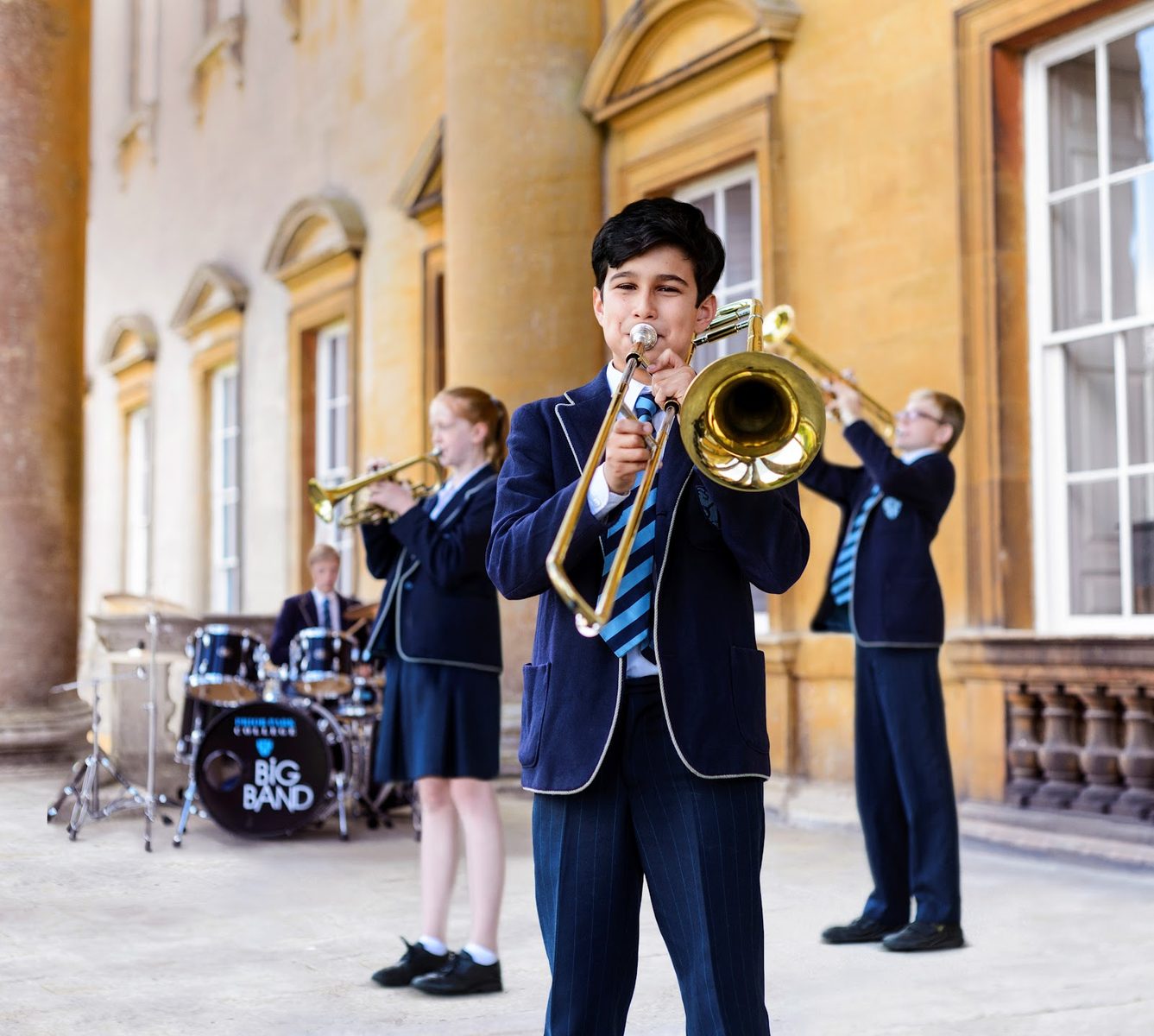
low confidence· 3/6 cats · 3 avg sourcesHoused in Ralph Allen's Grade I-listed Palladian mansion above Bath, now shedding formal Catholic ties for an open Christian ethos.
Type
Both
Ages
11–18
Curriculum
British
Qualifications
A-Level · GCSE
Ratio
—
The Verdict
Editor's commitment
Right for
Families wanting a British 11–18 day-and-boarding school in Bath, with HMC membership and a Grade I Palladian main building.
Wrong for
Parents seeking a secular culture or non-British curriculum; Prior Park is Catholic, teaches in English, and runs both day and boarding.
Watch out for
The school sells 57 acres, Bath views and boarding polish; it does not publish public outcome data beyond celebrating A-level results.
Ranking breakdown
Prior Park College · # of 1591
Composite score 68.1. 8 weighted criteria.
By criterion
Academic Outcomes
Weight 20%
#791
of 1529 scored
University Placement
Weight 16%
#736
of 1529 scored
Prestige & Heritage
Weight 12%
#526
of 1571 scored
Alumni Network
Weight 12%
#334
of 1530 scored
Facilities
Weight 12%
#559
of 1534 scored
Transparency & Communications
Weight 8%
#650
of 1532 scored
Peer & Industry Review
Weight 10%
#640
of 1548 scored
Admissions Selectivity & Demand
Weight 8%
#726
of 1529 scored
Peer & Industry Review
How Prior Park College is regarded in the sector
68
Respected · medium confidence
Among Bath's independent schools, Prior Park is generally regarded as the pastoral, faith-based option rather than the academic pace-setter, sitting behind King Edward's and Kingswood in local league-table comparisons routinely cited by the Bath press. Good Schools Guide-style commentary typically praises its kindness, inclusivity and setting while noting academic results are solid rather than exceptional. University destinations lean towards Russell Group courses with occasional Oxbridge places, rather than the volume seen at more selective HMC schools, so admissions tutors tend to know it as a reliable, values-driven feeder rather than a high-volume one. ISI inspection reports have been broadly positive on pupil development and pastoral care. It maintains visibility through Catholic independent school networks and HMC/ISC membership rather than through headline media coverage, reflecting a peer standing built on consistency and ethos rather than competitive prestige.
Editors' overview
Prior Park College sells one thing before all else: place. The school sits in Ralph Allen’s Grade I-listed Palladian house above Bath, with 57 acres around it and direct access to one of England’s most conspicuous school settings. That matters. For families who want a campus with visual grandeur, a clear sense of history and proper space, Prior Park has an advantage that many urban independents cannot match. It is a day and boarding school for ages 11–18, founded in 1830, with English as the language of instruction and a British curriculum. It also carries ISI and HMC accreditation. The school’s Catholic foundation still matters, but the current proposition is broader: less confessional identity, more open Christian moral frame, with pastoral care and personal formation doing much of the work. A strong sense of place, serious pastoral intent and an old-school boarding setting are the core draw.
What is special here is the combination of architecture, boarding culture and scale. Prior Park offers the classic British boarding-school picture without the sheer size or social machinery of the biggest public schools. That gives it a market position between the full-throttle prestige brands and the smaller local independents: grander and more immersive than many regional competitors, less overpowering than the national giants. Parents looking for contained ambition rather than institutional swagger will understand the appeal. The website leans hard on care, support and character, and that emphasis fits the school’s profile. The campus overlooking Bath is not a decorative extra; it shapes the pupil experience, especially for boarders, who get a self-contained environment to study, play and live. Beauty with structure is the offer.
The right student for Prior Park is not the child who wants a brutally competitive academic factory or a school built around relentless status signalling. It suits pupils who will use the setting well: students who value community, who want the breadth of boarding life, and who benefit from adults taking pastoral development seriously. It also suits international families who want a recognisable British independent-school experience in a city with cultural weight, but not the sprawl or impersonality of a major metropolis. For that family, Prior Park belongs on a shortlist because it offers calm confidence, historic substance and a boarding environment with a clear emotional logic: young people live in a place that feels set apart, ordered and cared for, while remaining close to Bath rather than cut off from it.
Academic Performance
Prior Park publicises strong A-level performance and clearly wants academic results to carry more weight in the school’s story than the setting alone. The homepage flags “outstanding A Level results”, but that is a claim, not a data set. We have not seen published headline figures here for top grades, pass rates, subject distributions or multi-year trends, and without those numbers it is impossible to place the school precisely against the sharper end of the independent sector. That matters. In this market, schools with serious academic firepower publish hard results prominently and in detail. Prior Park’s public case, at least in the evidence available, stays frustratingly light on that front.
That does not put the college in weak academic company; it puts it in the broad middle ground where parents need fuller disclosure before drawing conclusions. The school’s profile reads less like an exam factory and more like a college aiming for balanced attainment within a strongly pastoral structure. For some families, that is the point. For others, the absence of aggregate outcomes is a problem. Relative to direct peers in the independent day-and-boarding bracket, Prior Park does not yet make the hard-edged academic case that the most competitive schools do. Ask for recent A-level and GCSE summaries, grade distributions and destination data before treating academic performance as a decisive strength.
Facilities
Facilities here start with the obvious asset: the main house and its grounds. That is not a trivial flourish. In a boarding school, the physical environment shapes daily life, and Prior Park has a campus with real presence, room to breathe and the kind of ceremonial grandeur many competitors cannot match. The school also states that boarding pupils live in houses with strong on-site provision for study and recreation, which matters more than a glossy admissions phrase about “home from home”. For families comparing regional day-and-boarding schools, this is a material advantage: a self-contained estate, substantial outdoor space and a setting that gives school life a clear sense of order. Against peers, Prior Park wins on atmosphere and inherited architecture, not on evidence of cutting-edge specialist build.
The limitation is disclosure. The school points to “excellent on-site facilities” but does not publish a clear, granular account of standout academic, arts or sports infrastructure on the homepage excerpt here. We do not get the hard inventory that serious parental benchmarking needs: theatre specification, science-lab depth, design and technology workshops, strength room, pool, high-level indoor sports provision, music practice stock. That leaves the estate doing a lot of the work. In peer terms, Prior Park reads as strong on setting, sound for boarding life and less explicit about specialist facilities than schools that market individual departments with precision. The grounds are a genuine draw; the detail behind them needs asking for directly.
The result is credible establishment polish, not top-flight dominance
Prestige
Prior Park has real prestige, but it sits in the second tier of British independent-school status rather than the small national elite. The source of that prestige is plain: a grand historic house, a visibly privileged setting above a famous city, and the social grammar of a traditional English public school. For many families, that package carries instant cachet. The school also benefits from membership of a recognised independent-school network and from the cultural residue of an old Catholic foundation, even as that identity has softened. The result is credible establishment polish, not top-flight dominance. In British terms, Prior Park has name recognition in the regional independent market and among boarding families, but it does not command the same automatic deference as Eton, Winchester or Cheltenham Ladies’ College.
That rating holds because prestige in this sector rests on more than architecture and atmosphere. It also depends on academic transparency, selectivity, university outcomes and national reputation built over time in the public eye. Prior Park’s public case is less hard-edged there. We have seen the school push strong A-level headlines, but not the kind of detailed outcomes data that turns a handsome school into an undisputed academic power. Its prestige, then, is best understood as setting-led and tradition-led: strong enough to impress, strong enough to travel with families who value the classic boarding image, but not strong enough to outweigh sharper competitors on reputation alone. The 57-acre setting does heavy lifting here.
For the right child, though, the combination of grandeur, structure and care is unusually coherent
Communications
Prior Park’s parent-facing communication is polished at the front end and thin where scrutiny starts. The website does the basics well: navigation is clear, admissions and pastoral routes are easy to find, and the school’s core message lands fast. Parents grasp the offer quickly — a traditional college with boarding, care and a spectacular setting. News is used to reinforce confidence, with celebratory result headlines and current-school texture. That gives communications a controlled, high-gloss tone. It is effective for first impressions and brand maintenance. It is less effective for hard comparison. The school gives us testimonials, broad claims about support and facilities, and a repeated emphasis on environment, but not the forensic detail that serious parents use to test substance. When a school has 57 acres and a famous house, there is always a risk that scenery does too much of the talking.
That gap matters because strong communication is not just warmth and imagery; it is disclosure. Prior Park does not publish enough headline academic data in the public domain, and that weakens trust in the sharper parts of its case. The same pattern runs through facilities and outcomes: attractive framing, limited granularity. None of that makes the school opaque in a sinister way. It makes it selective, carefully stage-managed and stronger on reassurance than on evidence. Parents who value pastoral tone and straightforward admissions access will find the communication competent and calm. Parents who want deep reporting, hard metrics and department-level specificity will need to push for more.
Uniqueness
Prior Park’s distinctiveness starts with a combination few schools can match: a grand Palladian house, a hilltop position above one of England’s most attractive small cities, and a school life built around living and learning on one self-contained estate. Many schools have history; many have boarding; many have good grounds. Prior Park has all three in one visibly theatrical package, and that changes the pupil experience. Daily life carries a stronger sense of ritual, separation and focus than at a commuter-led day school or a modern campus built for efficiency. The adjoining landscape garden and the wider 57-acre setting give pupils real physical room, but the deeper point is emotional: the place makes school feel set apart from ordinary life. For adolescents, that can sharpen belonging, independence and memory.
The other point of difference lies in tone. This is not a school selling raw academic aggression or metropolitan polish. It trades in ordered pastoralism: a clear moral frame, a traditional public-school structure and a more intimate social scale than the biggest status brands. That brings advantages for students who thrive with oversight, community and routine rather than constant competitive theatre. Boarders, in particular, get a contained world with fewer distractions and a stronger communal rhythm. The risk is clear too. Pupils who want a faster, sharper, more outward-facing culture may find Prior Park too enclosed or too mannered. For the right child, though, the combination of grandeur, structure and care is unusually coherent.
Prior Park College sells one thing before all else: place
Student Profile
The best fit is a pupil who wants structure without the social aggression of a prestige arms race. Prior Park suits students who respond to clear routines, visible adult oversight and a school culture that treats character and conduct as central, not decorative. Boarders who value community life, shared rhythms and a contained, orderly environment will fit well. Day pupils who want access to that same ethos, rather than a looser commuter culture, also make sense here. The school’s Christian frame and Catholic inheritance still shape the tone, so families need to be comfortable with a community that takes values, pastoral care and institutional tradition seriously. Children who need endless urban stimulation, ideological looseness or a more hard-charging academic atmosphere will find the culture too restrained.
This also works for internationally minded families who want a recognisably British school experience without the sheer scale and social sorting of the biggest names. The setting and estate life matter: students who enjoy beauty, ritual and a degree of remove from ordinary day-to-day noise will draw energy from it; restless teenagers who read that as enclosed or stage-managed will not. Socially, Prior Park fits courteous, adaptable pupils who can live within a clear communal code. It is a good school for the child who is bright, steady and ready to participate across school life, not just chase grades. The wrong fit is the teenager who wants anonymity, rebellion or a win-at-all-costs peer culture on 57 acres of heritage theatre.
It is a day and boarding school for ages 11–18, founded in 1830, with English as the language of instruction and a British curriculum
Co-curricular strengths
Arts & sport, on a separate axis
Overall 8.34/10
Scored 0-10 from the school's own published evidence. This axis is editorial-only — it does not feed the main WTS ranking.
Sports
8.8/10
Capitalizes on its magnificent Bath hillside site, balancing traditional competitive field tracking with top-tier rugby and tennis pavilions.
Drama
8.7/10
Features spectacular performing arts spaces, staging grand classical and contemporary productions.
Dance
7.2/10
Strong studio track running technical contemporary, jazz, and synchronization choreography.
Music
8.8/10
Staggering musical infrastructure anchored by world-class on-campus concert setups and elite chapel choirs.
Visual Arts
8.2/10
Sun-drenched, professional-standard studio workshops specialized for fine art, digital graphic design, and high-end multimedia.
Strengths
- +Boarding and day options for ages 11-18 on a 57-acre estate
- +Publishes exam results with strong value-added scores at GCSE
- +Elite co-curricular provision in sport, music and drama
- +Grade I listed Bath setting overlooking a UNESCO World Heritage city
- +Catholic ethos suited to faith-aligned families
Considerations
- −Catholic foundation will not suit families wanting a secular school
- −Bath location will feel quieter than a major-city school
- −British curriculum only, with no alternative pathways
- −Boarding numbers have thinned over the past decade in line with the sector
Availability
Primary entry gate & tests
Written Exams + Interview
Gallery
Photo © Mike Forbester via Google Maps
Photo © Mike Forbester via Google Maps
Photo © Bea Cosgrove Photography via Google Maps
Photo © Ahmad Sidawi via Google Maps
Photo © Vicki Garner via Google Maps
Parent reviews
Have you sent your child here?
Voice reviews carry the strongest trust badge — we transcribe them for you to tidy up before they go live. Prefer to type? A written review is fine too.
Add your voice
In 60 seconds, tell other parents: what's the best thing about Prior Park College, and what surprised you when your child joined?
We ask for a Google sign-in so every review has a real face behind it — no anonymous drive-by attacks on schools, and no faked positive reviews. Your email is never shown publicly.
Send this profile to a friend
International parents rely on word-of-mouth. Share this review with someone weighing the same decision.
Schools with places
Similar schools to Prior Park College with places available now.
Availability first, then country, area, curriculum, price, co-curricular
Consider also
Also worth looking at alongside Prior Park College.
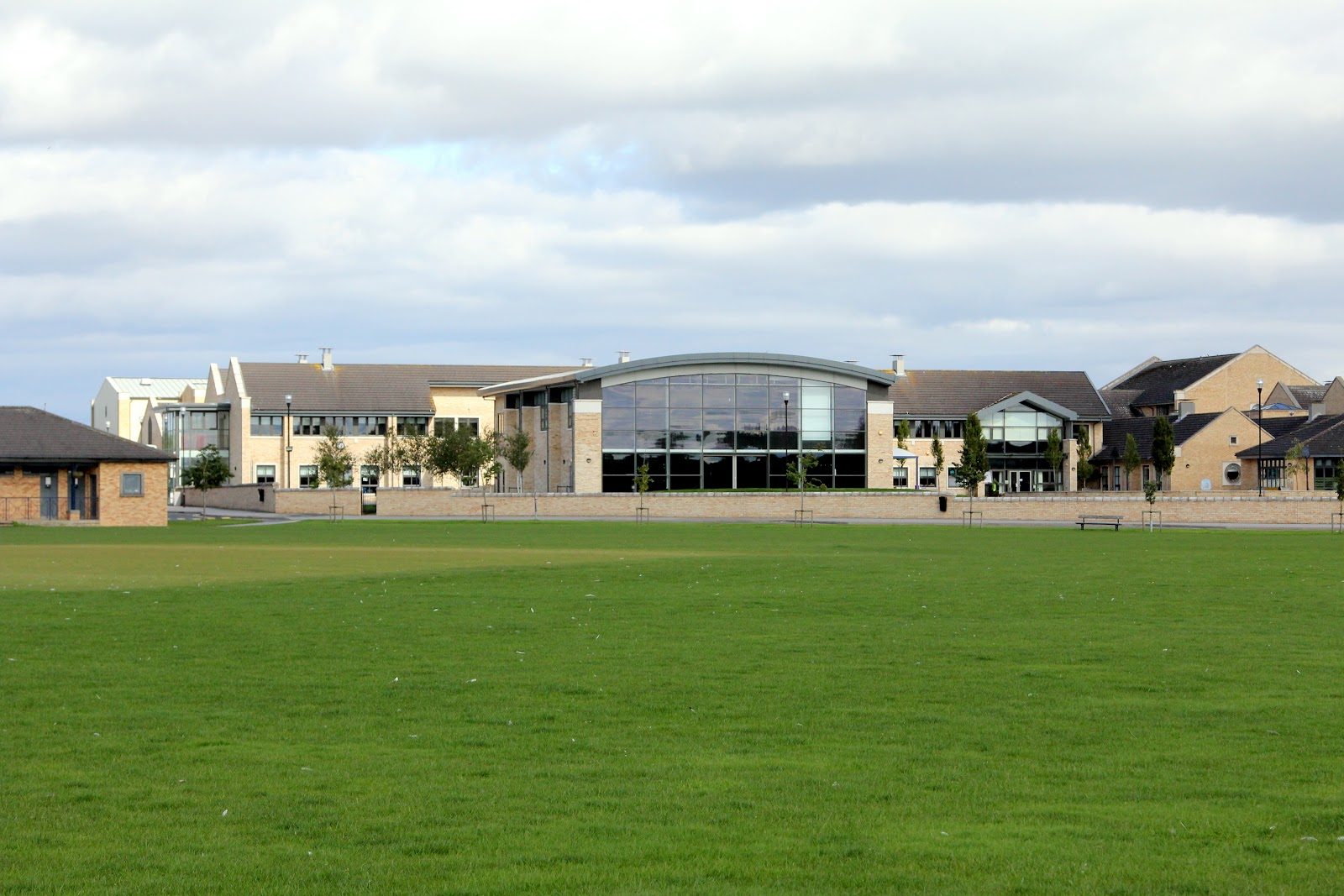
The Grammar School at Leeds
Leeds · United Kingdom
Where a 1552 boys' grammar school and an 1876 girls' high school fused into one diamond-model campus across 140 Yorkshire acres
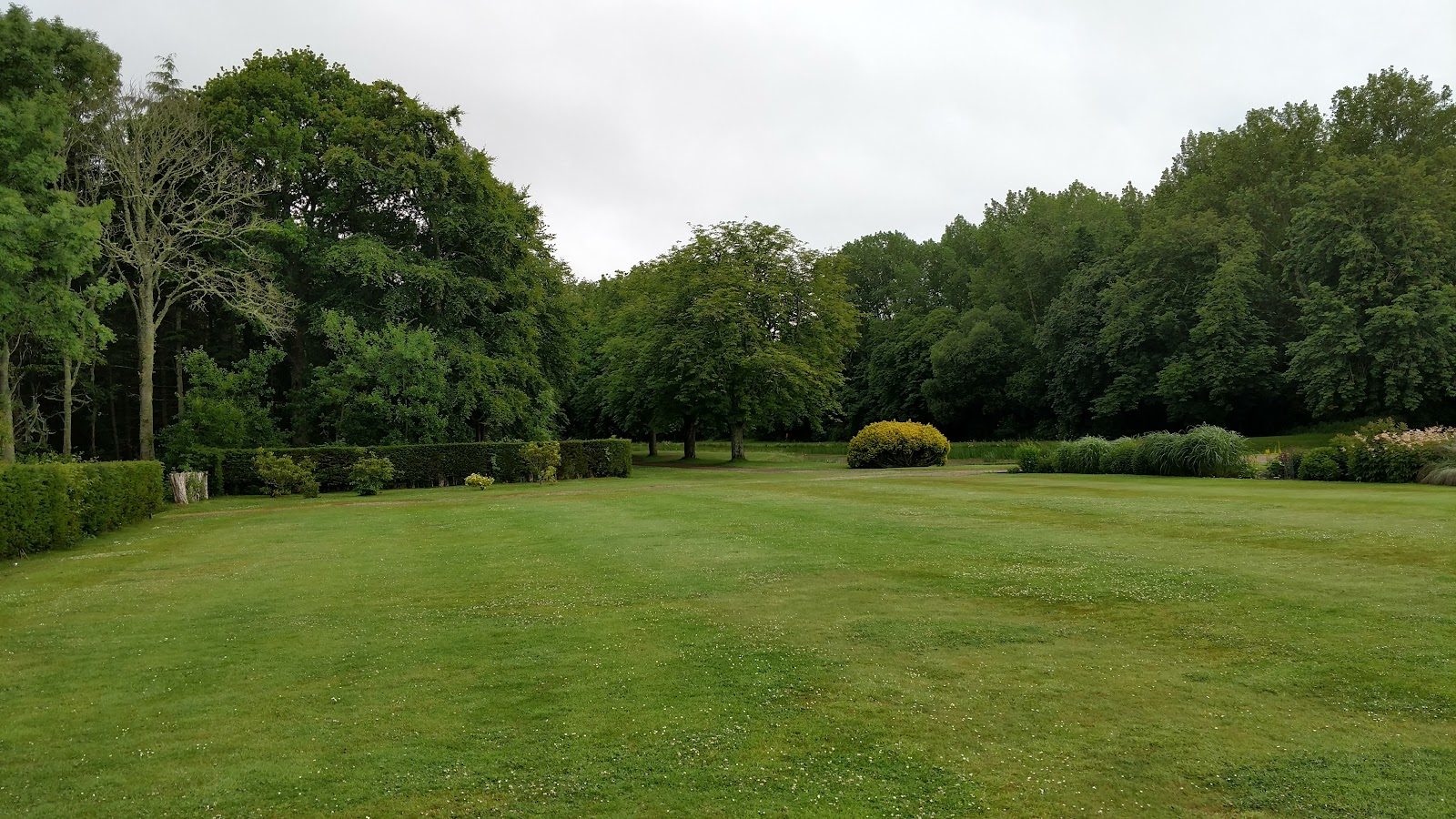
Gordonstoun
Elgin · United Kingdom
On Scotland's Moray coast, birthplace of Outward Bound, where sail training aboard the school's own ocean-going yacht counts as curriculum.
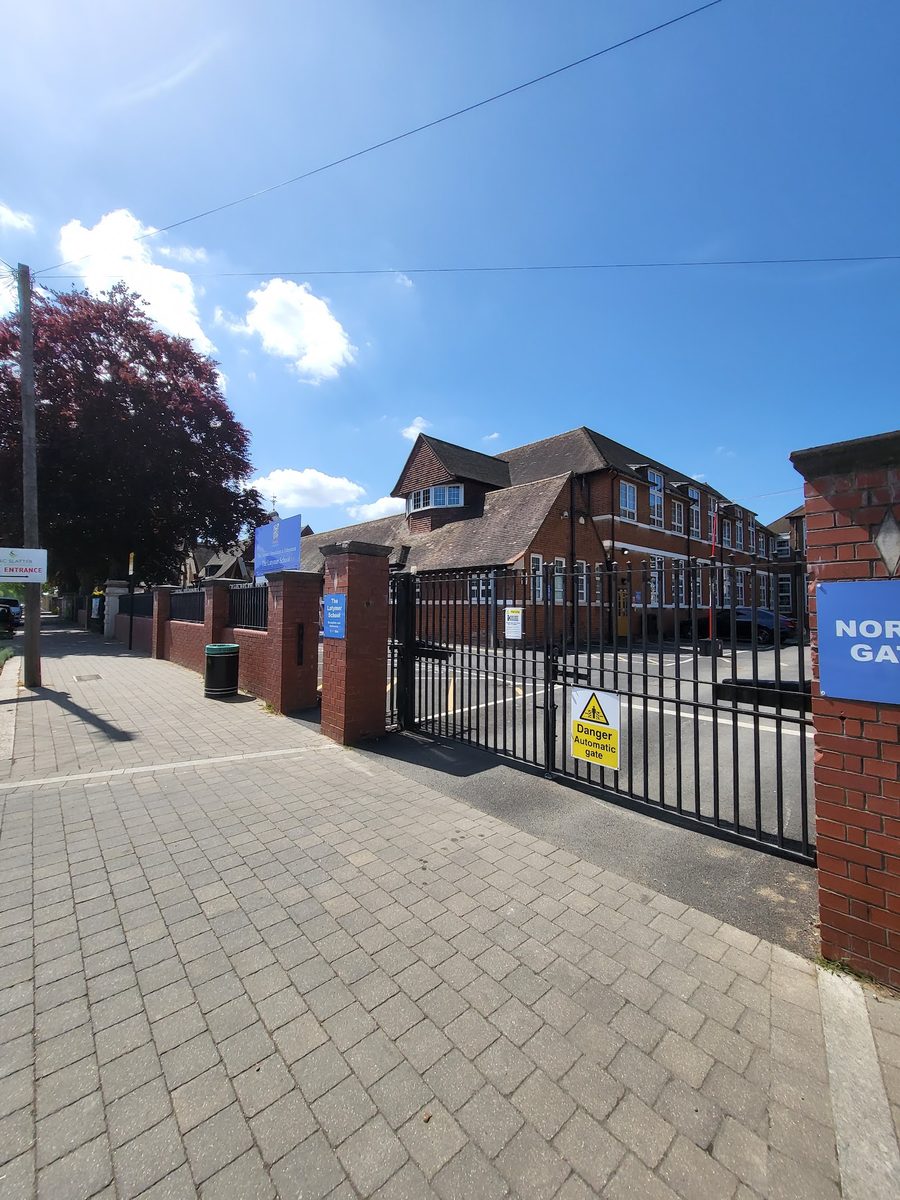
The Latymer School
London · United Kingdom
A 400-year-old state grammar in Edmonton where over 1,000 applicants compete yearly for just 192 places, with Cambridge college endowments still funding leavers.
Oundle School
Oundle · United Kingdom
Boarding houses woven into a historic market town, and an engineering centre that 3D-prints titanium and carbon fibre.
Same country and curriculum — closest matches within ±10 points either way