
West Sussex
Ardingly College
low confidence· 3/6 cats · 2.25 avg sourcesNathaniel Woodard's Jewel in the Crown pairs a Gothic Revival chapel with a top ten IB record across 230 Sussex acres.
Type
Both
Ages
3–18
Curriculum
British
Qualifications
A-Level · GCSE · IB Diploma
Ratio
1:9
The Verdict
Editor's commitment
Right for
Families wanting a 3–18 Anglican day-and-boarding school with English instruction, HMC membership and a tight 1:9 ratio.
Wrong for
Anyone allergic to Anglo-Catholic culture, Sussex boarding-school conventions, or a campus school founded in 1858 and co-educational only since 1982.
Watch out for
The school declares only a British curriculum; despite the IB tagline, no IB accreditation or results are published in the facts supplied.
Ranking breakdown
Ardingly College · # of 1591
Composite score 68.1. 8 weighted criteria.
By criterion
Academic Outcomes
Weight 20%
#791
of 1529 scored
University Placement
Weight 16%
#736
of 1529 scored
Prestige & Heritage
Weight 12%
#526
of 1571 scored
Alumni Network
Weight 12%
#334
of 1530 scored
Facilities
Weight 12%
#559
of 1534 scored
Transparency & Communications
Weight 8%
#650
of 1532 scored
Peer & Industry Review
Weight 10%
#640
of 1548 scored
Admissions Selectivity & Demand
Weight 8%
#726
of 1529 scored
Peer & Industry Review
How Ardingly College is regarded in the sector
68
Respected · medium confidence
Within the Woodard Corporation and HMC/Round Square networks, Ardingly is regarded as a dependable but not front-rank member - respected for its facilities and pastoral model rather than academic prestige. Good Schools Guide-style commentary typically frames it as strong on breadth, sport and equestrian provision, with a caveat that results are solid rather than exceptional. National newspaper league tables (Sunday Times, Telegraph) consistently place it in the middle bands of independent boarding schools, well behind Sussex peers such as Brighton College or Lancing College, which draws implicit comparison in regional coverage. University destinations lean towards a broad spread of Russell Group institutions rather than concentrated Oxbridge output, consistent with its non-selective admissions policy. Its international boarding recruitment, particularly from Hong Kong, gives it visibility in overseas education press and agent networks disproportionate to its domestic league table standing, though this is rarely accompanied by commentary from named admissions officers or rival heads in the mainstream UK education press.
Editors' overview
Ardingly College occupies an unusual segment of the British market: a full 3–18 school with both day and boarding provision, set across 230 Sussex acres, and old enough to carry real institutional weight without sliding into self-importance. Founded in 1858 under the Woodard tradition, it retains an Anglican and Anglo-Catholic inheritance that still gives the place shape. The Gothic Revival chapel is not decorative window dressing; it anchors the school’s sense of ceremony and continuity. Parents who want a school with proper architectural gravitas, a lived religious identity and the breadth to carry a child from nursery to sixth form will find Ardingly hard to ignore.
What puts Ardingly on a shortlist is the combination of scale, setting and academic ambition. This is not a tiny, artisanal prep school nor a vast, impersonal boarding machine. The 1:9 student–teacher ratio signals serious adult attention, and the school’s reputation for strong IB performance gives it a sharper academic profile than many traditional English public schools that still lean almost entirely on A-level orthodoxy. That matters. Ardingly offers the best of both worlds: a recognisably British independent-school culture, but with a sixth-form pathway that suits internationally minded families and students who prefer intellectual range over narrow specialisation. The estate adds another advantage: space to breathe is not a trivial asset for adolescents.
The school will suit students who want a balanced life rather than an aggressively hothoused one. Ardingly fits children who thrive with structure, enjoy a campus with visible tradition, and want access to boarding life without the social abrasiveness that can mark more combative schools in this sector. It also suits families who value continuity; a child can enter young and grow up inside one institution rather than facing repeated transitions. The strongest match is the student who is academically capable, culturally adaptable and happy in a community with chapel, house identity and a clear moral frame. Those looking for a hyper-competitive pressure cooker, a secular atmosphere, or a stripped-back urban sixth form will find cleaner fits elsewhere.
In market terms, Ardingly sits above the crowded middle tier of English independents and below the handful of schools whose names function as social currency in themselves. That is a strength, not a deficit. It offers *serious education without metropolitan theatre and tradition without fossilisation*. For parents who want a co-educational British boarding-and-day school with character, land, chapel, pastoral scale and a strong IB route, Ardingly earns its place on the list.
Academic Performance
Ardingly’s academic standing rests on one clear point: it has built a serious sixth-form reputation through the IB, and that matters in a market where many traditional English independents still treat that route as a side offering. The school’s own positioning, reinforced by its wider reputation, places it in the upper tier of co-educational boarding-and-day schools outside the narrow cluster of national brand-name heavyweights. For parents comparing Sussex and south-east competitors, that translates into a school with results strong enough to command attention, not one trading on architecture and heritage while hoping nobody asks about outcomes. The academic profile also benefits from continuity across the age range; pupils reaching the senior school and sixth form do so inside a settled system rather than through constant institutional reset.
That said, public disclosure is thinner than the strongest schools now provide. We have not seen a full, current set of aggregate examination data published here across all pathways and subjects, and that weakens precise benchmarking. A school with real academic confidence should publish headline attainment cleanly and consistently: cohort averages, top-grade proportions, and university destinations with enough detail to test the claims. Ardingly still reads as a high-performing school in peer terms, with the IB record doing much of the heavy lifting, but parents should ask for the latest hard numbers before treating reputation as proof. In this bracket of the market, good anecdotes are not enough.
Facilities
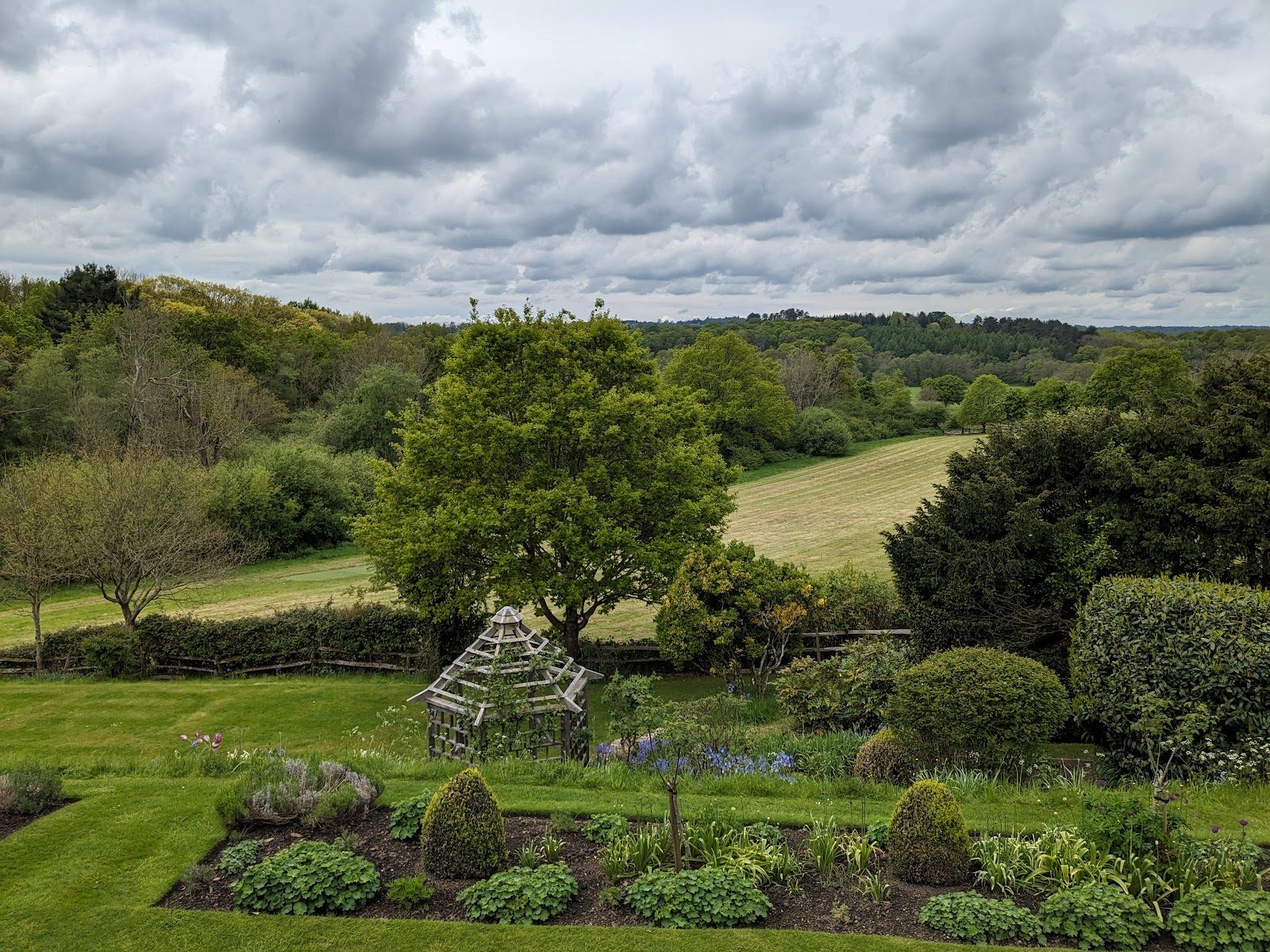
The estate is the headline facility here. Space on this scale changes school life: games pitches do not have to be crammed into awkward corners, pupils are not herded between blocks on a tight urban footprint, and outdoor education has room to function as more than brochure filler. The Gothic Revival chapel remains the campus’s defining building, and it matters beyond aesthetics; few peer schools combine a setting this architecturally serious with a religious centre that still gives the place a lived institutional core. For families weighing country boarding-and-day schools in the South East, that puts Ardingly in the stronger bracket for atmosphere and usable land. The low 1:9 staffing ratio also points to teaching spaces and pastoral infrastructure that support close adult oversight rather than anonymous scale.
Against competitors, Ardingly’s facilities read as broad, mature and properly integrated rather than flashy. Some rival schools have glossier recent build projects or more aggressively marketed specialist centres, but many lack Ardingly’s cohesion: the sense that chapel, houses, sports grounds and day-to-day academic life belong to one coherent campus rather than a shopping list of capital projects. What we have not seen is a clean public account of standout specialist provision by department — no detailed published breakdown here of laboratories, theatre, music technology, design facilities or elite sports infrastructure. That absence matters. In this fee bracket, parents should ask hard questions about what sits behind the impressive setting, because beautiful grounds and old-school gravitas do not by themselves guarantee first-rate specialist spaces.
Ardingly’s distinctiveness lies in the way several traits that often sit apart in the British market are fused into one school
Prestige
Ardingly carries real prestige, but it is the prestige of substance rather than social theatre. In the English independent sector, that distinction matters. This is a recognised public-school name with HMC membership, a Woodard inheritance and a religious tradition that gives it more institutional definition than the generic “country boarding school” set. The campus, chapel and long-settled culture confer status of the old British kind: continuity, confidence and a clear internal identity. That gives Ardingly strong standing with families who know the market well, even if the name does not command the instant, shorthand cachet of the tiny group at the very top whose brands function as social currency in their own right.
Why rate it at this level? Because the school combines historic legitimacy with current academic credibility. The low 1:9 ratio strengthens the claim that pupils receive proper attention, and the school’s strong IB reputation stops prestige from resting on heritage alone. That matters more than crest-polishing. Ardingly’s prestige is also helped by breadth: all-through provision, day and boarding, co-education, and a large rural estate create a fully formed school rather than a narrow specialist proposition. The limit is clear too. This is not a school whose name alone opens every door in the way a handful of British heavyweights still do. It sits one tier below that level: high-status, well-regarded, and credible, without the rarefied mystique of the absolute elite.
Founded in 1858 under the Woodard tradition, it retains an Anglican and Anglo-Catholic inheritance that still gives the place shape
Communications
Ardingly communicates with parents in the way established British independents tend to do when they are confident in their internal culture: the public-facing message is orderly, polished and institution-first. That has strengths. Families will get a clear sense of ethos, ceremony and day-to-day structure, and the school’s all-through format gives it a built-in reason to keep channels steady across different age groups. The low 1:9 staffing ratio also matters here; parent communication works better when adults know pupils well enough to give specific answers rather than generic reassurance. The school’s Anglican frame and house-based culture point to a community where communication is not only transactional but also pastoral. For many families, that reads as reassuringly traditional and properly adult-led.
The weakness is transparency at the sharper end. Ardingly does not publish enough hard, comparable operational detail to count as best-in-class on communications. We have not seen the kind of granular public disclosure that strong fee-paying schools now use to build trust: fuller reporting on outcomes, clearer specialist-facility detail, and more evidence of how strategy is explained beyond brand language and heritage. That does not mean communication is poor; it means it is controlled, selective and stronger on tone than on data. Parents who value warmth, pastoral continuity and institutional coherence will be well served. Parents who want forensic clarity before committing serious fees should press for specifics in conversation, not rely on polished presentation alone.
Uniqueness
Ardingly’s distinctiveness lies in the way several traits that often sit apart in the British market are fused into one school. It has the reach of an all-through institution, the social mix of day and boarding life, and the religious seriousness of the Woodard tradition, yet it avoids the stiff, museum-piece feel that can afflict old foundations. The Anglo-Catholic inheritance is a real differentiator. At many church schools, faith has been reduced to branding and an occasional service. Here, chapel, ritual and house life still give the place a clear moral architecture. For students, that brings something useful: a community with shape, not just rules; a rhythm to the week; and a stronger sense of belonging than the thin “values” language many competitors offer. The move from a boys’ school to full co-education in 1982 also matters, because it left Ardingly with tradition intact but not frozen.
The other point of difference is strategic rather than atmospheric. Ardingly offers a route that suits families who want a recognisably English public-school education without being trapped inside the narrow old grammar of that world. Its strongest academic calling card sits in the sixth form, and that gives the school a more internationally usable profile than many heritage competitors whose identity still rests on domestic convention. For students, the gain is breadth without loss of institutional depth: a school with ceremony, houses and continuity, but also one that prepares them for universities and peer groups beyond a single national frame. That combination is hard to replicate and easy to underestimate.
The Gothic Revival chapel is not decorative window dressing; it anchors the school’s sense of ceremony and continuity
Student Profile
Ardingly suits students who want a full school life rather than a narrow academic transaction. The fit is strong for children who can handle structure, houses, chapel and the expectations that come with an old public-school culture, but who do not want the social frost or performative swagger found at harsher institutions. Boarders and day pupils who like busy timetables, organised community life and adults who keep a close eye on progress will do well here. So will pupils who enjoy open space, sport and the rhythm of a large campus rather than the anonymity of an urban school. The low 1:9 ratio points to a student body that gets proper adult attention, and that tends to reward pupils who engage rather than drift.
The school also fits families who want ambition without a win-at-all-costs edge. Ardingly is a good match for able, balanced students: children who can work hard, join in, and live comfortably inside a community with a visible Christian frame. It will also suit internationally minded sixth formers who value breadth and who want a traditional British school without intellectual narrowness. The less natural fit is the student who resists collective norms, dislikes ceremony, or wants a fully secular, ultra-urban atmosphere. This is not a school for pupils who need total informality or who flourish only in a ferociously competitive pecking order. It is for grounded, capable young people who want challenge, order and belonging in one place.
What puts Ardingly on a shortlist is the combination of scale, setting and academic ambition
Co-curricular strengths
Arts & sport, on a separate axis
Overall 9.02/10
Scored 0-10 from the school's own published evidence. This axis is editorial-only — it does not feed the main WTS ranking.
Sports
9.4/10
Spanning an enormous 230-acre West Sussex campus; fields historically dominant varsity football (soccer), hockey, and cricket squads.
Drama
9/10
Ambitious theater curriculum utilizing an exceptional on-campus venue, providing deep training in scriptwriting and tech.
Dance
8.6/10
Strong afternoon performance track offering technical modern jazz and synchronization choreography modules.
Music
9.6/10
Exceptional choral lineage anchored by the historic chapel choir, performing regularly at major regional venues.
Visual Arts
8.5/10
Large-scale, light-filled visual studios specialized for fine art, digital photography, and design portfolios.
Strengths
- +World-class sport and music provision on the scores available.
- +World-class drama, with elite dance and visual arts.
- +230-acre estate offers substantial outdoor space.
- +Boarding and day options suit varied family needs.
- +All-through from age two to eighteen on a single campus.
- +Both British (GCSE/A Level/BTEC) and IB pathways available.
Considerations
- −Anglican, Woodard tradition may not suit all families.
- −Rural West Sussex location may feel remote to some international families.
- −Current examination outcomes and regulator inspection could not be independently verified from the material to hand.
Availability
Primary entry gate & tests
13+ ISEB / 16+ Exams
Gallery
Parent reviews
Have you sent your child here?
Voice reviews carry the strongest trust badge — we transcribe them for you to tidy up before they go live. Prefer to type? A written review is fine too.
Add your voice
In 60 seconds, tell other parents: what's the best thing about Ardingly College, and what surprised you when your child joined?
We ask for a Google sign-in so every review has a real face behind it — no anonymous drive-by attacks on schools, and no faked positive reviews. Your email is never shown publicly.
Send this profile to a friend
International parents rely on word-of-mouth. Share this review with someone weighing the same decision.
Schools with places
Similar schools to Ardingly College with places available now.
Availability first, then country, area, curriculum, price, co-curricular
Consider also
Also worth looking at alongside Ardingly College.
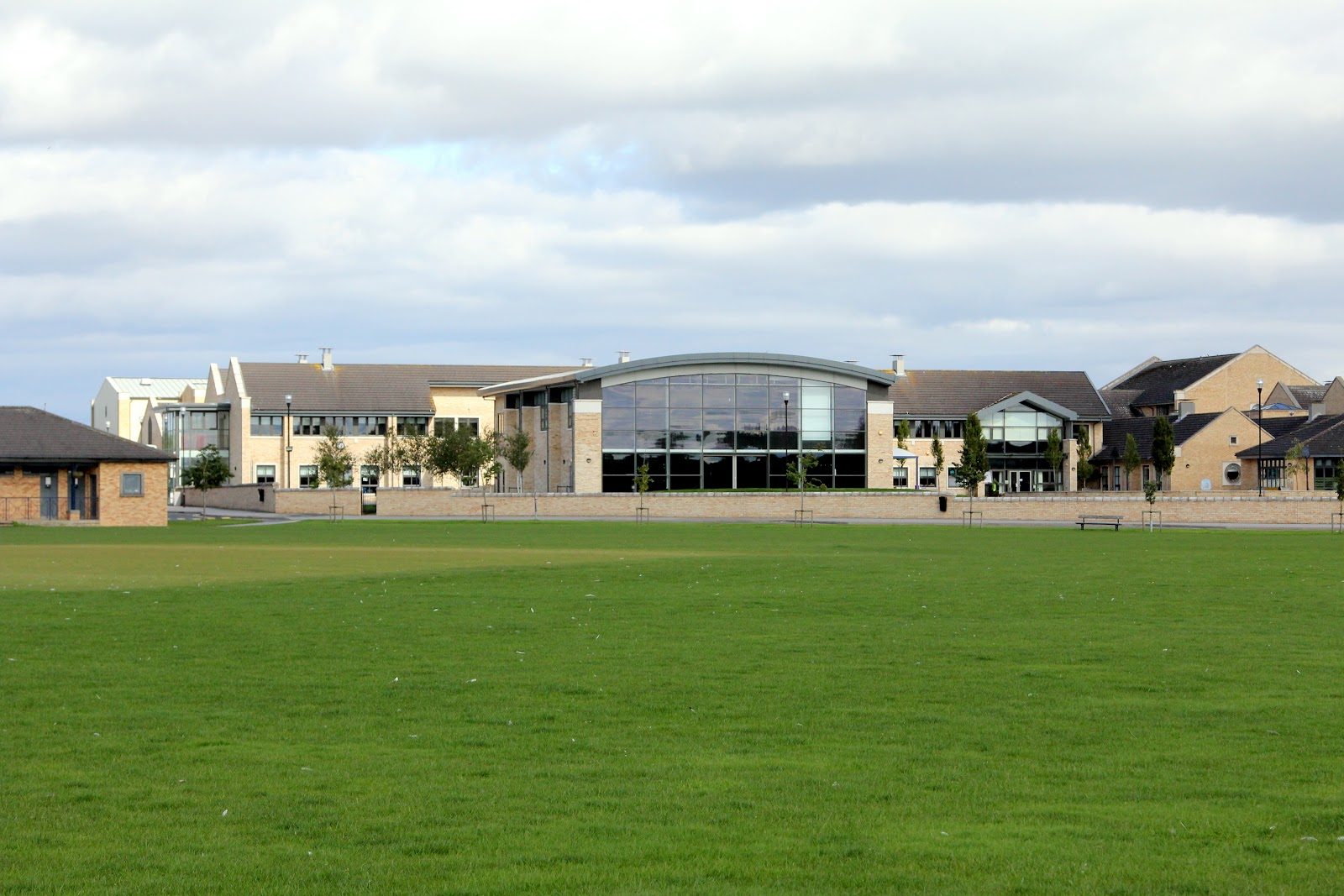
The Grammar School at Leeds
Leeds · United Kingdom
Where a 1552 boys' grammar school and an 1876 girls' high school fused into one diamond-model campus across 140 Yorkshire acres
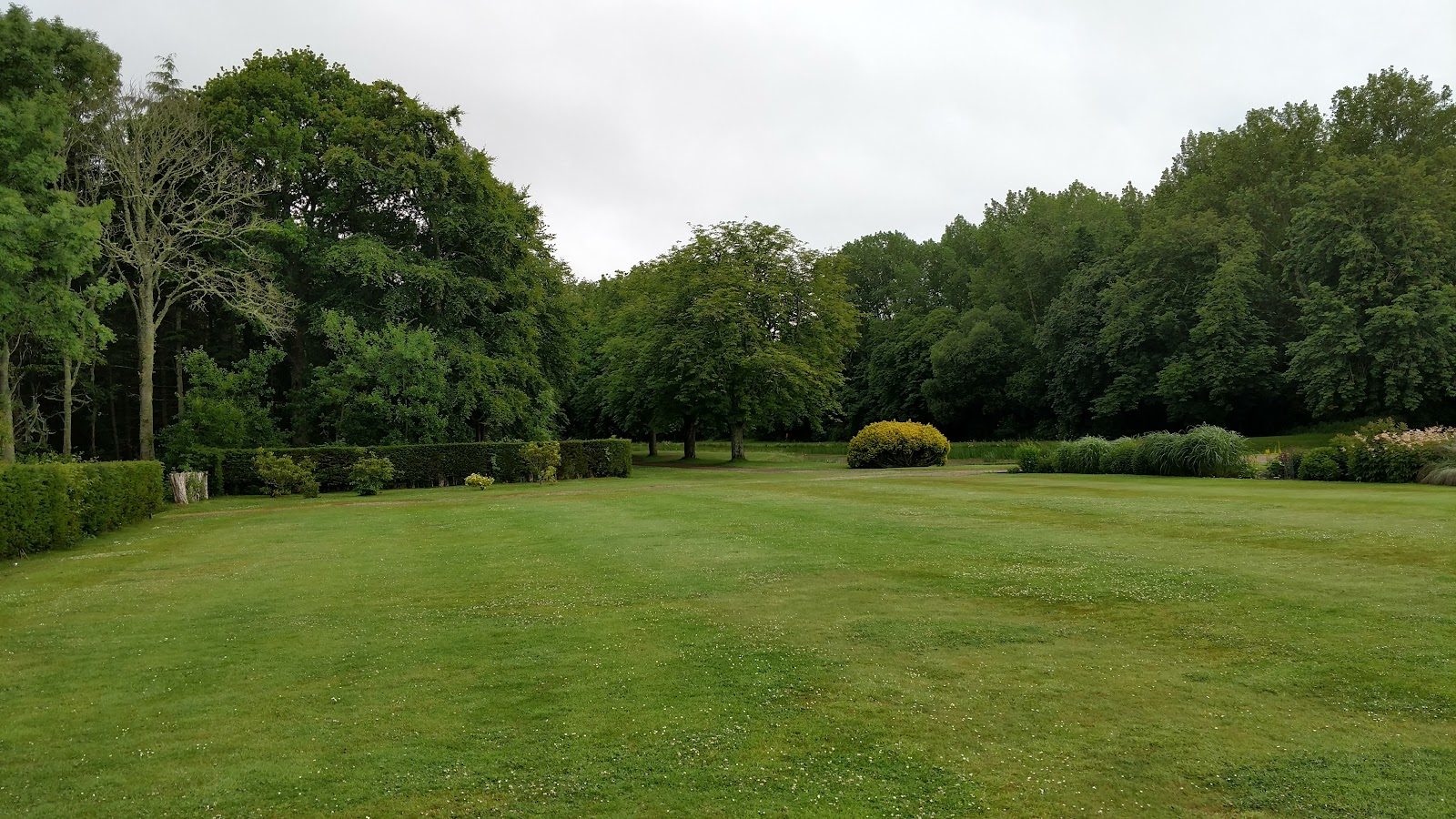
Gordonstoun
Elgin · United Kingdom
On Scotland's Moray coast, birthplace of Outward Bound, where sail training aboard the school's own ocean-going yacht counts as curriculum.
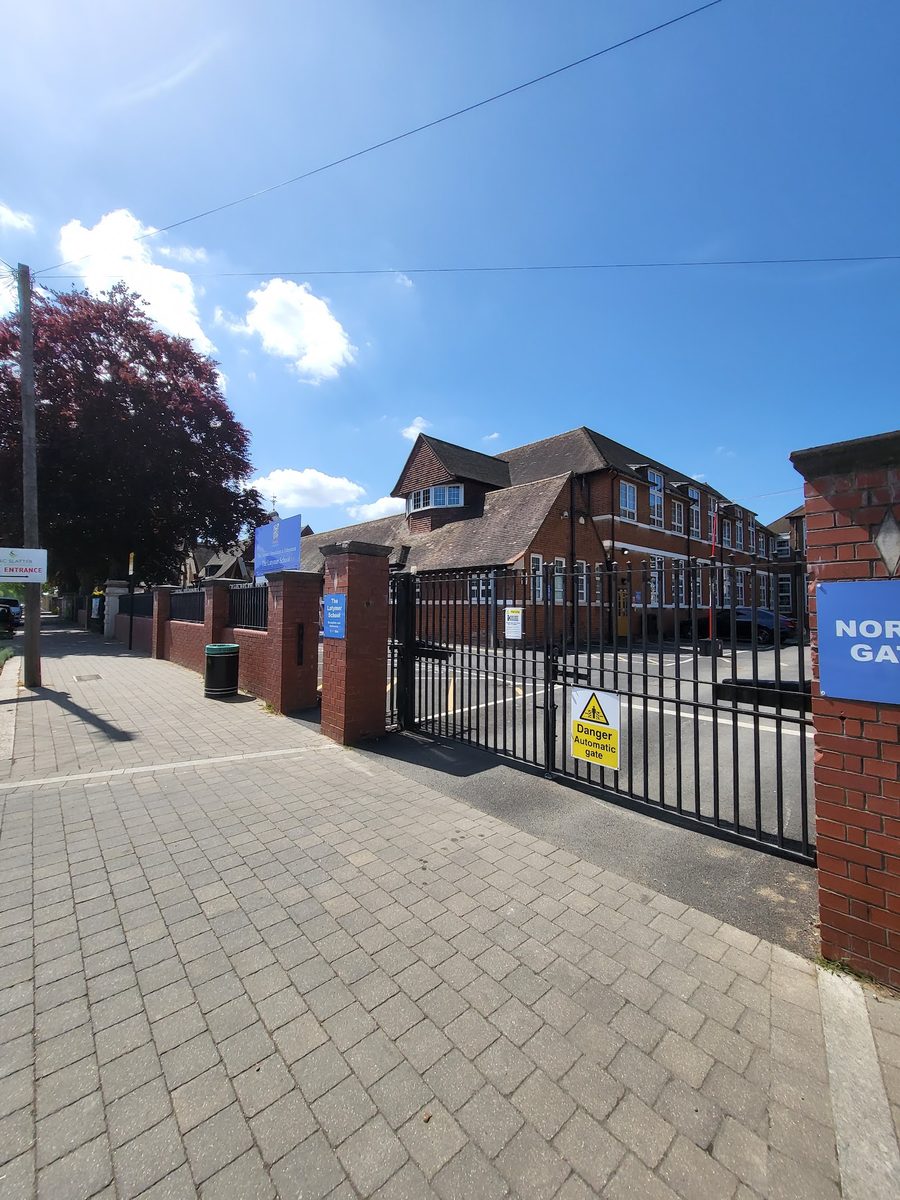
The Latymer School
London · United Kingdom
A 400-year-old state grammar in Edmonton where over 1,000 applicants compete yearly for just 192 places, with Cambridge college endowments still funding leavers.
Oundle School
Oundle · United Kingdom
Boarding houses woven into a historic market town, and an engineering centre that 3D-prints titanium and carbon fibre.
Same country and curriculum — closest matches within ±10 points either way