
Poland
Państwowe Liceum Sztuk Plastycznych im. Piotra Potworowskiego, Poznań
New · 2026/27Type
Ages
—
Curriculum
—
Ratio
—
The Verdict
Editor's commitment
Right for
Students in Poznań who want a state fine arts lycée, not a generic academic school with art bolted on.
Wrong for
Families seeking published exam data, international accreditation, or a curriculum stated beyond this being a Polish state art school.
Watch out for
Państwowe Liceum Sztuk Plastycznych im. Piotra Potworowskiego is specific by design; if your child wants breadth over specialisation, look elsewhere.
Ranking breakdown
Państwowe Liceum Sztuk Plastycznych im. Piotra Potworowskiego, Poznań · # of 1591
Composite score 51.3. 8 weighted criteria.
By criterion
Academic Outcomes
Weight 20%
No data yet
1529 of 1591 scored
University Placement
Weight 16%
No data yet
1529 of 1591 scored
Prestige & Heritage
Weight 12%
#1130
of 1571 scored
Alumni Network
Weight 12%
No data yet
1530 of 1591 scored
Facilities
Weight 12%
No data yet
1534 of 1591 scored
Transparency & Communications
Weight 8%
No data yet
1532 of 1591 scored
Peer & Industry Review
Weight 10%
No data yet
1548 of 1591 scored
Admissions Selectivity & Demand
Weight 8%
No data yet
1529 of 1591 scored
Peer & Industry Review
How Państwowe Liceum Sztuk Plastycznych im. Piotra Potworowskiego, Poznań is regarded in the sector
Insufficient peer signal
We couldn't find enough independent third-party evidence to score this school's peer & industry standing with confidence. It doesn't mean the school isn't well regarded — only that public reputation sources we trust don't yet cover it. This axis is left blank for now and the composite score is median-imputed from the other six categories.
Award
Elite Visual & Fine Arts 76
World's Top School · The Global Ranking
Państwowe Liceum Sztuk Plastycznych im. Piotra Potworowskiego, Poznań is featured on our Global Top 76 ranking at #67. This seal is available for the school's marketing team to use on their website, prospectus and social channels.
Editors' overview
Państwowe Liceum Sztuk Plastycznych im. Piotra Potworowskiego in Poznań sits in a narrow but important part of the Polish market: the state art secondary school. That matters. This is not a general academic lycée with a strong art department, nor a private international school adding studio space to a broad curriculum. It is a specialist institution built for students who want serious visual arts training during their secondary years. For families looking beyond conventional academic prestige, that focus is its real distinction. The school belongs on a shortlist for one clear reason: it offers early artistic commitment in a system that still rewards disciplined craft, sustained studio work and vocational direction.
Its appeal rests on specialisation, not breadth. Parents considering this school need to want exactly that. A specialist art lycée gives more than extracurricular creativity; it gives a daily working culture centred on making, critique and technique. That can be transformative for the right student and constraining for the wrong one. A teenager who thrives here will value drawing, design, composition and visual experimentation enough to let those pursuits shape the rhythm of school life. A student who wants a broad, conventional secondary experience with art as one interest among many will find a specialist school restrictive. The attraction is serious artistic formation, not maximum optionality.
In market terms, the school serves families who want public-sector provision rather than expensive private schooling, and who care more about artistic trajectory than brand gloss. That gives it a distinct position in Poznań: specialist, state-backed and purpose-built for young artists. The strongest candidate is diligent, visually alert, patient with technical training and ready for critique. Raw flair is not enough; schools of this type reward work ethic, concentration and stamina. The ideal pupil wants a studio-centred adolescence, values craft as much as self-expression, and is already leaning towards art, design or adjacent creative fields. For that student, this school offers focused creative discipline and a clear sense of direction at an age when many peers are still sampling options.
An Elite Visual & Fine Arts 76 school
Panstwowe Liceum Sztuk Plastycznych im. Piotra Potworowskiego in Poznan, Poland sits at rank sixty-seven on the Elite Visual & Fine Arts 76. The anchoring fact is structural rather than reputational: founded in 1946 and run directly by the Ministry of Culture and National Heritage, this is one of Poland's oldest state art lycea, and its five-year course ends not just in a matura but in a state-recognised professional diploma carrying the title "plastyk" - a genuine studio-to-credential pipeline that ordinary general high schools simply do not offer.
The specialism runs along two tracks - graphic design and spatial design - each capped at roughly fifteen places a year and entered only through a competitive practical exam in drawing, painting and spatial composition plus an oral art-knowledge test. Teaching studios cover drawing, painting, sculpture with a ceramics option, photography and film basics, plus two dedicated PC and Mac computer labs for design work. The diploma exam itself is a three-stage rite: a specialisation project, an individually chosen medium of painting, drawing or sculpture, and an oral art-history defence, with recent diploma cohorts supervised by named staff including Mariola Pieprzyk, Ludmila Kazmierska, Konrad Juscinski, Wawrzyniec Reichstein and Dawid Puszynski.
Among named alumni, Leszek Knaflewski, a 1980 graduate, went on to become a professor at the University of Arts in Poznan and a recognised multimedia artist whose work has been shown internationally, including in a 1989 "Contemporary Polish Drawing" exhibition at the John Hansard Gallery in Southampton and later at Kunstraum Kreuzberg/Bethanien in Berlin. Janusz Kapusta, a 1970 graduate, is a working illustrator, painter and stage designer credited as the inventor of the geometric K-dron form.
International openness here is honestly limited. The school is fully public and tuition-free, but admission runs through a Polish-language competitive entrance exam and all instruction is in Polish, with no dedicated ESL stream. A separate state-run dormitory, the Panstwowa Bursa Szkol Artystycznych, provides boarding for art-school pupils but is not an integrated campus facility, and overseas families must handle standard Polish minor-residence procedures independently. This is not a plug-and-play international destination; it suits only families relocating to Poznan long-term who want their child fluent in Polish and feeding into the University of Arts pipeline. Families should confirm Polish-language readiness and register well before the March-May application window.
Academic Performance
This is the awkward part of the profile: the school does not publish the kind of headline academic data many international parents expect. We have not seen aggregate matura results, subject-by-subject pass rates, value-added measures, or any clear benchmarking against other specialist art lycées. That leaves a real transparency gap. For a school built around selective artistic development, families still need hard evidence on external examination performance, because specialist focus does not excuse opaque academic outcomes. In plain terms, this school’s public profile on results is thin, and that weakens any claim to stand out on academics alone.
Where it fits relative to peers, then, rests less on published exam statistics and more on school type. Specialist state art schools sit in a different lane from academically broad, exam-driven lycées: they balance general secondary study with sustained studio practice, and the trade-off is obvious. The relevant peer group is not elite generalist day schools but other vocationally oriented visual-arts institutions. Within that cohort, the key question is not whether students produce strong portfolios — one would expect that — but whether they also secure solid external exam outcomes alongside the artistic training. Here, the absence of disclosed data is the central fact. Parents who need clean comparative proof on examination performance will find this frustratingly opaque and will need to ask for recent results before treating the school as a strong academic bet.
Facilities
For a specialist art lycée, the critical question is not whether it has a gym or a polished atrium; it is whether students get the rooms, tools and working conditions needed for sustained making. On that test, the essential facilities are the studio spaces for drawing, painting and design, plus workshops that support material practice rather than decorative “creativity”. Peer schools in this segment need proper art rooms with strong natural light, storage, display space, sinks, ventilation and enough bench or easel capacity for serious daily use. Anything less undermines the point of attending a specialist institution. What matters here is practical studio infrastructure, disciplined working space and the capacity to support portfolio-grade production, not lifestyle extras.
Against comparable state art schools, the benchmark is functional adequacy with subject-specific depth, not private-school spectacle. Families should ask direct questions about printmaking, sculpture, ceramics, photography, digital design and exhibition space, because those facilities separate a true specialist environment from a school that teaches art in the narrowest sense. We have not seen a clear public inventory of workshops or equipment, and that is a weakness. In this category, opaque provision is a problem because facilities shape student output every day. If the school has strong specialist rooms, that would place it in line with solid peers; if provision is thin or dated, the school falls behind fast. For parents, this is a section to verify in person, because the quality of making space is the real test of an art school.
It does not confer the broad social cachet of a top general academic lycée, and parents need to understand that distinction
Prestige
The prestige here is specialist rather than social. In Poland, a state fine-arts lycée carries weight within the art-and-design track because entry signals commitment, aptitude and a willingness to accept a narrower school experience in exchange for sustained training. That gives the qualification a serious internal status among art teachers, admissions panels and creative faculties. It does not confer the broad social cachet of a top general academic lycée, and parents need to understand that distinction. This is earned esteem in a niche, not mass-market prestige. For the right student, that matters more than brand glitter: the school’s name tells informed readers that the pupil chose an artistic route early and stuck with it under scrutiny.
We rate its prestige as solid but bounded because the school’s standing rests on institutional type and vocational seriousness, not on publicly demonstrated academic dominance or international visibility. The strongest form of prestige in schools comes from outcomes that are easy to verify and hard to dispute. This school does not publish that kind of evidence in enough detail. That weakens the case for top-tier educational prestige in the wider market. Within its own lane, though, the reputation is credible, discipline-driven and attached to a demanding mode of study that many teenagers avoid. That gives it real cultural value for families who care about artistic formation more than conventional school hierarchy.
That weakens the case for top-tier educational prestige in the wider market
Communications
Parent communication looks serviceable rather than strong. For a specialist state school, that is not a trivial point: families need timely information on admissions steps, portfolio expectations, timetables, exhibitions, absences and exam logistics, because the daily rhythm is more complex than in a standard secondary school. What matters here is not glossy storytelling but operational clarity. We have not seen evidence of a high-transparency culture: no rich public archive of parent-facing guidance, no dense stream of published performance data, and no clear sign that the school treats communication as a strategic strength. That leaves an impression of functional administration rather than confident outward communication. For local families already familiar with the Polish public system, that may suffice. For international or first-time applicants, it is thin.
Effectiveness, then, rests on whether parents can get practical answers quickly and in plain language. On the public side, the school does the basics if families know what they are looking for. It does not do much hand-holding. That bluntness suits a school with a serious, adult-toned brief, but it also narrows access for parents who need process explained step by step. In editorial terms, communication here reads as institution-first, parent-second. That is common in public specialist schools, and it works up to a point. Beyond that point, it turns into friction. Parents who value tight, proactive communication should ask direct questions early and judge response speed for themselves.
Uniqueness
What makes this school distinctive is not glamour, breadth or international polish. It is a hard-edged specialist route inside the public system: teenagers commit early to visual art and live with the consequences every school day. That changes the nature of schooling. Art stops being an enrichment subject and becomes the organising principle around which habits, standards and peer culture are built. For the right student, that produces serious formative pressure: more critique, more repetition, more technical correction, more demand for patience. In a market full of schools promising flexibility, this one offers the opposite — purposeful narrowing. That is its value. Students do not drift into creativity here; they work at it under scrutiny.
The benefit is a school culture that filters for conviction. A young artist in this environment spends adolescence among peers who also care enough to choose a specialist path, and that matters more than brochure language about inspiration. Shared commitment raises the floor of discussion, effort and ambition. It also builds professional habits early: finishing work to deadline, responding to criticism without melodrama, and understanding that talent without discipline goes nowhere. That combination — state provision, selective artistic seriousness and a daily studio-centred identity — is rare in practical terms. It gives students a clearer sense of whether they want an art-and-design future before university forces the decision, which is a genuine strategic advantage for families who want direction rather than delay.
What makes this school distinctive is not glamour, breadth or international polish
Student Profile
The right student here is not a casual doodler or a teenager who wants art as a soft counterweight to everything else. Fit starts with serious visual commitment. Pupils need patience for repetition, tolerance for critique and enough internal drive to keep working when inspiration runs out. This kind of school suits adolescents who already organise free time around drawing, making, observing and refining, not those still treating creative work as an occasional enthusiasm. It also suits students who can accept that talent earns attention only when backed by consistency. In practical terms, the strongest candidates are self-disciplined, thick-skinned and motivated by improvement more than praise.
Socially, the school will reward students who are comfortable in a peer group shaped by shared specialism. That brings intensity. Conversations, comparisons and judgments all sharpen when many classmates care about the same thing. Some teenagers grow fast in that environment; others shrink under it. The best fit is a young person who wants standards, not cushioning — someone ready for daily scrutiny, able to cope with uneven results and willing to let artistic work take centre stage in identity and routine. Families also need realism about trade-offs: a specialist art school narrows the field early. For students who want that narrowing, this is a clear route with teeth. For those who still want to keep every option open, it is the wrong habitat.
Art stops being an enrichment subject and becomes the organising principle around which habits, standards and peer culture are built
Co-curricular strengths
Arts & sport, on a separate axis
Overall 5.7/10
Scored 0-10 from the school's own published evidence. This axis is editorial-only — it does not feed the main WTS ranking.
Sports
4.5/10
Drama
5/10
Dance
4.5/10
Music
5/10
Visual Arts
9.5/10
Parent reviews
Have you sent your child here?
Voice reviews carry the strongest trust badge — we transcribe them for you to tidy up before they go live. Prefer to type? A written review is fine too.
Add your voice
In 60 seconds, tell other parents: what's the best thing about Państwowe Liceum Sztuk Plastycznych im. Piotra Potworowskiego, Poznań, and what surprised you when your child joined?
We ask for a Google sign-in so every review has a real face behind it — no anonymous drive-by attacks on schools, and no faked positive reviews. Your email is never shown publicly.
Send this profile to a friend
International parents rely on word-of-mouth. Share this review with someone weighing the same decision.
Schools with places
Similar schools to Państwowe Liceum Sztuk Plastycznych im. Piotra Potworowskiego, Poznań with places available now.
Availability first, then country, area, curriculum, price, co-curricular
Consider also
Also worth looking at alongside Państwowe Liceum Sztuk Plastycznych im. Piotra Potworowskiego, Poznań.
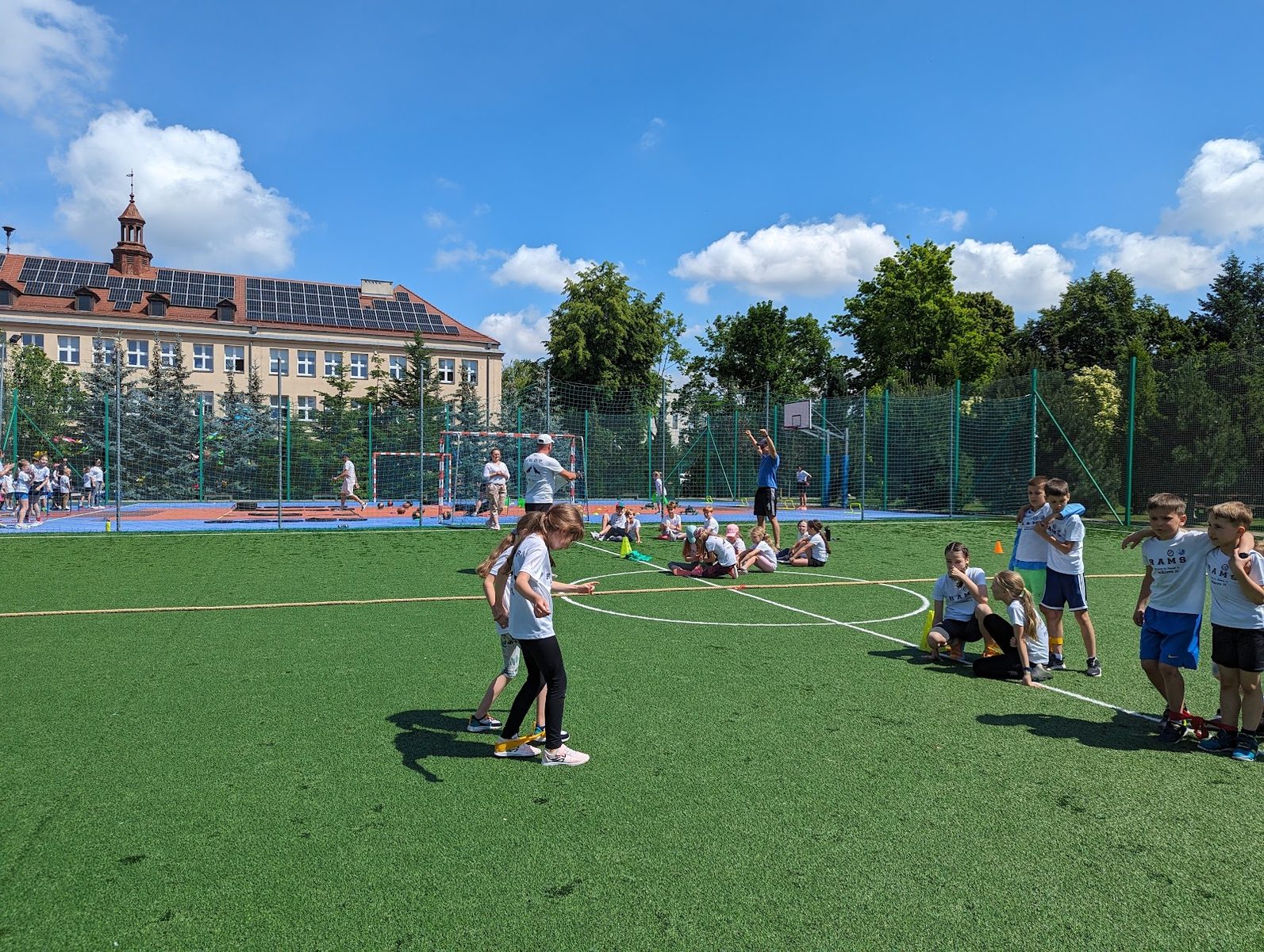
International School of Poznań
Poznań · Poland
Poznan's original IB Diploma authorization, now closing in on a full PYP-MYP-DP continuum via its own induction year for newcomers.
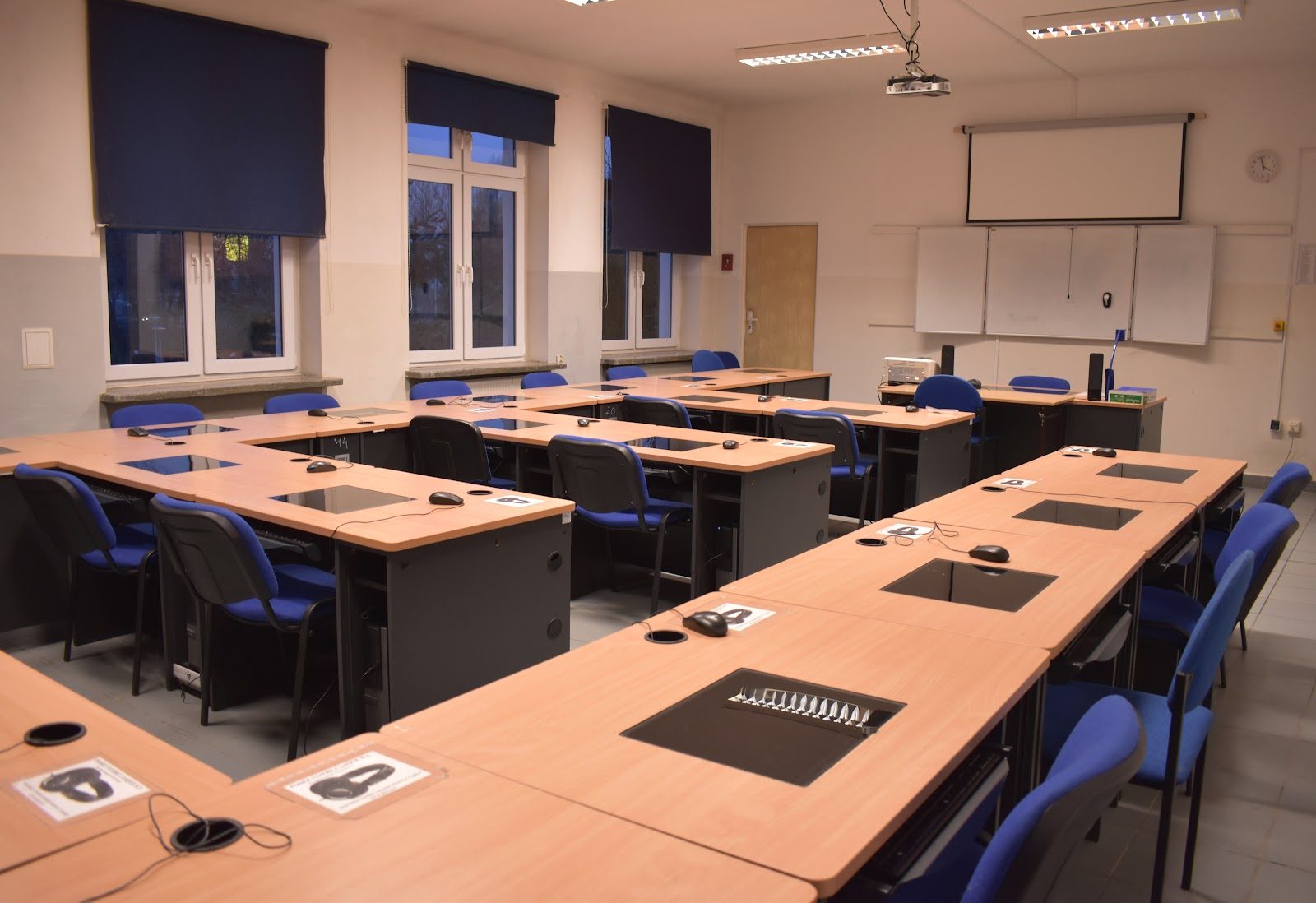
Lycée Français de Varsovie
Warsaw · Poland
Founded in 1919 as a diplomatic bridge between Paris and a newly independent Poland, its Baccalaureate classrooms still run on trilingual rigor.
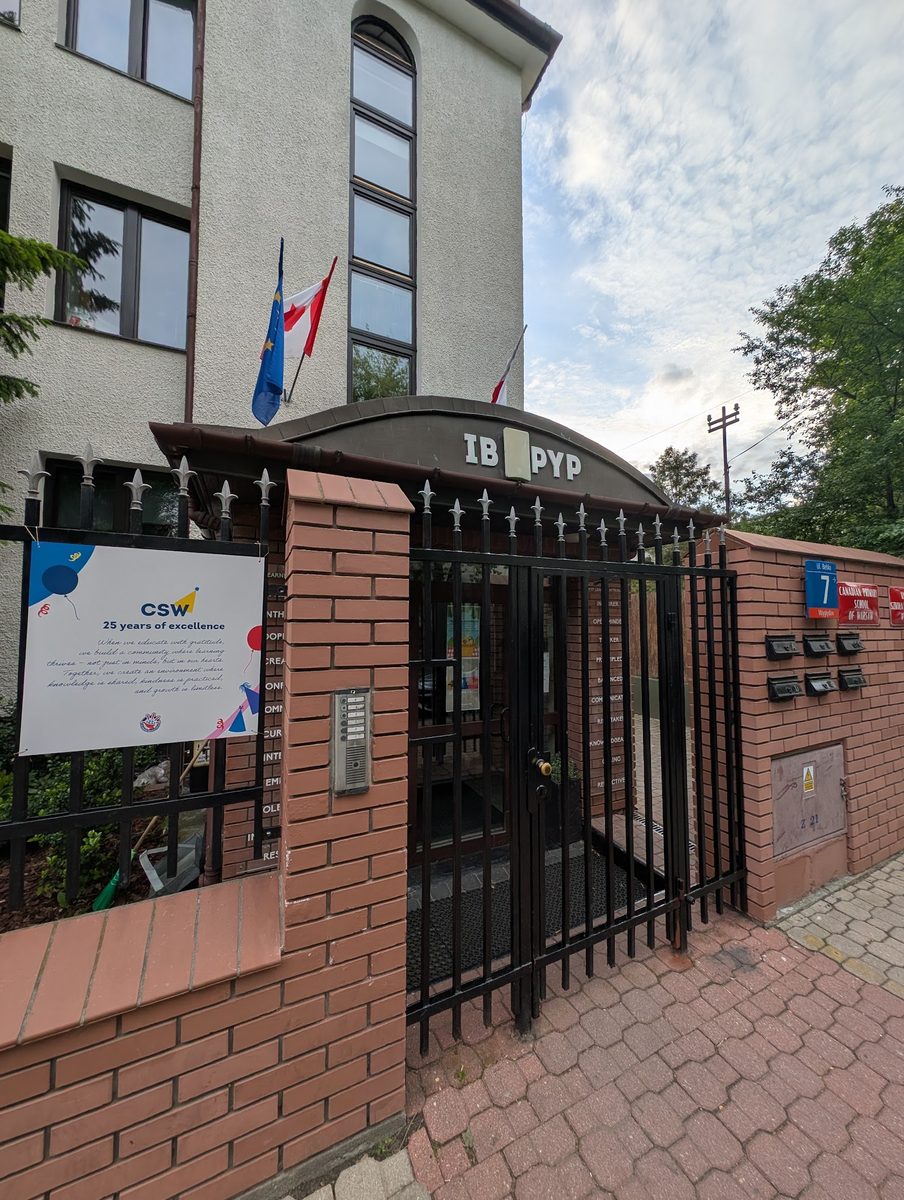
Canadian School of Warsaw
Warsaw · Poland
In Warsaw's Mokotow district, a Canadian-founded IB Primary Years school pairs Polish curriculum rigor with English-Polish-French fluency.
Willy Brandt German School
Warsaw · Poland
Poland's only German Auslandsschule, pairing Abitur rigor with a namesake built on Cold War reconciliation
Same country and curriculum — closest matches within ±10 points either way