
Vaud
International School of Lausanne
low confidence· 6/6 cats · 0 avg sourcesThe only IB World School in the Lausanne area running the full PYP-MYP-Diploma continuum, its campus tending beehives alongside a community garden.
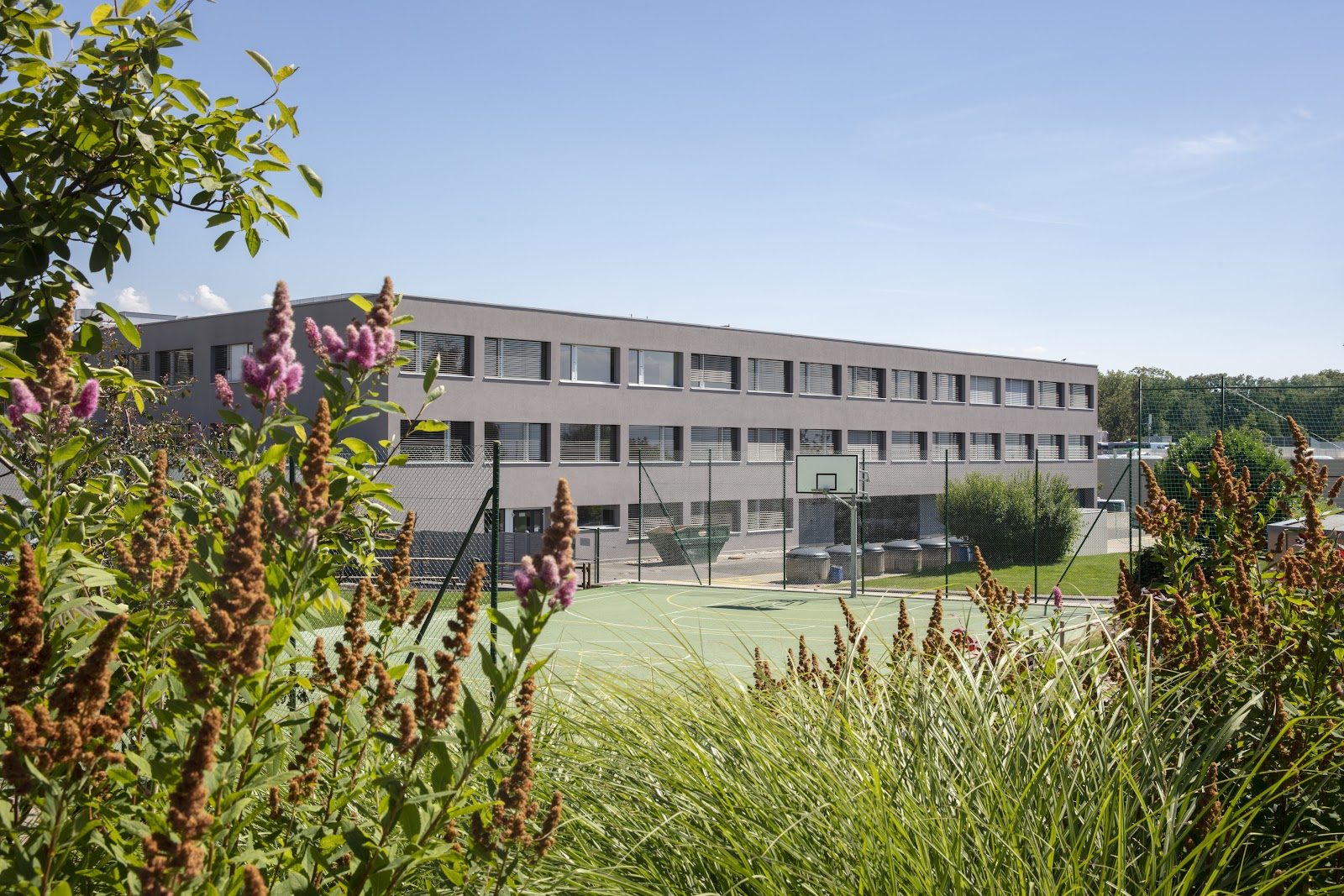
Photo © International School of Lausanne via Google Maps
Type
Day
Ages
3–18
Curriculum
IB (PYP, MYP, Diploma)
Ratio
9:1
The Verdict
Editor's commitment
Right for
International families wanting English-medium IB from age 3 to 18, with the full PYP, MYP and Diploma under one roof.
Wrong for
Parents who want boarding, a local-language academic track, or a school built around one national system rather than IB.
Watch out for
Founded in 1962 and now nearing 1,000 students from 60-plus nations, ISL is established and busy; intimacy is not the sell.
Ranking breakdown
International School of Lausanne · # of 1591
Composite score 67.7. 8 weighted criteria.
By criterion
Academic Outcomes
Weight 20%
#449
of 1529 scored
University Placement
Weight 16%
#459
of 1529 scored
Prestige & Heritage
Weight 12%
#953
of 1571 scored
Alumni Network
Weight 12%
#623
of 1530 scored
Facilities
Weight 12%
#721
of 1534 scored
Transparency & Communications
Weight 8%
#455
of 1532 scored
Peer & Industry Review
Weight 10%
#527
of 1548 scored
Admissions Selectivity & Demand
Weight 8%
#960
of 1529 scored
Peer & Industry Review
How International School of Lausanne is regarded in the sector
70
Respected · medium confidence
I could not identify at least two independent, verifiable third-party sources (e.g., Tatler, Good Schools Guide, specialist education press, or established expat forums) that substantively discuss the International School of Lausanne's reputation among peer institutions or alumni. Without such corroborating coverage, a reliable score cannot be assigned.
Editors' overview
International School of Lausanne earns its place on a shortlist for one clear reason: in the Lausanne area, it is the only school running the full IB continuum from PYP through MYP to the Diploma. For families committed to the IB from age 3 to 18, that matters. It removes the curricular handbrake that crops up when a child has to switch systems at 11, 13 or 16. ISL is also a non-profit, independent day school founded in 1962, teaching in English and enrolling almost 1000 students from more than 60 nations. That gives it a scale many international schools in Switzerland do not have, while still keeping a single-campus identity rather than the fragmented feel of a chain operation.
What distinguishes it is not brute prestige but a coherent international brief carried through the whole school. The public identity is unusually clear: strong values, independent thinking, cooperation across cultures, and a serious sustainability strand that extends beyond slogans to visible features such as beehives and a community garden. That will appeal to parents who want an education with an ethical spine, not just a polished university pipeline. The school also flags a bilingual programme, student support services, service learning, Duke of Edinburgh’s International Award, an Impact Hub and a developed co-curricular structure. This is a school built for families who want breadth alongside the IB’s academic framework, not a narrow exam factory.
The caveat is straightforward. ISL is not the choice for parents chasing a Swiss national curriculum, a religious ethos, boarding, or a heavily traditional British grammar-school culture. It is a firmly international, English-medium day school with the assumptions that follow: mobile families, globally mixed classrooms, and a student body that needs to be comfortable with discussion, reflection and cross-cultural life. Children who thrive here will be intellectually curious, socially adaptable and happy in an environment that prizes participation as much as attainment. For internationally minded families in Lausanne who want the full IB journey on one campus, ISL is a serious contender and, in this local market, a distinctive one.
Academic Performance
ISL gives parents more than rhetoric here: it publishes both academic results and university destinations, which already places it ahead of a chunk of the international-school market where outcomes are treated as confidential. That level of disclosure matters. A school confident enough to show its hand invites scrutiny. The picture that follows is of a serious academic operation rather than a glossy lifestyle school. The presence of both the Diploma and a High School Diploma route also tells you something important about the cohort: this is not a narrow hothouse built only for one exam profile, but a school managing different academic trajectories inside the same senior phase.
The limitation is plain. The extracts here do not include the actual IB averages, pass rates, score distributions or destination figures, so no precise comparison with top Swiss and European IB rivals can be made on hard numbers alone. That absence stops short any claim that ISL sits in the top tier on results. It does not, however, read like a school hiding from outcomes: the results pages are part of the public architecture, not buried. Relative to peers, that puts ISL in the camp of schools willing to be judged on attainment. For parents, the conclusion is measured but positive: academic performance looks credible, transparent in intent, and strong enough that the school puts it in open view.
Facilities
ISL’s facilities story rests on coherence rather than spectacle. The school has one campus split across four buildings, with dedicated space for early childhood and sports, and a layout the school ties directly to student wellbeing, interdisciplinary work and creativity. That matters more than a chandeliered atrium. For parents, the practical gain is obvious: children stay within one site as they move up the school, and daily life avoids the disjointed feel that plagues some multi-site international schools. The standout here is the sustainability layer. Beehives, a community garden and a stated drive towards becoming plastic-free give the campus a lived-in environmental agenda, not a poster campaign. The Impact Hub adds another useful signal: space and programming built around action, not just classroom talk.
Against peers, this puts ISL in the strong functional middle-to-upper tier of Swiss international-school facilities. It does not trade on palatial architecture, equestrian centres or boarding-estate excess. Families hunting showpiece luxury will find grander campuses elsewhere. Families who care about how space supports learning, movement and community will find a more convincing proposition here. A student body drawn from 70 nationalities also changes the equation: communal areas, circulation and shared facilities matter more in a genuinely international day school than they do in a boutique campus built for image. The result is a campus that reads as *purpose-built, modern and educationally serious*.
In a market full of partial offerings and awkward transition points, that continuity is genuinely distinctive
Prestige
ISL carries real local prestige, but not the old-money, velvet-rope kind that dominates parts of Swiss private education. Its standing rests on substance: a long-established non-profit structure, a large international community drawn from 70 nationalities, and a scale of 848 students that gives it visibility and institutional weight without tipping into facelessness. In the Lausanne market, that matters. Families know what the school is for. It serves internationally mobile and internationally minded households who want continuity, breadth and a serious academic culture inside one institution. The school’s willingness to publish academic results and university destinations also strengthens its reputation. Prestige built on disclosed outcomes carries more weight than prestige built on myth.
What ISL does not offer is inherited cachet from a famous British boarding brand, a Swiss finishing-school aura, or the social exclusivity that some fee-paying parents still confuse with quality. Its prestige is earned rather than ornamental. The community profile, the public emphasis on values, and the visible sustainability work point to a school with a modern international identity rather than a ceremonial one. For many families, that is the stronger proposition: credible, serious, and outward-looking. In blunt terms, ISL has high prestige within its niche and region; beyond that niche, it lacks the instant name recognition of the grandest Swiss schools. That is a limitation, but not a damaging one.
That absence stops short any claim that ISL sits in the top tier on results
Communications
Parent communication looks deliberate and more developed than the bare minimum. The public-facing structure is clear: dedicated routes for admissions, fees, calendars, transport, cafeteria, extended care, the PTA, a parent hub programme and a parent portal. That matters because schools that communicate well do not force families to hunt through generic prospectus copy for practical information. ISL also runs separate pages for academic results, university destinations, student support and future pathways, which tells parents where to go for the issues that drive trust. The bilingual site navigation in English and French is another practical strength in this market, not a cosmetic extra. For a community spanning 70 nationalities, that kind of navigational discipline counts.
The tone, however, is institutional rather than intimate. ISL communicates values, structures and responsibilities with precision, but warmth sits behind process rather than replacing it. That suits a school of this scale: parents need systems, not charm offensives. The detailed articulation of behaviour, safeguarding, inclusion and community life points to a school that takes governance seriously and expects adults to do the same. That is reassuring for families who prize clarity and accountability; it is less appealing for those who want a hand-held, boutique style of parent relations. My read: communication is strong, orderly and credible, with the machinery of a mature school rather than the personal touch of a small one.
Uniqueness
What sets ISL apart is not a gimmick but a rare piece of structural clarity: one school carrying children from the earliest years through to university entry inside a single educational philosophy. In a market full of partial offerings and awkward transition points, that continuity is genuinely distinctive. For students, the gain is practical as much as philosophical. They do not need to re-learn how a new school thinks, writes, assesses or supports them every few years. The school can build habits of inquiry, reflection and service over time instead of restarting the conversation at each stage. Add a community drawn from more than 60 nations and you get a student experience that is unusually international in the real sense, not just in branding: classmates, parents and staff working across cultures as a daily norm.
The second point of difference is the school’s ethical architecture. Plenty of schools talk about values; fewer spell them out in operational detail, and fewer still tie them to campus life. ISL does that with a code built around honesty, respect, self-control, equity, and care for others, plus environmental work that extends beyond assemblies into beehives, a community garden and a push to cut plastic use. That gives students something more concrete than well-meaning rhetoric. It builds a culture where behaviour, sustainability and service are treated as part of education, not decorative extras. For the right child, that creates a coherent, grounded, outward-facing school life.
International School of Lausanne earns its place on a shortlist for one clear reason: in the Lausanne area, it is the only school running the full IB continuum from PYP through MYP to the Diploma
Student Profile
The best fit at ISL is the child who treats difference as normal. This is a school built around a genuinely mixed international community, with students from more than 60 nations and a social life shaped by movement between cultures rather than attachment to one national script. Pupils who thrive here are open, articulate and comfortable with discussion, collaboration and being known by peers whose family histories, passports and assumptions differ from their own. The school’s codified values also matter more than in places where “character” sits as wallpaper. Children who respond well to clear expectations around respect, self-control, equity and conduct will do well. Children who need status games, rigid hierarchy or a narrow local peer culture will find the atmosphere a poor fit.
This is also a good school for families who want their children to be outward-facing rather than inward-looking. The mix of service learning, the Duke of Edinburgh award, the Impact Hub and the sustainability work points to a student body expected to participate, not just attend lessons and collect grades. That suits pupils with intellectual curiosity, social confidence and a willingness to contribute beyond the classroom. It also suits internationally mobile families who value continuity and a community accustomed to newcomers. The student who struggles most here is the one who wants anonymity, resists reflection or prefers a hard-edged, purely exam-driven culture. ISL asks for engagement of character as well as mind.
For families committed to the IB from age 3 to 18, that matters
Co-curricular strengths
Arts & sport, on a separate axis
Overall 9.02/10
Scored 0-10 from the school's own published evidence. This axis is editorial-only — it does not feed the main WTS ranking.
Sports
8.8/10
Drama
9.2/10
Dance
8.8/10
Music
9.1/10
Visual Arts
9.2/10
Strengths
- +IB continuum from PYP through Diploma
- +English-only instruction suits anglophone families
- +Day school avoids boarding commitment
- +9:1 student-teacher ratio allows individual attention
Considerations
- −No boarding option for relocating families
- −English-only instruction may limit local-language immersion
- −Average class size 18 may still feel busy
Availability
Primary entry gate & tests
Academic Record
Gallery
Photo © International School of Lausanne via Google Maps
Photo © International School of Lausanne via Google Maps
Photo © International School of Lausanne via Google Maps
Photo © International School of Lausanne via Google Maps
Photo © International School of Lausanne via Google Maps
Photo © International School of Lausanne via Google Maps
Photo © International School of Lausanne via Google Maps
Photo © International School of Lausanne via Google Maps
Photo © International School of Lausanne via Google Maps
Parent reviews
Have you sent your child here?
Voice reviews carry the strongest trust badge — we transcribe them for you to tidy up before they go live. Prefer to type? A written review is fine too.
Add your voice
In 60 seconds, tell other parents: what's the best thing about International School of Lausanne, and what surprised you when your child joined?
We ask for a Google sign-in so every review has a real face behind it — no anonymous drive-by attacks on schools, and no faked positive reviews. Your email is never shown publicly.
Send this profile to a friend
International parents rely on word-of-mouth. Share this review with someone weighing the same decision.
Schools with places
Similar schools to International School of Lausanne with places available now.
Collège Alpin International Beau Soleil
Villars-sur-Ollon · Switzerland
- 2026-27
- WAITPOOLSpace-dependent
- 2027-28
- PLACES OPENRolling
Aiglon College
Chesières · Switzerland
- 2026-27
- WAITPOOLSpace-dependent
- 2027-28
- PLACES OPENRolling
Institut Le Rosey
Rolle · Switzerland
- 2026-27
- WAITPOOLVacancy-dependent
- 2027-28
- PLACES OPENRolling Quotas
Availability first, then country, area, curriculum, price, co-curricular
Consider also
Also worth looking at alongside International School of Lausanne.
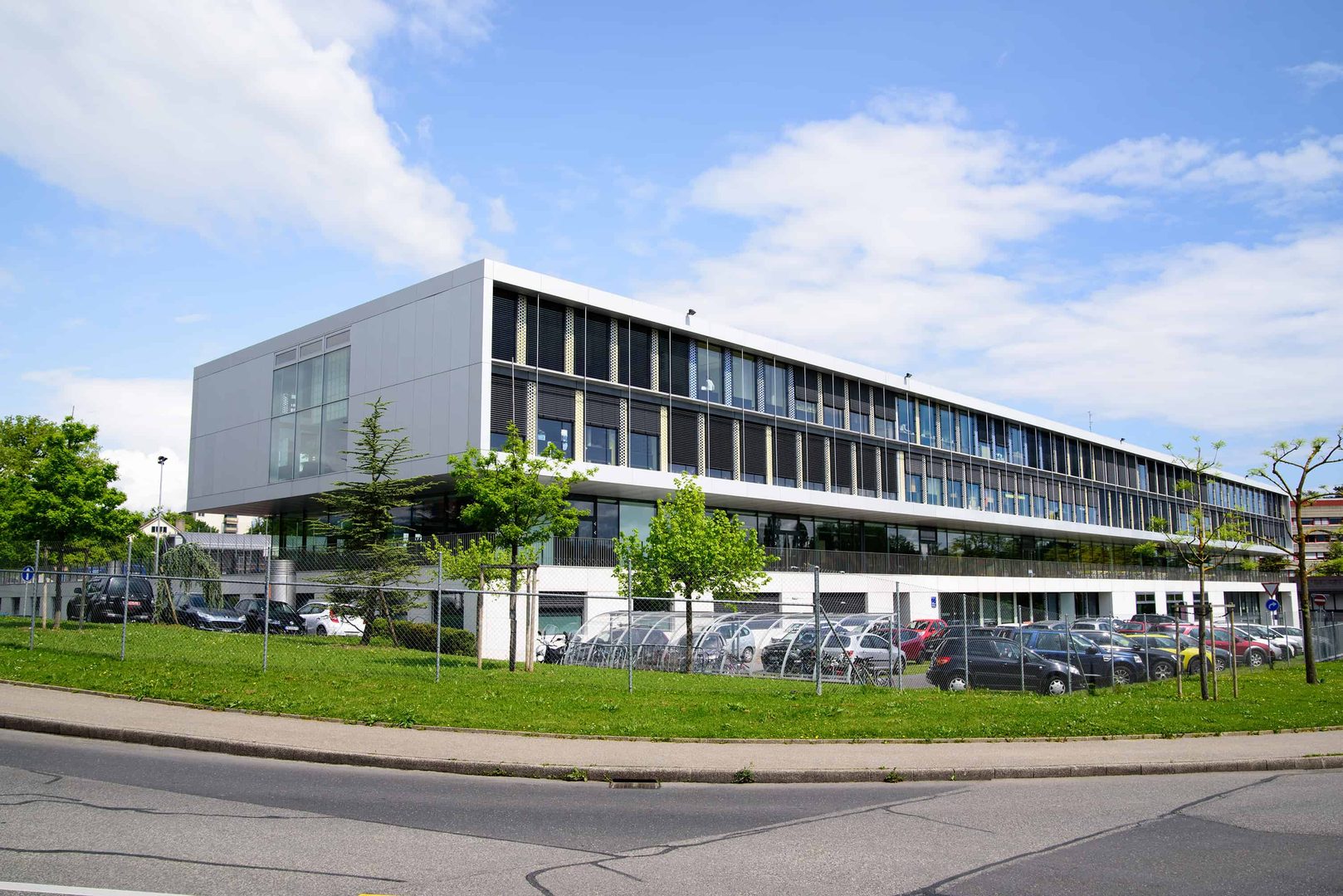
International School of Geneva
Geneva · Switzerland
Born beside the League of Nations in 1924, where its own teachers first drafted the IB diploma.
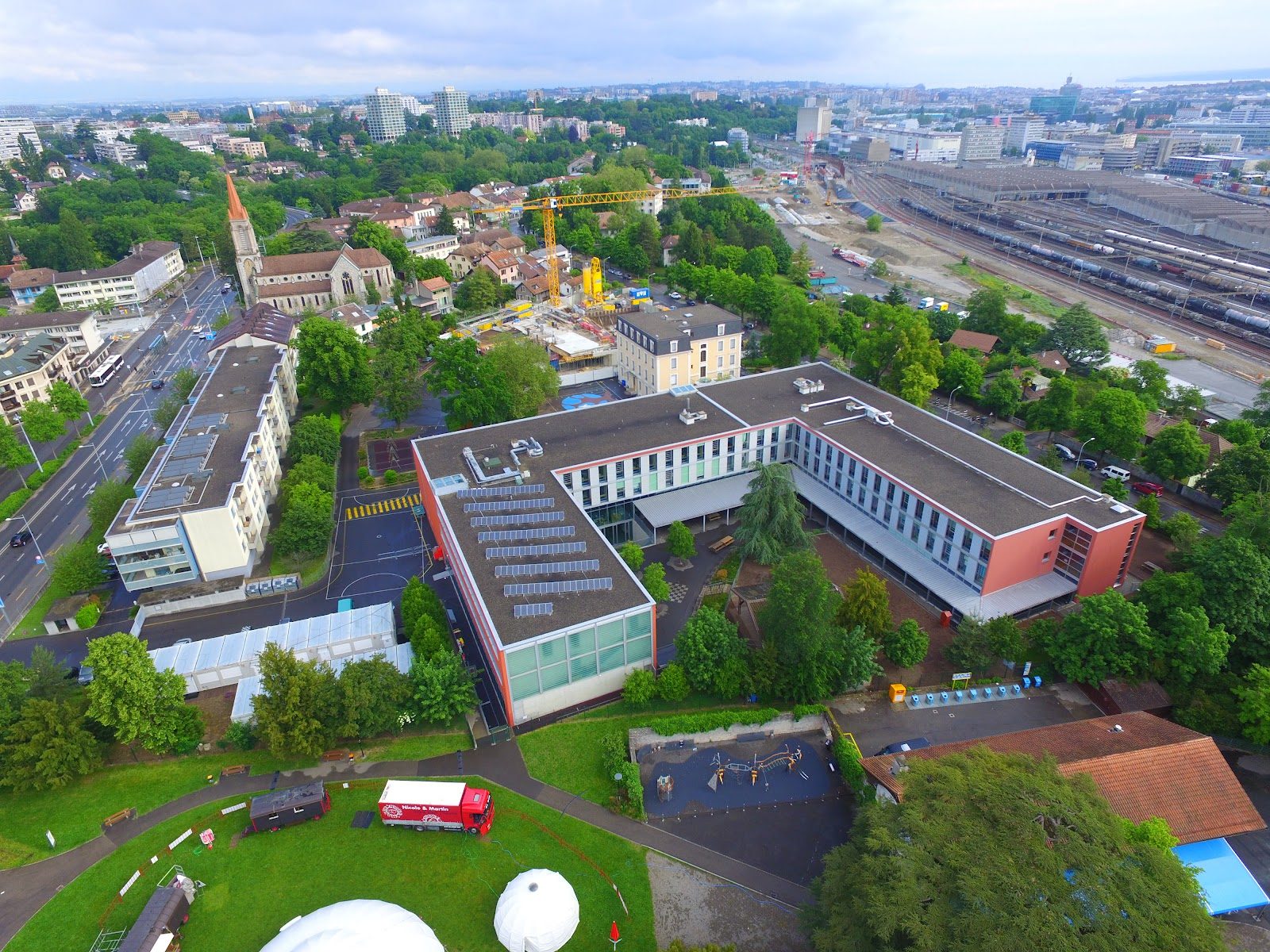
Institut International de Lancy
Geneva · Switzerland
Founded in 1903 near Geneva, this campus runs French, British and bilingual tracks side by side into the IB diploma.
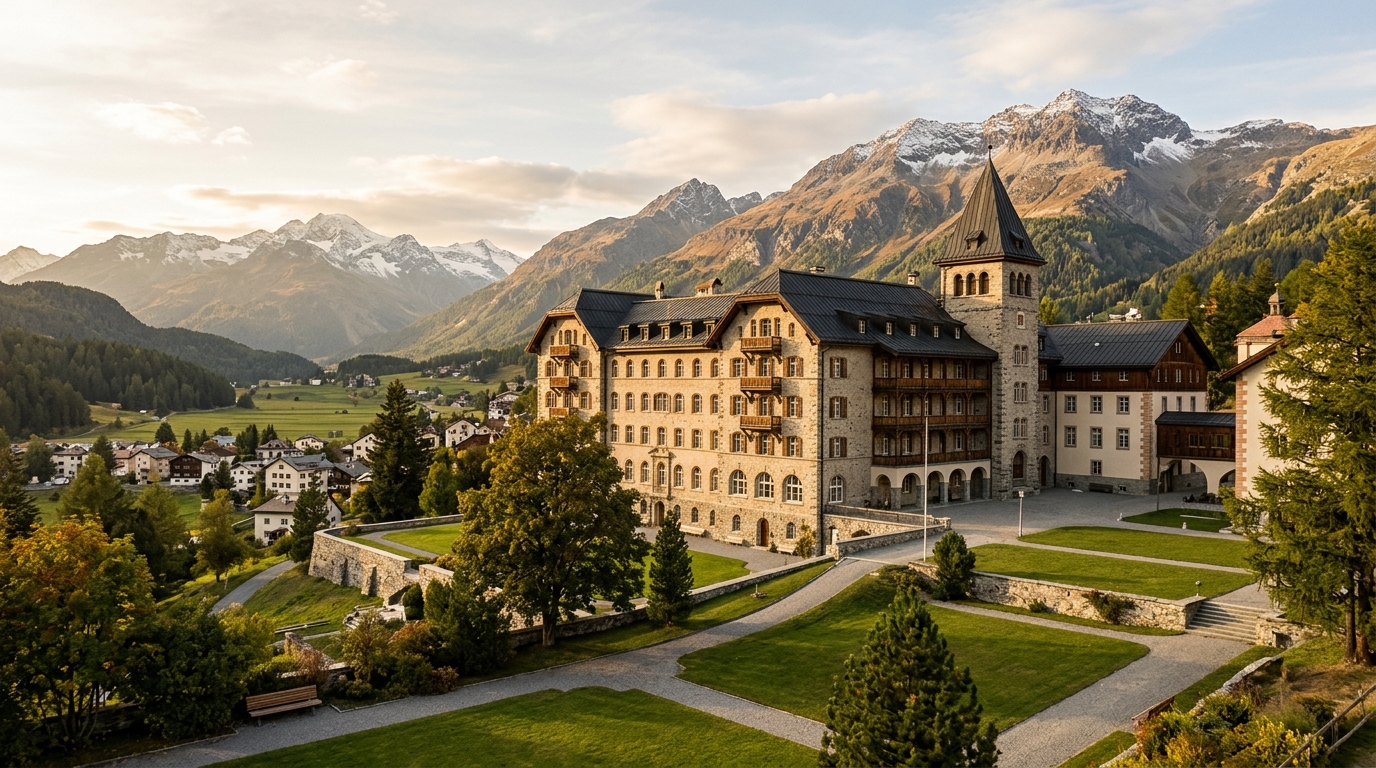
Lyceum Alpinum Zuoz
Zuoz · Switzerland
At 1,750 metres in the Engadine, IB and Swiss Matura classes share the calendar with cricket on Europe's highest pitch, in play since 1922.
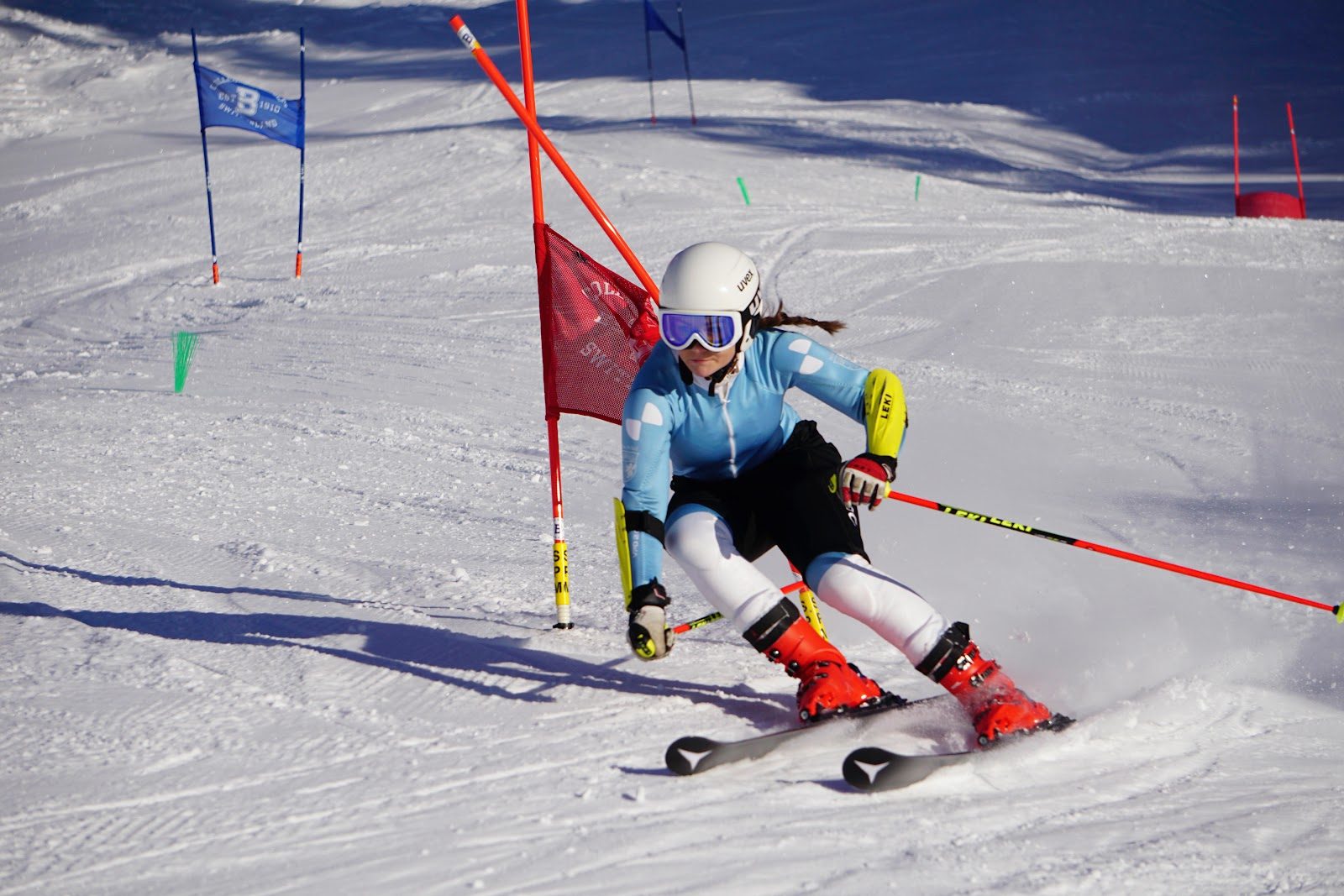
Collège Alpin International Beau Soleil
Villars-sur-Ollon · Switzerland
Since 1910, alpine boarding at 4,429 feet, where house culture is built for ridge hikes and a record Kilimanjaro summit push.
Same country and curriculum — closest matches within ±10 points either way