
District 2
Vietnam's first IB World School, where nearly two-thirds of graduates earn the Bilingual Diploma, double the global rate.
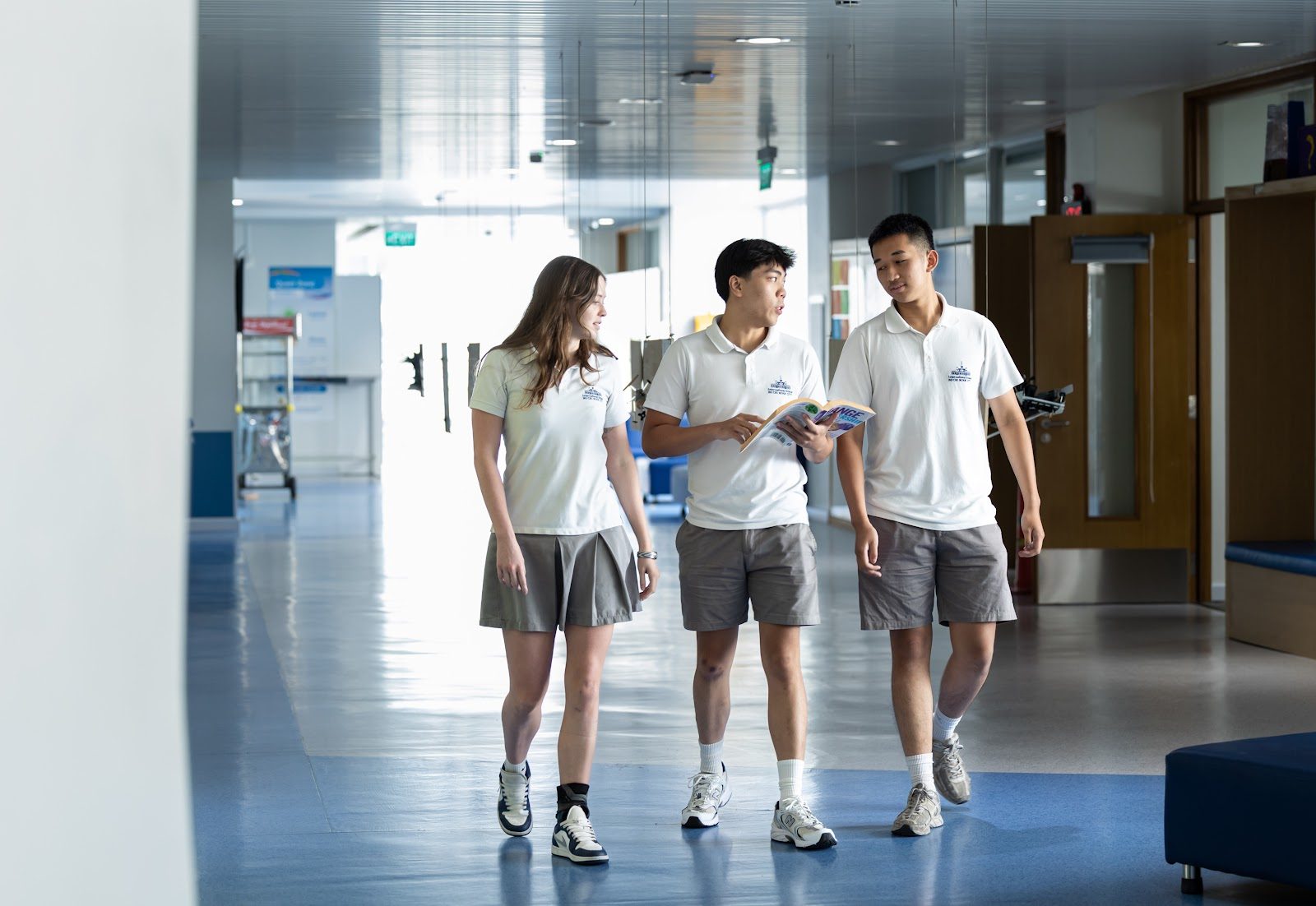
Photo © International School Ho Chi Minh City - Secondary Campus via Google Maps
Type
Day
Ages
2–18
Curriculum
IB
Qualifications
IB Diploma · IB MYP · IB PYP
Ratio
—
The Verdict
Editor's commitment
Right for
Families wanting a full IB school aged 2–18 with 30 years behind it, CIS accreditation, and 98% reaching first-choice universities.
Wrong for
Parents who want a cheaper option than VND 750,231,250 a year, or any curriculum outside IB at this 1993-founded day school.
Watch out for
The school sells outcomes hard: 100% university acceptance, 14 offers per student, 60+ nationalities. Ask what daily teaching looks like.
Ranking breakdown
International School Ho Chi Minh City · # of 1591
Composite score 75.3. 8 weighted criteria.
By criterion
Academic Outcomes
Weight 20%
#261
of 1533 scored
University Placement
Weight 16%
#104
of 1529 scored
Prestige & Heritage
Weight 12%
#211
of 1580 scored
Alumni Network
Weight 12%
#333
of 1530 scored
Facilities
Weight 12%
#73
of 1540 scored
Transparency & Communications
Weight 8%
#41
of 1547 scored
Peer & Industry Review
Weight 10%
#137
of 1564 scored
Admissions Selectivity & Demand
Weight 8%
#1232
of 1529 scored
Peer & Industry Review
How International School Ho Chi Minh City is regarded in the sector
68
Respected · medium confidence
International School Ho Chi Minh City (ISHCMC) is consistently named among the handful of genuinely established players in the city's crowded international schools market, sitting alongside BIS, AIS and Renaissance in Good Schools Guide's rundown of the most well-regarded schools in the city. WhichSchoolAdvisor covers both its primary and secondary campuses as a matter of course, noting that the school has built up a reputation as a thriving school that achieves academic results above the national average, underpinned by its status as one of only two schools in Ho Chi Minh City offering the full IB continuum. Its Cognita group ownership and 30-plus-year history as the city's first international school lend it institutional weight rather than novelty appeal. The reputation is solid and regionally visible rather than unanimous top-tier status, positioning it as a dependable benchmark school in the Vietnam sector rather than a headline-grabbing outlier.
Editors' overview
Two numbers define International School Ho Chi Minh City’s market position: 1993, when it opened as the city’s first international school, and 98%, the share of 2025 graduates the school says secured places at their top-choice universities. This is a long-established, full-IB day school for ages 2 to 18, taught in English, with IB World School, CIS and EARCOS accreditation. The distinctive point is not just that ISHCMC offers the IB through the school; plenty of schools now do that. It is that IB is the whole architecture here, and the school has had three decades to build a culture around it. For families who want a single, coherent academic language from the early years through to the Diploma Programme, that matters. The school also states that nearly two-thirds of graduates earn the Bilingual Diploma, a striking figure in a city where many international schools still run on a more straightforward English-only track.
That makes ISHCMC a serious option for internationally mobile families, bilingual households and students who do well in a demanding, discussion-based environment. The school claims students from 60-plus nationalities and a menu of 34-plus IB Diploma courses, alongside IB Courses and an ISHCMC High School Diploma. That breadth gives it more flexibility than the narrower “IB-only” label might imply. It also helps explain the school’s appeal to students whose strengths extend beyond exams: the public case studies highlight debating, music, swimming and research, which fits the IB’s preference for range over narrow specialisation. Parents should still read the university outcomes with a cool head. “Top-choice” is a school-defined term, and headline scholarship totals tell you more about marketing than about cohort-wide academic depth. The stronger signal is the school’s claim of sustained outperformance against global IB averages over 20 years. If that standard holds in practice, ISHCMC sits firmly in the city’s top tier.
The average annual day fee across the full age range is 750,231,250 VND, which places ISHCMC at the expensive end of the Ho Chi Minh City market. That price buys a school with institutional history, strong international credentials and a clear academic identity. It does not buy a one-size-fits-all experience. Students who want a highly structured, exam-drilled, locally oriented education have better fits elsewhere; so do families who want a cheaper international option without paying for brand, continuity and IB breadth. ISHCMC belongs on a shortlist for parents who want an unambiguously international peer group, a full IB pathway, and a school with enough maturity to convert that model into consistent university exits. It suits curious, articulate, resilient students. It is not for the faint-hearted or for children who need a very narrow academic lane.
Academic Performance
Academic performance is one of ISHCMC’s stronger cards, with a public record framed around long-run IB delivery rather than a single bumper cohort. The school says its students have beaten global IB averages for two decades and produced some of the country’s top Diploma scores over many exam cycles. That matters more than one year’s university destinations. It points to sustained academic competence, not a flash-in-the-pan result. The school also runs more than 34 Diploma courses, plus IB Courses and its own high school diploma, which gives sixth-form students a wider academic runway than many all-IB competitors. In practice, that breadth helps a school hold on to students with different strengths instead of filtering for a narrow exam profile.
Against peers in Ho Chi Minh City, ISHCMC sits in the serious academic bracket: established, internationally focused and confident in external benchmarks. The standout statistic is the share of graduates earning the Bilingual Diploma, which the school puts at nearly two-thirds, against a global norm of roughly half that. That is a genuinely differentiating outcome, not brochure filler. The weaker point is transparency. We have not seen aggregate Diploma averages, subject-by-subject distributions, or full cohort score breakdowns in the public domain. Without those, parents cannot test how deep the performance runs across the year group, or how much of the headline strength sits with the top end. Even so, the available picture places ISHCMC among the city’s more credible academic operators.
Facilities
The school pushes its campus as a selling point, and with reason: the facilities package is built to support a broad, all-through education rather than a narrow exam factory. The public emphasis falls on dedicated learning spaces for each phase, with room for performance, sport and practical work, and that matters in a market where some international schools still run out of adapted office blocks or cramped urban sites. ISHCMC’s campus tour language leans hard on beautiful and special; the more useful conclusion is that the school has the physical infrastructure expected of an established premium operator. For families comparing it with local peers, that places it above the city’s weaker mid-market schools on environment alone, though not in a category of architectural spectacle on the scale of the most lavish regional mega-campuses.
What is missing is detail. The school does not publish the kind of hard facilities inventory that would let parents test substance against polish: no clear public list of specialist labs, theatre specifications, pool provision, pitch count or arts capacity. That gap does not sink the case, but it does limit scrutiny. In this bracket, strong facilities are not a bonus; they are part of the expensive bargain. Parents touring should press on what is heavily used, what is booked out, and whether specialist spaces genuinely match the demands of a student body drawn from 60+ nationalities with interests that reach well beyond the classroom. Against direct competitors, ISHCMC reads as well-equipped and operationally mature, not flashy for its own sake.
The distinctive point is not just that ISHCMC offers the IB through the school; plenty of schools now do that
Prestige
ISHCMC carries real prestige in Ho Chi Minh City because it has name recognition with expatriate families, a long institutional memory, and a record of sending students into competitive university destinations. In practical terms, that prestige rests on durability and output, not on mystique. Parents know the school; universities know the school; and the city’s international market has had decades to test whether the promises hold. The school’s public case is reinforced by a student body drawn from 60+ nationalities and by a sixth-form offer broad enough to avoid the narrowness that weakens many schools with a strong brand but thin substance. The result is a school with earned standing, not merely expensive cachet. Its ownership by Cognita also gives it the reassurance of a large operator, though chain backing never substitutes for school-level quality.
That said, prestige here is not absolute. It is top-tier local prestige, not the rarer, transnational cachet attached to a handful of globally dominant names in Asian private education. The school’s own claims on university placement are strong, and the scholarship headline of $56 million grabs attention, but sophisticated parents will treat that figure as secondary. The sharper indicator is that ISHCMC has stayed academically credible over time while retaining breadth beyond the classroom. That combination gives the school a serious reputation among families who want more than glossy facilities and social polish. It does not carry the old-world aura of a famous British boarding export; it carries the stronger advantage for this market: credibility, continuity and results.
Top-choice” is a school-defined term, and headline scholarship totals tell you more about marketing than about cohort-wide academic depth
Communications
ISHCMC communicates like a school that expects parents to engage early and directly. The admissions path is clear: inquire, visit, apply, with phone and email contacts placed prominently rather than buried. That matters. Schools charging an average of 750,231,250 VND a year do not get much credit for glossy imagery; they earn trust by making the route to a real conversation easy. ISHCMC does that. The invitation to book a personal visit and hear from academic staff and students points to a hands-on approach rather than a purely automated funnel. The public messaging is also consistent. Academic ambition, university destinations and broad student development run through everything the school puts forward, which gives parents a coherent read on what the school values.
The weakness is depth. The school communicates confidently, but not always forensically. There is plenty of headline language around top-choice universities, scholarship totals and student success, yet less of the hard operational detail that experienced parents look for once interest turns serious. We have not seen much public evidence here of the nuts and bolts: how the school reports progress across phases, how often parents hear from teachers, how concerns are escalated, or how much information families receive beyond admissions-facing content. That does not make communication weak; it makes it selective. The front end is polished and easy to use. The deeper layer needs testing in person, with pointed questions and a demand for specifics.
Uniqueness
What sets ISHCMC apart is not a gimmick or a niche programme. It is the school’s single-system coherence. Many international schools bolt strong senior years onto a mixed or improvised lower school. ISHCMC gives families one academic grammar from the earliest years to graduation, and that consistency shapes how children learn to write, question, discuss and organise themselves. The result for students is a clearer intellectual through-line and fewer disruptive gear changes between phases. Add a student body spanning 60+ nationalities and the effect is stronger still: classroom discussion, group work and friendships are built in a genuinely international context rather than a token one. For mobile families, that matters. Children learn early how to operate across cultures, not just alongside them.
The other distinguishing feature is the school’s serious commitment to bilingualism within an English-medium setting. The school’s claim that nearly two-thirds of graduates secure the Bilingual Diploma is the rare statistic that tells parents something meaningful about day-to-day schooling. It points to students who do not just pass through an international campus but develop real academic fluency across languages and contexts. That brings concrete benefits: wider university options, stronger cross-cultural confidence and a less monolingual version of international education than many competitors offer. For the right child, ISHCMC produces students who are articulate, adaptable and comfortable with complexity. That is a genuine differentiator, and one with substance behind it.
If that standard holds in practice, ISHCMC sits firmly in the city’s top tier
Student Profile
The best fit here is a student who likes ideas in motion: discussion, presentation, collaboration, reflection and regular intellectual stretch. Children who wait to be told exactly what to think will find the culture hard work. Children who ask questions, speak up, recover after setbacks and juggle academic work with activities will do well. The school’s international mix matters in practice. With families drawn from 60+ nationalities, students need social confidence across cultures, not just good manners in a familiar peer group. This suits internationally mobile children, returnee expatriate families and bilingual households that want a school where cross-cultural fluency is normal rather than decorative. It also suits students with range: the public examples the school highlights span research, music, debate and sport, which tells you this is not a place that values only one narrow definition of achievement.
The sixth form fit is sharper still. Students who thrive here are self-possessed, verbally agile and willing to handle a demanding workload without constant hand-holding. The school’s strong rate of Bilingual Diploma success — nearly two-thirds of graduates, by its account — points to a cohort comfortable with academic challenge across languages and contexts. That is a serious ask. Families seeking a highly sheltered environment, a narrow exam-drill culture, or a quieter, less outward-facing peer group have better options elsewhere. ISHCMC suits the *curious, resilient, internationally minded* child who wants breadth, challenge and a peer culture with genuine global range.
The school says its students have beaten global IB averages for two decades and produced some of the country’s top Diploma scores over many exam cycles
Co-curricular strengths
Arts & sport, on a separate axis
Overall 9.12/10
Scored 0-10 from the school's own published evidence. This axis is editorial-only — it does not feed the main WTS ranking.
Sports
9/10
Drama
9.2/10
Dance
9.2/10
Music
9.2/10
Visual Arts
9/10
Editor first-pass · editor-reviewable · 7/30/2026
WTS 300 badge
2026/27 editionInternational School Ho Chi Minh City is one of the World's Top 300 Schools for 2026/27. Claim your listing to add it to your site →
Strengths
- +Established in 1993, International School Ho Chi Minh City is the first IB World School in Vietnam and is one of the few IB Continuum schools in the country, offering PYP, MYP and DP.
- +The school has received full accreditation from the Council of International Schools (CIS) and the New England Association of Schools and Colleges (NEASC).
- +In 2025, ISHCMC graduates achieved an average IB Diploma score of 34 points, above the global average of 30.58.
- +ISHCMC is a co-educational school of over 1,400 students representing over 60 nationalities, spanning Early Years through Grade 12.
- +The secondary campus provides dedicated facilities including a 350-seat theater, Blackbox drama studio, recording studio, music practice rooms and art studios.
Considerations
- −Fees are among the highest in the city, with ISHCMC cited as the priciest school in Ho Chi Minh City at up to VND 959 million for grades 11-12.
- −Beyond tuition, families must also pay an Annual Development Fee of 67,500,000 VND per year, or opt for a one-time Certificate of Entitlement of 337,500,000 VND, an added layer of cost not standardised across rival schools.
- −Primary and secondary students are split across two campuses roughly 5km apart in Thu Duc City, meaning families face a physical transition point at Grade 6.
- −Places at competitive grade levels and the main September intake reportedly fill 8-12 months ahead of the academic year, with wait lists common at senior levels.
Availability
Primary entry gate & tests
Academic Record + Priority Lanes
Gallery
Photo © Long “Leo” Pham via Google Maps
Photo © Zhaozhun Li via Google Maps
Photo © Ngôn Châu Thanh via Google Maps
Parent reviews
Have you sent your child here?
Voice reviews carry the strongest trust badge — we transcribe them for you to tidy up before they go live. Prefer to type? A written review is fine too.
Add your voice
In 60 seconds, tell other parents: what's the best thing about International School Ho Chi Minh City, and what surprised you when your child joined?
We ask for a Google sign-in so every review has a real face behind it — no anonymous drive-by attacks on schools, and no faked positive reviews. Your email is never shown publicly.
Send this profile to a friend
International parents rely on word-of-mouth. Share this review with someone weighing the same decision.
Schools with places
Similar schools to International School Ho Chi Minh City with places available now.
Availability first, then country, area, curriculum, price, co-curricular
Consider also
Also worth looking at alongside International School Ho Chi Minh City.
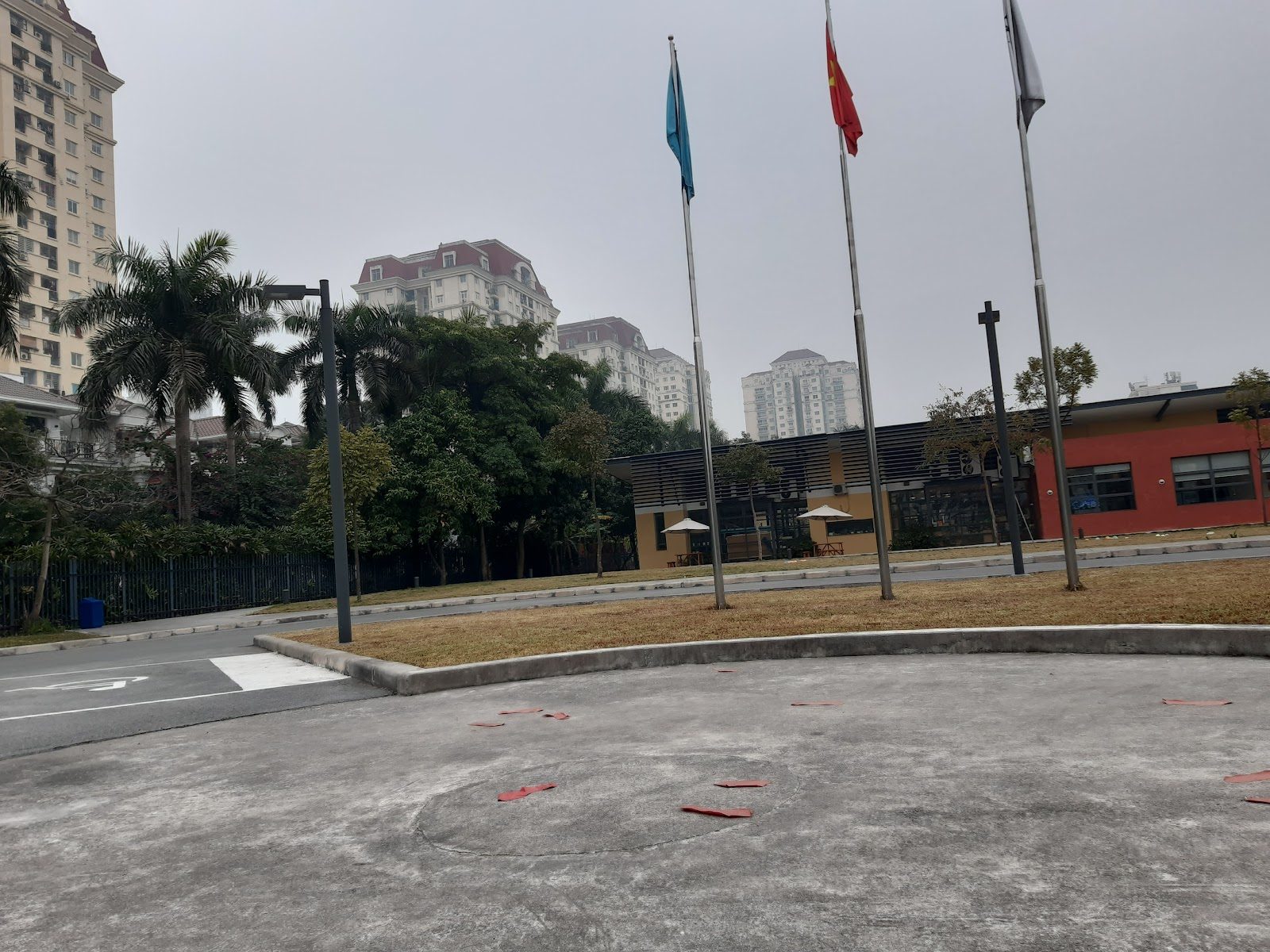
United Nations International School of Hanoi
Hanoi · Vietnam
One of only two UN-affiliated schools on earth, weaving the Sustainable Development Goals into an IB curriculum spanning 60-plus nationalities

Shanghai American School
Shanghai · China
A century-old Shanghai institution since 1912, running AP and IB in parallel across two sprawling campuses
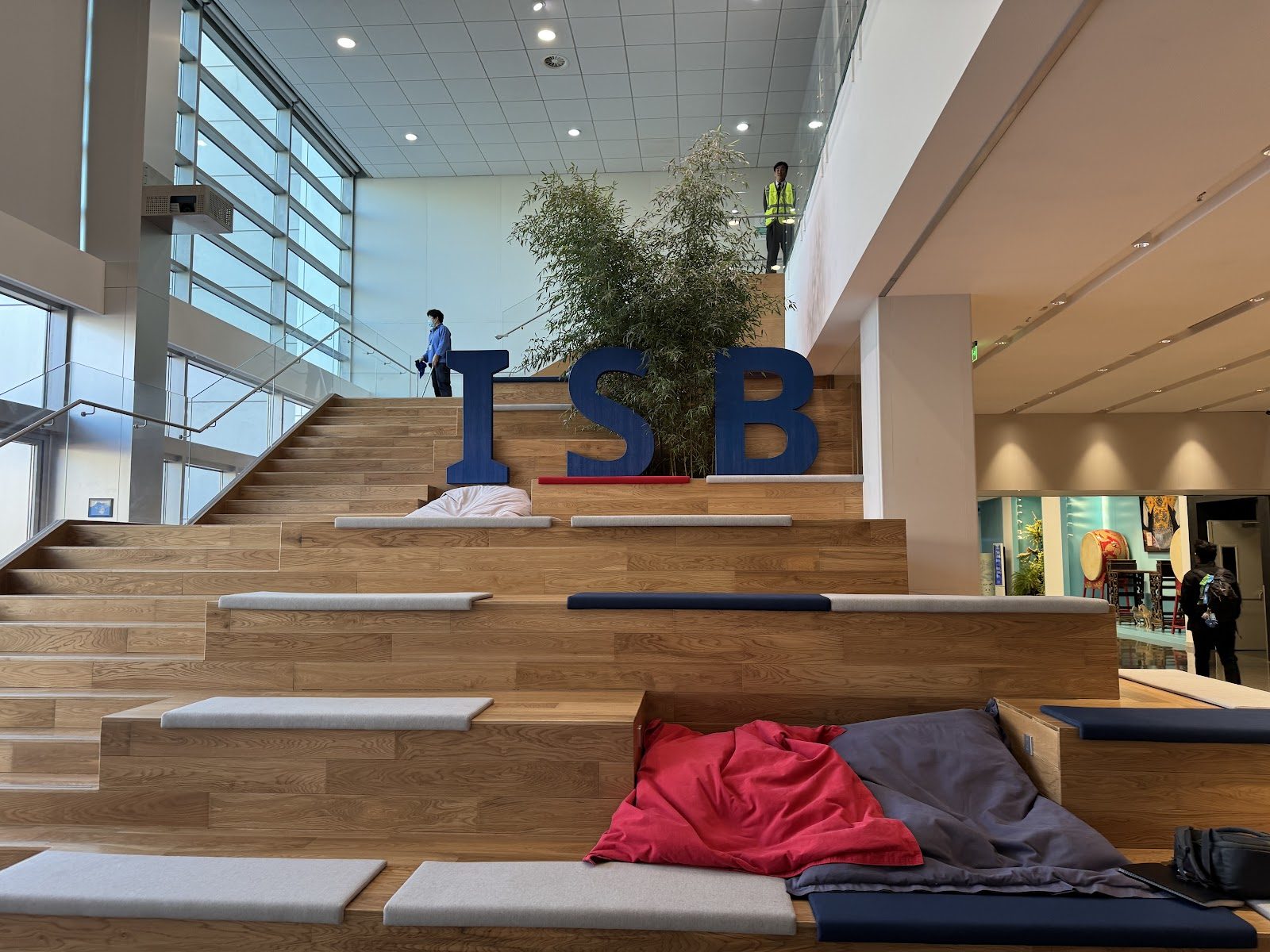
Keystone Academy
Beijing · China
Five houses named for the Chinese elements anchor a bilingual boarding culture on Beijing's Shunyi plain, near the Great Wall.
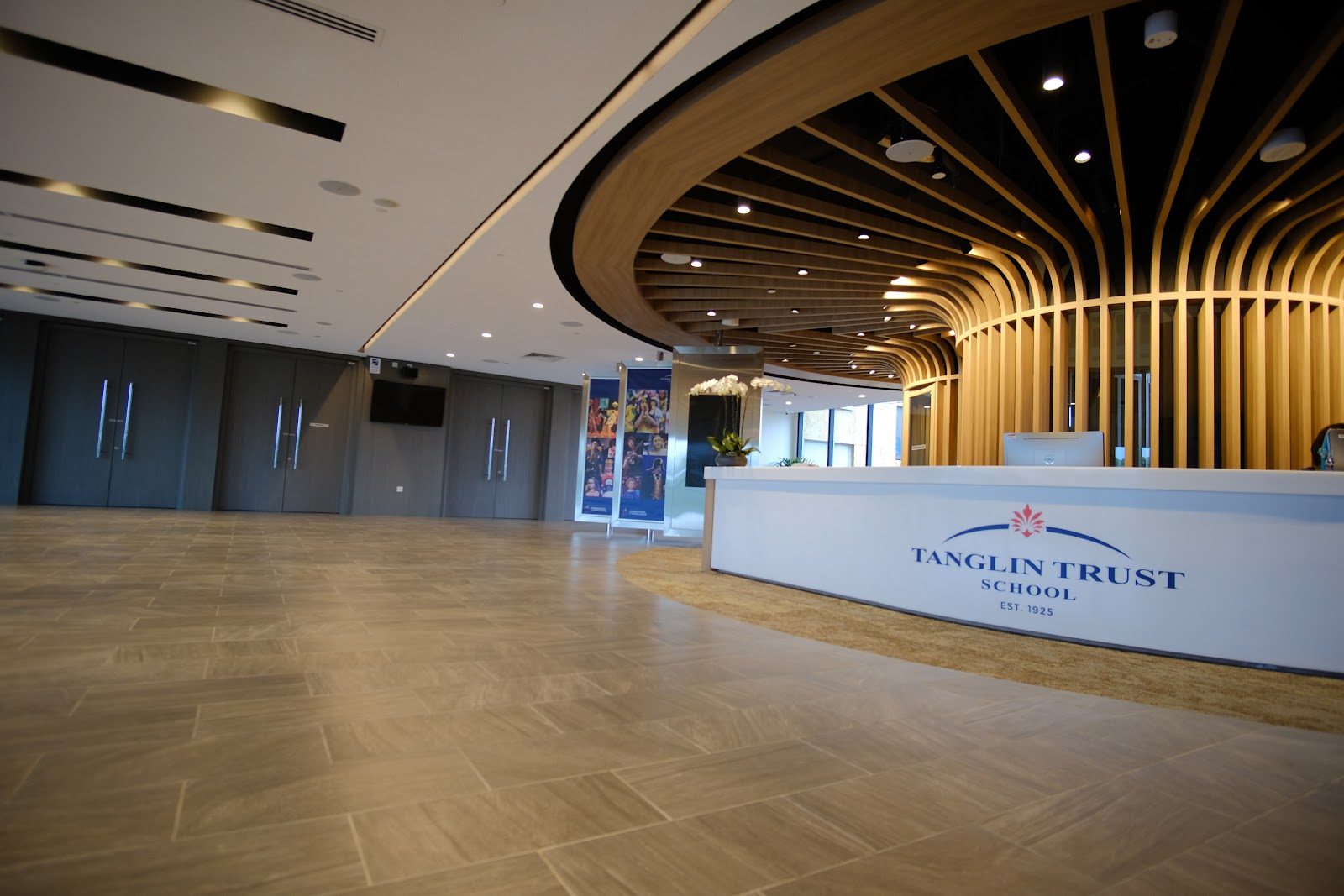
Tanglin Trust School
Singapore · Singapore
Southeast Asia's oldest British school pairs IB with A-Levels, then sends every Year 9 to the Australian bush for five weeks.
Same country and curriculum — closest matches within ±10 points either way