
Zug
Institut Montana Zugerberg
A funicular climbs to a mountain campus of converted grand hotels above Lake Zug, where Swiss Matura and IB run side by side since 1926.
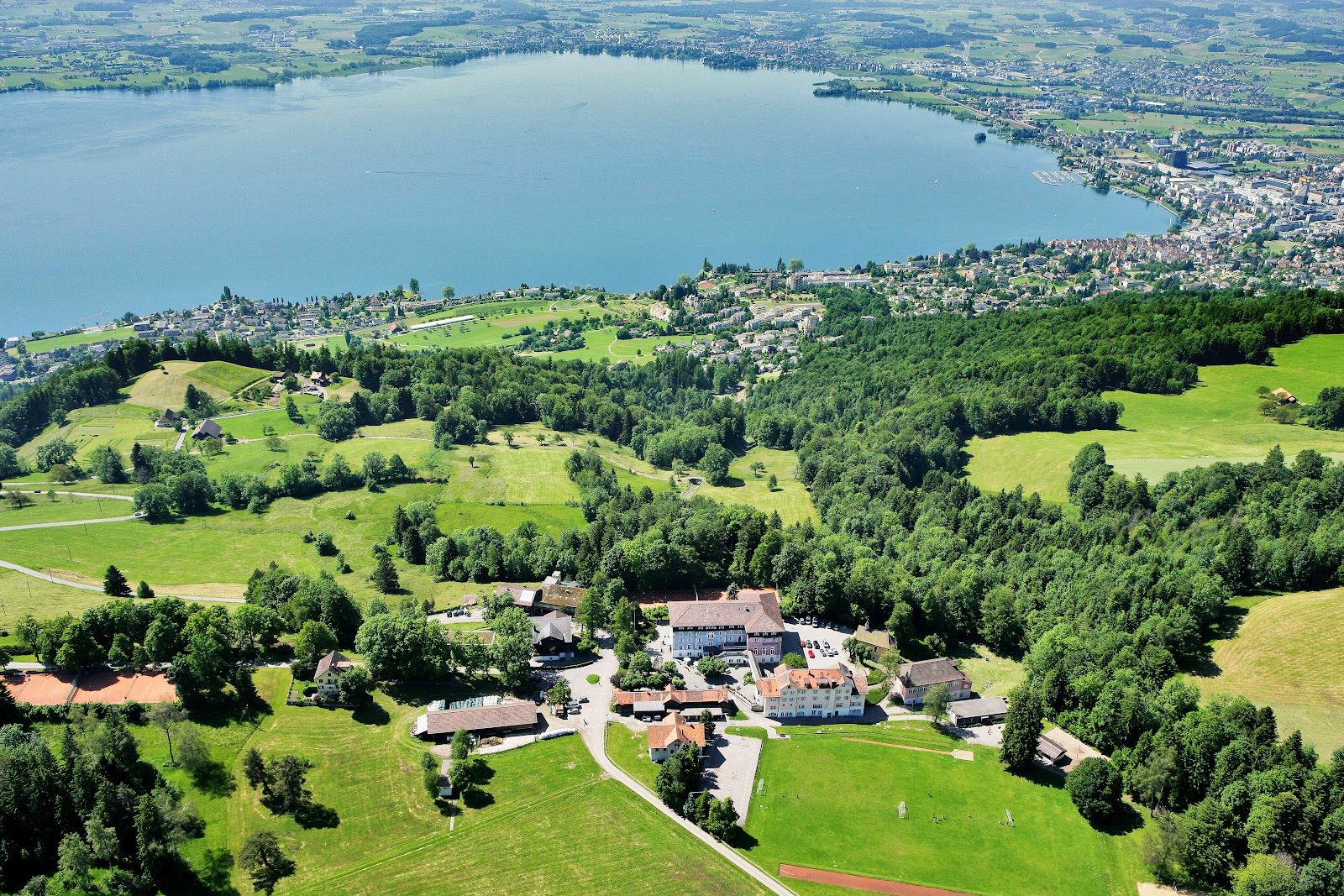
Photo © Institut Montana Zugerberg ZG, Suíça via Google Maps
Type
Day + Boarding
Ages
4–18
Curriculum
IB · Swiss Matura
Qualifications
IB Diploma · Swiss Matura · German Abitur
Ratio
4:1
The Verdict
Editor's commitment
Right for
Families wanting a bilingual 4–18 school with IB and Swiss Matura on one campus, plus boarding and a 1:5 student-teacher ratio.
Wrong for
Parents chasing a single-system education, urban convenience, or a giant social scene; average class size is 12, and the campus sits above Zug.
Watch out for
CIS, ECIS and IB accreditation reassure, but the school does not publish aggregate IB or Swiss Matura outcomes; prestige is not proof.
Ranking breakdown
Institut Montana Zugerberg · # of 1591
Composite score 56.3. 8 weighted criteria.
By criterion
Academic Outcomes
Weight 20%
#1156
of 1529 scored
University Placement
Weight 16%
#1201
of 1529 scored
Prestige & Heritage
Weight 12%
#1182
of 1571 scored
Alumni Network
Weight 12%
#1152
of 1530 scored
Facilities
Weight 12%
#848
of 1534 scored
Transparency & Communications
Weight 8%
#1137
of 1532 scored
Peer & Industry Review
Weight 10%
#1463
of 1548 scored
Admissions Selectivity & Demand
Weight 8%
#1123
of 1529 scored
Peer & Industry Review
How Institut Montana Zugerberg is regarded in the sector
54
Credible · medium confidence
Institut Montana Zugerberg sits a tier below Switzerland's most storied boarding houses (Le Rosey, Aiglon, Institut auf dem Rosenberg) in peer conversation, but is consistently name-checked alongside them in comparative press pieces on premium Swiss boarding education (CNBC, Business Insider, Robb Report features on costly Swiss schools cite its Zugerberg campus and James Bond-era architecture as a differentiator). It holds NEASC and CIS accreditation and participates in Swiss private-school federation (SGV) forums, giving it standing in regional accreditation circles rather than headline league-table rankings. Good Schools Guide International and WhichSchoolAdvisor coverage is thinner and less detailed than for the top-five Swiss houses, reflecting its smaller international footprint. University-side reputation is solid but regional: admissions counselors note steady placement into Swiss hospitality/business programs (Glion, EHL-linked pathways) and UK/US universities, without the concentrated Oxbridge/Ivy pipelines that anchor rival schools' prestige claims. Overall it is read by industry watchers as a credible, rising Swiss boarding option gaining visibility rather than an established fixture of the country's elite tier.
Editors' overview
Institut Montana Zugerberg has a setting few schools can match and even fewer can use well: a mountain campus above Lake Zug reached by funicular, with teaching spread across a long-established Swiss boarding school estate dating back to 1926. The school’s character rests on a dual offer that matters in practice, not in branding: Swiss Matura and IB under one roof, with English and German both active in the life of the school. That gives Montana a sharper market position than many Alpine boarding schools that sell scenery first and substance second. Parents looking for a school that can keep one foot in the Swiss system and the other in the international university market should take it seriously. The draw is not only the view; it is the combination of mountain-campus seclusion, Swiss structure and international reach.
The school is small enough to feel managed, not industrial. The published ratios — 1:5 student–teacher, average class size 12 — put it in the high-attention bracket, and the school itself cites around 380 students from 55 nationalities. That scale suits children who need adults to know them well, and families who want boarding without the impersonality that infects larger legacy schools. The academic structure is clear: bilingual primary and secondary years, then distinct Swiss Gymnasium and International School routes. Co-curricular life has solid staples rather than inflated claims — performing arts, Model United Nations, counselling support, and now a Basketball Academy. The risk, for some families, is the same feature that attracts others: this is a contained hilltop community, orderly and enclosed, not an urban school with city energy on the doorstep.
Why shortlist it? Because Montana offers a rare blend of pastoral intensity, bilingual Swiss schooling and credible international pathways in a campus that feels separate from daily noise. It suits students who thrive in close communities, value routine, and want a boarding experience with strong adult oversight. It also suits internationally mobile families who want a child to gain German alongside English without giving up the IB option. The best fit is not the child chasing anonymity or metropolitan bustle; it is the student who will use the setting, the small classes and the school’s old-hotel atmosphere to grow in confidence, work steadily and live comfortably within a diverse residential community.
Academic Performance
Institut Montana’s public academic story is less complete than it should be. The school states its pathways clearly, but it does not publish the external exam data parents need to judge performance against Swiss and international peers: no aggregate IB Diploma average, no IB pass rate, no subject breakdowns, no Swiss Matura outcomes, and no university destination pattern tied to exam performance. For a school charging premium international-school fees and trading on small-scale attention, that gap matters. It leaves families to infer quality from structure, setting and staffing rather than from hard attainment evidence. That is a real weakness in the school’s public case.
Where does that place Montana relative to competitors? In academic transparency, behind the stronger Swiss boarding and international schools, many of which publish at least headline IB results and, in some cases, top-score counts or destination lists. Montana’s advantage lies in its dual-track design and close supervision, not in a published results profile that proves standout academic firepower. The school’s scale — around 380 students and 55 nationalities — points to a managed, individualised environment, which can serve many students well. But until the school releases consistent examination data, it sits in the category of schools that may teach effectively yet ask parents to buy on trust. For some families, that is enough. For any family comparing academic outcomes line by line, it is not.
Facilities
The setting does heavy lifting here, and this time the marketing line is true. A school reached by funicular and spread across a mountain estate above the lake offers something most rivals cannot: physical separation from the churn of town life, clean air, open views and room for boarding life to feel distinct from the school day. The most important facility is the campus itself. It gives Montana an advantage in pastoral containment and everyday atmosphere that city-based international schools in Switzerland do not match. Add the school’s own published scale — around 380 students from 55 nationalities — and the place reads as intimate rather than sprawling. Dining and health support are visible parts of the offer, which matters in a boarding school far more than a glossy theatre or oversized sports hall.
Beyond that, the public picture is thinner than it should be. The school highlights performing arts provision, private music lessons, choir, drama club, Model United Nations, counselling support and a new Basketball Academy, but it does not publish the level of detail strong peers now give on specialist spaces: no clear account of science labs, design and technology rooms, visual arts studios, library scale, indoor sports infrastructure or boarding-house configuration. That opacity matters. Among Swiss boarding peers, Montana competes well on setting and community scale; on published facilities detail, it trails schools that show parents exactly what sits behind the brochure language. The campus has real charm and a rare sense of retreat. The harder-edged question is what academic and specialist infrastructure supports it.
That said, Montana does not sit in the top prestige tier of European boarding education
Prestige
Institut Montana carries real but bounded prestige. In Swiss and international-parent circles, the source of status is clear: a mountain campus reached by funicular, a long-established boarding-school setting, and a student body of around 55 nationalities. That combination gives the school social visibility and a distinct identity that many efficient but anonymous international schools lack. It also benefits from rarity value. Few schools in Switzerland offer a bilingual route alongside both Swiss Matura and IB within one compact institution, and fewer still do it in such a self-contained, high-touch environment. The school’s published staffing profile — 1:5 student-teacher ratio in the editorial record, 4:1 on its own homepage, with very small classes — reinforces an image of close supervision and personal access rather than scale.
That said, Montana does not sit in the top prestige tier of European boarding education. It lacks the public academic proof, alumni mythology and institutional heft that drive the reputation of the most sought-after Swiss and British boarding schools. Its prestige rests more on setting, intimacy and international composition than on hard-selective cachet or published results. For families who prize close management, multilingual schooling and a contained, polished boarding experience, that is enough. For families shopping mainly for name-brand academic clout, it is not. Montana’s reputation is strongest as a well-bred niche school with a distinctive Swiss profile, not as a dominant global marquee.
Montana’s reputation is strongest as a well-bred niche school with a distinctive Swiss profile, not as a dominant global marquee
Communications
Institut Montana communicates in a clean, modern, parent-facing style that does the basics well and leaves important gaps. The website is easy to navigate, with clear routes into academics, boarding life, admissions, fees, calendar, news and direct contact. That matters more than schools admit: parents judge responsiveness long before they submit an enquiry. Montana also gives itself multiple public touchpoints — virtual tour, downloadable information, an events trail, international fairs and a steady news feed. For a school with an international parent body spread across borders, that is competent, organised and commercially aware. The tone stays warm without collapsing into gush. Even the repeated “get in touch” prompts serve a purpose: they move families towards a human conversation.
The weakness is depth. Communication works best when it combines access with disclosure, and Montana is stronger on access than on substance. Parents can find out how to contact the school, book a meeting and understand the shape of school life; they get far less on the hard evidence that builds confidence after first interest. We have not seen published whole-school exam outcomes, detailed destination data, or a granular account of specialist facilities and boarding arrangements. That makes the school’s communications slicker than they are transparent. The broad picture is attractive and easy to consume; the underlying detail remains tightly controlled. For families who value reassurance, atmosphere and personal contact, that will do. For families who expect forensic clarity, it will not.
Uniqueness
What marks Montana out is not one feature but a rare combination: a Swiss mountain boarding school with a genuinely dual identity. Many schools claim to bridge local and international education; Montana actually runs parallel routes through the senior years while keeping a bilingual structure lower down. That matters for families who do not want to lock a child too early into one academic culture or one future geography. Add a student body drawn from 55 nationalities and the result is a school with a distinctly mixed social texture: Swiss enough to feel anchored, international enough to avoid parochialism. The setting sharpens that identity. Reaching school by funicular, then spending the day on a hilltop campus removed from urban distraction, gives daily life a contained, old-world rhythm that is hard to copy and harder to fake.
For students, the gain is straightforward. Montana offers close supervision, routine and community without forcing everyone into a single mould. A child can grow up in a school where German and English both matter, where boarding life and day life intersect, and where the scale stays intimate rather than anonymous. That can build confidence in students who get lost in larger institutions or fray in looser ones. The trade-off is clear too: this is a self-contained world, with all the protection and constraint that implies. Students who want urban independence and a bigger-school social field will find it narrow. Students who thrive with structure, proximity and cross-border options will get something unusually coherent.
What marks Montana out is not one feature but a rare combination: a Swiss mountain boarding school with a genuinely dual identity
Student Profile
The best fit is a child who does well in a close-managed school and does not need the anonymity, social churn or urban freedom of a large day school. Montana suits students who value routine, adult attention and a community where people know one another quickly. The school’s international mix is a real part of daily life, with around 55 nationalities in a student body of roughly 380. That points to a pupil culture shaped less by one dominant local tribe and more by mobile, cross-border families, internationally minded Swiss families, and boarders who need to settle into a contained, high-supervision environment. Students who enjoy orderly expectations, structured days and easy access to staff will do well here.
It also fits children with a bilingual or internationally mobile background who need flexibility without chaos. The school’s small classes and very low staffing ratio favour pupils who benefit from being noticed early, whether they are quietly academic, still building confidence, or adjusting to a new country. The new basketball offer adds a route for committed players, but this does not read as a school built around elite sport or social display. It reads as a school for students who want a well-kept, self-contained life with strong pastoral oversight and a mixed international peer group. The poor fit is clear too: fiercely independent teenagers, status-driven socialites and students craving a big-city adolescent life will find the mountain setting and protective atmosphere restrictive.
Students who thrive with structure, proximity and cross-border options will get something unusually coherent
Co-curricular strengths
Arts & sport, on a separate axis
Overall 8/10
Scored 0-10 from the school's own published evidence. This axis is editorial-only — it does not feed the main WTS ranking.
Sports
8.2/10
Drama
8/10
Dance
7/10
Music
8.5/10
Visual Arts
8.3/10
Strengths
- +Offers both the IB Diploma and the Swiss Matura, giving families a choice between international and Swiss university pathways.
- +Campus sits on the Zugerberg hillside above Zug with views over the lake and surrounding Alps, a genuinely distinctive setting for a day school.
- +Combines day and boarding provision, allowing local Zug families and international boarding families to share the same academic programme.
- +Located in canton Zug, a low-tax hub for multinational corporate relocations, making it a natural fit for expat executive families already based there.
- +Small overall enrolment typical of Swiss boarding schools, allowing closer staff-student contact than at large international campuses.
Considerations
- −Boarding and day fees at Swiss private schools of this profile are high, and Institut Montana does not publish figures that allow easy comparison with peers.
- −Hillside location above Zug means dependence on the school's own transport or a car; it is not walkable from central Zug or well served by public transit for day pupils.
- −Smaller cohort size limits the breadth of extracurricular, sporting and elective subject choice compared with larger international schools in Zurich or Geneva.
- −Dual curriculum offering (IB and Matura) means resources and teaching staff are split across two distinct academic tracks rather than concentrated on one.
Availability
Primary entry gate & tests
Academic Record + Interview
Gallery
Photo © Institut Montana Zugerberg ZG, Suíça via Google Maps
Photo © ben sambuy via Google Maps
Photo © Russobalt via Google Maps
Photo © Russobalt via Google Maps
Photo © Institut Montana Zugerberg ZG, Suíça via Google Maps
Photo © Institut Montana Zugerberg ZG, Suíça via Google Maps
Photo © Institut Montana Zugerberg ZG, Suíça via Google Maps
Parent reviews
Have you sent your child here?
Voice reviews carry the strongest trust badge — we transcribe them for you to tidy up before they go live. Prefer to type? A written review is fine too.
Add your voice
In 60 seconds, tell other parents: what's the best thing about Institut Montana Zugerberg, and what surprised you when your child joined?
We ask for a Google sign-in so every review has a real face behind it — no anonymous drive-by attacks on schools, and no faked positive reviews. Your email is never shown publicly.
Send this profile to a friend
International parents rely on word-of-mouth. Share this review with someone weighing the same decision.
Schools with places
Similar schools to Institut Montana Zugerberg with places available now.
Collège du Léman
Versoix · Switzerland
- 2026-27
- WAITPOOLSpace-dependent
- 2027-28
- PLACES OPENRolling
Lyceum Alpinum Zuoz
Zuoz · Switzerland
- 2026-27
- WAITPOOLSpace-dependent
- 2027-28
- PLACES OPENRolling
International School of Geneva
Geneva · Switzerland
- 2026-27
- WAITPOOLSpace-dependent
- 2027-28
- PLACES OPENRolling
Institut International de Lancy
Geneva · Switzerland
- 2026-27
- WAITPOOLSpace-dependent
- 2027-28
- PLACES OPENRolling
Availability first, then country, area, curriculum, price, co-curricular
Consider also
Also worth looking at alongside Institut Montana Zugerberg.
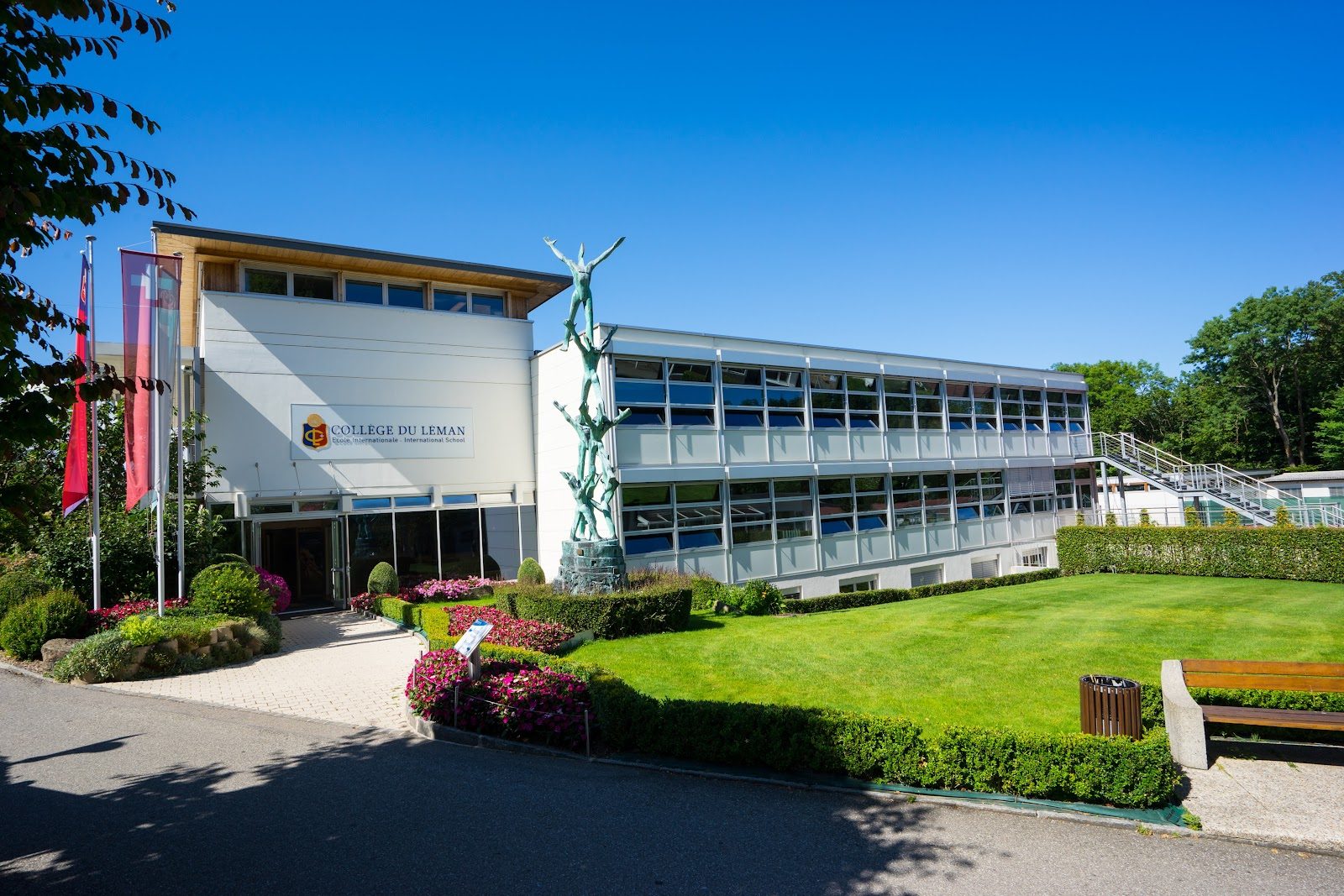
Collège du Léman
Versoix · Switzerland
On the shores of Lake Geneva, Switzerland's largest K-12 campus threads five diploma pathways into one international community.
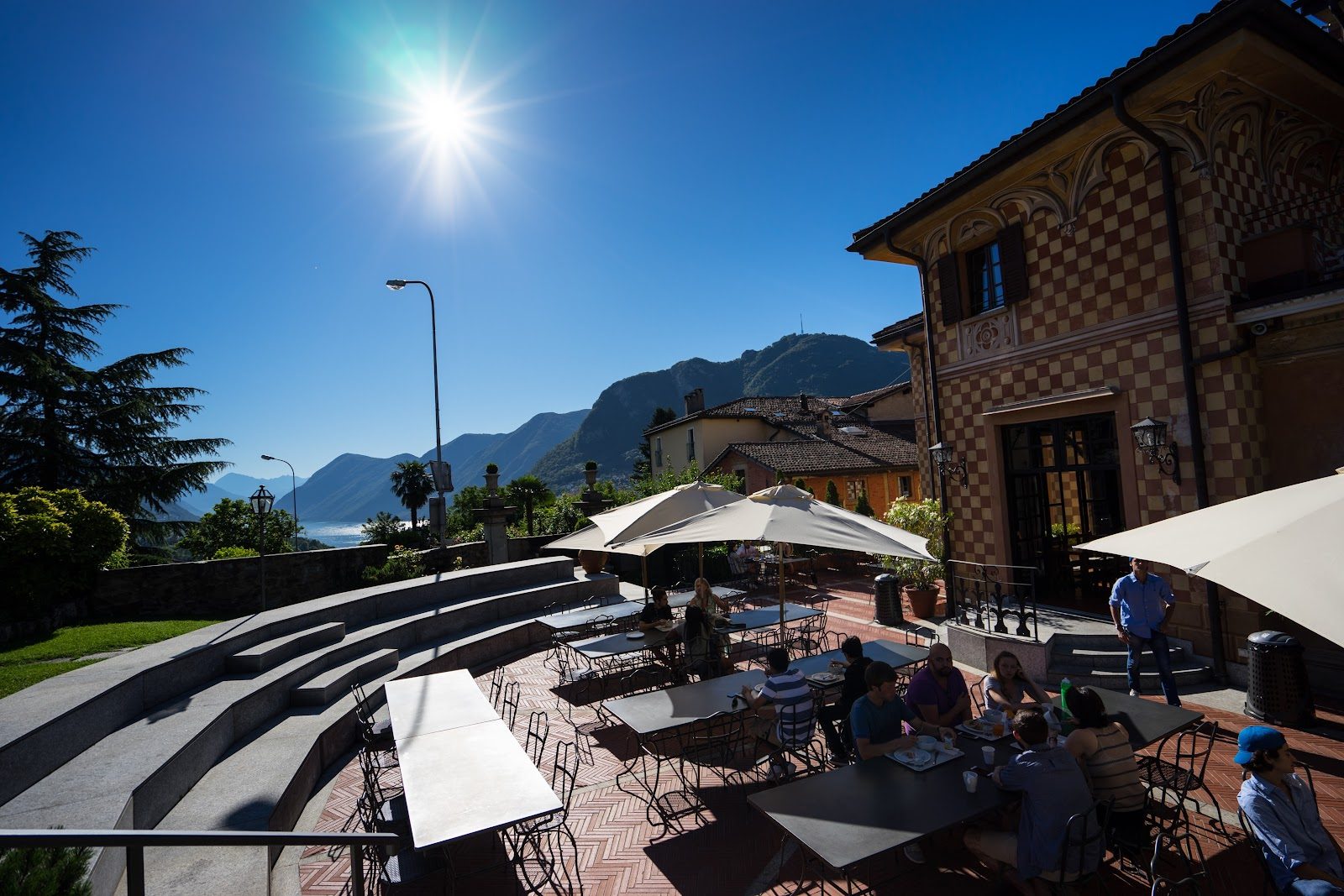
TASIS The American School in Switzerland
Montagnola · Switzerland
Founded in 1956 as Europe's first American boarding school, perched above Lake Lugano with academic travel woven into the curriculum.
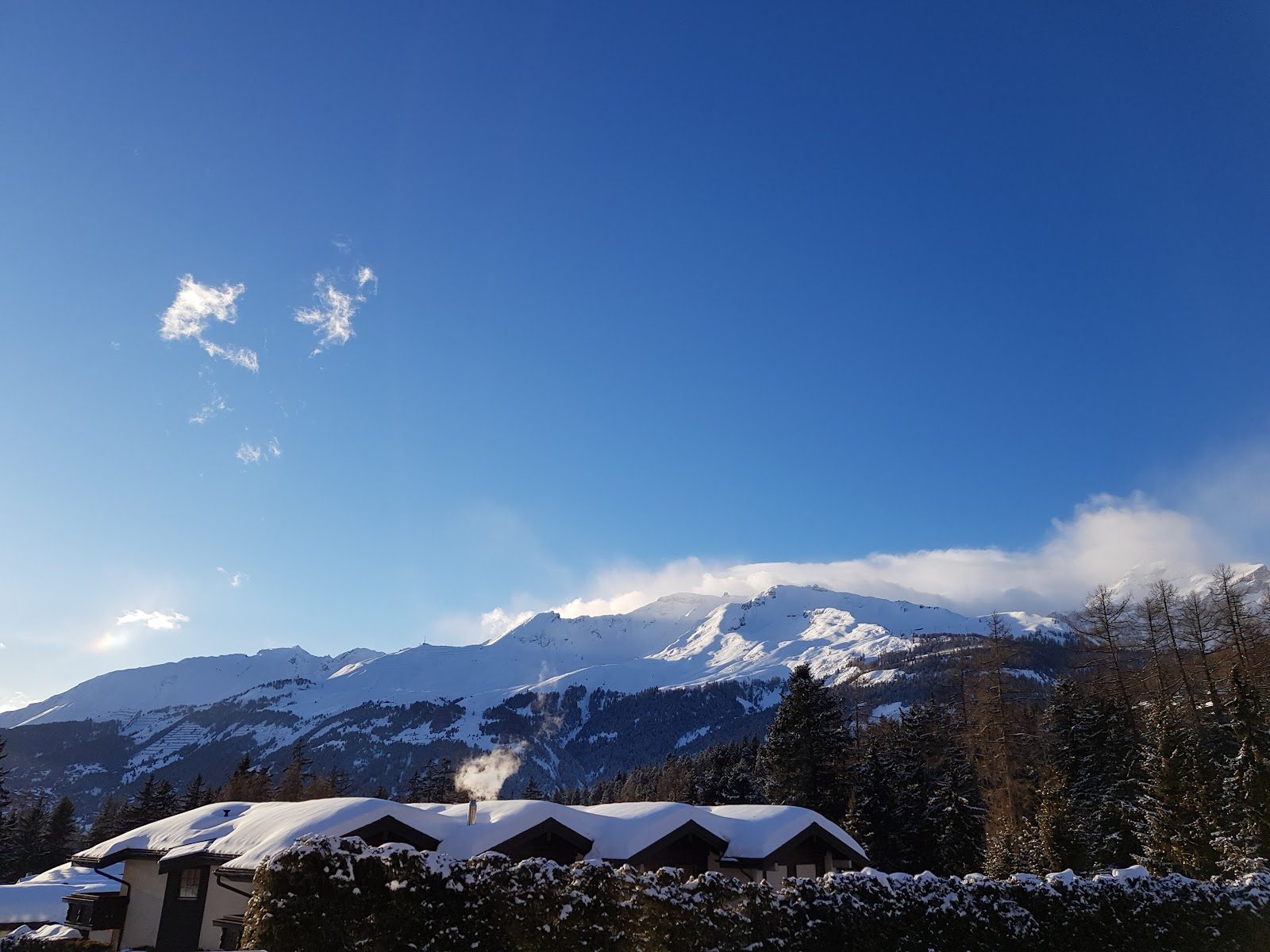
Le Régent International School
Crans-Montana · Switzerland
A purpose-built 2015 alpine campus at 1,500m pairing British and IB curricula with daily ski-in, ski-out outdoor education.

Collège Champittet
Pully · Switzerland
A Dominican-founded lakeside campus above Lake Geneva, where boarders choose between IB, French Bac and Swiss Maturite tracks.
Same country and curriculum — closest matches within ±10 points either way