
Bern
International School of Berne
low confidence· 6/6 cats · 0 avg sourcesJust outside Switzerland's federal capital, the only school in the Bern region to run the full IB continuum from age three to eighteen.
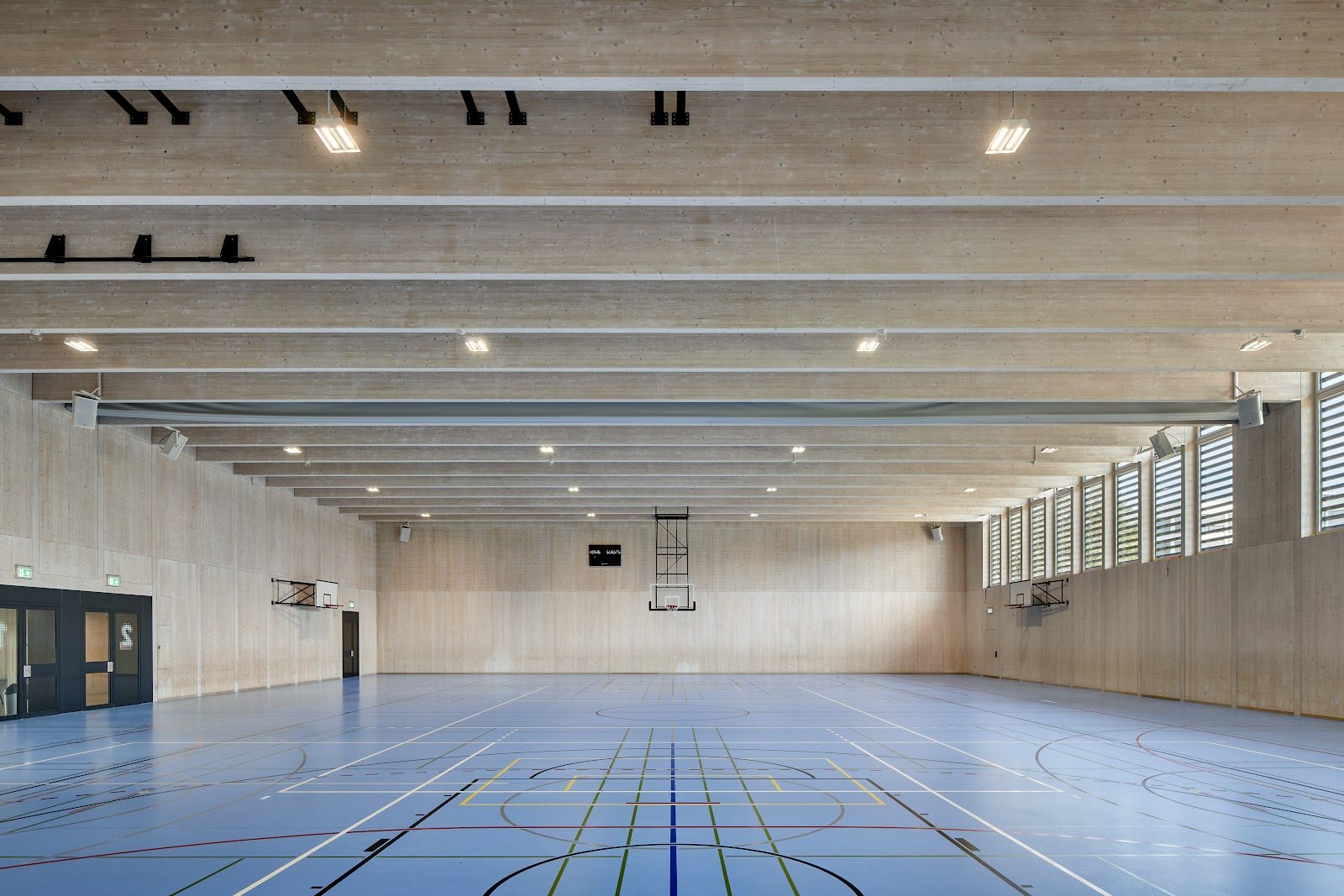
Photo © International School of Berne via Google Maps
Type
Day
Ages
3–18
Curriculum
IB (PYP, MYP, Diploma)
Ratio
9:1
The Verdict
Editor's commitment
Right for
Families near Gümligen wanting English teaching from age 3 to 18 and the Bern region’s only full IB continuum.
Wrong for
Parents wanting boarding, a religious ethos, or a monolingual Swiss curriculum; this is a non-religious day school founded in 1961.
Watch out for
The average annual day fee is CHF 39,410, and the school now mixes the IB route with a German-English Lehrplan 21 pathway.
Ranking breakdown
International School of Berne · # of 1591
Composite score 63.1. 8 weighted criteria.
By criterion
Academic Outcomes
Weight 20%
#957
of 1529 scored
University Placement
Weight 16%
#965
of 1529 scored
Prestige & Heritage
Weight 12%
#953
of 1571 scored
Alumni Network
Weight 12%
#597
of 1530 scored
Facilities
Weight 12%
#848
of 1534 scored
Transparency & Communications
Weight 8%
#927
of 1532 scored
Peer & Industry Review
Weight 10%
#998
of 1548 scored
Admissions Selectivity & Demand
Weight 8%
#1077
of 1529 scored
Peer & Industry Review
How International School of Berne is regarded in the sector
65
Respected · medium confidence
I could not identify at least two independent, verifiable third-party sources (e.g., Tatler, Good Schools Guide, specialist education press, or documented alumni network coverage) that substantively assess the International School of Berne's reputation. Available knowledge is limited to general awareness of the school as a long-standing option for Bern's diplomatic and expat community, without corroborating independent commentary.
Editors' overview
What marks out the International School of Berne is not scale or prestige theatre, but fit. In Gümligen, just outside Bern, it gives families a clean proposition: a non-religious day school for ages 3 to 18, taught in English, with the full IB continuum and a German–English pathway in the early and primary years. In the Bern market, that matters. The school states that it is the only school in the region to offer the full IB route from age three to eighteen, and that claim is the sharpest reason to pay attention. For internationally mobile families who want continuity across the Primary Years Programme, Middle Years Programme and Diploma, without a move to Zurich or Geneva, this is a distinctive local option.
The school’s other strength is structural flexibility. Alongside its declared IB offer, it has built a German–English pathway in Kindergarten and Primary that combines Lehrplan 21 with its international setting, and it also offers a Grade 10 Bridging Year for pupils arriving from the Swiss system after compulsory schooling. That makes ISBerne more useful than the standard expatriate school that expects every child to fit one track from the first day. It is a practical school for mixed local-international families, for children who need to keep a foothold in the Swiss system, and for students joining mid-journey rather than at neat admissions entry points. The fact that it welcomes new students throughout the school year reinforces that role.
Parents do, however, need to want what ISBerne actually is: a small, close-knit community rather than a sprawling flagship campus with every conceivable facility and the social machinery that goes with it. The school leans hard on personal knowledge of each child, a caring environment and multiple pathways in the Upper School. That will suit children who benefit from being known, supported and pushed without being swallowed by a large institution. It will suit families in the Bern region who want English-medium education but do not want to give up German altogether. It will also suit students who are international by circumstance rather than by branding preference.
Fees place it in serious but not absurd territory for Switzerland: an average annual day fee of CHF 39,410 across the full age range. That buys continuity from age 3–18, an English-language education, and a route that can bridge international and Swiss expectations more deftly than many competitors. The missing piece is public academic detail: the school does not publish aggregate IB Diploma outcomes in the information we have seen, so parents who rank hard results above programme architecture should ask for those figures directly. Even with that caveat, ISBerne earns shortlist status for a clear reason: in Bern, it offers a rare combination of full-sequence IB education, bilingual early-years thinking, and a format that works for families whose lives do not run in straight lines.
Academic Performance
Academic performance is the section where ISBerne is least transparent. The school does not publish aggregate IB Diploma results, pass rates, cohort averages, subject breakdowns or university destinations in the public domain, so there is no clean way to place it against Switzerland’s better-documented international schools. That matters. In this market, schools with serious academic confidence publish outcomes. When a school keeps them private, parents lose one of the few hard tools for comparing sixth-form calibre across peers. For a school of 275 students, there is also the practical point that results can swing sharply from one graduating group to the next; small cohorts can produce volatile headline numbers, whether strong or weak.
That does not make the academic picture poor. It makes it opaque. The school’s structure gives it a coherent route through to external examinations, and its upper school advertises multiple diploma options rather than a single narrow endpoint. That breadth can suit students whose strengths do not sit neatly inside one exam track. It also complicates comparison with more results-forward competitors that market a single set of headline outcomes aggressively. For parents weighing ISBerne against larger schools in Zurich, Geneva or Lausanne, the conclusion is straightforward: ask for the last 3 years of IB Diploma averages, pass rates, highest scores, subject entries and destination lists before treating academic strength as proven rather than promised.
Facilities
Facilities are not the reason to choose ISBerne, and parents expecting the Swiss showpiece campus model need to recalibrate. The school is small, and nothing in the public record points to the kind of sprawling specialist estate that larger international schools in Zurich or Geneva use to justify their fees. What the school does foreground is function: an Early Learning Centre, dedicated spaces for the lower years, provision for the middle and upper school, and a campus set-up that supports children from age 3–18 on one site. That matters more than spectacle for families who value continuity and ease of movement through the school. The practical advantage is coherence, not grandeur.
Against peers, this puts ISBerne in the compact and serviceable category rather than the facility-heavy arms race. The school’s size — 275 students — works in its favour here: younger children are less exposed to the impersonality of a large campus, and day-to-day access to shared spaces is easier than in a much bigger school with constant timetable pressure. The trade-off is obvious. Families looking for major theatres, elite-level sports infrastructure, extensive maker spaces or the broad specialist provision of a flagship international campus will find stronger physical plant elsewhere. Families looking for a contained, manageable environment with less institutional sprawl will find ISBerne’s estate fits the school’s purpose.
What marks out the International School of Berne is not scale or prestige theatre, but fit
Prestige
ISBerne’s prestige is local rather than global. In the Bern area, it holds a clear niche: the only school in the region offering a through-route from the early years to the IB Diploma, with a bilingual Swiss-facing pathway layered into the lower school. That gives it real standing with families who value continuity and want an international education without relocating to the country’s bigger international-school hubs. Its longevity helps, and so does the fact that it serves a compact community of 275 students: small enough for familiarity, large enough to cover the full age range. That is credible institutional weight, not elite mystique.
What it does not carry is the kind of prestige attached to Switzerland’s grander names in Geneva, Zurich or Lausanne: the vast alumni networks, the public exam-bragging, the heavyweight university placement machinery, the social cachet that travels across borders. ISBerne trades in practical esteem, not glamour. The school’s fee level — an average of CHF 39,410 a year — places it in the serious bracket, but price alone does not confer status. Nor does the school help itself by keeping hard senior outcomes out of public view. Prestige in this sector rests on a mix of reputation, selectivity, results and old-parent confidence. ISBerne has quiet regional authority on the first and last of those; on the others, it lacks the public evidence that would lift it into a higher tier.
For mixed local-international households, that is genuinely useful design, not brochure garnish
Communications
ISBerne communicates in a direct, service-oriented way. The public-facing website does the essentials well: clear age-stage navigation, visible enquiry routes, named moments to visit, and a simple statement of who the school serves. There is no grand rhetoric and little clutter. That suits busy parents. The school also makes a practical point of accessibility by offering contact through a welcome team in three languages and by stating that new students can join during the year where places exist. For families arriving mid-posting or navigating a local-to-international move, that is useful operational clarity. The message throughout is consistent: this is a school selling responsiveness, human contact and manageable next steps, not institutional theatre.
The limitation is depth. Communication is strong on welcome, logistics and pathways, but weak on the hard proof that experienced parents ask for once the first impression passes. We do not see published aggregate senior results, destination data or much granular academic reporting in the public domain. That leaves the school open to the charge of soft-focus transparency: warm in tone, thinner on evidence. In a small school of 275 students, parent communication matters more, not less, because word of mouth and day-to-day trust carry unusual weight. ISBerne gives a reassuringly personal front-end experience. To count as fully effective, it needs the same clarity on outcomes as it already delivers on admissions and pastoral messaging.
Uniqueness
ISBerne’s clearest point of difference is that it solves a Bern-specific problem. Families in the area who want one school to carry a child all the way through an international route do not have a crowded field to choose from; this school occupies that lane almost alone. The result is a rare piece of local infrastructure: a through-school with an international framework, but with a lower-school pathway that also engages directly with Swiss expectations. The German–English track in the early and primary years, tied to Lehrplan 21, is not cosmetic bilingual branding. It gives children a firmer hold on the host country’s language and schooling logic while keeping them inside the same community as internationally mobile peers. For mixed local-international households, that is genuinely useful design, not brochure garnish.
Its other distinctive feature is flexibility without institutional chaos. The school accepts new students during the year where places exist, runs a bridging year for entrants from the Swiss system after compulsory schooling, and keeps its total enrolment to 275. That combination brings real practical advantages: easier transitions for families arriving off-cycle, less social anonymity, and a better chance that staff know a child’s academic and personal profile in detail. Students who thrive in contained, human-scale settings gain continuity without the impersonality of a giant campus. Students who need a straight, high-powered prestige machine with loudly published outcomes need a different school. ISBerne’s uniqueness lies in serving families whose lives and educational routes are *messier, more international, and less linear* than that.
Its other distinctive feature is flexibility without institutional chaos
Student Profile
The best fit here is a child who benefits from close adult attention and does not need the social scale, competitive churn or status performance of a larger international school. With only 275 pupils across the full age range, ISBerne suits students who prefer a human-scale environment where being known is part of daily life, not an admissions slogan. New arrivals to Switzerland, children joining mid-year, and families moving between local and international systems all have a clearer landing here than they do in a school built around fixed intake points and one dominant student type. The school’s willingness to take students during the year, where places exist, reinforces that. So does the presence of a bridging route for teenagers entering after compulsory Swiss schooling.
It also fits families who want their children to remain legible in more than one world. The lower-school German–English pathway will appeal to mixed Swiss-international households and to parents who do not want a child insulated from local culture by an all-expat bubble. This is a practical school for internationally mobile professionals, diplomatic families and locally rooted households who need continuity without rigidity. It is less well suited to children who want a big-stage campus life, a wide social field, or the edge that comes from studying in a large, overtly high-pressure academic cohort. ISBerne works best for students who are adaptable, internationally minded and comfortable in a small, steady community rather than a prestige machine.
ISBerne’s uniqueness lies in serving families whose lives and educational routes are messier, more international, and less linear than that
Co-curricular strengths
Arts & sport, on a separate axis
Overall 8.42/10
Scored 0-10 from the school's own published evidence. This axis is editorial-only — it does not feed the main WTS ranking.
Sports
8.5/10
Drama
8.3/10
Dance
8.3/10
Music
8.5/10
Visual Arts
8.5/10
Strengths
- +IB continuum from PYP to Diploma
- +English instruction suits mobile international families
- +Day school avoids boarding disruption
- +9:1 student-teacher ratio allows close attention
Considerations
- −Day-only model won't suit boarding families
- −English-only teaching may limit local integration
- −IB-only curriculum narrows non-IB alternatives
Availability
Primary entry gate & tests
Academic Record
Gallery
Photo © International School of Berne via Google Maps
Photo © International School of Berne via Google Maps
Photo © International School of Berne via Google Maps
Photo © International School of Berne via Google Maps
Photo © International School of Berne via Google Maps
Photo © International School of Berne via Google Maps
Photo © International School of Berne via Google Maps
Photo © International School of Berne via Google Maps
Photo © International School of Berne via Google Maps
Parent reviews
Have you sent your child here?
Voice reviews carry the strongest trust badge — we transcribe them for you to tidy up before they go live. Prefer to type? A written review is fine too.
Add your voice
In 60 seconds, tell other parents: what's the best thing about International School of Berne, and what surprised you when your child joined?
We ask for a Google sign-in so every review has a real face behind it — no anonymous drive-by attacks on schools, and no faked positive reviews. Your email is never shown publicly.
Send this profile to a friend
International parents rely on word-of-mouth. Share this review with someone weighing the same decision.
Schools with places
Similar schools to International School of Berne with places available now.
Lyceum Alpinum Zuoz
Zuoz · Switzerland
- 2026-27
- WAITPOOLSpace-dependent
- 2027-28
- PLACES OPENRolling
International School of Geneva
Geneva · Switzerland
- 2026-27
- WAITPOOLSpace-dependent
- 2027-28
- PLACES OPENRolling
Institut International de Lancy
Geneva · Switzerland
- 2026-27
- WAITPOOLSpace-dependent
- 2027-28
- PLACES OPENRolling
Collège du Léman
Versoix · Switzerland
- 2026-27
- WAITPOOLSpace-dependent
- 2027-28
- PLACES OPENRolling
Availability first, then country, area, curriculum, price, co-curricular
Consider also
Also worth looking at alongside International School of Berne.
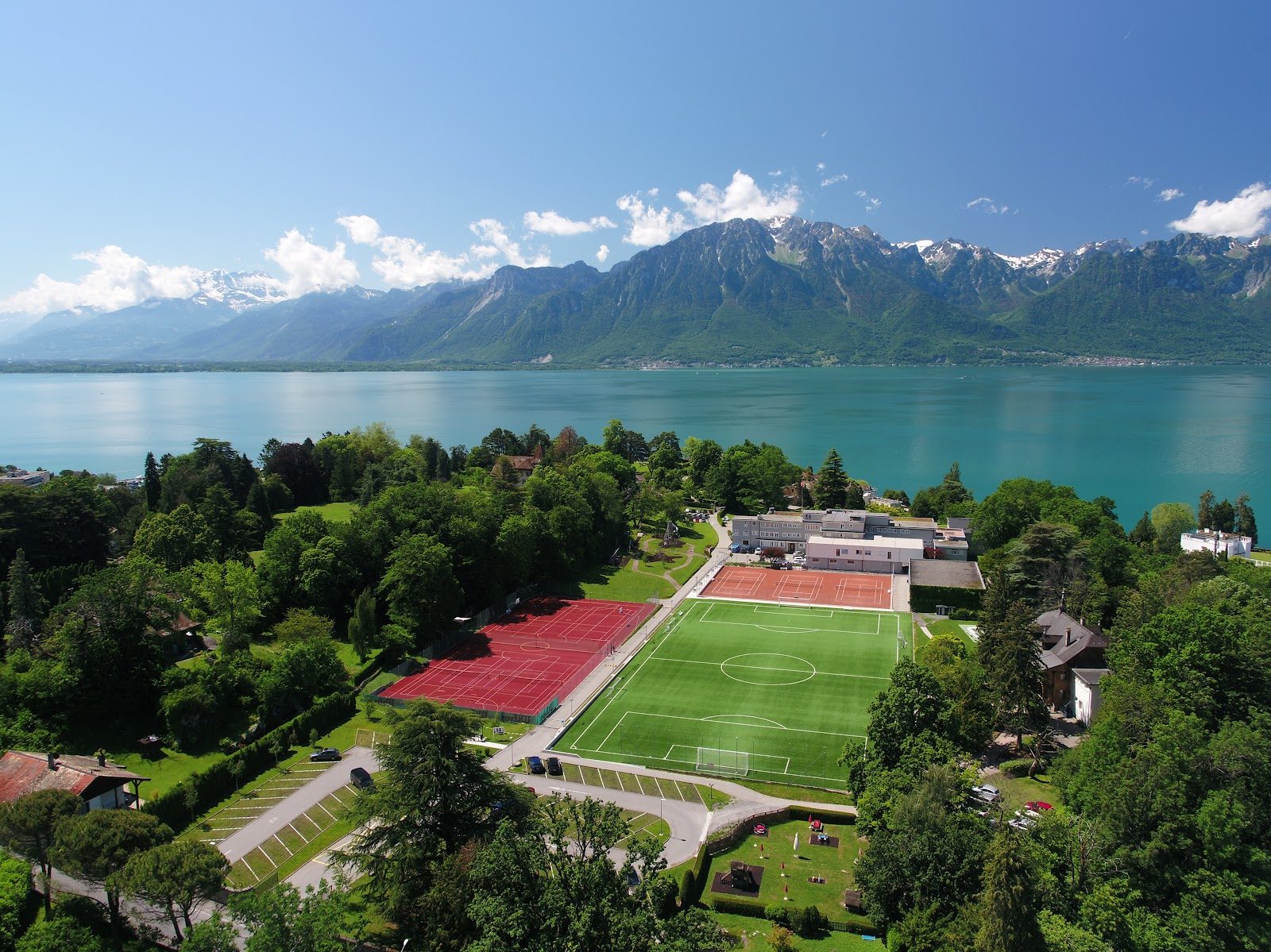
St George's International School (Montreux)
Montreux · Switzerland
Founded in 1927 by two Oxford graduates on the shores of Lake Geneva, pairing British rigor with IB ambition.

Collège Champittet
Pully · Switzerland
A Dominican-founded lakeside campus above Lake Geneva, where boarders choose between IB, French Bac and Swiss Maturite tracks.
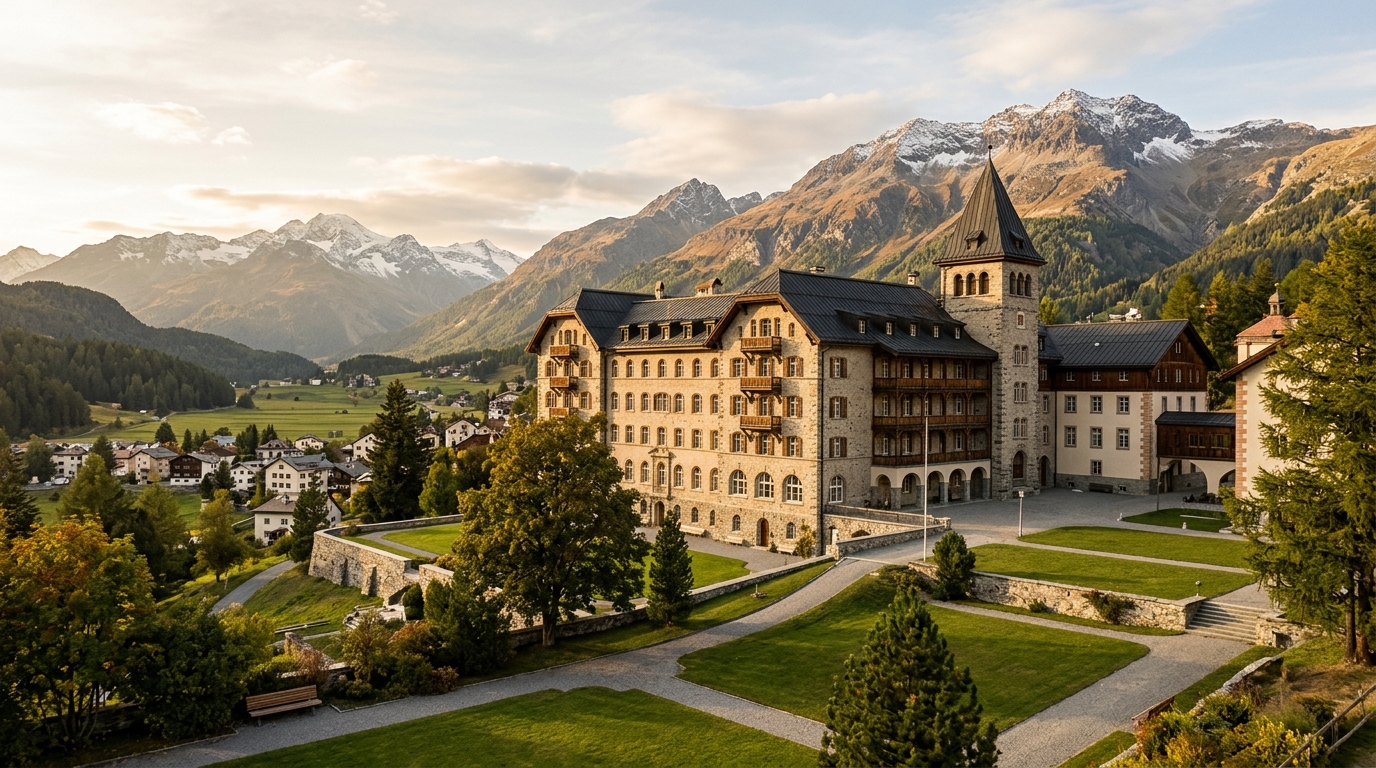
Lyceum Alpinum Zuoz
Zuoz · Switzerland
At 1,750 metres in the Engadine, IB and Swiss Matura classes share the calendar with cricket on Europe's highest pitch, in play since 1922.
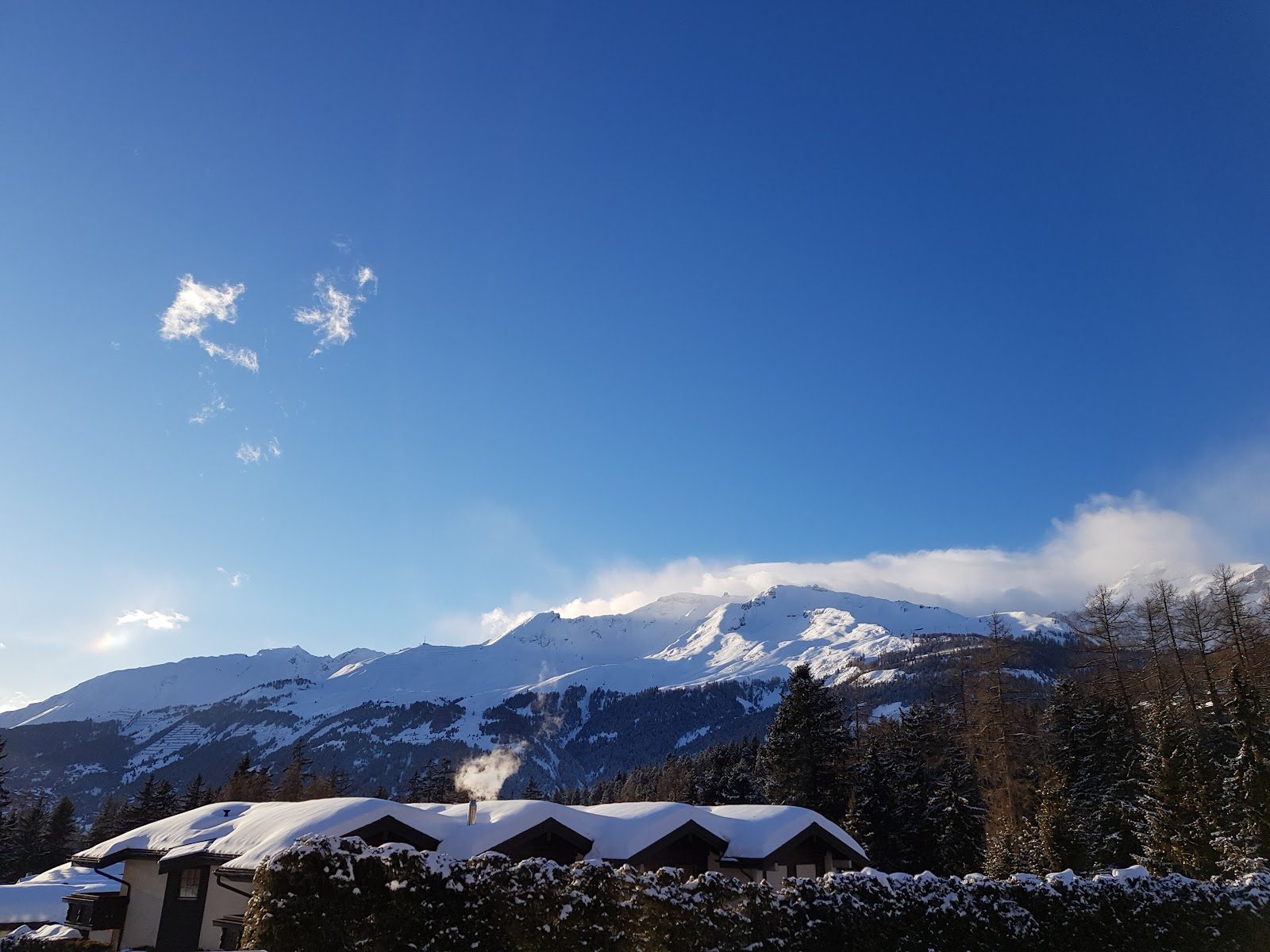
Le Régent International School
Crans-Montana · Switzerland
A purpose-built 2015 alpine campus at 1,500m pairing British and IB curricula with daily ski-in, ski-out outdoor education.
Same country and curriculum — closest matches within ±10 points either way